8 Mosquito-Repelling Plants Perfect For New York Outdoor Spaces
New York summers hand you something rare and fleeting. Long golden evenings arrive, warm breezes roll in, and suddenly your patio becomes the only place you want to be.
I once sat on my Queens patio with citronella candles burning, bug spray soaking my arms, and still counted bites before finishing my iced tea.
That was the moment I stopped fighting mosquitoes with chemicals and started fighting back with plants.
But what if the most powerful repellent was already growing in someone’s garden, hiding in plain sight?
Nature has quietly engineered some of the most potent mosquito deterrents on the planet, and they happen to be strikingly beautiful.
These are not your grandmother’s garden fillers. Fragrant, lush, and surprisingly fierce, certain plants release compounds that mosquitoes genuinely cannot tolerate.
Across New York, patio gardeners are finding that the best mosquito defense isn’t a can of repellent.
It’s a container garden packed with the right herbs and blooms, working quietly in your favor all summer long.Your patio deserves better than survival mode.
1. Lavender
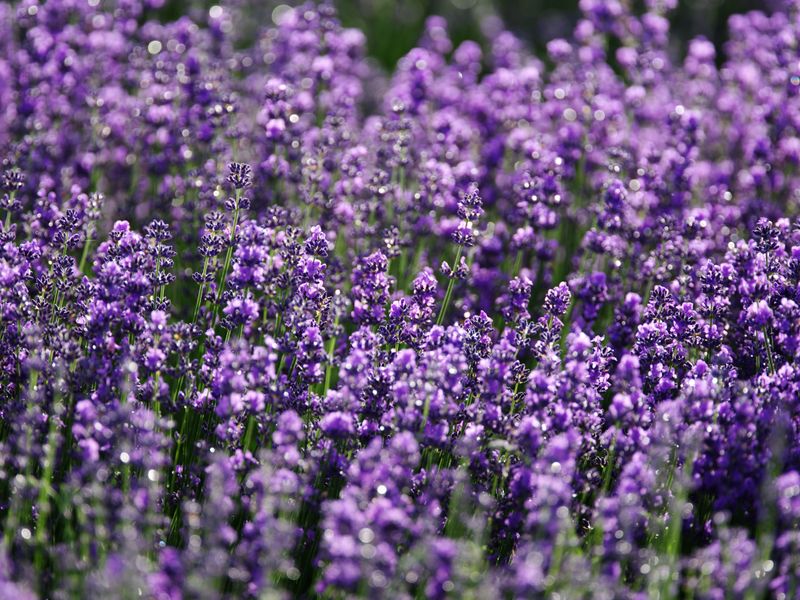
Mosquitoes hate lavender’s scent. That might sound almost too good to be true, but science backs it up completely.
Lavender is rich in linalool, a natural compound that research shows can interfere with mosquitoes’ ability to locate a host.
For New York gardeners, this is genuinely exciting news because lavender is also one of the easiest plants to grow in containers on a balcony or patio. Plant it where the sun hits hardest, ideally six to eight hours of direct light per day.
Lavender loves well-drained soil and actually thrives when you forget to water it for a few days. Place a few pots near seating areas, and the breeze will carry that calming scent right past your nose and away from any mosquito brave enough to approach.
Crushing leaves releases more scent, but test carefully and avoid relying on it as your main protection.
The plant’s silvery-green foliage looks stunning against brick or wood decking, adding serious style points to your outdoor setup.
Lavender also attracts pollinators like bees and butterflies, so your garden becomes a little ecosystem of good bugs while the bad ones stay far away.
Varieties like Hidcote or Munstead are especially well-suited to northeastern climates and can handle a New York winter with minimal fuss. Trim spent blooms regularly to encourage fresh growth throughout the season.
Once lavender settles in, it practically takes care of itself, and your patio becomes noticeably more peaceful.
2. Lemon Thyme
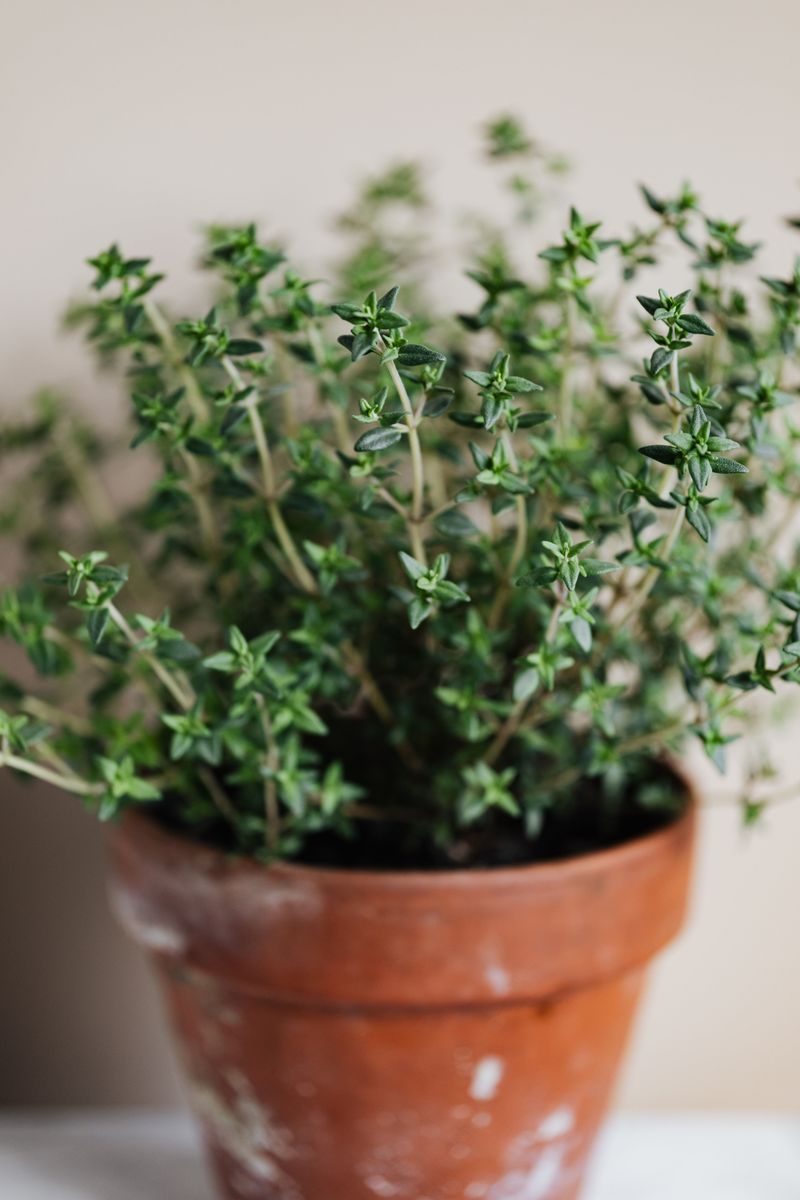
Few herbs punch above their weight quite like lemon thyme. This compact little plant carries a citrusy fragrance so sharp and bright that mosquitoes simply cannot stand being near it.
Researchers at Iowa State University found that crushed lemon thyme leaves deliver around 62% of DEET’s repellency.
It is a remarkable number for something you can grow in a six-inch pot. For city dwellers with limited patio space, that compact size is a genuine blessing.
Your New York Garden Changes Every Week. Your Plan Should Too.
Gardening in New York changes quickly throughout the season. Every Friday you’ll receive a simple weekly plan showing exactly what to plant, prune, fertilize, harvest, and protect so you never miss the right timing.
Lemon thyme grows beautifully in containers and asks for very little in return. Give it full sun, decent drainage, and occasional watering, and it will reward you with lush, fragrant growth all season long.
Tuck it along the edges of raised beds or keep several pots near your seating area so fresh leaves are always within reach to crush and use. The fun part is that lemon thyme is also a fantastic culinary herb.
Chop it into salad dressings, rub it on grilled chicken, or steep it in hot water for a soothing herbal tea.
You get a two-for-one deal: a functional kitchen herb and a natural bug barrier rolled into one cheerful little plant.
Rubbing a sprig between your palms and patting it lightly on exposed skin releases the plant’s oils and creates a quick, temporary shield against bites.
In a crowded New York garden, where every square inch matters, lemon thyme earns its spot ten times over. Small plant, massive impact, and your pasta will never taste the same again.
3. Bee Balm
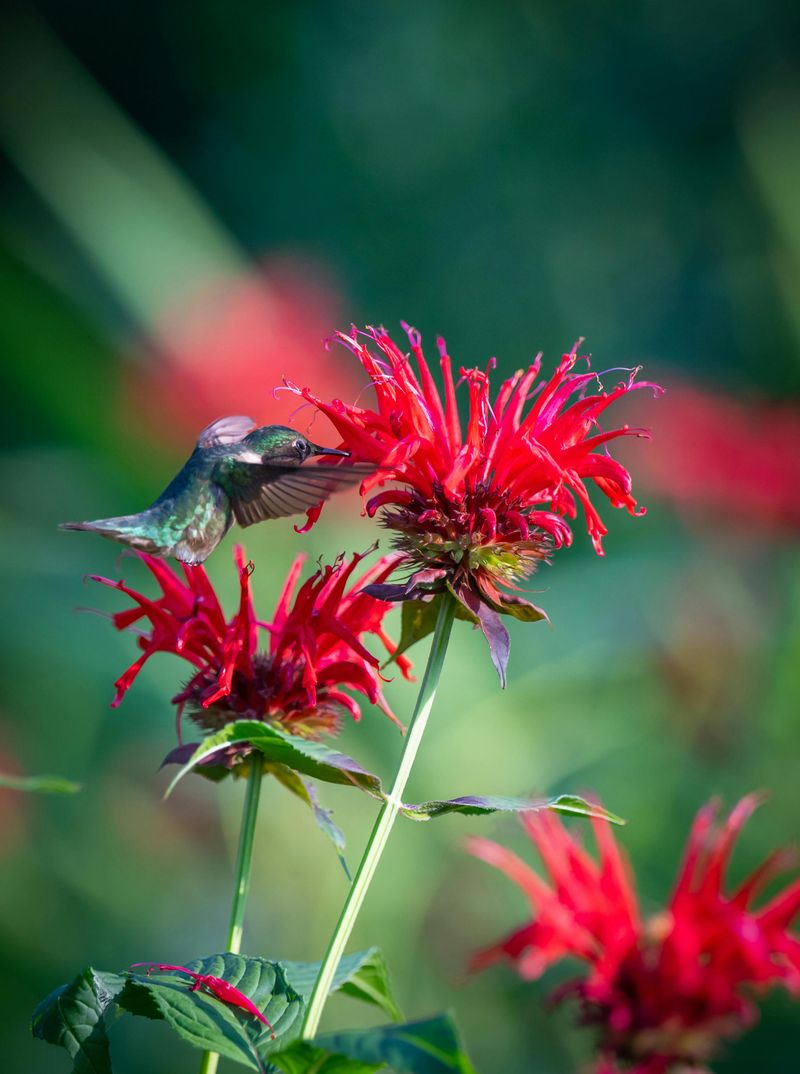
Bee balm is the life of the garden party. It belongs to the mint family, and that sharp, aromatic scent is exactly what mosquitoes cannot stand.
Its wild, shaggy blooms in shades of red, pink, and purple look like tiny fireworks frozen mid-burst, and they attract hummingbirds and butterflies like nothing else.
Growing it near your patio creates a fragrant wall that biting insects simply do not want to cross. Native to North America, bee balm is perfectly adapted to the variable climate you find across New York state.
It handles humidity, tolerates partial shade, and comes back reliably every year as a perennial, meaning you plant it once and enjoy it season after season.
That kind of low-maintenance return on investment is hard to beat for busy homeowners.
Bee balm spreads readily, so give it room to breathe or plant it in a large container to keep it from taking over neighboring plants.
Watering at the base rather than overhead helps prevent powdery mildew, which can be a minor issue in humid summers. Remove spent flowers to keep new blooms coming right through late August.
Beyond its bug-repelling benefits, bee balm has a long history of medicinal use among Indigenous communities, particularly for soothing sore throats and skin irritations.
Brewing the leaves into a tea makes a surprisingly pleasant, oregano-like drink. Your patio gets color, wildlife, and protection all at once, and that is a genuinely hard combination to argue with.
4. Sage

Burning sage around a campfire is an old tradition for a reason. The smoke from smoldering sage leaves has been used for centuries to ward off insects.
Modern research confirms why: the plant’s essential oils, particularly thujone and camphor, are genuinely repellent to mosquitoes.
Crush a few leaves before you sit down, or toss a sprig directly onto the grill during a cookout. Having sage growing nearby means that natural, aromatic shield is always one step away.
Sage is a Mediterranean plant at heart, which means it loves heat, sun, and lean soil. In New York containers, it thrives with minimal fuss as long as you avoid overwatering.
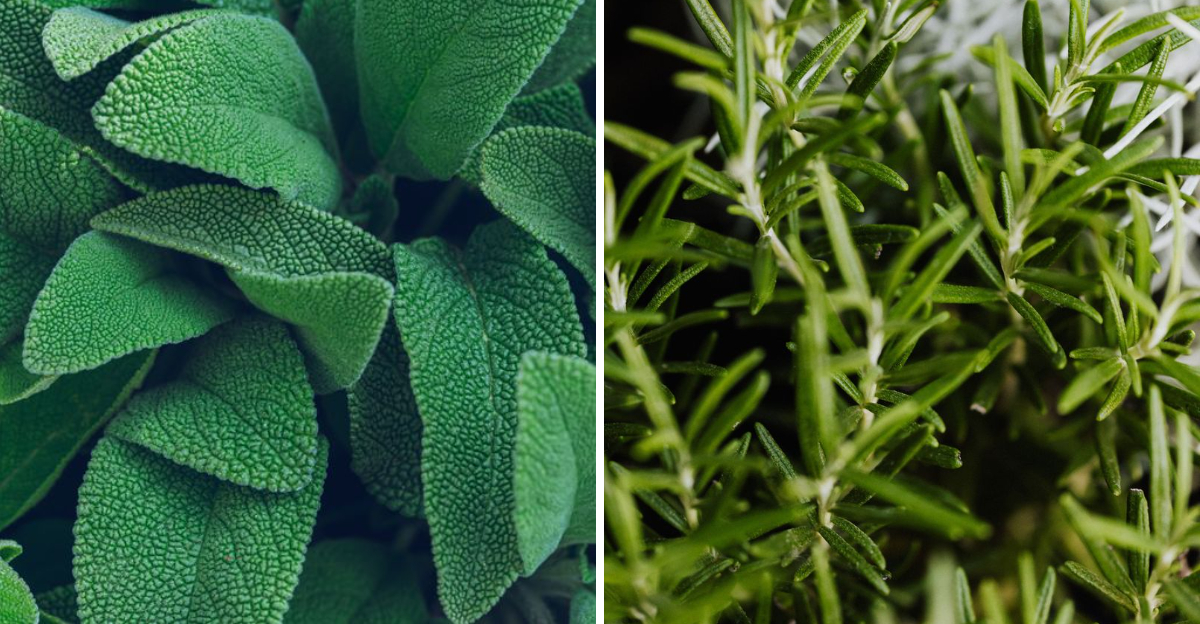
The soft, velvety leaves and silvery-green color make it one of the most visually appealing herbs you can grow. It pairs beautifully alongside lavender or rosemary for a cohesive patio herb garden.
For an extra layer of protection during outdoor gatherings, toss a few fresh sage sprigs onto your charcoal grill or into a small fire pit.
The resulting smoke drifts gently across your seating area and creates a natural, pleasant-smelling mosquito barrier that guests will actually appreciate rather than complain about.
No chemical smell, no sticky residue, just fragrant, effective protection. Culinary sage also elevates roasted vegetables, pasta with brown butter, and Thanksgiving stuffing to an entirely different level.
It is a perennial in milder climates but often acts as an annual in colder New York winters, so plan to replant each spring. Either way, this rugged, aromatic herb more than earns its place on your patio.
5. Lemongrass
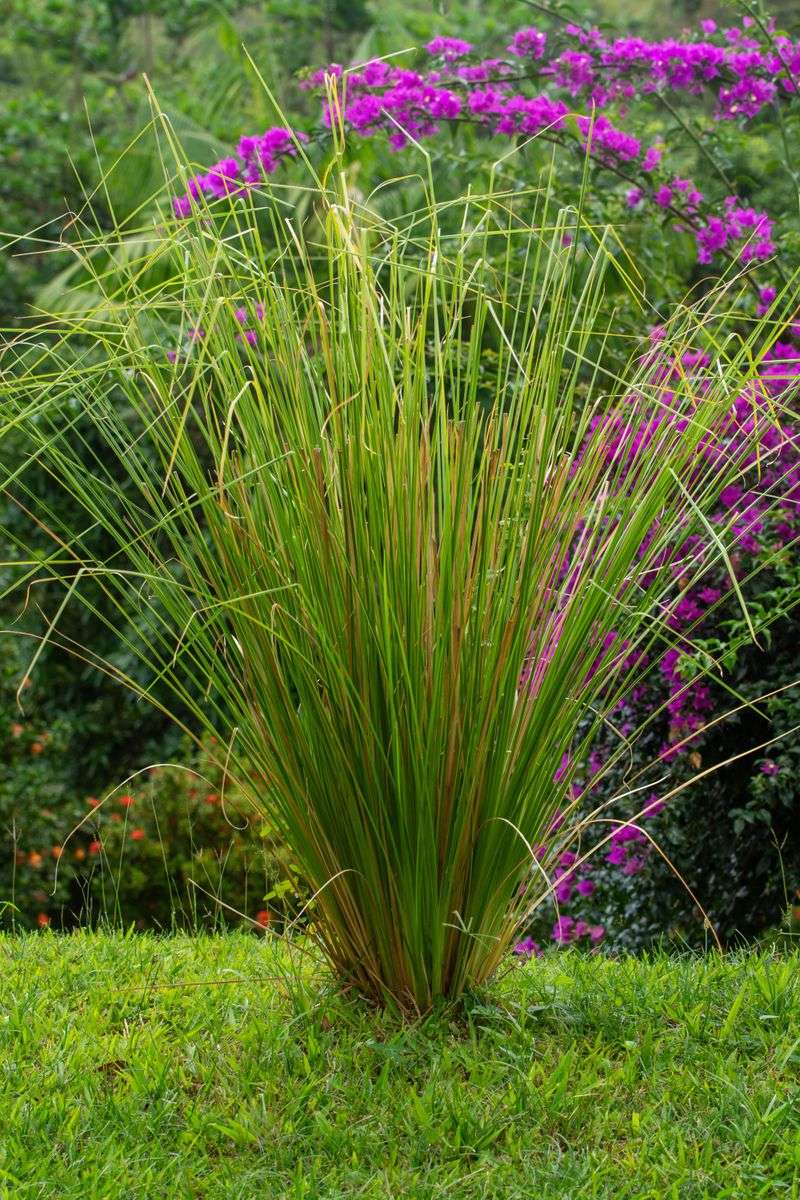
Mosquitoes want nothing to do with this grass. Tall, feathery, and unmistakably tropical-looking, lemongrass brings serious patio drama alongside a scent that sends mosquitoes in the opposite direction.
The secret is citronella oil, the same natural compound found in most commercial mosquito repellent candles and sprays.
The difference is that with lemongrass, you have a living, renewable source of it growing right on your patio.
The plant works best when its leaves are brushed or lightly crushed, releasing that sharp, lemony fragrance into the air around you. Snap off a stem and rub it directly on your skin for on-the-spot protection.
You can also toss a few leaves into a fire pit or outdoor candle to let the smoke carry the scent further across your space.
Beyond mosquito control, lemongrass pulls double duty as a culinary herb. A staple in Thai and Vietnamese cooking, lemongrass lends a bright citrus note to soups, curries, and teas.
Growing it on your patio means fresh ingredients are always within arm’s reach. In New York, lemongrass thrives in containers through the warm months, soaking up full sun on a south-facing patio.
Over a single season, the plant can grow impressively tall, making it a natural focal point in any container arrangement.
When temperatures start to drop in fall, simply bring the pot indoors and the plant will overwinter happily on a sunny windowsill.
Bold, fragrant, and genuinely useful, lemongrass earns its place in any New York patio garden.
6. Basil
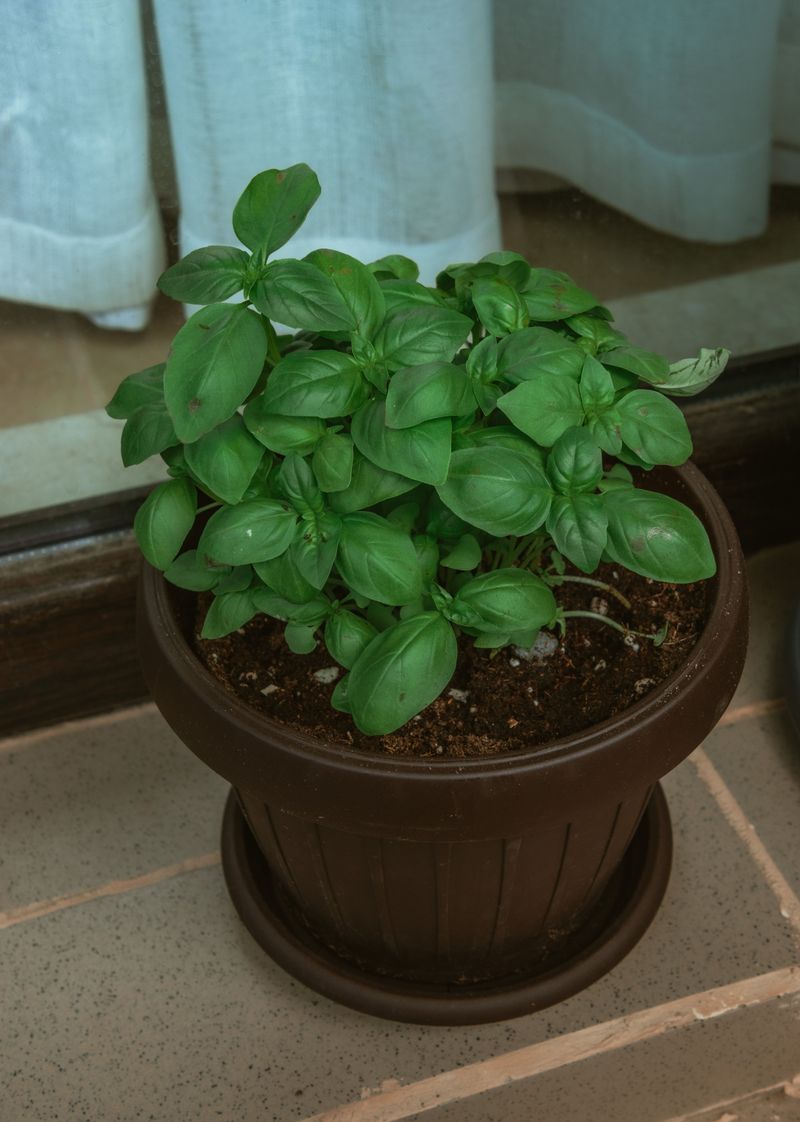
Basil smells like summer, but mosquitoes disagree entirely. The same compounds that make basil irresistible in a Caprese salad, specifically linalool and estragole, are actively repellent to mosquitoes.
Basil releases more scent when brushed, pinched, or harvested. Simply having a healthy, thriving basil plant near your seating area means those oils are already drifting into the air and doing their job around the clock.
Basil is one of the fastest-growing herbs you can keep on a patio, which means it provides coverage quickly and needs frequent harvesting to stay productive.
Pinch off flowering tops as soon as they appear to keep the plant focused on producing leaves rather than seeds.
A single pot near your dining table can make a noticeable difference. Lemon and cinnamon basil hit harder than classic Genovese if you want extra bite.
Mixing a few different varieties in one planter creates a layered aromatic effect that covers more ground.
As a bonus, you will always have fresh herbs on hand for cooking, which is never a bad thing.
Basil needs consistent warmth and at least six hours of sun per day, so position it in the sunniest corner of your patio for best results. Water it at the base to keep leaves dry and prevent fungal issues.
For a mosquito-free outdoor experience in New York summers, basil is one of the simplest, most delicious solutions available to you.
7. Rosemary
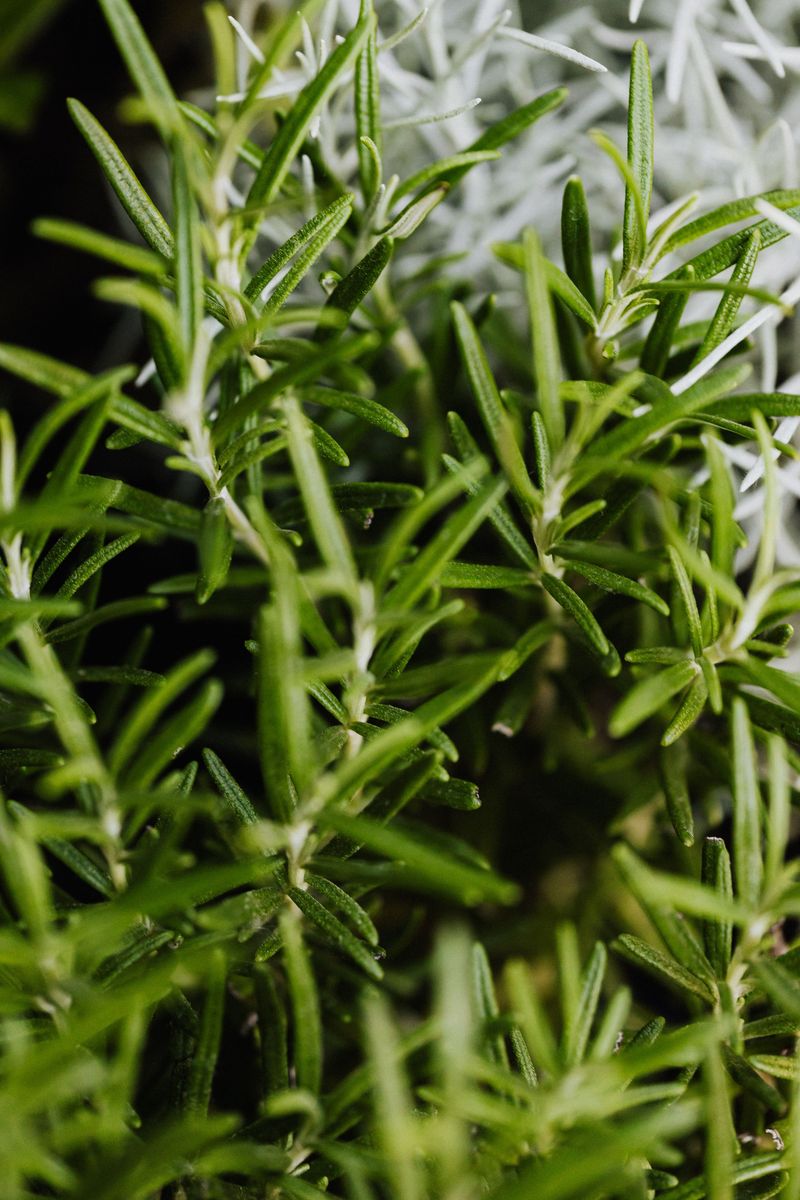
Rosemary is tougher than it looks, and that is exactly what your patio needs. This woody Mediterranean herb produces a sharp, resinous scent that mosquitoes find genuinely intolerable.
On warm days, its natural oils drift gently into the surrounding air, helping discourage biting insects from settling nearby.
Drought-tolerant and container-friendly, it is one of the most low-maintenance choices for a New York patio.
It prefers sandy or well-drained soil, thrives in heat, and actually produces more of its protective oils when conditions are slightly dry and warm. The more the sun beats down on it, the harder it works on your behalf.
Like sage, rosemary smoke is particularly effective at repelling mosquitoes. Tossing a few woody sprigs onto a grill or into a small outdoor fire creates a fragrant, protective cloud that spreads naturally across your seating area.
Guests often comment on the pleasant herbal aroma without ever realizing it is also serving as a natural bug barrier.
Rosemary can grow quite large over several seasons, eventually reaching shrub-like proportions in a generous container. Trim it regularly to maintain a manageable shape and encourage fresh, oil-rich new growth.
As a culinary staple for roasted meats, focaccia, and savory cocktails, rosemary pulls serious double duty in any outdoor living space.
For a mosquito-free patio that also smells extraordinary, rosemary belongs at the top of your planting list.
8. Walker’s Low Catmint
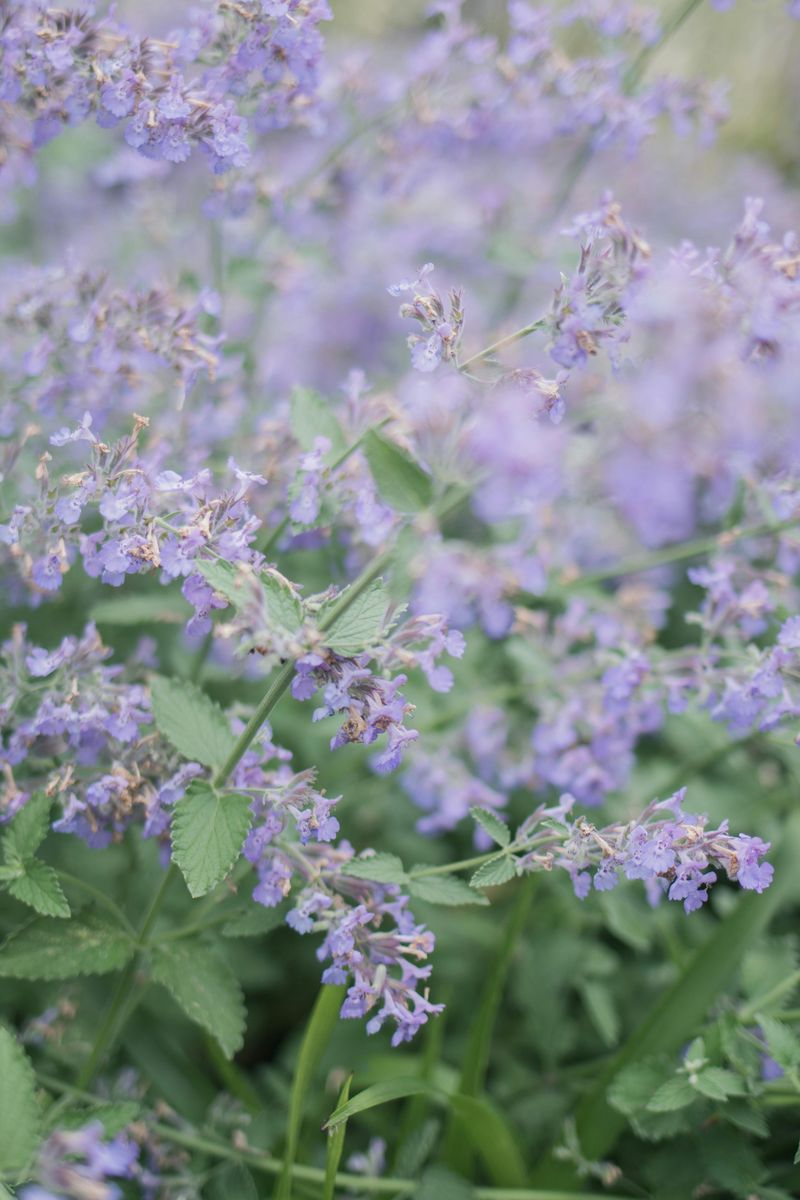
Walker’s Low Catmint is the secret weapon most New York gardeners overlook. Despite its name, this plant stays relatively low to the ground.
It spreads into a soft, billowing mound of silver-green foliage covered in tiny lavender-blue flowers from late spring through summer.
The minty, slightly medicinal scent it releases is the key to its mosquito-repelling power.
On a warm afternoon, that aroma is strong enough to notice from several feet away. For patios that need ground-level coverage, catmint fills that gap beautifully.
Unlike true catnip, Walker’s Low Catmint is far less likely to send neighborhood cats into a frenzy, though some curious felines may still investigate.
It is a sterile hybrid, which means it will not self-seed aggressively and take over your garden beds.
That well-behaved growth habit makes it one of the most manageable perennials you can choose for a tidy, organized outdoor space.
Plant it along patio borders, at the base of larger container plants, or spilling over the edges of raised beds for a layered, cottage-garden effect.
After the first flush of blooms fades in midsummer, cut the plant back by about a third and it will rebound with a fresh wave of flowers within a few weeks.
That second bloom period extends your mosquito protection well into late summer, which is exactly when New York evenings get most enjoyable.
Walker’s Low Catmint is drought-tolerant, cold-hardy, and nearly pest-resistant on its own.
It asks for almost nothing and gives back season after season without complaint. Pair it with lavender and rosemary. Few combinations work harder.