Why New York Lawns Are Struggling With Ant Hills This Summer And What Actually Helps
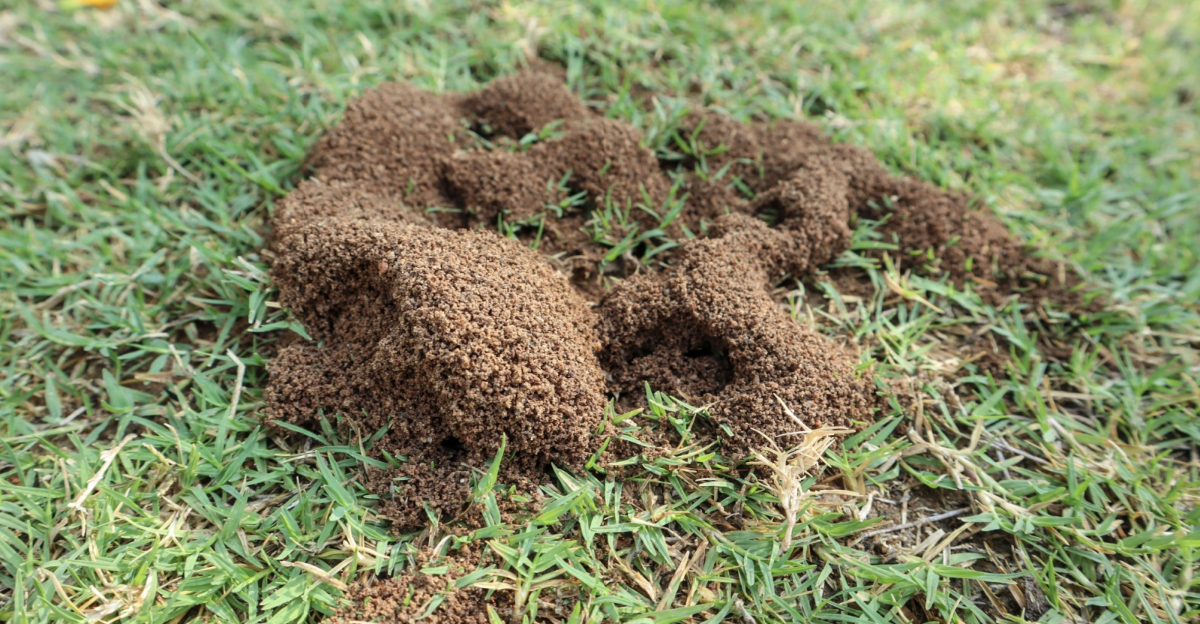
Those small mounds of dirt scattered across your lawn are not a coincidence. Many New York homeowners are reporting more ant hill activity than usual this summer.
If yours keeps growing back no matter what you do, there is a reason for that.
Ants are not random. They show up where conditions work in their favor, and this summer, your lawn may be giving them exactly what they need.
The heat, the moisture patterns, even the way you water your grass can all play a role.
The good news is that once you understand what is actually driving the problem, fixing it gets a lot more straightforward.
Expensive treatments and guesswork are not required. Just a clearer picture of what is happening under your lawn and what you can do about it.
The Truth About Ant Hills In Your Lawn
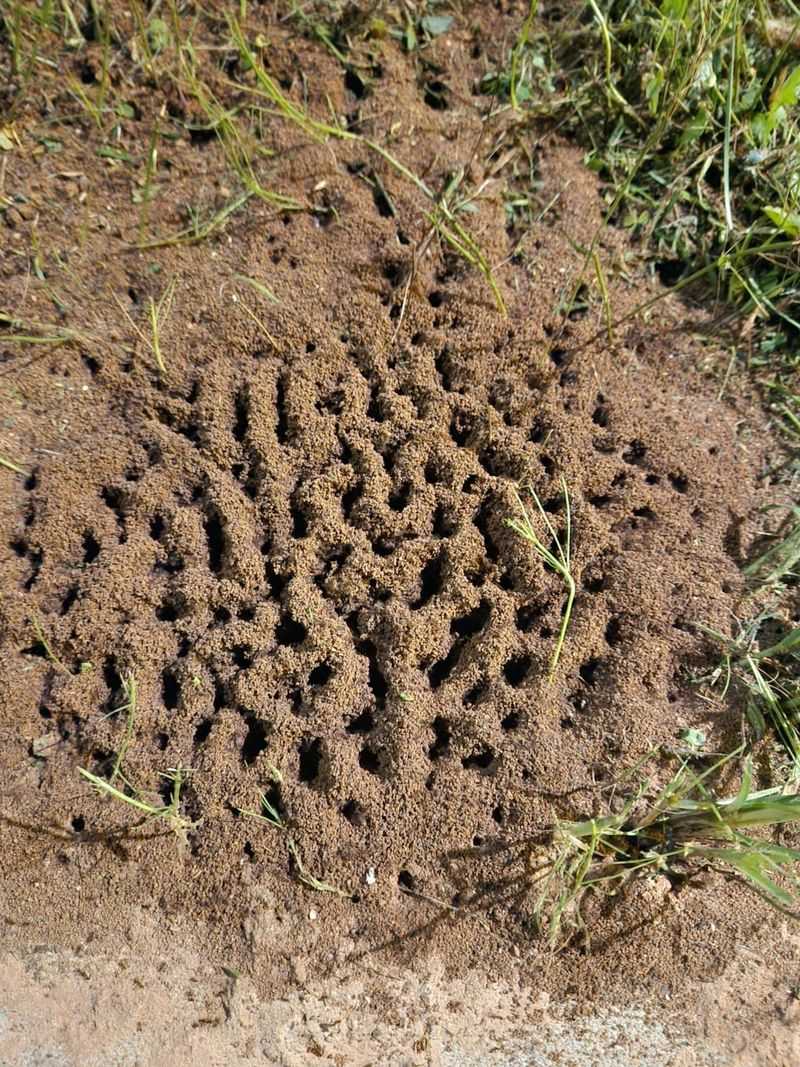
That little mound of dirt is not just dirt. Ant hills are the surface signs of a much larger underground colony that can extend a foot or more beneath the surface of your lawn.
Ants push loose soil upward as they dig tunnels and chambers below ground. What you see on top is basically their construction waste piled into a cone shape.
A single colony can contain thousands of workers, all tunneling at once. That means one small mound on the surface could represent serious underground activity happening right under your feet.
Ant hills in your lawn can cause more damage than most people expect. The tunneling disrupts grass roots, creates uneven patches, and can leave your yard looking rough and lumpy over time.
Mowing over ant hills can be hard on your mower blades, particularly with larger or more hardened mounds. Ignoring the mounds rarely makes them go away on their own.
Understanding what ant hills actually are helps you treat them more effectively. You are not just dealing with a pile of dirt.
You are dealing with a living, thriving underground community that has claimed your lawn as its home for the season.
New York Summers And The Ant Hill Problem
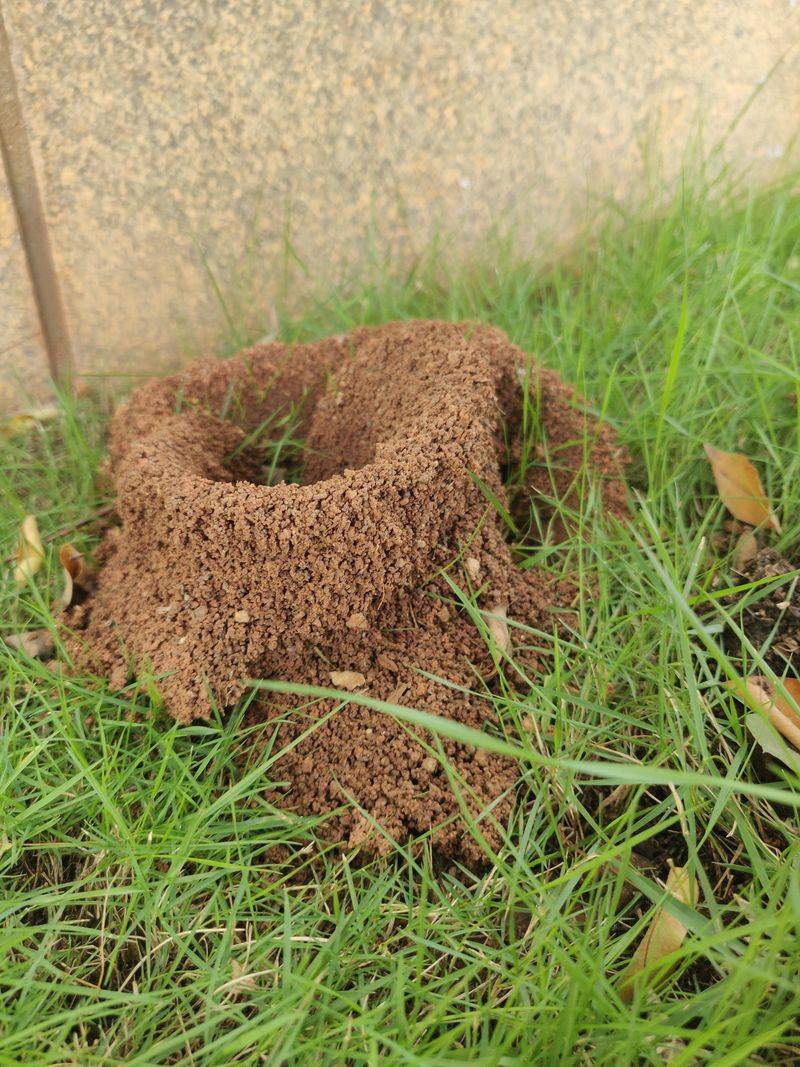
New York summers are tough on lawns, and ants know it. The heat, the rain, the unpredictable weather, this season has given them everything they need.
Ants thrive in warm soil, and New York summers have been delivering exactly that. Soil temperatures this season have stayed elevated for longer stretches, giving colonies more time to expand.
The combination of heat waves and sudden rainstorms creates a cycle that ants love. Rain softens the soil, making it easier to dig.
Then the heat dries everything out fast, which pushes ants to build deeper for moisture.
Urban and suburban New York yards face an extra challenge because the surrounding concrete and pavement trap heat. That heat radiates into nearby soil, keeping ant colonies warm and active even at night.
Many New York homeowners have been reporting more ant hill activity than usual this season.
Knowing why this summer is worse than usual helps you plan smarter. The ant hill problem is not random.
Your New York Garden Changes Every Week. Your Plan Should Too.
Gardening in New York changes quickly throughout the season. Every Friday you’ll receive a simple weekly plan showing exactly what to plant, prune, fertilize, harvest, and protect so you never miss the right timing.
It is a direct response to the specific conditions this season has created, and that means targeted solutions can actually work.
Lawn Conditions That Attract Ants In The First Place
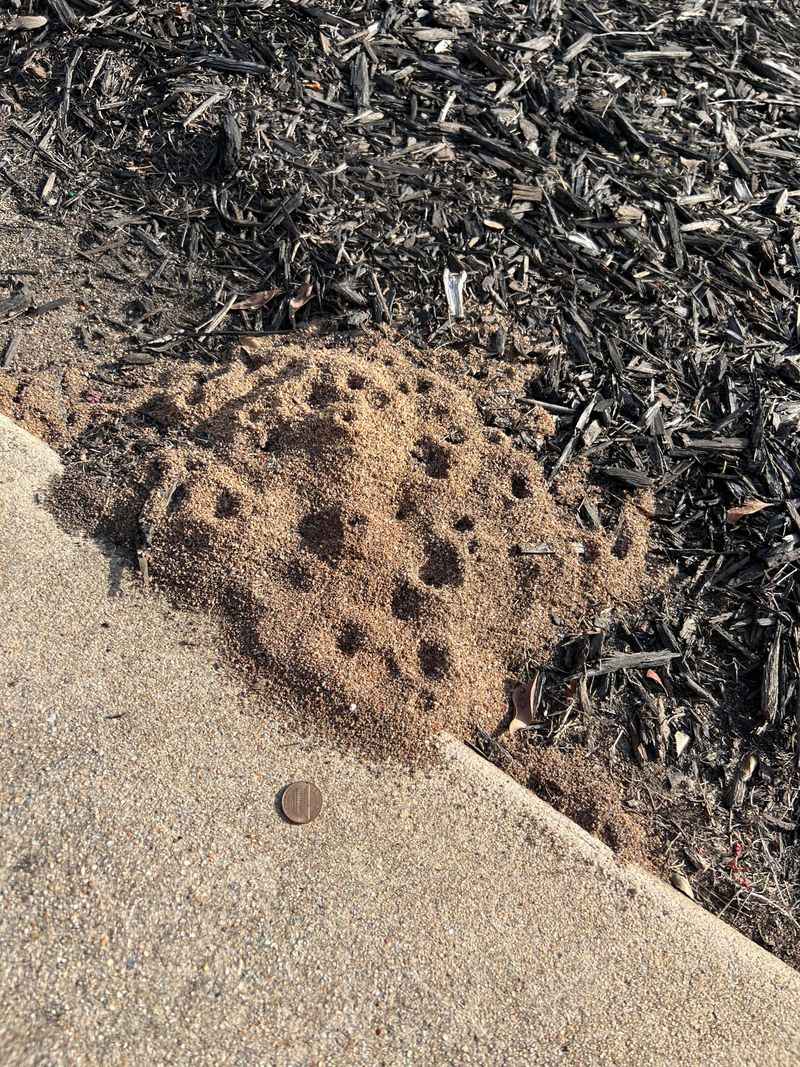
Ants do not pick your lawn randomly. They scout for specific conditions before a colony decides to move in and start building.
Dry, sandy, or compacted soil is one of the biggest attractants. Ants prefer soil that is easy to tunnel through, and lawns that have not been aerated or watered properly become prime real estate for them.
Sparse grass coverage is another open invitation. Thick, healthy turf makes it harder for ants to establish mounds.
Thin patches of lawn give them easy access to the soil below with minimal resistance from roots.
Food sources also play a major role. Lawns near gardens, fruit trees, or composting areas tend to attract more ant activity.
Aphids on nearby plants produce a sweet substance that ants actively farm, drawing them in from a distance.
Poor drainage creates moist pockets underground, which ants seek out during dry spells. If your lawn holds water in certain spots after rain, those areas can become ant hotspots within days.
Old wood, mulch piles, or debris left on the lawn edge give ants sheltered spots to nest near. Cleaning up clutter around your yard removes some of the most appealing real estate ants look for when scouting a new home.
The Most Common Ant Species In New York Yards
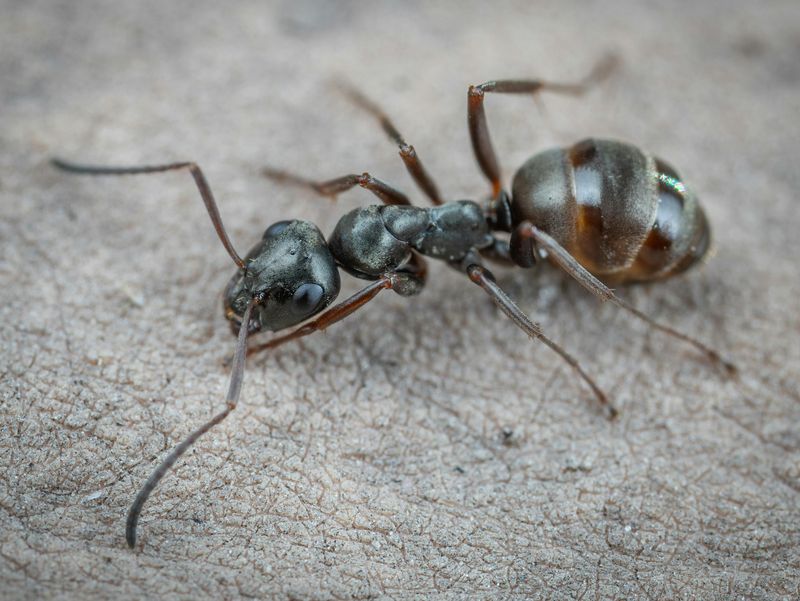
Not every ant building a mound in your lawn is the same species. New York yards host several types of ants, and knowing which one you have actually matters for treatment.
Pavement ants are among the most common culprits. Despite their name, they frequently invade lawns, especially near walkways and driveways.
Their mounds are small and often appear along cracks or edges.
Odorous house ants also show up in lawns across the region. They are tiny, dark brown, and emit a strange smell when crushed.
These ants prefer moist environments and tend to nest near water sources or shaded areas of the yard.
Carpenter ants are larger and tend to nest in wood, but they forage widely across lawns. Spotting them near your grass usually means there is a wooden structure nearby that they have already claimed.
Fire ants have been slowly expanding their range northward, and some parts of the state have started seeing them in recent years. Their mounds are larger and dome-shaped, and their stings are genuinely painful.
Field ants build some of the biggest mounds in New York lawns. They can be aggressive when disturbed and their colonies grow large quickly.
Identifying the right species helps you choose the treatment that will actually address the ant hill problem you are dealing with.
The Most Effective Ways To Get Rid Of Ant Hills

Ant hills do not always need treatment. If the mounds are small, the ants are not aggressive, and they are staying out of the house, you can leave them alone.
Treatment makes sense when they are damaging your turf, creating nuisance mounds, or the species is aggressive or stinging.
Getting rid of ant hills takes more than pouring boiling water on a mound and calling it a day. Effective treatment targets the colony, not just the surface pile of soil.
Granular ant baits are one of the most reliable options available to homeowners. Worker ants carry the bait back into the colony, where it spreads through the population over several days.
This approach reaches the queen, which is the key to collapsing the whole colony.
Liquid insecticide drenches work well when applied directly into the mound opening. Pouring a generous amount into the center of the hill pushes the treatment deep into the tunnel system below.
Diatomaceous earth is a natural, non-toxic powder that damages the outer shell of ants and dehydrates them. Sprinkling it around and into mounds is a safer option for yards with children or pets nearby.
Dish soap mixed with water disrupts the protective coating on ants and can help reduce surface populations quickly. This method works best as a short-term control while a bait treatment takes effect underground.
Consistency matters more than intensity when treating ant hills. One application rarely solves the problem permanently.
Follow the product instructions for retreatment timing. Staying consistent throughout summer gives you the best chance of reclaiming your lawn before fall arrives.
When To Call A Professional For Ant Hills
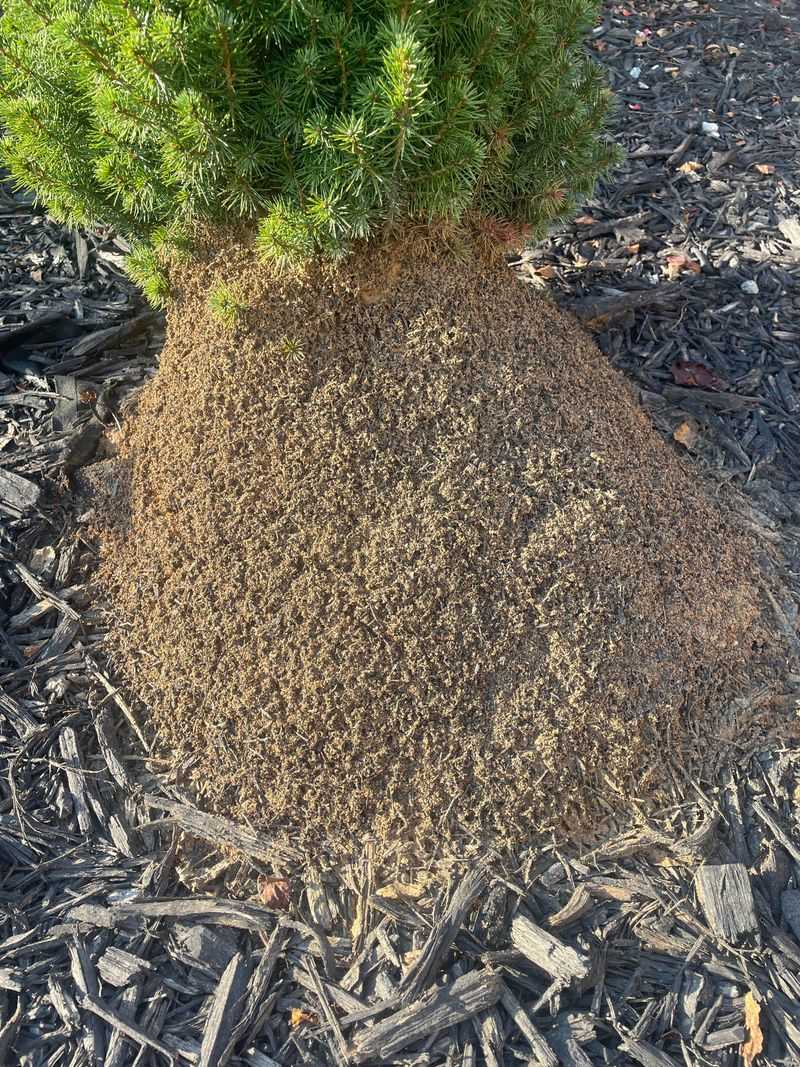
Not every ant hill needs professional attention. If the problem is minor and the ants are not causing damage, treatment may not be necessary at all.
But some ant hill situations go beyond what a bag of bait and a garden hose can handle. Knowing when to bring in a professional saves you time, money, and a lot of frustration.
If you have treated the same mounds multiple times and they keep returning within days, the colony is likely large and well-established. At that point, professional-grade products may be the only thing that actually works.
Multiple mounds spreading across your lawn at once usually mean the colony has already split into satellite nests. That kind of scattered activity does not appear overnight.
Fire ant identification is another reason to call for help immediately. Their stings cause real pain and can trigger allergic reactions in some people.
Professional treatment is the fastest and safest approach when fire ants are involved.
Pest control professionals use stronger formulations and targeted methods that retail products cannot match. They can also identify the exact species, which makes treatment far more precise.
One professional treatment often costs less than several failed product attempts. Sometimes the smartest move is calling in an expert and starting fresh.
Natural Remedies That Actually Work On Ant Hills

Plenty of natural remedies get shared online, but not all of them actually do much. A few of them, though, can make a real difference on ant hills in your lawn.
Cinnamon is one option worth trying as a deterrent. Ants tend to dislike the scent, and sprinkling it around mound openings may disrupt their traffic patterns and make the location less attractive to them.
White vinegar poured directly into a mound can disrupt the chemical trails ants use to navigate. Without those trails, the colony may become temporarily disorganized and less effective at maintaining its structure underground.
Citrus-based sprays contain limonene, a compound that can be toxic to ants on contact. Some homeowners blend citrus peels with water and pour the mixture directly into mounds.
Cornmeal is often suggested as a solution, but the science behind it is limited. Ants can digest it just fine, so do not count on it as a standalone fix for serious ant hill activity in your lawn.
Combining methods tends to work better than relying on just one. Pairing diatomaceous earth around the mound with a vinegar drench inside it targets ants both above and below the surface.