Why New York’s Summer Weather Is Splitting Your Tomatoes And How To Stop It
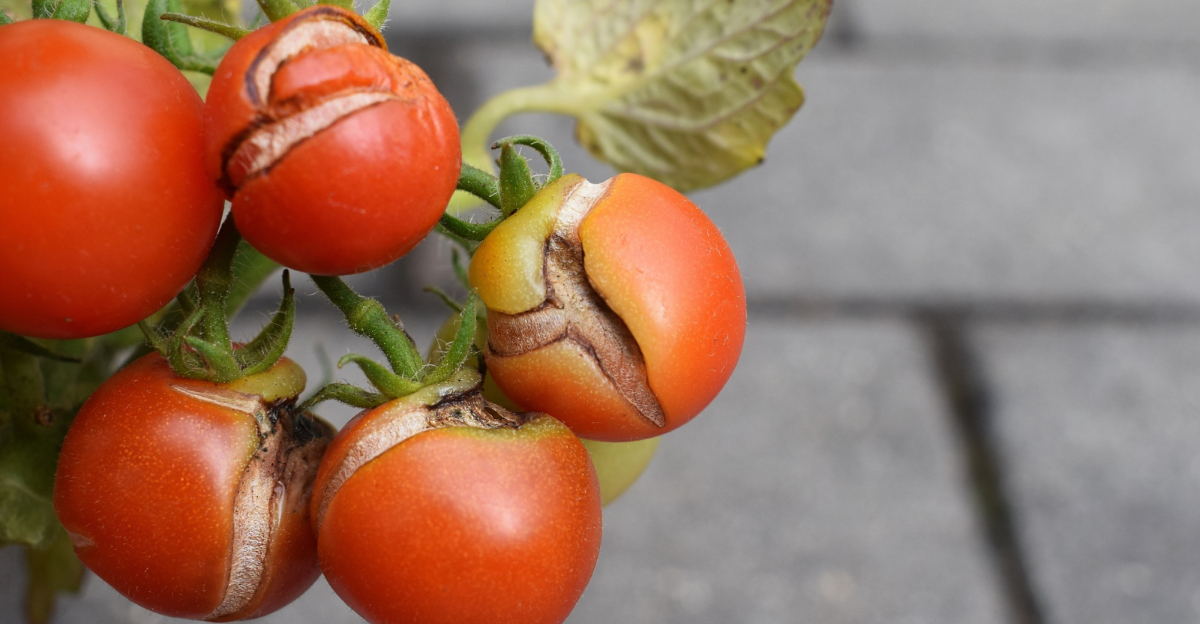
What is the point of growing tomatoes if the vine beats you to splitting them open? You planned all spring for this moment.
One heavy rain is all it takes. By morning, the tomatoes you nursed through weeks of heat are cracked open like the vine finally lost patience.
I had a Cherokee Purple split so perfectly down the middle it looked surgical. Not one, not three, the whole row gone after a single heavy rain hit my New York plot.
So what actually happens inside that fruit when the sky opens up? Your tomato skin is a slow learner.
It cannot stretch fast enough when roots suddenly gorge on water after days of dry heat. The flesh swells, the skin surrenders, and the crack runs deep.
New York summers weaponize this cycle against you with alarming consistency. Scorching dry spells followed by drowning rainstorms are not random bad luck.
They are a pattern you can finally get ahead of. Stop mourning the splits. Start preventing them.
Sudden Heavy Rainfall After A Dry Spell
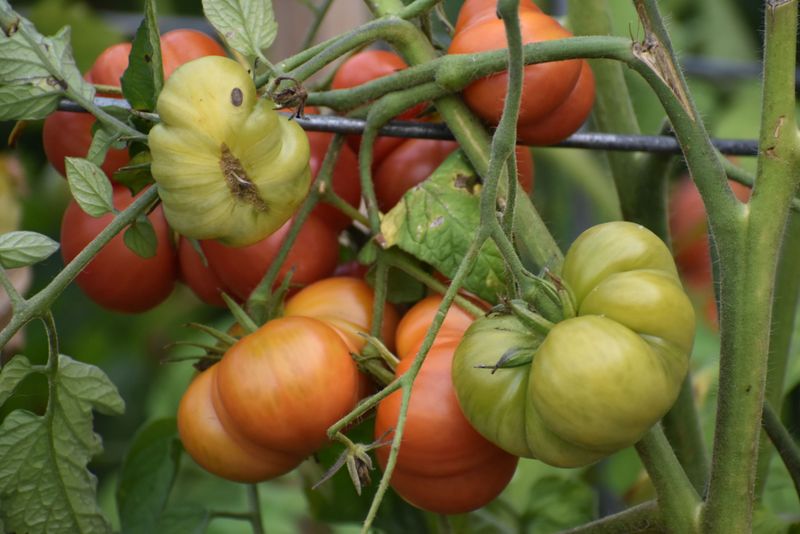
Cracked tomatoes after a rainstorm feel like a cruel joke from nature. One day your garden is parched and dry, and the next a thunderstorm dumps two inches of rain in an hour.
That sudden flood of water gets absorbed by the tomato so fast that the inside grows quicker than the skin can stretch.
New York summers are famous for this exact pattern, long dry stretches followed by dramatic afternoon downpours.
The tomato’s skin simply cannot keep up with the rapid expansion happening inside. The result is a split that runs from the stem down the fruit, sometimes deep enough to ruin the whole tomato.
Splitting tomatoes caused by rain is one of the most common complaints from home gardeners across the state.
You cannot control the weather, but you can control how your soil holds and releases moisture.
Keeping your soil consistently moist between storms is the single most powerful thing you can do to reduce the damage from sudden heavy rain. Think of it like a sponge that is already damp absorbing less shock than a bone-dry one.
A well-hydrated plant handles a sudden downpour far better than a thirsty one. Your watering routine is your first line of defense against storm damage.
Inconsistent Watering Habits
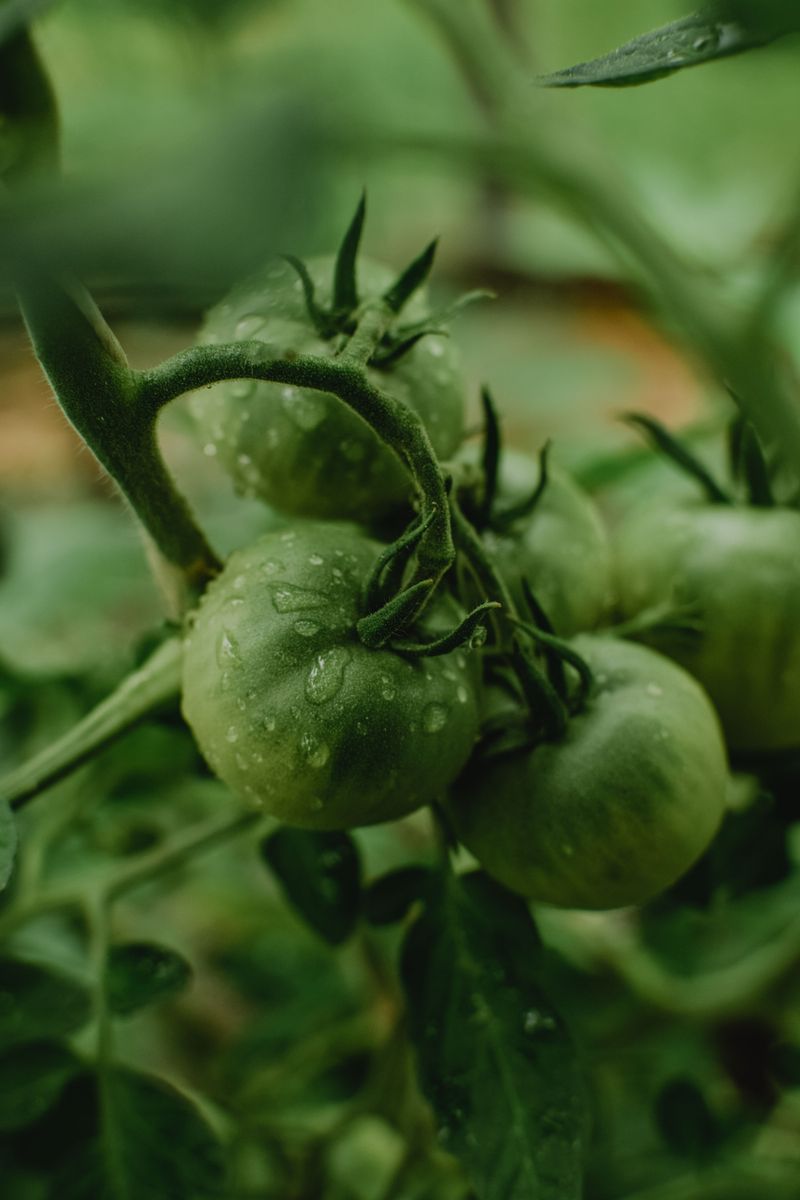
Skipping watering days might seem harmless, but your tomatoes are keeping score. Inconsistent moisture is one of the top reasons splitting tomatoes show up in home gardens, and it happens slowly before it becomes obvious.
When plants go from drought stress to sudden flooding, the fruit swells unevenly and the skin breaks.
A tomato plant that gets water every other day one week and nothing for five days the next is constantly in a state of stress.
That stress causes the fruit to develop unevenly, building up internal pressure that the outer skin cannot contain.
Once that pressure hits a peak, the tomato cracks, often overnight when you least expect it.
Your New York Garden Changes Every Week. Your Plan Should Too.
Gardening in New York changes quickly throughout the season. Every Friday you’ll receive a simple weekly plan showing exactly what to plant, prune, fertilize, harvest, and protect so you never miss the right timing.
Setting a consistent schedule is not complicated, but it does require commitment. Deep watering two to three times a week is far more effective than a quick daily splash.
Deep watering encourages roots to grow down into the soil where moisture is more stable and protected from the heat.
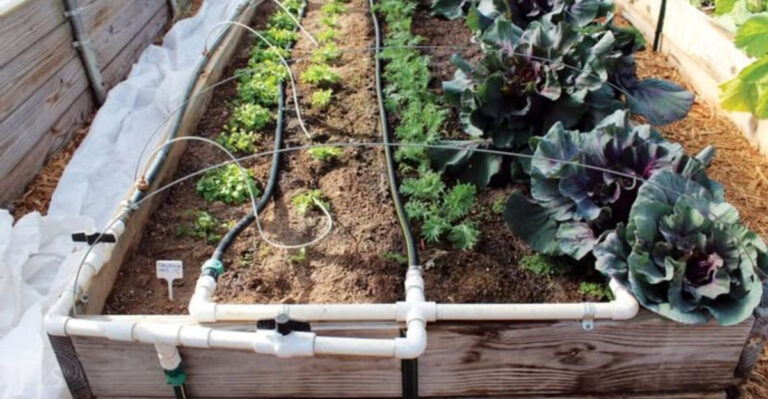
A simple drip irrigation system or a soaker hose on a timer can completely transform your results.
These tools take the guesswork out of watering and keep moisture levels steady even when life gets busy.
Consistency is the quiet secret that separates a thriving tomato harvest from a cracked, disappointing one.
Extreme Heat Spikes
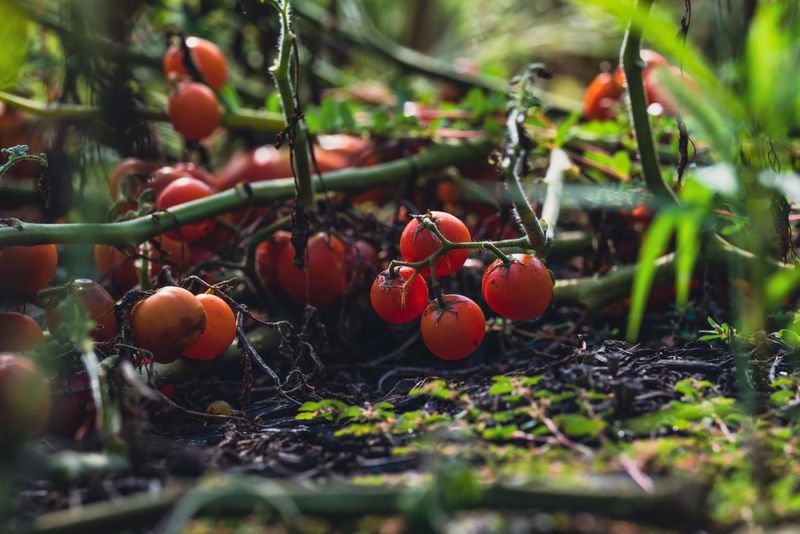
Sustained 95-degree heat pushes tomato plants to their limit, fast. Extreme heat spikes push tomato plants into survival mode, causing them to stop absorbing water efficiently.
When cooler temps return or rain arrives, the plant suddenly gulps up moisture, and the fruit pays the price. Heat stress changes how a tomato plant manages fluids.
The roots work overtime trying to pull moisture from dry soil while the fruit on the vine keeps ripening in the blazing sun.
This creates a dangerous imbalance where the inside of the tomato is developing faster than the outside can handle. Shade cloth is one of the smartest tools a summer gardener can own.
Draping a 30 to 50 percent shade cloth over your tomato plants during a heat wave reduces the temperature around the fruit by several degrees.
That small reduction in heat can be the difference between a perfect harvest and a pile of cracked tomatoes. Afternoon shade from a nearby fence, trellis, or tall plant can also offer natural relief.
Pairing shade with consistent deep watering gives your plants the best chance of surviving a brutal stretch of summer heat.
A little planning now means you will not be staring at ruined fruit when the heat finally breaks.
Over-Ripening Left On The Vine
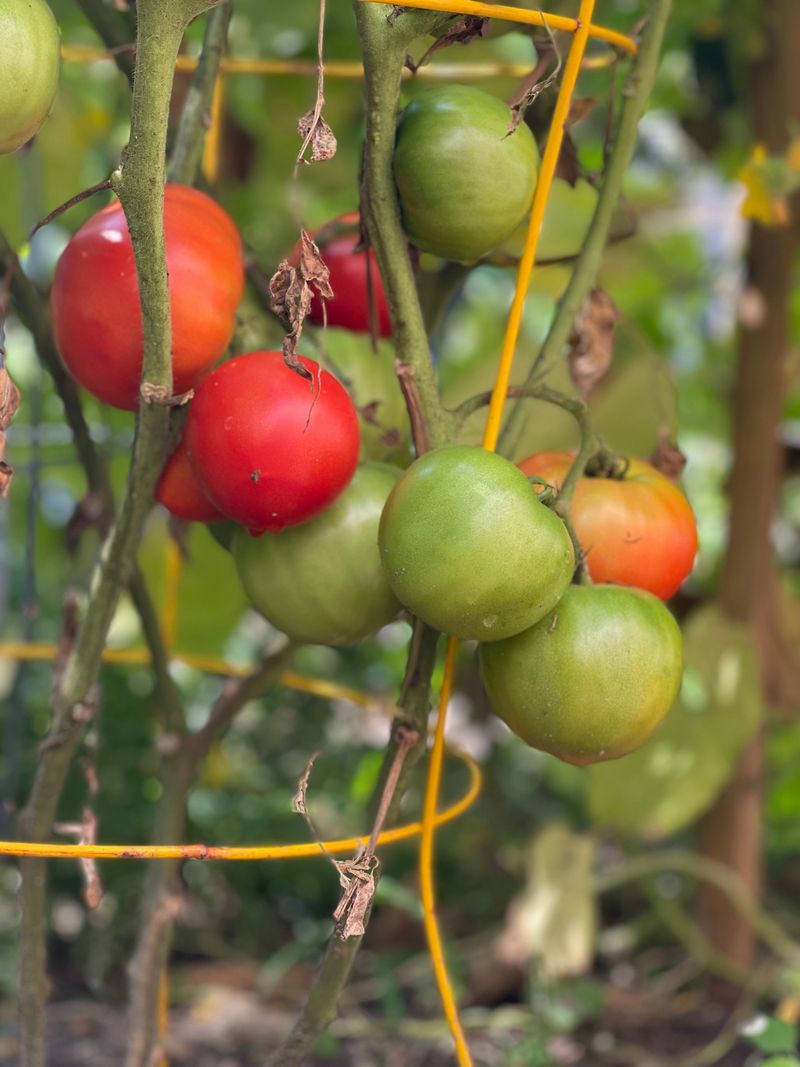
The longer a ripe tomato hangs, the closer it gets to splitting itself open. As a tomato reaches full ripeness, its skin becomes thinner and more fragile with each passing day.
At that point, even a small amount of rain or a shift in watering is enough to cause a split. Over-ripe tomatoes have used up most of their ability to flex and expand.
The skin loses elasticity as the fruit matures past its peak, making it far more vulnerable to cracking from any moisture change.
Gardeners who check their plants only on weekends often find a trail of cracked fruit waiting for them on Monday morning.
Getting into the habit of checking your plants every day or two during peak season makes a huge difference.
Harvesting tomatoes when they are fully colored but still slightly firm gives you wiggle room before they become splitting tomatoes.
They will continue to ripen beautifully on your kitchen counter without the risk of cracking on the vine. Trust your eyes and your hands when checking for readiness.
A tomato that gives just slightly under gentle pressure is ready to come off the vine. Picking at the right moment is not impatience, it is smart harvesting that protects your whole crop.
Calcium Deficiency In Soil
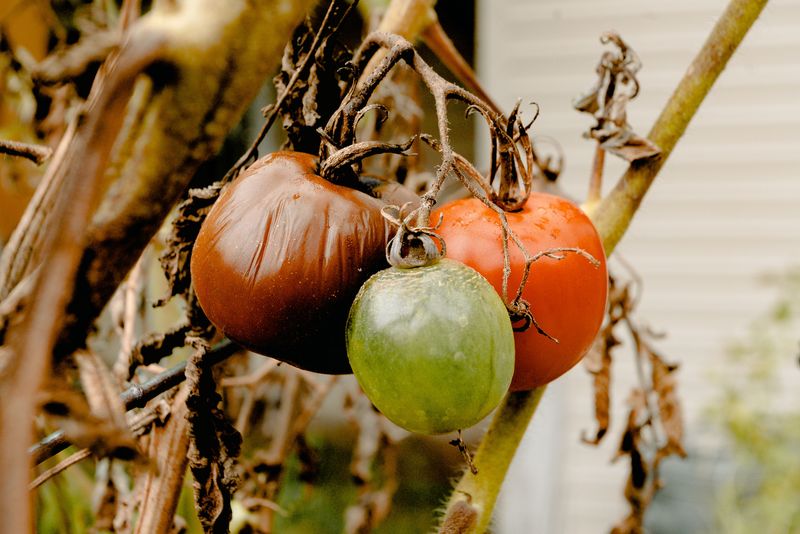
Moisture swings stress your tomatoes fast. Poor calcium availability only compounds the issue.
Without enough of it, the tomato’s internal structure is weak and far more likely to break apart under pressure.
New York soils can vary wildly in calcium content depending on your location and how the soil has been managed over the years.
Acidic soils, which are common in many parts of the state, tend to lock up calcium so the plant cannot absorb it even when it is present.
A simple soil test can reveal exactly what your garden is working with.
Adding lime to raise the soil’s pH is one of the most effective ways to improve calcium availability. Garden lime or gypsum can be worked into the soil before planting season.
Some gardeners also use a foliar calcium spray during the growing season as a quick boost when deficiency symptoms appear.
Healthy calcium levels do not just reduce splitting, they also help prevent blossom end rot, another frustrating tomato problem.
Strong cell walls mean stronger fruit that can handle the wild swings of a New York summer. A soil test costs very little and could save your entire harvest.
Planting Split-Prone Varieties
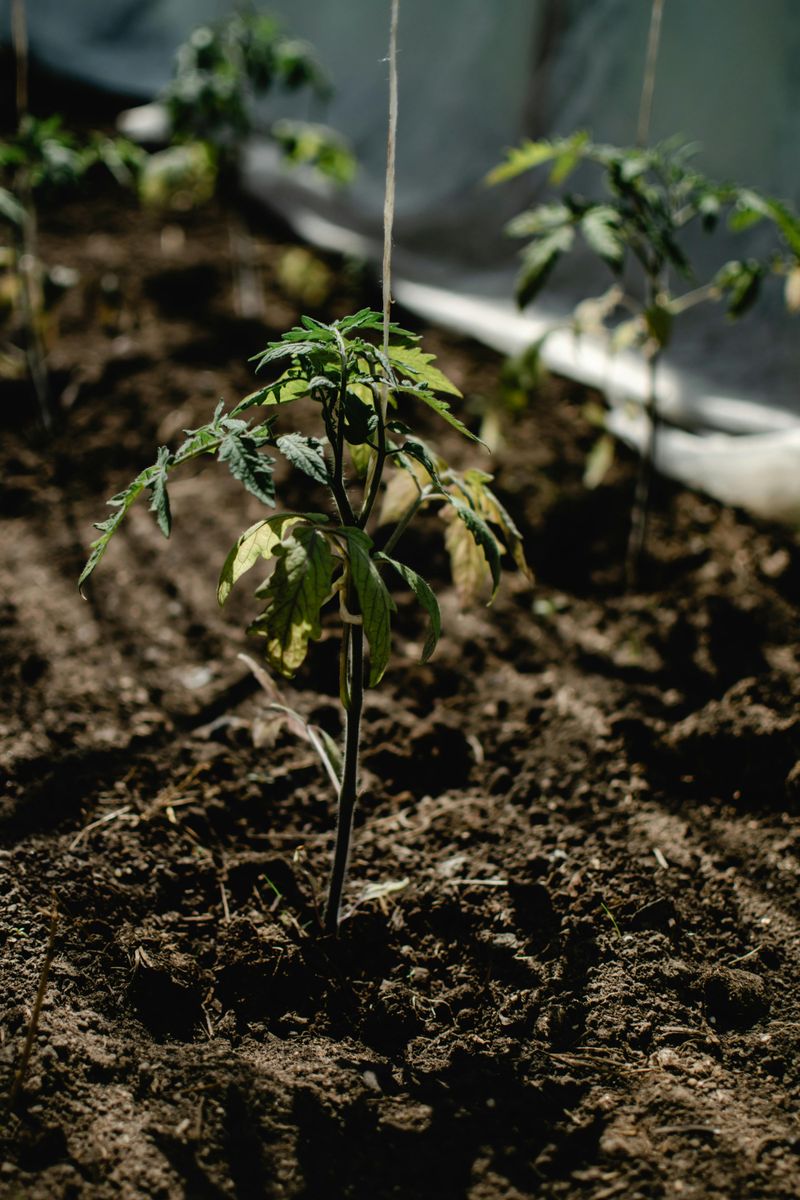
Not all tomatoes are created equal when it comes to surviving summer storms. Some heirloom varieties, as gorgeous and flavorful as they are, have thin skins that crack at the slightest provocation.
Planting a split-prone variety in a climate known for dramatic weather swings is setting yourself up for heartbreak.
Thin-skinned types like Brandywine and Cherokee Purple are beloved for their rich flavor, but they require extra care and attention in humid, stormy climates.
Gardeners who grow these varieties often find themselves racing to harvest before a forecast storm hits.
That extra vigilance is manageable, but it is a real commitment that not every gardener has time for.
Understanding what you are planting before the seeds go in the ground saves a lot of frustration later.
Look at the seed catalog or plant tag descriptions carefully and pay attention to any mention of crack resistance or thick skin.
Some vendors now specifically label varieties as suitable for humid or rainy climates, which is a helpful guide for New York gardeners. You do not have to give up your favorite heirlooms entirely.
Growing a mix of varieties, some crack-resistant and some not, gives you flavor variety along with a safety net for the inevitable summer storms. Knowing your plants is the first step toward protecting them.
Water Deeply And On A Strict Schedule
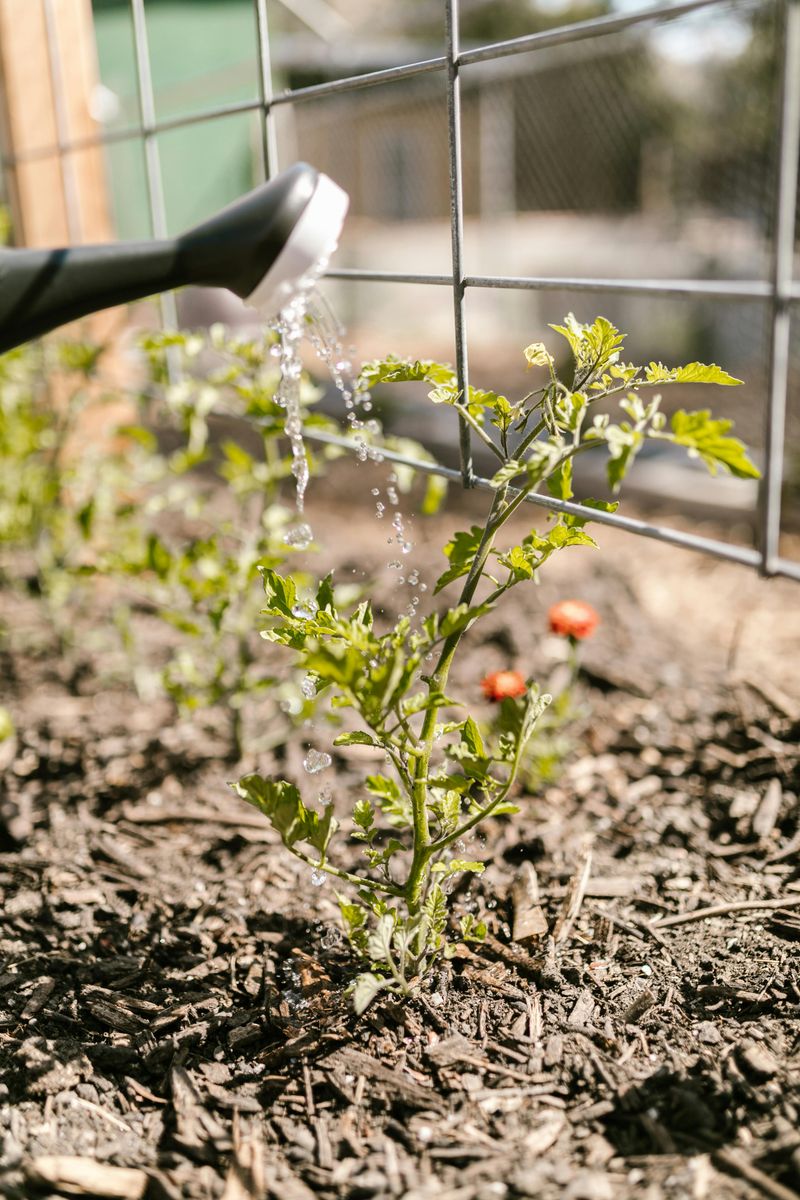
Deep watering is one of those gardening habits that sounds simple but changes everything. When you water deeply, moisture reaches several inches below the surface where it stays cool and stable for days.
Shallow watering, on the other hand, evaporates quickly and leaves roots scrambling for moisture close to the surface.
Splitting tomatoes are often a sign that the plant experienced a sudden moisture surge after a dry stretch.
A strict watering schedule eliminates that pattern by keeping the soil at a consistent level of hydration throughout the week.
Your tomatoes stop experiencing the feast-or-famine cycle that leads to cracking. Aim to water at the base of the plant rather than overhead, which can encourage disease and uneven moisture delivery.
A soaker hose or drip system does this automatically and can be set on a timer to run before sunrise, when evaporation is lowest.
This setup is one of the most effective upgrades a home gardener can make. During a heat wave, you may need to water more frequently to compensate for faster evaporation from the soil.
Check the soil with your finger about two inches down before watering, if it is dry, it is time. A steady routine is the closest thing to a guarantee you will get against splitting tomatoes in a New York summer.
Mulch Heavily Around The Base
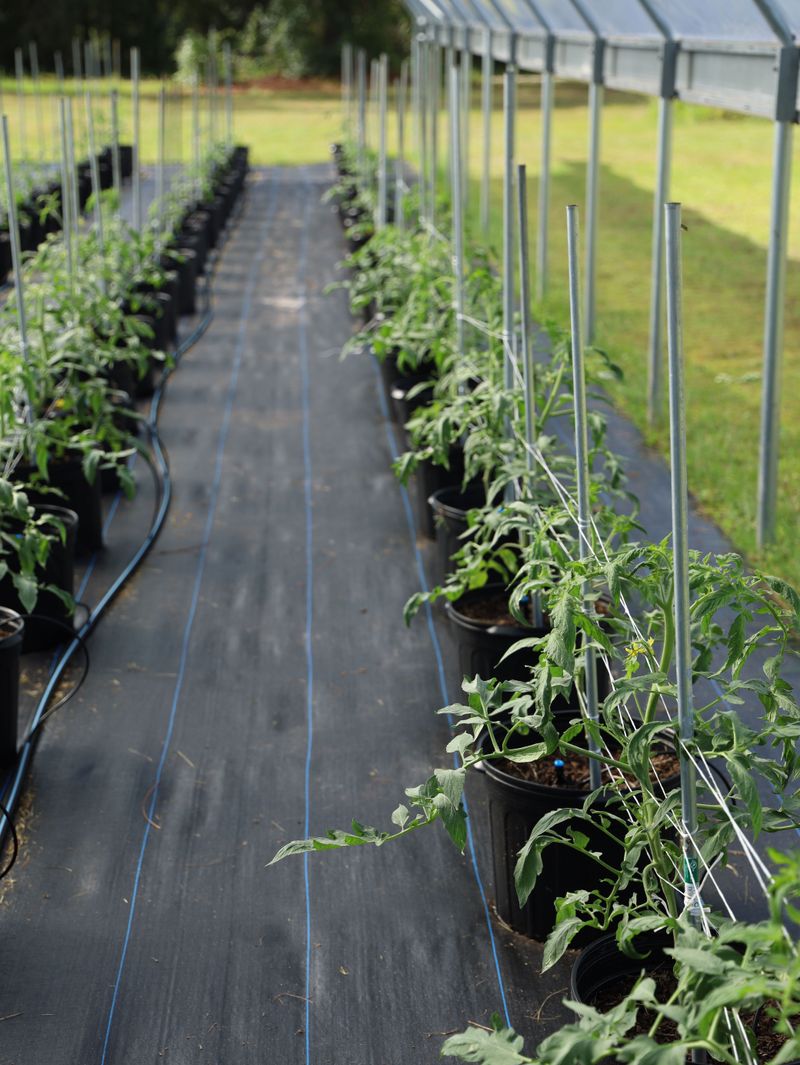
Mulch is one of the most underrated tools in the home gardener’s toolkit. A thick layer of organic mulch around your tomato plants acts like a blanket, locking in soil moisture and regulating temperature at the root zone.
That stability at the roots translates directly into more stable moisture levels inside the fruit. When soil temperature swings wildly on a hot afternoon, roots struggle to absorb water efficiently.
Mulch keeps the soil several degrees cooler, which helps roots stay active and the plant stay hydrated even during a heat spike.
A well-mulched tomato plant handles summer stress with far more resilience than an unmulched one.
Straw, shredded leaves, and aged wood chips are all excellent mulching materials that are easy to find and affordable.
Avoid fresh wood chips directly around tomatoes, as they can tie up nitrogen in the soil as they break down.
Apply a layer about three to four inches thick around each plant, keeping the mulch a few inches away from the main stem to prevent rot. Replenish it mid-season if it starts to break down and thin out.
Mulch also suppresses weeds, which compete with your tomatoes for the very moisture you are trying to conserve. Fewer weeds mean more water stays where it belongs, around your tomato roots.
This one simple step can dramatically cut down on splitting tomatoes without adding much time or effort to your routine.
Amend Soil With Calcium Before Planting
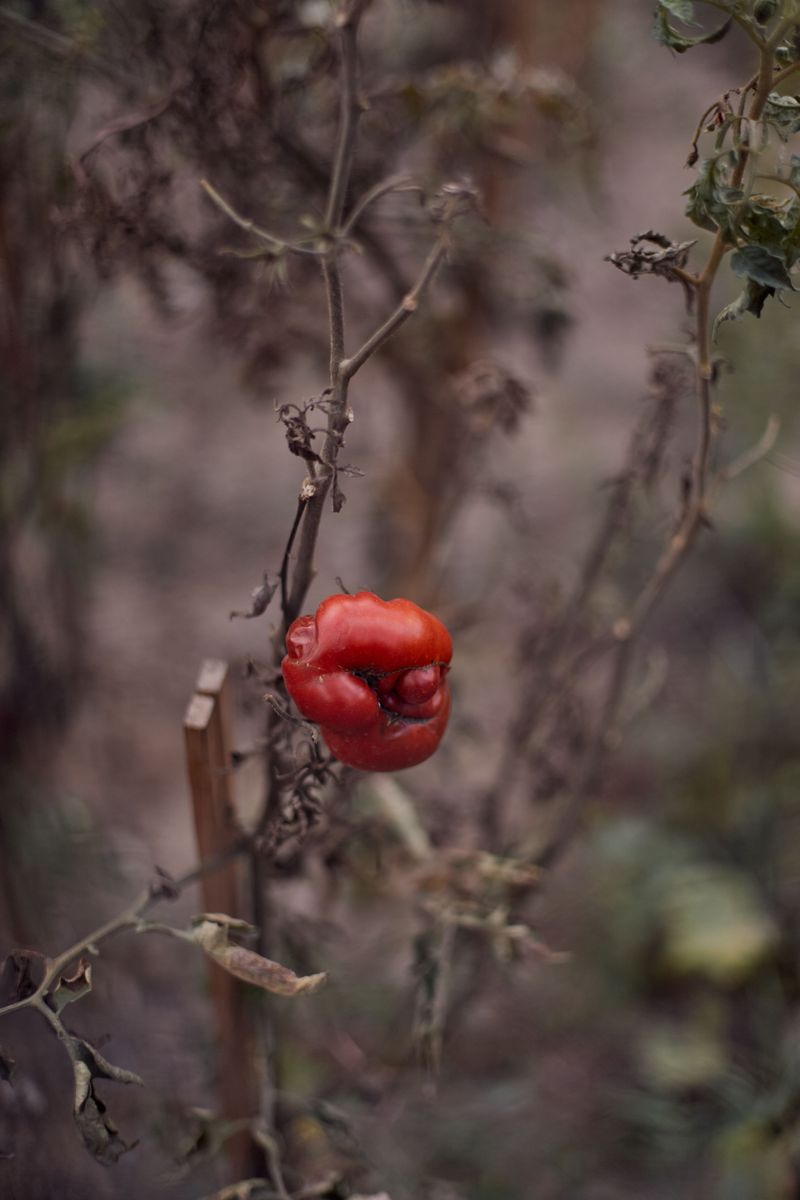
Everything starts with what is already in your soil before the first seed goes in. Amending before planting gives the soil time to absorb and distribute the mineral evenly, so it is available right when young plants need it most.
Waiting until problems appear means you are already playing catch-up. Garden lime raises soil pH and delivers calcium at the same time, making it a two-for-one solution for acidic soils.
Apply it to your beds in the fall, ideally two to three months before transplanting, so the soil has time to shift before planting season begins.
Work it into the top six to eight inches of soil so it integrates thoroughly rather than sitting on the surface.
Gypsum is another excellent option, especially if your soil pH is already in a good range and you just need a calcium boost without changing the pH.
It dissolves more quickly than lime and starts becoming available to plants within a few weeks.
Both products are inexpensive and widely available at garden centers throughout the state.
Pairing a calcium amendment with a rich compost gives your tomatoes a strong nutritional foundation from day one.
Healthy soil grows healthy plants, and healthy plants produce fruit with sturdy cell walls that resist cracking.
A little prep work before planting season pays off every single time you harvest an uncracked tomato.
Harvest Slightly Early During Storm Forecasts And Choose Crack-Resistant Varieties
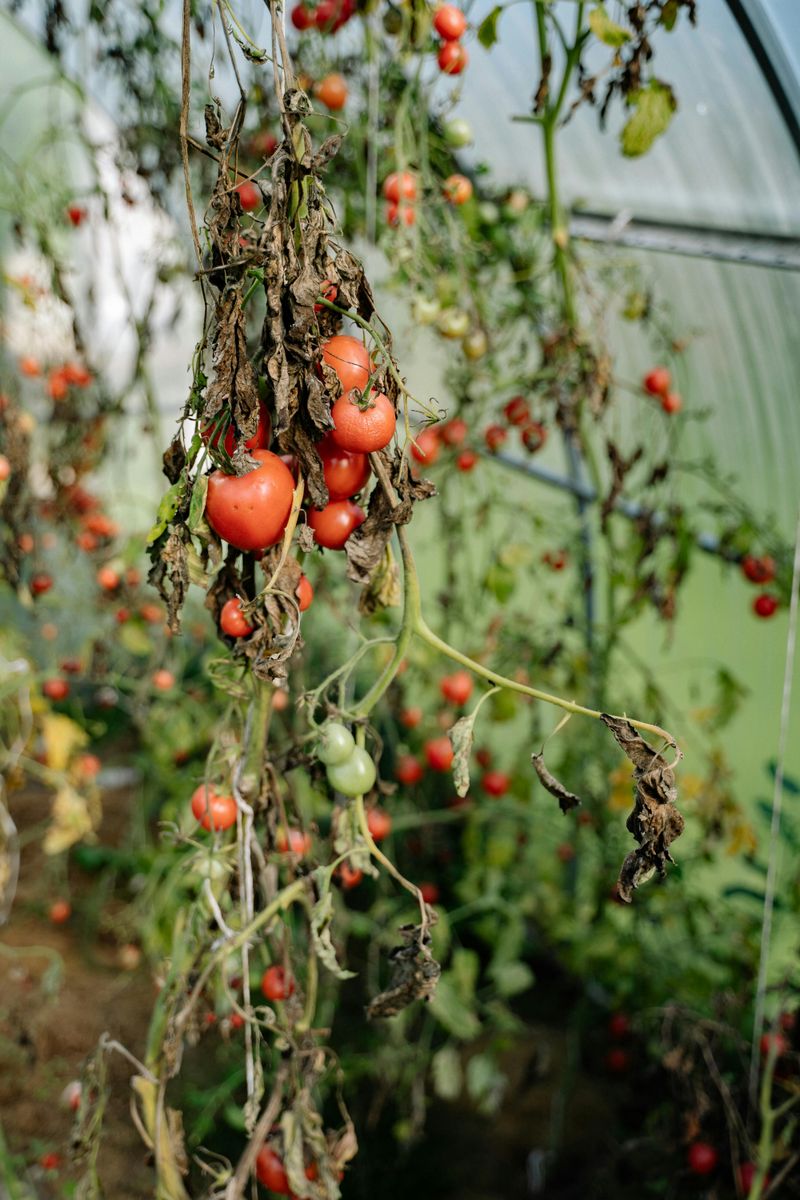
Storm incoming, tomatoes ripe on the vine, clock ticking. Harvesting slightly early before a big rainstorm is one of the most practical ways to protect your crop from splitting tomatoes.
A tomato that is fully colored but still just slightly firm will ripen perfectly on your counter within a day or two.
Check your weather app the night before and make harvesting decisions based on what is coming. If a significant rainstorm is forecast within 24 to 48 hours, pull any tomato that is close to ripe.
You lose nothing by bringing them inside early, and you save everything by not leaving them to crack in a downpour.
Pairing this habit with crack-resistant varieties gives you an even stronger defense for the long term.
Varieties like Celebrity, Mountain Fresh Plus, and Juliet are specifically bred to handle the kind of moisture swings that New York summers dish out.
They have thicker skins and more flexible cell structures that absorb moisture changes without bursting. Splitting tomatoes do not have to be an accepted part of summer gardening.
With smart variety choices and timely harvesting, you take control of the outcome instead of leaving it up to the weather. Your tomatoes worked hard to grow, and they deserve to make it all the way to your table.