Perennials That Practically Multiply Themselves When You Divide And Replant In Georgia
One day a perennial fits perfectly in its spot, and before long it is spilling into nearby plants and taking up far more room than expected. That kind of growth can feel like a problem at first, but experienced gardeners know it is often an opportunity.
Many of the most reliable perennials become stronger and fuller over time.
As roots expand, plants can begin crowding themselves, which is usually a sign that something useful can be done before growth starts slowing down.
A simple afternoon in the garden can completely change what happens next.
Instead of buying more plants, gardeners can often get them from the ones they already have. In Georgia, some perennials respond especially well when divided and replanted.
What starts as a single healthy clump can quickly become several thriving plants, creating a fuller garden without much extra effort.
1. Daylilies Turn A Small Planting Into A Bigger Display
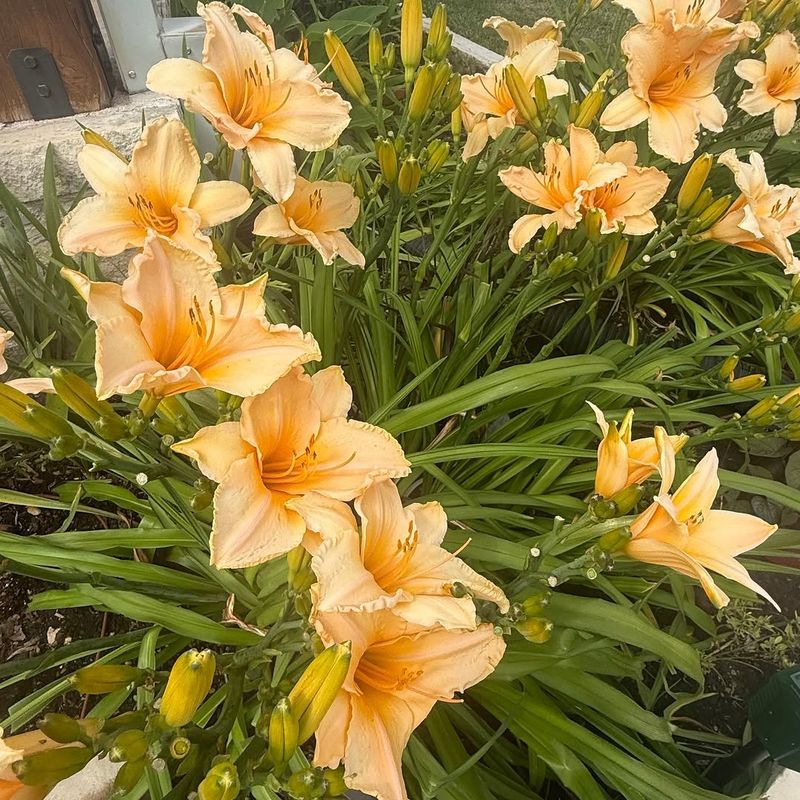
One clump of daylilies can turn into a dozen plants before you know it. Few perennials reward you as fast or as generously as these do.
Plant a small start in spring, and by fall you will already see new fans forming at the base.
Dividing daylilies is simple work. Push a garden fork into the soil around the clump, lift the whole root mass, and pull the fans apart by hand.
Each fan with roots attached will grow into a full plant on its own.
Replant the divisions about 18 inches apart. Water them in well and they settle quickly.
Most will bloom the following season with very little fuss.
Daylilies handle Georgia’s summer heat without complaint. They are not picky about soil as long as it drains reasonably well.
Full sun gives the best bloom count, but they also perform in partial shade.
Early spring or early fall are the best times to divide. Avoid splitting them during peak summer heat when the ground is dry and hard.
A little compost mixed into the planting hole goes a long way.
Within two to three seasons, a handful of starter plants can fill an entire bed. Neighbors will ask where you bought them all.
The honest answer is that you just divided what you already had.
2. Bearded Iris Makes Filling Empty Beds Surprisingly Easy
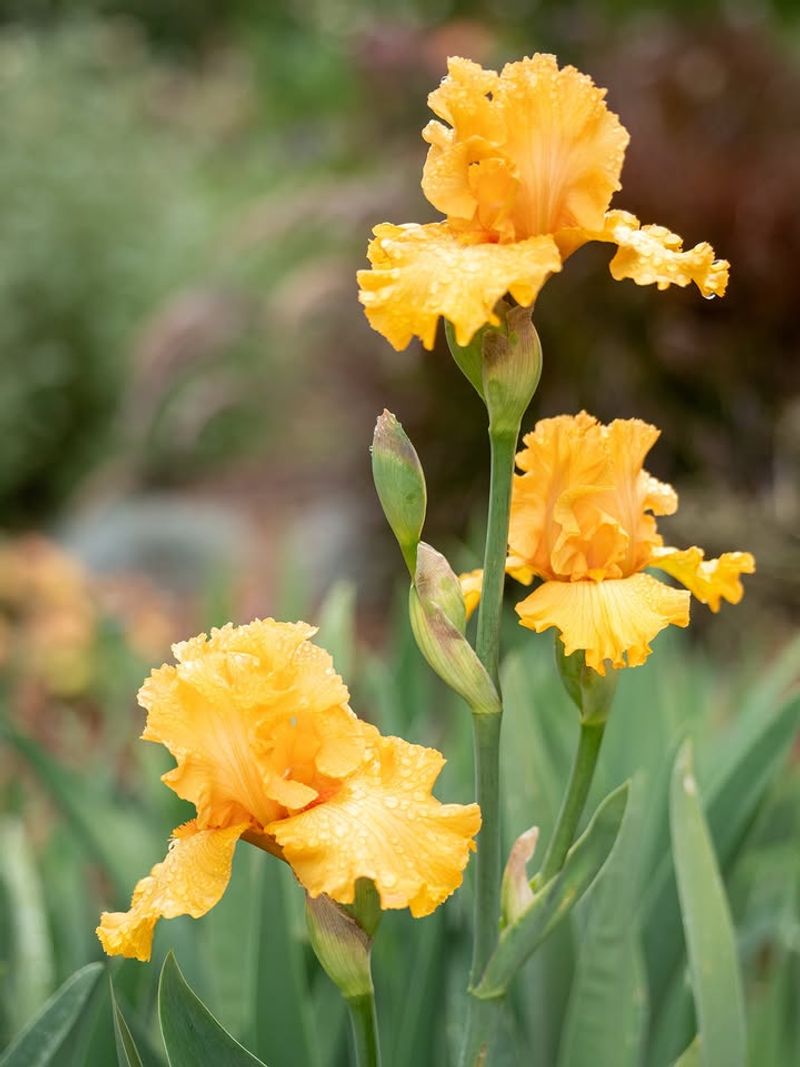
Bearded iris practically beg to be divided. Left alone too long, the clumps get crowded and bloom less.
Splitting them up fixes that problem and gives you plenty of new plants to work with.
Every few years, lift the rhizomes after blooming ends in late spring or early summer. Use a sharp spade to cut the clump apart.
Keep sections that have healthy green fans attached and firm, plump rhizomes.
Trim the leaves down to about six inches before replanting. Set the rhizomes just at the soil surface, not buried deep.
Iris need sunlight on their rhizomes to bloom well the following year.
Space new divisions about 12 to 18 inches apart. Planting too close together just creates the same crowding problem you started with.
Your Georgia Garden Changes Every Week. Your Plan Should Too.
Gardening in Georgia changes quickly throughout the season. Every Friday you’ll receive a simple weekly plan showing exactly what to plant, prune, fertilize, harvest, and protect so you never miss the right timing.
Give them room and they will reward you with strong growth.
Bearded iris are tough plants in warm Southern climates. They handle dry spells better than most flowering perennials.
Once established, they need very little watering beyond normal rainfall.
Sandy or loamy soil with good drainage suits them best. Heavy clay needs amendment before planting.
A raised bed works well in areas where standing water is a concern after heavy rain.
Within a season or two, your divided iris will fill empty spots with striking color. The blooms come in hundreds of color combinations, so mixing varieties keeps beds looking fresh and interesting every spring.
3. Shasta Daisies Bounce Back Strong After Division
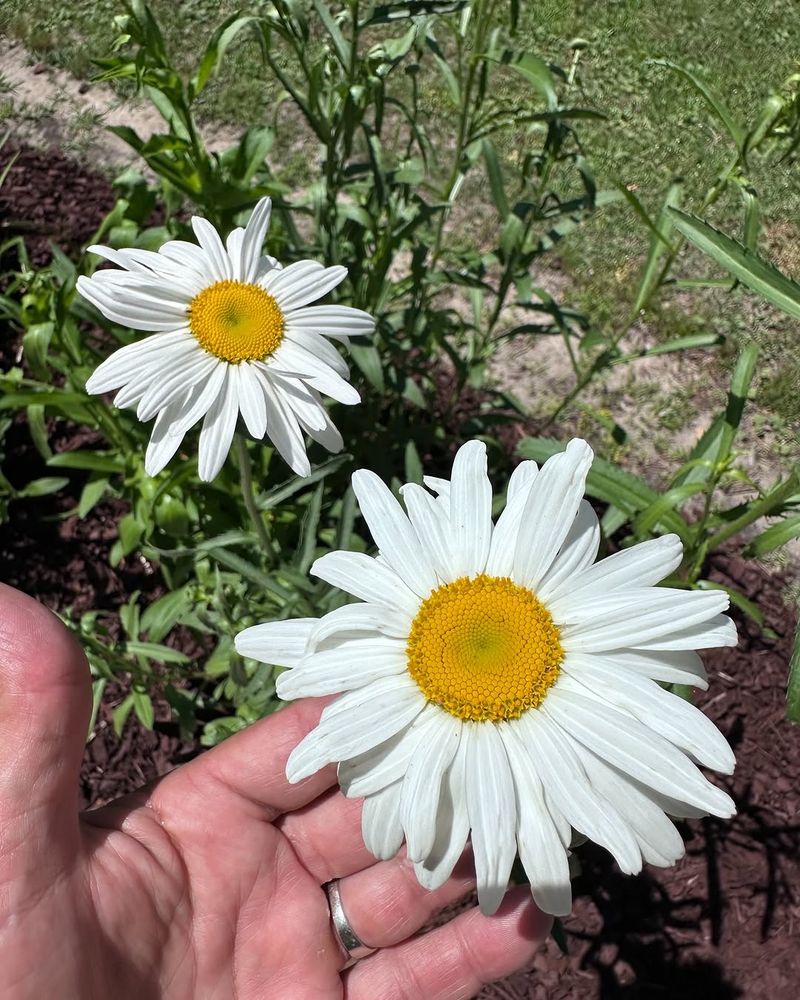
Shasta daisies look delicate but they are tougher than they appear. Divide them every two to three years and they come back fuller and healthier than before.
Skip division too long and the center of the clump starts to weaken.
Early spring is the best time to split Shasta daisies. New growth will just be emerging from the soil, making it easy to see where healthy shoots are.
Use a sharp spade or garden knife to cut through the root mass.
Each division should have several healthy shoots and a solid root section. Smaller pieces work fine as long as they have roots attached.
Replant at the same depth they were growing before.
Water divisions deeply right after planting. Keep the soil consistently moist for the first two weeks while roots establish.
After that, Shastas are fairly drought-tolerant once settled in.
Full sun is where they perform best. At least six hours of direct light daily keeps the plants compact and loaded with blooms.
Too much shade leads to floppy stems and fewer flowers.
Shasta daisies pair well with coneflowers and black-eyed Susans in mixed perennial beds. The white blooms brighten up darker flower colors nearby.
Cutting spent flowers regularly encourages a second flush of blooms in late summer.
Gardeners across the Southeast find Shastas reliable and easy to manage. Division keeps them vigorous, and the extra plants make it simple to expand any bed without spending a dollar.
4. Garden Phlox Gives New Sections A Fast Start
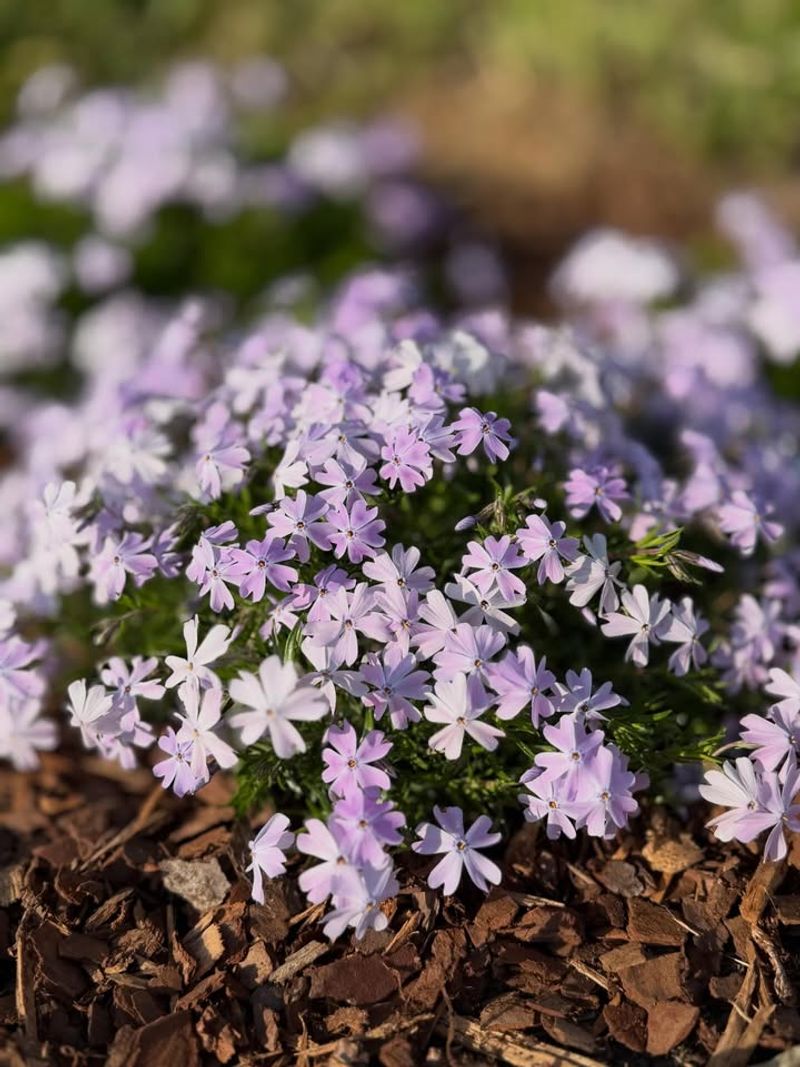
Garden phlox hits the ground running after division. Few tall perennials establish as quickly when you move them to a new spot.
Split a mature clump in early spring and by midsummer it can be blooming again.
Divide phlox when new shoots are just a few inches tall in early spring. That timing gives roots the entire growing season to settle in before summer heat arrives.
Lift the clump with a fork and separate it into sections with three to five strong shoots each.
Avoid replanting the old woody center of the clump. Outer sections with fresh young growth perform much better.
Toss the center into the compost pile and use the vigorous outer pieces instead.
Space divisions about 18 to 24 inches apart. Good air circulation between plants helps reduce powdery mildew, which is a common issue with phlox in humid climates.
Crowded plantings make that problem worse.
Garden phlox blooms in shades of pink, white, red, lavender, and bicolor combinations. Mixing varieties creates a long bloom display that stretches from midsummer into early fall.
Taller varieties work well at the back of borders.
Consistent moisture through the growing season keeps phlox looking its best. Mulching around the base helps retain soil moisture during hot stretches.
A couple of inches of pine straw or shredded bark works well in Southern gardens.
Over time, divided sections spread to form full clumps again. The cycle repeats, and your garden just keeps getting fuller with very little extra cost.
5. Yarrow Delivers More Color Without Buying More Plants
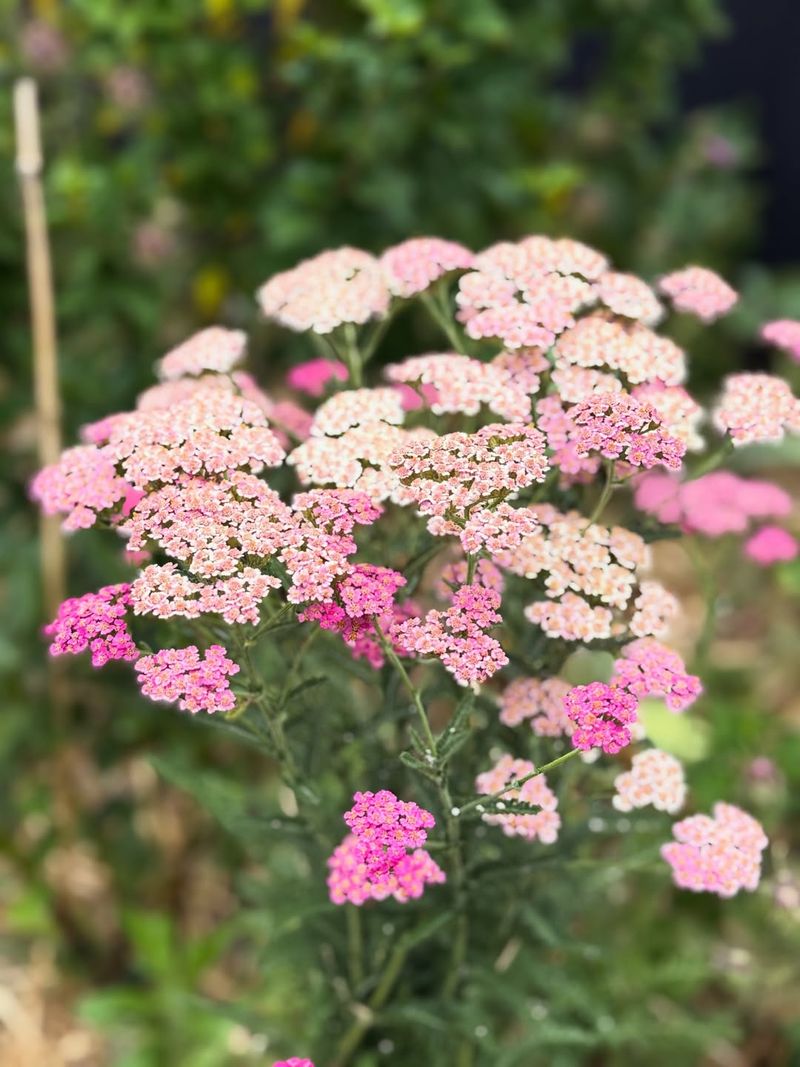
Yarrow spreads generously on its own, and dividing it speeds that process up even more. A single plant can produce enough divisions to fill a large section of border within two growing seasons.
Not many perennials offer that kind of return.
Lift established yarrow clumps in early spring before new growth gets too tall. The roots pull apart easily compared to many other perennials.
You can often separate divisions by hand without needing a knife at all.
Replant divisions in full sun with well-drained soil. Yarrow does not like wet feet.
Sandy or rocky soil actually suits it well, which makes it useful in spots where other plants struggle.
Space plants about 18 inches apart. They spread by both underground runners and self-seeding, so give them room to move.
In a few seasons they will fill in naturally without any extra effort.
Yarrow blooms in yellow, red, pink, white, and orange depending on the variety. Flat-topped flower clusters attract pollinators from late spring through summer.
Deadheading spent blooms often encourages a second wave of flowers.
One practical bonus: yarrow is extremely drought-tolerant once established. Hot, dry summers in the South do not slow it down much.
It keeps blooming when other perennials start to look tired and stressed.
Foliage stays feathery and attractive even when the plant is not in bloom. That texture adds interest to mixed beds throughout the growing season.
Yarrow earns its space several times over.
6. Bee Balm Keeps The Expansion Going Year After Year
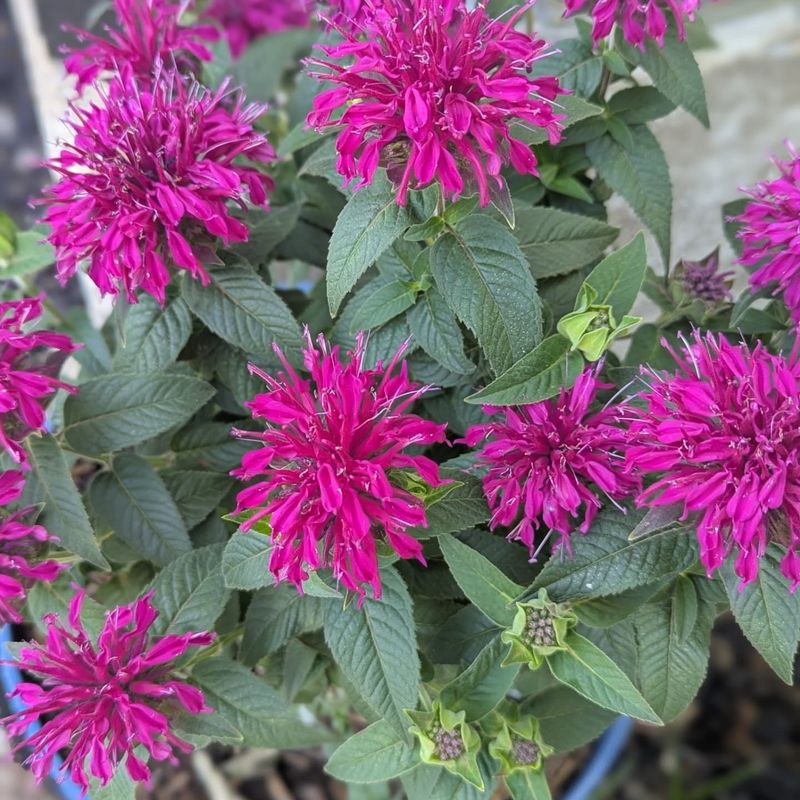
Bee balm is one of the fastest spreaders in any perennial garden. Left undivided, it can swallow nearby plants within a few seasons.
Regular division keeps it in check and gives you plenty of new starts to work with.
Plan to divide bee balm every two to three years. Spring is the ideal time, just as new shoots emerge from the soil.
The clumps lift easily and the roots separate without much effort.
Outer sections of the clump are always the most vigorous. Discard the center, which tends to be woody and less productive.
Replanting only the healthy outer pieces gives you stronger plants from the start.
Space divisions about 18 to 24 inches apart. Good spacing also improves air circulation, which helps reduce powdery mildew on the foliage.
Mildew is common with bee balm in humid Southern summers but does not usually harm the plant seriously.
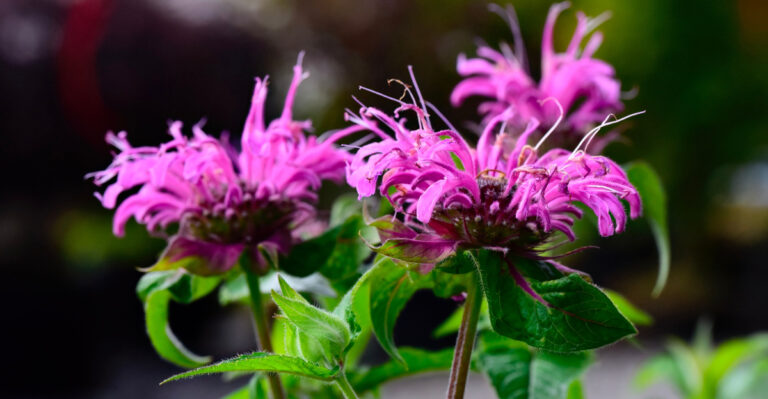
Bee balm blooms in red, pink, purple, and white. Hummingbirds and butterflies visit the flowers regularly throughout summer.
That wildlife activity makes it a genuinely lively addition to any garden bed.
Partial shade is tolerated, but full sun produces the most blooms. Morning sun with some afternoon shade works well in hot climates where summer temperatures climb high.
Consistent moisture through dry spells helps maintain steady growth.
Once you start dividing bee balm, it practically manages its own expansion. Each spring brings new opportunities to move plants around and keep the garden looking intentional and full without buying a single new plant.
7. Coreopsis Makes It Easy To Grow More From Less
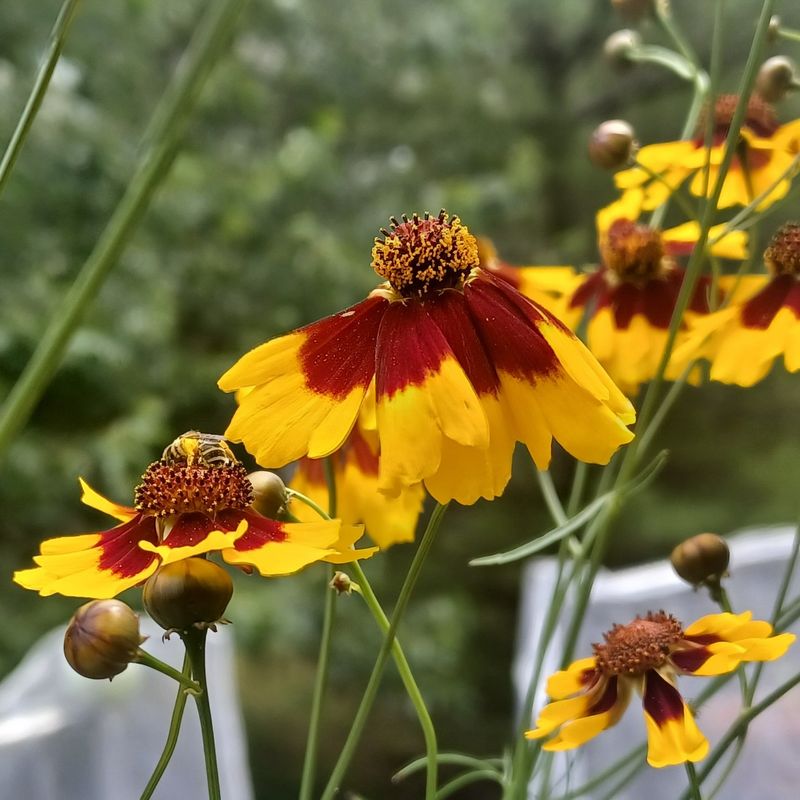
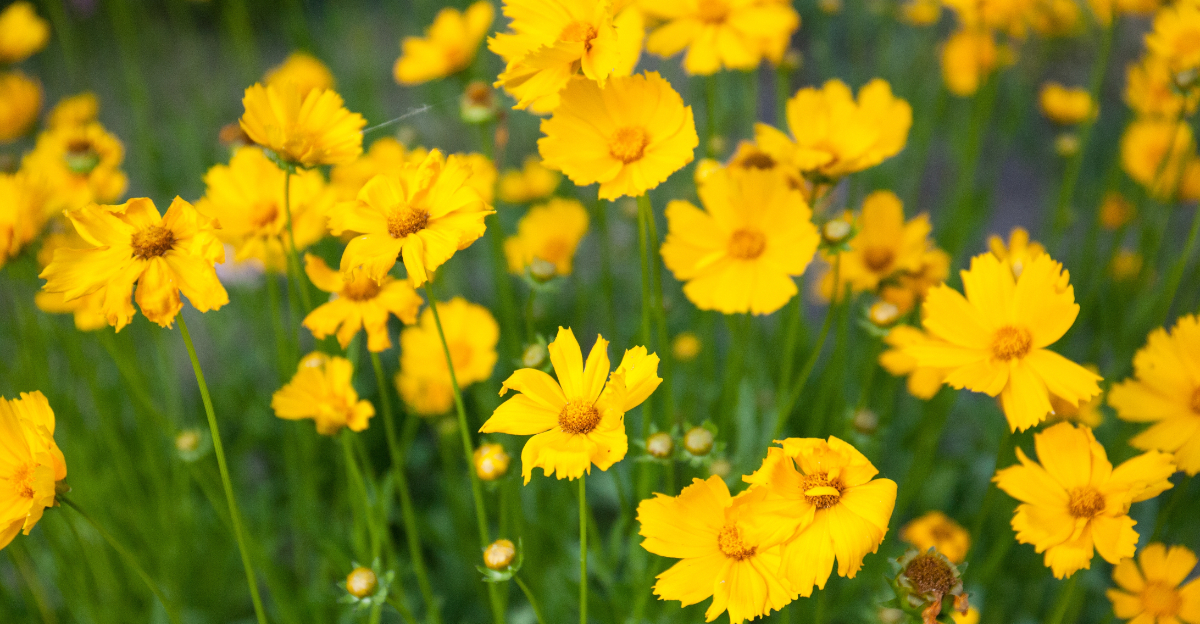
Coreopsis is one of the most cheerful plants in any sunny border. Bright yellow blooms cover the plant for weeks, and dividing it is about as easy as perennial gardening gets.
Even beginner gardeners find it forgiving and straightforward.
Spring division works best for coreopsis. Wait until you see new growth emerging from the base of the plant.
Lift the clump carefully with a garden fork and pull it apart into smaller sections.
Each division needs a healthy cluster of shoots and some attached roots. Smaller divisions establish just as well as larger ones with this plant.
That means one mature clump can easily produce six to eight new starts.
Replant in full sun with well-drained soil. Coreopsis does not perform well in heavy, wet soil conditions.
Raised beds or sloped ground helps in areas where drainage is naturally poor.
Water new divisions regularly for the first few weeks. After that, established coreopsis handles dry periods reasonably well.
It is not as drought-tough as yarrow, but it holds up better than many other flowering perennials.
Threadleaf varieties have fine, delicate foliage that looks attractive even when not in bloom. Lanceleaf types are slightly more upright with broader leaves.
Both divide and replant with equal ease.
Deadheading spent blooms extends the flowering season well into fall. A light trim in midsummer can also encourage a fresh flush of flowers.
Coreopsis truly earns its reputation as one of the easiest and most rewarding perennials to grow and multiply.
8. Obedient Plant Creates More Coverage From A Single Clump
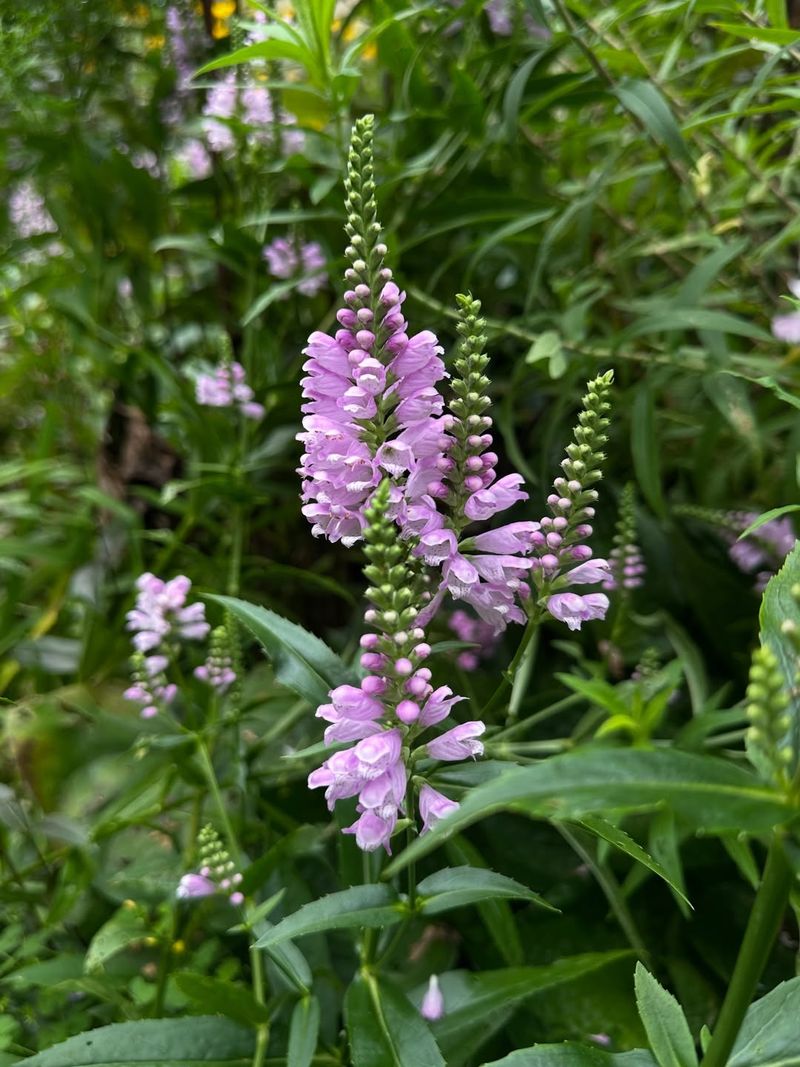
The name sounds polite, but obedient plant spreads with real ambition. One established clump can push outward quickly, making it an excellent candidate for filling large areas.
Division keeps it manageable and multiplies your coverage at the same time.
Divide obedient plant in early spring when new growth is just starting. Clumps lift easily from the soil and the roots separate cleanly.
Each section with a few shoots and roots will grow into a full plant by summer.
Replant divisions at the same depth they were growing originally. Space them about 18 to 24 inches apart.
Closer spacing fills in faster but can lead to crowding within a season or two.
Obedient plant blooms in late summer and early fall, filling a gap when many other perennials have already finished. Pink and white flower spikes rise above the foliage on upright stems.
The blooms last for several weeks and attract bees and butterflies.
Full sun to partial shade both work well. Morning sun with some afternoon shade suits it in warmer regions where heat is intense.
Consistent moisture through the growing season keeps it looking strong.
Containing the spread is sometimes necessary in smaller garden spaces. Planting in bottomless containers sunk into the ground works well as a barrier method.
That way you get the coverage without the spreading becoming a problem.
Georgia gardeners who want fast coverage in tough spots often turn to obedient plant. It fills ground quickly, blooms reliably, and gives you plenty of divisions to work with every spring.