9 Ways To Know A Skunk Has Made Your Virginia Yard Its Home
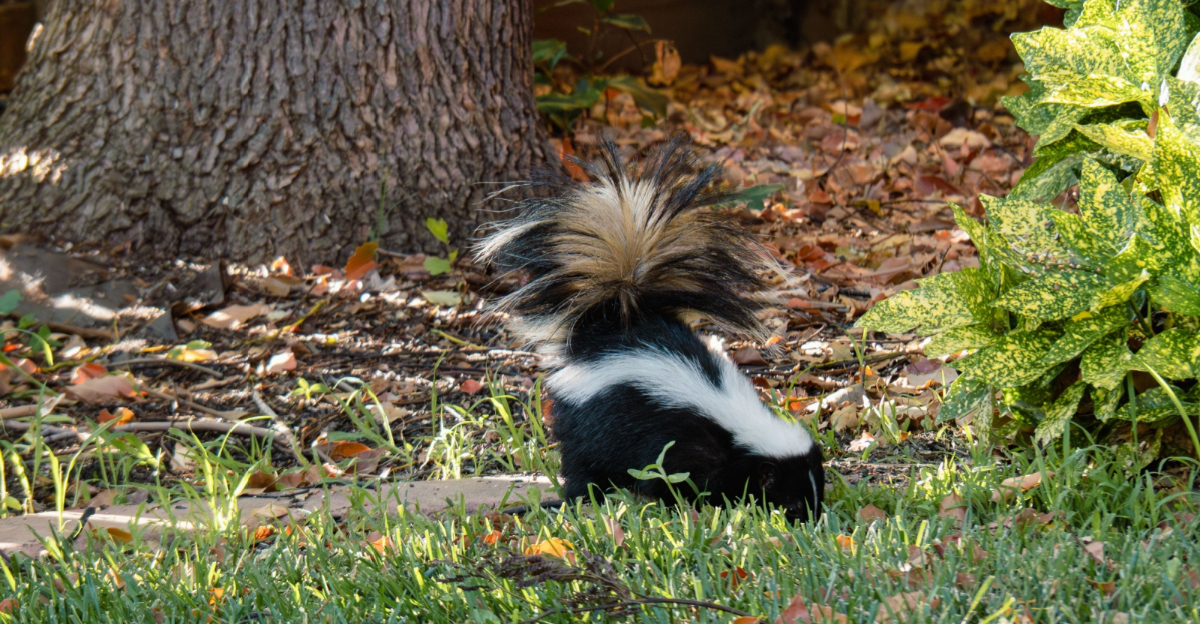
What does it take for a skunk to move into your yard without you ever seeing it coming? Skunks do not announce themselves, they audition your property in silence and sign the lease without asking.
They treat Virginia porches, decks, and shed floors like open listings, scouting every gap, every soft patch of soil, every dark corner worth claiming. They move in before you notice the first scratch mark.
No warning, no courtesy knock, no forwarding address. How does an animal that size disappear into your yard and leave no trace until it is far too late?
The answer sits in details you walk past every single day. Scuffed soil near the fence line, shallow runs at the base of your deck, a faint musky thread in the night air that does not quite smell like rain.
Virginia backyards are loaded with these quiet confessions. Miss them once, and your dog pays the price.
1. Den Opening Under A Deck, Porch, Or Shed
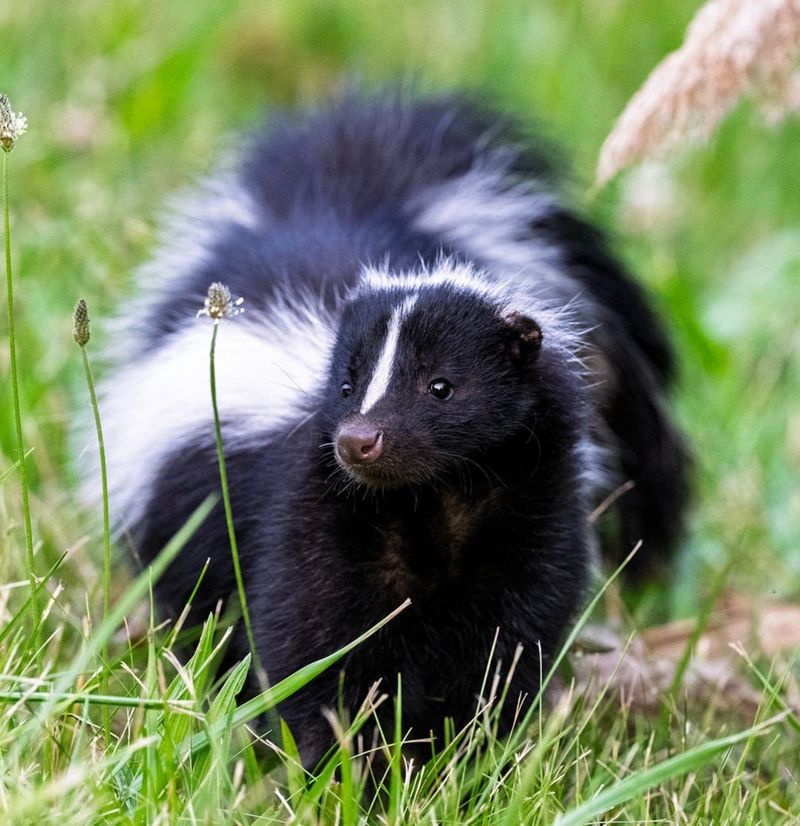
Skunks are not picky about real estate. If your deck, porch, or shed offers shelter and shade, a skunk may have already signed an invisible lease.
The most obvious clue is a small opening, roughly four to six inches wide, dug right at the base of a structure. That opening is not random erosion.
Skunks excavate with purpose, scraping away soil to create a snug tunnel leading to a sheltered underground den.
You might notice the dirt around the entry looks freshly disturbed, almost like someone scooped it out with a small shovel.
Homeowners in Virginia often discover these dens by accident, spotting the hole while trimming weeds or cleaning gutters.
The den itself can extend several feet underground, giving the skunk plenty of room to nest, sleep, and even raise young.
Spring is prime season for this behavior, since females seek protected spots to birth their kits. Blocking the entrance is tempting, but do it wrong and you will trap an animal inside.
Always check for activity signs before sealing any opening. A loose piece of dirt or a light dusting of flour near the hole can reveal fresh tracks overnight.
Once you confirm a skunk is actively using the space, contact a licensed Virginia wildlife removal professional.
They know how to install one-way exclusion doors that let the animal leave but not return. Handling this correctly from the start protects your home and keeps everyone safe.
2. Cone-Shaped Holes In The Lawn
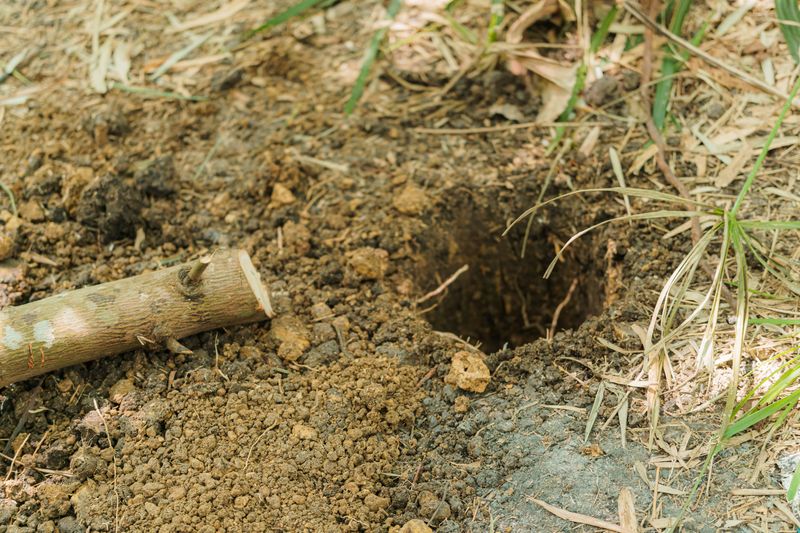
Your lawn looked perfectly fine yesterday. This morning, it looks like someone took an ice cream scoop to it overnight.
Those small, cone-shaped holes scattered across the grass are a classic calling card of a foraging skunk. Skunks dig for grubs, the larvae of beetles that live just beneath the soil surface.
Each hole is typically three to four inches wide and about the same depth, with a neat, circular shape. The pattern is almost always random, spread across the yard wherever grub activity is highest.
What makes skunk damage different from squirrel or raccoon damage is the size and shape of the holes. Squirrels tend to dig smaller, sharper holes for nut caching.
Your Virginia Garden Changes Every Week. Your Plan Should Too.
Gardening in Virginia changes quickly throughout the season. Every Friday you’ll receive a simple weekly plan showing exactly what to plant, prune, fertilize, harvest, and protect so you never miss the right timing.
Raccoons often tear up larger patches of sod rather than leaving individual cone-shaped pits.
Virginia lawns are particularly vulnerable in late summer and early fall, when Japanese beetle grubs are active just below the surface.
If your yard had a bad beetle season, expect more skunk interest than usual. Skunks can detect grub activity beneath the soil surface.
Treating your lawn for grubs is one of the most effective long-term deterrents. Less food underground means less reason for a skunk to visit night after night.
A licensed pest control company can help you choose a grub treatment that is safe for your grass, your pets, and local wildlife. Addressing the root cause is always smarter than just patching holes.
3. Five-Toed Tracks
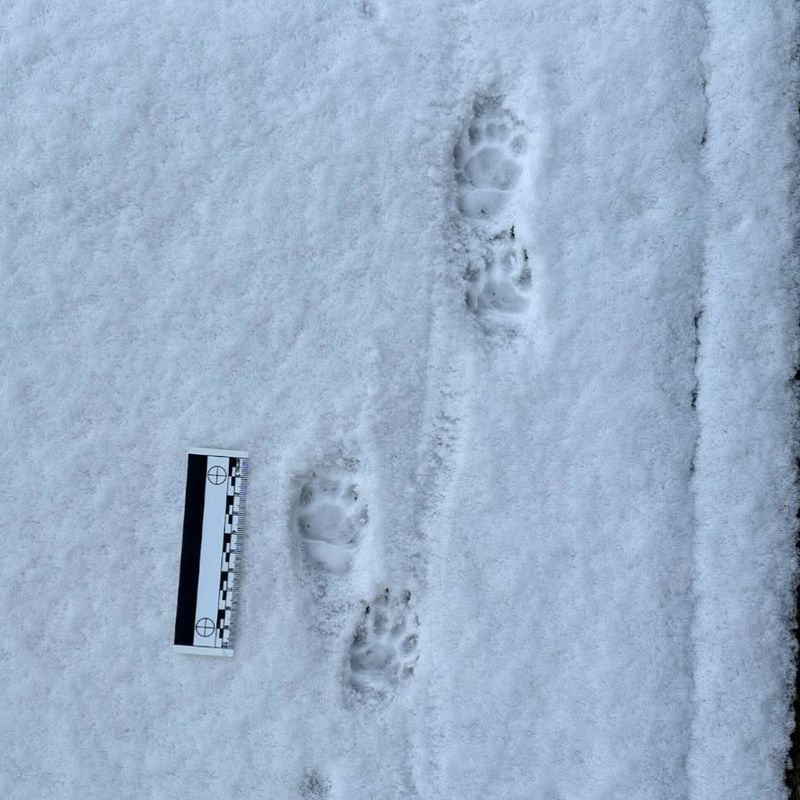
Soft mud near your fence tells the whole story. Skunk tracks are surprisingly distinctive once you know what to look for.
Each print shows five toes, with small claw marks extending slightly beyond each toe tip. Front paw prints are roughly an inch wide, while the rear prints are slightly longer and narrower.
The stride pattern is short and waddling, reflecting the skunk’s slow, deliberate gait. You will often find pairs of prints close together, since skunks walk with a rolling, unhurried motion.
Comparing the tracks to a reference guide online or through your local Virginia cooperative extension office can confirm your suspicions quickly.
Many homeowners mistake skunk tracks for those of a house cat, but cat prints show only four toes and no visible claw marks. That five-toe detail is the giveaway every time.
Look for tracks near areas where you have noticed other signs, like disturbed soil, odor, or damaged grass. Finding tracks close to a structure strongly suggests an active den nearby.
Mud around a downspout or low garden wall often captures the clearest impressions. Photographing the tracks is a smart move before rain washes them away.
A clear photo helps wildlife professionals quickly confirm the species and advise on next steps.
Knowing your visitor is a skunk rather than another animal changes how you approach the situation entirely, and that knowledge puts you in control.
4. Destroyed Ground Wasp Or Yellow Jacket Nest
Finding a shredded underground wasp nest in your yard might feel like a gift at first. No more worrying about that buzzing hole near the garden path.
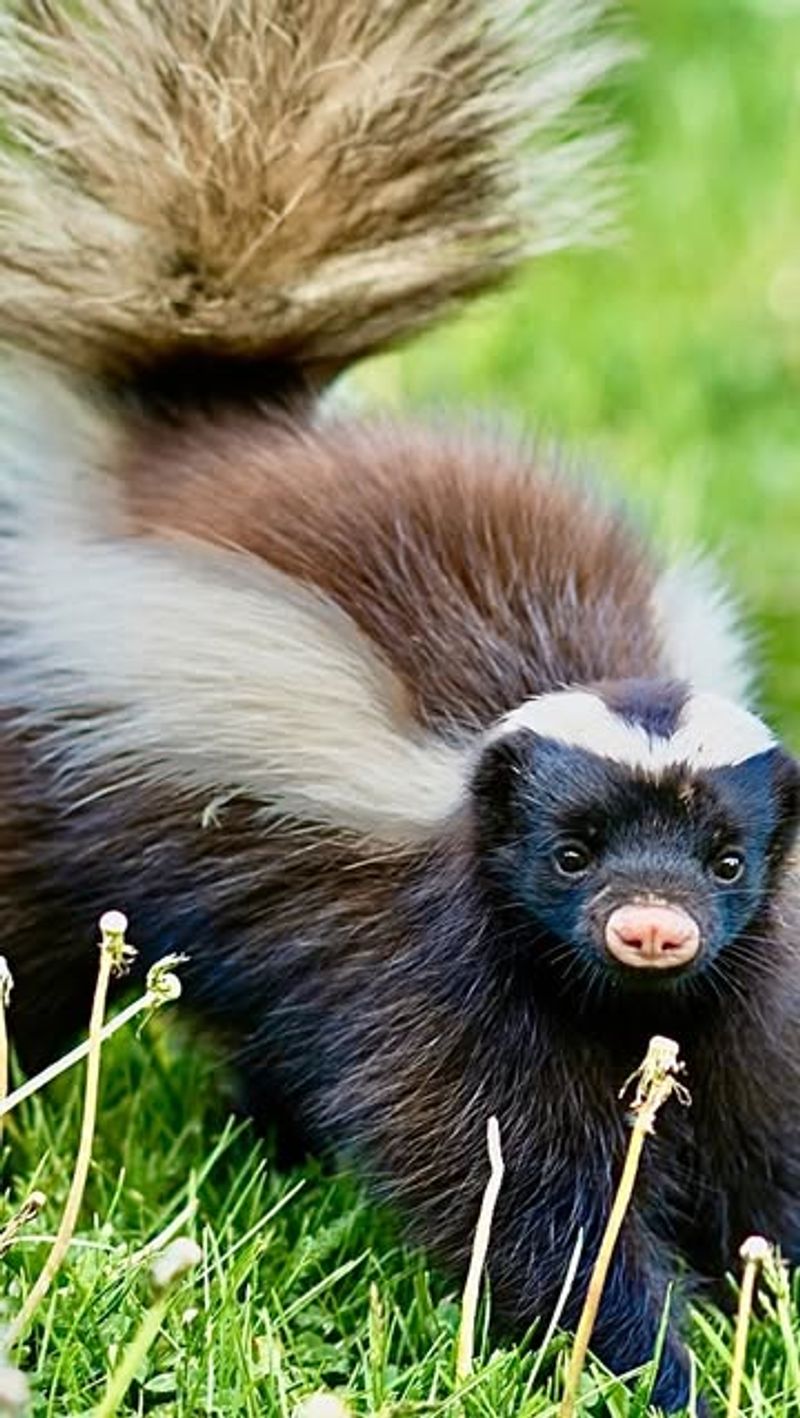
But before you celebrate, consider who did the demolishing, because a skunk is the most likely suspect. Skunks are remarkably fearless around stinging insects.
Their thick fur protects them from most stings, and they have learned that underground yellow jacket and ground wasp nests are packed with protein-rich larvae.
They dig straight in, eat the contents, and leave the papery nest debris scattered across the surface.
The aftermath looks chaotic. You will find chunks of honeycomb-like nest material, loose soil, and sometimes discarded wasps tossed aside.
The hole left behind is wider and messier than a typical grub-foraging hole, often four to eight inches across.
Virginia has several species of ground-nesting wasps and yellow jackets that build colonies in summer and early fall.
That timing lines up perfectly with peak skunk foraging activity. If you had a ground nest that seemed to vanish overnight, check the surrounding area for other skunk signs.
Oddly enough, this behavior can actually benefit your yard in small ways, since yellow jackets can be aggressive pests. But it also confirms that a skunk is actively patrolling your property after dark.
Once a skunk finds a reliable food source in your yard, it tends to return regularly, so early action is always the smarter path forward.
5. Scratching Or Digging Sounds At Night
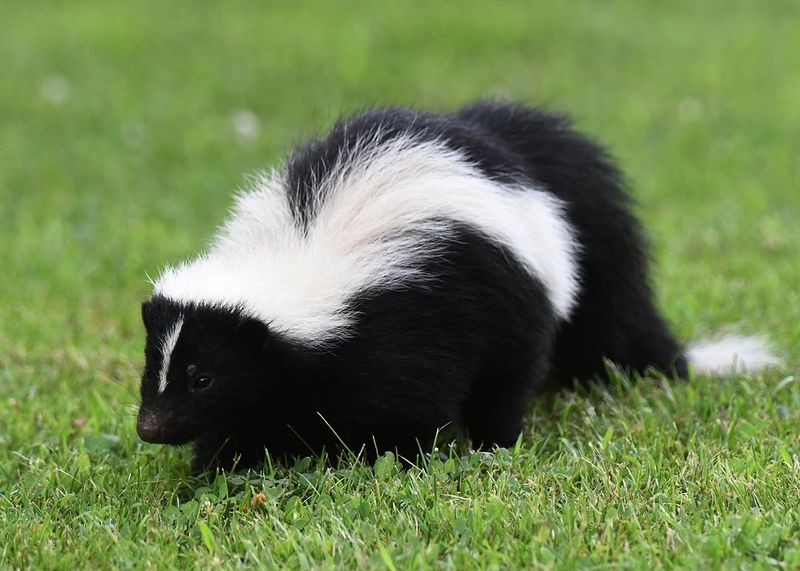
Lying in bed and hearing scratching sounds coming from beneath your floor is unsettling. Your mind might jump to mice or rats, but if the sound is rhythmic, deliberate, and accompanied by occasional scraping, a skunk is a strong possibility.
Skunks are almost entirely nocturnal, doing most of their work between dusk and dawn. The sounds often seem to come from under a porch, deck, or the crawl space beneath a shed.
You might hear soft thumping as the animal moves through its tunnel, or a persistent scraping as it expands its den.
Some homeowners describe it as a low, shuffling sound, almost like someone dragging a small bag across gravel. Timing matters a lot here.
If the noise starts reliably around the same hour each night and stops before sunrise, that schedule points strongly toward a nocturnal digger like a skunk.
Opossums and raccoons also move at night, but their sounds tend to be louder and less focused on a single spot.
Pressing your ear to the floor near where the sound originates can help you narrow down the location. That information is useful when a wildlife professional arrives to assess the situation.
Never try to block the entry point in the dark, since startling a skunk at close range is a guaranteed recipe for regret. Recording the sound on your phone is surprisingly helpful for identification purposes.
Wildlife removal experts can often confirm the species just from a short audio clip. Knowing what you are dealing with before anyone goes poking around makes the whole process safer and faster.
6. Droppings Near The Den Site
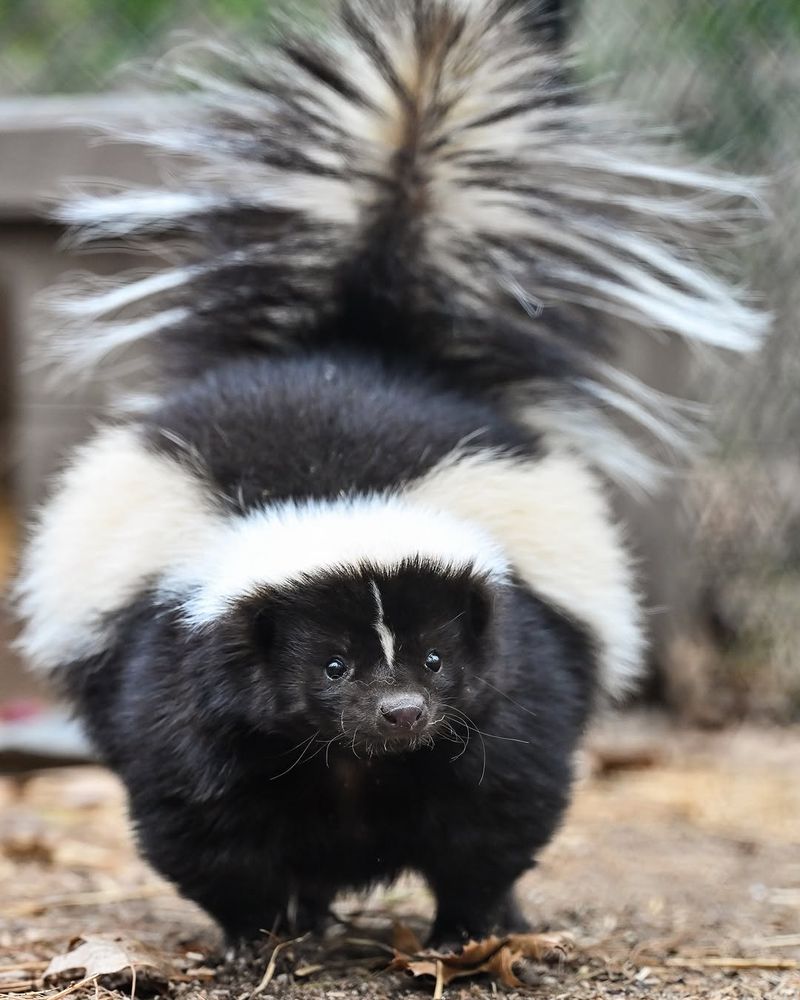
Skunk droppings are not exactly a welcome yard decoration, but they are one of the clearest signs of an established resident.
Finding them consistently near the base of a deck, shed, or fence line is a strong indicator that a skunk has settled in nearby. Fresh droppings confirm current activity, not just a passing visit.
Skunk scat is tubular in shape, roughly half an inch in diameter, and usually between one and two inches long.
It often contains visible remnants of insects, berries, or seeds, reflecting the animal’s opportunistic diet.
The color ranges from dark brown to nearly black depending on what the skunk has been eating.
One key identification feature is the location pattern.Skunks tend to deposit droppings near their den entrance or along regular travel routes.
Finding multiple droppings clustered in the same general area over several days confirms a den is active and not just a temporary shelter.
Handling droppings without protection is not advisable.Skunk feces can carry parasites and pathogens, so always wear disposable gloves and use a sealed bag for cleanup.
Washing hands thoroughly afterward is non-negotiable, even with gloves.
Photographing the droppings before removal helps with identification and gives a wildlife professional useful context.
Placing the evidence near the suspected den entrance during your call with a removal service can speed up their assessment.
Every clue you gather brings you one step closer to reclaiming your yard with confidence and peace of mind.
7. Faint Musky Odor Around A Specific Structure
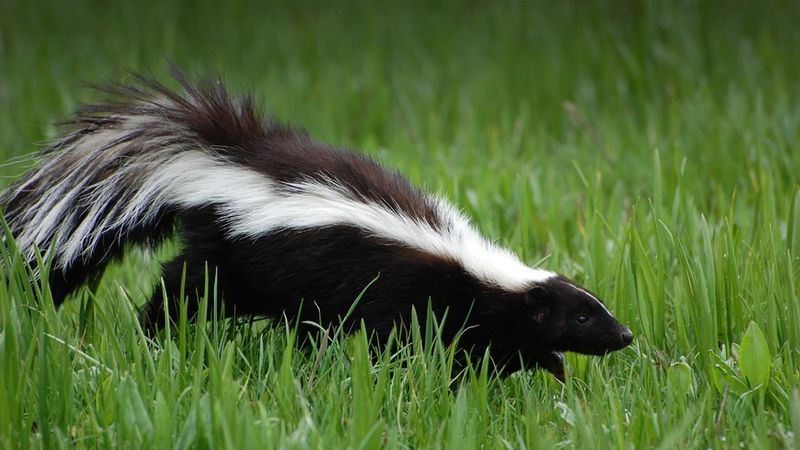
Not every skunk encounter ends with a full-on spray. Sometimes the warning comes as a faint, persistent musky smell that hovers around one specific corner of your yard.
That low-level odor is often the first signal that a skunk has claimed a structure as its own. Skunks produce musk even without spraying, releasing small amounts through scent glands as a natural part of marking territory.
The smell is subtler than a direct spray but unmistakable once you know it. Most people describe it as sharp and pungent with an earthy edge, though the exact scent varies depending on the animal and conditions.
The key detail that separates a resident skunk from a passing one is the location of the smell.
If the odor is consistently strongest near the same deck post, shed corner, or crawl space vent, a den is almost certainly nearby.
A skunk just passing through leaves a much more diffuse, short-lived scent trail. Warmer days tend to amplify the smell, since heat causes the musk compounds to evaporate faster.
Checking for the odor on a sunny afternoon after a few warm nights can make detection much easier.
Cool, damp mornings can suppress the scent, so do not rule out a skunk just because you cannot smell anything on a chilly day.
Trust your nose on this one. If something smells persistently musky around a specific structure in your Virginia yard, investigate further before the situation escalates.
Catching a skunk in residence early gives you far more options for humane, stress-free removal.
8. Repeated Lawn Damage Appearing Overnight
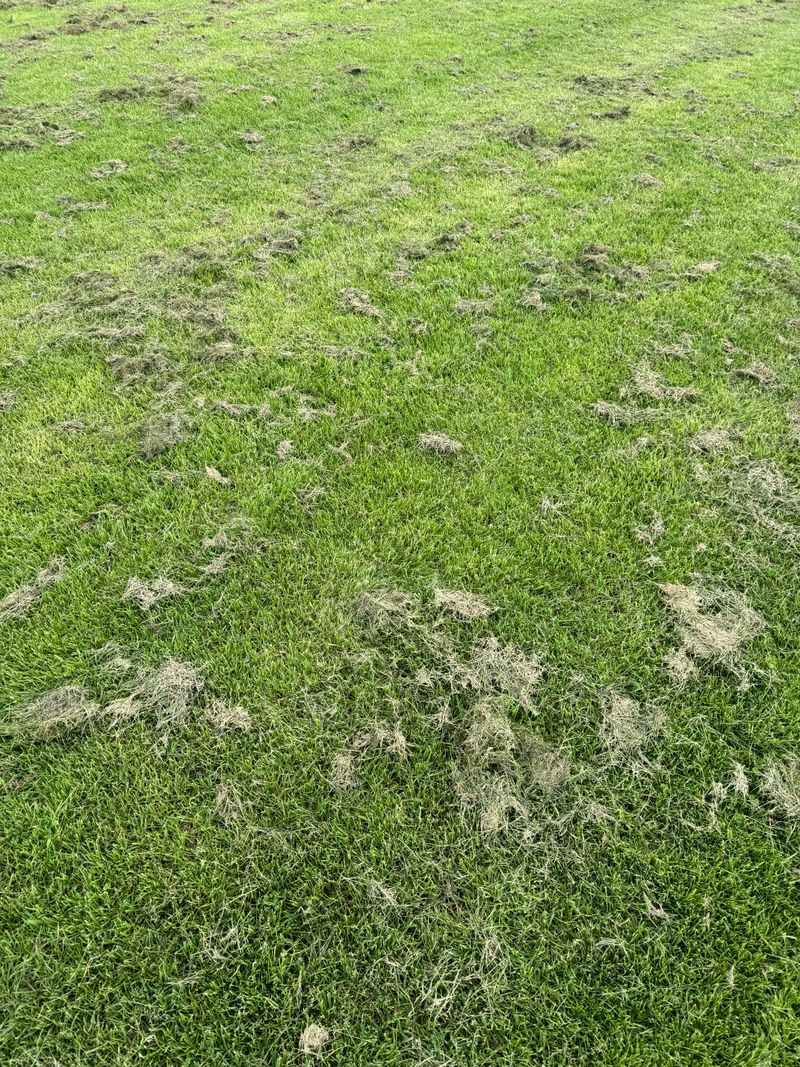
One hole in the lawn might be a fluke. But waking up to fresh damage three mornings in a row is a pattern, and patterns have causes.
Repeated overnight lawn disruption is one of the most reliable signs that a skunk has adopted your yard as a regular feeding ground.
The damage tends to appear in clusters, concentrated in areas where grub activity is highest.
As the skunk works through one section of lawn, it moves to the next, creating a slow-moving trail of destruction that shifts over time.
Homeowners often notice the damage migrating from one side of the yard to the other over the course of a week or two. What makes this particularly frustrating is the timing.
You cannot see it happening, and by morning the skunk is long gone. The fresh dirt and displaced grass clumps are the only evidence left behind, along with the occasional track or faint smell.
Checking the lawn each morning and marking the location of new holes with small flags can help you map the skunk’s foraging route.
That information helps a wildlife professional understand the animal’s range and choose the best trapping or exclusion strategy. Patience and observation are genuinely powerful tools here.
Addressing grub populations with an appropriate lawn treatment reduces the food incentive that keeps the skunk returning night after night.
No food underground means no reason to come back. Professional removal assistance handles the rest, keeping your Virginia yard clear for the long run.
9. A Dog That Returns Smelling Of Skunk
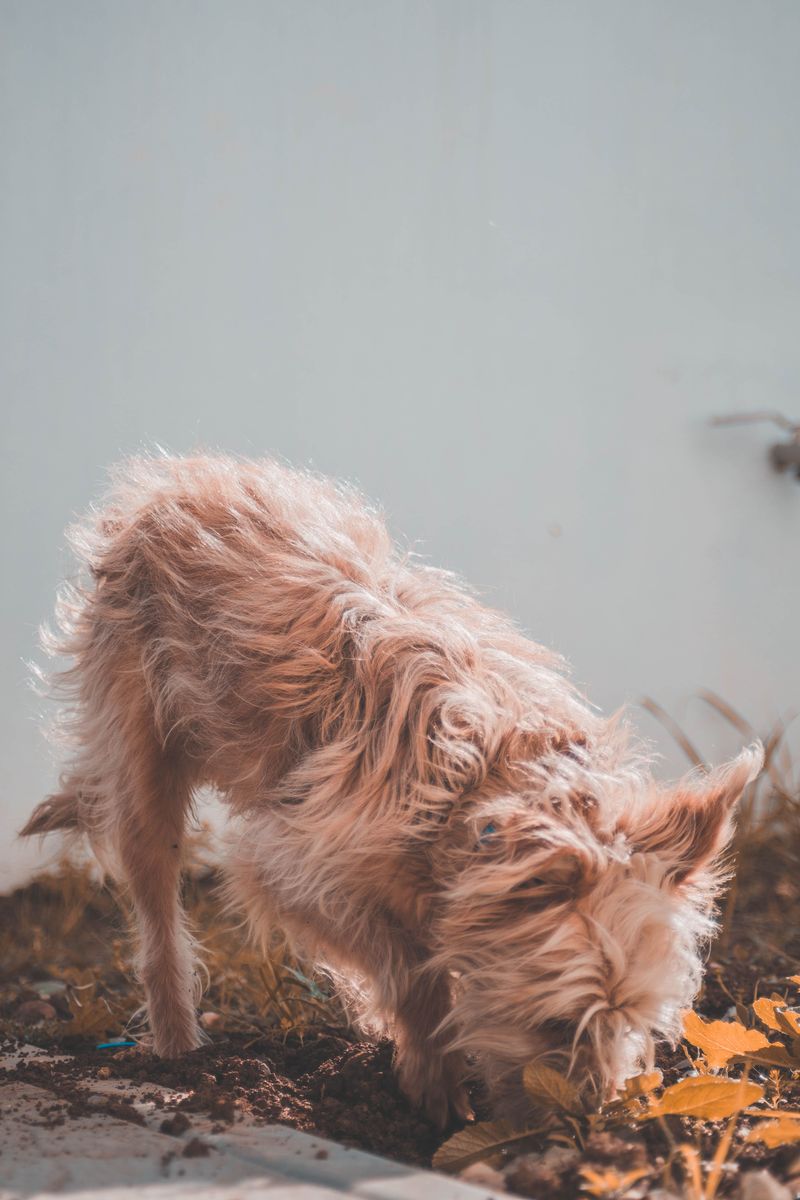
Your dog slips out for two minutes and comes back unwearable. Every skunk owner knows that moment, and it is one of the least ambiguous signs that a skunk has made your Virginia yard its home.
If it happens more than once, the animal is not just passing through. Dogs are naturally curious and tend to investigate anything that moves or smells interesting.
A skunk denning under your deck is almost impossible for a dog to ignore. The skunk, feeling cornered or threatened, does exactly what skunks do, and your pet pays the price.
The spray contains sulfur-based compounds known as thiols, and they bond to surfaces and fur with stubborn efficiency. A standard bath does almost nothing to neutralize it.
The most effective home remedy is a mixture of hydrogen peroxide, baking soda, and a small amount of dish soap applied before rinsing with water.
Mix it fresh each time and never store it in a sealed container. Repeated skunk encounters with your dog are a clear signal that the animal has a consistent presence in your yard.
A skunk confident enough to spray a dog multiple times is one that feels at home, not one that is just passing through. That level of comfort suggests an established den nearby.
Keeping dogs inside after dark until the situation is resolved is the safest short-term move.
Meanwhile, reach out to a licensed Virginia wildlife removal service to locate and humanely remove the skunk. Protecting your pet and your yard starts with taking that first step.