The Virginia Yard Habits That Make Drought Season So Much Harder
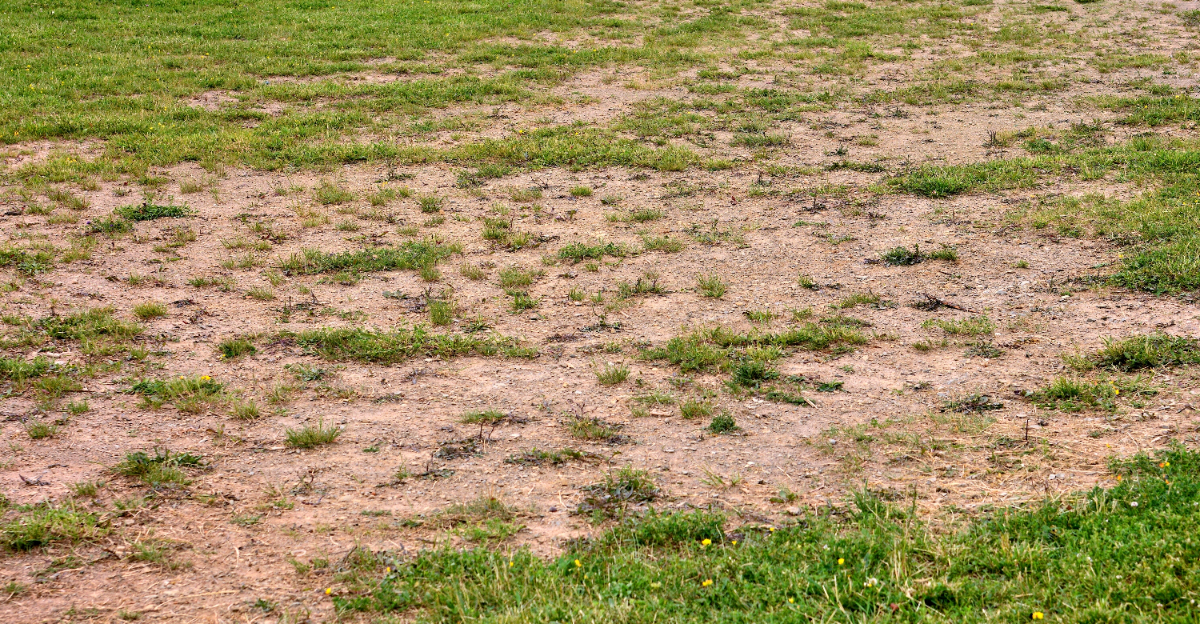
Virginia summers do not ease you in. They arrive hard, stay long, and drain every drop of moisture from your soil before you even realize what is happening. One dry stretch is all it takes to undo weeks of careful lawn work.
Most of the damage drought leaves behind was not caused by drought at all. It was caused by the same routines homeowners follow every summer, never thinking twice about them.
By then, recovery takes far longer than prevention ever would have. If your Virginia yard struggles every time drought rolls in, the problem probably started well before the dry weather did.
Here is where most homeowners go wrong.
1. Watering At The Wrong Time Of Day
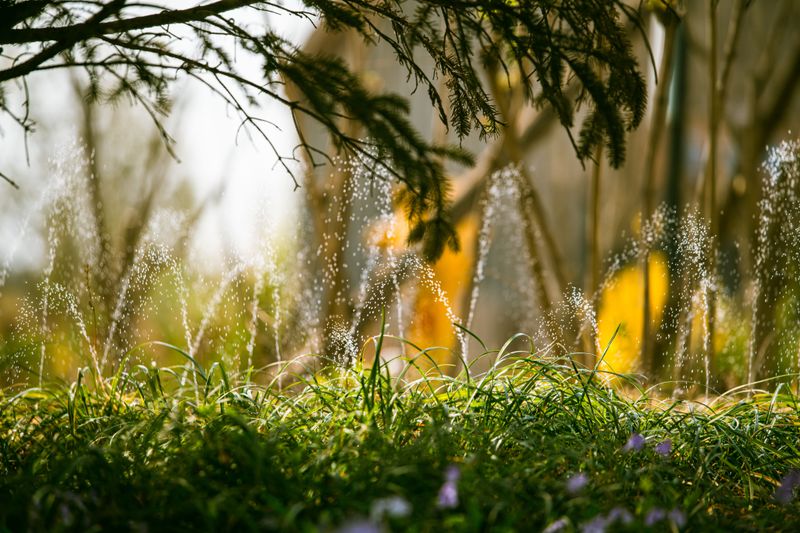
Midday watering is basically feeding your lawn a hot meal it cannot digest. When temperatures peak between 10 a.m. and 4 p.m., water evaporates before roots can absorb it.
You end up wasting gallons without giving your grass anything useful. The sun acts like a magnifying glass, and moisture disappears within minutes of hitting the soil.
Virginia drought conditions can intensify quickly, and every missed watering window adds up. A yard that could have recovered with consistent morning sessions often crosses a point where recovery takes weeks instead of days.
Morning watering, ideally before 8 a.m., is the gold standard for Virginia yards. Cooler temps and calmer winds let water soak deep into the root zone.
Evening watering is the sneaky second mistake many homeowners make. Wet grass sitting overnight invites fungal growth, which thrives in humid Virginia summers.
Grass under heat stress is already working harder than usual just to survive. Adding fungal pressure on top of drought stress is the kind of combination that turns a struggling lawn into a lost one.
The fix is simple but requires changing an old habit. Set your sprinklers or grab your hose before the sun climbs too high.
Even a basic timer attached to your outdoor spigot costs under twenty dollars. That small investment can save hundreds of gallons during a dry stretch.
The Virginia yard habits that make drought season harder often start with timing. Getting this one detail right protects everything else you plant and nurture all season long.
2. Mowing Your Lawn Too Short
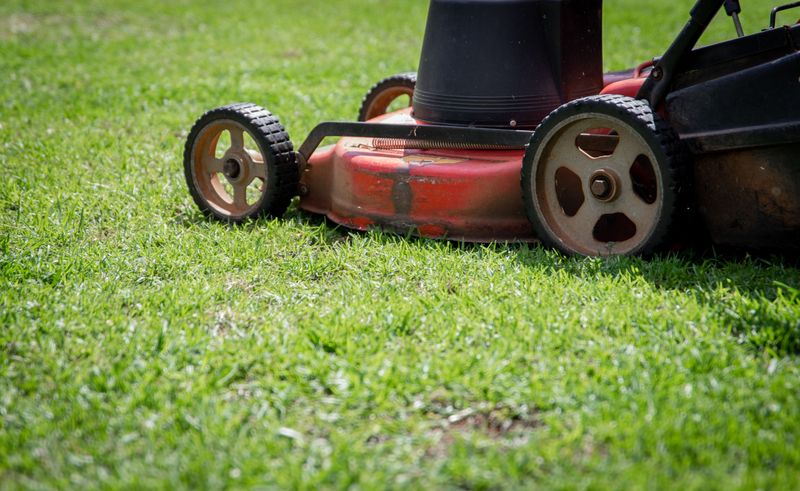
Scalping your lawn feels satisfying in the moment, like a fresh haircut that looks crisp and clean. But cutting grass too short during drought season is one of the fastest ways to stress your turf.
Short grass blades cannot shade the soil beneath them. Exposed soil heats up quickly and loses moisture at a shocking rate.
Taller grass, kept at three to four inches, acts like a natural umbrella. It shades roots, slows evaporation, and keeps soil temperatures more stable during hot spells.
Fescue does best at three and a half to four inches during summer heat. Bermuda and zoysia tolerate shorter cuts, but even they need more water when mowed too low during a dry stretch.
The difference between a lawn that survives drought and one that does not often comes down to a single mower setting. It is a small adjustment that most homeowners overlook until the damage is already done.
Your Virginia Garden Changes Every Week. Your Plan Should Too.
Gardening in Virginia changes quickly throughout the season. Every Friday you’ll receive a simple weekly plan showing exactly what to plant, prune, fertilize, harvest, and protect so you never miss the right timing.
A dull mower blade makes things worse by tearing grass instead of cutting it cleanly. Torn blades lose moisture faster and turn brown at the tips within days.
Sharpen your mower blade at least once per season, and raise your cutting height before a dry stretch hits. These two steps cost almost nothing and make a visible difference.
Your lawn is already working hard to survive the heat. Mowing it short during drought season removes the one tool it has left to protect itself.
3. Skipping Mulch Around Your Plants
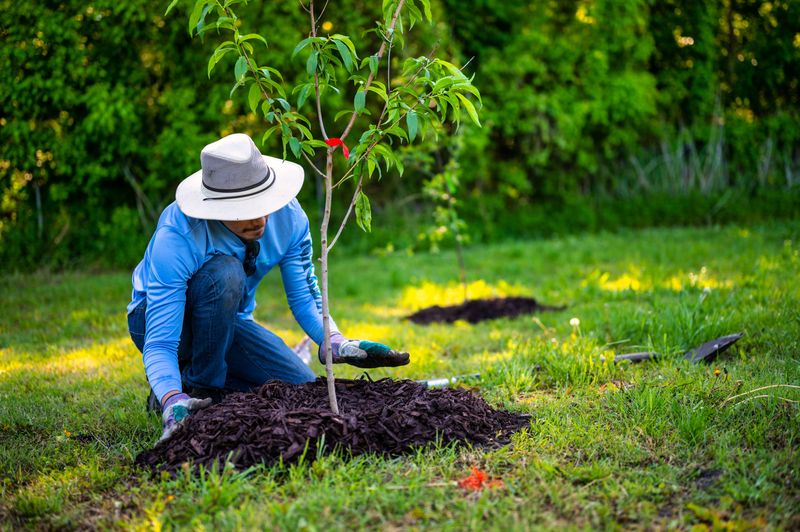
Bare soil in a garden bed during summer is practically an open invitation for moisture to escape. Without mulch, water evaporates from the soil surface within hours of watering.
A two-to-three inch layer of organic mulch acts like a blanket for your soil. It holds moisture in, regulates temperature, and slowly feeds the soil as it breaks down.
Virginia summers are long enough that unprotected soil can dry out completely between watering sessions. By the time plants start showing stress, the damage beneath the surface is already weeks in the making.
Wood chips, shredded bark, and pine straw are all excellent options for Virginia gardens. Pine straw is especially popular because it is affordable, lightweight, and widely available across the region.
Mulch also suppresses weeds, which compete with your plants for water during dry periods. Fewer weeds mean more of that precious moisture stays where your plants actually need it.
One common mistake is piling mulch directly against plant stems or tree trunks. That creates a moist, warm environment that encourages rot and pest activity right at the base of your plants.
Keep mulch a few inches away from stems and spread it out to the drip line of each plant. That simple spacing makes the application both safer and more effective.
Skipping mulch is one of those Virginia yard habits that makes drought season feel impossible to manage. A single afternoon of spreading mulch can protect your garden beds for months.
4. Fertilizing During A Dry Spell
Fertilizing a dry lawn is a little like offering a glass of water to someone who is already choking. The timing sounds helpful, but it actually makes things much worse.
Fertilizers, especially synthetic ones, push plants to grow fast. During drought conditions, that forced growth demands more water than the soil can provide.
Nitrogen-heavy fertilizers are particularly risky during dry stretches. They can burn grass and plant roots when moisture is already scarce, leaving behind yellow or brown patches.
The lawn does not know the difference between a well-intentioned feeding and a harmful one. It only knows whether the conditions around it can support what you are asking it to do.
Many Virginia homeowners apply fertilizer on a set schedule without checking the forecast. Spreading it right before or during a dry period sets up your lawn for a rough few weeks.
The safest approach is to fertilize in early fall or early spring when rain is more reliable. Those windows give nutrients time to absorb without stressing plants during peak heat.
If you feel the urge to feed your lawn mid-summer, consider a slow-release or organic fertilizer instead. These options break down gradually and are far less likely to cause burn damage.
Always check the soil moisture before you fertilize, and watch the seven-day forecast. Avoiding this one habit can protect your lawn from serious setbacks during Virginia drought season.
5. Planting The Wrong Species For Virginia’s Climate
Not every plant at the garden center belongs in a Virginia yard. Some species look gorgeous on the tag but struggle badly once summer heat and drought arrive.
Virginia sits in a humid subtropical zone, but it also experiences wide swings in moisture. Plants that need consistent water or cool summers will drain your resources and still underperform.
Native plants like black-eyed Susans, eastern red cedars, and little bluestem grass are built for this climate. They evolved here and can handle the heat, humidity, and dry spells without constant intervention.
A yard full of thirsty non-natives during a dry summer is not just hard work. It is a losing battle that gets more expensive every week the rain stays away.
Non-native ornamentals often need extra watering just to survive a normal summer. During drought season, that need multiplies, and your water bill climbs fast.
Before buying any new plant, check its water requirements and heat tolerance. The label should list USDA hardiness zones, but also look for drought-tolerance ratings specific to mid-Atlantic conditions.
Replacing high-maintenance plants with natives does not mean sacrificing beauty. Native species offer stunning blooms, rich textures, and wildlife value that non-natives simply cannot match.
The Virginia yard habits that make drought season harder often begin at the nursery checkout line. Choosing the right species from the start saves water, money, and a whole lot of frustration later.
6. Leaving Soil Bare Between Plants
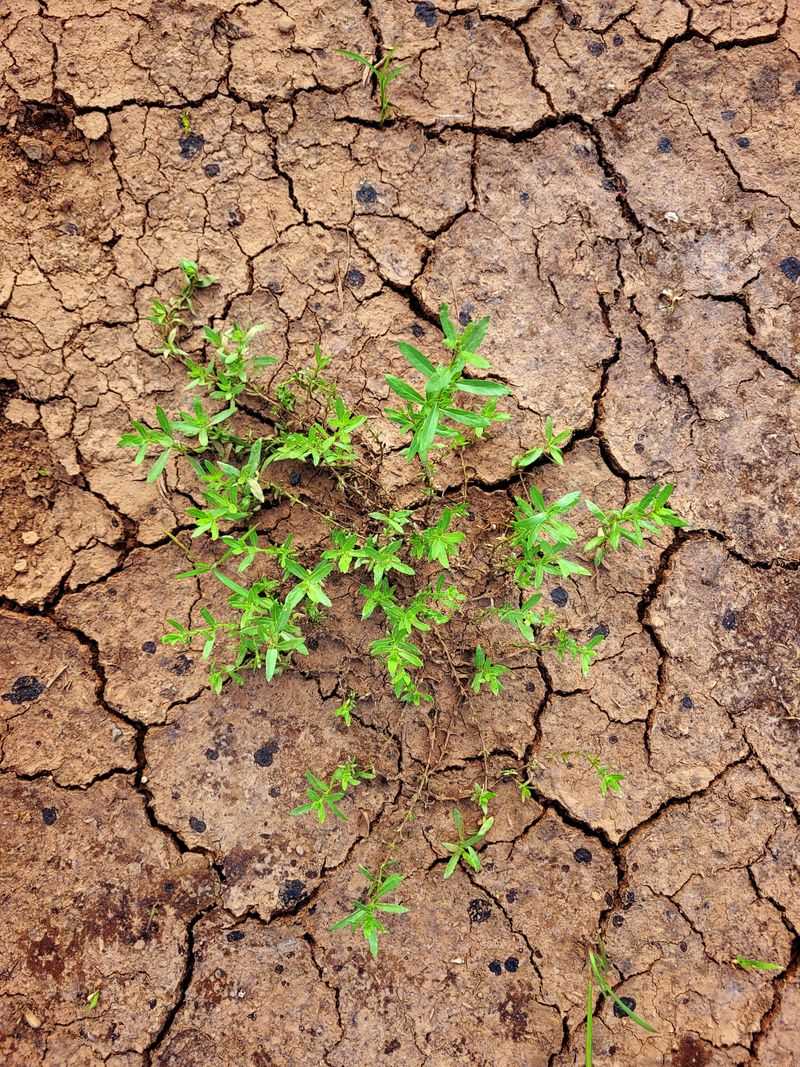
Open soil between plants looks tidy at first, but it is secretly working against you all season long. Bare ground heats up fast and loses water at a rate most gardeners underestimate.
Soil temperatures on exposed ground can climb twenty degrees higher than shaded soil on the same day. That heat accelerates evaporation and stresses nearby plant roots.
The gap between plants might look like empty space, but during a Virginia summer it functions more like a heat trap. Every inch of uncovered soil is pulling moisture away from the roots that need it most.
Ground covers are a smart solution for filling those gaps without constant maintenance. Low-growing plants like creeping thyme, liriope, and ajuga spread naturally and protect soil from both sun and wind.
Even a thin layer of straw or compost spread between plants helps regulate soil temperature. It breaks down over time and adds organic matter that improves moisture retention long-term.
Bare soil is also more vulnerable to erosion during the heavy rain events that sometimes follow drought periods. A protective layer keeps your topsoil in place when the skies finally open up.
Planning your garden with spacing in mind is a long-term strategy worth considering. Planting slightly closer together allows foliage to shade the soil naturally as plants mature.
Leaving soil bare between plants is one of those quiet yard habits that compounds over time. Fixing it is straightforward, and the payoff shows up quickly once temperatures climb.
7. Ignoring Your Irrigation System Until It’s Too Late
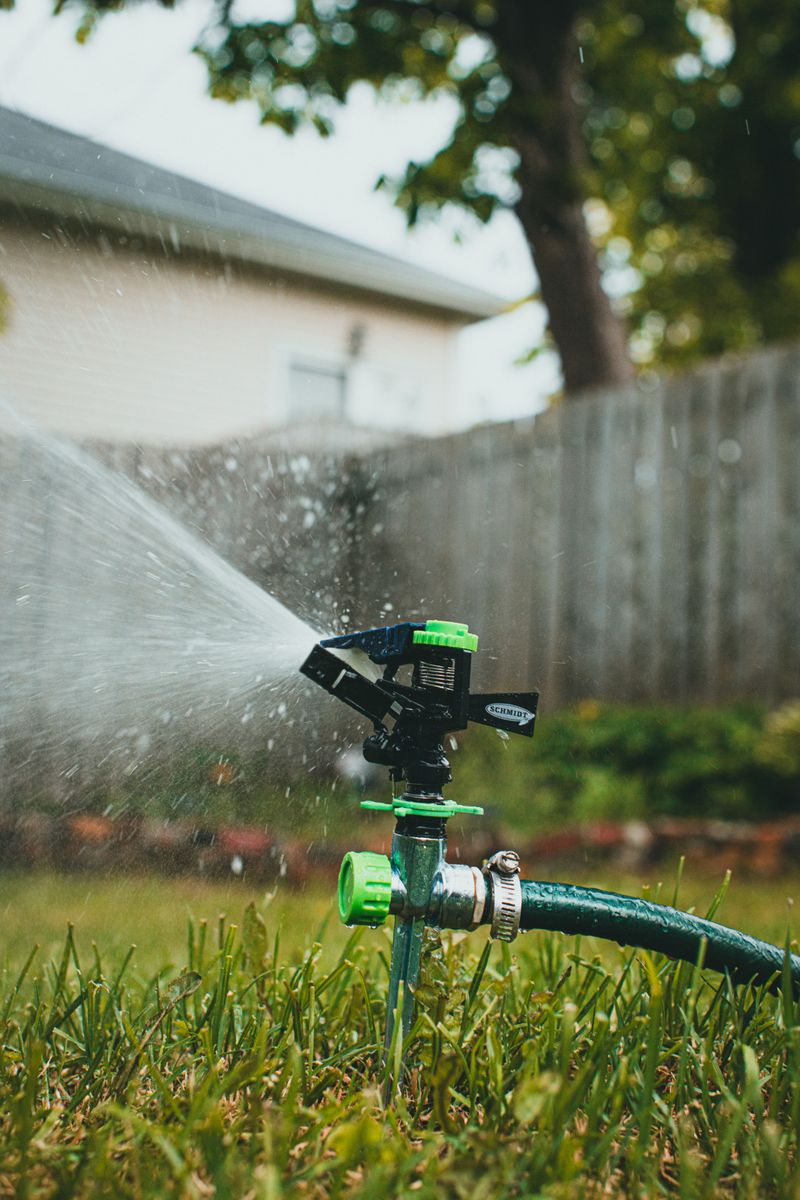
Most irrigation systems spend the winter completely forgotten, and that is exactly when problems start brewing. By the time drought season arrives, a neglected system can be full of surprises.
Broken heads, clogged nozzles, and misaligned sprinklers waste enormous amounts of water without actually hydrating your lawn. You pay the water bill, but your grass still suffers.
A quick system check at the start of summer takes about thirty minutes. Run each zone separately and watch for heads that are stuck, tilted, or spraying in the wrong direction.
Check the controller settings while you are at it. Many timers still run on winter schedules or default settings that were never adjusted for summer demand.
Drip irrigation lines buried in garden beds are easy to forget and easy to damage during planting. A small puncture or disconnected fitting can quietly starve a shrub for weeks.
Consider scheduling a professional irrigation inspection every spring. A certified technician can spot issues you might miss and calibrate your system for maximum efficiency.
Smart controllers that adjust watering based on local weather data are worth the upgrade. They prevent overwatering after rain and boost output automatically during dry stretches, taking the guesswork out of drought management entirely.
8. Watering Too Often And Too Shallow
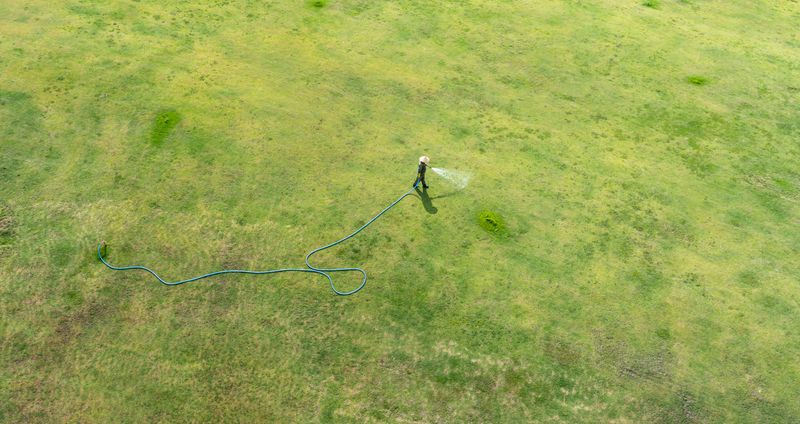
Frequent, shallow watering feels responsible, but it actually trains your lawn to be weaker. Grass roots follow moisture, and if water only reaches the top inch of soil, roots stay near the surface.
Shallow roots are the first to suffer when drought hits and the top layer of soil dries out. Deep roots, on the other hand, can access moisture stored much further underground.
The goal is to water less often but more deeply. Most Virginia lawns benefit from about one inch of water per week, delivered in one or two longer sessions rather than daily sprinkles.
A simple way to measure output is placing a tuna can in your yard while the sprinkler runs. When the can is full, you have applied roughly one inch of water.
Sandy soils common in some parts of the state drain faster and may need slightly more frequent watering. Clay-heavy soils hold moisture longer but can become compacted, which limits how deep water actually penetrates.
Aerating your lawn in fall helps water reach deeper soil layers more effectively. It is one of the best long-term investments you can make for drought resilience.
The Virginia yard habits that make drought season harder are often rooted in good intentions gone sideways. Watering deeply and infrequently is one shift that pays off all summer long.