10 Right Ways To Remove Faded Petunia Flowers For A Colorful Illinois Garden
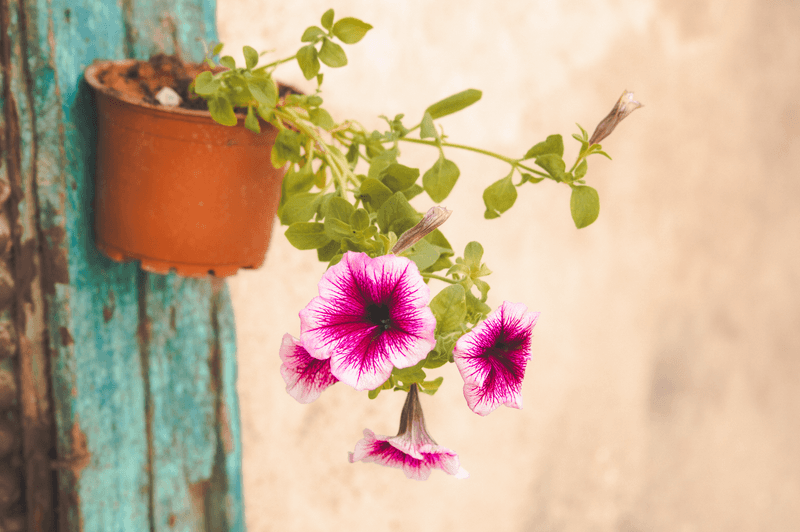
Most flowers beg for attention. Petunias earn it.
Some petunias are more forgiving than others, but removing spent flowers can make a real difference.
Snip them away before the plant shifts into seed production mode and everything changes.
Your neighbor in Illinois had window boxes so remarkably full of color that strangers would slow their cars down on the street just to look.
You asked her secret and she said two words: “coax forward.” She never let a single spent bloom sit.
Not one. What would your garden look like if you applied that same focused attention to your petunias?
Illinois summers are not forgiving. They swing from thick humidity to intense heat without much courtesy, and your petunias need every advantage you can hand them.
Master these techniques and your petunias will make your garden the one everybody secretly wishes was theirs.
1. Remove Blooms When Faded, Droopy, Or Brown At The Edges
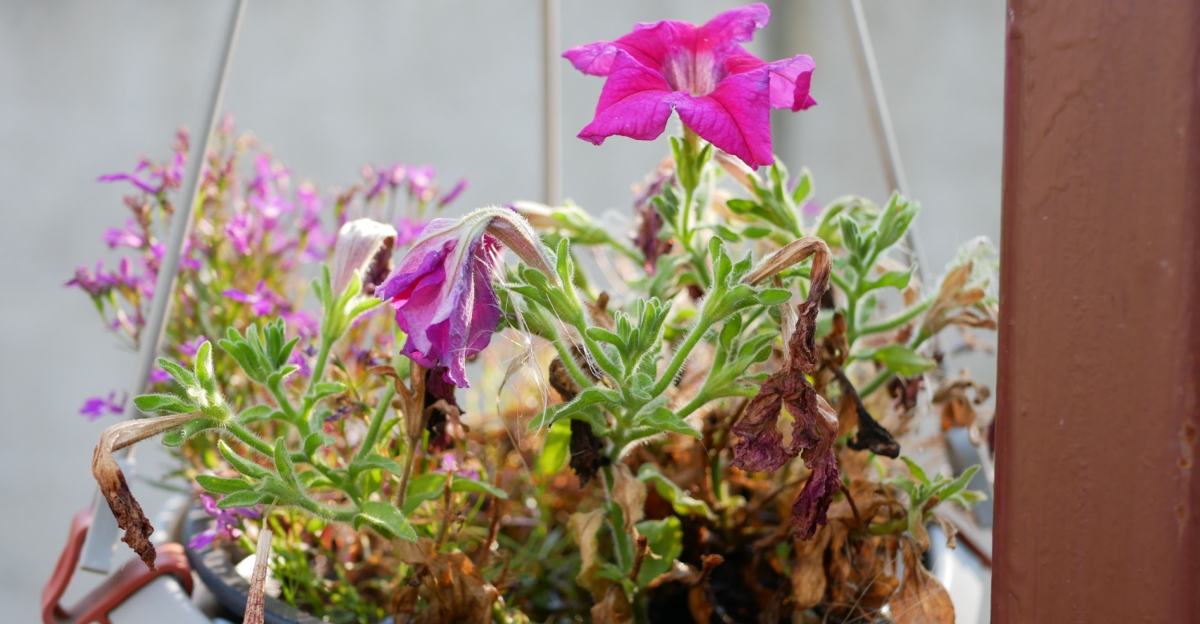
Brown edges on a petunia are a quiet cry for help. When a bloom starts to droop or fade at the tips, the plant is already shifting its energy toward making seeds.
Catching that moment early is the single most powerful move you can make for a long-blooming season. Faded petunias do not just look sad, they actually slow down the whole plant.
Once a flower goes papery and limp, it tells the stem to stop producing and start seeding. Removing faded petunia flowers at this exact stage breaks that cycle and keeps fresh buds coming in fast.
Train your eyes to spot the subtle signs: color that looks washed out, petals that curl inward, or a center that turns sticky and brown. These are your green lights to act.
A quick daily walk through your garden beds, coffee in hand, makes spotting tired blooms almost effortless. Think of yourself as a quality control manager for your flower beds.
You are not removing beauty, you are protecting it. Every faded bloom you pull today clears the way for a fresher, bolder one tomorrow.
2. Clean Up Spent Flowers Once Or Twice A Week
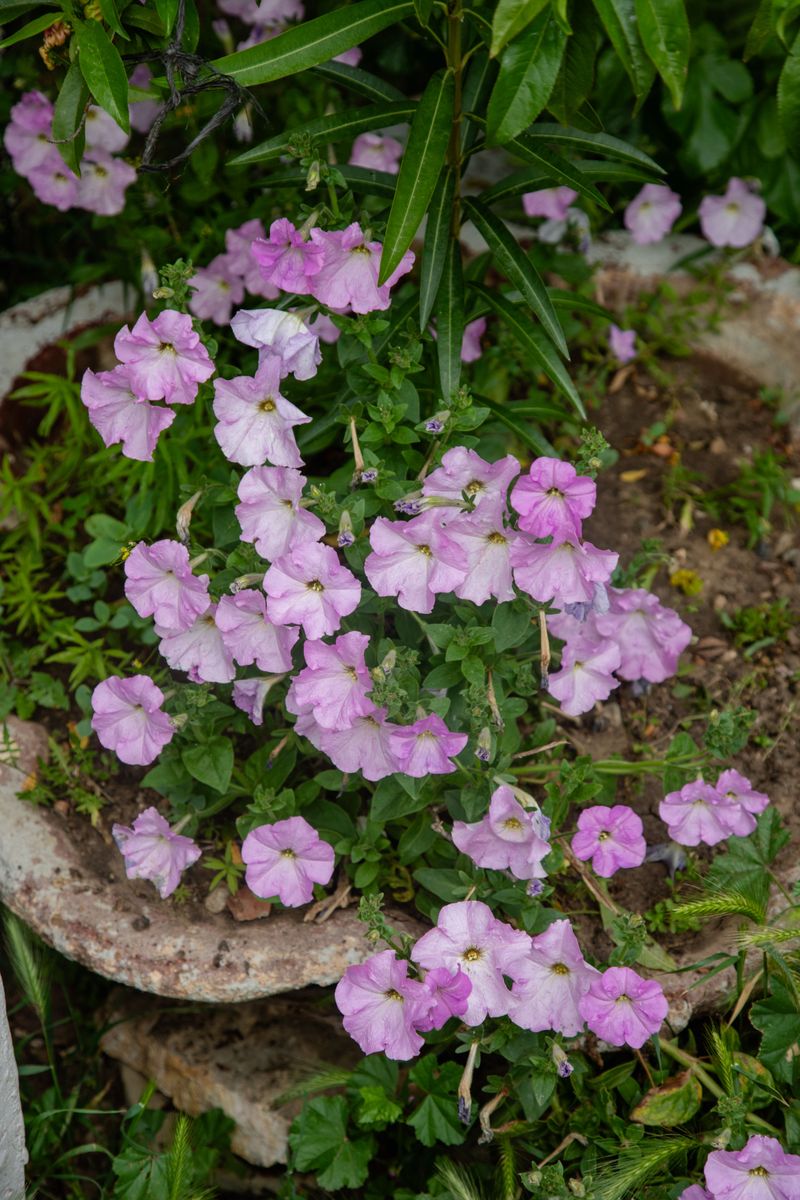
Consistency beats perfection every single time in the garden. Removing petunias once or twice a week keeps the workload light and the results steady.
Skipping several weeks and then doing a big cleanup session is harder on both you and the plant.
Think of it like doing the dishes. A quick rinse every day takes two minutes, but leaving a week’s worth in the sink turns into a dreaded chore. The same logic applies to spent petunia blooms piling up on your stems.
Twice-weekly sessions also let you catch blooms at the perfect stage, just past their prime but before the seed pod swells beneath them. That timing matters more than most gardeners realize.
A swollen pod means the plant has already started redirecting its resources away from flowering. Set a simple reminder on your phone for Tuesday and Saturday mornings.
Early in the day, before the sun climbs high, is the best time to work with petunias because the stems are hydrated and easy to handle. Two short sessions a week will keep your garden looking like a florist arranged it.
Your Illinois Garden Changes Every Week. Your Plan Should Too.
Gardening in Illinois changes quickly throughout the season. Every Friday you’ll receive a simple weekly plan showing exactly what to plant, prune, fertilize, harvest, and protect so you never miss the right timing.
3. Remove More Frequently During Hot Heat Waves
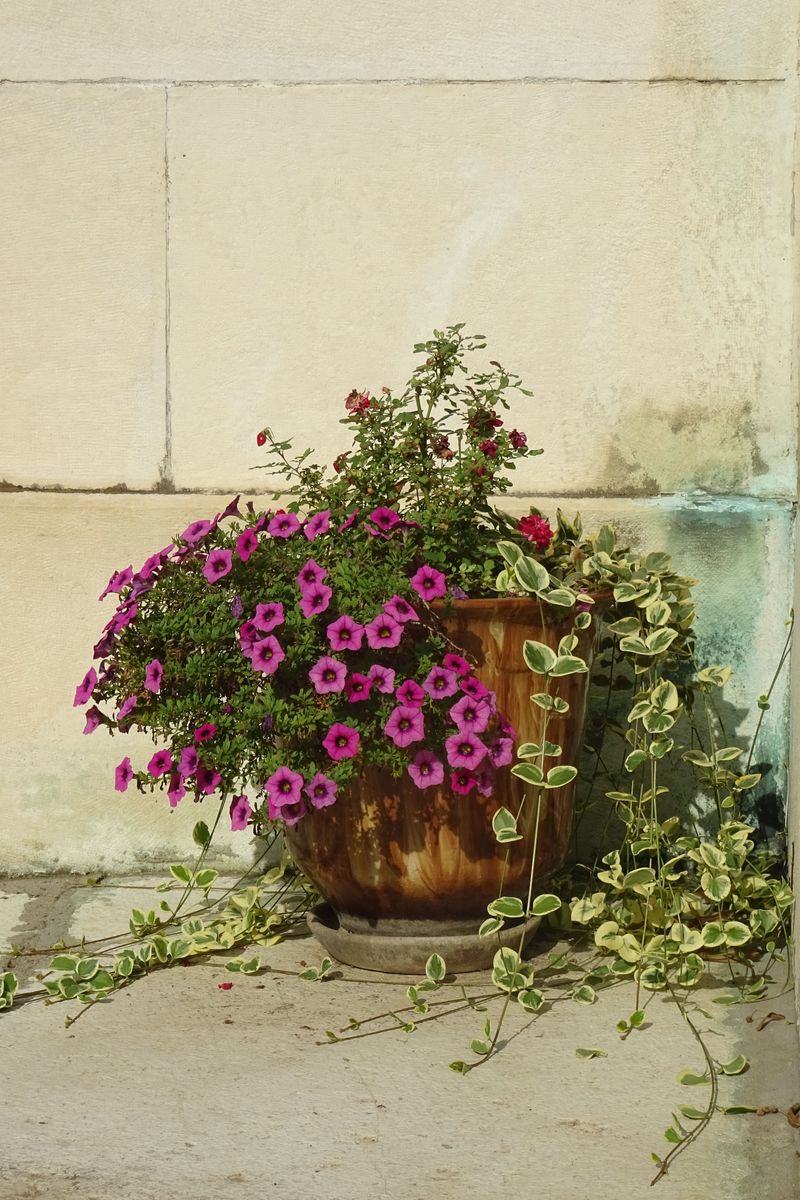
Summer in Illinois can turn brutal fast. When temperatures spike into the upper 80s or 90s, petunias bolt toward seed production at an alarming speed.
During a heat wave, blooms that looked fresh on Monday can be fully spent by Wednesday morning.
Heat accelerates every biological process in a flowering plant. The window between peak bloom and faded flower shrinks dramatically when the air feels like a sauna.
If you stick to your regular twice-weekly schedule during a heat wave, you will fall behind and the plant will suffer for it.
When the forecast shows five or more consecutive days of sustained high heat, shift to every other day. Upper 80s and beyond is when petunias need you most.
A quick five-minute walk through your beds each evening can save the plant from going into full seed mode.
Even removing just a handful of spent blooms during those hot stretches makes a measurable difference. Think of heat waves as a code red for your petunias.
The plants are working overtime in the heat, and a little extra attention from you is exactly what they need to push through.
Once cooler temps return, you can ease back to your regular schedule without missing a beat.
4. Use Sharp, Clean Scissors Or Mini Snips
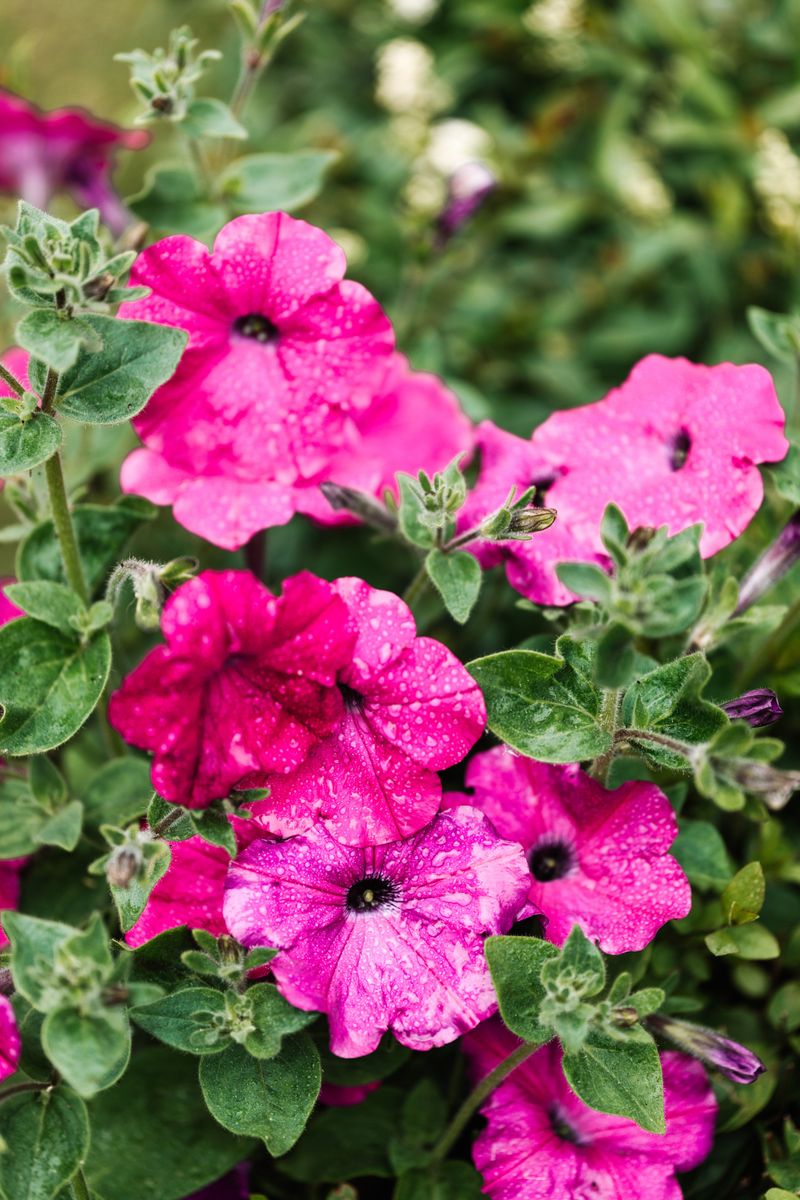
Your tools matter more than you might think. A sharp pair of mini garden snips makes a clean cut that heals quickly and does not stress the stem.
Dull blades, on the other hand, crush plant tissue and leave the door open for disease. Mini snips, also called micro-tip scissors or pruning snips, are perfectly sized for petunia stems.
They give you control and precision in tight spots between blooms without accidentally clipping a healthy bud nearby. Many experienced gardeners keep a dedicated pair just for their flowering annuals.
Cleanliness is just as important as sharpness. Wipe your blades with rubbing alcohol or a diluted bleach solution between plants to avoid spreading any fungal spores or bacteria from one stem to another.
This step takes ten seconds and can save an entire container planting. Investing in a quality pair of snips is one of the best low-cost decisions a home gardener can make.
Look for stainless steel blades with a spring-loaded handle to reduce hand fatigue during longer sessions.
Sharp, clean tools transform deadheading from a chore into something that actually feels satisfying.
5. Avoid Dull Scissors Or Pulling By Hand
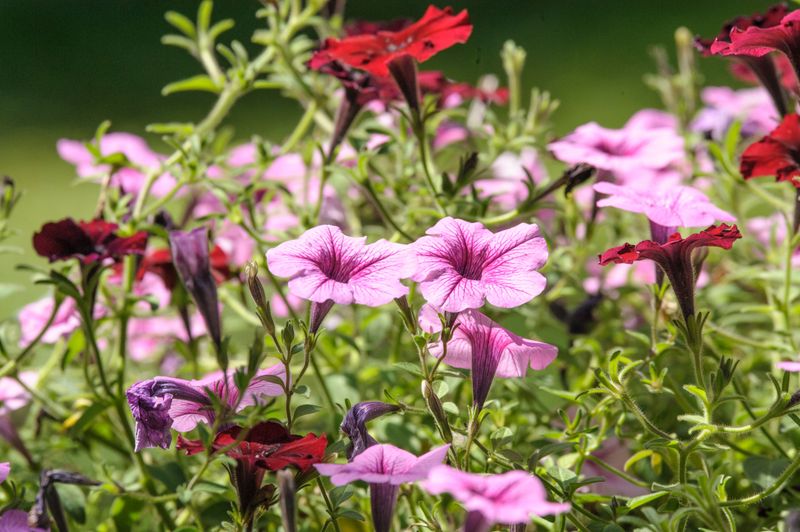
Yanking a petunia bloom off by hand feels fast, but a careless rip causes real damage. There is a difference between a deliberate, controlled pinch and a rough pull that tears the stem.
Pulling creates ragged tears along the stem that take much longer to heal than a clean snip. Those torn edges become entry points for mold and bacteria, especially during Illinois’s humid summer months.
Dull scissors are almost as bad as pulling by hand. Instead of slicing cleanly through the stem, they pinch and crush the plant tissue.
Crushed stems struggle to move water and nutrients efficiently, which slows down new bud development. You can test your scissors quickly by cutting a piece of paper.
If the paper crumples or tears instead of cutting cleanly, your blades need sharpening or replacing.
Most inexpensive garden snips can be sharpened at home with a small whetstone in just a few minutes.
Protecting the stem is protecting the future of the bloom. Every cut you make is a small wound the plant has to recover from, and a clean wound heals in a fraction of the time.
Give your petunias the respect of a proper cut and they will keep flowering for you well into fall.
6. Remove The Entire Flower And Seed Pod Beneath It
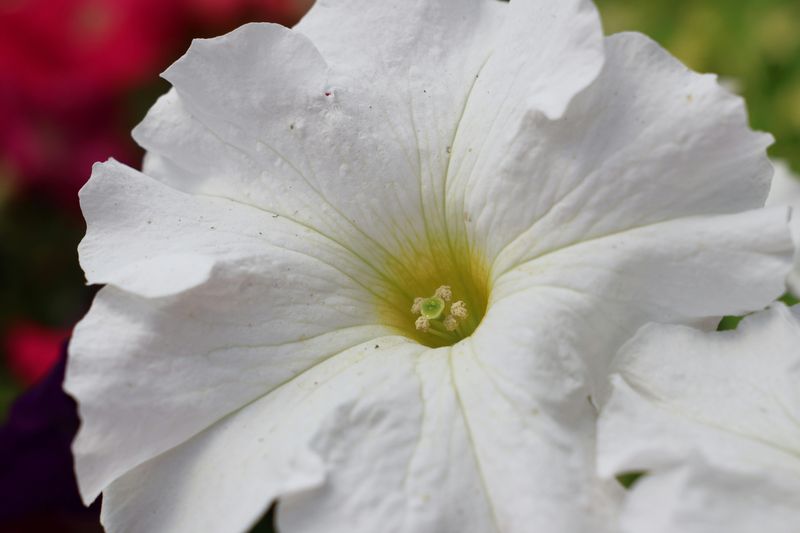
Most beginners make the same mistake: they pinch off just the petals and leave the green pod behind.
That little green bump at the base of the bloom is the seed pod, and if you leave it, the plant thinks its job is done.
The whole point of removing faded petunia flowers is to stop seed production, so the pod has to go too.
The seed pod sits right where the petals attach to the stem. It is small, firm, and easy to overlook if you are working quickly.
Take a second to look beneath each bloom before you cut and make sure your snip lands below that pod, not above it. Removing the pod along with the petals sends a clear signal to the plant: try again.
Without a maturing seed to nurture, the stem redirects its energy toward pushing out a brand new bud. That turnaround can happen in as little as one to two weeks under good conditions.
Once you get the hang of spotting the pod, the whole process becomes second nature. You will start doing it automatically, like checking both ways before crossing a street.
And the payoff, a plant bursting with fresh color, is absolutely worth the extra moment of attention.
7. Pinch With Thumb And Forefinger, Do Not Pull
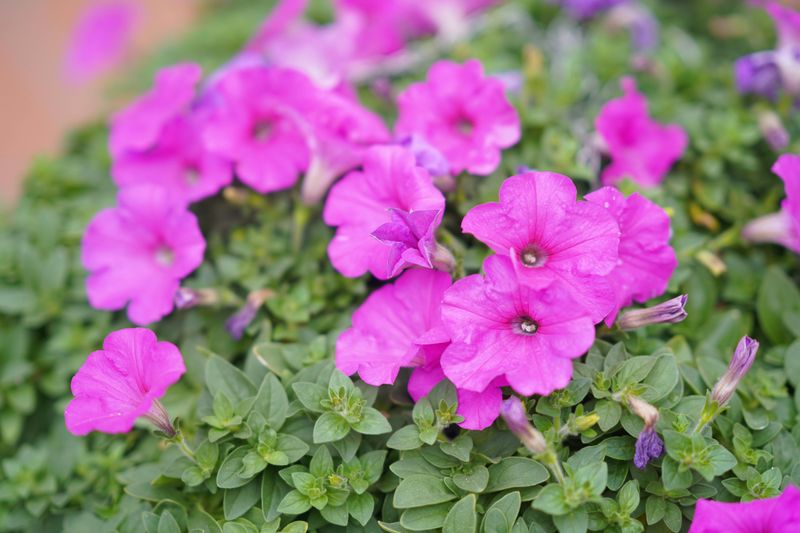
There is an art to the pinch. When you use your thumb and forefinger to pinch just below the spent bloom and the seed pod, you get a surprisingly clean break with the right technique.
It is not the same as yanking, which tears tissue, or squeezing, which crushes it. The pinch works best when your fingers are positioned firmly around the stem just below the pod.
Apply steady, even pressure and then snap forward with a quick flick of the wrist. Done correctly, the stem separates cleanly without leaving a ragged edge behind.
This method is especially handy when you are out in the garden without your snips nearby. Maybe you stepped outside to water and noticed a cluster of spent blooms that need attention right now.
A confident pinch is often all you need to get the job done on the spot. Practice makes the motion feel natural within just a few sessions.
Start with the most obviously spent blooms, where the stem is already slightly soft, and work your way to ones that need a bit more precision.
Your fingers will quickly learn the difference between a stem ready to release and one that needs a tool instead.
8. Cut Just Above A Pair Of Leaves On The Stem
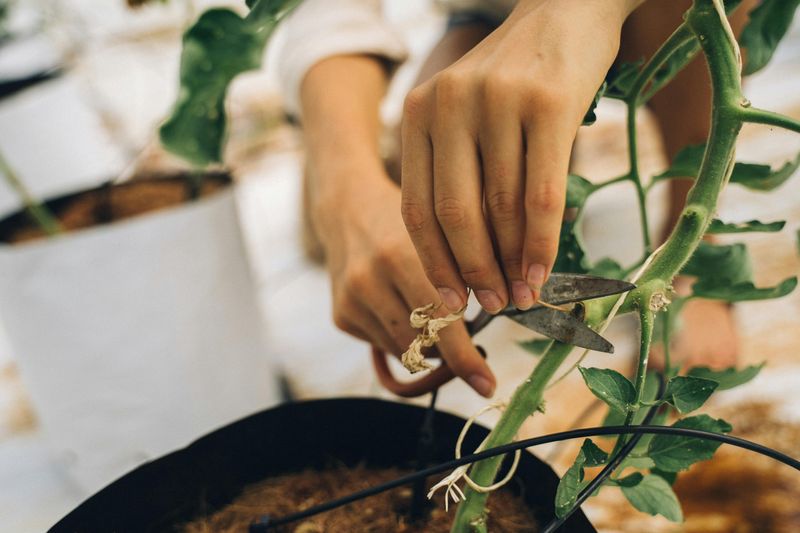
Placement of your cut changes everything. Cutting just above a pair of healthy leaves on the stem encourages the plant to branch out from that exact spot and produce two new stems instead of one.
That simple positioning trick can effectively double your bloom count over the course of a season.
Look for a leaf node, the point where two leaves attach directly across from each other on the stem.
Your cut should land about a quarter inch above that node, angled slightly so water runs off rather than pooling on the cut surface. This small angle detail helps prevent rot during rainy Illinois summers.
Avoid cutting too far above a leaf node, which leaves a bare stub that slowly browns and can invite fungal issues.
Also avoid cutting too close, which can damage the node itself and prevent it from sprouting new growth. Right above the node, with a clean blade, is the sweet spot every time.
Once you start cutting with node placement in mind, you will notice your petunia plants becoming fuller and bushier rather than long and leggy.
A bushy plant catches more sunlight, supports more blooms, and looks dramatically more lush in a container or garden bed. This one habit alone can transform an average planting into a showstopper.
9. Cut Leggy Stems Back By Half Mid-Season If Needed
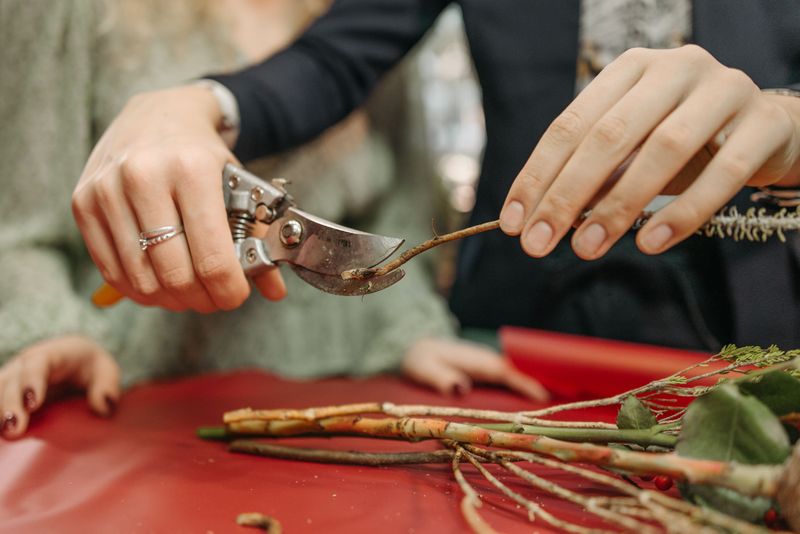
By mid-July, some petunias start looking like they forgot what they were supposed to be doing.
The stems stretch out long and bare, with just a few tired blooms clinging to the tips. This is called legginess, and it is completely fixable with one bold move.
Cut those stretched-out stems back by about half their length. Yes, it feels drastic, almost alarming, to cut back that much of the plant at once.
But petunias are remarkably tough and respond to a hard mid-season trim with an explosion of fresh, compact new growth.
Time this cutback for a mild day rather than during a heat wave, so the plant is not already stressed when you make your cuts. Water the plant well the day before to ensure it is fully hydrated going into the trim.
After cutting, give it a light dose of balanced liquid fertilizer to fuel the regrowth. Within two to three weeks, you will see new shoots emerging from every cut node along the stem.
Those new shoots will be loaded with buds, and the plant will look fuller and more vigorous than it did before the trim. Mid-season is not the end of the show, it is just intermission.
10. Collect And Dispose Of Debris Or Add To Compost
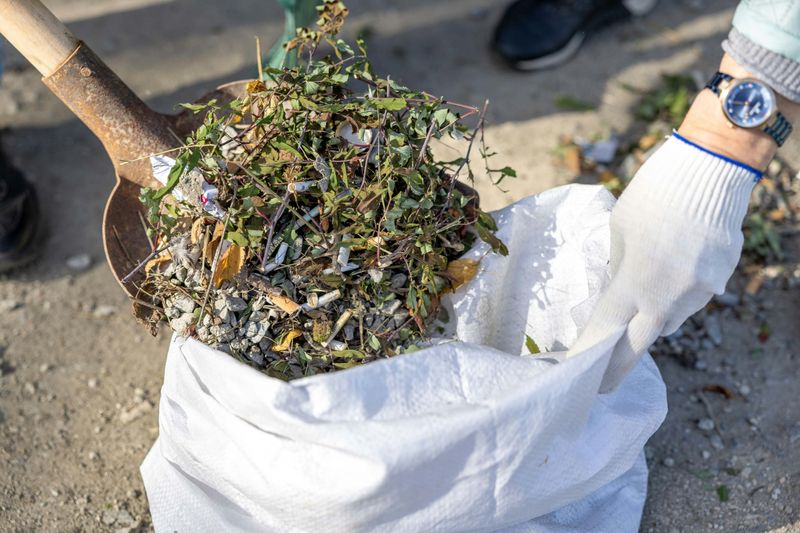
Spent blooms left on the ground are not as harmless as they look. Fallen petunia flowers and stem clippings can harbor fungal spores and attract pests if they sit in a damp garden bed for too long.
Cleaning up the debris is the final, often skipped step that ties the whole process together. After each deadheading session, gather the clippings into a small bucket or garden trug.
If the plants showed no signs of disease during the season, those clippings are perfectly fine to toss into your backyard compost pile.
Petunia material breaks down quickly and adds useful organic matter to future soil amendments.
If you noticed any mold, powdery spots, or unusual discoloration on the stems, bag those clippings and put them in the trash instead.
Composting diseased plant material can spread the problem to next season’s garden if the compost does not reach high enough temperatures to neutralize the spores.
If there is any uncertainty about whether the clippings are disease-free, the safer choice is the trash bin. Compost is for healthy material only.
A tidy garden bed is not just about looks, it is about setting your petunias up for continued success.
Removing faded petunia flowers and clearing the debris around them creates a cleaner, healthier environment where new growth can thrive without competition.
End every session with a clean bed and your garden will thank you all season long.