8 Fruit Trees That Actually Thrive In Illinois Heat And Humidity
Here is something most gardening guides will not tell you: Illinois is actually a great place to grow fruit trees.
Yes, even with the summers that feel like standing inside a dishwasher.
The heat, the humidity, the kind of late frost that shows up in May like it owns the place, certain trees handle all of that without skipping a beat.
The trick is not toughing it out.
The trick is choosing the right tree from the start.
These eight fruit trees are genuinely well-suited to Illinois conditions.
Some of these you already know. A couple might surprise you.
Each one is a genuine fit for an Illinois backyard.
Think of it as the list a knowledgeable neighbor would scribble down and hand you over the fence, except with a lot more detail.
1. Apple Trees
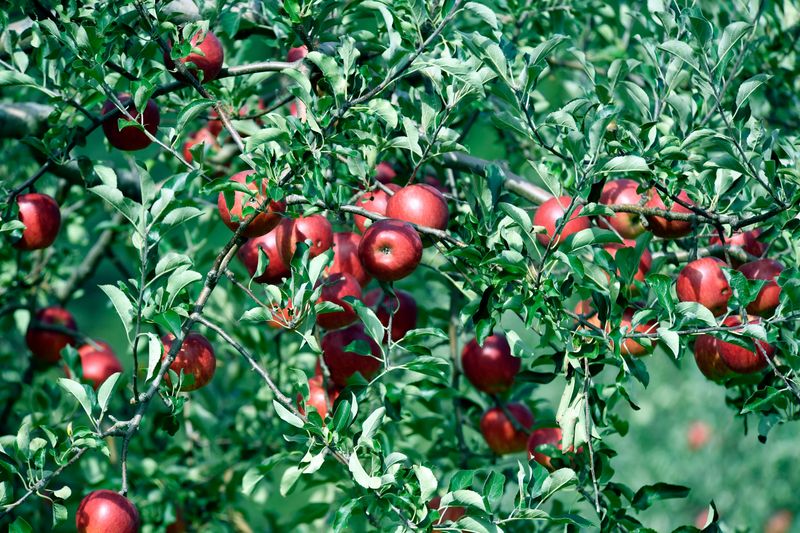
Image Credit: © Chen Te / Pexels
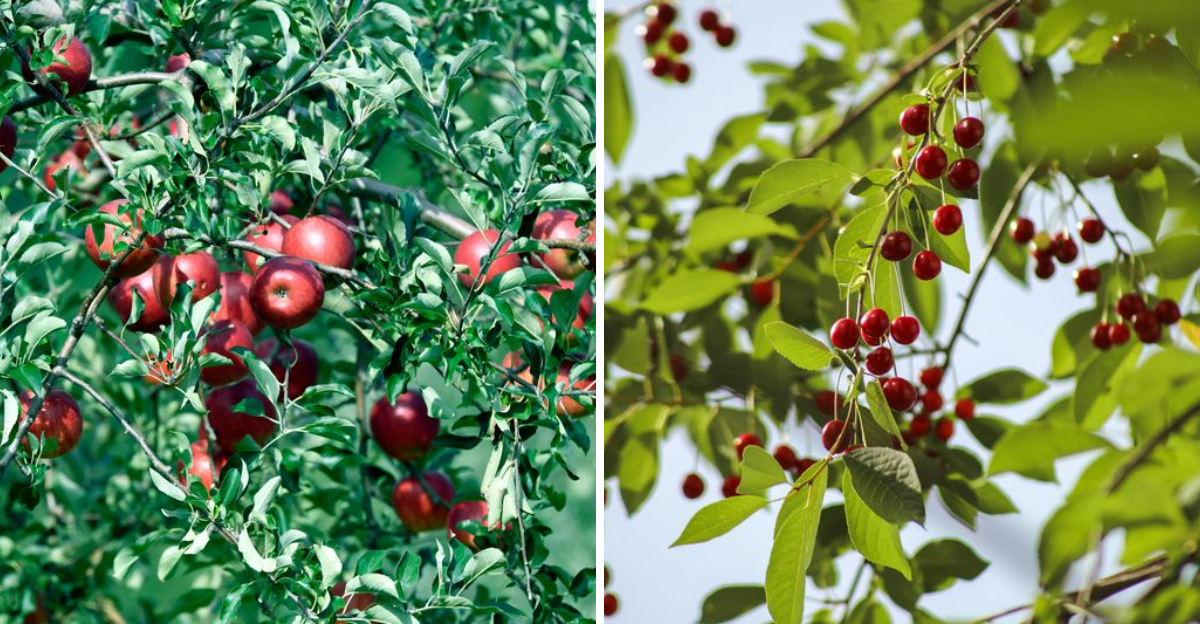
Few things beat the sight of a backyard apple tree so loaded with fruit that the branches actually bend toward the ground.
Neighbors will ask. You will act humble.
You will not be.
Apple trees are one of the most reliable choices for Illinois gardeners, and for good reason.
Varieties like Honeycrisp, Jonathan, and Enterprise were practically bred for the Midwest climate.
Summer heat rarely slows these trees down.
Apple trees thrive in full sun and handle the muggy Illinois summers with surprising toughness.
They need well-drained soil and at least six hours of direct sunlight each day, but beyond that, they are remarkably forgiving for beginner growers.
One thing to keep in mind: most apple trees need a pollination partner nearby.
Planting two different varieties within 50 feet of each other dramatically boosts your fruit production.
That means double the blossoms in spring and double the harvest in fall.
Pest pressure is real with apple trees, so plan for a basic spray schedule using dormant oil in early spring.
Cedar apple rust and apple scab are the two most common problems in this region, but resistant varieties like Liberty or Freedom can sidestep most of those headaches.
A little prevention goes a long way.
The payoff for your effort is enormous.
A mature apple tree can produce up to 20 bushels of fruit in a single season.
Once you taste a homegrown apple, store-bought fruit will never feel the same again.
2. Sour Cherry Trees
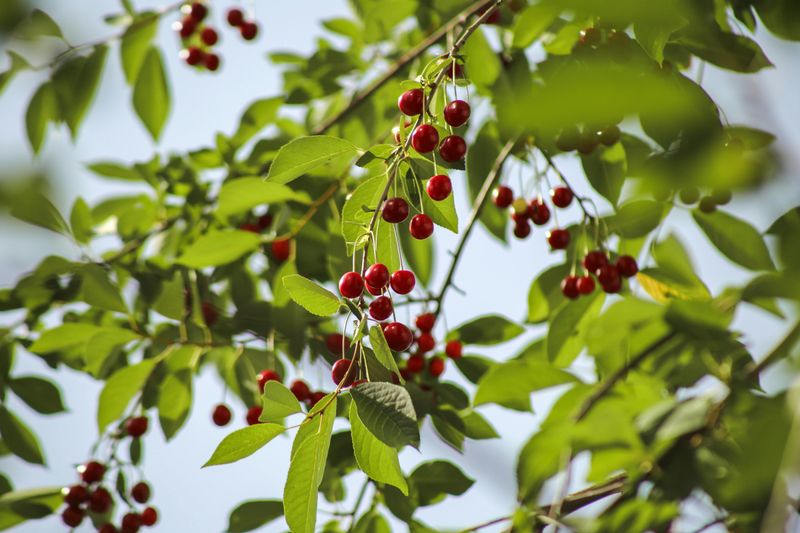
Image Credit: © betül nur akyürek / Pexels
Sour cherry trees are the unsung heroes of the Illinois fruit garden, and most people have no idea what they are missing.
These compact, beautiful trees burst into white blossoms every spring.
The fruit that follows is tart, jewel-red, and frankly makes the best pie you will ever eat.
Montmorency is the gold-standard variety for this region.
Sour cherries are generally better suited to Illinois than sweet cherries, but bloom-time freezes can still reduce crops.
They are self-pollinating, which means you only need one tree to get a full harvest.
For a busy homeowner who wants results without complicated planting plans, that is a massive advantage.
Expect your tree to reach about 15 feet tall at full maturity, making it manageable even in a medium-sized yard.
Your Illinois Garden Changes Every Week. Your Plan Should Too.
Gardening in Illinois changes quickly throughout the season. Every Friday you’ll receive a simple weekly plan showing exactly what to plant, prune, fertilize, harvest, and protect so you never miss the right timing.
Sour cherries ripen fast, usually within a two-week window in late June or early July.
If you blink, the birds will beat you to the harvest, so netting the tree right before ripening is a smart move.
These trees handle clay-heavy soils better than most fruit trees, which matters more than you might think.
A significant chunk of Illinois is sitting on dense, compacted ground.
Amend your planting hole with compost and make sure water drains away from the root zone.
Waterlogged roots are the number one enemy of long-term tree health.
Harvest day feels like a celebration every single time.
A single mature Montmorency tree can yield 15 to 20 quarts of cherries each season.
Freezing them fresh means you will be pulling homegrown cherry flavor into your kitchen all winter long.
3. Plum Trees (European Varieties)
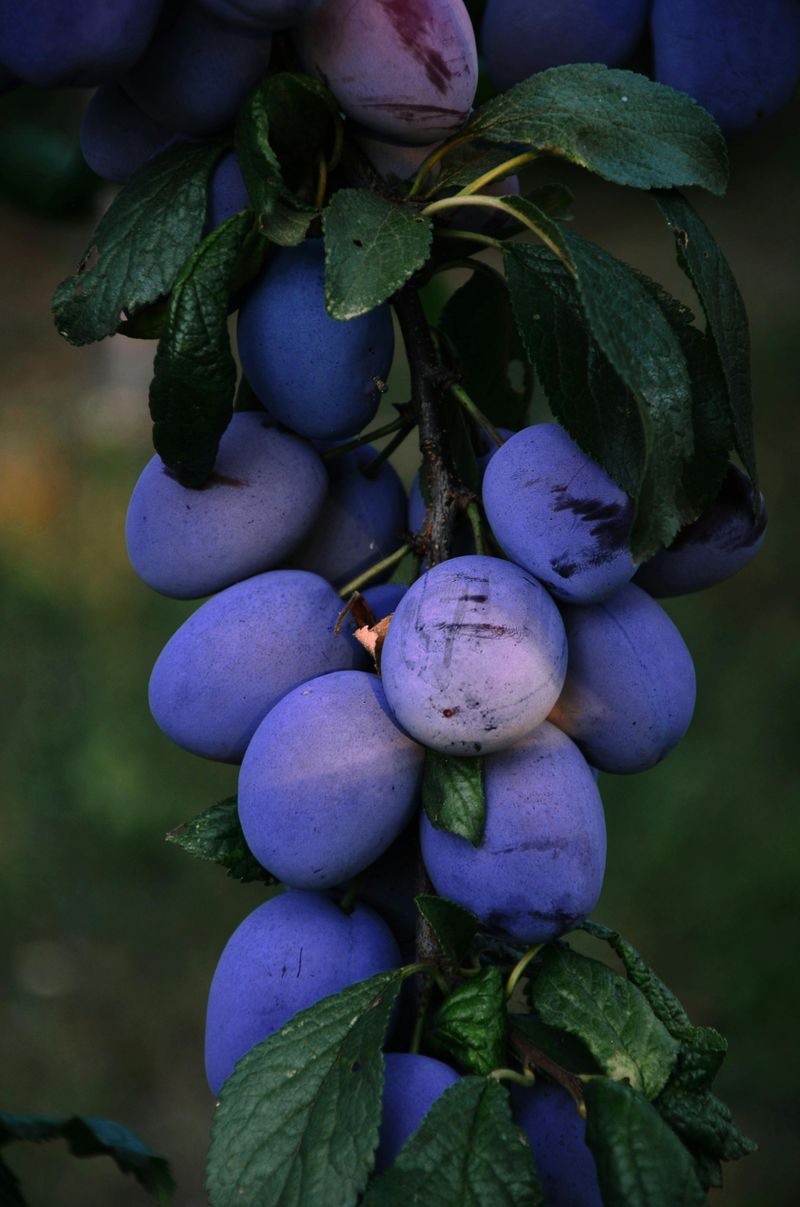
European plum bring a quiet elegance to the backyard that most fruit trees simply cannot match.
Deep purple, almost jewel-like fruit hangs in heavy clusters from graceful arching branches every August.
Varieties like Stanley and Mount Royal were made for the kind of hot, sticky summers that Illinois delivers on repeat.
European plums are far more cold-hardy than their Japanese cousins.
If you are in central or northern Illinois, that distinction matters.
They also bloom later than most fruit trees, a small timing difference that can save an entire season.
That late-blooming habit is basically a built-in insurance policy.
These trees prefer slightly acidic, well-drained soil and reward annual pruning with dramatically better fruit production.
Keep the center of the tree open to allow airflow, which reduces fungal pressure during those humid summer stretches.
A simple open-vase pruning shape does the job beautifully.
Stanley plums are particularly popular because they are self-fertile. No second tree required.
The fruit is large, meaty, and works just as well in a pie as it does eaten straight off the branch.
One mature tree can yield 50 to 80 pounds of plums in a good season.
That is a lot of jam and a lot of happy neighbors.
Plum curculio is the main pest to watch for, but a targeted spray at petal-fall takes care of most of the risk.
With basic care, a European plum tree can produce reliably for 20 years or more.
That kind of long-term payoff is hard to beat in any garden.
4. Pear Trees
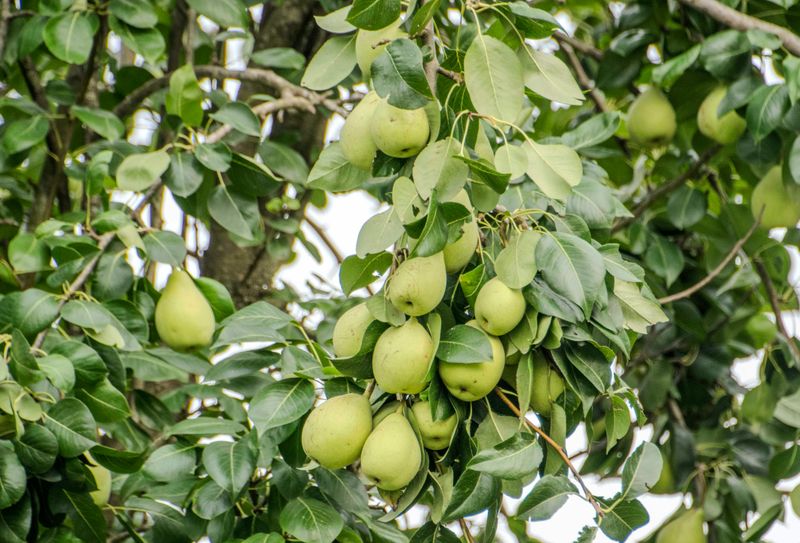
Pear trees are the low-drama overachievers of the fruit garden, and Illinois growers have been counting on them for generations.
Varieties like Bartlett, Bosc, and Moonglow handle the region’s humid summers with calm efficiency.
One important note: make sure you are planting edible cultivars.
Callery pear is ornamental, widely sold, and invasive in Illinois, it is not the tree you want.
They are also longer-lived than most fruit trees, with some well-maintained specimens producing fruit for 50 years or more.
One quirky fact about pears: they actually ripen better off the tree than on it.
Picking them while still firm and letting them ripen at room temperature gives you that perfect buttery texture.
Leave them on the branch too long and the center turns grainy and mealy before the outside even looks ready.
Pear trees need a cross-pollinator nearby, just like apple trees, so plan to plant at least two compatible varieties.
Bartlett and Moonglow are a reliable pairing that works well across most of the state.
Spacing them about 20 feet apart gives each tree enough room to develop a strong canopy.
Fire blight is the biggest challenge pear growers face in humid climates.
This bacterial disease spreads fast during warm, wet spring weather and can seriously damage unprepared trees.
Choosing fire-blight-resistant varieties like Moonglow or Harrow Sweet cuts that risk significantly.
Once established, pear trees are surprisingly drought-tolerant and need very little fertilizer to perform well.
Overfeeding with nitrogen actually encourages the soft new growth that fire blight loves most.
Keep your soil lean, your pruning shears sharp, and your pear tree will reward you with decades of fruit.
5. Peach Trees (Reliance Variety)
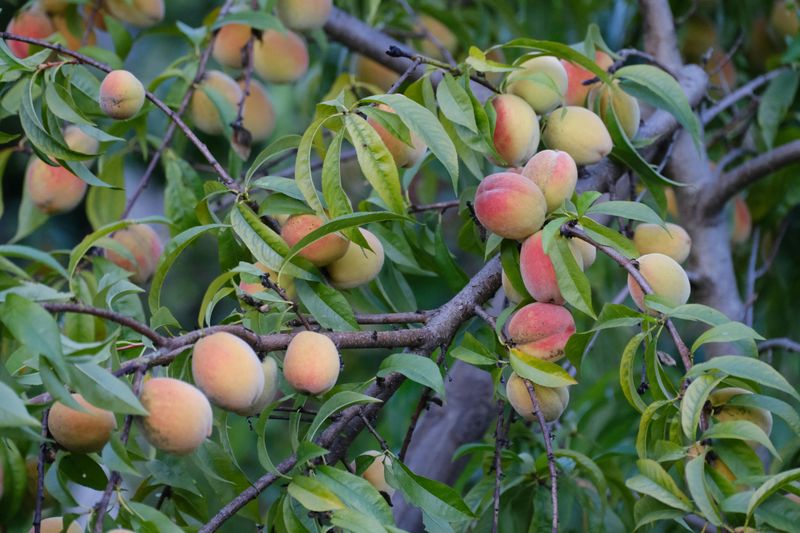
A sun-warmed peach straight from your own tree ruins supermarket fruit forever. Honestly, worth it.
The Reliance variety was built for exactly that.
Developed to survive brutal Illinois winters, it bounces back strong every spring and still delivers a harvest worth waiting for.
Unlike many peach varieties that sulk after a cold snap, Reliance shakes it off and keeps producing.
Peach trees love heat, and the hot Illinois summers are basically their ideal growing conditions.
They need a spot with full sun, good air circulation, and well-drained soil to stay healthy and productive.
Avoid low-lying areas where cold air settles on frosty spring nights, since late freezes are the biggest threat to an early peach blossom.
Thinning the fruit early in the season sounds counterintuitive, but it is one of the best things you can do for your harvest.
Removing smaller fruits so the remaining ones are spaced about six inches apart produces larger, sweeter, more flavorful peaches.
Your tree will thank you with dramatically better results.
Peach leaf curl is a common fungal issue in humid regions.
A single dormant copper spray in late winter handles most of the risk.
Apply it before the leaves emerge and you are largely ahead of the problem.
Consistent watering during dry summer stretches keeps the fruit sizing up properly.
Skip the water when fruit is ripening to concentrate the sugars and boost flavor.
Reliance trees typically begin bearing fruit within two to three years of planting.
A healthy mature tree can produce 50 pounds or more of peaches in a single season.
That is enough for fresh eating, canning, and freezing well into winter.
6. Nectarine Trees
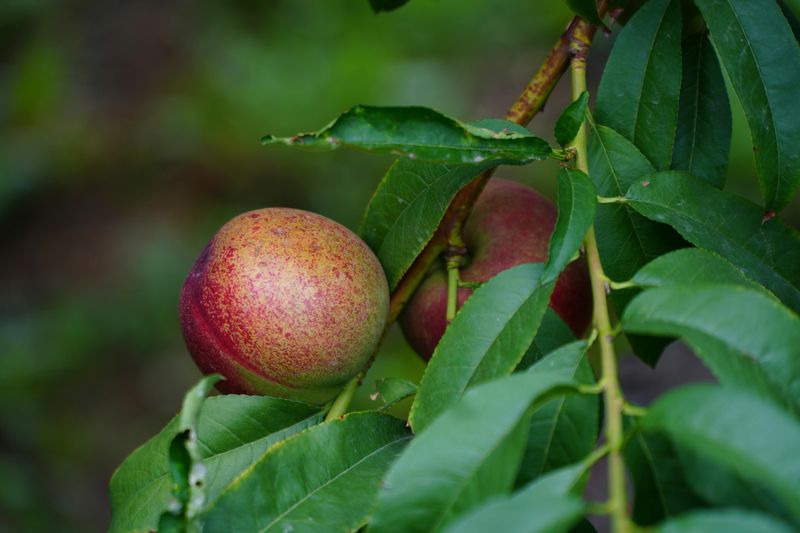
Nectarines are basically peaches without the fuzz, and somehow, the flavor hits harder.
Varieties like Harko and Mericrest perform reliably well across most of Illinois, with Mericrest being a particularly strong choice for colder northern areas.
Their smooth skin and rich flavor make them a genuinely exciting addition to any backyard orchard.
These trees share most of their growing requirements with peaches: full sun, great drainage, and a spot protected from late-spring cold air.
Because nectarines have thinner skin than peaches, they are slightly more vulnerable to brown rot during humid summers.
Spacing trees far enough apart for good airflow is the single most effective way to keep fungal pressure manageable.
Mericrest is a particularly popular choice for this region because of its proven cold hardiness and consistent fruit quality.
It produces medium to large fruit with deep red skin and sweet, firm flesh that holds up well for fresh eating and preserves.
Most nectarine trees are self-fertile, so you can get away with planting just one.
Annual pruning keeps nectarine trees in a manageable open shape and encourages the new wood where fruit production actually happens.
Remove any crossing branches and aim to keep the canopy open enough that sunlight reaches the interior.
A well-pruned tree is a productive tree, and the difference shows up clearly at harvest time.
Expect your first real crop about two to three years after planting.
With consistent care, a mature nectarine tree can produce 30 to 50 pounds of fruit per season.
First harvest in, you will wonder why you waited this long.
7. American Persimmon Trees
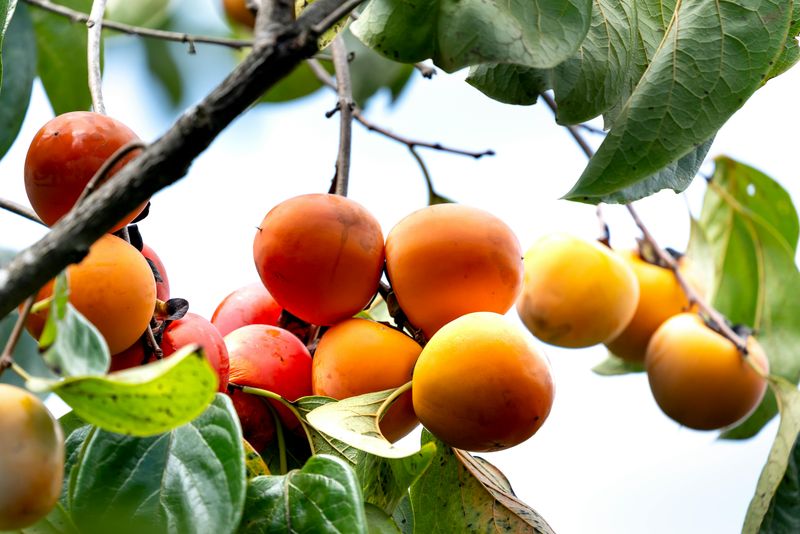
American persimmon trees might be the most underappreciated fruit trees in the entire Midwest, and that is genuinely a shame.
The fruit is small, about the size of a golf ball, and turns a deep orange-amber color when fully ripe in late fall.
Here is the critical part: do not eat an American persimmon before it is completely ripe.
An unripe persimmon contains enough astringent compounds to make your mouth pucker for what feels like an eternity.
Once ripe, though, the flavor is extraordinary: rich, honeyed, and almost custardy with notes of brown sugar and spice.
Wait for a frost or two to fully soften the fruit, and you will understand why foragers and homesteaders have treasured these trees for centuries.
The patience required is absolutely worth it.
American persimmons are dioecious, meaning you need both a male and female tree to get fruit.
Some nurseries sell named varieties like Yates and Mohler that are known for heavy production.
Planting one male within 50 feet of your female tree is all you need to get a reliable annual harvest.
These trees thrive in Illinois heat and humidity with low maintenance once established.
They are not fussy about soil, not dependent on a spray schedule, and not bothered by a hard winter.
For a low-effort, high-reward fruit tree, nothing in this list comes close to the American persimmon.
8. Pawpaw Trees
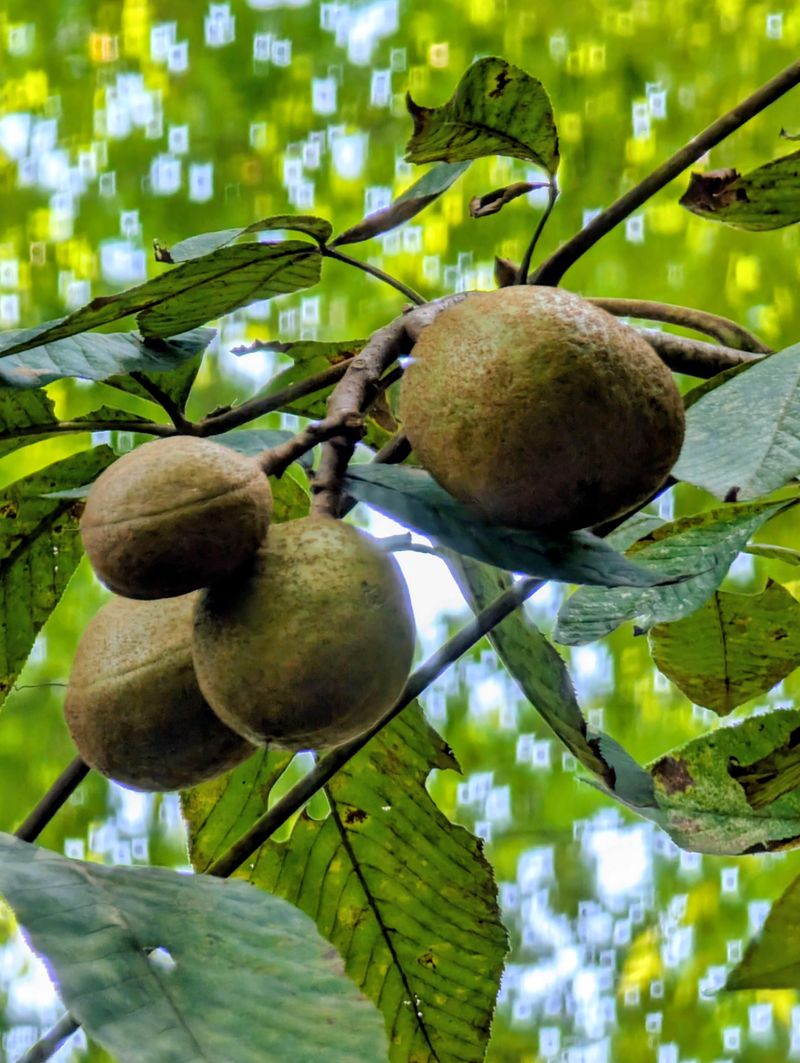
Pawpaw trees produce the largest edible fruit native to North America.
Wild patches grow across Illinois, and yet most people have never tasted one.
That is either a missed opportunity or a happy discovery, depending on how you look at it.
The fruit looks almost tropical, with creamy custard-like flesh that tastes like a cross between a banana, mango, and vanilla pudding.
Growing pawpaws in Illinois is more straightforward than most people expect, especially once the trees get established.
In the wild, pawpaws grow beneath the canopy of Midwestern forests.
Partial shade is not a problem for them. It is basically home.
Pawpaws prefer moist, rich, well-drained soil.
Creek edges and low-lying areas of the yard are ideal, exactly the spots where most other fruit trees give up. That adaptability makes them an ideal fit for tricky spots in the landscape.
Pawpaws need cross-pollination from a genetically different tree, so plant at least two seedlings or named varieties near each other.
Varieties like Shenandoah, Susquehanna, and Allegheny have been selected for larger fruit and more reliable production than wild seedlings.
Spacing them about 10 feet apart allows them to form a productive small grove over time.
One fun challenge with pawpaws is that their blossoms are pollinated by flies and beetles rather than bees.
Hand-pollinating with a small paintbrush during bloom time significantly increases fruit set. It takes about five minutes.
Pawpaw trees that thrive in Illinois heat and humidity remind us that the most extraordinary flavors are sometimes growing right in our own backyard.
A mature tree can produce 25 to 50 pounds of fruit annually.
Plant one this season and you will be answering questions about it for years.