This Illinois Native Tree Creates Dense Shade Without Constant Cleanup
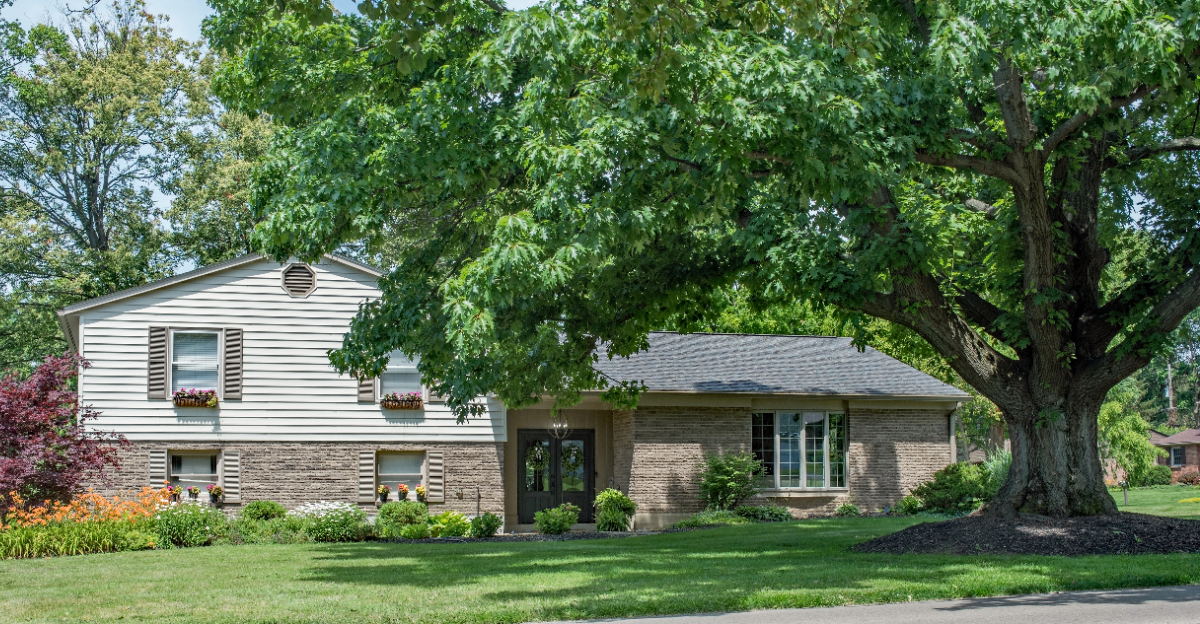
Somewhere in your neighborhood stands a tree older than the house beside it, still spreading wider every year. Two centuries in, and it still hasn’t asked for much.
Skip the frantic pruning schedule, skip the yard buried in debris every weekend.
Its canopy grows so dense that summer heat simply stalls out before reaching your lawn. Plant it once, and it just keeps building on its own.
Few trees pull this much weight while asking this little in return.
Meet One Of Illinois’ Most Valuable Shade Trees
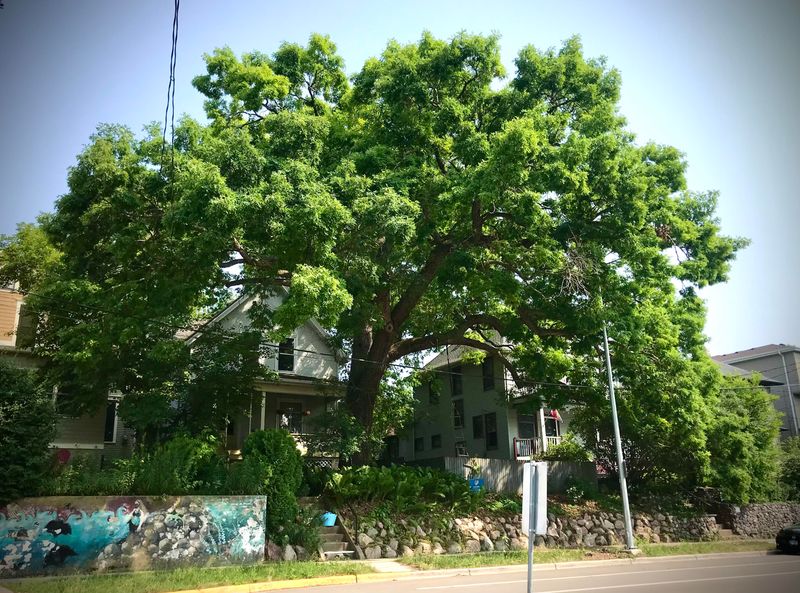
Some trees demand attention. The white oak earns it without asking.
Quercus alba is the scientific name, and it’s long been valued as one of the most reliable shade trees around. This Illinois native tree creates dense shade without constant cleanup, making it a standout choice for any homeowner.
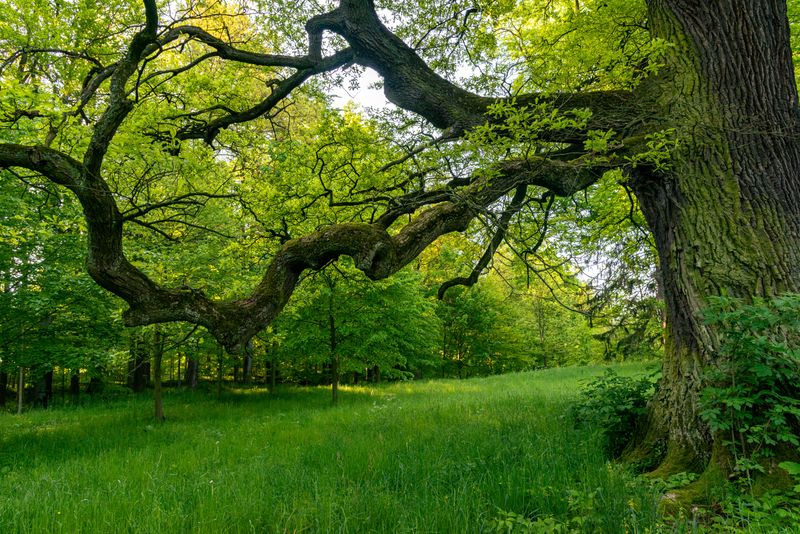
It can live for hundreds of years, and some specimens have been standing since before the American Revolution. The canopy spreads wide and low, almost like the tree is reaching out to hug your yard. A mature white oak can stretch 50 to 80 feet across, easily covering a full backyard.
That kind of coverage keeps your patio cool even on the hottest July afternoons. What makes it special beyond size is its leaf behavior.
White oak leaves tend to hold on through winter, a trait called marcescence. That means the tree provides visual interest even when temperatures drop.
The acorns it drops are smaller and less messy than many competing species. Wildlife, especially squirrels and deer, clean them up fast. You rarely end up raking a carpet of nuts off your lawn.
This tree also has deeply ridged, pale gray bark that looks like something out of a storybook. It gives your property an established, timeless feel that no fast-growing ornamental can match.
Once you see a mature white oak up close, you understand why arborists call it a legacy tree.
The Science Behind The White Oak’s Wide Canopy
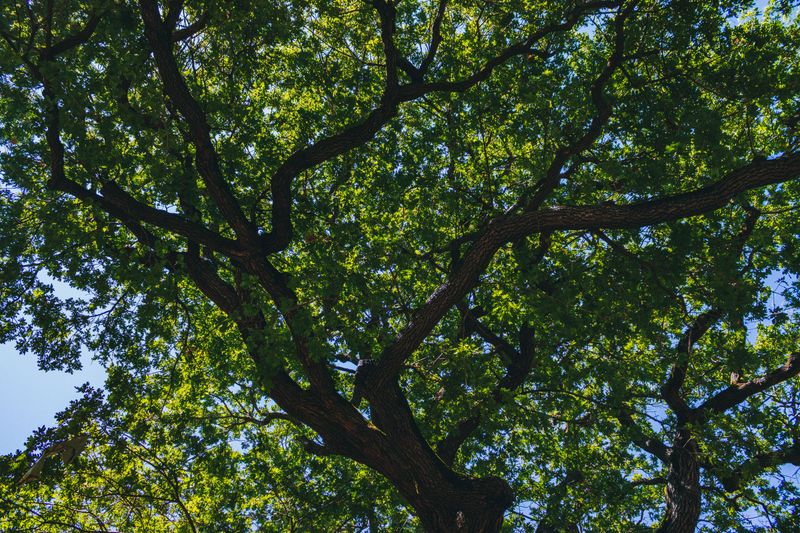
That canopy did not happen by accident. Science and time built it together.
White oaks develop a deep taproot system early in life, anchoring them against storms and drought. Once that root system is established, energy shifts upward and outward. The branches grow horizontally rather than straight up, which is exactly why the shade feels so complete underneath.
The leaves themselves are architectural marvels. Each leaf has rounded, finger-like lobes that overlap when the canopy fills in. This overlapping creates a nearly solid ceiling of green that blocks UV rays far better than trees with smaller or thinner foliage.
Growth is slow but deliberate, adding roughly one foot per year under good conditions. That pace means the wood is incredibly dense and strong. Wind rarely takes down a healthy white oak branch, which cuts down on storm debris cleanup significantly.
Compare that to a silver maple, which grows fast but drops branches constantly. A white oak grows slower and stays tidier for decades. Homeowners who plant one early save themselves years of post-storm yard work.
Your Illinois Garden Changes Every Week. Your Plan Should Too.
Gardening in Illinois changes quickly throughout the season. Every Friday you’ll receive a simple weekly plan showing exactly what to plant, prune, fertilize, harvest, and protect so you never miss the right timing.
The canopy also self-prunes naturally as the tree matures. Lower branches that stop receiving enough sunlight simply drop off cleanly over time.
You end up with a high, arching canopy that lets air flow freely underneath, reducing lawn mildew and keeping the space usable. The shape alone makes it one of the most practical shade trees available for Midwestern yards.
Where This Tree Fits Best In Your Yard
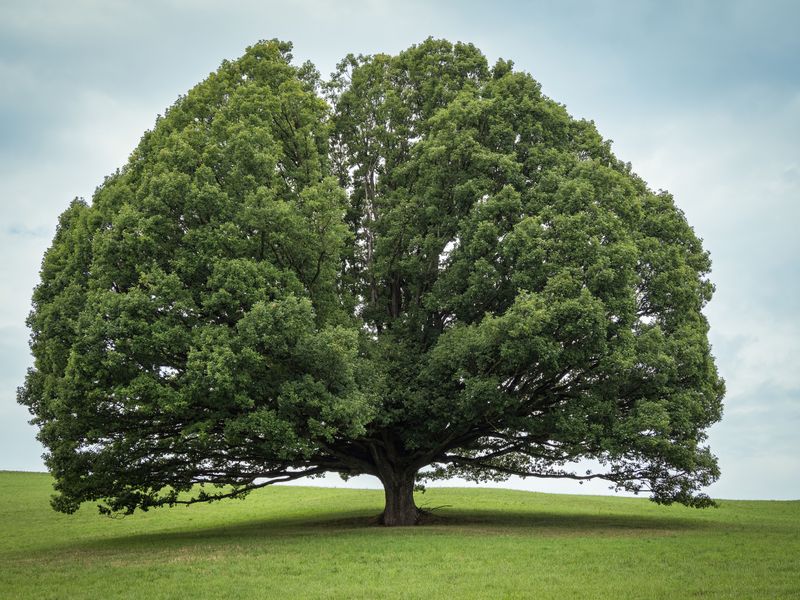
Placement matters more than most people realize. A wrong spot can frustrate you for decades.
White oaks thrive in full sun and prefer well-drained, slightly acidic soil. Most Illinois yards naturally meet those conditions, which is one reason this species succeeds here so consistently.
Avoid planting near clay-heavy areas where water pools after rain. Give the tree at least 30 feet of clearance from your home’s foundation.
That wide canopy needs room to expand without brushing rooflines or gutters. Planting too close creates maintenance headaches as the tree matures.
The northwest corner of your yard is often a sweet spot for shade placement. A tree positioned there casts afternoon shade over the house during the hottest part of the day.
That single placement decision can reduce your air conditioning costs noticeably each summer. Keep utility lines in mind before you dig.
White oaks grow tall enough to interfere with overhead wires if planted directly beneath them. Call 811 before planting to check for underground utilities as well.
Avoid planting in spots with compacted soil from heavy foot traffic or construction. The taproot needs loose, breathable ground to establish properly in the first few years.
If your soil is compacted, till and amend the planting area before you add the tree. Open lawn areas, large side yards, and property boundaries are all excellent locations.
A white oak planted along a fence line creates a natural privacy screen as it fills out, combining function with stunning good looks.
Planting And Early Growth Timeline
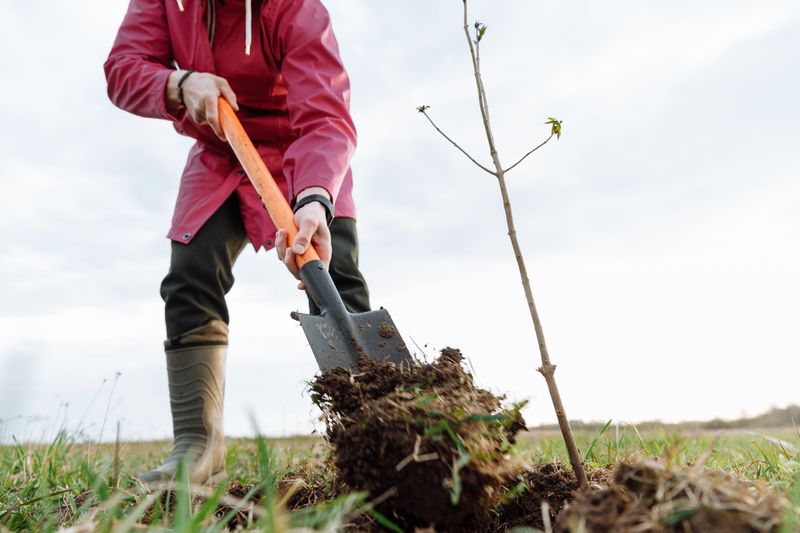
Planting day is exciting. Knowing what comes next makes it even better.
Early spring or late fall are the best windows for planting a white oak. Cooler soil temperatures reduce transplant stress and give roots time to settle before heat arrives.
Container-grown saplings can go in the ground almost any time the soil is workable. Dig your hole two to three times wider than the root ball but no deeper.
Setting the tree too deep is one of the most common planting mistakes. The root flare, where the trunk widens near the base, should sit slightly above ground level.
Water thoroughly right after planting, then keep the soil consistently moist for the first full growing season. A two to three inch layer of wood chip mulch around the base holds moisture and regulates soil temperature.
Keep mulch pulled back a few inches from the trunk to prevent rot. During years one through three, growth appears slow above ground.
Do not panic. The tree is building that deep root system underground during this phase. Once roots are established, visible growth accelerates noticeably.
By year five, most white oaks reach 10 to 15 feet tall with a broadening canopy already forming. By year ten, the shade becomes genuinely functional and impressive.
Staking is only necessary if the site is extremely windy, and stakes should be removed after the first year to avoid restricting natural trunk development.
Patience planted now becomes the best shade you will ever enjoy. That payoff is well worth the wait.
Long-Term Care Requirements
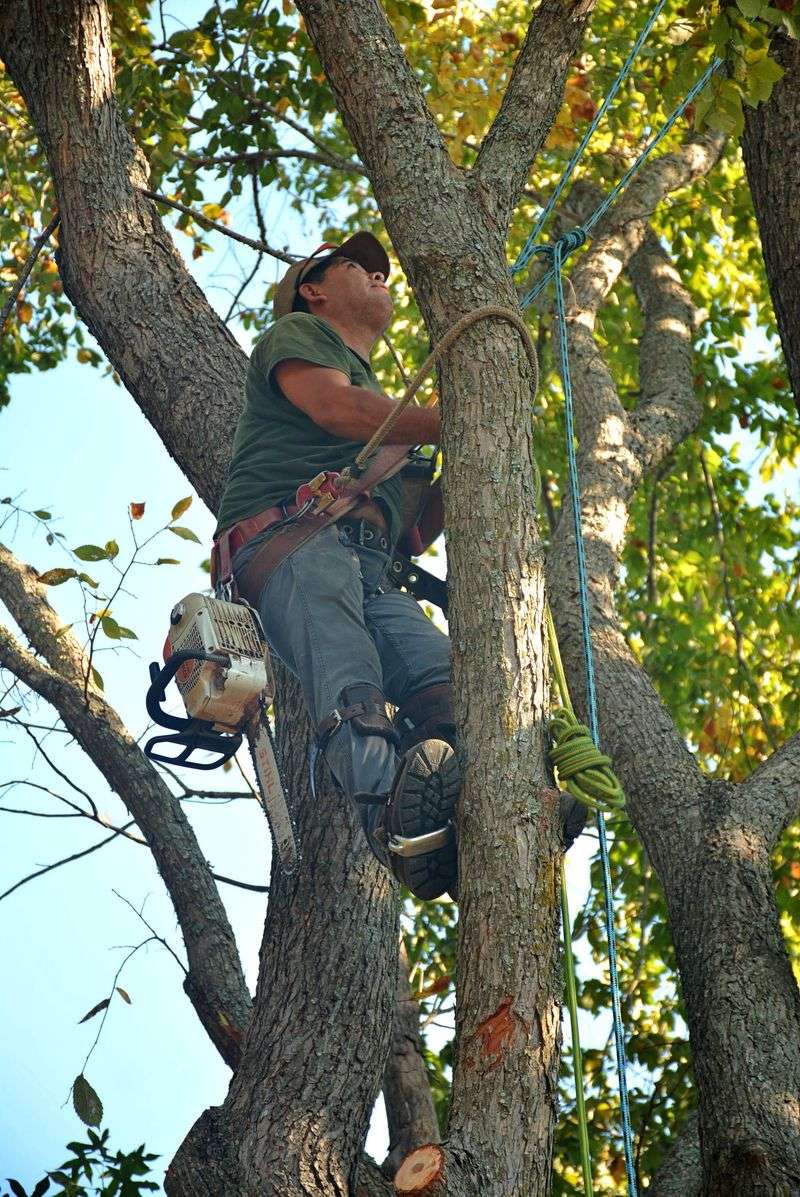
Low maintenance does not mean zero maintenance. Knowing the difference saves you trouble.
Once a white oak is established, watering needs drop dramatically. Mature trees pull moisture from deep in the soil and handle most drought conditions on their own.
Supplemental watering during extreme dry spells of two or more weeks helps the tree stay healthy. Fertilizing is rarely necessary if your soil is decent.
Over-fertilizing actually pushes weak, fast growth that makes the tree more vulnerable to disease. A soil test every few years tells you exactly what, if anything, your tree needs.
Pruning should happen in late winter or very early spring before new growth begins. Avoid pruning in spring and early summer when oak wilt risk is highest.
Oak wilt spreads through fresh wounds during peak beetle activity, so timing your cuts matters greatly. Inspect the bark and canopy annually for signs of gall insects or leaf discoloration.
Most gall formations are harmless and do not require treatment. However, sudden branch loss or heavy leaf drop mid-season warrants a call to a certified arborist.
Fallen leaves from a white oak decompose slowly due to their tough structure. Leaving them in place as mulch under the canopy is actually beneficial for soil health.
Raking is optional, and many homeowners simply let the leaves break down naturally. Acorn crops vary from year to year in a natural cycle called masting.
Heavy acorn years attract more wildlife but rarely create a cleanup burden. The white oak keeps its promise of dense shade without constant cleanup, year after year.
Comparing The White Oak To Other Large Illinois Shade Trees
Not all shade trees are created equal. The differences show up in your yard work.
Silver maples grow fast and create good shade, but their brittle branches drop constantly after wind events. You trade quick results for ongoing cleanup duty every single season.
The white oak grows slower but rarely sheds branches under normal conditions. Cottonwood trees offer massive size but release cottony seed fluff that clogs gutters and air conditioning units.
Homeowners near cottonwoods often spend significant spring hours cleaning up that fluff. The white oak produces no airborne seed material that creates that kind of nuisance.
Bur oak is a close relative and another excellent native species worth considering. It tolerates clay soil better than the white oak and handles drought with equal toughness.
However, bur oaks produce larger acorns that can create slightly more cleanup in high-yield years. Hackberry is underrated and native to the region, offering decent shade with minimal fuss.
Its canopy never reaches the majesty or density that a mature white oak delivers. For sheer coverage and visual presence, the white oak remains a top contender.
Pin oaks are popular in landscaping but drop sharp-tipped leaves that are unpleasant to walk on barefoot. They also hold brown leaves through winter in a less attractive way than the white oak.
Homeowners who have switched from pin oaks to white oaks often say the trade-off was worth it. This Illinois native tree creates dense shade without constant cleanup, holding up better than most alternatives in the long run.
That reputation holds up, year after year.