The Only Pink Perennials Worth Planting In Pennsylvania’s Hot Weather
Pink perennials have a habit of looking beautiful in the nursery in May and fading into something disappointing by the time Pennsylvania summer hits its stride. A lot of the pink flowering plants that fill garden center displays were not selected for heat performance.
They were selected for spring appeal, and once July humidity and extended heat set in, the difference between a pink perennial that was bred for this climate and one that was not becomes impossible to ignore.
Pennsylvania summers are not the most brutal in the country, but they are humid and warm enough to expose weak performers quickly.
The plants on this list are the ones that hold their color, keep blooming, and actually look better as the season progresses rather than declining from the moment temperatures rise.
If pink is a color you want carrying through your Pennsylvania garden from summer into fall, these are the perennials worth building around.
1. Pink Purple Coneflower (Echinacea Purpurea)
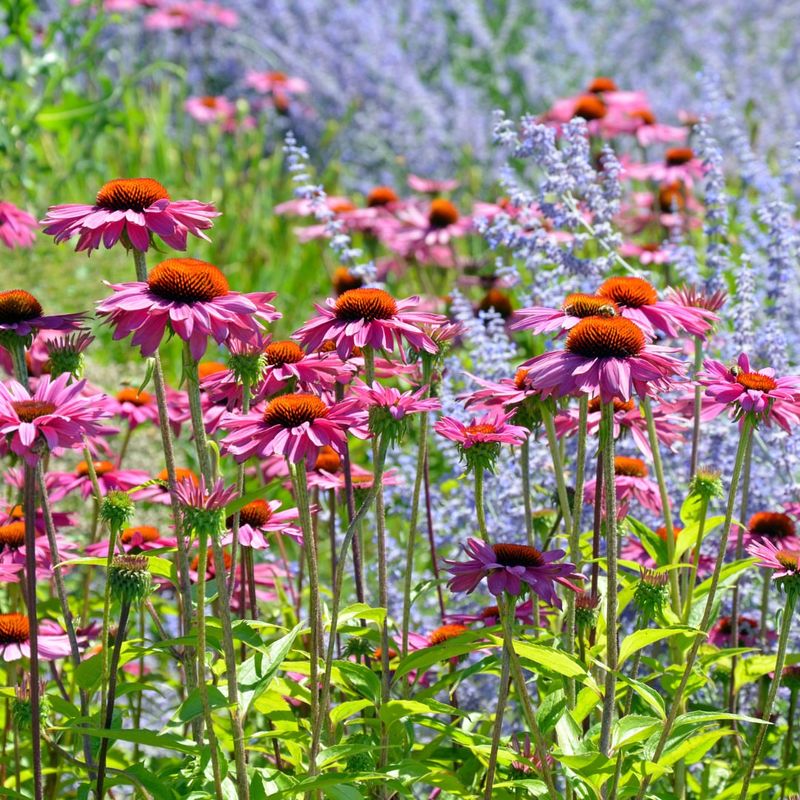
Honestly, if there is one perennial that was built for Pennsylvania summers, it is the Pink Purple Coneflower. Echinacea purpurea is tough as nails.
It handles blazing heat, stretches of dry weather, and sticky humidity without missing a beat. The cheerful pink petals fan out around a spiky orange-brown center, creating a wildflower look that never goes out of style.
Coneflowers thrive in full sun and are not picky about soil quality, which makes them a dream for gardeners who do not want to fuss too much. They start blooming in early summer and keep producing flowers well into late summer.
Deadheading spent blooms encourages even more flowers to form, but you can also leave the seed heads in place for birds to enjoy in fall and winter.
Did you know that Echinacea has been used in herbal medicine for centuries? Native Americans used it long before it became a garden favorite.
Today it is beloved both for its beauty and its toughness. The pink varieties like ‘Magnus’ and ‘Kim’s Knee High’ are especially popular in Pennsylvania gardens.
Pollinators go wild for coneflowers. Bees, butterflies, and even hummingbirds visit regularly throughout the season.
Once established, these plants spread slowly and form impressive clumps over time. They need very little extra watering once their roots settle in.
For a low-maintenance, high-impact pink perennial that truly thrives in Pennsylvania heat, coneflower is an absolute must-have.
2. Garden Phlox (Phlox Paniculata ‘Bubblegum Pink’)
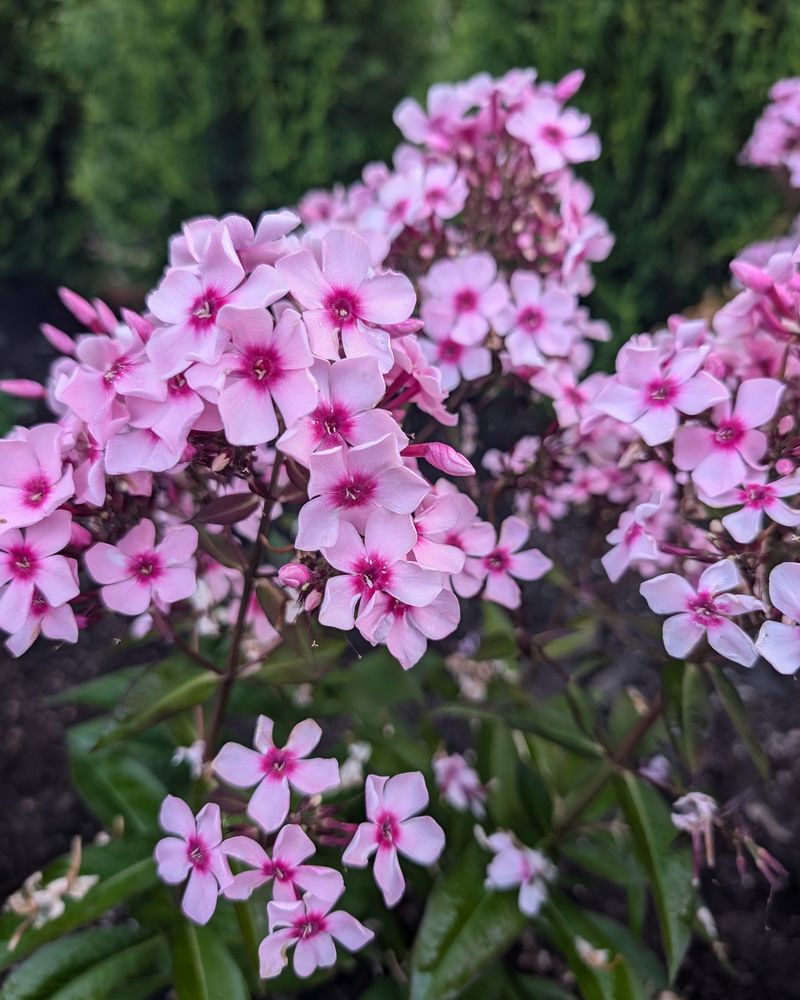
Few plants bring that classic summer garden feeling quite like Garden Phlox. The variety called ‘Bubblegum Pink’ is especially showstopping, with big, rounded clusters of soft pink blooms that look almost too pretty to be real.
It starts flowering in midsummer and keeps going strong right into fall, giving your garden weeks and weeks of color.
Pennsylvania summers are no joke, but this phlox handles the heat surprisingly well. The key is air circulation.
Planting it where breezes can move through the stems helps prevent powdery mildew, which is the one thing phlox really dislikes. Space your plants about 18 to 24 inches apart to give them room to breathe.
Your Pennsylvania Garden Changes Every Week. Your Plan Should Too.
Gardening in Pennsylvania changes quickly throughout the season. Every Friday you’ll receive a simple weekly plan showing exactly what to plant, prune, fertilize, harvest, and protect so you never miss the right timing.
Garden Phlox loves full sun and well-drained soil. Water it at the base rather than from overhead to keep the leaves dry.
A layer of mulch around the roots helps lock in moisture during hot spells. This plant can grow three to four feet tall, so it works great at the back of a flower border.
Butterflies absolutely love the blooms, so expect some beautiful visitors all summer long. Garden Phlox is also deer-resistant, which is a huge bonus in many Pennsylvania neighborhoods.
Once established, it spreads slowly into a fuller clump each year. Dividing it every few years keeps it healthy and blooming at its best.
For a reliable, fragrant, and gorgeous pink perennial, this one truly earns its spot in any Pennsylvania garden.
3. Peony (Pink Varieties)
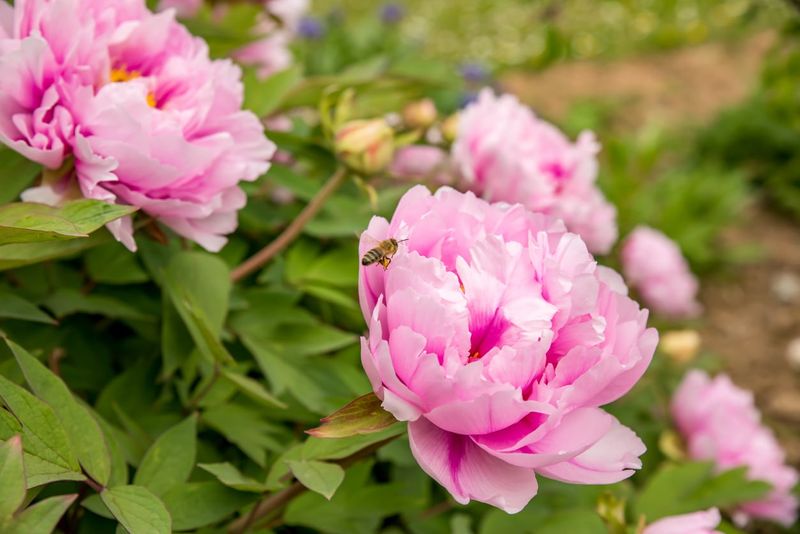
There is something almost magical about a pink peony in full bloom. The flowers are enormous, layered, and smell absolutely incredible.
Pink peony varieties have been grown in American gardens for generations, and for good reason. They are long-lived plants that can thrive in the same spot for decades when given the right conditions.
Peonies bloom in late spring to early summer in Pennsylvania, which means they put on their big show before the worst heat arrives. Once the blooms fade, the deep green foliage stays attractive all the way through summer and into fall.
After the growing season ends, the plant goes dormant underground and comes back reliably year after year.
For best results, plant pink peonies in full sun with well-drained soil. They do not like wet feet, so avoid low spots where water pools after rain.
When planting, make sure the eyes, which are the little pink buds on the root, are no more than one to two inches below the soil surface. Planting too deep is the most common reason peonies refuse to bloom.
Popular pink varieties for Pennsylvania include ‘Sarah Bernhardt,’ ‘Bowl of Beauty,’ and ‘Coral Charm.’ Each one has its own unique shade of pink and petal style. Peonies attract ants, which is completely normal and harmless.
The ants are just after the sweet nectar. With a little patience during establishment, pink peonies reward gardeners with breathtaking blooms season after season.
4. Hardy Geranium (Pink Forms)
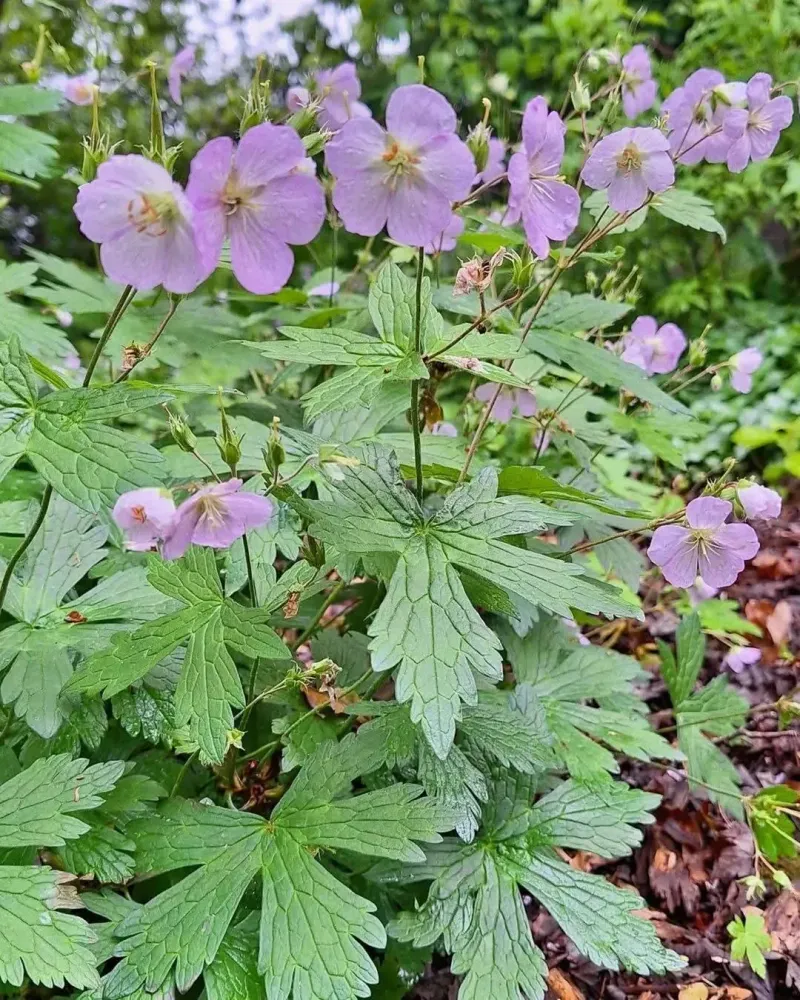
A lot of people confuse hardy geraniums with the bright red annual geraniums sold in hanging baskets every spring. But these are completely different plants.
True hardy geraniums, also called cranesbills, are tough perennials that come back every year and bloom in soft shades of pink throughout much of the growing season. They are low-maintenance, easygoing, and surprisingly heat-resilient.
Pink forms like ‘Wargrave Pink’ and ‘Rozanne’ (which leans pink-violet) are excellent choices for Pennsylvania gardens. They spread into neat, mounding clumps that work beautifully as ground cover or along the front of a border.
The small, five-petaled flowers are delicate-looking but keep coming back in flushes of bloom from late spring through summer.
Hardy geraniums are not fussy about soil as long as it drains well. They grow in full sun to partial shade, making them flexible for different spots in the garden.
Cutting them back by about half after the first big flush of flowers encourages a fresh round of new growth and more blooms. This trick works especially well in mid-July when the first wave of flowers starts to fade.
One underrated quality of hardy geraniums is their resistance to deer and rabbits, two very real garden problems across Pennsylvania. The foliage often turns beautiful shades of orange and red in fall, adding extra seasonal interest.
For gardeners who want reliable pink color without constant attention, hardy geraniums are an incredibly smart and satisfying choice.
5. Pink Astilbe (Pink Plumes)
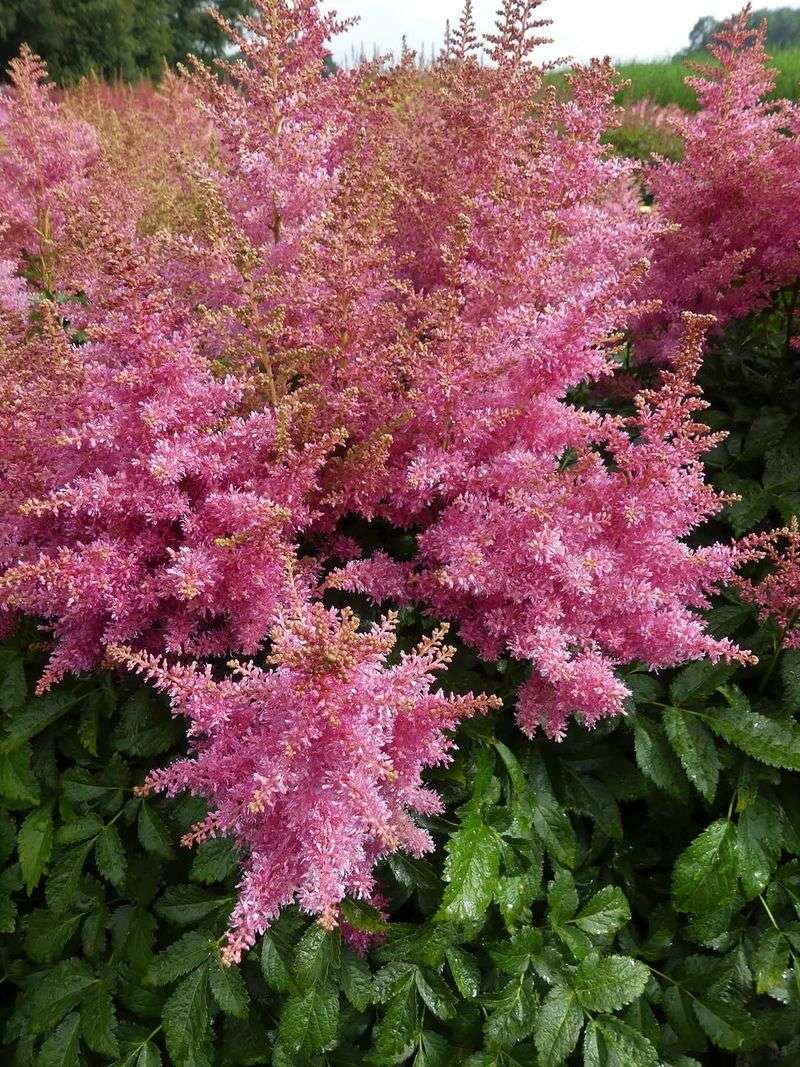
Walk through any shaded Pennsylvania garden in summer and you might spot the soft, feathery plumes of pink astilbe catching the light. There is nothing else quite like it.
The blooms look almost like cotton candy on a stick, rising gracefully above fern-like foliage in shades ranging from pale blush to deep rose. Astilbe brings elegance to spots where most other plants struggle.
Unlike many perennials on this list, astilbe actually prefers partial shade or dappled sunlight rather than full sun. That makes it incredibly useful for filling in those tricky shaded areas under trees or along the north side of a house.
The one thing it really needs is consistent moisture. Pennsylvania summers can get dry, so mulching heavily around the base helps keep the roots cool and damp.
Popular pink varieties include ‘Rheinland,’ ‘Peach Blossom,’ and ‘Sprite.’ Each one blooms at a slightly different time, so planting a mix creates a longer season of color. Heights range from about one foot to over three feet depending on the variety.
Taller types work well at the back of a shaded border, while compact varieties are great for containers or edging.
After blooming, the dried seed heads stay on the plant and look beautiful well into winter, adding texture to the garden even after the growing season ends. Astilbe clumps grow larger each year and benefit from division every three to four years.
For shaded Pennsylvania gardens that need reliable pink color through humid summers, astilbe is genuinely hard to beat.
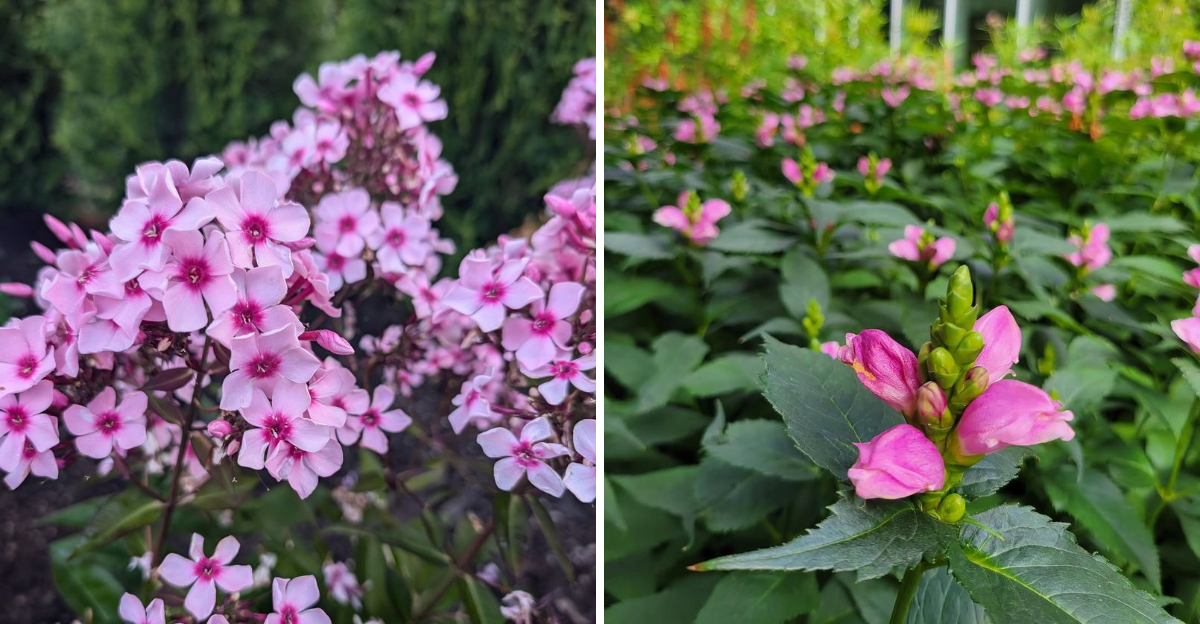
6. Pink Turtlehead (Chelone Lyonii ‘Hot Lips’)
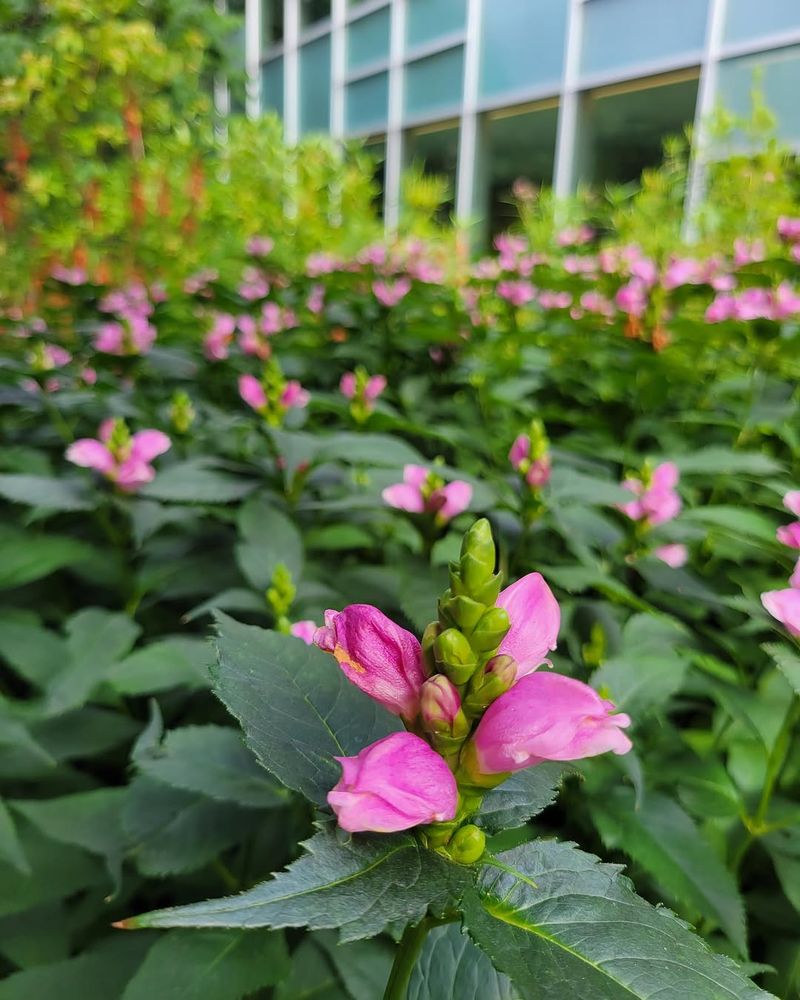
Here is a plant with a name that always gets a smile: Turtlehead. Take a close look at the blooms and you will immediately see why.
The rosy pink flowers are puffy and rounded, shaped almost exactly like a turtle poking its head out of its shell. But this plant is more than just a conversation starter. It is a tough, native perennial that was practically made for Pennsylvania conditions.
Chelone lyonii ‘Hot Lips’ thrives in warm weather and actually appreciates the humidity that makes other plants suffer. It prefers consistently moist soil, which makes it an excellent choice for rain gardens, low spots, or areas near a pond or stream.
Full sun to partial shade both work well, giving gardeners flexibility when choosing a planting spot.
Blooming from late summer into early fall, Turtlehead fills a gap in the garden when many other perennials are winding down.
The deep green foliage stays attractive all season long, and the plants grow to about two to three feet tall. They spread slowly over time, forming dense clumps that crowd out weeds naturally.
As a native plant, ‘Hot Lips’ supports local wildlife beautifully. It is the sole host plant for the Baltimore Checkerspot butterfly, a striking black-and-orange species native to the eastern United States.
Bumblebees also love the flowers. Deer tend to leave it alone, which is always a welcome bonus.
For a late-season pink bloomer with real ecological value, Pink Turtlehead deserves far more attention in Pennsylvania gardens.
7. Dianthus (Pink Pinks)
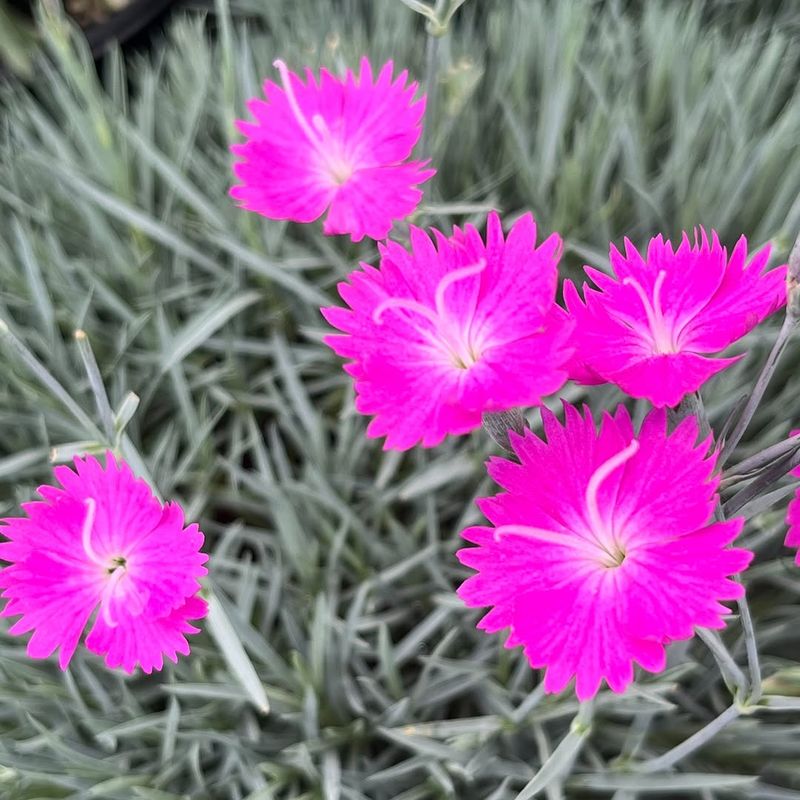
Old-fashioned, fragrant, and absolutely charming, Dianthus has been a garden favorite for hundreds of years. The pink varieties, sometimes called simply ‘pinks,’ produce small but eye-catching blooms with fringed, lacy edges that look almost hand-cut.
The sweet, spicy scent is something between cloves and cinnamon, and on a warm summer evening it can fill an entire garden bed with fragrance.
Dianthus is one of the most heat-tolerant pink perennials you can grow in Pennsylvania, as long as you give it the right conditions. Full sun is a must.
Well-drained soil is non-negotiable. Wet or clay-heavy soil is the fastest way to shorten its life.
Raised beds, rock gardens, and sloped borders are ideal spots where water drains away quickly.
Popular perennial varieties for Pennsylvania include ‘Firewitch,’ ‘Bath’s Pink,’ and ‘Tiny Rubies.’
These compact plants typically stay under one foot tall, making them perfect for edging walkways, filling gaps at the front of a border, or tucking into spaces between stepping stones. Deadheading regularly keeps the blooms coming from late spring through summer.
Fun fact: the name Dianthus comes from the Greek words for divine and flower, literally meaning flower of the gods. That feels about right for something this pretty and fragrant.
Dianthus is also attractive to butterflies and hummingbirds, adding extra life to the garden. With minimal care and maximum charm, pink Dianthus brings reliable color and fragrance to Pennsylvania gardens all season long.