The Signs Georgia Lawns Are Struggling As June Begins
Early June in Georgia is when lawns start showing their true colors, and not always in a good way.
The heat picks up fast, humidity settles in like it owns the place, and rainfall swings between too much and nowhere near enough sometimes within the same week.
Bermuda and Zoysia are hitting their stride right about now, but tall fescue is already feeling the pressure of what’s coming. The tricky part is that a struggling lawn rarely tells you exactly what’s wrong.
Dull color, footprints that won’t bounce back, patchy spots, spotted blades, and thinning turf can all mean very different things depending on what’s actually going on beneath the surface.
Before changing anything, it’s worth slowing down and reading what your lawn is actually trying to tell you.
1. Bluish-Gray Or Dull Grass Color
Hot afternoons in Georgia have a way of making stressed turf stand out from healthy grass almost immediately.
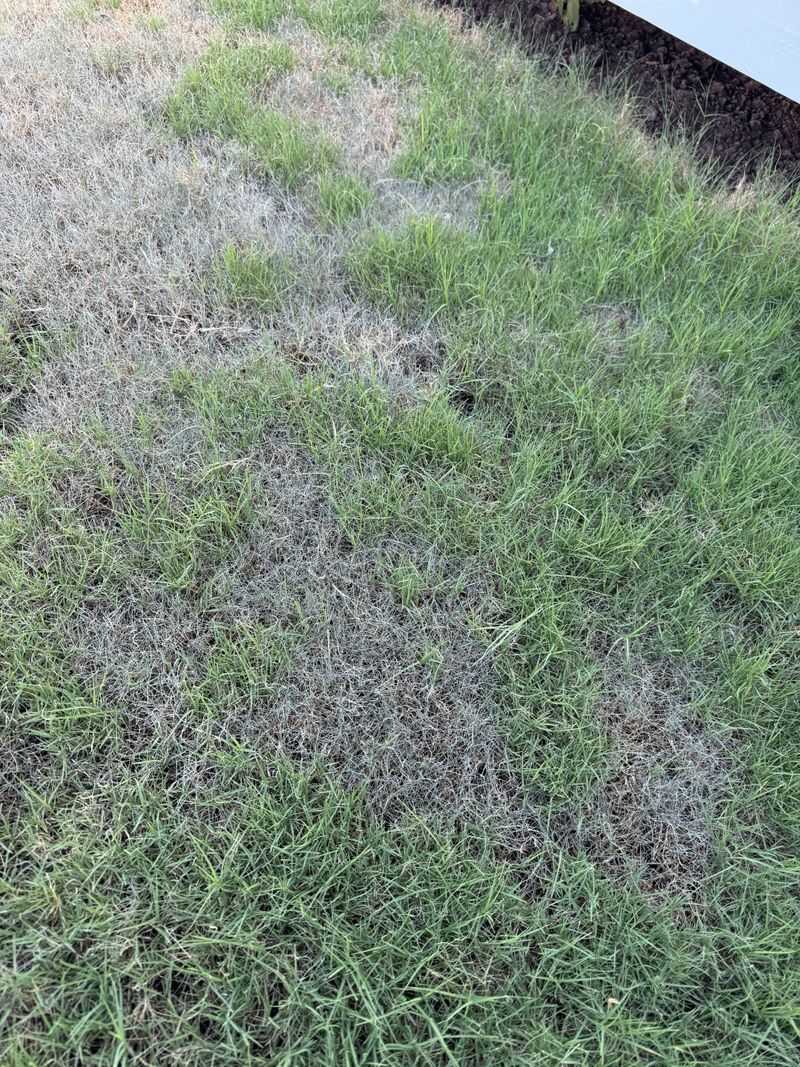
When warm-season grasses like Bermuda or Zoysia start showing a bluish-gray or dull, silvery color instead of their usual green, that shift is often one of the first signs that something is off.
This color change typically happens when grass blades lose water faster than the roots can replace it. The leaf tissue begins to fold or roll slightly, and the surface of the blade reflects light differently, giving the lawn that muted, washed-out look.
On a sunny June afternoon in Georgia, you might notice the color change most clearly in open areas where the sun hits hardest, like slopes or spots near driveways.
Mild water stress is a common reason for this sign, but compacted soil, shallow root systems, or poor drainage can also make turf more vulnerable to color changes.
Watering deeply and less frequently tends to encourage deeper root growth, which helps grass handle Georgia’s summer heat more effectively.
Before adjusting your irrigation, check the soil moisture a few inches down. If the soil feels dry and crumbly, watering is likely needed.
If it still feels moist, the cause may be something other than drought, and a closer look at the turf is worth your time before making changes.
2. Footprints That Stay Visible
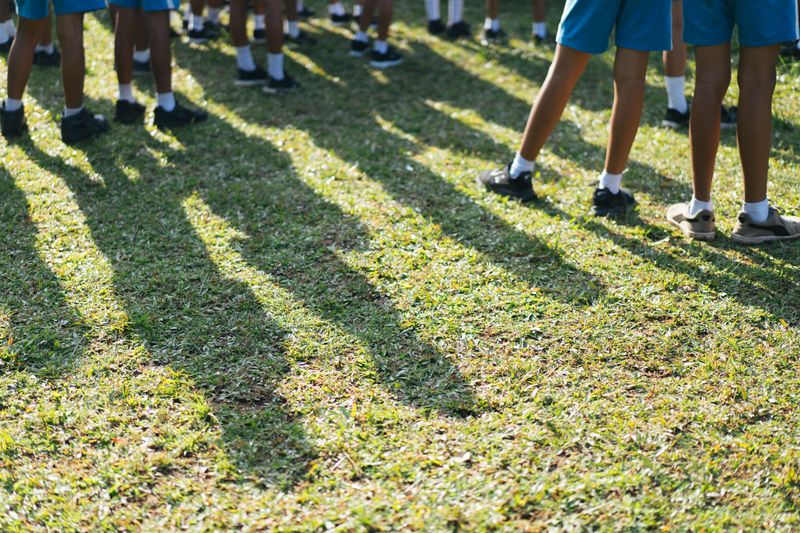
Walking across the lawn on a warm Georgia morning and glancing back to see your footprints still pressed into the grass is one of those small moments that tells a bigger story. Healthy, well-hydrated turf springs back quickly after being stepped on.
When the grass holds the shape of your shoe for more than a few seconds, that slow recovery is a sign worth paying attention to.
Grass blades that stay flattened after foot traffic are often under moisture stress. The cells inside the blade lose their firmness when water levels drop, so the tissue cannot push back up the way it normally would.
This is sometimes called the footprint test, and many Georgia homeowners use it as a quick way to check whether their lawn needs water before the hottest part of the day arrives.
Your Georgia Garden Changes Every Week. Your Plan Should Too.
Gardening in Georgia changes quickly throughout the season. Every Friday you’ll receive a simple weekly plan showing exactly what to plant, prune, fertilize, harvest, and protect so you never miss the right timing.
That said, lingering footprints are not always caused by drought alone. Compacted soil can reduce water movement through the root zone, making grass more prone to stress even when rainfall has been recent.
Thatch buildup can also interfere with how water reaches the roots. In Georgia’s early summer conditions, it is worth checking both soil moisture and soil compaction before assuming the lawn simply needs more water.
A screwdriver pushed into the soil can give you a rough idea of how hard or soft the ground actually is beneath the surface.
3. Small Straw-Colored Spots
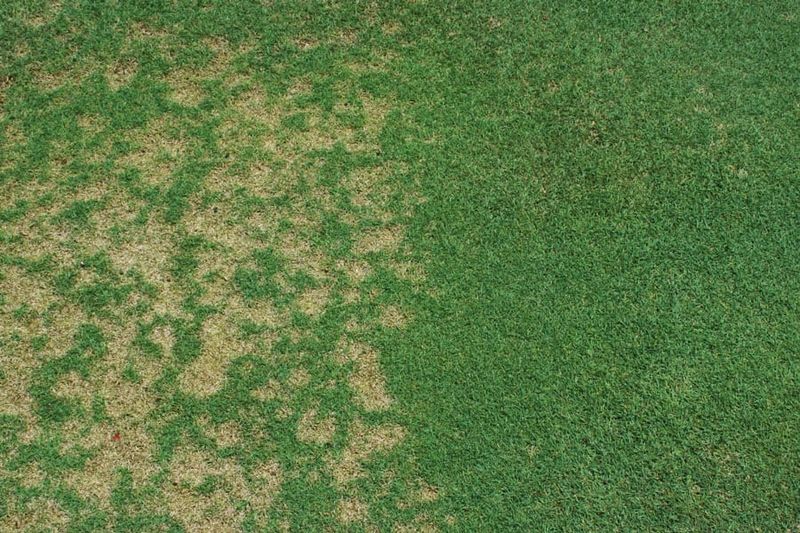
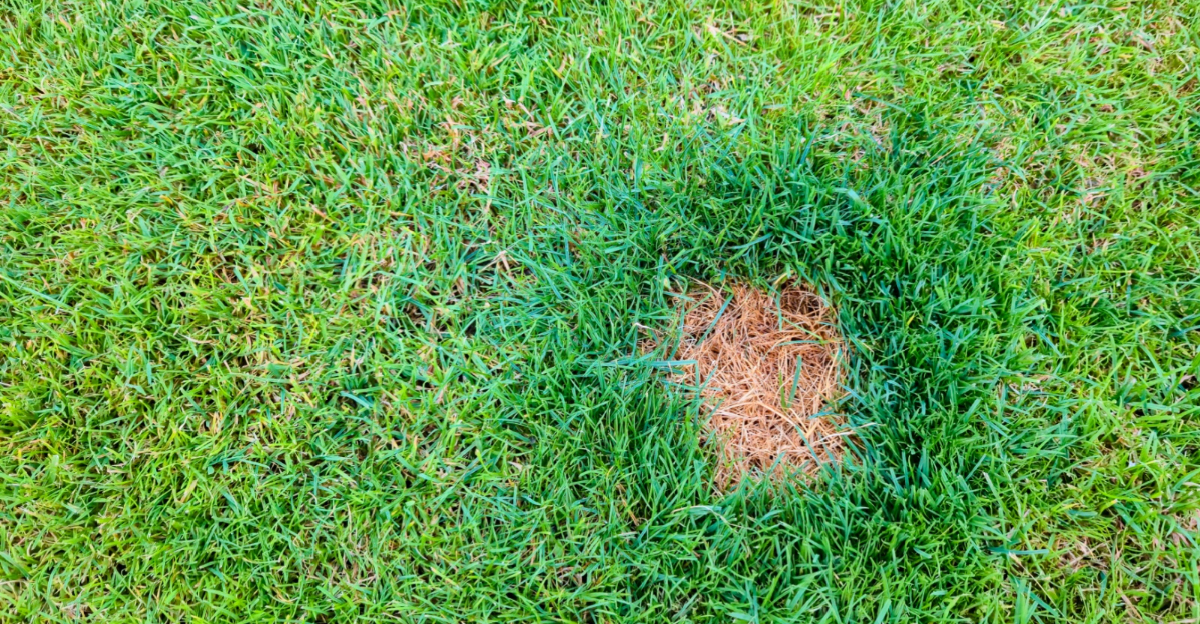
Scattered across an otherwise green lawn, small straw-colored spots can catch your eye during a routine walk around the yard.
These spots tend to be roughly circular and relatively small at first, sometimes just a few inches across, though they can expand if the underlying problem is not addressed.
In Georgia’s early summer conditions, small straw-colored spots can come from several different sources.
Dollar spot disease is one possibility, especially in Bermuda and Zoysia lawns where nitrogen levels may be on the lower side and overnight dew stays on the grass for extended periods.
Insect feeding from pests like sod webworms can also produce similar-looking damage. Even localized dry patches caused by uneven irrigation coverage can create this pattern across the lawn.
Because the symptom looks similar across several causes, it is helpful to look closely at individual grass blades before drawing conclusions. Dollar spot often leaves a distinctive tan lesion with a reddish-brown border on the blade itself.
Insect damage may show chewed blade tips or small larvae near the soil surface when you part the grass. Dry patches typically appear in predictable locations near sprinkler gaps or on elevated ground.
Georgia homeowners who take a few minutes to examine the blades and check the surrounding soil will have a much better idea of what they are dealing with before choosing how to respond.
4. Large Brown Patches Or Rings
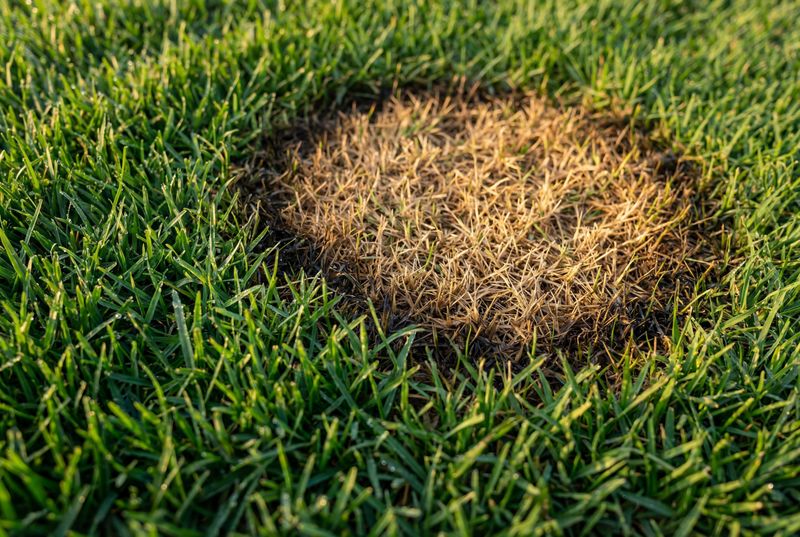
Stepping outside on a humid Georgia morning and spotting a large brown circle or ring in the middle of the lawn is the kind of thing that stops you in your tracks.
These larger patterns are harder to ignore than small spots, and they often signal something that has been developing beneath the surface for a little while before becoming visible.
Large brown patches or rings in warm-season Georgia lawns during June can point toward turfgrass diseases like large patch, which is caused by the fungal pathogen Rhizoctonia solani.
This disease tends to show up as the soil warms in spring and early summer, often in areas where thatch is thick, drainage is poor, or the lawn stays wet for long periods.
The outer edge of the patch may appear orange or yellow while the center begins to thin out.
It is worth noting that not every large brown area is a disease. Poor irrigation coverage, buried debris, pet activity, spilled chemicals, and soil problems can all create similar-looking damage.
Examining the affected area closely, including the color of individual blades, whether the roots pull away easily, and whether the pattern is perfectly circular or more irregular, can help narrow down the cause.
Georgia homeowners dealing with recurring rings in the same location each year may benefit from having a soil or tissue sample evaluated by a local extension office before applying any fungicide or other treatment.
5. Brown Spots On Grass Blades
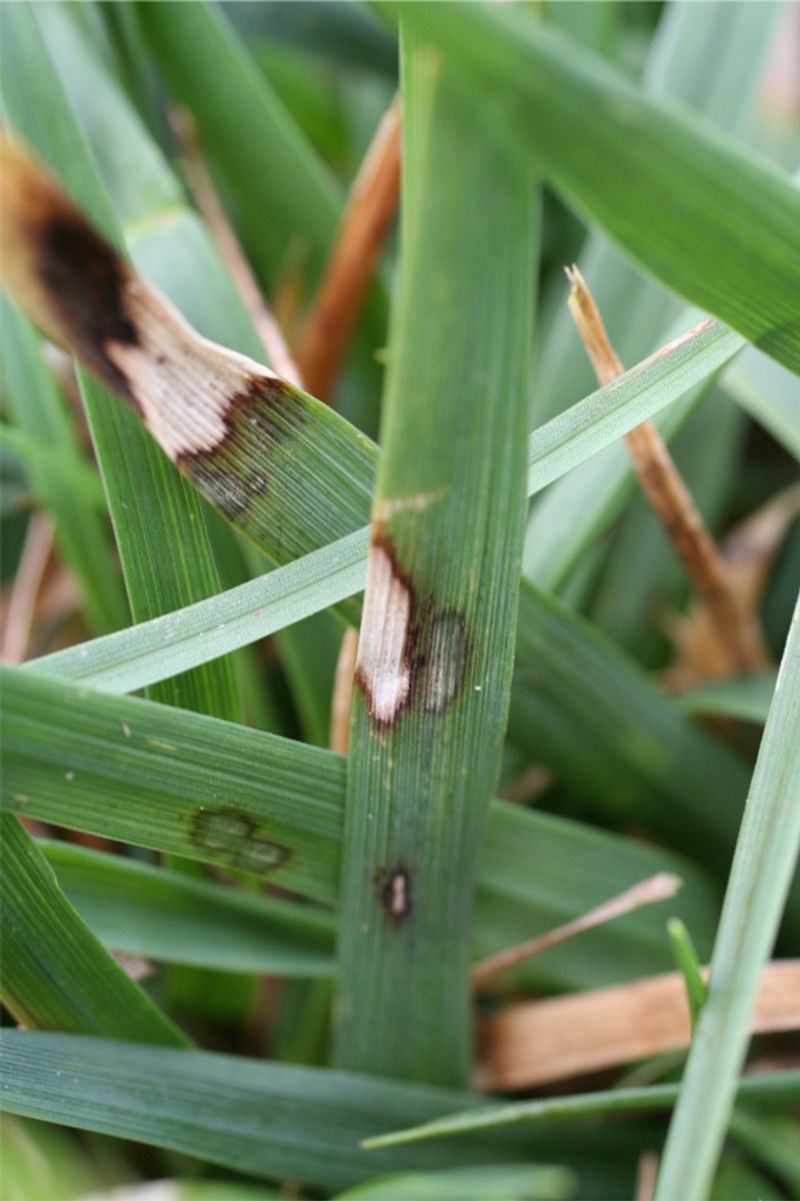
Not all brown in a lawn means the whole plant is in trouble. Sometimes the issue shows up right on the individual blade itself, and that detail changes everything about how you read the problem.
Brown spots, lesions, or discolored bands appearing on individual grass blades in early June are worth examining up close.
Several fungal diseases can cause blade-level spotting on Georgia lawns. Gray leaf spot, for example, tends to affect St. Augustine grass and can also show up in other turf types during warm, humid weather.
It typically produces small, gray or tan oval spots with darker borders on the blade surface. Helminthosporium-type leaf diseases can create similar symptoms on tall fescue and other grasses, often showing up as elongated brown lesions with yellow halos.
Warm nights, heavy dew, and humid mornings in Georgia create conditions that encourage fungal activity on grass blades.
Blade spots can also come from fertilizer burn, herbicide drift, or insect feeding, so it is important not to assume a fungal cause without checking the pattern and distribution across the lawn.
Fungal spots tend to appear across many blades in a general area, while chemical damage often follows a spray pattern or concentrates near edges.
Mowing with dull blades can also cause ragged brown tips that resemble disease. Checking several blades in different parts of the lawn helps build a clearer picture before any treatment is considered.
6. Irregular Yellowing Or Browning In Sunny Areas
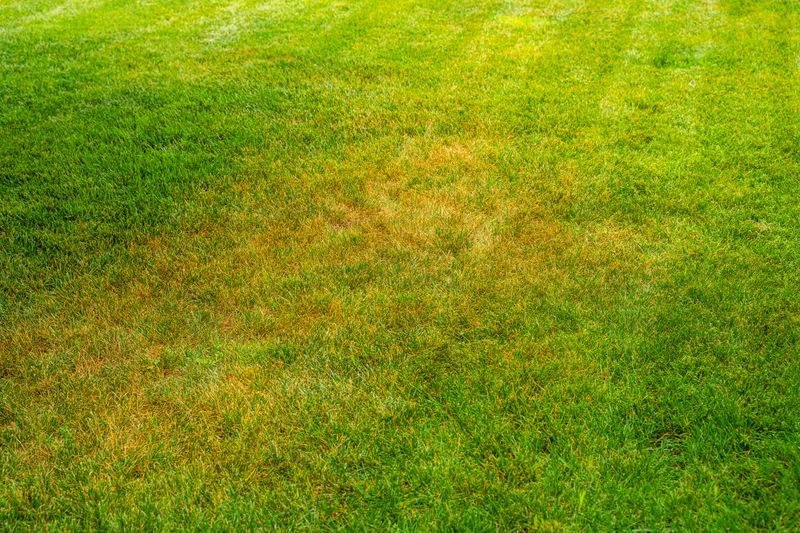
Sunny slopes and open areas of a Georgia yard often feel the effects of summer heat before the rest of the lawn does.
When yellowing or browning shows up in irregular patterns specifically in these sun-exposed spots, it can point toward a combination of factors that are worth separating out carefully.
Drought stress is one common reason for this pattern, especially on slopes where water runs off quickly rather than soaking in. Thin soil over clay, compacted ground, or sandy patches can all reduce the amount of moisture available to grass roots in sunny areas.
For Georgia homeowners with tall fescue, early June sun stress can be significant because cool-season grasses are not built for the intense heat that Georgia summers bring, and they may begin to go dormant or decline in the most exposed parts of the yard.
Nutrient imbalances can also contribute to irregular yellowing. Nitrogen deficiency tends to create a general pale or yellow-green color, while iron deficiency can cause yellowing between the leaf veins.
Soil pH issues can limit nutrient availability even when fertilizer has been applied.
Before applying anything to correct color, it is worth checking when the lawn was last fertilized, whether the soil has been tested recently, and whether the irrigation system reaches sunny areas as effectively as shaded ones.
In Georgia, heat and dry soil together can make color problems appear faster than in cooler climates.
7. Ragged Or Chewed Grass Blades
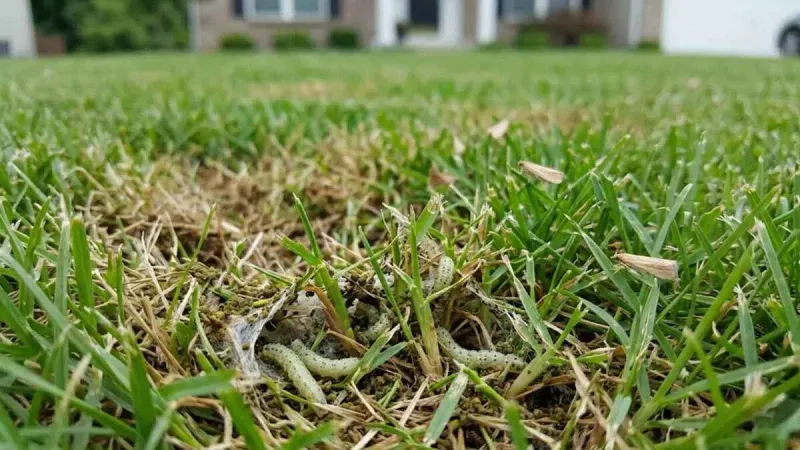
Pulling back a handful of grass near a brown area and finding blades that look torn, shredded, or chewed at the tips is a different kind of discovery than spotting disease or drought stress.
Physical damage to the blade itself often points toward insect activity, and June is when several common Georgia lawn pests become more active.
Sod webworms are among the more frequent culprits behind chewed grass blades in Georgia warm-season turf. The larvae feed near the soil surface at night, cutting grass blades and pulling them into small silk-lined tunnels in the thatch.
Armyworms can also cause similar damage, often moving through a lawn quickly and leaving behind large areas of ragged turf that can look almost scalped. Grasshoppers feeding during the day may leave notched or torn blade edges as well.
Ragged blade tips can also come from a dull mower blade, which tears the grass rather than cutting it cleanly. Mower damage tends to affect the entire lawn fairly evenly, while insect feeding is usually concentrated in patches or follows a spreading pattern.
Checking the lawn at dusk or after dark with a flashlight can sometimes reveal active larvae near the soil surface.
A simple soap flush test, mixing a small amount of dish soap with water and pouring it over a square foot of turf, can bring larvae to the surface and help confirm whether insects are present before any treatment is applied.
8. Thinning Turf With More Weeds Showing
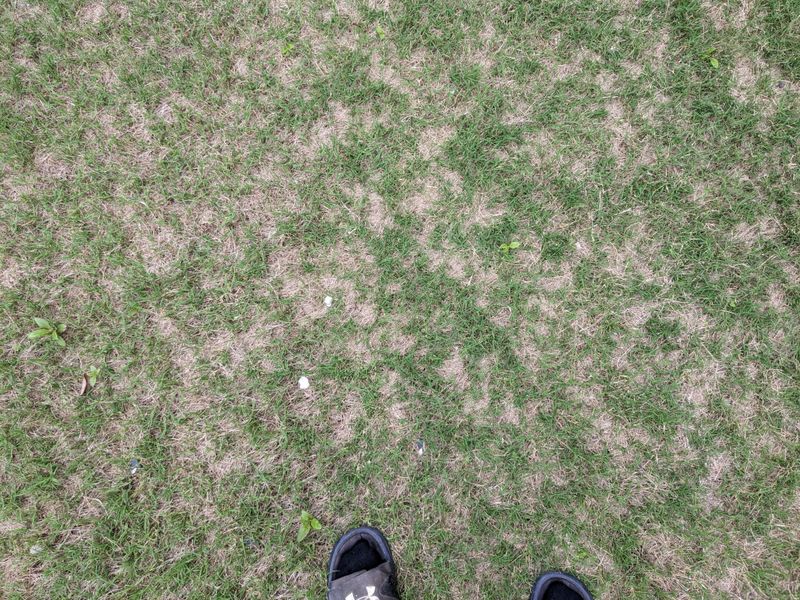
A lawn that looked reasonably full in spring can start showing gaps by early June, and those gaps rarely stay empty for long.
Weeds are quick to move into any open space that thinning turf leaves behind, and the combination of bare patches and spreading weeds is one of the more telling signs that a Georgia lawn is under pressure.
Thinning turf in June can develop for several reasons. Shade stress causes grass to lose density under trees or along the north side of buildings where sunlight is limited.
Soil compaction reduces the space available for roots to spread, weakening grass over time. Recurring pest or disease pressure that was not fully resolved earlier in the season can also leave behind thin, weak areas that fill in slowly.
For tall fescue lawns in Georgia, early summer heat alone can cause significant thinning in areas that were already stressed.
Common summer weeds like crabgrass, chamberbitter, and spurge tend to thrive in the same hot, open conditions that stress turf, so thinning and weed pressure often appear together.
Addressing the underlying cause of thinning is more effective than simply treating weeds repeatedly.
Improving soil health, adjusting mowing height, correcting irrigation coverage, and overseeding in appropriate seasons can all help restore lawn density over time.
In Georgia, knowing your grass type matters because the right management approach for Bermuda looks different from what works for Zoysia or tall fescue.