The One Thing North Carolina Gardeners Must Do To Lantana Before Summer Heat Peaks In July
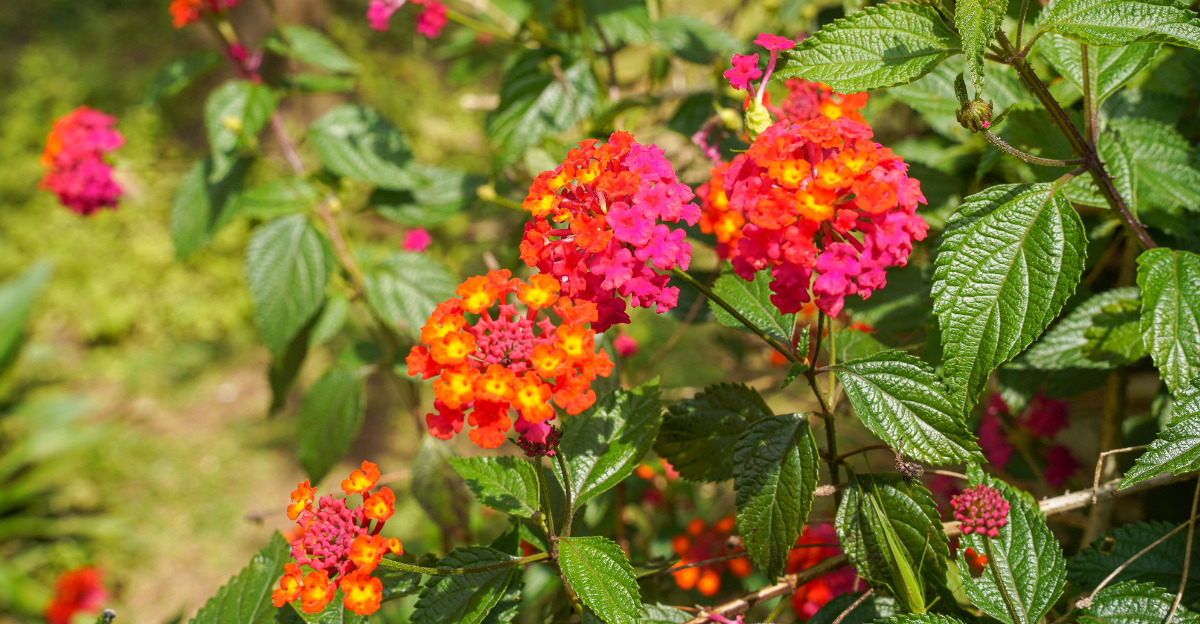
Lantana is built for heat, which makes it one of the most reliable performers in a North Carolina summer garden. While other plants slow down and sulk through July and August, lantana hits its stride and keeps going.
But there’s a specific point in early summer, right before the real intensity of the season arrives, where one task makes a significant difference in how the plant performs through those peak months.
Most gardeners skip it because lantana seems so self-sufficient that intervening feels unnecessary. The plant will survive either way, that much is certain.
But lantana that gets this treatment before the heat peaks blooms more continuously, stays fuller, and handles the stress of a Carolina July noticeably better than plants that went into that heat without it.
Ten minutes now changes what the plant looks like for the next three months.
1. Pinch Back Spring Growth Early
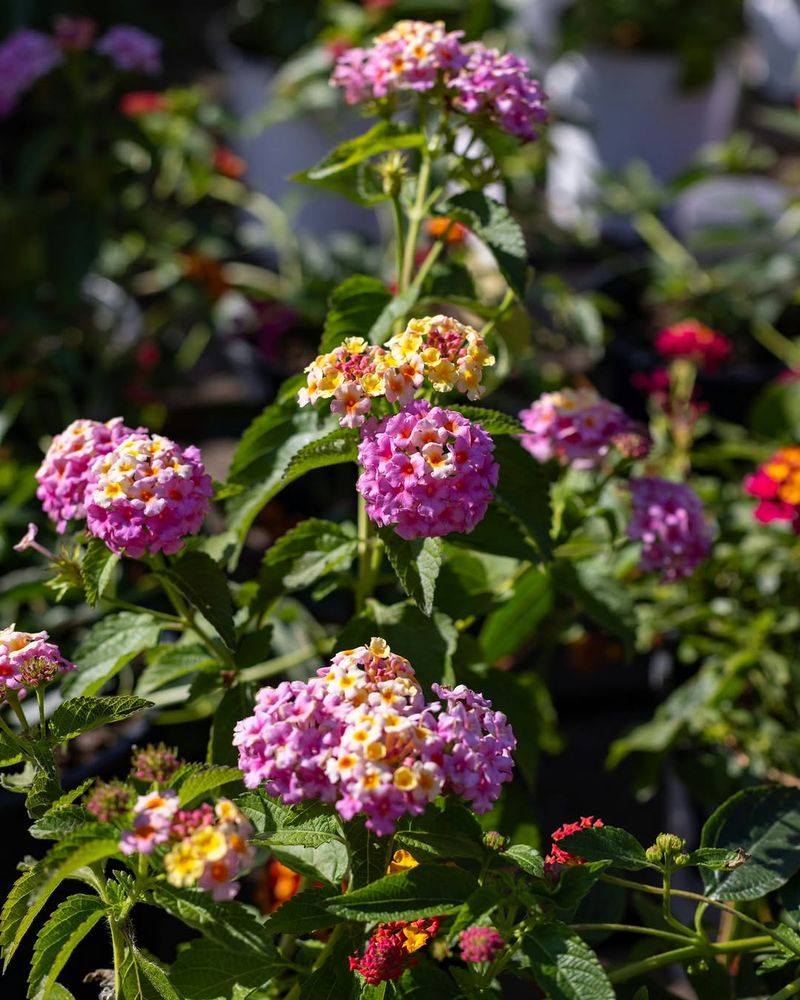
Most gardeners focus on watering and fertilizing, but the single most powerful thing you can do for Lantana before July arrives is pinch back its new spring growth. This one quick action sets the entire season in motion.
Done right, it shapes a plant that blooms harder, stays fuller, and handles brutal summer heat far better than one left to grow unchecked.
Timing matters here. Aim for late May through mid-June in North Carolina, when new shoots are actively pushing out but before the first big heat wave locks in.
Look for stems that have grown three to five inches of fresh, soft growth since spring. Using clean garden scissors or just your fingers, pinch or snip off the top inch to two inches of each stem tip.
You do not need to remove large sections of the plant. A light, targeted pinch at the growing tip is all it takes to redirect the plant’s energy.
Lantana responds quickly and begins pushing out new side shoots within a week or two. Those side shoots become the branching points where flower clusters form, so more pinches now means more blooms later.
Many experienced North Carolina gardeners treat this as their single non-negotiable June task, and the results speak for themselves every summer when the plants explode with color right through the peak of the heat season.
2. Encourages Branching For More Flowers
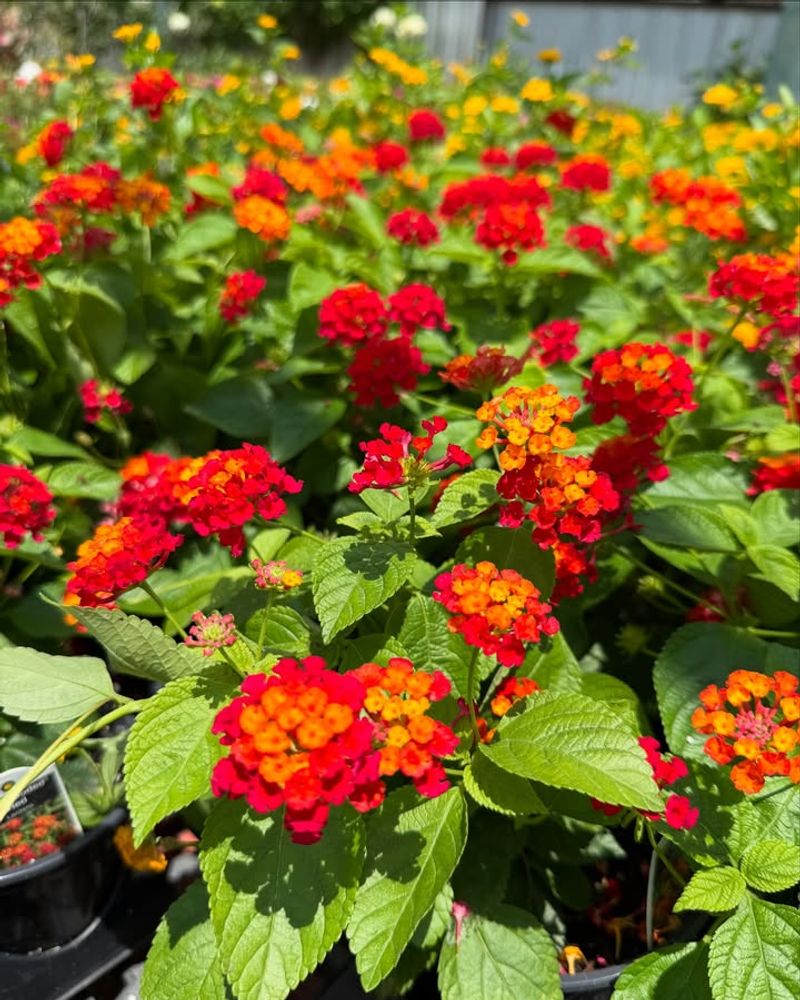
Here is something fascinating about Lantana: every stem tip you remove is actually an invitation for two or more new shoots to take its place.
When you pinch a growing tip, the plant shifts its energy sideways into what are called lateral buds, which sit just below the cut.
These buds wake up fast and push out new stems, each one eventually becoming a flowering branch.
Think of it like a traffic detour. Instead of all the plant’s energy rushing straight up one single stem, it gets rerouted into multiple side roads.
Each of those roads leads to a cluster of blooms. A Lantana with five unpinched stems might produce five flower clusters.
That same plant, properly pinched, can produce fifteen or more clusters by midsummer because the branching multiplies the number of available flowering sites.
Your North Carolina Garden Changes Every Week. Your Plan Should Too.
Gardening in North Carolina changes quickly throughout the season. Every Friday you’ll receive a simple weekly plan showing exactly what to plant, prune, fertilize, harvest, and protect so you never miss the right timing.
For North Carolina gardeners, this is huge. The summer heat can be relentless from July onward, and a plant with dense, multi-branched growth handles stress better than a tall, sparse one.
More branches also means the plant looks full and lush rather than leggy and bare at the base. You get a rounded, shrubby form that stays attractive even during the hottest stretches.
Pinching for branching is not complicated, but the payoff in flower quantity and plant appearance is genuinely impressive and well worth the few minutes it takes in June.
3. Prevents Leggy Growth
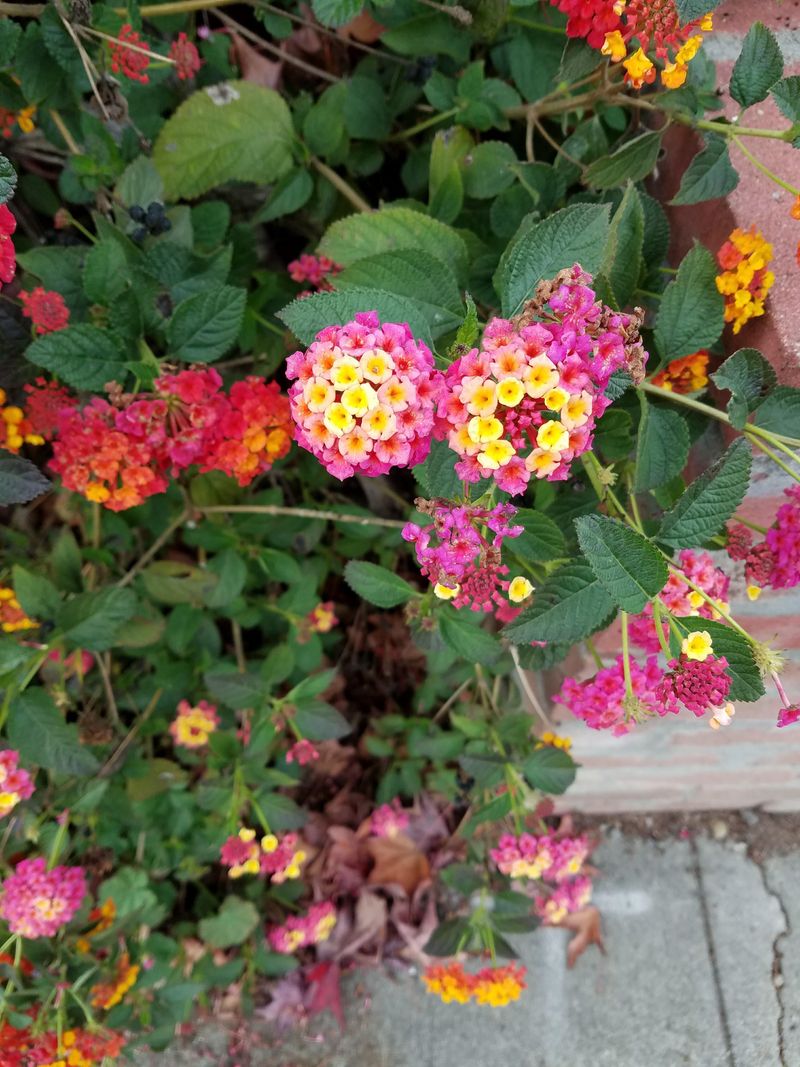
Lantana is a fast grower, and left to its own devices, it can shoot up long, floppy stems that look more like tangled vines than a tidy garden plant. This legginess is one of the most common complaints from gardeners who skip the early season pinch.
By June, those stems can stretch so far that they flop under their own weight, especially when afternoon thunderstorms roll through the Piedmont or coastal regions of North Carolina.
Pinching keeps Lantana honest. When you remove the tip of a stem, you stop that upward sprint and push energy into compact, sturdy side growth instead.
The result is a plant that stays lower, denser, and far more attractive throughout the summer.
Stems that branch from lower on the plant also tend to be thicker and better anchored, which means they hold up to wind and rain without collapsing onto neighboring plants.
To identify which stems need attention, look for any shoot that has stretched noticeably beyond the main shape of the plant. If a stem looks like it is reaching for the sky while the rest of the plant stays rounded, that is your signal to pinch.
Focus on the longest and most upright stems first, then work your way through the plant systematically.
A well-pinched Lantana holds a neat, mounded shape all summer long, requiring far less staking or corrective pruning as temperatures climb into the upper 90s across North Carolina.
4. Improves Airflow And Disease Resistance
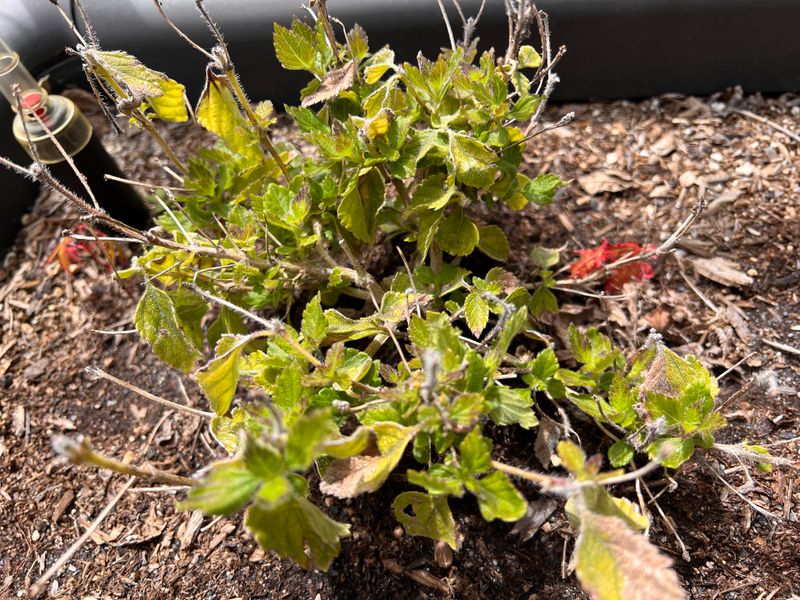
Fungal problems love humidity, and North Carolina summers deliver plenty of it. Powdery mildew and botrytis can creep into dense, overcrowded foliage when air cannot move freely through the plant.
Fortunately, pinching back Lantana in June does something most gardeners do not immediately think about: it opens up the plant’s interior and allows better airflow through the canopy.
When stems branch outward and spread rather than stacking straight up, gaps form between the leaves and stems. Those gaps are not empty space, they are ventilation channels.
Moving air carries moisture away from leaf surfaces faster, which lowers the humidity level right inside the plant where fungal spores prefer to settle and grow.
A well-pinched Lantana essentially creates its own defense system against some of the most common summer diseases.
Pair good pinching technique with sensible spacing. North Carolina Cooperative Extension recommends planting Lantana at least eighteen to twenty-four inches apart to allow each plant room to breathe.
When you combine proper spacing with regular pinching, the improvement in plant health is noticeable. Fewer yellowed leaves, less spotting, and a cleaner overall appearance through the hottest months are the rewards.
Watering at the base of the plant rather than overhead also helps reduce moisture on the foliage.
Together, these habits create a growing environment where Lantana thrives rather than struggles, and the need for fungicide treatments drops considerably throughout the long North Carolina summer season.
5. Maximizes Light Exposure For All Branches
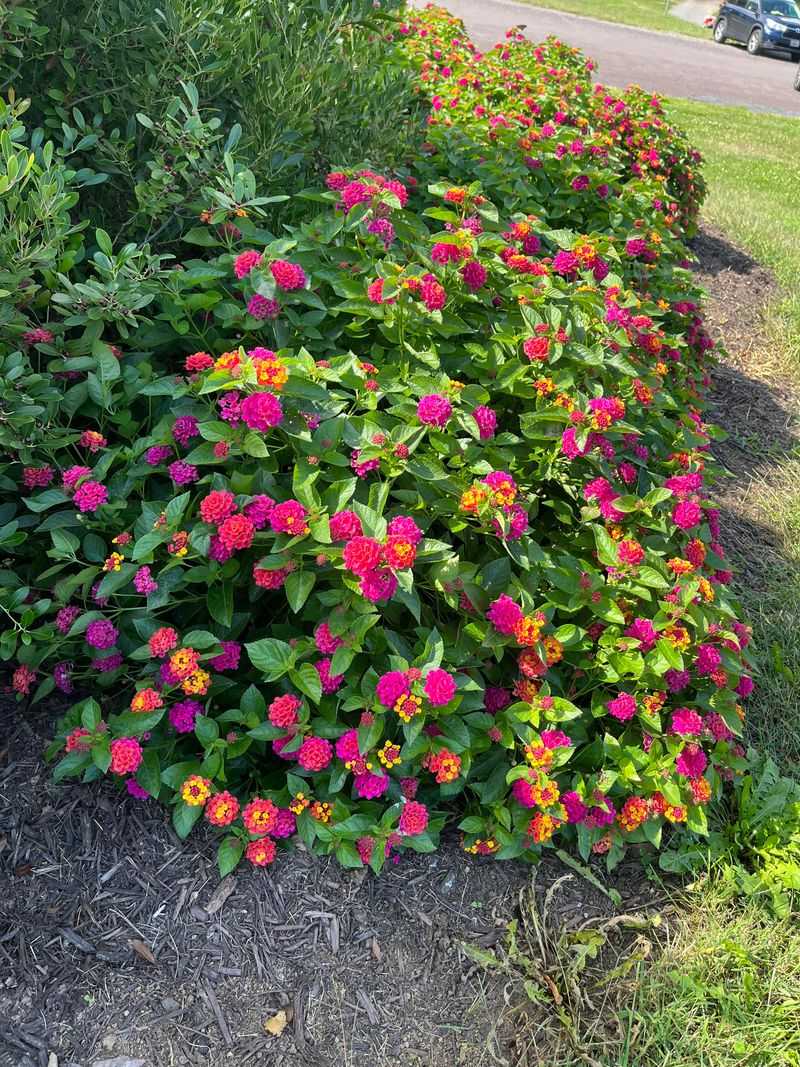
Sunlight is Lantana’s fuel, and the plant needs as much of it as possible to produce those vivid clusters of orange, yellow, pink, and red blooms. When a Lantana grows tall and dense without being pinched, the outer canopy shades the interior branches completely.
Those shaded inner stems produce fewer buds, grow weaker, and contribute almost nothing to the overall flower display.
Pinching changes this dynamic entirely. By encouraging outward branching instead of straight-up growth, you create a more open, layered plant structure where sunlight can reach branches deep inside the canopy.
Inner stems that receive direct or filtered light stay active and productive throughout the summer.
More active stems means more flower sites, and more flower sites means a plant that is covered in blooms rather than just flowering around the outer edges.
Photosynthesis efficiency also improves when light penetrates the whole plant. Leaves that receive adequate sunlight produce more energy for root development, stem strength, and bloom production.
During North Carolina’s peak heat in July and August, a plant with a robust, sun-optimized structure handles drought stress better because its roots are stronger and its energy reserves are deeper.
To maximize light exposure, pinch stems so the plant grows wider rather than taller, and avoid letting any single branch dominate and overshadow the others.
This balanced, open architecture pays dividends in color, health, and resilience all the way through the end of the growing season.
6. Sets Up Continuous Bloom Cycles
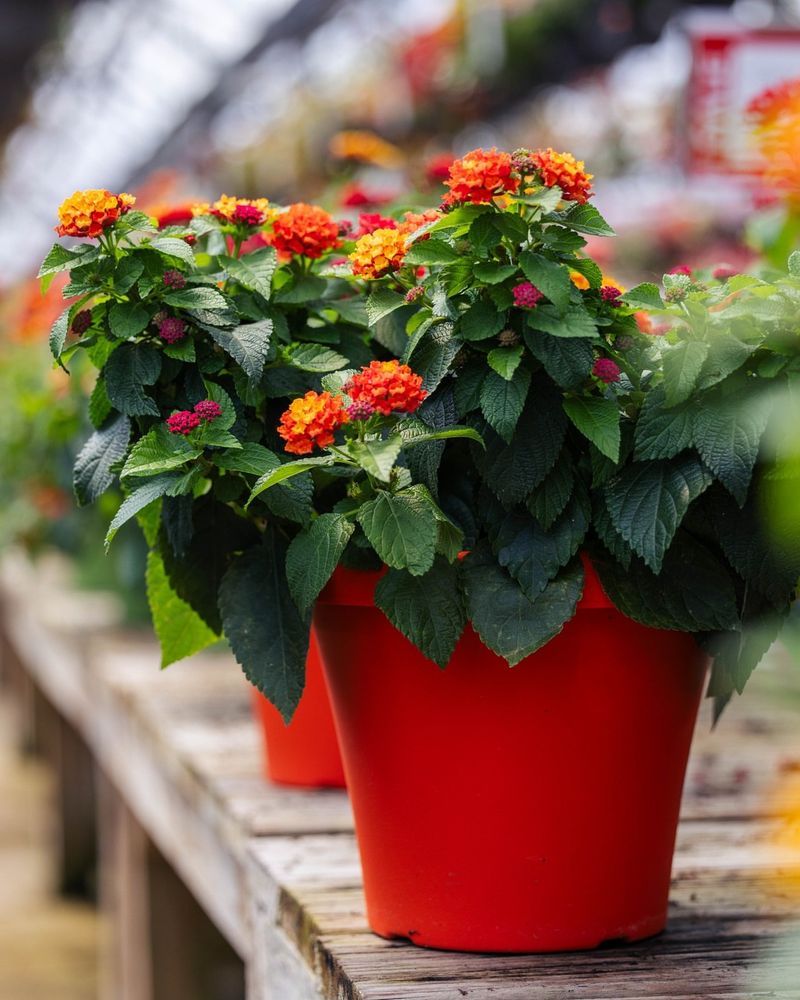
One of the most satisfying things about a well-pinched Lantana is that it never seems to stop blooming.
While an unpinched plant might put on one big flush of flowers and then slow down, a properly pinched plant cycles through blooms continuously from June all the way into October.
That extended performance is one of the biggest reasons North Carolina gardeners swear by this technique.
Early pinching in late May or June removes the first set of developing flower buds along with the stem tips.
That sounds counterintuitive, but removing those early buds actually delays the first bloom slightly while multiplying the number of future blooming stems significantly.
When flowering does begin, it happens across a much larger number of branches all at once, creating a fuller, more impressive display that lasts far longer than a single early flush would.
Spent flower clusters also play a role in cycle management.
As you continue through summer, removing faded blooms or lightly pinching stem tips after each flush of flowers encourages the plant to push out the next round of buds rather than putting energy into seed production.
Lantana grown in North Carolina’s heat can cycle through multiple bloom rounds between June and the first cool nights of fall.
Starting that cycle with a solid pre-July pinch means every subsequent round is bigger and more vibrant, giving your garden consistent color through the hottest and longest stretch of the growing season.
7. Reduces Stress On Stems
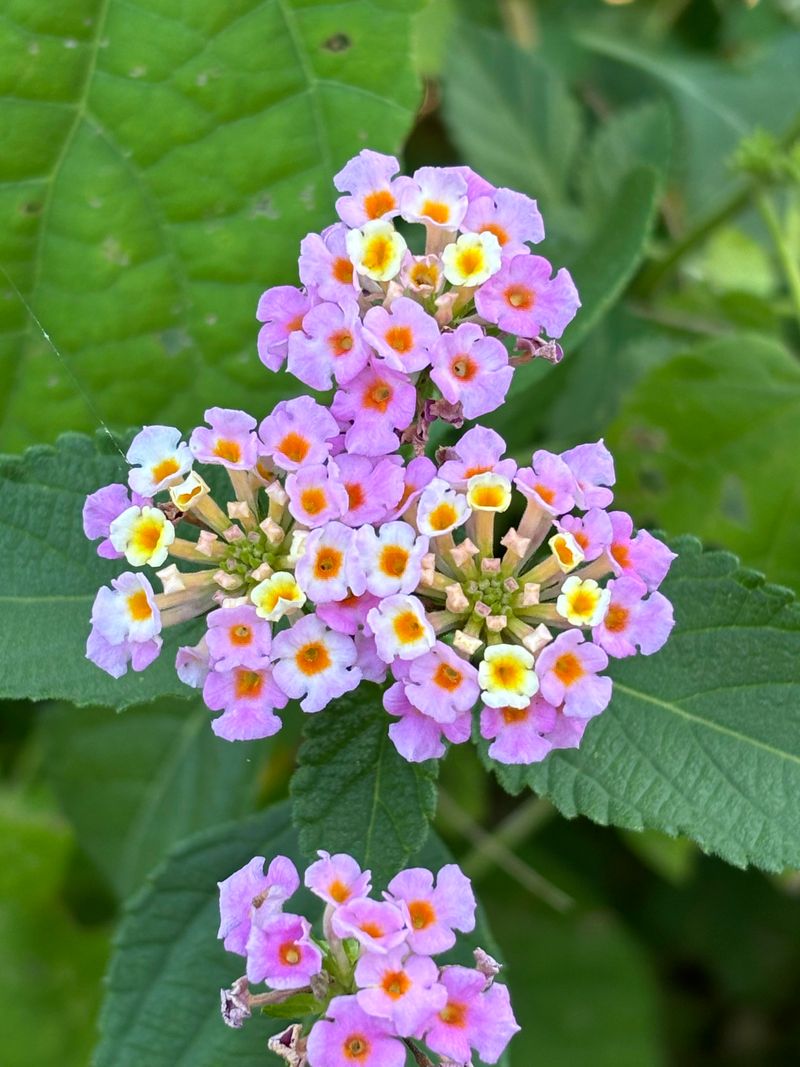
Summer in North Carolina brings more than heat. Afternoon thunderstorms, strong winds, and heavy downpours can put serious strain on garden plants, and tall, spindly Lantana stems are especially vulnerable.
A plant that has grown long and top-heavy without any pinching is far more likely to bend, snap, or collapse under the weight of wet foliage and flower clusters during a summer storm.
Pinching addresses this structural weakness before it becomes a problem. When you redirect growth into lateral branches rather than single upright stems, each branch stays shorter and thicker relative to its length.
Shorter, thicker stems are mechanically stronger and much better at supporting the weight of dense flower clusters.
The overall plant also becomes lower in profile, which reduces wind resistance and makes it less likely to get pushed around during afternoon squalls that roll through the Piedmont and coastal plains of North Carolina.
Follow-up pinching through the season also helps maintain structural integrity as the plant keeps growing.
A quick pass every three to four weeks, removing the newest stem tips as they extend, keeps everything compact and well-supported without requiring you to stake the plant or prop up fallen branches.
This ongoing maintenance takes only a few minutes per plant and pays off enormously during the kind of severe summer weather North Carolina gardeners deal with regularly.
Strong stems mean the plant bounces back faster after storms and keeps producing flowers without interruption through the peak summer months.
8. Encourages Compact Growth Suitable For Containers
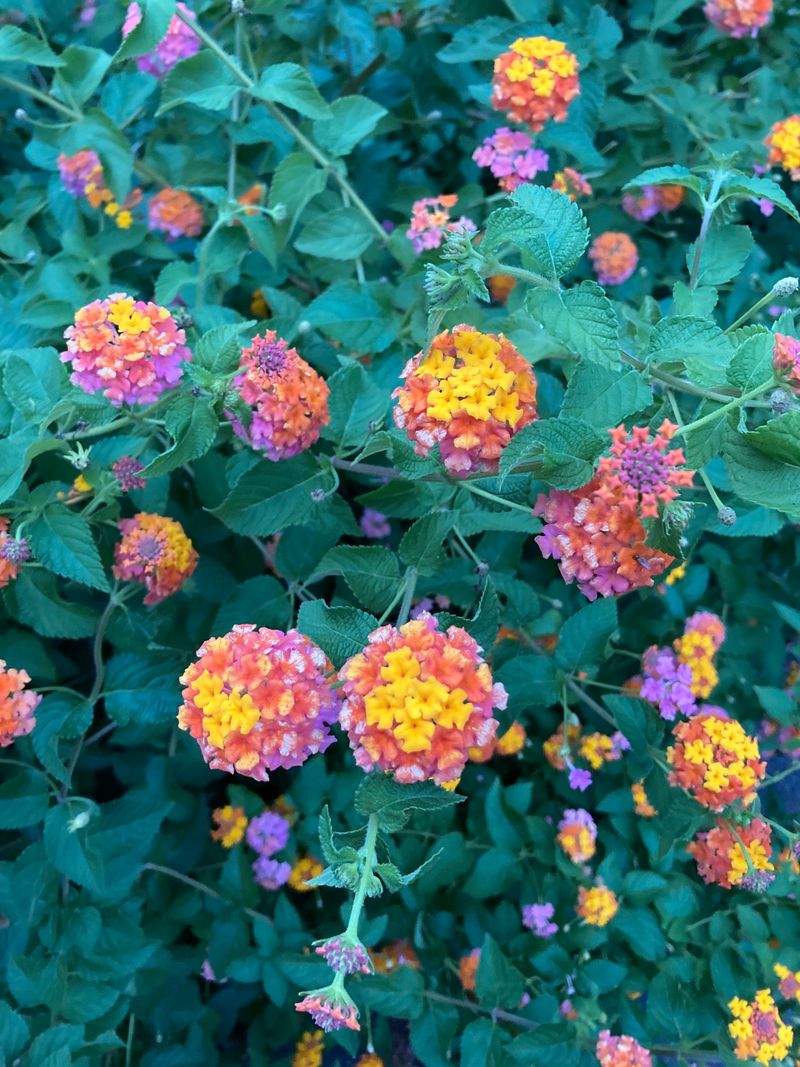
Container gardening with Lantana is incredibly popular in North Carolina, especially on patios, decks, and balconies where in-ground planting is not an option.
But Lantana can get surprisingly large if left unpinched, and a sprawling, overgrown plant quickly overwhelms even a generously sized pot.
Regular pinching before July is the secret to keeping container Lantana looking polished and proportionate all summer long.
When you pinch a container-grown Lantana in late May or early June, you are essentially training the plant to stay within the boundaries of its pot.
Compact lateral growth fills the container with lush foliage and blooms rather than stretching outward in ways that look messy and unmanaged.
A well-pinched container plant also uses water and nutrients more efficiently because the root-to-shoot ratio stays balanced, which is especially important when roots are confined to a finite volume of potting mix.
For best results, choose a container that holds at least two to three gallons of potting mix per Lantana plant, and make sure it has drainage holes to prevent waterlogging during heavy rains.
Use a quality potting mix and fertilize every two to three weeks with a balanced slow-release fertilizer through the summer months. Pinch every three to four weeks to maintain shape and encourage fresh blooms.
Container Lantana in North Carolina can be one of the most rewarding and low-maintenance patio plants you grow, provided you stay consistent with that early pinch and the follow-up trims throughout the season.
9. Prepares Plants For Peak Summer Heat
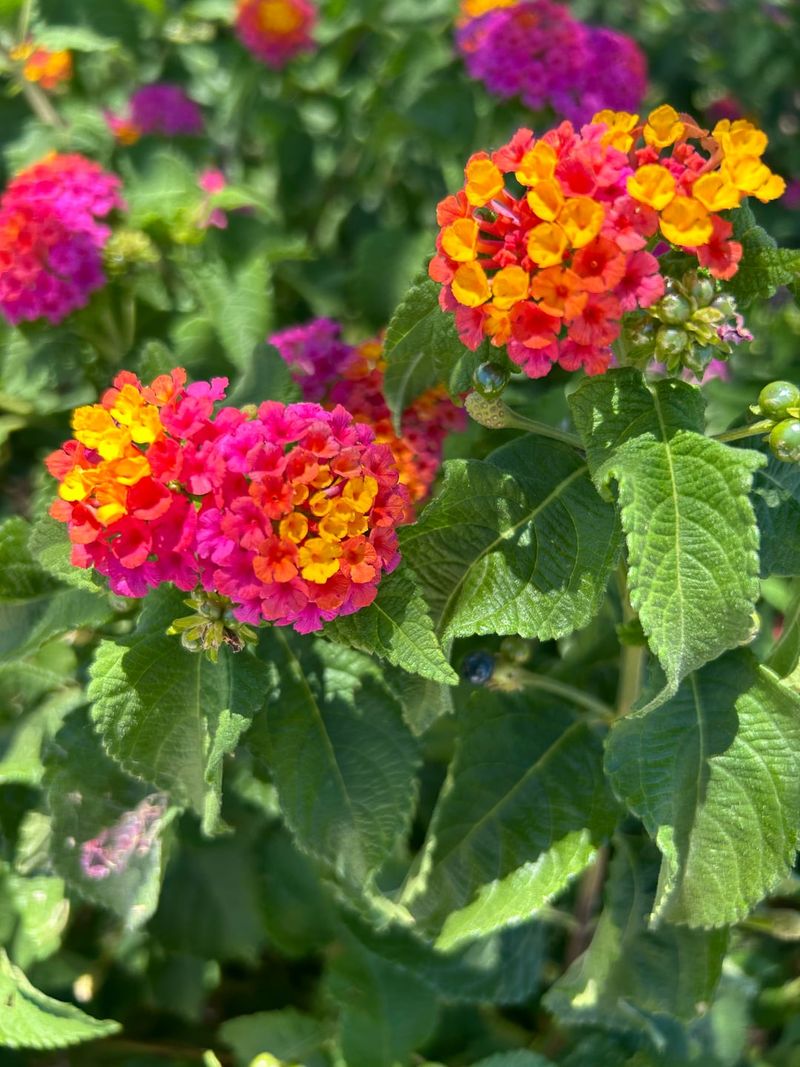
Pinching does something that goes beyond just shaping the plant. When you remove stem tips in late May or early June, you temporarily slow the top growth of the plant, which gives the root system a chance to catch up and expand.
A stronger, deeper root system is exactly what Lantana needs to handle the extreme heat and occasional drought conditions that define July and August in North Carolina.
Roots that have had extra time to spread through the soil can access deeper moisture reserves when the surface dries out quickly under intense summer sun.
That extra root depth acts like a savings account for water, allowing the plant to keep producing blooms even during stretches when rainfall is scarce and temperatures stay above 95 degrees for days at a time.
Pairing pinching with a two to three inch layer of organic mulch around the base of the plant takes this heat preparation even further by reducing soil moisture loss and keeping root zone temperatures more stable.
Consistent watering during the establishment of that stronger root system matters too. Water deeply once or twice a week rather than lightly every day, encouraging roots to reach downward rather than staying shallow.
Once July arrives and the heat truly peaks, a Lantana that was properly pinched and well-watered through June will reward you with vigorous, nonstop blooming rather than wilting and struggling.
This combination of pinching, mulching, and deep watering is the complete pre-summer strategy that North Carolina gardeners rely on for season-long Lantana success.