Simple Hydrangea Tricks Michigan Gardeners Use For More Blooms
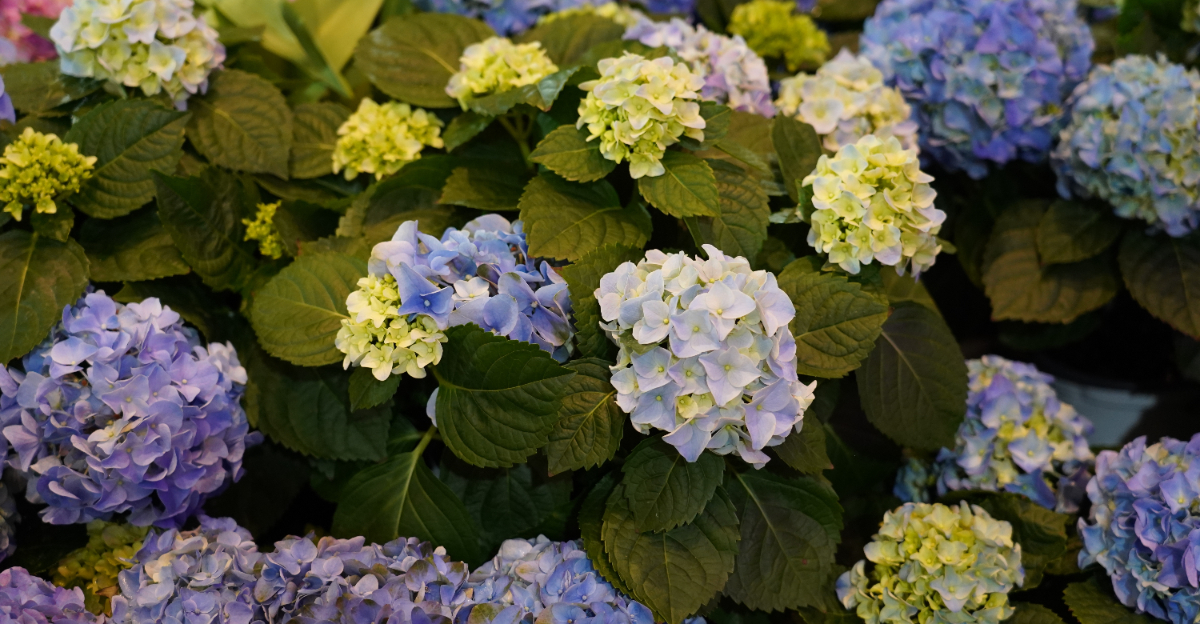
Michigan’s growing season is shorter than hydrangeas would probably prefer, which makes it more important to get everything right during the months that actually count.
Most hydrangea advice is frustratingly vague, telling gardeners to prune at the right time and fertilize appropriately without getting specific about what those things actually mean for plants growing through our winters and compressed summers.
The gardeners across the state who are consistently getting full, heavy bloom aren’t doing anything exotic or complicated.
They’ve just picked up a handful of specific habits around timing, feeding, and plant management that work with Michigan’s particular season rather than against it.
Several of these tricks are counterintuitive, including at least one that involves doing less rather than more at a moment when most people’s instinct is to intervene.
1. Remove Spent Flowers At The Right Time
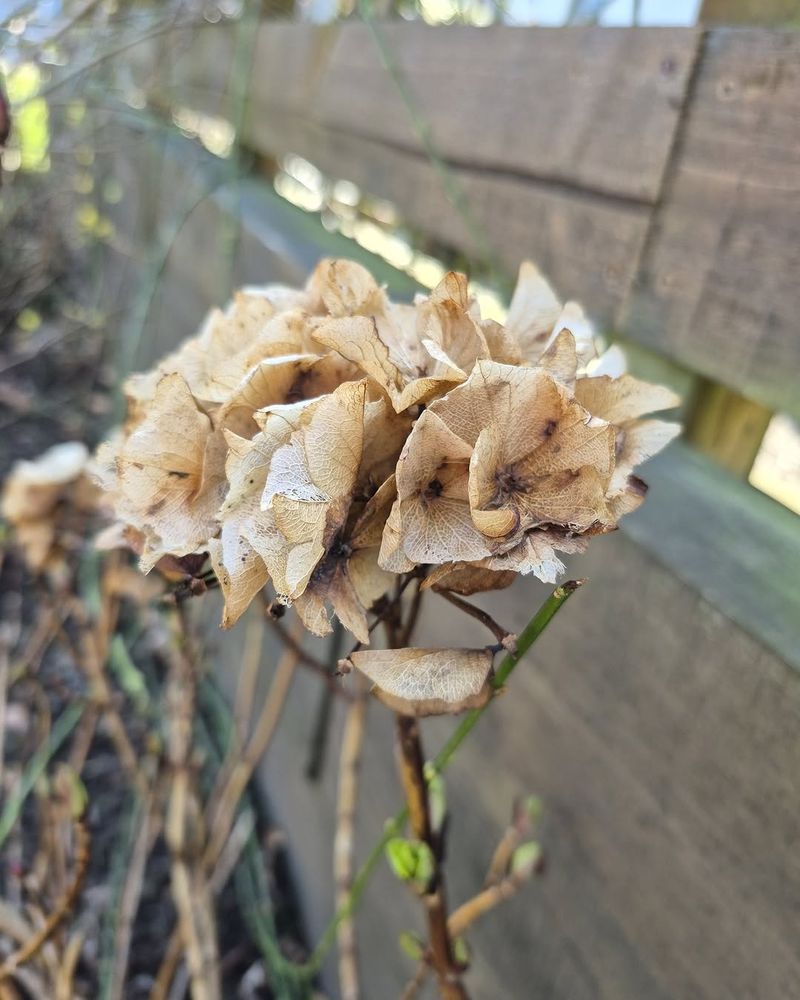
Faded hydrangea blooms hanging on the plant long past their prime can make even the most beautiful garden look a little tired.
Removing them at the right time keeps things tidy and, in some cases, can actually encourage reblooming on certain modern varieties.
Not all hydrangeas respond the same way, though, so knowing your type before you start snipping matters a lot.
For bigleaf hydrangeas, the trick is to cut just below the faded flower head and just above a healthy pair of leaves. This works best right after the first bloom cycle wraps up.
Cutting too low or too late in the season risks removing buds that are already forming for next year.
Panicle hydrangeas are a bit more forgiving. Deadheading on these is mostly about looks since they bloom on new wood, meaning fresh growth each spring will carry the flowers regardless.
You can remove spent heads whenever they start looking rough without worrying about next season’s blooms.
Timing really is everything here. A clean cut at the right moment keeps your plant healthy and looking sharp.
Sharp, clean pruners also help prevent any unwanted damage to the stems. A quick wipe of the blades before each cut goes a long way toward keeping your hydrangeas in great shape all season long.
2. Fertilize Lightly In Late Spring
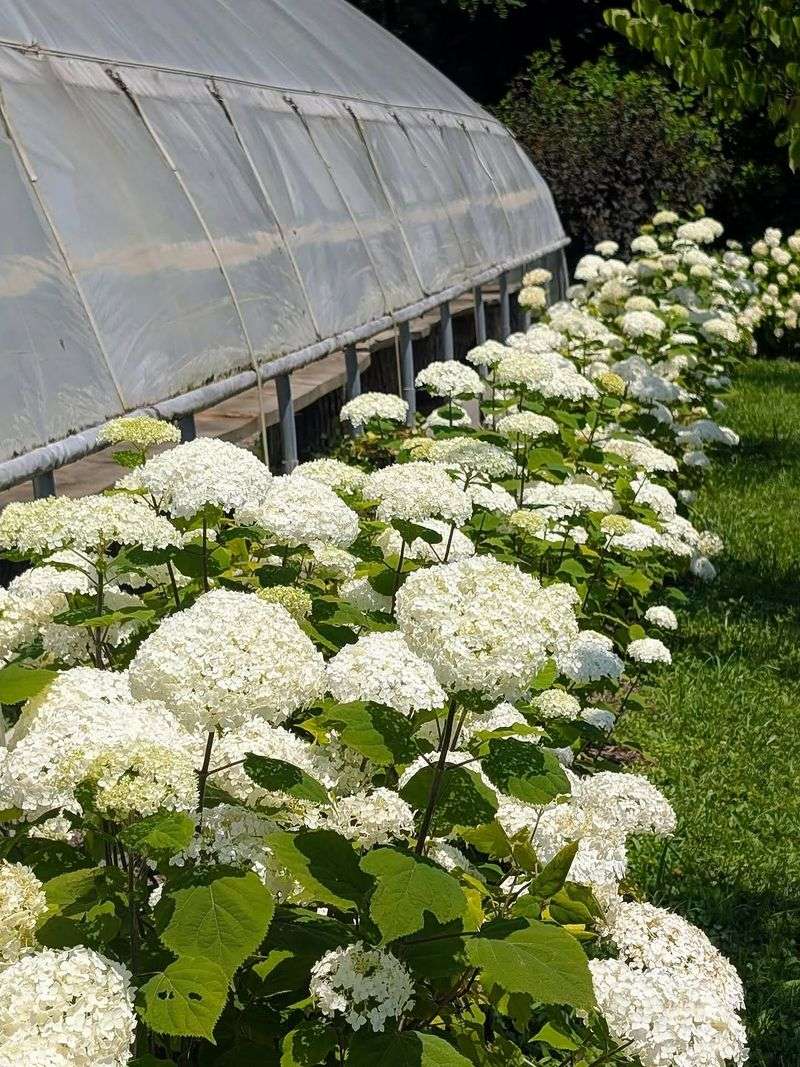
More fertilizer does not always mean more flowers. Many Michigan gardeners make the honest mistake of overfeeding their hydrangeas, and the result is a lush, leafy plant that barely blooms.
Too much nitrogen pushes the plant to grow lots of green leaves instead of putting energy into flower production.
Late spring, once new growth has clearly resumed, is the sweet spot for feeding. A modest application of compost, a balanced granular fertilizer, or a slow-release shrub fertilizer used at label rates gives the plant a gentle boost without overdoing it.
Michigan gardeners especially benefit from getting a soil test done before fertilizing repeatedly, since our soils vary quite a bit across the state.
One thing worth keeping in mind is that fertilizing too late in the season can cause problems. Soft new growth pushed out in late summer or early fall may not have enough time to harden off before cold weather arrives.
Your Michigan Garden Changes Every Week. Your Plan Should Too.
Gardening in Michigan changes quickly throughout the season. Every Friday you’ll receive a simple weekly plan showing exactly what to plant, prune, fertilize, harvest, and protect so you never miss the right timing.
That makes those tender stems more vulnerable to winter injury.
Extension guidance consistently points out that hydrangeas usually thrive with modest, well-timed feeding rather than heavy doses. Think of fertilizer as a supportive nudge rather than a main event.
Feed lightly, feed at the right time, and your hydrangeas will have exactly what they need to put on a beautiful show come summer.
3. Give Hydrangeas The Right Amount Of Sun
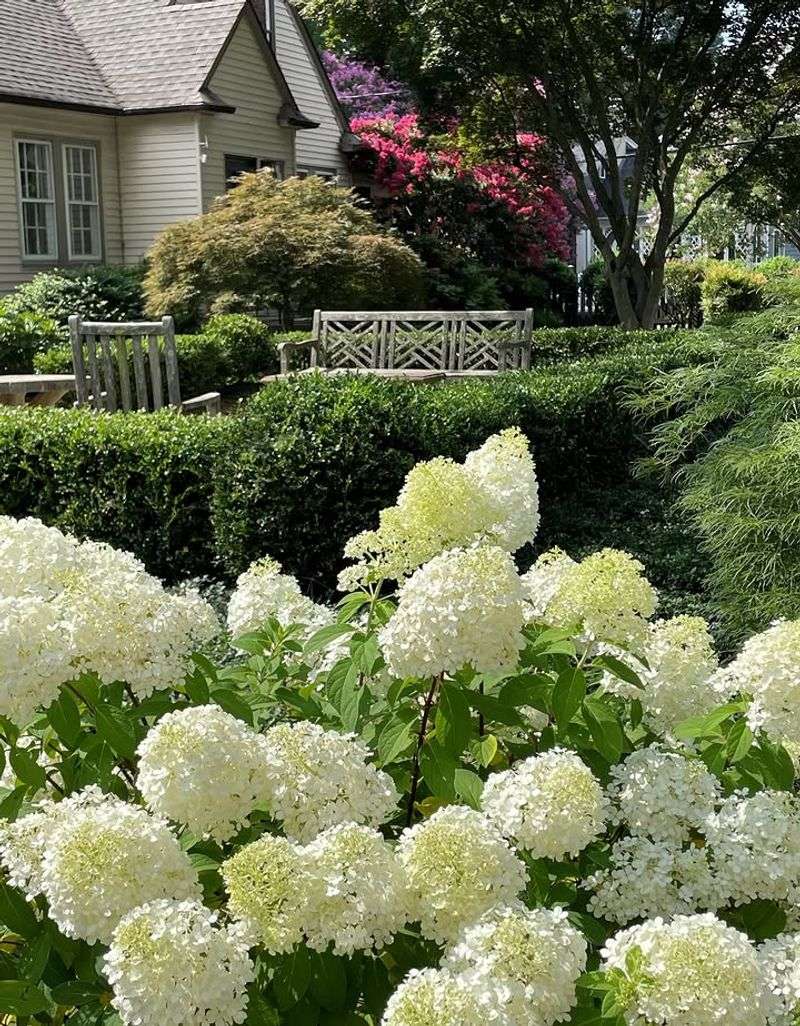
Sunlight is one of the biggest factors behind whether a hydrangea blooms its heart out or barely shows a petal. Getting the placement right from the start saves a lot of frustration down the road.
Many Michigan gardeners have discovered that the perfect spot is not always the sunniest one in the yard.
Bigleaf and smooth hydrangeas tend to shine in spots that get morning sun and afternoon shade.
That combination gives them enough light to fuel strong bloom production while protecting them from the intense afternoon heat that can cause wilting and leaf scorch.
Panicle hydrangeas are the exception here since they typically handle more sun and often bloom most heavily when planted in a sunnier location, as long as the soil stays consistently moist.
The commonly suggested guideline of four to six hours of sunlight per day is a solid starting point. However, the ideal amount really depends on your specific hydrangea type, how well your soil holds moisture, and the overall conditions of your planting site.
A spot that works beautifully in one Michigan yard might be too hot or too shady in another.
Too much deep shade is just as problematic as too much hot sun. Shaded plants tend to produce fewer blooms and weaker stems overall.
Finding that balance between enough light and enough protection is the real key to getting those big, gorgeous flower heads every single summer.
4. Mulch Around Roots Without Burying The Crown
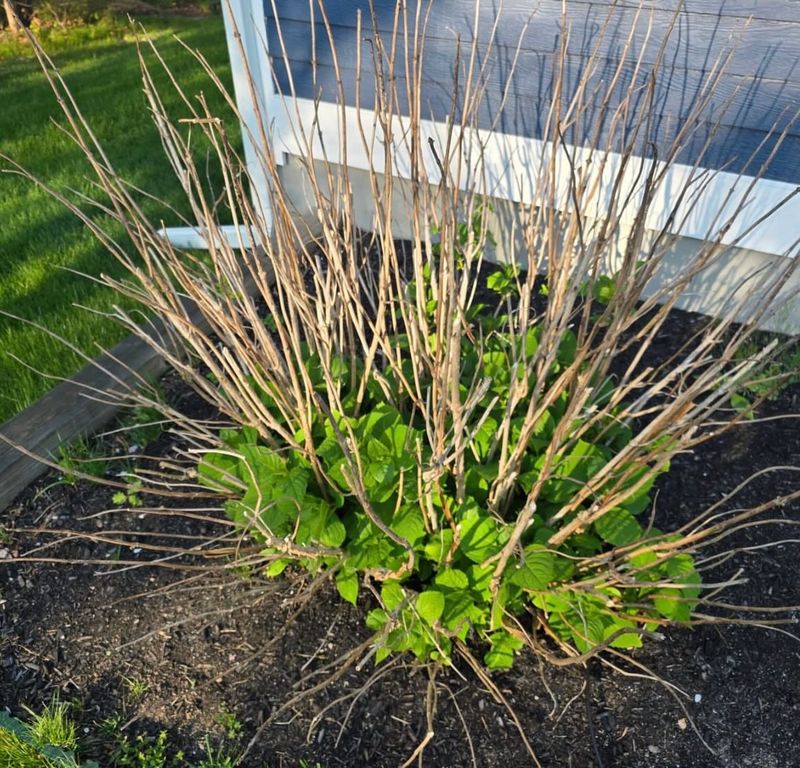
A good layer of mulch around your hydrangeas is one of the easiest and most rewarding things you can do for them. It works quietly in the background, doing several important jobs at once.
Moisture stays in the soil longer, soil temperatures stay more even, and weeds have a much harder time getting established.
The sweet spot for mulch depth is right around two to three inches. Spread it out in a wide ring around the plant, reaching out toward the drip line if possible.
The one thing to watch carefully is keeping the mulch a few inches away from the actual stems. Piling it up against the crown can trap moisture against the base and create conditions that weaken the plant over time.
Michigan State University winter protection guidance recommends maintaining roughly a three-inch organic mulch layer around trees and shrubs and making sure plants are well watered before the ground freezes.
Following that same approach for hydrangeas sets them up to come back strong in spring. As the mulch breaks down over the season, refresh it to keep that protective layer consistent.
Wood chips, shredded bark, and leaf mold all work well as mulch options. Each one adds a little organic matter back to the soil as it decomposes, which is an added bonus.
This simple habit protects roots, conserves water, and gives your hydrangeas a noticeably healthier start every growing season.
5. Prune Based On Hydrangea Type
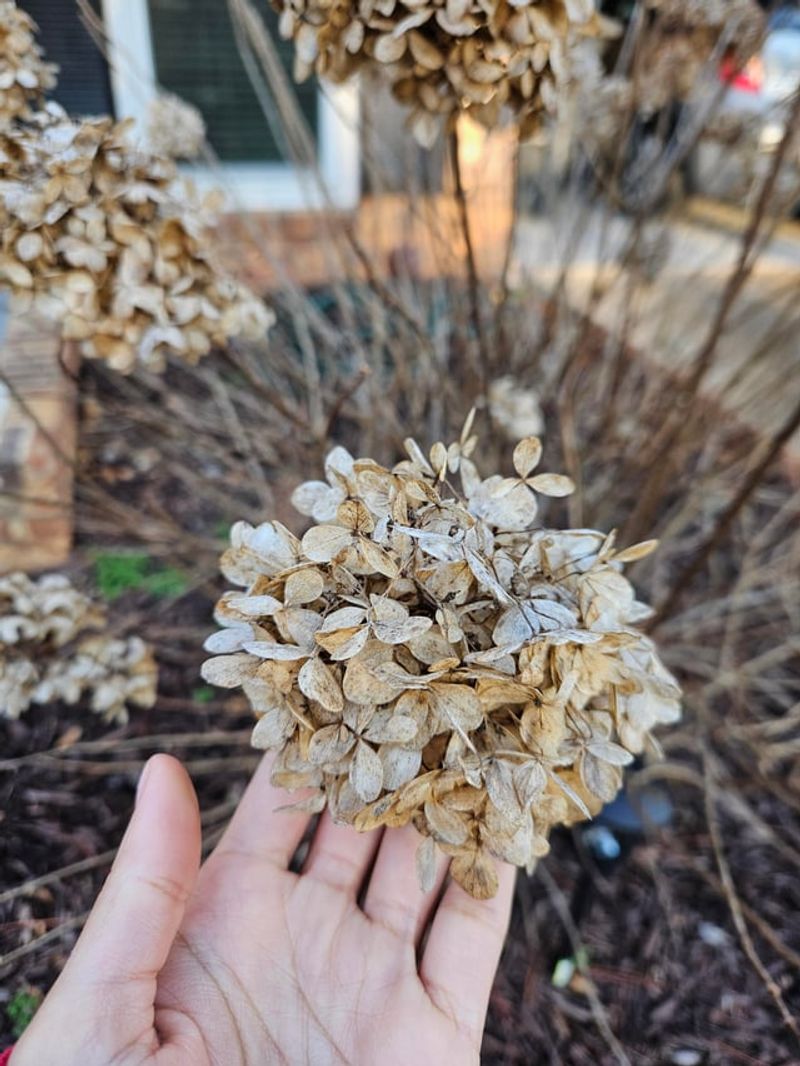
Pruning hydrangeas without knowing which type you have is a bit like guessing which wire to cut. Get it right and everything looks great.
Get it wrong and you might wait an entire season without a single bloom. The good news is that once you understand the basics, it becomes second nature pretty quickly.
Bigleaf and oakleaf hydrangeas generally set their flower buds on old wood, meaning the stems that grew last year are already carrying the buds for this summer. Pruning these in fall, winter, or early spring removes exactly what you were hoping to see bloom.
For reblooming types like Endless Summer, a 2026 Ask Extension answer for southwest Michigan notes that pruning is generally not necessary or advisable except in mid-to-late spring to remove any wilted stems.
Panicle and smooth hydrangeas play by different rules entirely. They bloom on new wood, so fresh stems that emerge each spring carry the flowers.
These can be pruned in late winter or early spring before active growth begins, and they will still bloom beautifully come summer.
A smart Michigan timing tip is to wait in spring until you can clearly see which stems are alive and putting out fresh leaves before making any cuts. Start by removing any dry or damaged wood first.
Avoid heavy pruning unless there is a real reason for it, and your hydrangeas will reward you with a much fuller, more reliable bloom season.
6. Water Consistently During Dry Spells
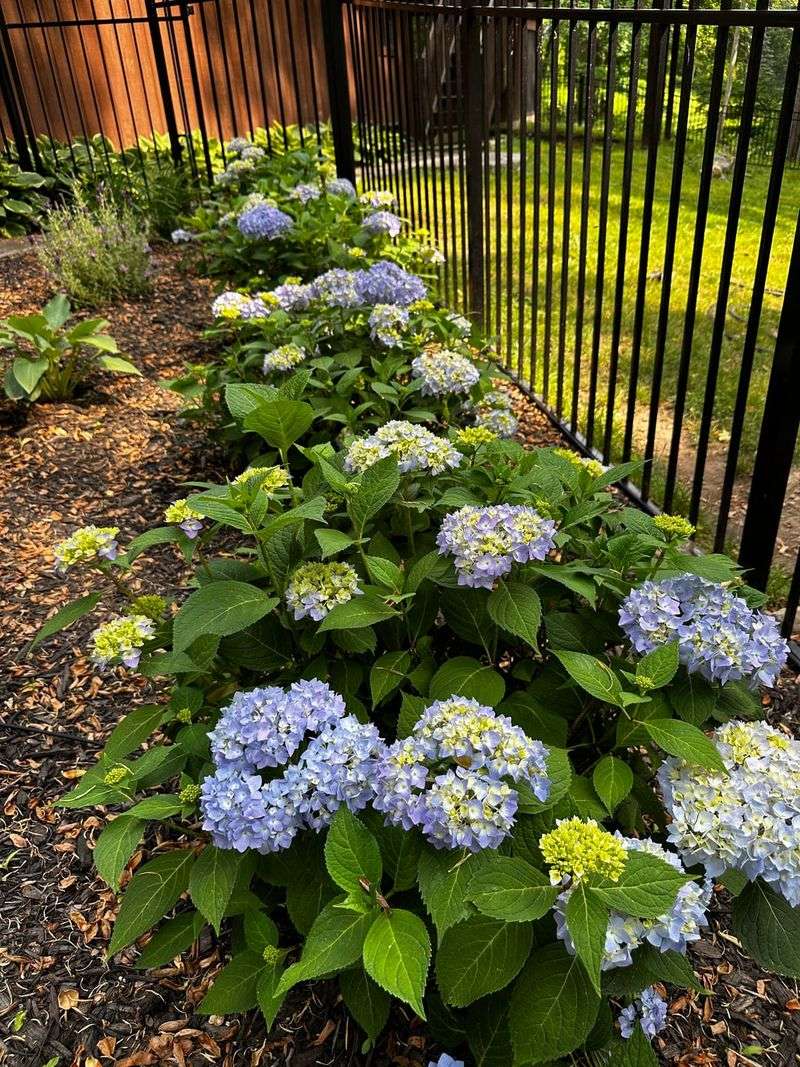
Hydrangeas have a bit of a dramatic reputation when it comes to water, and honestly, it is not entirely undeserved. On a hot summer afternoon, a thirsty hydrangea will droop in a way that looks alarming.
Consistent watering through Michigan’s dry summer spells keeps that from happening and helps flowers last much longer on the plant.
The goal is to keep the soil evenly moist without letting it stay soggy. Watering deeply at the base of the plant encourages roots to grow downward, which makes the plant more resilient overall.
Frequent shallow sprinkling, on the other hand, keeps roots near the surface where they are more vulnerable to heat and dry conditions. Always check the soil moisture before watering rather than sticking to a rigid schedule.
Michigan soils vary quite a bit. Sandy soils dry out faster and need more frequent watering, while clay soils hold moisture longer but can also become waterlogged if overwatered.
Knowing what kind of soil you are working with helps you water smarter. Keeping foliage dry by watering at the base also reduces the chance of fungal issues developing on the leaves.
Heading into fall, keeping your hydrangeas well watered right up until the ground freezes gives them a stronger foundation for surviving winter.
A well-hydrated plant enters dormancy in much better condition and comes back with more vigor the following spring.
7. Skip Pinching And Use Selective Pruning Instead
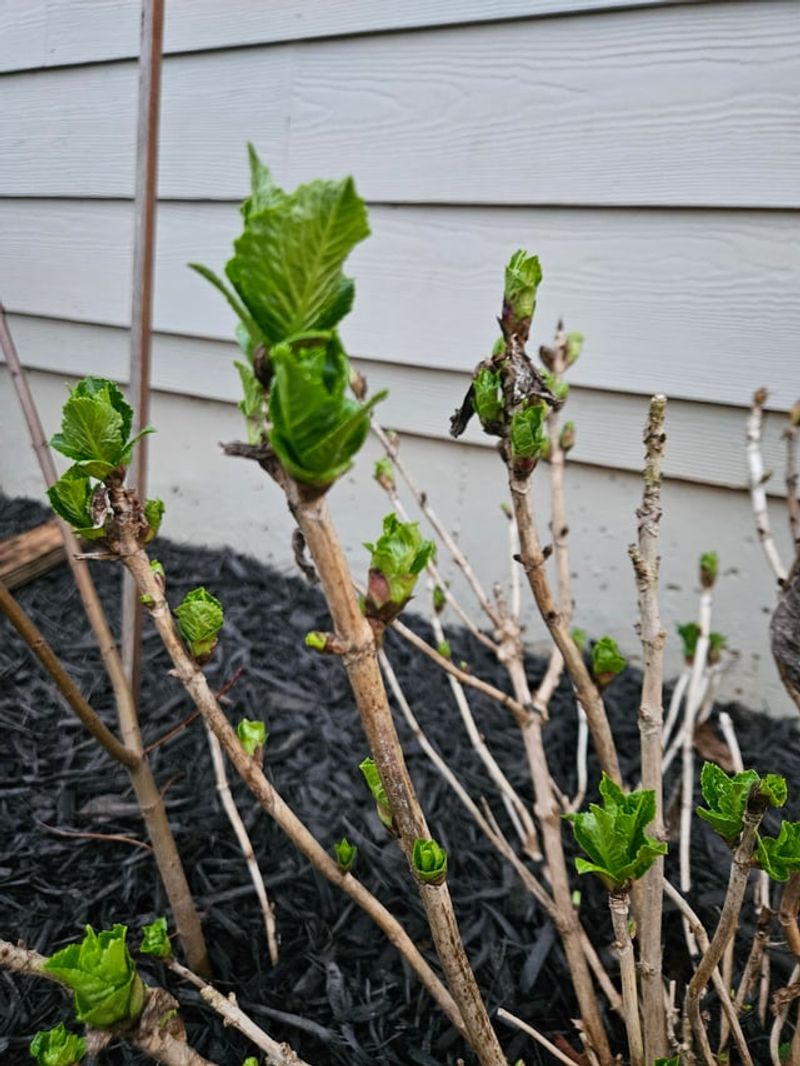
Pinching sounds like such a harmless little technique, but on hydrangeas it can backfire in a big way.
Cutting or pinching the wrong stems at the wrong time can delay blooming or reduce the number of flowers significantly, especially if you are not completely sure which type of hydrangea you are working with.
For most home gardeners, there is a safer and smarter approach.
Bigleaf hydrangeas should not be pinched in spring. Those stems may already be carrying flower buds from the previous season, and removing the tips means removing exactly what you were hoping to see bloom.
Even a well-intentioned pinch on the wrong stem can cost you an entire season of color on this type.
For panicle and smooth hydrangeas, selective pruning in late winter or early spring is a much better tool. Focus on removing weak or crossing stems, cutting back selectively to strong, healthy buds, and shaping the plant lightly if needed.
This encourages sturdy flowering stems rather than a tangle of weak growth competing for energy.
The overall goal with any pruning approach is to support the plant rather than stress it. Removing what does not serve the plant while preserving what does leads to a stronger structure and more impressive blooms.
A little restraint goes a long way with hydrangeas, and selective pruning almost always outperforms aggressive cutting when it comes to flower production.
8. Monitor For Pests And Disease Early
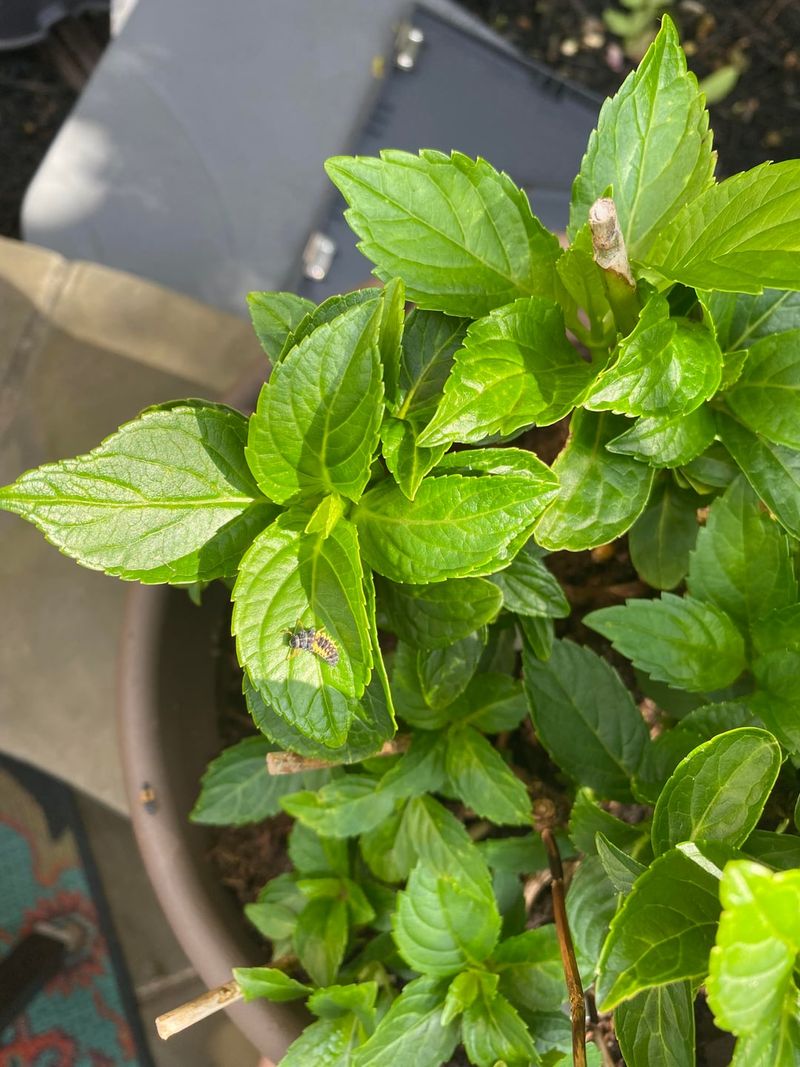
Catching a problem early on a hydrangea is almost always easier than dealing with it after it has taken hold. A quick walk through the garden with an observant eye can save a lot of trouble.
Aphids, spider mites, Japanese beetle damage, powdery mildew, and leaf spots are the most common issues Michigan hydrangea growers encounter, and all of them are easier to manage when spotted early.
Checking the undersides of leaves is a habit worth building. That is where many pests hide and where early signs of fungal issues tend to show up first.
Improving airflow around plants by giving them enough spacing, and watering at the base instead of wetting the foliage, both go a long way toward preventing disease from getting started in the first place.
When problems do appear, removing badly affected leaves and using the least-toxic control options available keeps the situation from spreading. Healthy leaves are important because they fuel the photosynthesis that powers flower production.
A plant fighting off a heavy pest or disease load simply has less energy to put toward blooming.
That said, pest and disease management is one piece of a bigger picture. Pruning type, winter survival, sun exposure, and consistent watering are still the biggest factors in whether your hydrangeas bloom well.
Keeping the plant healthy and stress-free from all angles gives you the best possible shot at a spectacular flower display every summer.
9. Protect Young And Bigleaf Hydrangeas In Winter
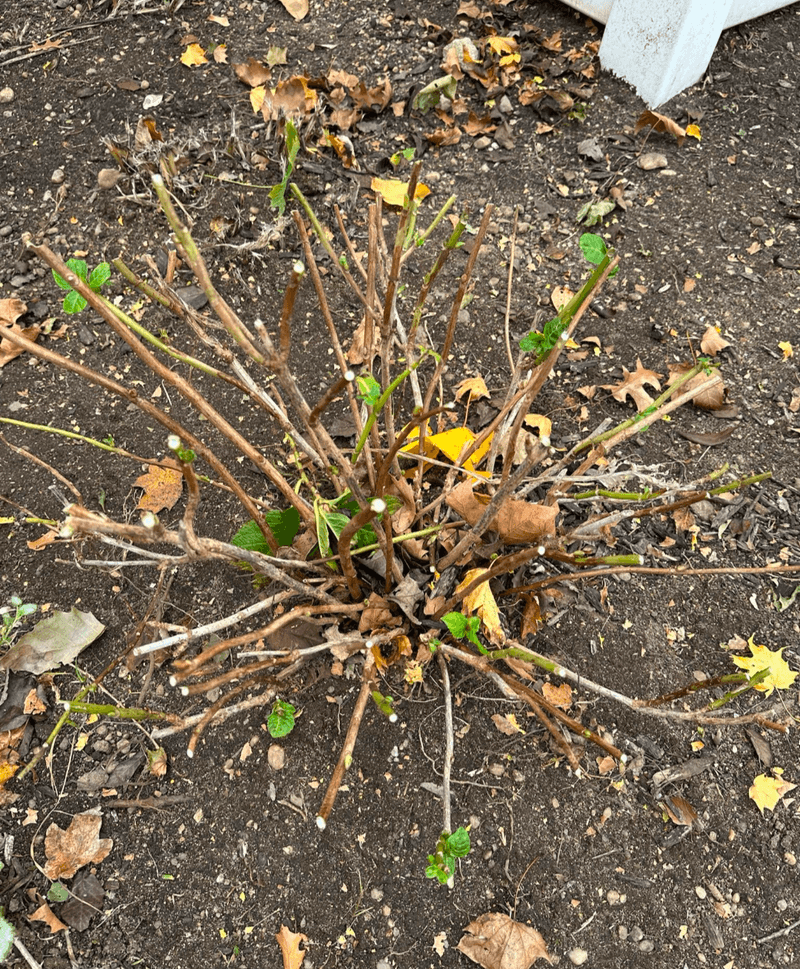
Winter in Michigan can be genuinely tough on hydrangeas, especially the bigleaf types that so many gardeners love for their big, colorful blooms.
Hydrangea macrophylla sets its flower buds in late summer and fall, which means those buds sit exposed through the entire Michigan winter.
Cold snaps, fluctuating temperatures, and late spring freezes can all damage or wipe out a full season of blooms before the plant even gets a chance to show off.
Watering well before the ground freezes is one of the most important steps you can take. A plant that goes into winter fully hydrated is simply better equipped to handle the cold.
Applying a two-to-three inch mulch layer over the root zone helps insulate the soil and moderate temperature swings that can stress the plant from below.
In exposed sites or particularly harsh spots, a burlap windbreak around the plant adds meaningful protection.
For newly planted hydrangeas or especially tender varieties, surrounding the plant with a simple wire cage filled with dry leaves after it goes dormant in late fall gives the buds a much better chance of surviving intact.
Panicle and smooth hydrangeas are generally much more reliable in cold Michigan winters since they bloom on new wood each year.
Bigleaf hydrangeas can still struggle to bloom after a rough winter even with all the right care in place, but consistent protection efforts genuinely improve the odds of a beautiful bloom season come summer.