The Difference Between Woodland Phlox And Garden Phlox And Why Only One Belongs In Michigan
Phlox is one of those plant names that covers a lot more ground than most gardeners realize.
Walk into a Michigan garden center in spring and you might see several varieties sitting next to each other with similar looking tags, but the plants behave very differently once they are in the ground.
Woodland phlox and garden phlox are both popular, both genuinely attractive, and both grown across the state, but their needs, growth habits, and long term performance in Michigan landscapes are not even close to the same.
One of them fits naturally into this climate and tends to thrive with minimal fuss. The other brings ongoing challenges that Michigan’s heat, humidity, and seasonal conditions tend to make worse over time.
Knowing the difference before you buy saves you from replanting the same spot multiple times and helps you put the right plant in a space where it will actually perform the way you are hoping it will.
1. Woodland Phlox Is Native, Garden Phlox Is Also Native (Phlox Divaricata Vs Phlox Paniculata)
A lot of gardeners assume the big difference between these two plants is that one is native and the other is not. That is actually a misconception worth clearing up right away.
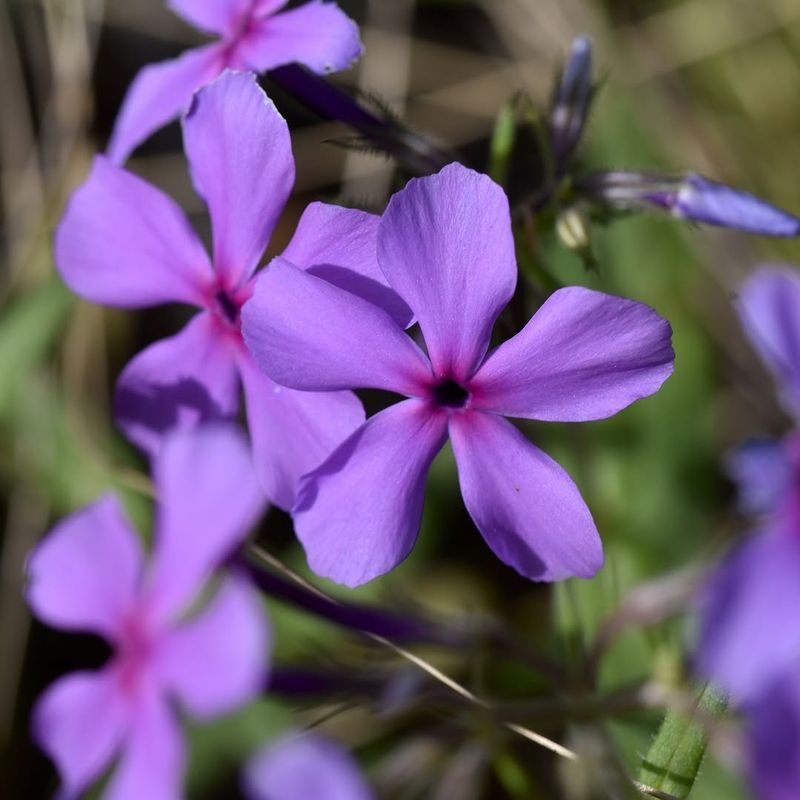
Both woodland phlox, known scientifically as Phlox divaricata, and garden phlox, known as Phlox paniculata, are native to Michigan and the broader eastern United States.
Phlox divaricata naturally grows along woodland edges, stream banks, and shaded forest floors throughout Michigan and much of the Midwest. Phlox paniculata, on the other hand, grows naturally in open meadows, prairies, and sunny slopes across the eastern part of the country.
Both species have been part of North American ecosystems for thousands of years.
So the real question is not which one belongs here, but rather which one fits your specific garden conditions better. Native status alone does not guarantee success in your yard. Matching the right plant to the right environment is what actually makes the difference.
Michigan gardens vary widely, from deep wooded lots in the Upper Peninsula to sunny suburban backyards in the Lower Peninsula, and each phlox has a very specific sweet spot where it truly thrives.
2. Woodland Phlox Blooms In Spring, Making It A Seasonal Star
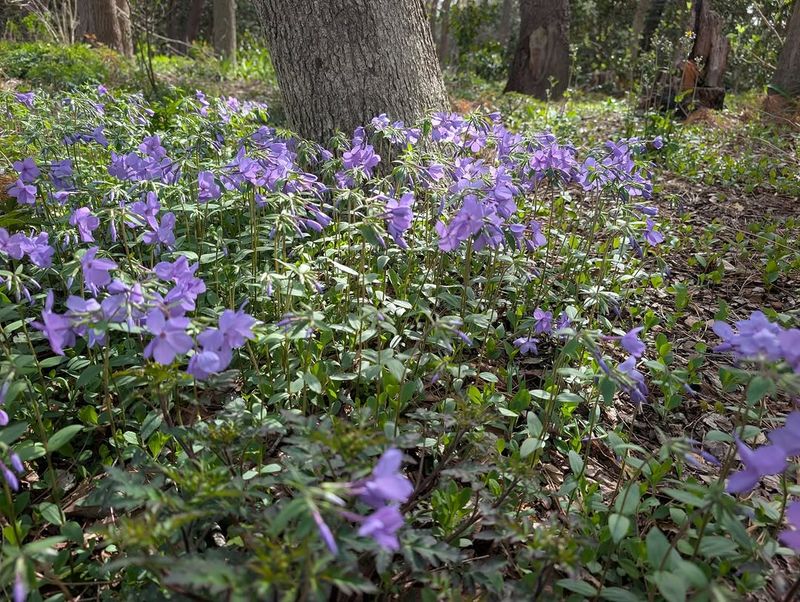
Timing is everything in gardening, and woodland phlox has incredible timing. This plant bursts into bloom during mid to late spring, typically from April through May in Michigan, right when the garden is waking up and most other perennials are still just getting started.
That early show of color makes it one of the most exciting plants to have in a shaded yard.
Blooming in spring also gives woodland phlox a major advantage that many gardeners overlook. By the time Michigan’s hot, humid summer weather rolls in, this plant has already finished flowering and settled comfortably into its leafy, low-maintenance summer form.
It sidesteps the worst of the season’s disease pressure almost entirely by simply being done before the trouble starts.
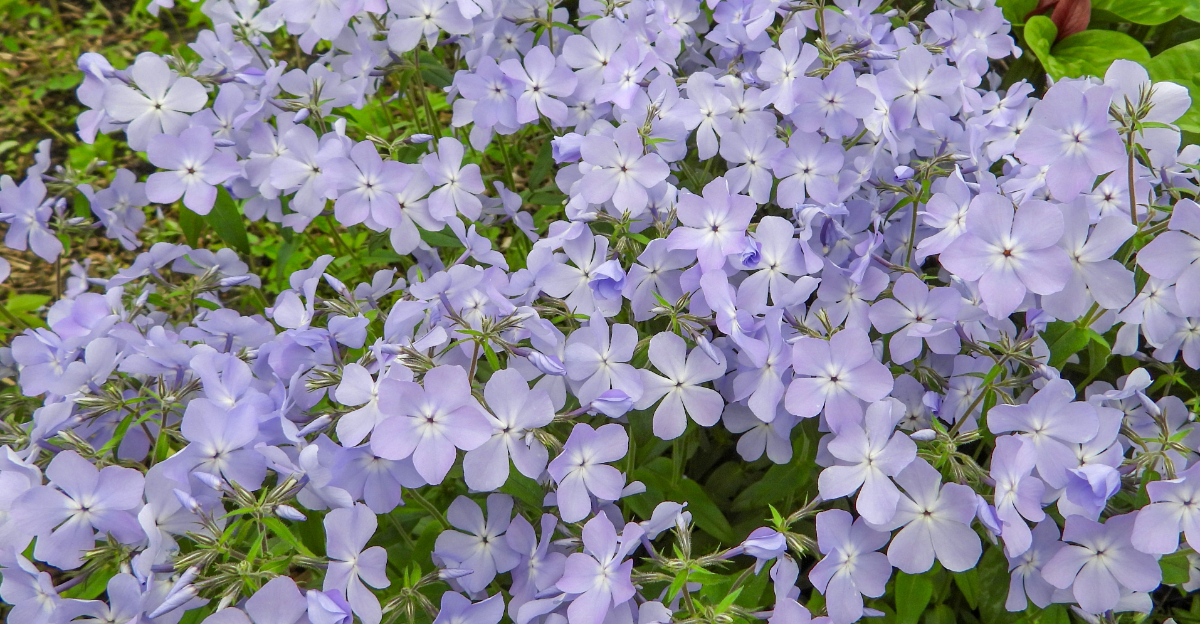
The flowers themselves are delicate and pretty, usually appearing in soft shades of lavender, pale blue, and white. They attract early pollinators like bees and butterflies that are hungry after winter.
Your Michigan Garden Changes Every Week. Your Plan Should Too.
Gardening in Michigan changes quickly throughout the season. Every Friday you’ll receive a simple weekly plan showing exactly what to plant, prune, fertilize, harvest, and protect so you never miss the right timing.
In Michigan, where spring can feel short and precious, having a plant that fills those first warm weeks with color feels like a real gift.
Woodland phlox also pairs beautifully with other spring bloomers like Virginia bluebells and wild ginger, making it a fantastic choice for layered native plantings throughout the state.
3. Garden Phlox Saves Its Show For Summer
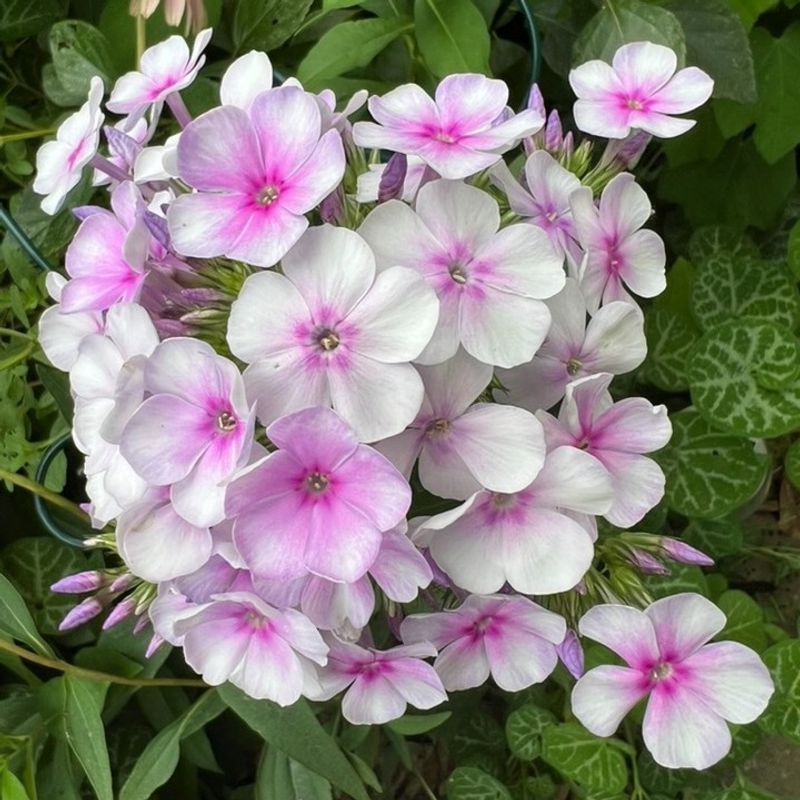
Garden phlox does things on its own schedule, and that schedule is squarely in the heat of summer.
Phlox paniculata typically blooms from mid-July through August in Michigan, which puts it right in the middle of the season when many other perennials have already faded.
That makes it genuinely useful for keeping color going through the dog days of summer.
The blooms are bold and hard to miss. Garden phlox produces large, fragrant flower clusters in shades of pink, red, white, lavender, and even bicolors, often reaching heights of three to four feet.
Planted in the back of a sunny border, it creates a dramatic vertical display that few other native perennials can match. Hummingbirds and butterflies absolutely love it, which is a bonus that Michigan gardeners really appreciate.
The challenge is that summer in Michigan also brings humidity, and garden phlox is not always thrilled about that combination. Warm nights and moist air create ideal conditions for fungal issues, especially in gardens where plants are crowded together.
That does not mean garden phlox is a bad choice for Michigan, but it does mean you need to be thoughtful about placement, spacing, and variety selection.
Choosing modern mildew-resistant cultivars and planting in spots with excellent airflow goes a long way toward keeping this summer showstopper looking its best all season long.
4. Woodland Phlox Thrives In Shade, Which Michigan Has Plenty Of
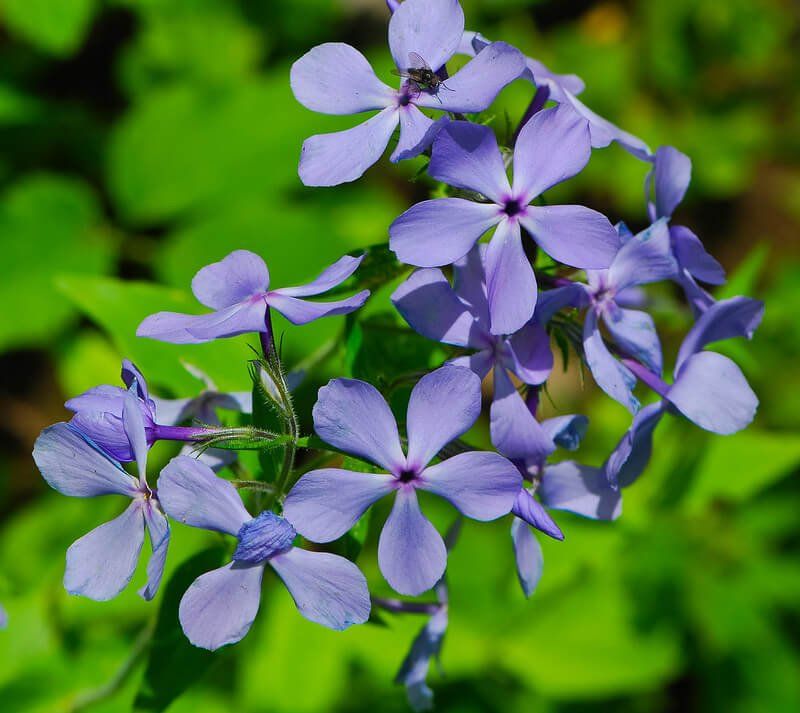
One of the most practical reasons to grow woodland phlox in Michigan is that it actually wants shade. Most flowering plants need sun to perform well, which can make shaded yards feel like a challenge.
Woodland phlox flips that script entirely by thriving in the exact conditions that frustrate so many other plants.
It grows best in part shade to full shade, making it perfect for planting under deciduous trees, along north-facing fences, or in those tricky spots where sunlight barely reaches.
Michigan has no shortage of mature trees, especially in older neighborhoods and wooded properties, so there are plenty of natural homes for this plant.
It spreads gently over time, forming a soft, low carpet of green foliage that looks tidy even when it is not in bloom.
Woodland phlox also handles Michigan’s spring moisture well, which is another point in its favor. The combination of shade, adequate moisture, and rich organic soil found under trees mimics its natural habitat almost perfectly.
One helpful tip for Michigan gardeners is to amend heavy clay soil with compost before planting, since woodland phlox prefers well-drained but consistently moist ground.
Once it settles in, it rewards you with years of reliable spring color without much fuss, making it one of the smartest low-effort choices for shaded Michigan landscapes.
5. Garden Phlox Needs Full Sun To Really Perform
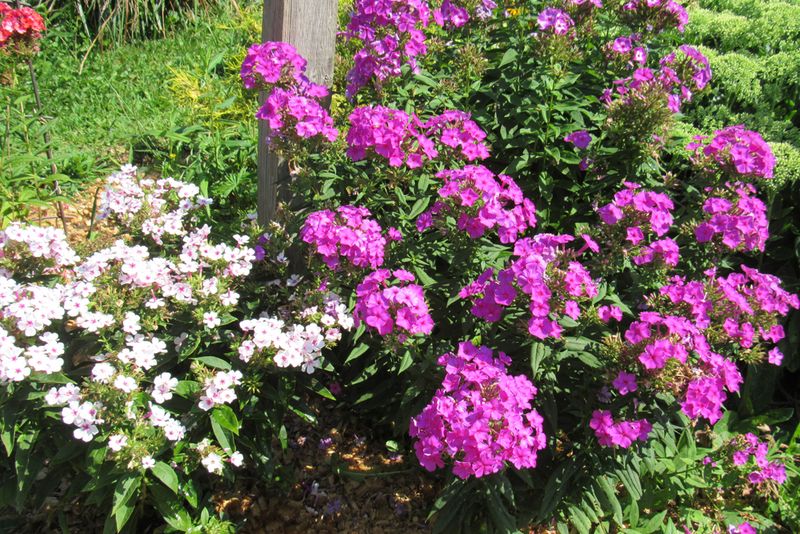
Garden phlox is a sun lover through and through. To flower well and stay healthy, it needs a minimum of six hours of direct sunlight each day.
Give it that, and it rewards you with months of gorgeous blooms. Plant it somewhere too shady, and the results get disappointing fast.
In lower light conditions, garden phlox tends to stretch toward the sun, becoming tall and floppy rather than sturdy and upright. The flower clusters get smaller, the stems weaken, and the plant becomes far more vulnerable to disease.
Powdery mildew, which is already a concern in Michigan’s humid summers, hits harder and spreads faster on plants that are not getting enough sun. The stress of low light makes the whole plant less able to fight back.
Michigan offers plenty of sunny garden spots, especially in newer subdivisions, open backyards, and south-facing beds. In those locations, garden phlox can genuinely shine.
Pairing it with other sun-loving native plants like black-eyed Susans and coneflowers creates a colorful, pollinator-friendly border that peaks right in the heart of summer. The key is honest assessment of your site before you plant.
If your yard is mostly shaded by mature trees, woodland phlox is the smarter call. But if you have a sunny open bed with good air circulation, garden phlox can become one of the most striking plants in your entire Michigan garden.
6. Garden Phlox And Powdery Mildew Are Old Enemies In Michigan
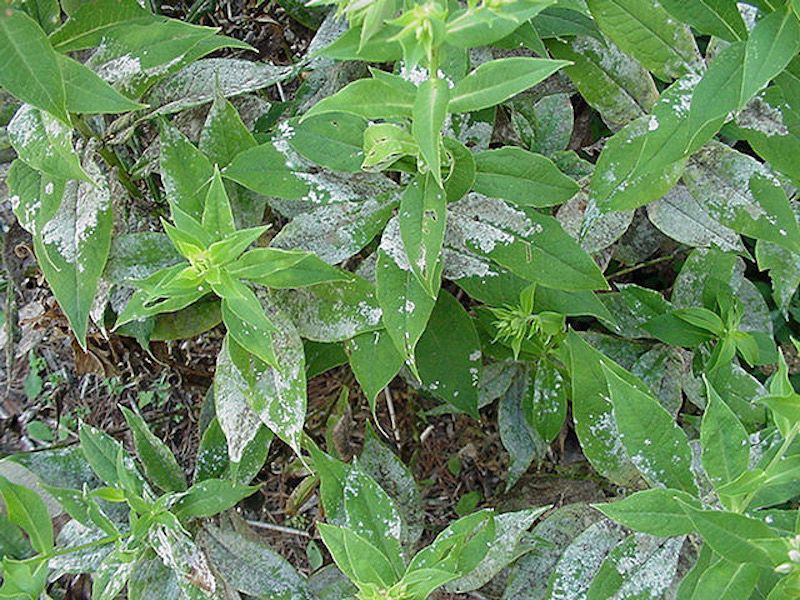
Ask any experienced Michigan gardener about growing garden phlox and the topic of powdery mildew will come up almost immediately.
This fungal disease is one of the most common and frustrating problems that garden phlox faces, and Michigan’s warm, humid summers create almost ideal conditions for it to spread.
White, chalky patches appear on the leaves, and without intervention, they can cover the entire plant by late summer.
Powdery mildew does not always destroy a plant outright, but it makes it look rough and stressed for the second half of the season. It also weakens the plant over time, reducing flowering and making it more susceptible to other problems.
Poor airflow between plants is the single biggest contributing factor, so spacing garden phlox at least eighteen to twenty-four inches apart is not optional in Michigan, it is essential.
The good news is that plant breeders have worked hard on this problem, and many modern cultivars now carry significant mildew resistance. Varieties like ‘David’, ‘Robert Poore’, and ‘Jeana’ have earned strong reputations in Midwest gardens for their ability to stay cleaner through summer.
Watering at the base rather than overhead, and doing so in the morning so foliage dries quickly, also helps.
Michigan gardeners who pay attention to these details can absolutely grow beautiful, healthy garden phlox, but it takes more active management than its woodland cousin ever will.
7. Woodland Phlox Is The Low-Maintenance Choice Michigan Gardeners Love
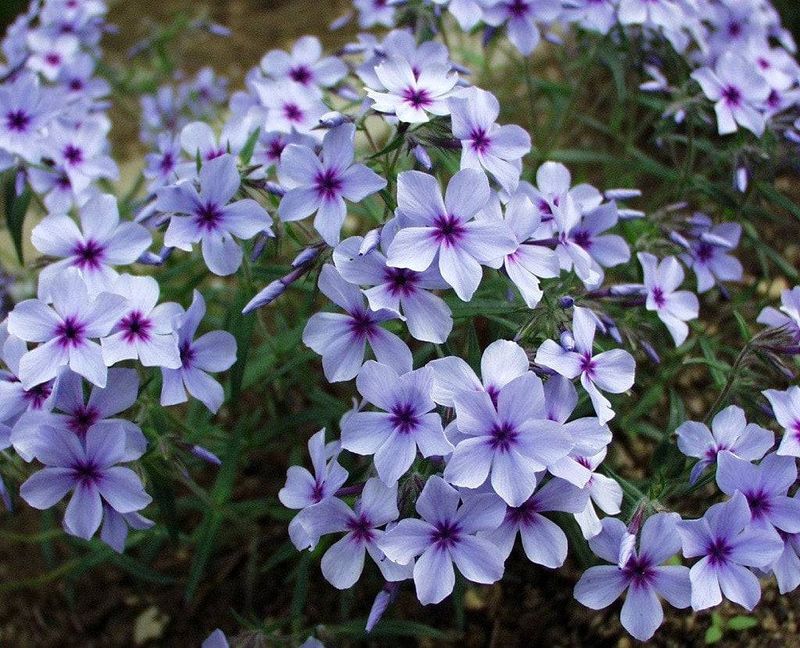
Some plants demand constant attention, and some plants basically take care of themselves. Woodland phlox falls firmly in the second category, which is a big reason why it has become such a favorite among Michigan native plant enthusiasts.
Once it is established in the right conditions, it asks for very little in return for a lot of seasonal beauty.
After the first growing season, woodland phlox spreads gradually through a combination of stolons and self-seeding, slowly filling in shaded areas with a dense, weed-suppressing mat of foliage. You do not need to fertilize it heavily, divide it constantly, or spray it for pests.
It naturally fits into Michigan’s woodland ecosystem, which means local insects, soil microbes, and rainfall patterns all work in its favor rather than against it.
Minimal deadheading is needed, and light trimming after bloom can encourage a neater appearance, but neither is strictly required.
Compare that to garden phlox, which benefits from regular deadheading, careful division every few years, and consistent monitoring for mildew, and the difference in effort becomes very clear.
For Michigan gardeners who want beautiful spring color without a heavy maintenance schedule, woodland phlox is genuinely hard to beat.
It is especially well-suited for naturalistic plantings, rain gardens, and native plant borders where the goal is a thriving, self-sustaining landscape that looks great season after season.
8. Both Phlox Types Have Value, But Woodland Phlox Is More Reliable In Michigan
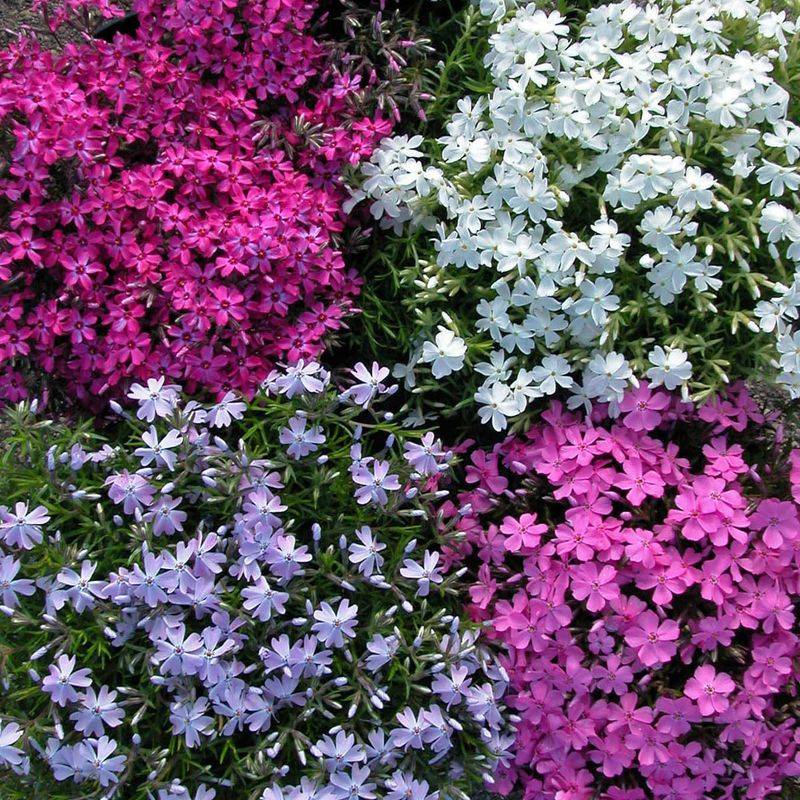
Choosing between woodland phlox and garden phlox does not have to be an either-or decision. Both plants have genuine value, and both belong in Michigan landscapes under the right conditions.
The real point is understanding which one fits your yard and your gardening style before you dig a single hole.
Woodland phlox wins on consistency. It blooms before Michigan’s disease season peaks, handles shade with ease, spreads reliably, and asks for almost nothing once it is settled in.
For most Michigan gardeners, especially those with shaded lots or a preference for low-effort native plantings, it is simply the more dependable choice. It rarely disappoints, and it looks beautiful doing its thing every spring without drama.
Garden phlox is absolutely capable of performing beautifully in Michigan, but it requires the right setup. Full sun, excellent airflow, mildew-resistant varieties, and consistent moisture management are all part of the package.
When those conditions are met, it delivers a summer floral display that is truly hard to match. The fragrance alone makes many gardeners feel it is worth the extra effort.
The smartest approach for Michigan gardeners is to assess your specific site honestly, match each phlox to the conditions it actually prefers, and enjoy the best of both worlds across spring and summer. Native plants thrive when they are planted where nature intended them to grow.