This Slug Species Is Now Established In Oregon And It Is More Destructive Than The Usual Ones
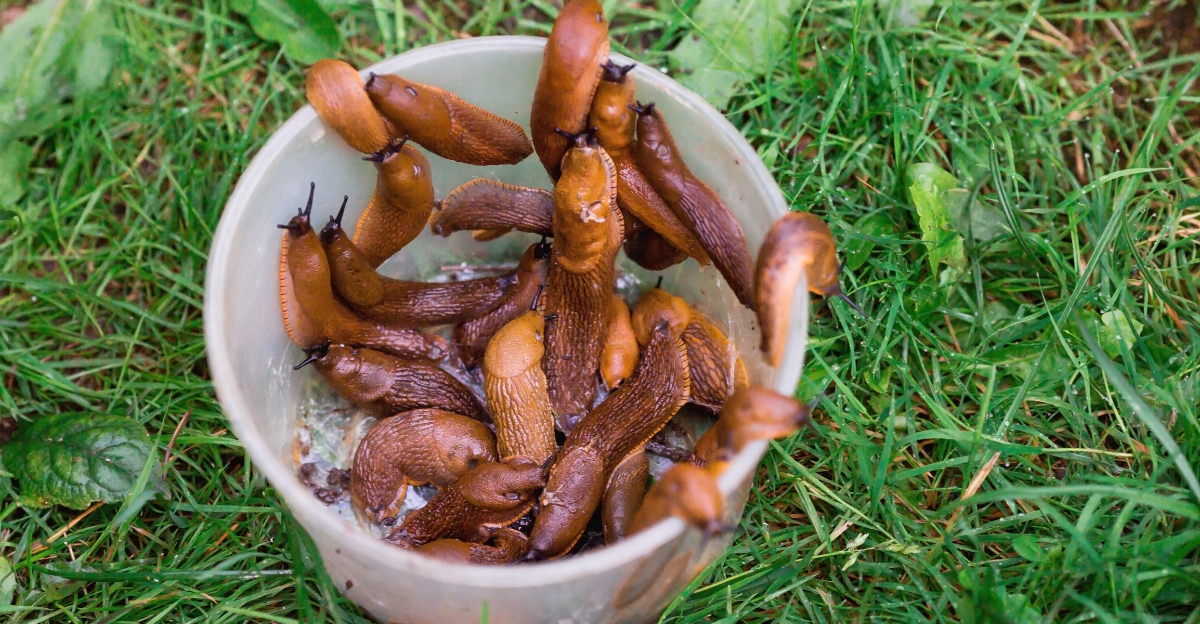
A fresh wave of slug damage can make an Oregon garden feel like it changed overnight. Seedlings look chewed down, tender leaves vanish faster, and the usual tricks may not seem to help as much.
Damp weather already gives slugs plenty of chances to thrive, but this one brings a bigger problem.
It spreads easily through gardens, hides well during the day, and can cause serious trouble before many gardeners realize what they are dealing with.
That makes early spotting important, especially in shady beds, vegetable patches, and areas with thick plant growth.
This is not the same old slug damage after a rainy week. Oregon gardeners now have another pest to watch closely, and the Spanish slug is earning attention for all the wrong reasons.
1. The Spanish Slug Is Not Your Usual Garden Slug
Most gardeners have seen a slug before and figured it was just part of the deal. You find one on a leaf, toss it aside, and move on.
But the Spanish slug is a completely different level of problem, and treating it like any ordinary garden pest is a mistake you will regret come harvest time.
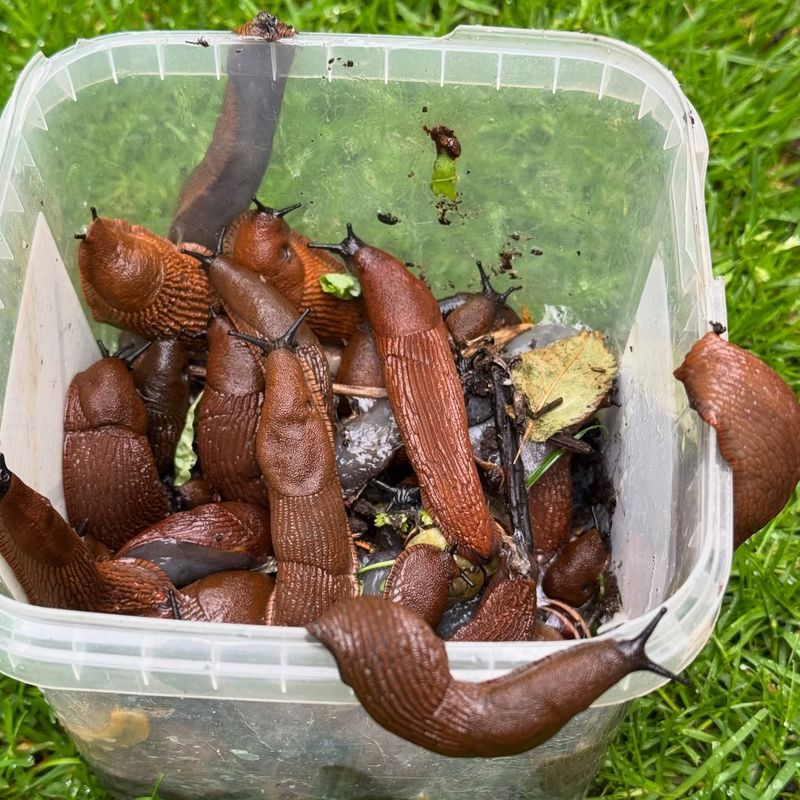
Arion vulgaris is larger than most slugs found in North American gardens. It can grow up to five inches long and has a thick, muscular body that lets it consume plant material at a shocking rate.
Its color ranges from pale yellow to deep reddish-brown, often with a darker band along the sides.
Unlike many native slugs that mostly graze on decaying matter, this species actively targets living plants. It feeds on roots, stems, leaves, and even fruit.
One slug can chew through a seedling in a single night without much effort.
Another thing that sets it apart is its slime.
The mucus it produces is much stickier and more resistant than that of other slugs, which makes it harder for predators to eat and harder for common slug baits to work effectively.
Birds and hedgehogs that normally feed on slugs often avoid this species because of how unpleasant the slime is.
Knowing this slug by sight is the first step toward managing it before it takes over your entire growing space.
2. Oregon Gardeners Should Learn The Name Arion Vulgaris
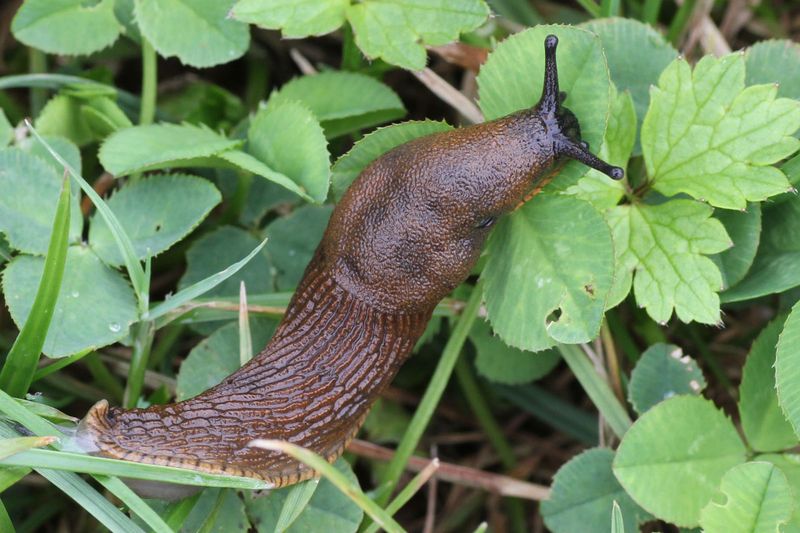
You might not have heard the name Arion vulgaris before, but if you garden anywhere in the Pacific Northwest, it is worth memorizing.
This is the official scientific name for the Spanish slug, and it is showing up in research reports, extension alerts, and pest management bulletins across the region right now.
Originally from the Iberian Peninsula in Europe, this slug has been spreading across the continent for decades.
It arrived in North America and has been quietly moving westward, finding new territory wherever the climate suits it.
Cool, wet winters and mild summers are exactly what it prefers, and this state offers both in abundance.
What makes Arion vulgaris especially tricky is how easily it gets confused with native slug species. Many gardeners do not realize they have a different pest on their hands until the damage becomes severe.
Your Oregon Garden Changes Every Week. Your Plan Should Too.
Gardening in Oregon changes quickly throughout the season. Every Friday you’ll receive a simple weekly plan showing exactly what to plant, prune, fertilize, harvest, and protect so you never miss the right timing.
Early identification is critical because the management strategies that work best depend on knowing exactly what you are dealing with.
Local extension offices have started publishing identification guides with clear photos to help homeowners and farmers tell this slug apart from similar-looking native species. The key differences include body size, slime color, and feeding behavior.
Taking a photo and comparing it to a trusted source can help you confirm what you are seeing.
Getting familiar with this name now puts you ahead of a pest that spreads quickly and quietly through gardens across the state.
3. This Invasive Slug Can Damage Gardens And Crops Fast
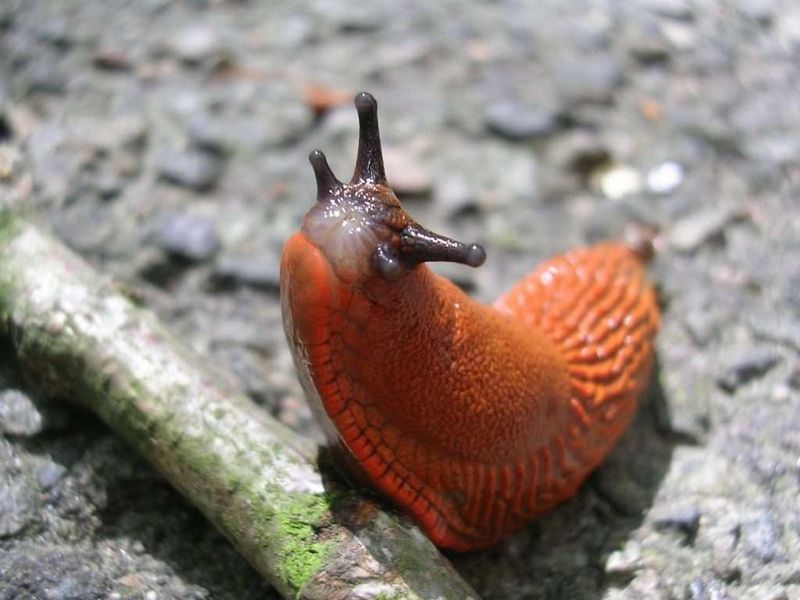
Speed is one of the most alarming things about this slug. While most gardeners expect some nibbling here and there, the Spanish slug feeds with an intensity that can wipe out an entire row of seedlings overnight.
That is not an exaggeration. Growers who have encountered heavy infestations describe finding nothing but bare stems where healthy plants stood the evening before.
Vegetables are hit especially hard. Lettuce, kale, cabbage, spinach, and brassicas of all kinds are among the favorites.
But this slug does not stop there. It also targets strawberries, potatoes, carrots, and even onions.
In agricultural settings, it has caused significant losses to commercial crops in Europe, where it has been established much longer.
The damage goes beyond just the leaves. This species burrows into soil and attacks root vegetables from underneath, leaving the tops of the plant looking fine while the root is being hollowed out below.
That kind of hidden damage is especially frustrating because you often do not notice it until harvest.
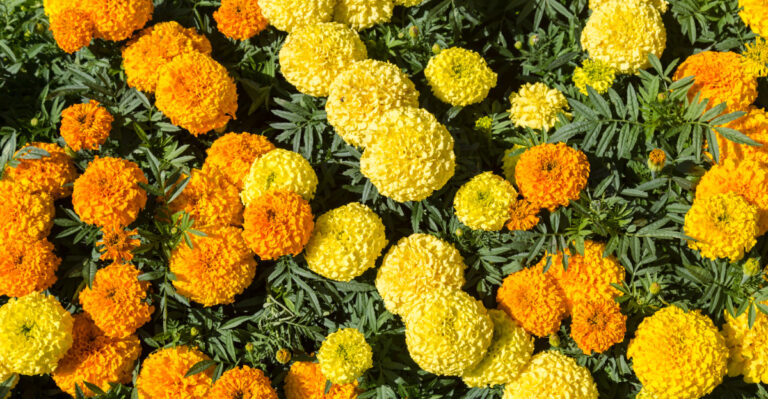
Ornamental plants are also at risk. Hostas, marigolds, and other popular garden plants suffer heavy feeding from this pest.
Even plants that slugs typically avoid can become targets when populations are high and food becomes competitive.
Acting early and consistently is the only way to keep this pest from turning a small problem into a full-scale garden emergency.
Waiting too long gives it time to breed and spread in ways that are very hard to reverse.
4. Wet Weather Gives Spanish Slugs The Perfect Opening
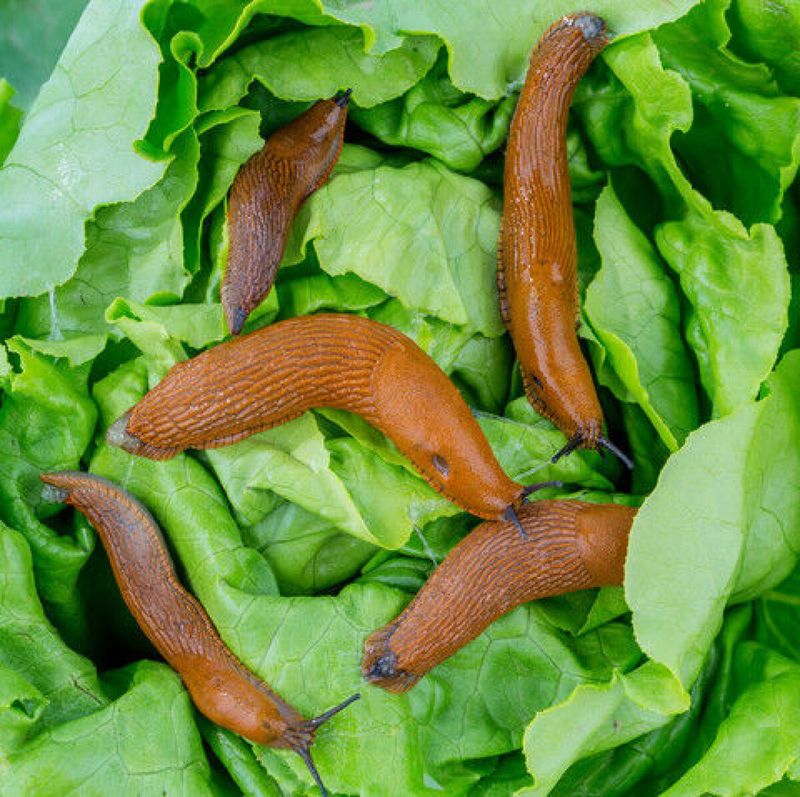
Rain is a gardener’s best friend most of the time, but it also rolls out the welcome mat for one of the worst pests this region has seen in years. The Spanish slug is built for wet conditions.
It moves faster, feeds more aggressively, and reproduces more successfully when moisture levels are high.
During dry spells, slugs tend to retreat into the soil or hide under mulch and debris where they can conserve moisture. But once the rain returns, they come back out in full force.
Extended rainy seasons, which are common across much of the Pacific Northwest, give this slug weeks or even months of ideal feeding conditions with very little interruption.
Overwatering your garden can also create slug-friendly conditions even during drier periods. Drip irrigation and soaker hoses that keep the soil surface constantly wet are essentially an open invitation.
Watering in the morning rather than the evening can help reduce surface moisture during the nighttime hours when slugs are most active.
Mulch, while beneficial for plants, also holds moisture and provides shelter for slugs throughout the day.
Dense ground cover, thick leaf litter, and boards or pots left on the soil all create the kind of cool, damp hiding spots this pest loves.
Managing your garden environment to reduce excess moisture is one of the most effective long-term strategies available.
Understanding how weather and watering habits affect slug activity helps you time your control efforts more effectively and reduce the conditions that allow populations to grow.
5. Young Seedlings And Tender Leaves Are Especially At Risk
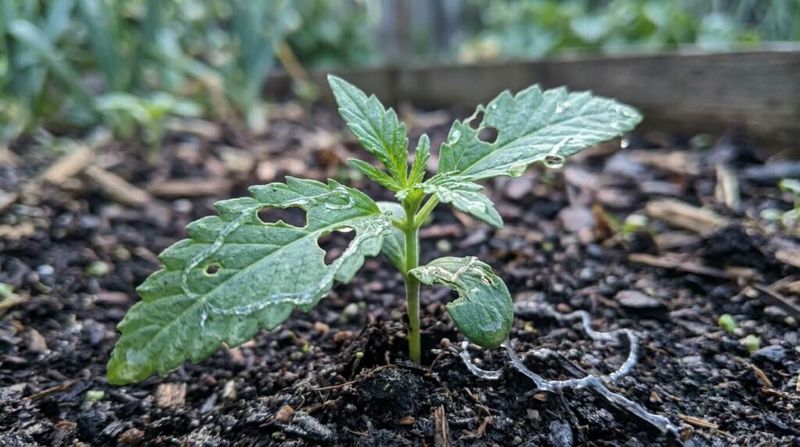
There is something especially discouraging about watching a seedling you carefully started indoors get destroyed the first week it goes into the ground. That is a reality many gardeners face when Spanish slugs are present.
Young plants have soft, tender tissue that is easy to chew through, and they have not yet developed the tougher cell walls that help older plants resist some feeding damage.
Seedlings in the cotyledon stage, which is the very first leaf stage, are the most vulnerable. A single slug can consume an entire small seedling in one feeding session.
Even partial damage to a very young plant can stunt its growth or leave it unable to recover properly.
Transplanting seedlings into the garden at larger sizes gives them a better chance of surviving some slug feeding without permanent setback.
Waiting until plants have at least four to six true leaves before moving them outdoors can reduce losses significantly.
Starting seeds in containers elevated off the ground also helps during the earliest stages of growth.
Protective barriers can make a real difference for young plants. Copper tape placed around raised beds or individual pots creates a mild deterrent because slugs dislike the reaction copper causes with their slime.
Crushed eggshells and diatomaceous earth spread around plant bases can also slow slug movement, though these need to be reapplied after rain.
Keeping a close eye on seedlings during the first two to three weeks after planting is the most important window for protecting your most vulnerable plants.
6. One Slug Problem Can Turn Into Many More
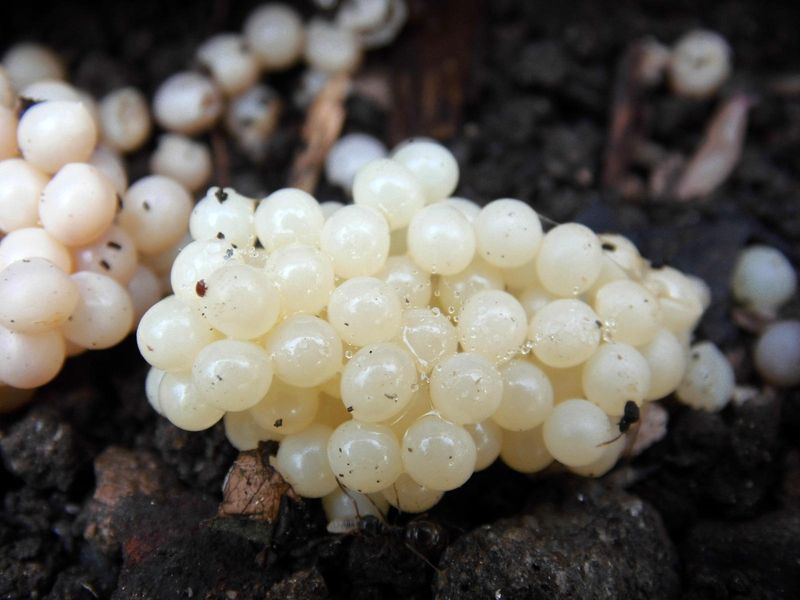
Here is something that might surprise you: one Spanish slug can lay up to 400 eggs in a single year.
That number alone explains why an infestation can go from manageable to overwhelming in just a few months.
Unlike some pests that require specific conditions to reproduce, this slug breeds readily throughout the cool, wet seasons that define much of the Pacific Northwest’s growing calendar.
Eggs are laid in small clusters just below the soil surface or hidden under rocks, boards, and thick mulch. They are small, round, and pale, making them easy to miss during routine garden work.
Soil disturbance during digging or planting often brings them to the surface, which is one reason why fall garden cleanup is so valuable for reducing next season’s population.
What makes the breeding cycle even more challenging is that Arion vulgaris can crossbreed with some native slug species.
This hybridization can produce offspring that inherit the Spanish slug’s aggressive feeding behavior along with traits that make them harder to manage.
Researchers in Europe have documented this pattern, and it raises real concerns for biodiversity and pest control in newly invaded regions.
Populations can also build up underground during dry or cold periods, only to emerge in huge numbers when conditions improve.
You might think the problem has faded, then suddenly face a wave of slugs that seems to appear from nowhere.
Staying consistent with monitoring and control throughout the year, not just during peak activity, is the key to keeping numbers from spiraling.
7. Nursery Plants And Soil Can Help Slugs Spread
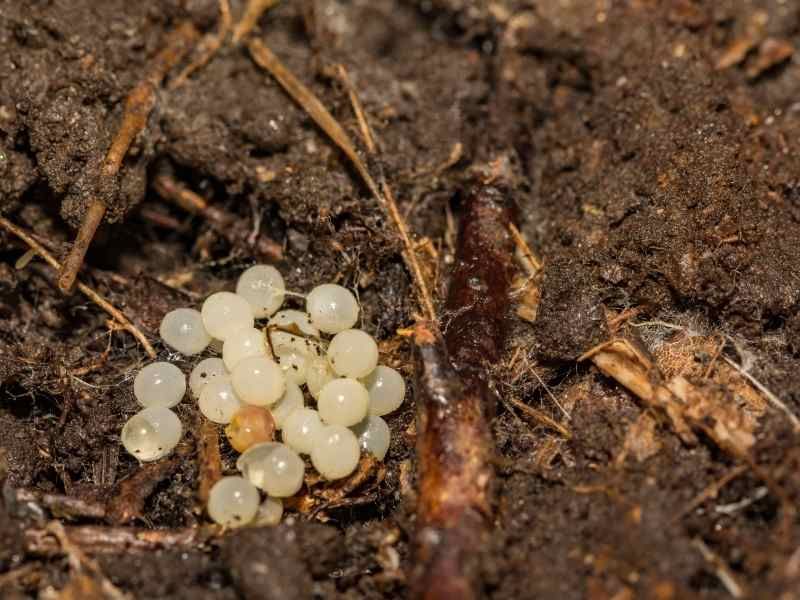
One of the sneakiest ways the Spanish slug travels from place to place is through the nursery trade.
Potted plants and bags of soil are common carriers of slug eggs, which are nearly impossible to spot without a very careful inspection.
A plant that looks perfectly healthy at the nursery might be hiding a cluster of eggs just below the surface of the potting mix.
This is how invasive species like Arion vulgaris can jump across large distances quickly. Someone buys a flat of seedlings, brings it home, plants everything out, and within weeks a new slug population is getting established in a yard that was previously free of them.
It is not anyone’s fault, but awareness of this pathway can help slow the spread.
Before bringing any new plant home, take a few minutes to check the soil surface and the underside of the container. Look for small round eggs or any signs of slug feeding on the leaves.
Removing the plant from its pot and examining the root ball is even more thorough, though not always practical at a busy nursery.
Buying from local growers who use integrated pest management practices reduces the risk somewhat.
Asking nursery staff whether they monitor for invasive slug species is a fair question, and more growers are becoming aware of the issue as the problem grows.
Being thoughtful about where your plants come from is a simple but genuinely effective way to avoid accidentally introducing this pest to a new area.
8. Night Checks Reveal The Damage Before Morning
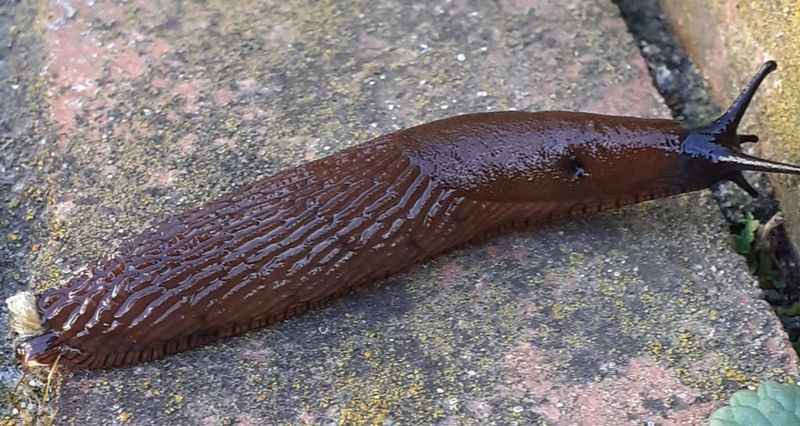
Slugs are creatures of the night, and the Spanish slug is no exception. It hides during the day and comes out after dark to feed, which means most of the destruction happens while you are asleep.
By the time morning arrives, the slug is already tucked away under debris or in the soil, and all you see is the aftermath.
Going out after dark with a flashlight is one of the most effective ways to understand how serious your slug problem really is.
A nighttime inspection, especially on a damp evening following rain, will show you far more slugs than you would ever find during the day.
What looks like a minor issue in daylight can turn out to be a major infestation once you see the actual activity level after dark.
Bringing a container of soapy water on your night checks gives you the option to collect and remove slugs on the spot. This method is simple, costs nothing, and can meaningfully reduce local populations when done regularly.
Focus on the areas around your most vulnerable plants first.
Keeping a log of where you find the most activity helps you identify hot spots in your garden.
Certain areas, like low spots that hold water or densely planted beds, tend to attract more slugs than others.
Knowing these patterns lets you focus your efforts where they will have the greatest impact.
Making nighttime checks a routine part of your gardening habit during the growing season gives you an honest picture of what is actually happening in your garden after dark.
9. Hand-Picking Still Matters When Numbers Are Low
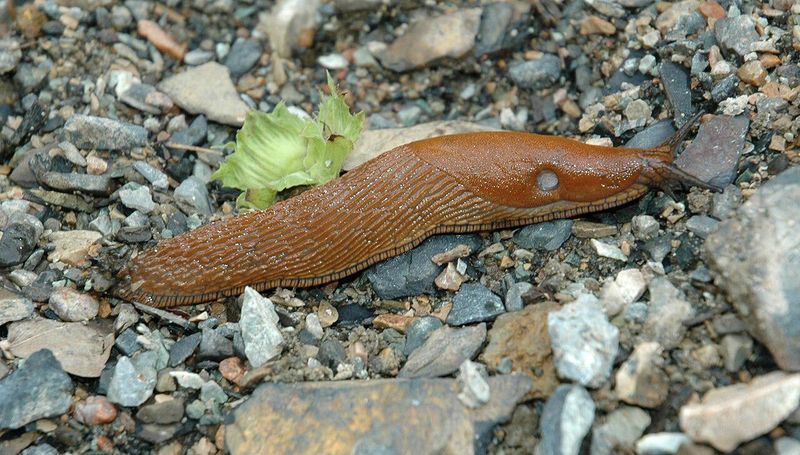
Old-fashioned methods still have a place in modern pest management, and hand-picking is a good example.
When you catch a slug problem early, before populations explode, physically removing slugs from your garden can make a real dent in the numbers. It takes some patience, but it works.
Wear gloves when you do this. The slime from the Spanish slug is particularly sticky and difficult to wash off bare skin.
Latex or rubber gloves make the job much more manageable. Drop the slugs into a bucket of soapy water, which will neutralize them quickly without requiring any chemicals at all.
Setting traps during the day makes nighttime collection easier. Boards, damp burlap, or overturned melon rinds placed near problem areas will attract slugs seeking shelter as morning approaches.
Lift the traps in the morning and collect what has gathered underneath. This technique can pull in surprising numbers of slugs with very little effort.
Yeast traps are another classic option that many gardeners swear by. A shallow container filled with yeast will attract slugs, which fall in and cannot escape. Empty and refill the traps every day or two for the best results.
None of these methods alone will solve a large infestation, but combining them with good garden hygiene and targeted use of baits creates a layered approach that is effective.
Starting with the simplest tools available is always a smart first move when managing any new pest.