Florida Native Edible Plants That Actually Produce Food In A Shady Yard
Shade is the excuse most Florida gardeners use to give up on growing food. No sun, no garden, end of story.
But that logic has a real hole in it. Florida has native edible plants that developed under tree canopies, in forest understories, and along shaded creek banks.
They were growing there long before anyone was trying to grow tomatoes in full sun. They are not just tolerating shade.
They prefer it. And several of them produce food that is genuinely worth eating.
Fruits, greens, roots, and berries that fed people in this region long before grocery stores existed. A shady yard is not a limitation.
It is just a different growing environment that most modern gardening advice ignores completely. The plants that belong in it are out there, productive and well-suited to exactly the conditions a heavily canopied yard provides.
Shade gardening and food production are not mutually exclusive in our state.
1. Plant Beautyberry For Jelly Fruit In Part Shade
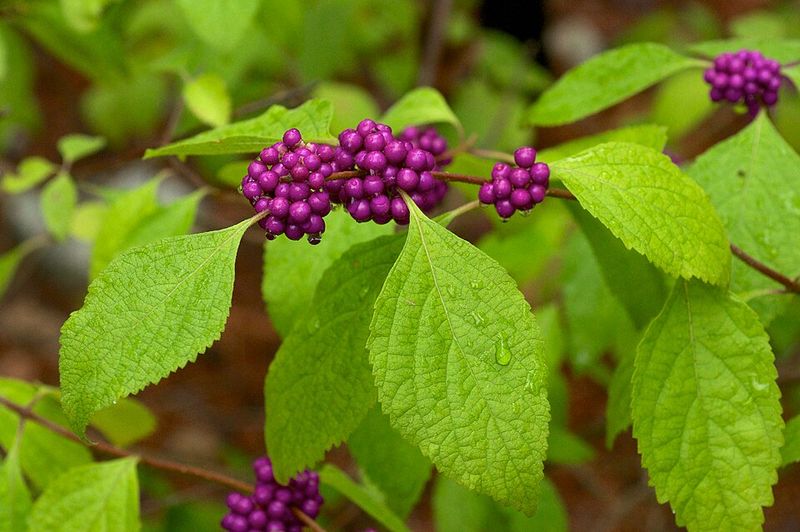
Those vivid purple clusters that seem to glow against the shadows of a shaded yard edge belong to American beautyberry, Callicarpa americana. Few native shrubs put on a show quite like this one in late summer and fall.
The berries grow in tight, bright bunches that wrap right around the stems, making them hard to miss even in low light.
According to UF/IFAS, American beautyberry can grow and fruit in part shade and is well suited to woodland-edge conditions common in shady yards. The berries are most often used to make jelly, and UF/IFAS supports that use specifically.
Fruit production may be lighter in heavier shade, so a spot with some filtered morning light will serve the plant better than a dark corner.
Birds love these berries and may clean off a branch before a homeowner gets the chance to harvest. Plan to pick clusters early if jelly is the goal.
Be sure the plant tag reads Callicarpa americana and not an imported species or nursery hybrid. Common names can be misleading, and only the native American beautyberry has the track record backed by local sources.
Buy from a reputable native nursery to be certain.
2. Choose Yaupon Holly For Caffeinated Leaves In Shade
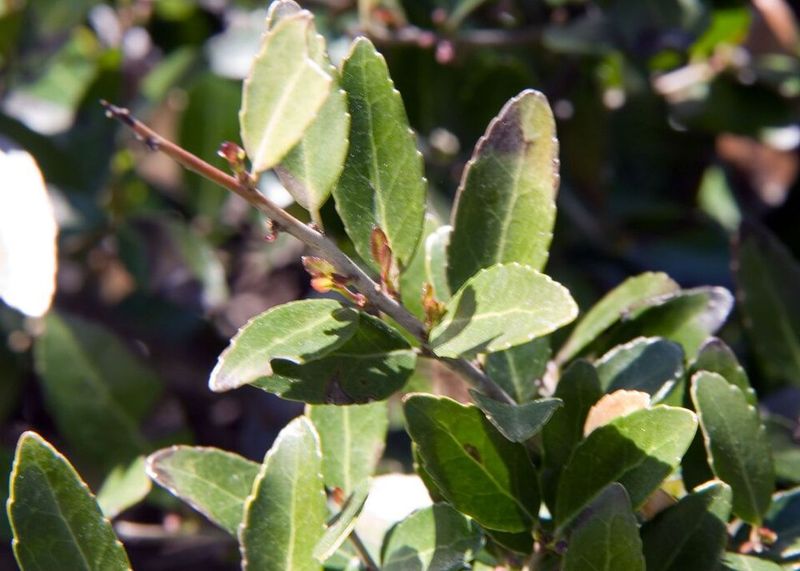
Imagine a shady hedge along a fence line that does double duty as a privacy screen and a source of homemade tea. That is exactly what yaupon holly, Ilex vomitoria, can offer in the right setting.
This native shrub is the only plant in North America with leaves that naturally contain caffeine, according to multiple sources including UF/IFAS.
The leaves are the edible-use part of this plant. The berries are not for casual eating and should not be consumed.
Yaupon can tolerate some shade, though its growth habit and leaf production may vary depending on how much light the site actually receives.
A bright, filtered-light location along a woodland edge or open fence line tends to work better than a dense, dark corner.
Your Florida Garden Changes Every Week. Your Plan Should Too.
Gardening in Florida changes quickly throughout the season. Every Friday you’ll receive a simple weekly plan showing exactly what to plant, prune, fertilize, harvest, and protect so you never miss the right timing.
Dried and lightly roasted yaupon leaves have been used to make a tea-like beverage by indigenous peoples for a very long time. The name vomitoria sounds alarming.
Researchers and UF/IFAS sources note that the plant was likely given that name due to ceremonial use at high volumes, not typical consumption. Harvest leaves from plants you have personally grown in clean soil, away from roads, runoff, or sprayed areas.
3. Grow Red Mulberry Where Light Shade Still Reaches
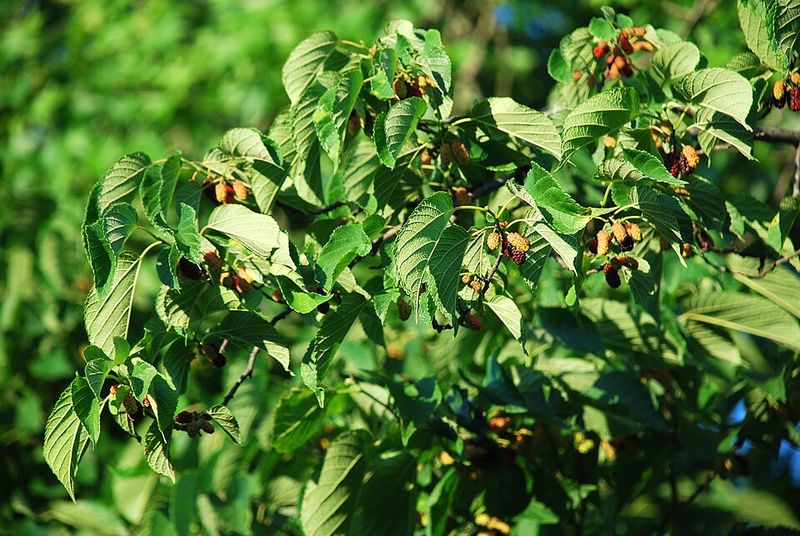
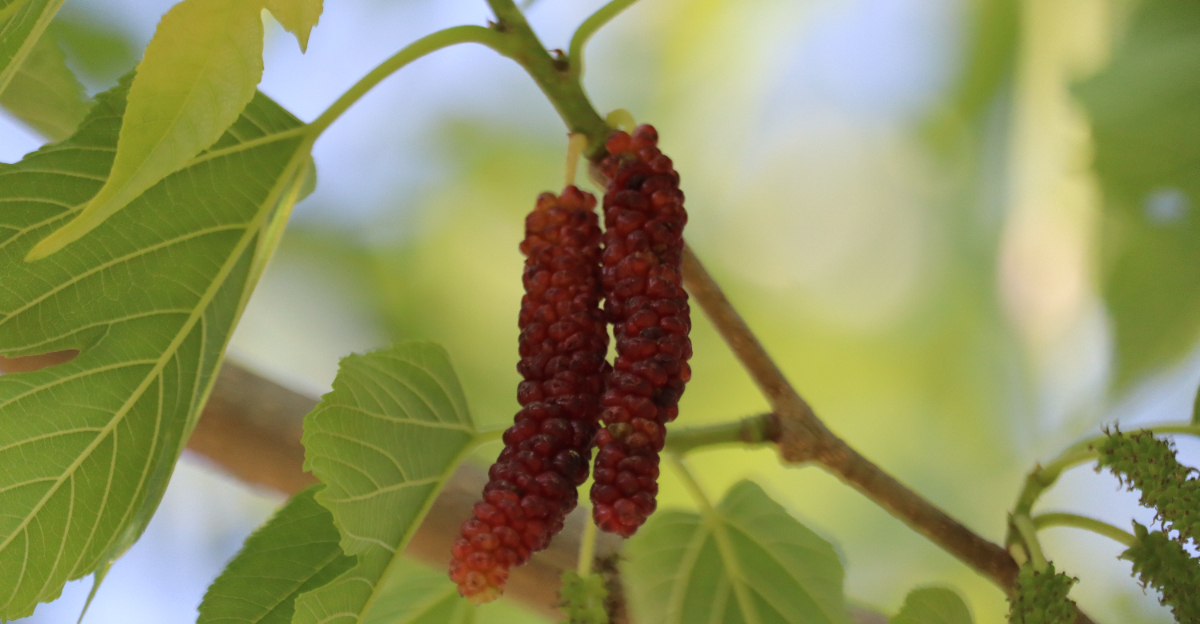
Birds always seem to find the ripe mulberries before people do. Walk under a native red mulberry tree in early summer and you will likely find stained ground, chirping branches, and fruit that disappears faster than expected.
Getting to the harvest first takes some planning, but the reward is worth it.
Native red mulberry, Morus rubra, can produce edible fruit and may tolerate light shade or woodland-edge conditions. UF/IFAS notes that red mulberry is a native tree found in moist, fertile sites, often along woodland edges where some canopy shade is present.
Fruiting is generally best where the tree receives enough light, so a densely dark corner is not a good match for this species.
Red mulberry needs room to grow and can drop significant amounts of fruit when in season. Avoid planting it near patios, driveways, or clean walkways where fallen berries will stain surfaces and create a mess.
A lawn edge near a fence or open woodland border gives it space while keeping the fruit drop manageable. The berries are sweet and can be eaten fresh or used in baked goods and preserves.
Always confirm the botanical name before planting, since white mulberry is a non-native invasive species found in similar settings.
4. Plant Maypop On A Bright Shaded Fence Or Trellis
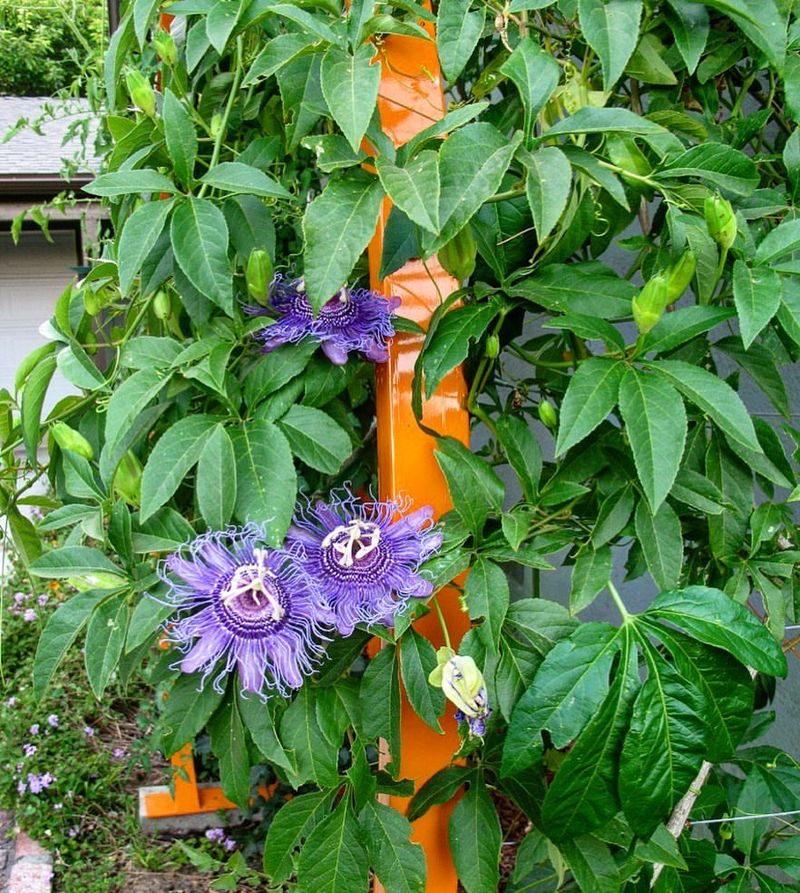
Along a bright fence line that catches filtered morning light but escapes the harshest afternoon sun, maypop can turn a bare structure into something genuinely useful.
Passiflora incarnata is the native passionflower of the southeastern United States.
Its fruit is edible, with a sweet-tart pulp that tastes a bit like a tropical fruit punch.
UF/IFAS supports maypop as a native vine with edible fruit. The flowers are also striking, with intricate purple and white blooms that attract pollinators.
Maypop needs a bright site, a sturdy support structure, and room to grow. A trellis, arbor, or fence rail works well.
Do not allow it to climb onto house siding, gutters, vents, or rooflines, where it can cause damage over time.
This vine grows vigorously and can spread by underground runners, so give it a defined space. Production in part shade is possible when the site gets enough ambient or filtered light, but deep shade will reduce both flowering and fruit set noticeably.
Harvest fruit when the skin begins to wrinkle slightly and the fruit gives a little when pressed. The yellow-orange pulp inside is the edible part.
Seeds can be eaten along with the pulp, similar to a passion fruit you might find at a grocery store.
5. Use Pawpaw In Northern Regions With Woodland Shade
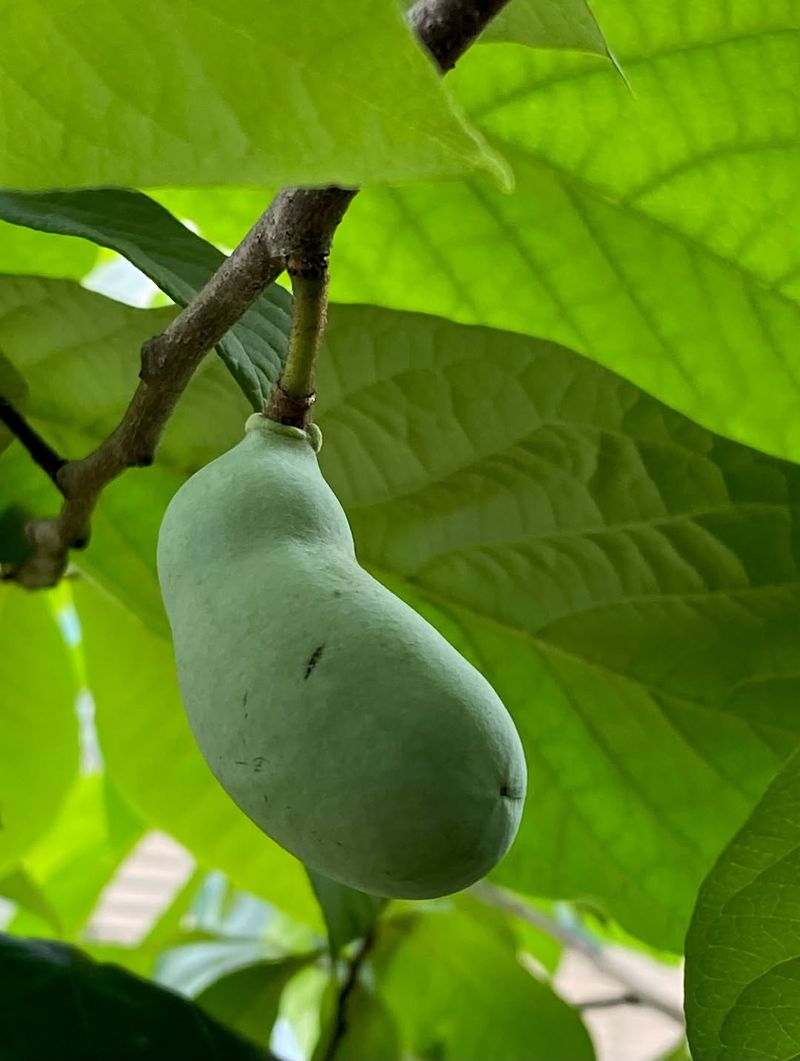
A shaded, woodland-style garden in the northern part of the state has something a sunny suburban lawn often does not. It offers the cool, moist, filtered-light conditions that native pawpaw species actually prefer.
Pawpaws are understory trees by nature, which makes them one of the more logical edible native choices for a shady yard with the right regional conditions.
Several Asimina species are native to this state. Asimina triloba, the common pawpaw, is better suited to northern regions where cooler winters provide the chill hours it needs.
UF/IFAS recognizes multiple native Asimina species, and some smaller species are found further south in scrub and sandhill habitats. Their fruit is smaller and less commonly used for food.
Knowing which species fits your specific region and habitat matters a great deal here.
Pawpaw fruit has a custard-like texture and a flavor often compared to banana and mango combined. Trees may need cross-pollination from another individual to produce fruit reliably.
Performance in shade depends on species, moisture levels, soil quality, and how much filtered light the site actually receives. Buy from a nursery that sells regionally appropriate, botanically labeled plants.
Placing a pawpaw in a wet, dark corner with no airflow will limit both growth and fruit production significantly.
6. Grow Elderberry Where Moist Part Shade Still Produces
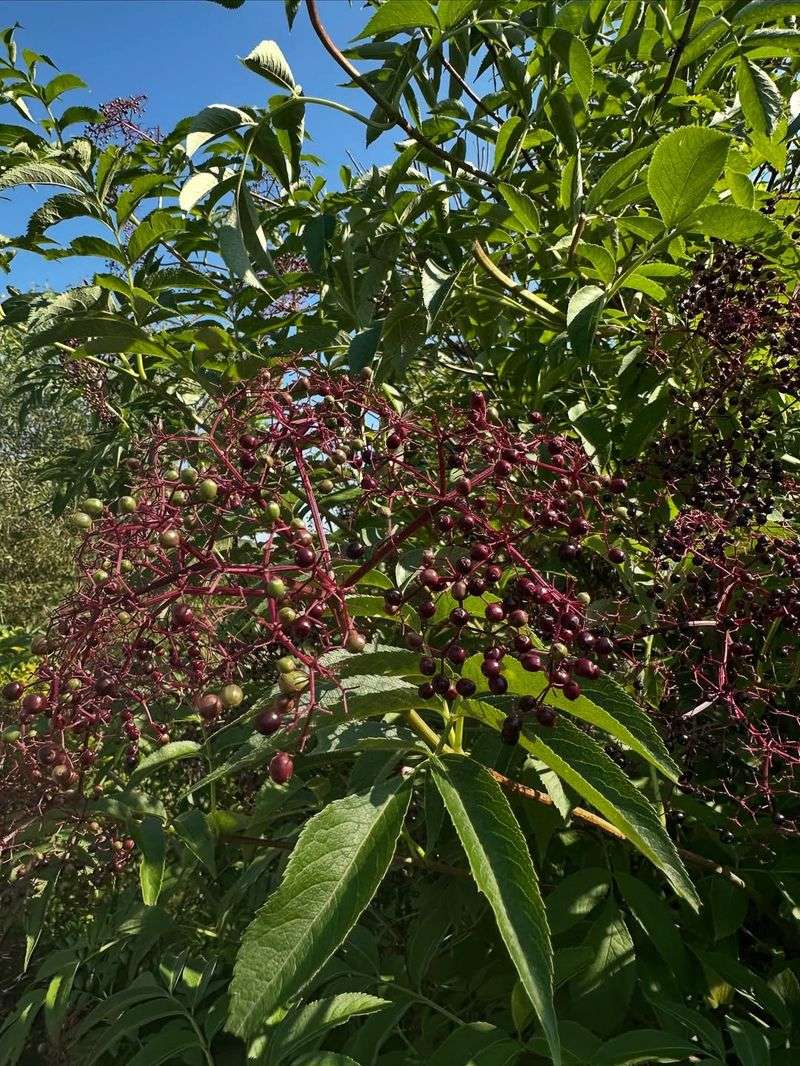
That moist strip along the back fence that gets morning light and then slips into afternoon shade might be the least-used space in the yard.
Native elderberry, Sambucus canadensis, is one of the few edible natives that actually fits that kind of site without much complaint.
It likes moisture, tolerates part shade, and produces both flowers and berries that have real culinary uses.
UF/IFAS recognizes Sambucus canadensis as a native species whose flowers and ripe berries are used in foods like syrups, jellies, and baked goods. Safe preparation matters here.
Raw elderberries, as well as the stems, leaves, and roots, are not safe to consume. Only properly cooked or prepared ripe berries and cooked flower uses are supported by sources.
Do not eat any part of this plant raw or assume all parts are edible.
Elderberry typically performs best with full sun to part shade and may produce fewer flowers and berries as shade increases. A site with at least a few hours of morning sun or bright filtered light will give better results than a dense, dark corner.
The shrub can grow quite large and spreads by suckers, so give it space. Harvest berries when they are fully dark and ripe, and always cook them before consuming.
7. Choose Pickerelweed For Edible Seeds In Wet Shaded Edges
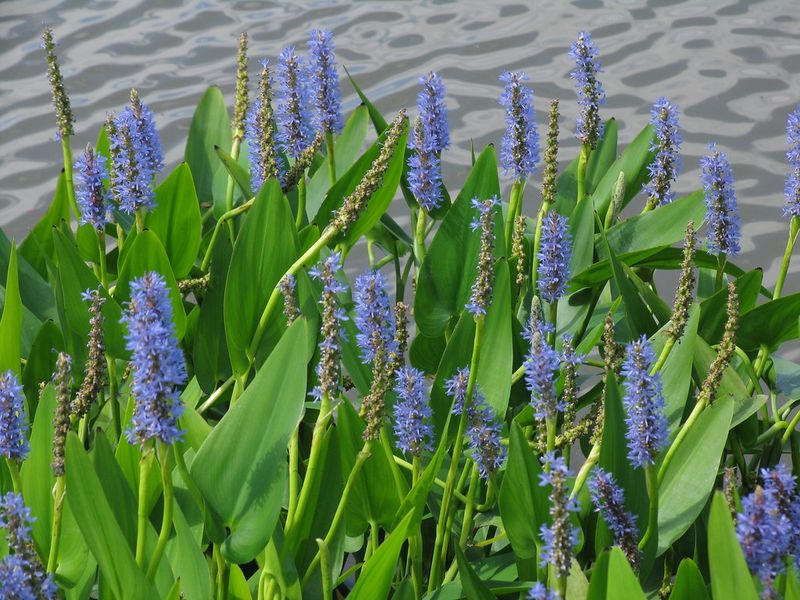
At the edge of a shaded pond or rain-garden margin, muddy soil stays wet and weedy plants keep creeping in. Pickerelweed offers a native alternative that actually gives something back.
Pontederia cordata is an aquatic native with edible seeds, and it fits wet, shallow-water edges far better than most plants on this list.
UF/IFAS and Florida-Friendly Landscaping sources recognize pickerelweed as a native aquatic plant suited to pond margins, shallow water, and wet edges. The seeds are edible and have been used as a grain-like food, eaten raw or roasted.
The young leaf stalks have also been noted as edible in some sources. This is strictly a wet-site plant and should not be planted in regular dry or moist garden soil where it will not thrive.
Pickerelweed can spread vigorously in the right wet setting. Use it in managed pond edges, controlled rain-garden borders, or appropriate shallow-water areas where its spread can be monitored.
Do not create stagnant water features just to grow it, since standing water without proper management can become a mosquito breeding problem. The blue-purple flower spikes are also attractive to pollinators, making this plant useful beyond just its edible parts.
Confirm the botanical name before harvesting, and only collect from clean, uncontaminated water sites.