What To Do With Illinois Peonies After They Bloom To Keep Them Thriving Next Year
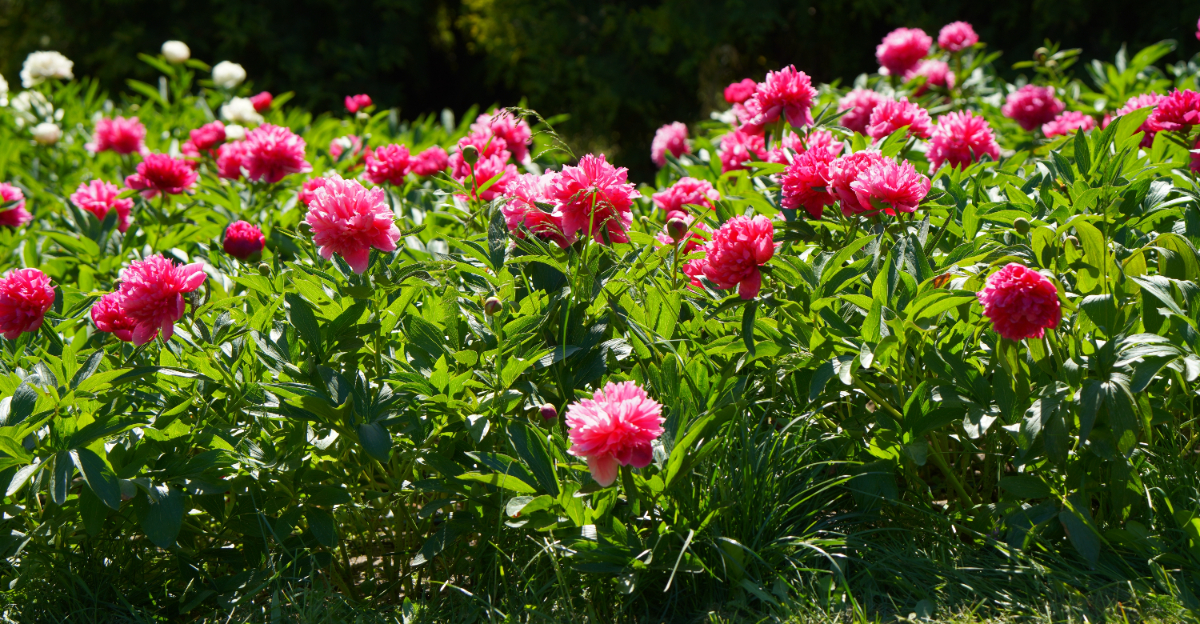
Illinois peonies are dramatic. They bloom hard for a few weeks in late spring, steal the show, and then go quiet.
Most gardeners stop paying attention right about now. That’s the mistake. What you do in the weeks after those last petals drop has a direct impact on what happens next May.
Peonies store energy in their roots all summer long, building up reserves for the next bloom cycle.
If you cut back too early, skip feeding, or ignore what’s happening underground, the plant goes into next year already behind. Illinois summers are hot and humid, and peonies feel that.
They’re not difficult to maintain after bloom, but they do need specific care at the right time. Get it right, and the flowers next year will be fuller and more abundant.
Get it wrong, and you’ll spend another season wondering why the blooms are sparse. Here’s what to do.
1. Cut Back The Spent Blooms As Soon As They Fade
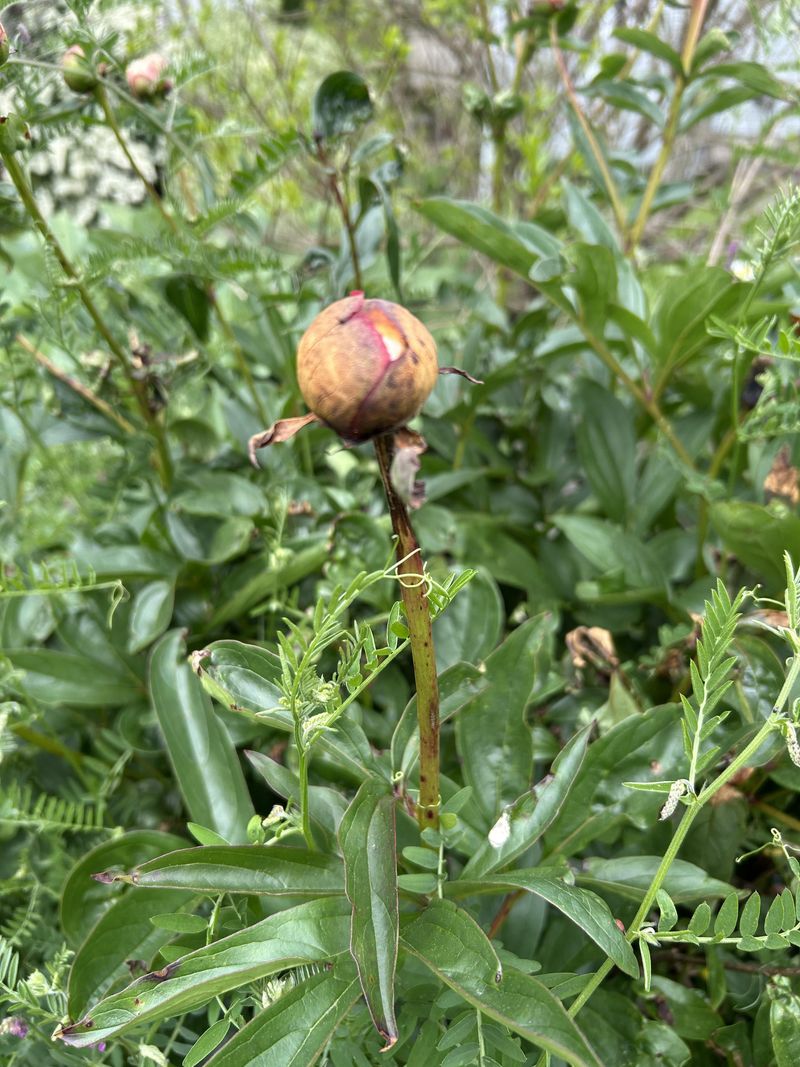
Snipping off spent blooms is one of the most satisfying garden tasks you can do. Those brown, drooping flower heads are not doing your plant any favors.
Once a peony bloom fades, the plant starts pouring energy into forming seeds. That seed production pulls resources away from root development. Cutting the bloom off redirects that energy back into the roots where it belongs.
Use clean, sharp pruning shears for this job. Dirty blades can introduce fungal spores right into an open cut. Wipe your shears with a diluted bleach solution between plants to keep things clean.
Cut the stem just below the spent flower head. You do not need to cut all the way down to the base at this point. The foliage still has important work to do through summer.
Do this task as soon as the petals start dropping. Waiting too long lets seed pods form and wastes plant energy. A quick snip every few days keeps things tidy and productive.
Gardeners sometimes skip removing spent blooms because the it looks fine from a distance. Up close, though, faded flowers invite botrytis fungus and other moisture-loving problems.
Removing them promptly keeps your plants healthier heading into the long Illinois summer. Think of removing spent blooms as a small gift you give your peonies.
They reward that effort with stronger roots and bigger blooms next spring. Your future self will thank you come May.
2. Leave The Foliage Alone Until Fall
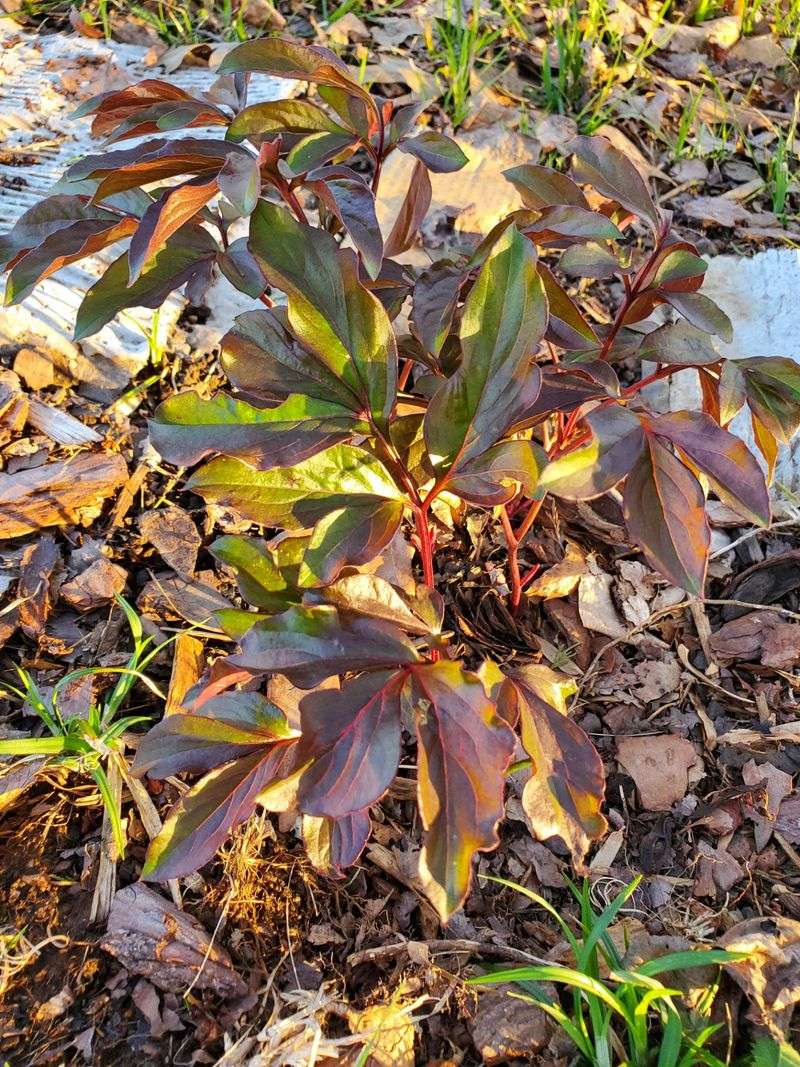
Peony leaves look plain after blooming season ends, but they are doing serious work underground. Cutting them back early is one of the biggest mistakes home gardeners make.
Those green leaves are capturing sunlight every single day. That sunlight gets converted into energy and stored in the roots. The stored energy is exactly what fuels next spring’s flower show.
Think of the foliage as a solar panel charging a battery. The longer those leaves stay green and healthy, the more power gets stored. Cutting them in July or August cuts the charging cycle short.
Your Illinois Garden Changes Every Week. Your Plan Should Too.
Gardening in Illinois changes quickly throughout the season. Every Friday you’ll receive a simple weekly plan showing exactly what to plant, prune, fertilize, harvest, and protect so you never miss the right timing.
Let the leaves do their job all the way through summer and into early fall. They will naturally start to yellow and brown as temperatures drop.
That color change is your signal that the plant is winding down on its own schedule. Some gardeners tuck the foliage behind other plants to hide it during the off-season.
Ornamental grasses or tall perennials work great as natural camouflage. The peonies stay productive while the garden still looks intentional.
Avoid pulling or yanking on the stems even if they look messy. Rough handling can damage the crown just below the soil surface. The crown is where next year’s buds are already forming right now.
Patience pays off here in a big way. Letting the foliage run its full course is one of the easiest and most impactful things you can do. Strong roots start with smart decisions made in summer.
3. Feed Your Peonies After Blooming To Rebuild For Next Year
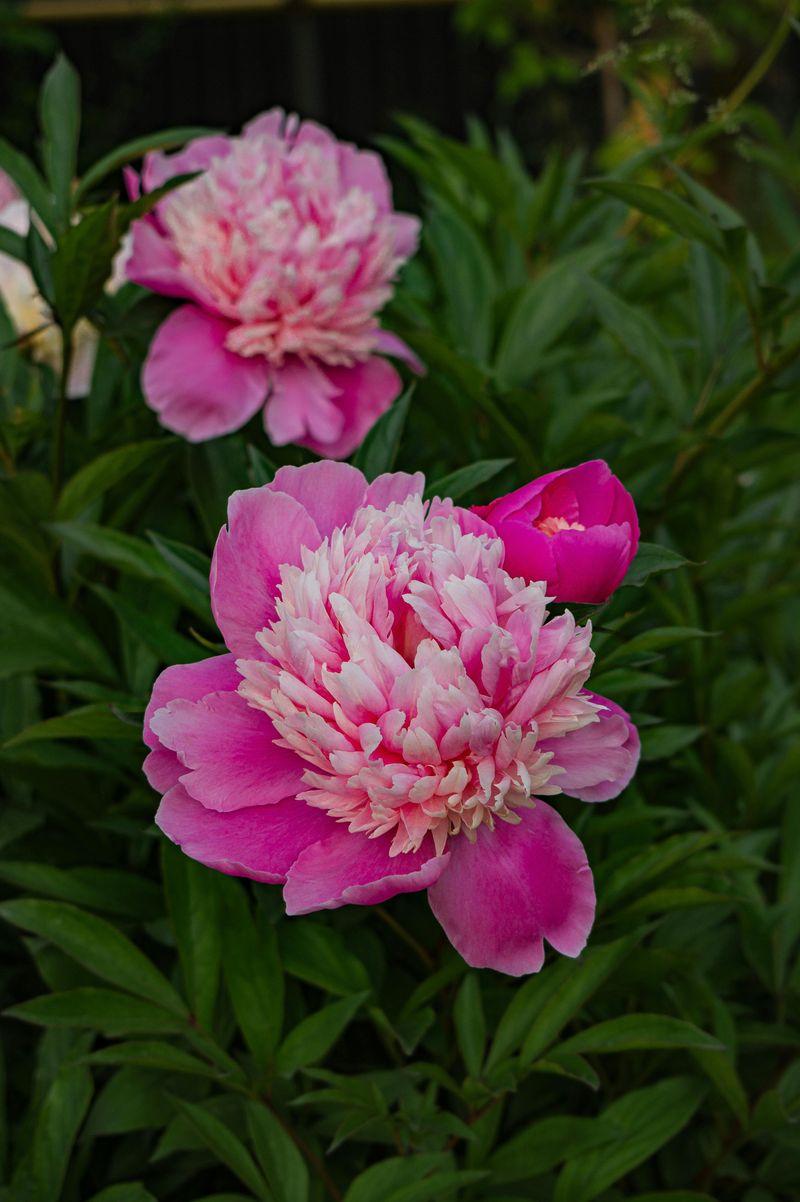
Image Credit: © Valentyna Ivanova / Pexels
Blooming takes a lot out of a peony plant. Feeding them right after the flowers fade helps them rebuild strength for the next growing season.
Choose a low-nitrogen fertilizer for this job. High nitrogen pushes leafy green growth, which looks nice but does not help flowering.
You want something that supports root development and bud formation instead. A balanced fertilizer like 5-10-10 or 10-20-20 works well at this stage.
The higher phosphorus and potassium numbers encourage strong roots and more flower buds. Apply it according to the package directions and do not overdo it.
Sprinkle the fertilizer in a ring around the plant, not directly on the crown. Fertilizer touching the crown can cause burning and damage.
Keep it a few inches away from the base and water it in thoroughly. Bone meal is another popular option among peony growers.
It releases nutrients slowly and adds phosphorus naturally to the soil. Many gardeners mix it into the top inch of soil right after blooming ends.
Feeding at the right time makes a noticeable difference in bloom quality the following spring. Plants that get post-bloom nutrition tend to produce more buds and larger flowers.
Those that get skipped often put out a weaker performance year after year. One well-timed feeding goes a long way for these plants.
Peonies are not heavy feeders, so one good application after blooming is usually enough. Keep it simple and your plants will respond beautifully.
4. Water Consistently Through Summer Even Without Blooms
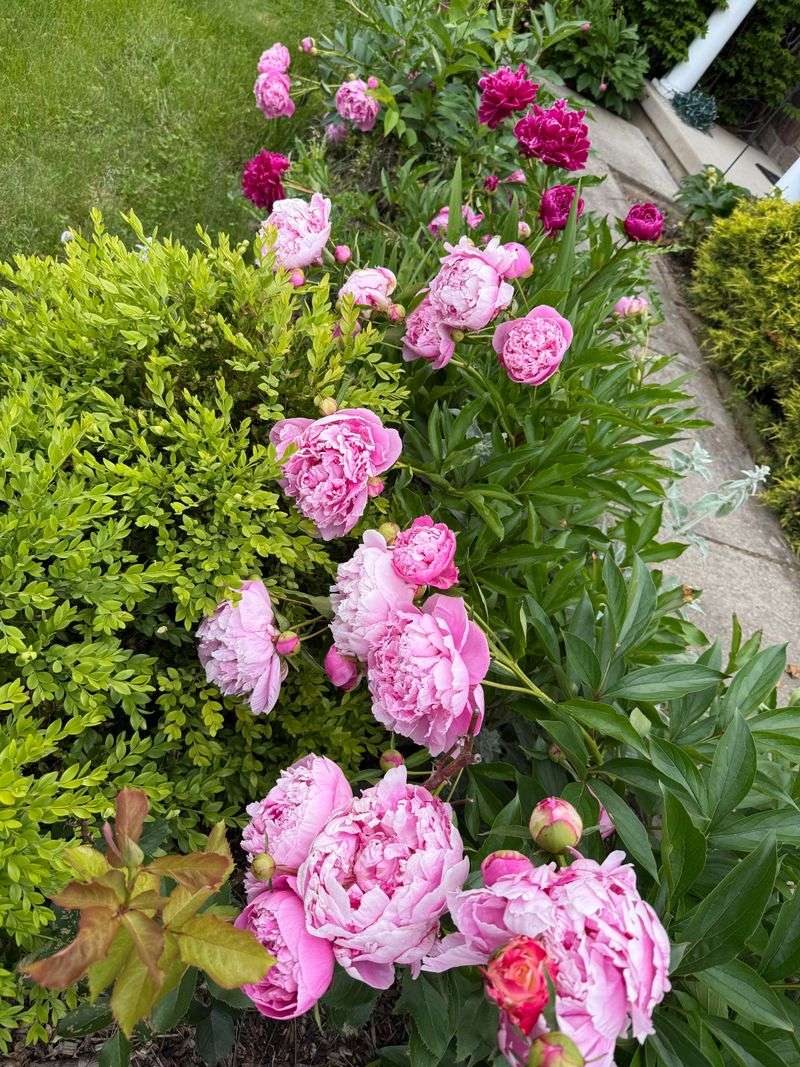
Out of sight, out of mind is a trap many gardeners fall into after peony season ends. The blooms are gone, so the watering routine gets forgotten. That is a costly mistake.
Peonies are busy underground all summer long. They are storing energy, developing next year’s buds, and expanding their root systems. All of that activity requires consistent moisture in the soil.
Aim for about one inch of water per week through the summer months. Rainfall counts toward that total, but Illinois summers can get surprisingly dry between storms. Keep an eye on the forecast and fill in the gaps yourself.
Water at the base of the plant rather than overhead. Wet foliage in warm weather creates the perfect environment for fungal problems. A soaker hose or drip line keeps moisture where it belongs, at the roots.
Morning watering is better than evening watering for the same reason. Any moisture on the leaves has time to evaporate before nighttime. Damp leaves sitting overnight are an invitation for botrytis and other fungal issues.
Sandy soils dry out faster and need more frequent watering. Clay-heavy soils hold moisture longer but can stay too wet if overwatered. Knowing your soil type helps you find the right rhythm for your garden.
Consistent summer watering is one of those quiet habits that pays off loudly in spring. Hydrated plants build bigger reserves and produce more flower buds. A little attention now creates a spectacular show next May.
5. Watch For Botrytis And Other Fungal Issues Before They Spread
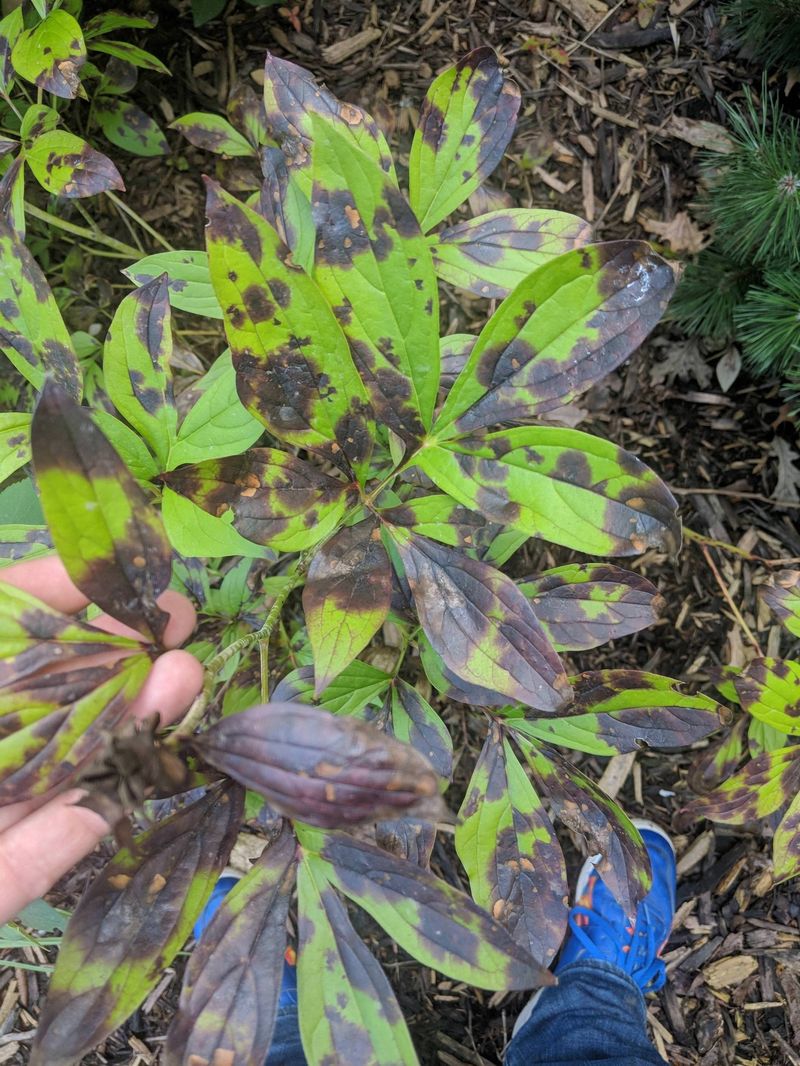
Botrytis blight is one of the most common problems peony growers deal with. It shows up as grayish fuzzy patches on stems and leaves, and it spreads fast in humid conditions.
Illinois summers bring exactly the kind of warm, wet weather that fungal problems love. Checking your plants regularly after bloom season gives you a chance to catch issues early.
Early action keeps small problems from becoming big ones. Look for wilting stems, brown spots, or that telltale gray fuzz on plant tissue.
Affected stems should be removed right away and disposed of in the trash. Never toss diseased plant material into your compost pile.
Good airflow around your plants reduces fungal risk significantly. Overcrowded clumps trap moisture and create humid microclimates at the base.
Thinning out congested growth helps air move through the plant more freely. A copper-based fungicide spray can help if you catch an infection early.
Follow the label directions carefully and reapply after heavy rain. Prevention is easier than treatment once a fungal problem takes hold.
Mulching around the base of the plant helps too, but keep mulch away from the crown itself. A layer of wood chips or shredded leaves moderates soil temperature and holds moisture evenly.
Just make sure the crown stays exposed to air and light. Healthy plants resist fungal attacks better than stressed ones.
Good watering habits, proper spacing, and clean pruning practices all reduce your risk. Staying observant through summer keeps your peonies on track for a strong return next year.
6. Stop Fertilizing By Late Summer To Prepare Plants For Dormancy
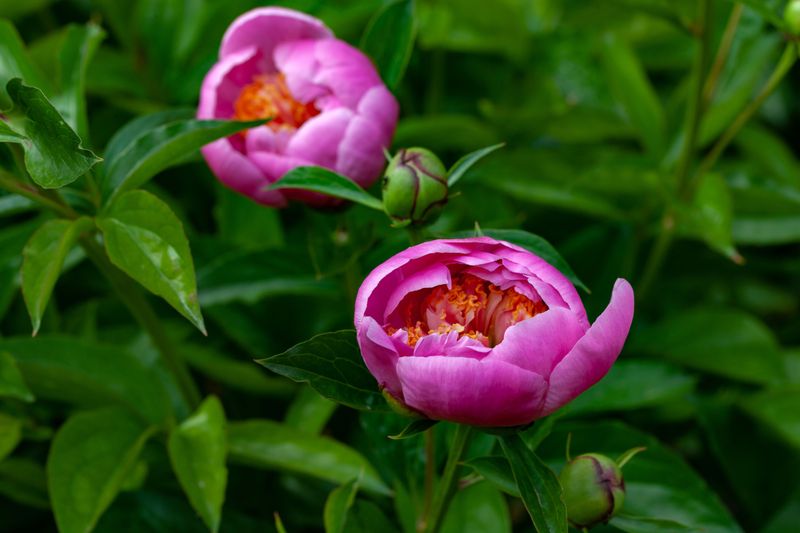
Image Credit: © Chiaroscuro / Pexels
Feeding your peonies too late in the season sends the wrong message to the plant. Late fertilizing encourages new tender growth right when the plant should be slowing down.
That soft new growth is vulnerable to frost damage. An early freeze can wipe it out and stress the plant heading into winter. The goal is to let the plant harden off naturally as fall approaches.
Most experts recommend stopping fertilizer applications by mid to late August in Illinois. The plant needs those final weeks of summer to shift gears toward dormancy.
Interrupting that process with extra nutrients causes more harm than good. Late-season fertilizing pushes soft new growth right when the plant needs to be slowing down.
Peonies need the same kind of respect for their natural rhythms. Working with those rhythms instead of against them makes all the difference.
If you used a slow-release fertilizer earlier in the season, check the label for its duration. Some products keep feeding for three to four months after application.
Knowing your product timeline helps you avoid accidentally over-feeding. Soil health matters here too. Healthy soil with good organic matter holds nutrients well and releases them gradually.
Adding compost in spring rather than synthetic fertilizer in fall is a gentler approach overall. Letting your peonies rest properly is an act of respect for the plant’s natural cycle.
A well-rested plant wakes up stronger, roots deeper, and blooms bigger. That is the kind of spring surprise worth waiting for.
7. Divide Overcrowded Clumps In Early Fall If Needed
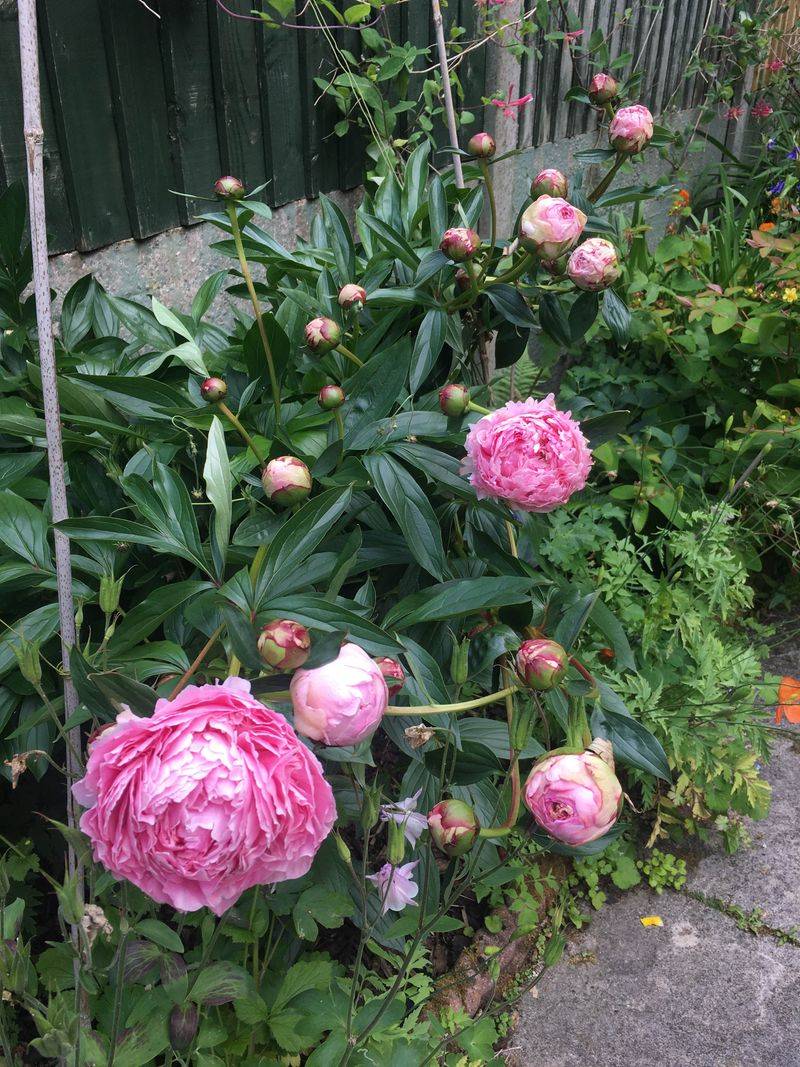
Peonies can sit in the same spot for decades without needing to be moved. But overcrowded clumps eventually start producing fewer blooms and smaller flowers.
That is your sign that a division is overdue. Early fall is the ideal window for dividing peonies in Illinois. Soil temperatures are still warm enough for roots to establish before the ground freezes.
Waiting too long into fall gives the divided sections less time to settle in. Start by cutting the foliage back to a few inches above the ground. Then use a garden fork to lift the entire clump out of the soil.
Work slowly and carefully to avoid snapping the thick, brittle roots. Shake off the excess soil and look at the root mass closely. Each division should have at least three to five eyes, which are the small pinkish buds on the crown.
Fewer than three eyes and the section may struggle to bloom for several years. Use a clean, sharp knife to cut the clump into sections. Rinse the roots with water to see the eyes more clearly if needed.
Planting depth is critical for peonies, so set each division with the eyes no more than one to two inches below the soil surface.
Planting too deep is one of the most common reasons peonies fail to bloom. Mark the planting depth carefully and resist the urge to go deeper.
A little patience after dividing goes a long way toward a blooming comeback. Dividing peonies feels like a big commitment, but the payoff is worth every muddy minute.
Fresh starts mean more blooms and healthier plants for years ahead.
8. Cut Back The Stems After The First Frost
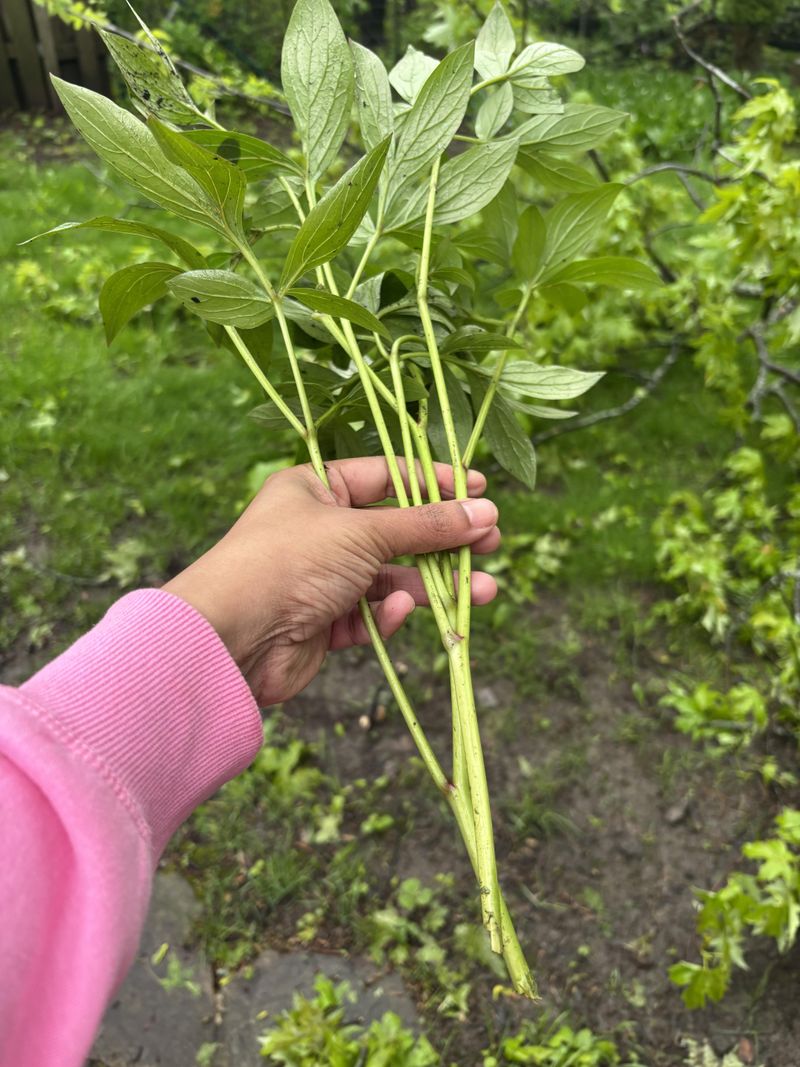
The first frost of fall is your green light to cut peony stems all the way back. By this point, the foliage has done its job for the season. The plant has moved its energy underground where it belongs.
Cut stems down to about two to three inches above the soil surface. Going lower risks damaging the crown, which holds all of next year’s buds. A clean cut at the right height protects what matters most.
Dispose of all cut stems and leaves in the trash, not the compost pile. Peony debris can harbor fungal spores that survive winter and reinfect plants in spring. Removing it entirely breaks that cycle before it starts.
After cutting back, some gardeners add a light layer of mulch over the crown area. Two to three inches of straw or shredded leaves provides insulation without smothering the plant.
Remove that mulch in early spring before new growth emerges. Marking the location of your peonies after cutting back is a smart habit. A small garden stake prevents accidental digging in that spot during fall cleanup.
Peony crowns sitting just below the surface are easy to damage with a careless shovel. Cleaning up after the first frost also gives you a chance to assess plant health.
Look for any signs of crown rot or pest damage before covering for winter. Catching problems now means you can address them before spring arrives.
Proper fall cutback is the final chapter in what to do with Illinois peonies after they bloom. End the season with clean beds and your plants will reward you with a breathtaking performance next year.