The Simple Habits Michigan Gardeners Use To Keep Astilbe Blooming Fuller Every Year
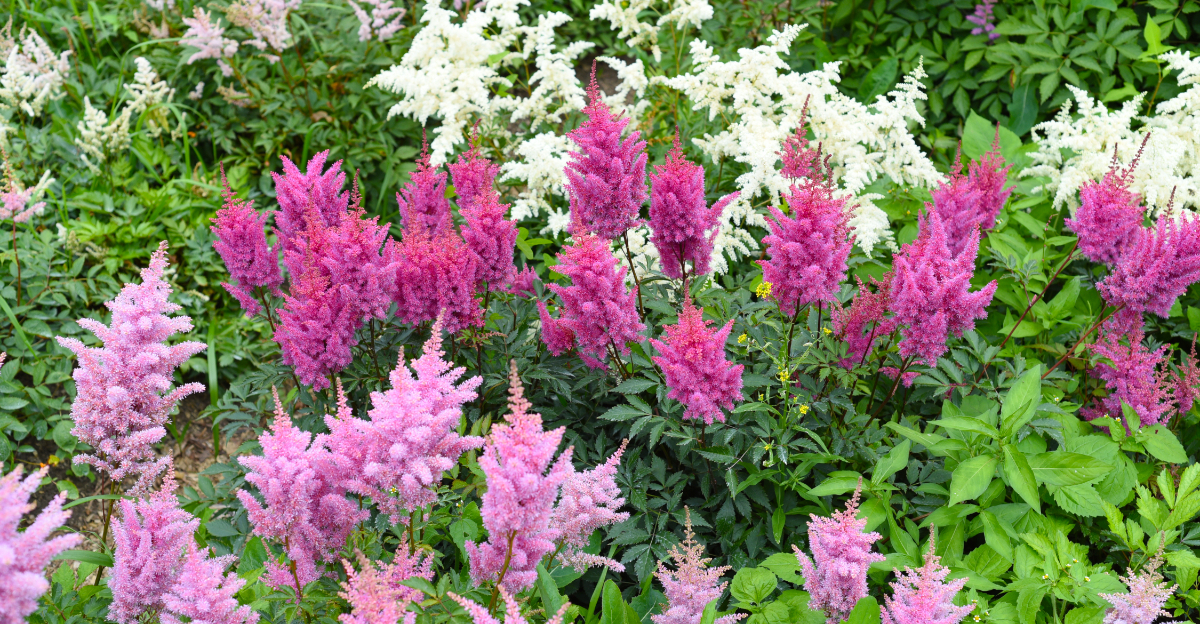
Astilbe is one of those plants that makes shady spots feel intentional and designed rather than like a problem area someone gave up on.
Those feathery plumes in pink, white, red, and purple show up reliably every summer and ask for very little in return.
But there’s a noticeable difference between astilbe that just survives and astilbe that genuinely thrives, and that gap tends to widen every year depending on a few habits that are easy to overlook.
Michigan gardeners who have figured out the right routine are getting fuller, more vibrant blooms on established clumps that look better with each passing season.
None of it requires special products or complicated techniques.
It’s mostly about timing, a little attention at the right moments, and avoiding a couple of things that seem harmless but gradually take a toll on how the plant performs.
1. Dividing Overcrowded Clumps Every Few Years
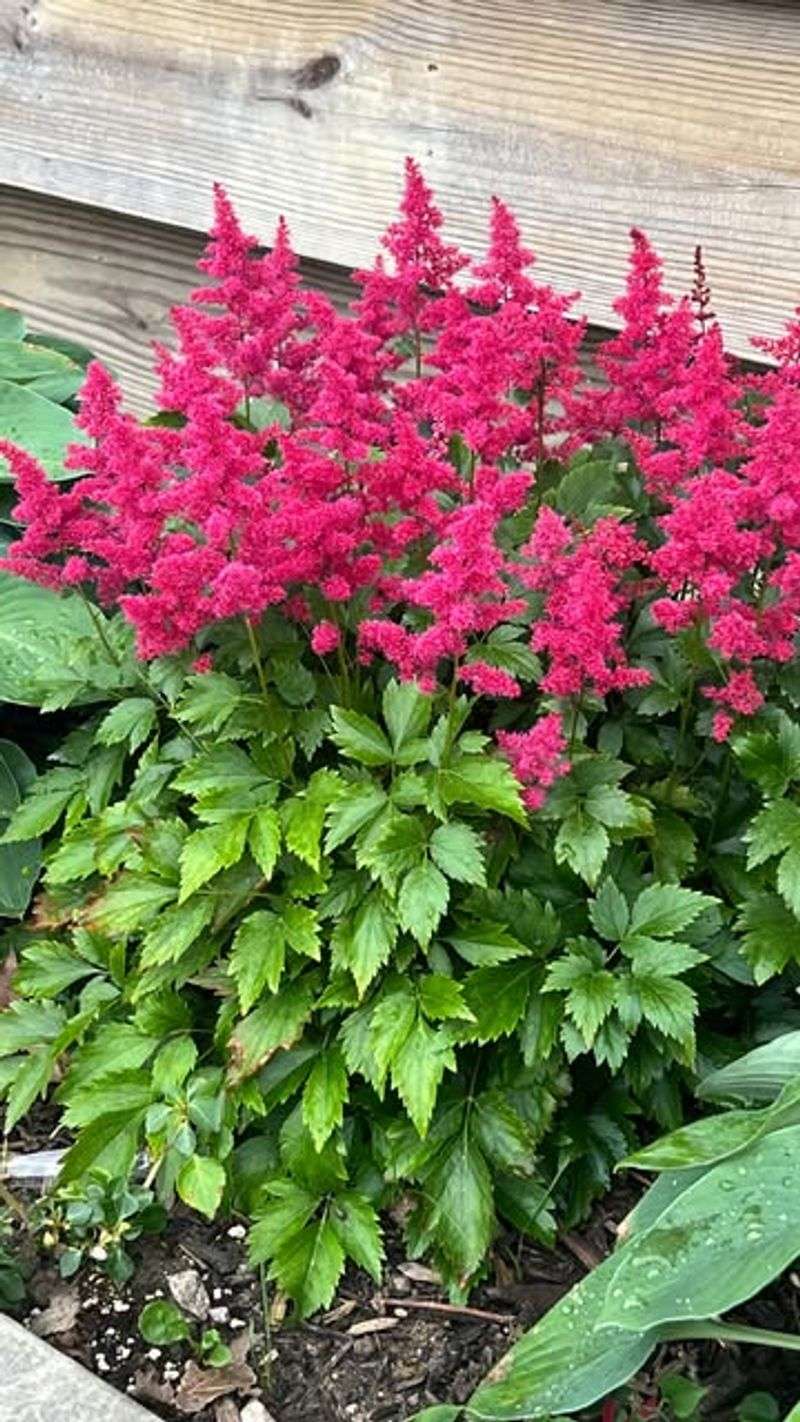
Over time, astilbe clumps quietly outgrow their space, and when they do, the blooms start to suffer.
A mature clump that has been sitting in the same spot for five or six years can become so packed and dense that the roots compete with each other for water and nutrients.
The result is fewer flowers, smaller plumes, and a plant that looks more tired than triumphant.
Michigan gardeners have learned that dividing those crowded clumps every three to four years is one of the best ways to reset the plant’s energy and encourage fuller flowering.
Early spring is the ideal time to do this, right when the first little red or green shoots start poking up through the soil.
You can use a sharp spade or garden fork to slice through the clump and separate it into healthy sections, each with several strong shoots attached.
Replanting the divisions with fresh compost worked into the soil gives each new section a strong start. Water them well after planting and keep the soil consistently moist while they settle in.
Most gardeners are pleasantly surprised by how quickly divided astilbe recovers and how much more vigorously it blooms the following season.
Think of division as giving your plant a fresh start it truly deserves.
2. Keeping Soil Consistently Moist
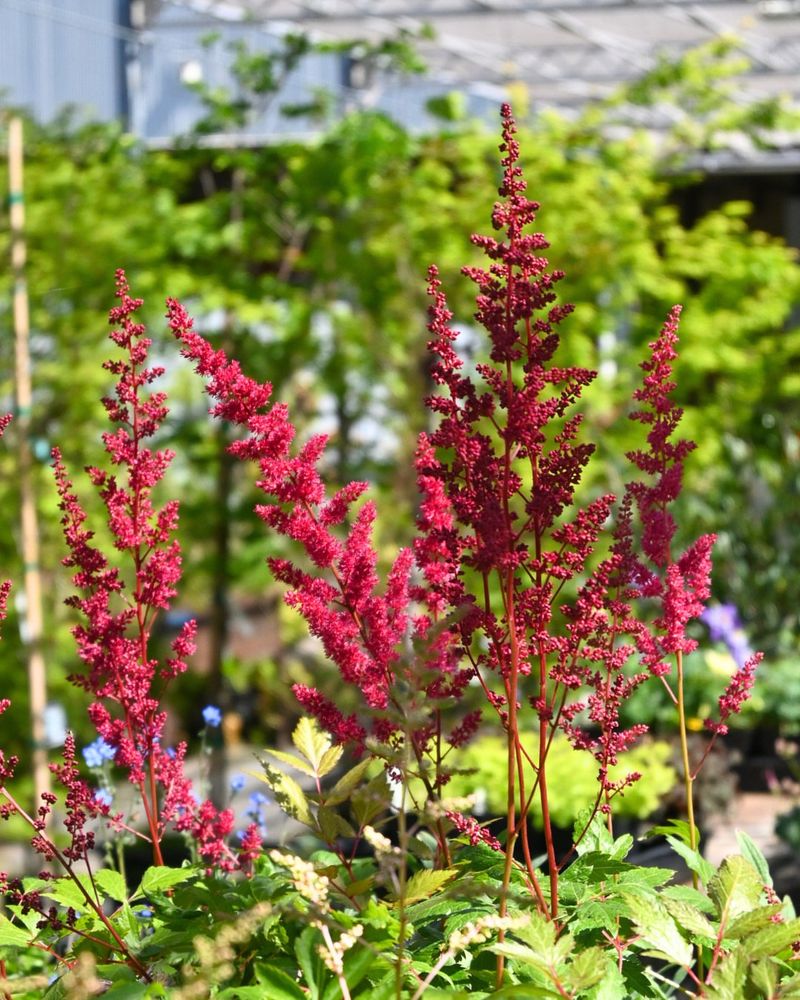
Astilbe has a reputation as a tough shade plant, but there is one thing it absolutely cannot handle well: dry soil.
Unlike many perennials that can bounce back after a drought, astilbe responds to moisture stress quickly and visibly.
Leaves start to scorch at the edges, plumes shrink, and the whole plant looks stressed even before summer really heats up.
Michigan summers can be surprisingly dry, especially in July and August when astilbe is still producing blooms or finishing up its flowering cycle.
Gardeners who keep a close eye on soil moisture during these weeks consistently report stronger, fuller plumes compared to those who water only occasionally.
The goal is not soggy soil, but evenly moist soil that never fully dries out between waterings.
One smart strategy is to check the soil about two inches down by pressing a finger into the earth near the base of the plant. If it feels dry at that depth, it is time to water.
Your Michigan Garden Changes Every Week. Your Plan Should Too.
Gardening in Michigan changes quickly throughout the season. Every Friday you’ll receive a simple weekly plan showing exactly what to plant, prune, fertilize, harvest, and protect so you never miss the right timing.
Drip irrigation or a soaker hose works beautifully for astilbe because it delivers water directly to the root zone without wetting the foliage.
Combining consistent watering with a good layer of mulch makes maintaining that steady moisture level much easier throughout the growing season.
3. Adding Compost Each Spring
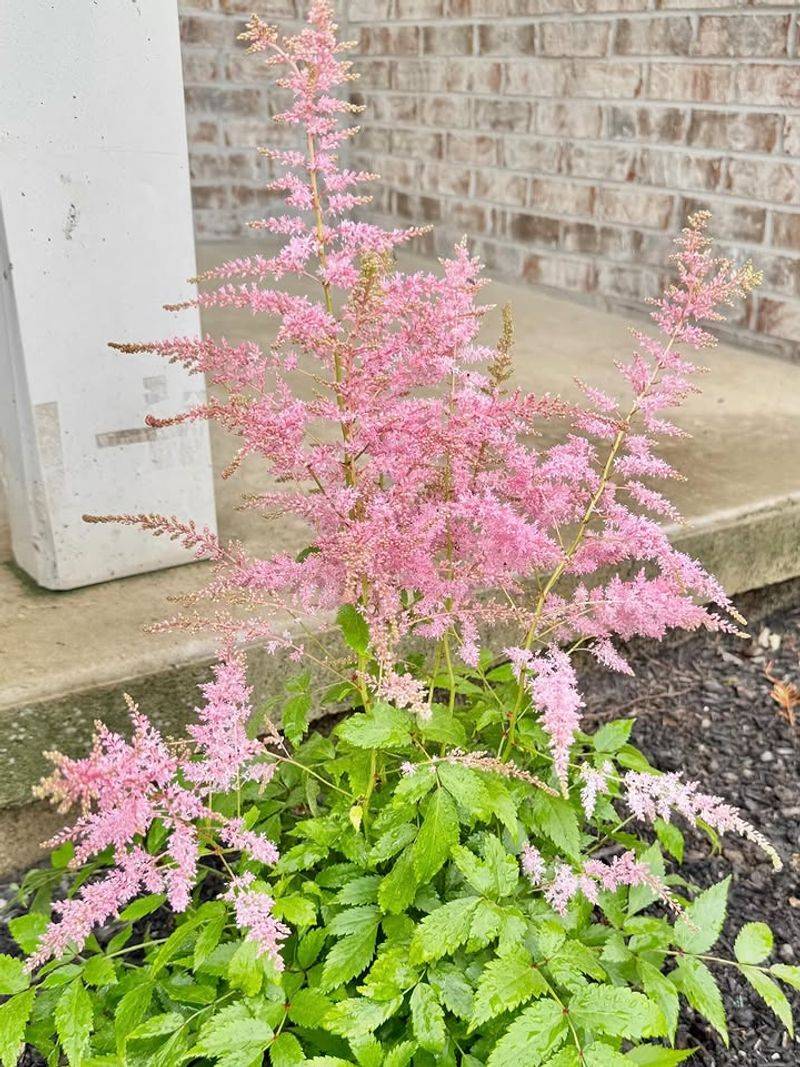
Compost might be the most underrated tool in any gardener’s arsenal, and for astilbe, it is practically magic.
A two to three inch layer of finished compost worked gently into the soil around your astilbe each spring does several things at once.
It improves soil structure, feeds beneficial soil organisms, and helps the ground hold onto moisture far more effectively through the warmer months ahead.
Michigan soils vary quite a bit across the state, ranging from sandy soils in the west to heavier clay soils in other regions.
Compost works as a natural equalizer, loosening clay and helping sandy soils retain water and nutrients.
Both situations benefit astilbe enormously, since the plant thrives when roots can spread freely through rich, well-structured soil.
The best part about compost is that it feeds your astilbe slowly and gently, releasing nutrients over weeks and months rather than all at once.
This steady supply of organic matter supports healthy root development and encourages the plant to channel its energy into producing those magnificent flower plumes rather than just surviving in poor conditions.
You do not need to spend a lot of money on fertilizers when compost is doing such reliable work. Starting each season with a fresh compost application is one of the simplest habits you can build for long-term astilbe success.
4. Growing Astilbe In Bright Shade
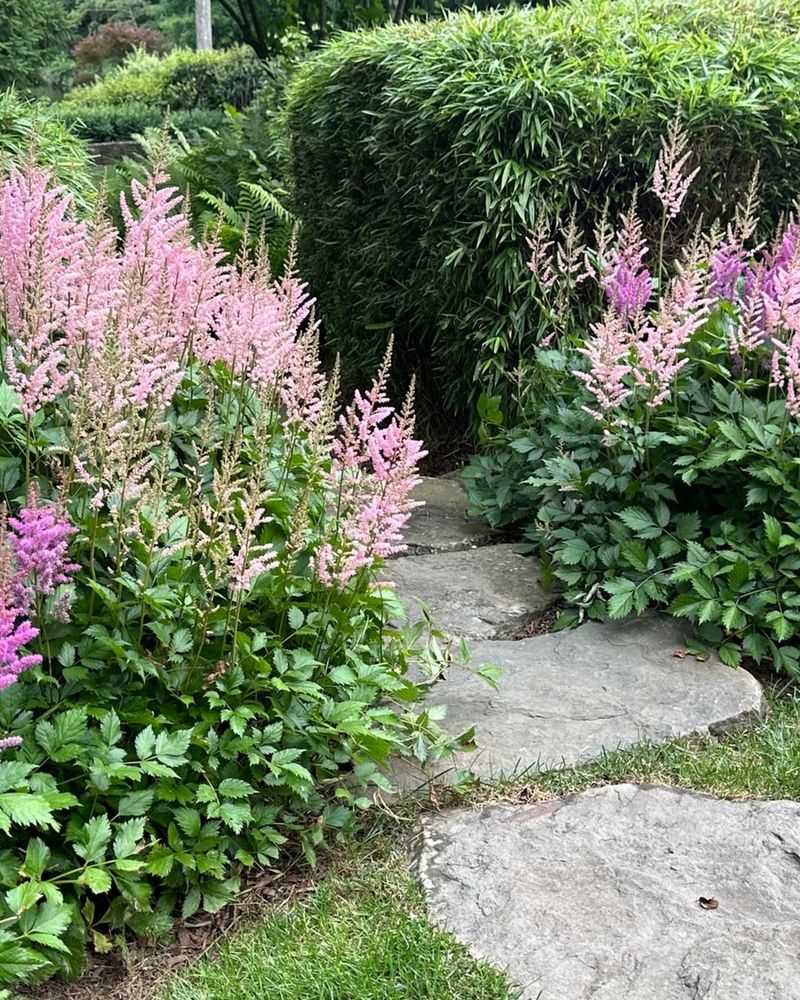
Shade gardening sometimes gets a bad reputation, as if growing plants without full sun means settling for less. Astilbe completely flips that idea on its head.
In fact, the right kind of shade is not just acceptable for astilbe, it is exactly what the plant needs to produce its most impressive blooms.
Bright shade or morning sun with afternoon shade is the sweet spot for astilbe in Michigan gardens. Too much deep shade limits photosynthesis and results in sparse, weak plumes.
On the flip side, intense afternoon sun, especially during Michigan’s hottest weeks in July, scorches the foliage and stresses the plant so much that bloom quality drops noticeably.
A spot under a high-canopy tree that allows filtered light to reach the plant throughout the day is ideal.
East-facing beds that catch gentle morning sunlight and then rest in shade during the hottest hours often produce the most vibrant and full astilbe plumes.
Many Michigan gardeners have discovered this through trial and error, moving their plants from deep shade to brighter spots and watching the transformation happen within a single season.
Paying attention to how light moves through your yard at different times of day can help you find that perfect location where astilbe truly thrives and rewards you with stunning seasonal color.
5. Mulching Before Summer Heat Arrives
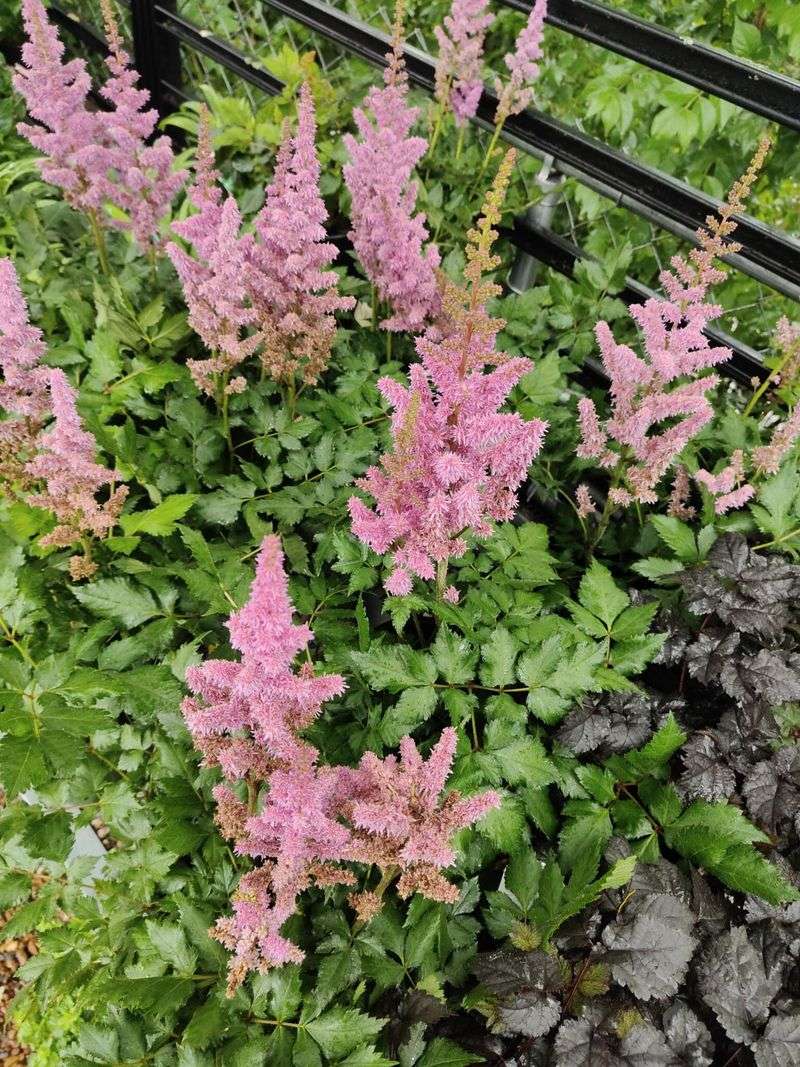
Timing matters more than most gardeners realize when it comes to mulching astilbe.
Applying a fresh layer of mulch in late spring, just before Michigan’s summer heat kicks in, creates a protective barrier that benefits the plant all season long.
Think of it as giving your astilbe a cozy blanket that keeps its roots cool, calm, and hydrated when temperatures climb.
Shredded bark, wood chips, or shredded leaves all work well as mulch materials around astilbe.
A two to three inch layer applied evenly around the base of the plant, but kept a few inches away from the crown itself, is the right amount.
Too little mulch and the soil dries out quickly between waterings. Too much piled directly on the crown can cause moisture-related issues with the plant’s base.
Beyond moisture retention, mulch also suppresses weeds that would otherwise compete with astilbe for water and nutrients.
Fewer weeds means less work for you and more resources for your plant. Over time, organic mulches like shredded leaves and wood chips break down and improve the soil beneath them, which is an added bonus.
Michigan gardeners who mulch consistently year after year notice that their astilbe plants stay healthier, bloom more reliably, and require far less rescue watering during dry stretches.
It is one of the easiest habits to build and one of the most rewarding.
6. Preventing Tree Root Competition
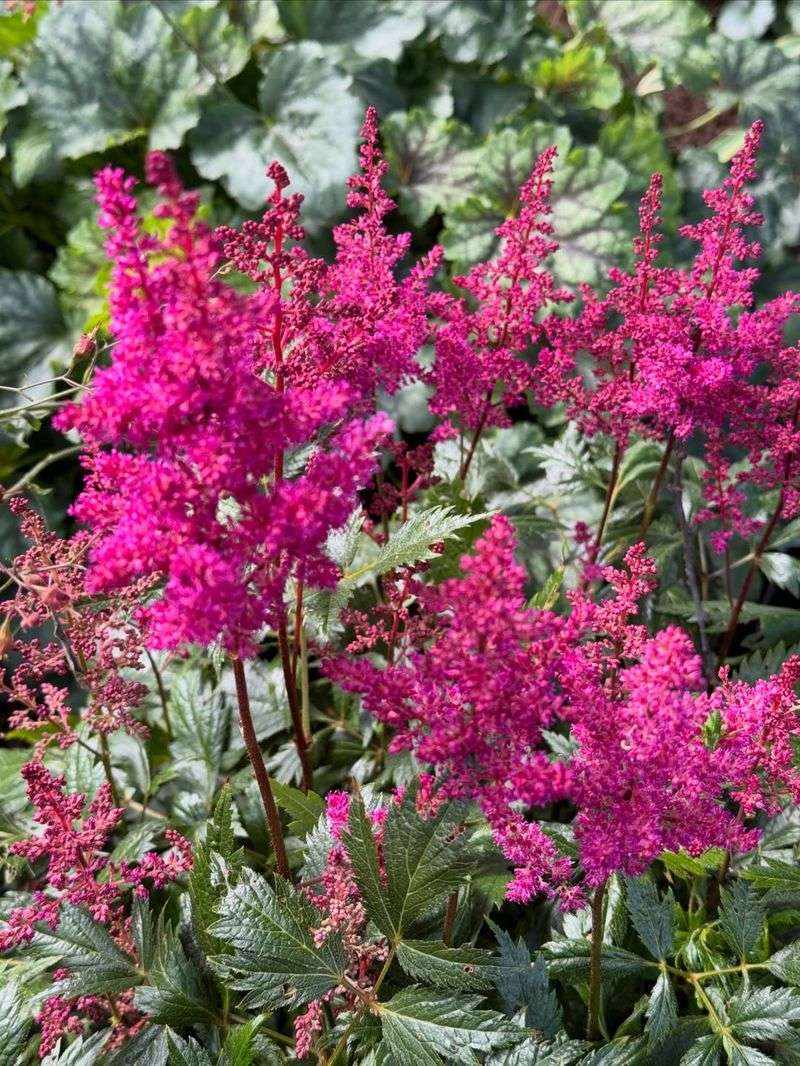
Planting astilbe near a beautiful old maple or oak tree sounds like the perfect pairing, and visually it often is.
The problem is that large, established trees are incredibly efficient at pulling moisture and nutrients from the surrounding soil.
Their roots spread far and wide, often well beyond the tree’s canopy edge, and they are remarkably good at outcompeting smaller plants for every available resource.
Astilbe planted too close to a large tree often struggles silently. The plumes may be shorter than expected, blooming may be inconsistent, and the foliage can look a little lackluster even when everything else seems right.
Michigan gardeners who have moved astilbe away from heavy tree root zones frequently report an almost immediate improvement in plant vigor and bloom size.
If you love the look of astilbe near trees but cannot avoid some root competition, raised beds or deeply amended planting areas can help create a buffer zone with richer, more moisture-retentive soil.
Adding compost generously and mulching heavily in these areas also helps compensate for the extra competition.
Choosing planting spots at the outer edge of a tree’s canopy rather than directly beneath it gives astilbe a much better chance of thriving.
Site selection is one of those foundational decisions that shapes how well your astilbe performs for years to come, so it is worth thinking through carefully before you plant.
7. Watering Deeply During Dry Periods
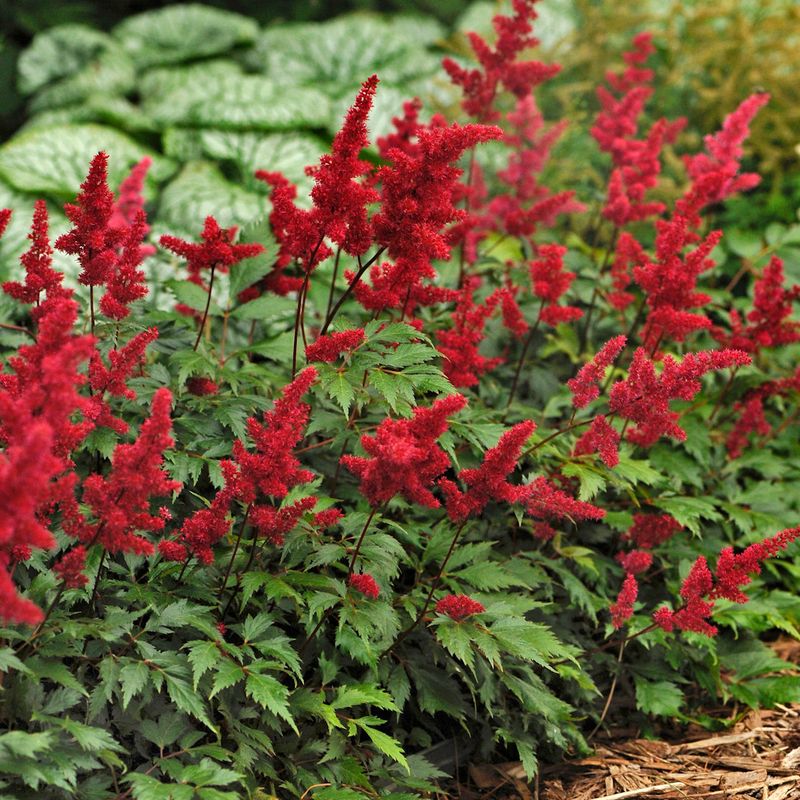
There is a big difference between watering your astilbe and actually giving it what it needs.
Many gardeners make the mistake of watering lightly and frequently, which only wets the top inch or two of soil.
That might feel like enough, but astilbe roots reach much deeper than the surface, and shallow watering never fully satisfies the plant during dry stretches.
Deep watering, where moisture penetrates six to eight inches down into the root zone, encourages roots to grow deeper and stronger.
Deeper roots are naturally more resilient during dry spells because they can access moisture that surface roots never reach.
Michigan gardeners who switch from frequent light watering to less frequent but thorough deep watering often notice a real improvement in how well their astilbe handles dry summer weeks.
A soaker hose or drip irrigation system is the most efficient way to deliver deep watering directly to the root zone.
Running the system for a longer period at lower pressure allows water to soak in gradually rather than running off the surface.
Hand watering with a slow, steady stream at the base of the plant also works well for smaller gardens.
Checking soil moisture a few inches down before and after watering helps you calibrate how long to water and ensures your astilbe is getting genuinely thorough hydration every single time you turn on the hose.
8. Avoiding Excess Nitrogen Fertilizer
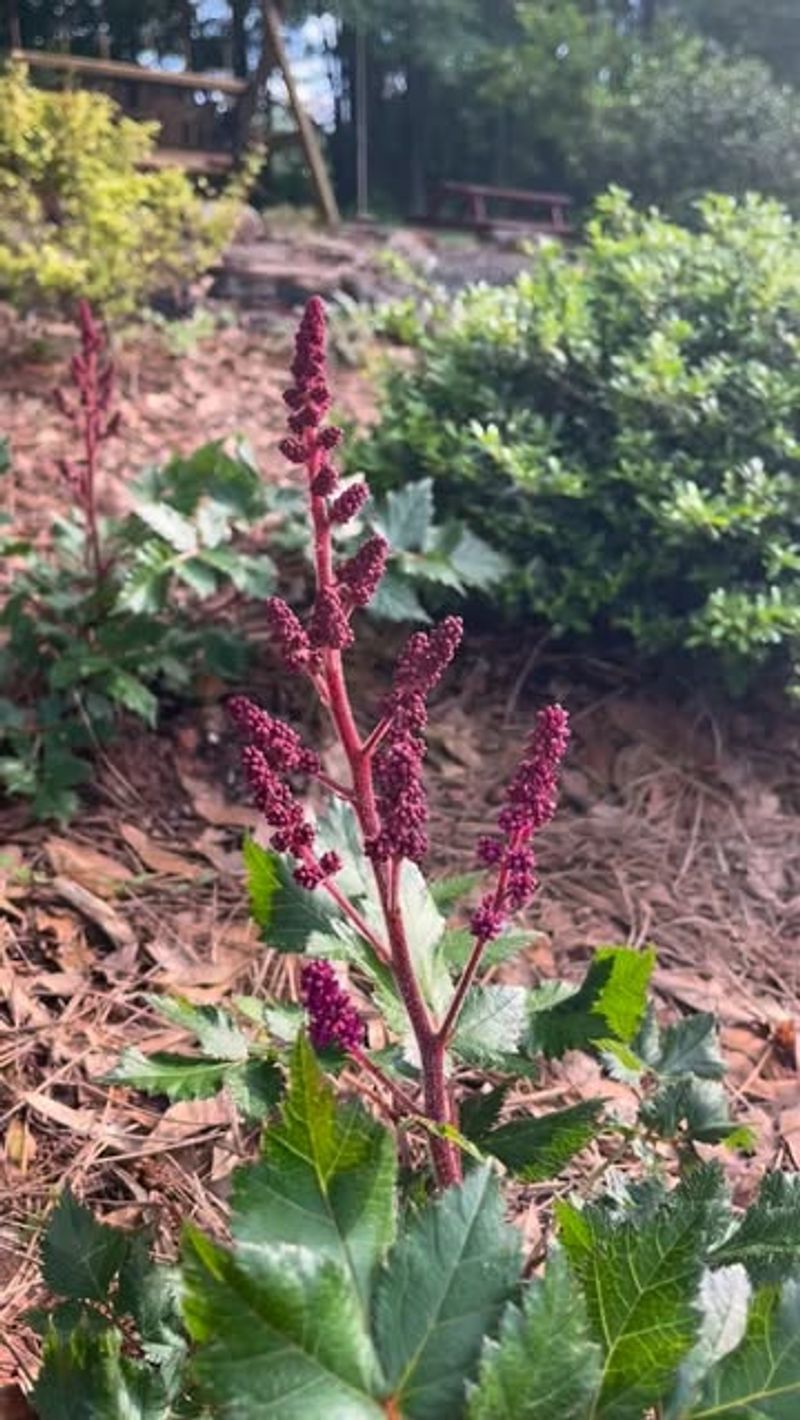
Fertilizing your garden feels productive, and it is easy to assume that more nutrients mean better results.
With astilbe, though, too much of a good thing, especially nitrogen, can actually work against you.
Nitrogen is the nutrient responsible for pushing leafy, green growth, and when levels are too high, plants put all their energy into producing foliage rather than flowers.
Astilbe that receives heavy nitrogen applications often looks lush and impressively green but produces disappointing plumes.
The foliage grows thick and full while the flower stalks remain short or sparse.
Michigan gardeners who have experimented with different fertilizer approaches consistently find that a balanced, slow-release fertilizer or a simple compost application outperforms heavy synthetic nitrogen feeding when it comes to bloom quality.
A balanced fertilizer with equal or near-equal ratios of nitrogen, phosphorus, and potassium, applied once in early spring, is usually all astilbe needs to support healthy growth and strong flowering.
If you are already adding compost each year, you may not need any additional fertilizer at all.
Astilbe is not a heavy feeder, and it responds much better to steady, moderate nutrition than to occasional heavy doses.
Keeping fertility balanced rather than nitrogen-heavy is a simple shift in habit that can genuinely transform how full and vibrant your astilbe plumes look from one season to the next.
9. Leaving Healthy Foliage Intact Through The Season
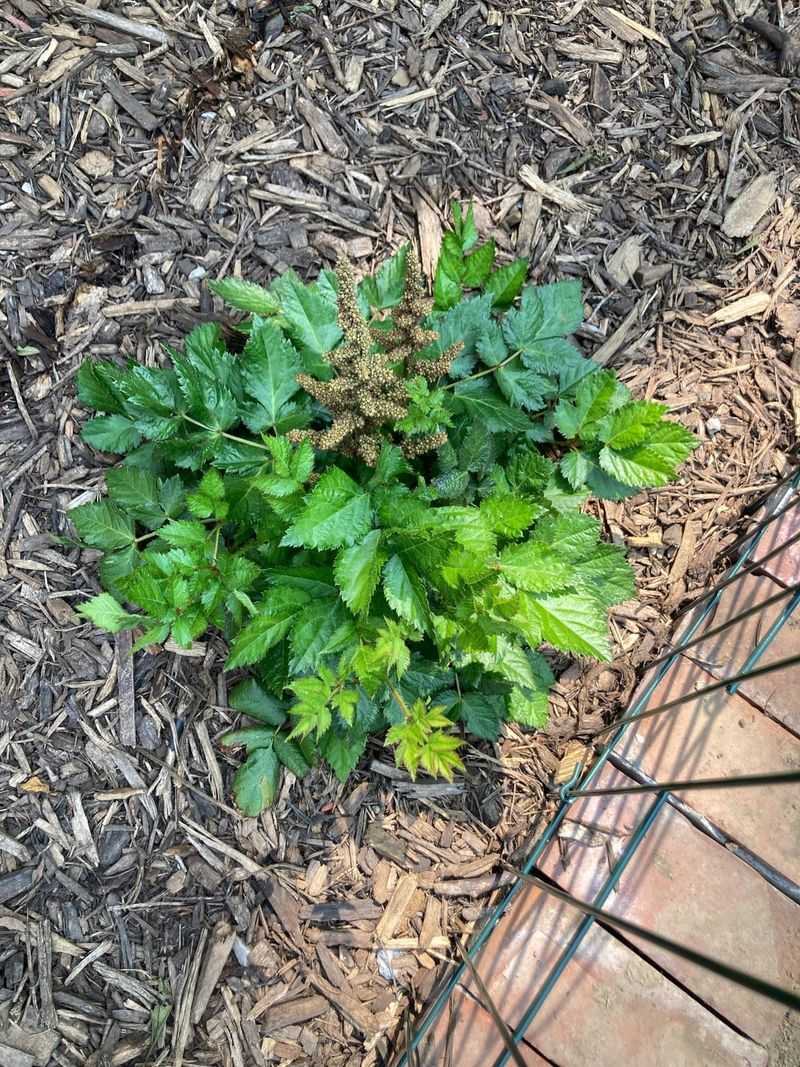
After astilbe finishes blooming, it can be tempting to cut the whole plant back and tidy up the garden bed. Resist that urge.
The foliage that remains after flowering is doing important work beneath the surface, work that directly affects how well your astilbe blooms next year.
Green astilbe leaves continue photosynthesizing through late summer and into fall, converting sunlight into energy that gets stored in the plant’s root system.
Those energy reserves are what fuel next season’s flower production. Cutting healthy foliage too early interrupts this process and leaves the plant with fewer resources to draw on when it wakes up in spring.
Michigan’s growing season stretches long enough that keeping foliage intact through at least early fall makes a meaningful difference in root energy stores.
The dried plumes that remain after flowering also add visual interest to the garden through fall and even into winter, when their feathery texture catches frost and snow beautifully.
Many Michigan gardeners leave both the foliage and the plumes standing until early spring, then cut everything back just before new growth emerges.
This approach protects the crown during winter while allowing the plant to complete its full seasonal cycle naturally.
Letting astilbe do its thing through the entire growing season, rather than cutting it short, is one of the most effective and effortless habits for building stronger plants year after year.
10. Choosing Moisture-Retentive Garden Locations
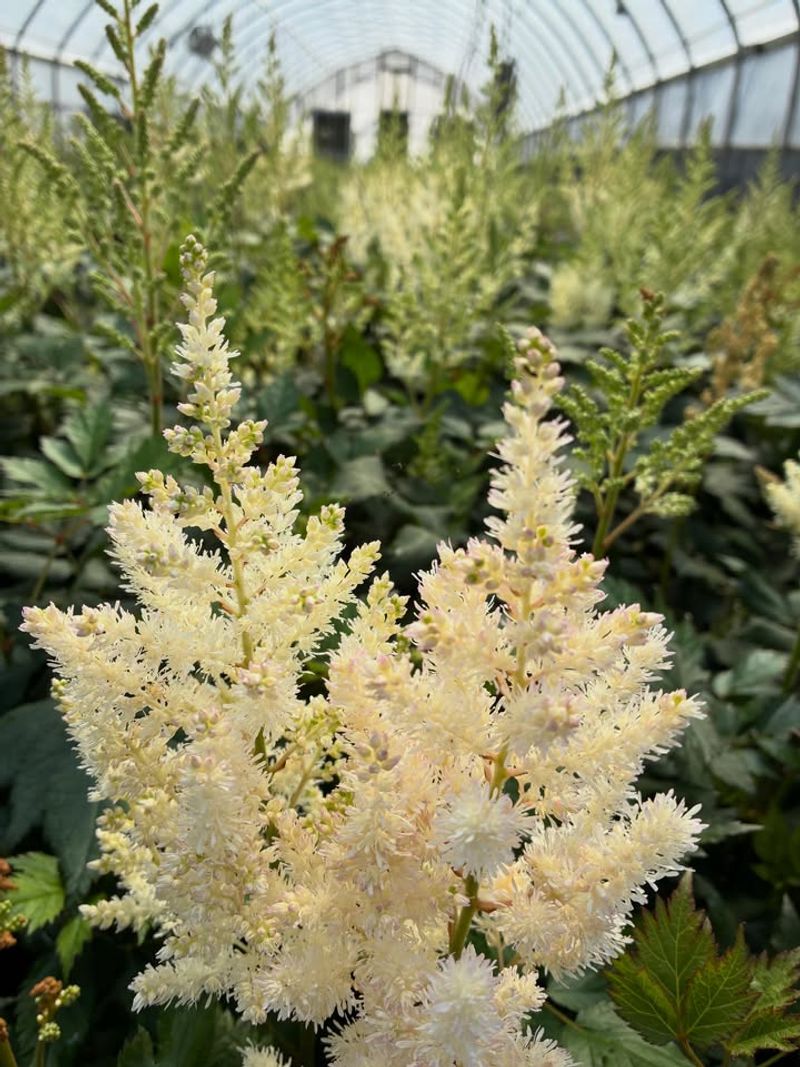
Where you plant astilbe shapes almost everything about how it performs. Location is not just about aesthetics or fitting plants into available space.
It is about matching the plant to conditions where it can genuinely flourish without constant intervention.
For astilbe, that means choosing spots where the soil naturally holds moisture well.
Woodland edges, low-lying garden borders, and spots near water features or downspouts often provide the kind of consistently moist environment where astilbe produces its most spectacular plumes.
These naturally damp locations reduce the amount of supplemental watering you need to do and buffer the plant against Michigan’s occasional summer dry spells.
Rich, organically improved soil in these spots also supports the kind of deep, healthy root systems that translate directly into better flowering.
Raised beds in full sun or areas with fast-draining sandy soil are much harder environments for astilbe to thrive in, no matter how diligently you water.
Choosing the right location from the start saves years of frustration and extra effort.
Walk your yard at different times of day and after rain events to identify spots where moisture lingers naturally. Those are your prime astilbe locations.
Pairing smart site selection with the other good habits on this list gives your plants every possible advantage, setting them up to produce fuller, more vibrant blooms season after season with far less effort on your part.