The Basil Mistakes Washington Gardeners Make In June
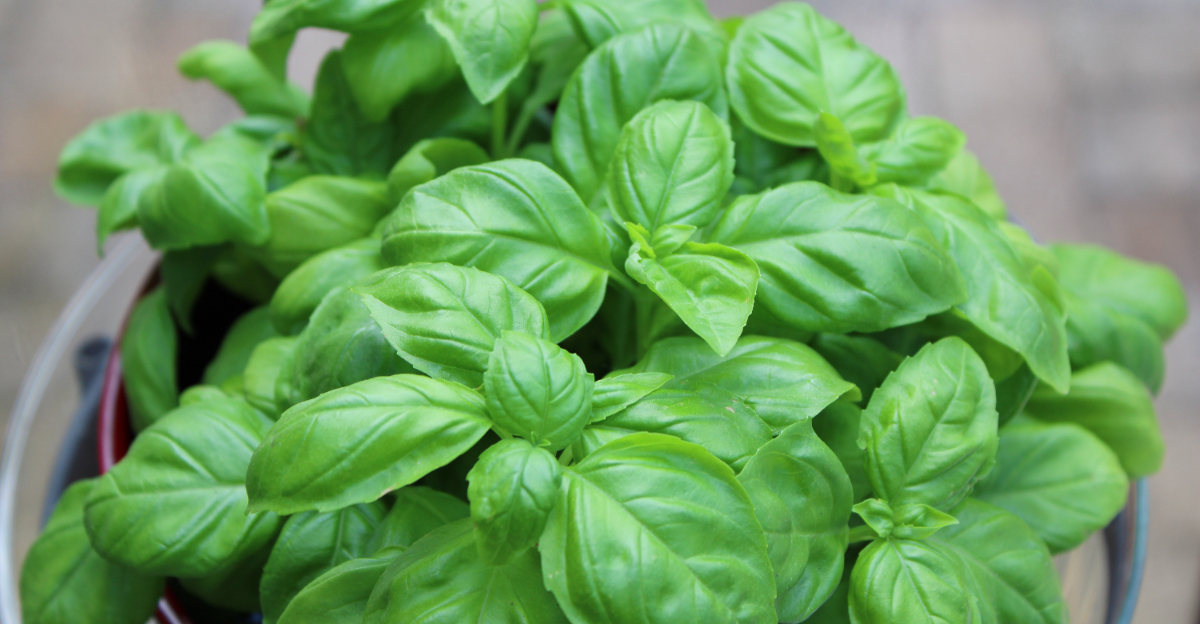
June in Washington looks like prime basil season on paper. The days are long, the soil is finally warm, and every garden center has flats of seedlings practically begging to come home with you.
But Washington gardeners know how fast things can turn. A few cloudy stretches, one overwatering session, and that healthy-looking plant starts yellowing from the bottom up.
Basil in this region has a short window and very little room for guesswork. The mistakes that set it back are not dramatic. They are small, easy to miss, and almost always made before the end of the first week.
Many gardeners do not realize anything went wrong until the damage is already done. If your basil has ever bolted too early, turned mushy at the base, or just stopped growing without explanation, the answer is almost always in June.
Here is where it starts going wrong.
1. Planting Basil Too Early In The Season
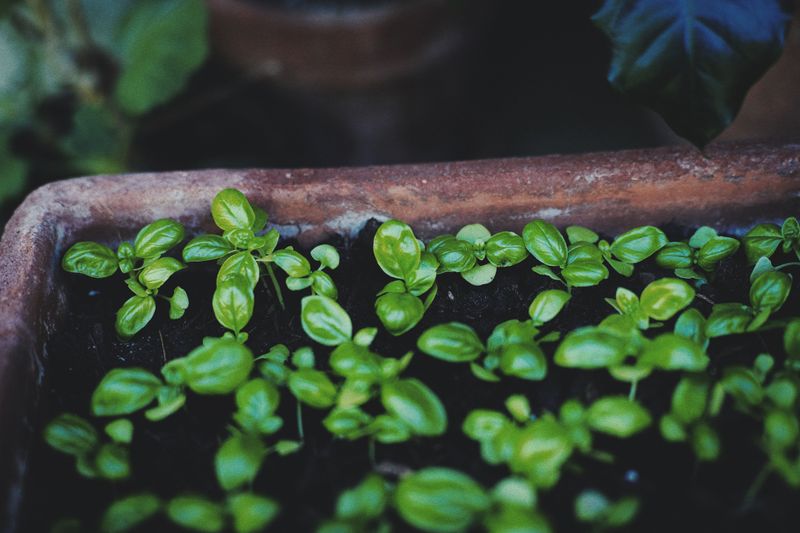
Basil mistakes in Washington often start before the plant ever hits the ground. Many gardeners get excited when the calendar flips to June, assuming summer has arrived for good.
The truth is, nighttime temperatures in the Pacific Northwest can still dip into the low 50s well into early June. Basil is a tropical herb that sulks in cold soil and stops growing when temps drop below 50 degrees Fahrenheit.
Planting too early means your seedlings just sit there, stunned and yellow, while you wonder what went wrong. Cold soil also invites root rot, which weakens the plant before it ever gets a real start.
A smart move is to wait until nighttime temps consistently stay above 55 degrees. Check a local weather app for your specific zip code, not just a general Seattle forecast.
Western Washington and Eastern Washington have wildly different June climates. Spokane gardeners may get warmer nights sooner, while those near Puget Sound should wait longer before transplanting.
Use a soil thermometer to check ground temperature before planting. Basil thrives in soil that reads at least 60 degrees, ideally closer to 65.
If you simply cannot wait, use a cloche or row cover to trap warmth around young plants. That small step can make a surprisingly big difference in early growth.
Waiting a few extra days costs nothing. Planting too early can cost you the whole start of the season.
2. Choosing The Wrong Spot In The Garden
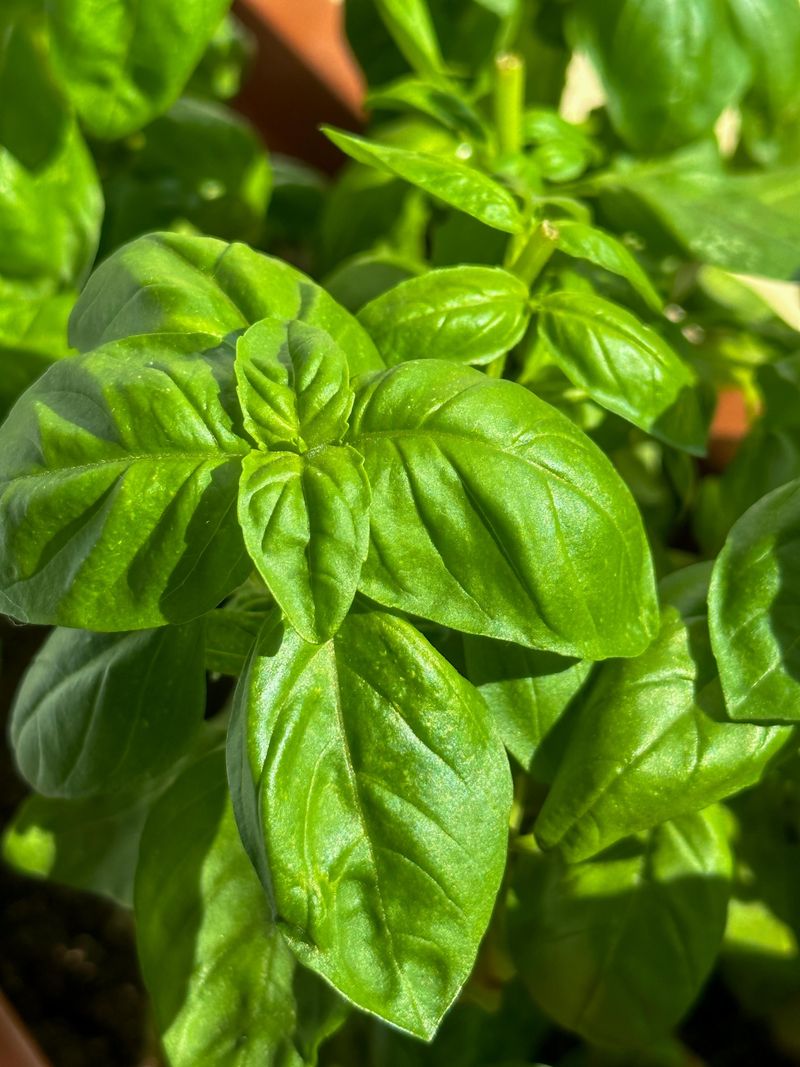
Location is everything when it comes to growing basil, and Washington gardens are full of sneaky shade traps. That charming spot under the cedar tree? Basil will not like it.
Basil needs at least six to eight hours of direct sunlight every single day. In a region famous for overcast skies, finding that much sun takes real planning and observation.
Walk your yard at different times of day in late May before you plant. Note where the sun actually lands for the longest stretch, because shadows shift more than most people realize.
South-facing beds are your best bet in the Pacific Northwest. North-facing spots and spots tucked beside tall fences receive far too little light for basil to thrive.
Your Washington Garden Changes Every Week. Your Plan Should Too.
Gardening in Washington changes quickly throughout the season. Every Friday you’ll receive a simple weekly plan showing exactly what to plant, prune, fertilize, harvest, and protect so you never miss the right timing.
Reflected heat from a south-facing wall or light-colored fence can actually boost your basil’s growth. That extra warmth adds the kind of heat basil genuinely thrives in.
Containers are a smart workaround if your yard lacks sunny ground space. You can move pots throughout the day to chase the best light across your deck or patio.
Avoid spots with heavy foot traffic or wind exposure. Strong winds dry out basil leaves fast and cause physical damage that opens the door to disease.
Good drainage matters just as much as sunlight in Washington’s June rain patterns. A soggy, shaded corner is basically the worst possible address for this sun-hungry herb.
The right spot makes everything else easier from the start.
3. Watering Basil From Above
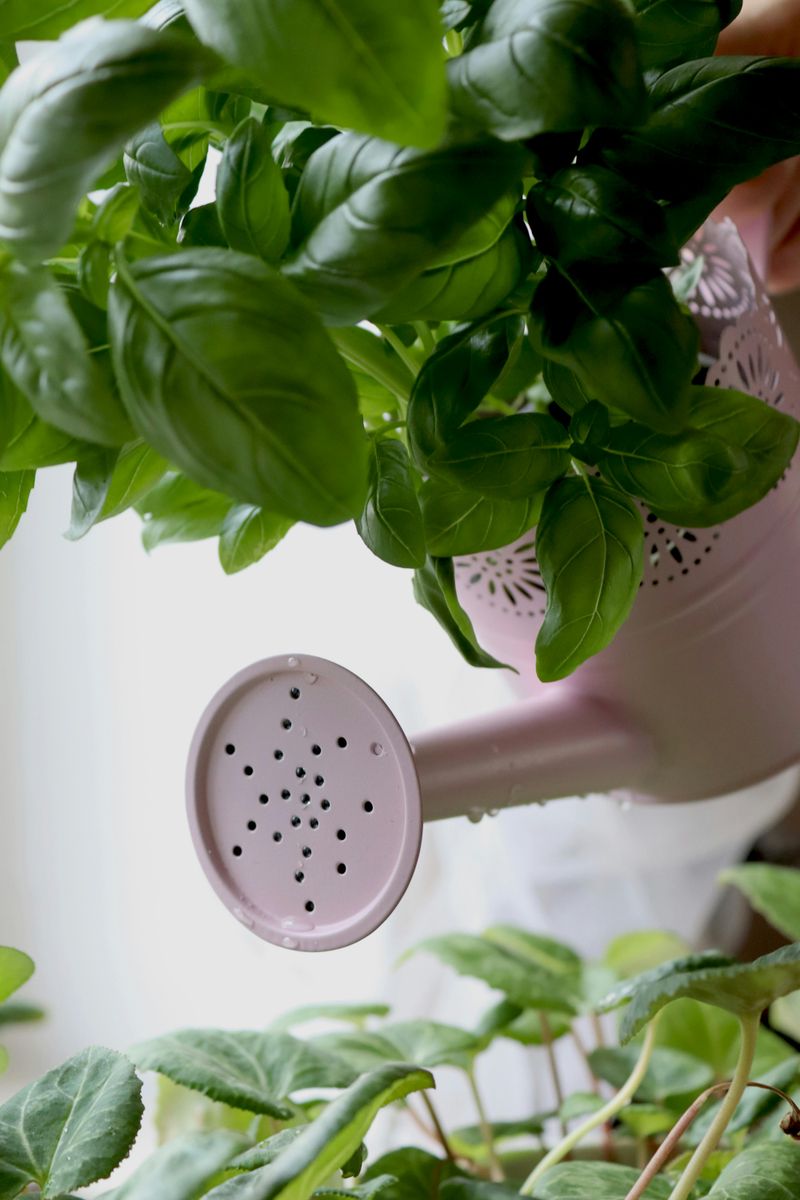
Grab a watering can and aim straight at the soil, not the leaves. Watering basil from above is one of those habits that feels harmless but causes real trouble over time.
When water sits on basil leaves, it creates the perfect environment for fungal diseases. Downy mildew, in particular, spreads fast in Washington’s already-humid June air.
Wet leaves also create entry points for disease, which spreads quickly once it takes hold on a plant. In a region with as much June moisture as Washington already brings, adding more from above just stacks the odds against you.
Soaker hoses and drip irrigation systems are ideal for basil beds. They deliver moisture directly to the root zone without splashing a single leaf.
If you are hand-watering, angle the spout low and pour slowly at the base of each plant. It takes a little more effort, but your plants will stay healthier for it.
Morning is the best time to water basil, no matter your method. Any accidental splash on leaves has time to dry off before cooler evening temperatures arrive.
Evening watering is the riskiest choice in a Pacific Northwest garden. Moisture lingering on leaves overnight in cool, damp air is basically an open invitation for fungal trouble.
Consistent, targeted watering also encourages roots to grow deeper. Deeper roots mean a more resilient plant that handles dry spells and temperature swings with ease.
Small adjustments in how you water can make a real difference in the health and flavor of your harvest.
4. Overwatering During Washington’s Humid June Days
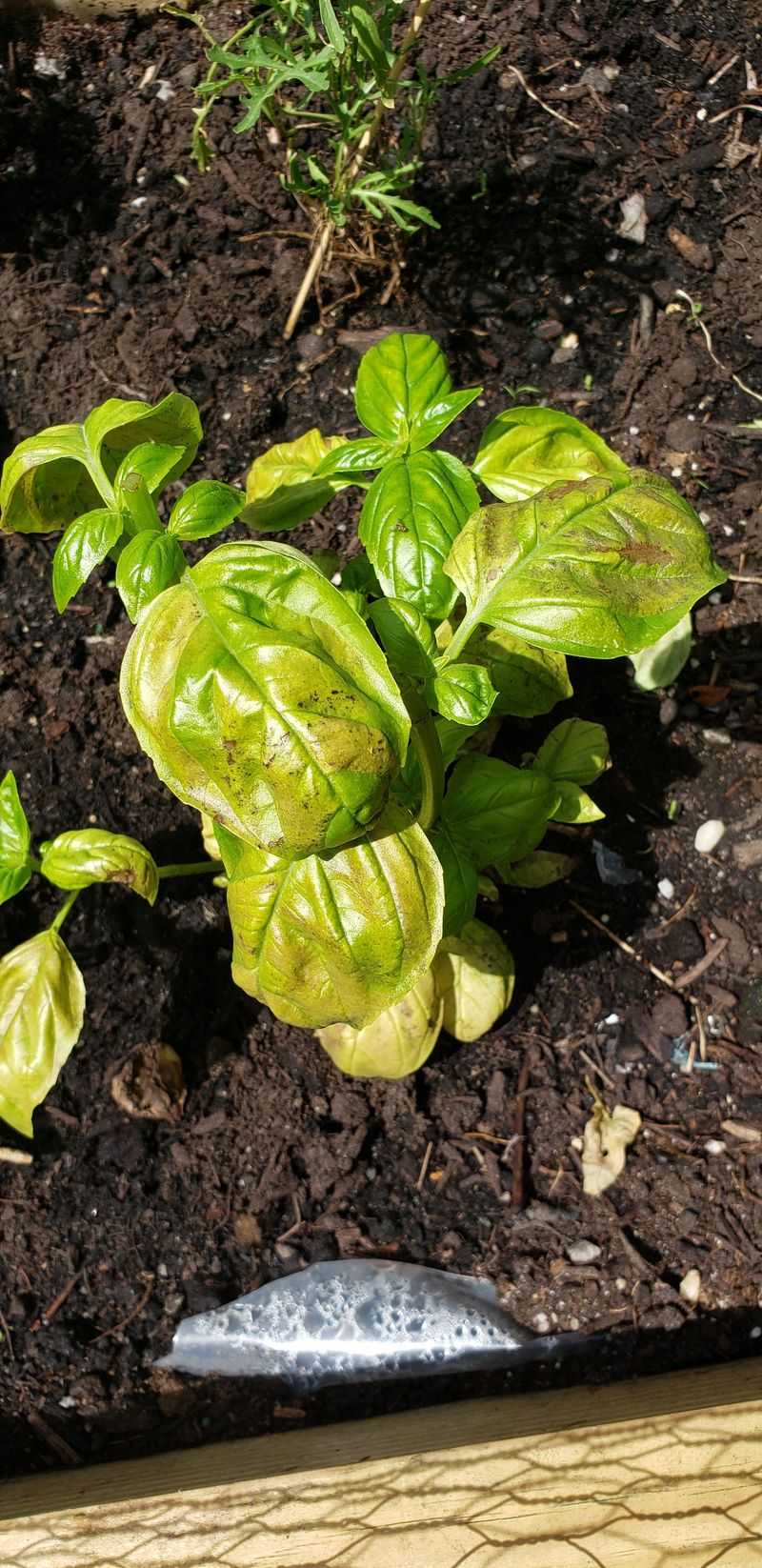
Washington gardeners love their plants, and sometimes that love comes out as too much water. June in the Pacific Northwest can bring stretches of drizzle that keep the soil damp for days.
Basil does not want to sit in wet soil. Overwatering leads to yellowing leaves, mushy stems, and root rot that can take out an entire plant in just a few days.
Before you reach for the hose, stick your finger about an inch into the soil. If it still feels moist, put the hose down and walk away.
Basil prefers a dry-down cycle between waterings. Let the top inch of soil dry out before adding more water, even during a warm stretch.
Containers are especially prone to overwatering issues. Make sure every pot has drainage holes, and never let basil sit in a saucer full of standing water.
Raised beds with amended, well-draining soil handle excess moisture much better than dense native soil. Adding perlite or coarse sand to your mix improves drainage significantly.
Mulching around basil plants helps regulate soil moisture without trapping too much water. A thin layer of straw or wood chips works well in Pacific Northwest gardens.
Pay attention to what your plants are telling you. Yellowing lower leaves paired with soggy soil almost always point to overwatering, not a nutrient problem.
Pulling back on water during gray, rainy stretches is one of the smartest basil moves you can make in June.
5. Skipping The Pinching Before Flowers Appear
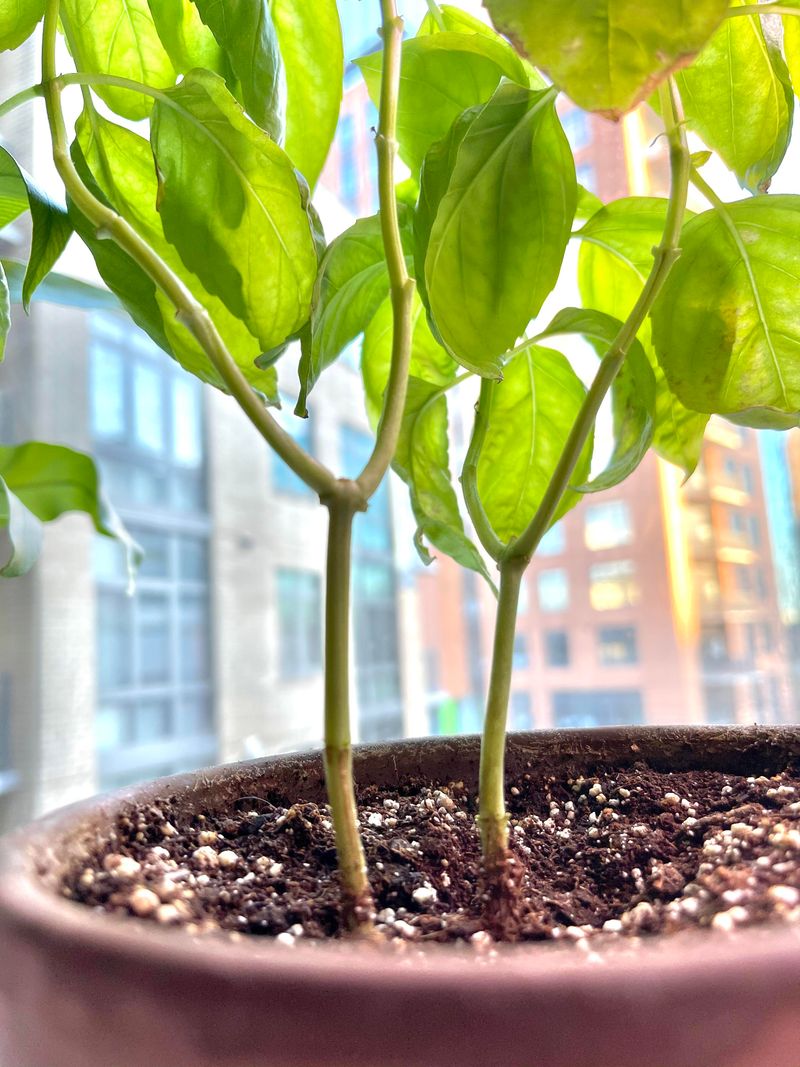
Pinching basil sounds fussy, but it is honestly one of the most satisfying things you can do in the garden. Skip it once, and your plant shifts gears in a direction you do not want.
When basil starts forming flower buds, the plant is entering its reproductive phase. All that energy that was going into making flavorful leaves now redirects toward seeds.
Pinching means removing the top set of leaves along with any flower buds forming at the stem tips. Do it with your fingers or clean scissors, and do it regularly.
Each time you pinch a stem, the plant responds by branching out in two directions. More branches mean more leaves, which means a bigger and bushier plant overall.
In Washington’s mild June weather, basil can start forming flower buds earlier than gardeners expect. Check your plants every few days once they hit six inches tall.
Look for small, tight clusters of buds forming at the top center of each stem. Those are your signal to pinch immediately, before they open into full flowers.
Regular pinching also keeps the flavor of your basil leaves strong. Leaves harvested before flowering have noticeably more intense aroma and taste than post-flower leaves.
Regular pinching keeps the plant focused on leaf production instead of flowering. It takes thirty seconds and changes the direction of the whole plant.
A well-pinched basil plant in June can keep producing right through August and beyond.
6. Letting Bolting Go Too Long
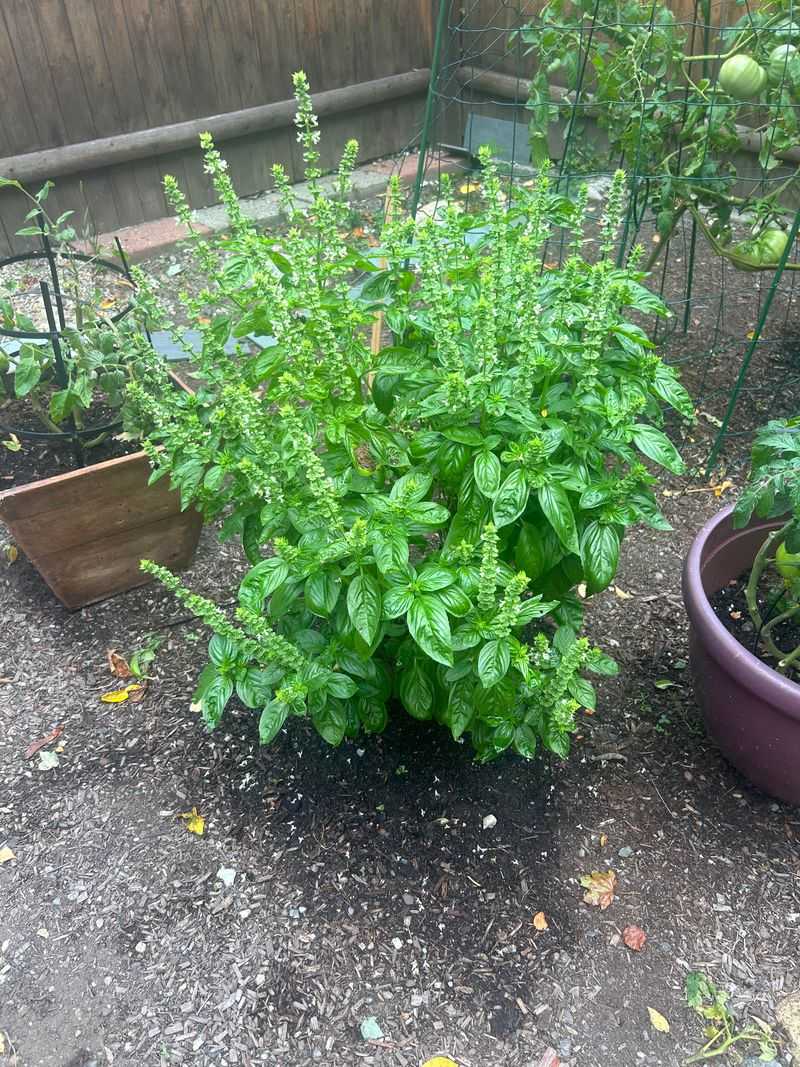
Bolting is what happens when basil decides it is done being a leafy herb and starts becoming a flowering plant. Once it bolts, the flavor of the leaves drops fast.
Washington’s unpredictable June weather can trigger bolting sooner than expected. A sudden warm spell after a cool stretch sends basil into a panic, and it rushes to set seed.
The leaves that follow are smaller, tougher, and noticeably more bitter than what the plant was producing just weeks before.
Catching bolting early is the key to saving the plant. As soon as you see flower stalks rising above the main foliage, cut them back immediately.
Use clean, sharp scissors to snip the flower stalk down to the nearest set of healthy leaves. The plant can recover if you act before the flowers fully open.
Once flowers open and start dropping seeds, the plant shifts into full end-of-cycle mode. Recovery becomes much harder, and leaf production slows dramatically.
Some gardeners let one or two plants bolt on purpose to collect seeds for next year. That is a valid strategy, but keep those plants separated from your harvest plants.
Consistent harvesting is actually one of the best ways to prevent bolting. When you regularly snip leaves and stems, you signal the plant to keep producing rather than flowering.
Stay ahead of the bolt, and your basil will keep delivering all the way through summer.
7. Planting Basil Too Close Together
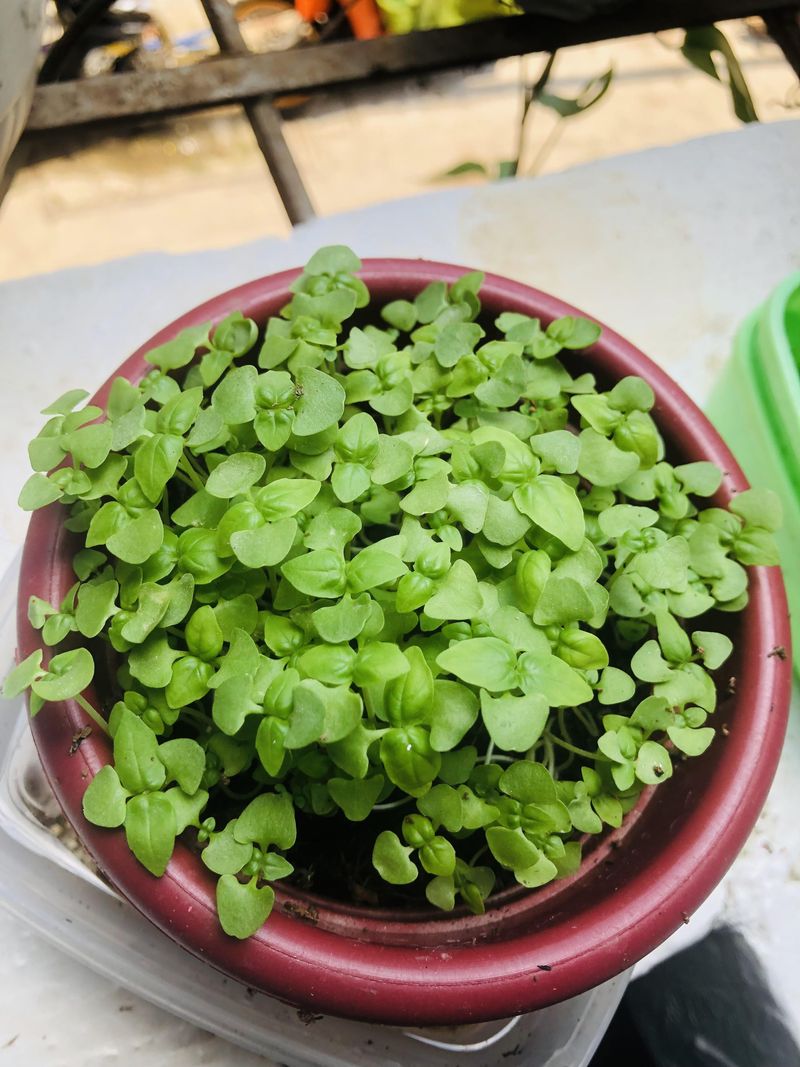
Squeezing extra plants into a bed is tempting, especially when you are excited about your harvest. But basil crammed together creates problems that show up fast in Washington’s humid June air.
Poor airflow between plants is the biggest issue with overcrowding. When leaves constantly touch and overlap, moisture gets trapped, and fungal diseases spread from plant to plant with ease.
Basil plants need about 12 to 18 inches of space between each one. That spacing feels generous when you are planting tiny seedlings, but those plants will fill in quickly.
Crowded basil also competes for nutrients and water in the root zone. Roots tangle and fight for resources, which stresses every plant and reduces your overall yield.
Downy mildew is a serious threat in Pacific Northwest gardens, and it loves dense, damp plant clusters. Proper spacing is one of the best defenses you have against it.
If you started with too many plants in one spot, thin them out now rather than waiting. Transplant extras to containers or gift them to a neighbor before problems start.
Thinning feels wasteful, but the remaining plants will grow stronger and produce more leaves per plant. A few well-spaced basil plants almost always outperform a crowded patch.
Good airflow also helps leaves dry faster after rain or morning dew. In a region where June showers are common, that drying time matters more than most people think.
Give each plant room to breathe, and the whole garden benefits from the decision.
8. Ignoring Pest Damage Until It Spreads
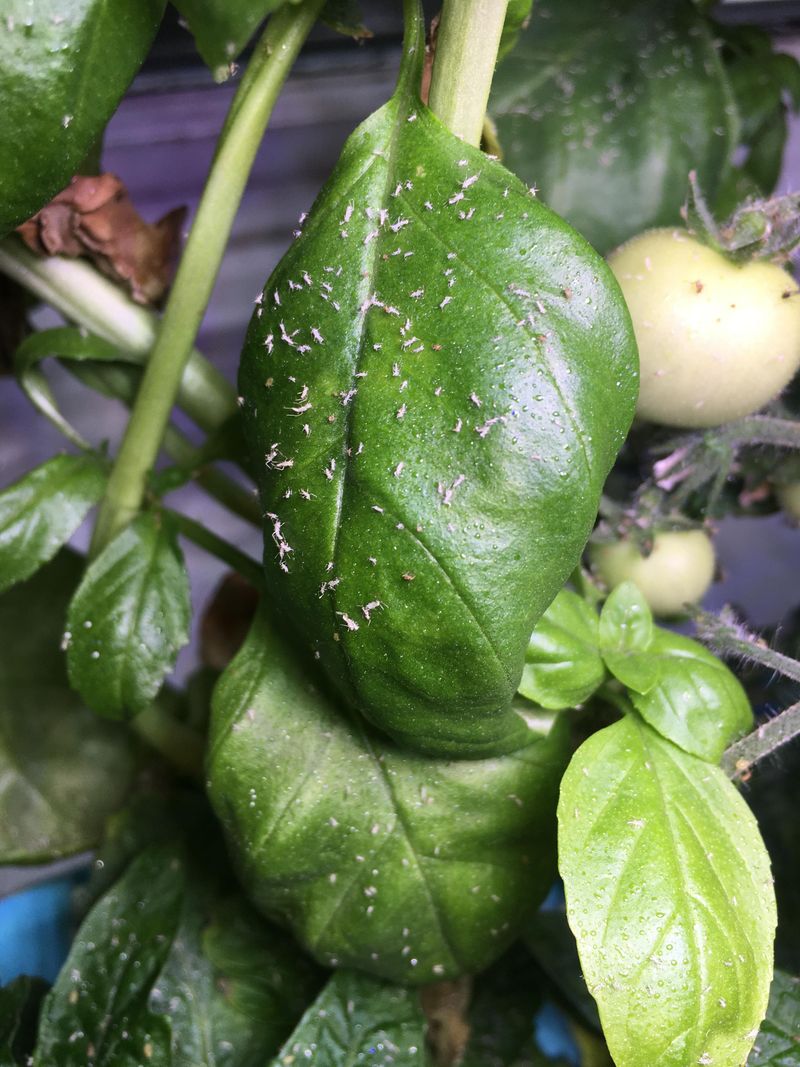
Pests in the basil patch rarely announce themselves loudly. By the time you notice real damage, the problem has usually been building for days or even weeks.
Aphids are the most common culprit in Washington gardens, clustering on tender new growth and sucking the life from young stems. They reproduce fast and spread to neighboring plants without hesitation.
Check the undersides of leaves every time you visit the garden. That is where aphids and other soft-bodied pests hide before moving outward across the plant.
Slugs are another Pacific Northwest classic that loves basil. They feed at night and leave ragged holes in leaves that can look like disease damage at first glance.
A quick evening check with a flashlight can reveal slug activity before it becomes a full infestation. Hand-picking is tedious but effective for small populations.
For aphids, a strong spray of water from a hose knocks most of them off without any chemicals needed. Repeat every few days until the population drops.
Neem oil spray is a reliable organic option for persistent pest problems on basil. Apply it in the early morning or evening to avoid leaf burn in direct sun.
Companion planting with marigolds or nasturtiums nearby can help deter certain pests naturally. These plants act as a buffer zone around your basil without competing for resources.
Catching pest damage early keeps small problems from building into something harder to manage. Stay observant through June, and your basil will have a real chance to deliver all summer.