Grow Better Tomatoes In Virginia With These 10 June Watering Tips
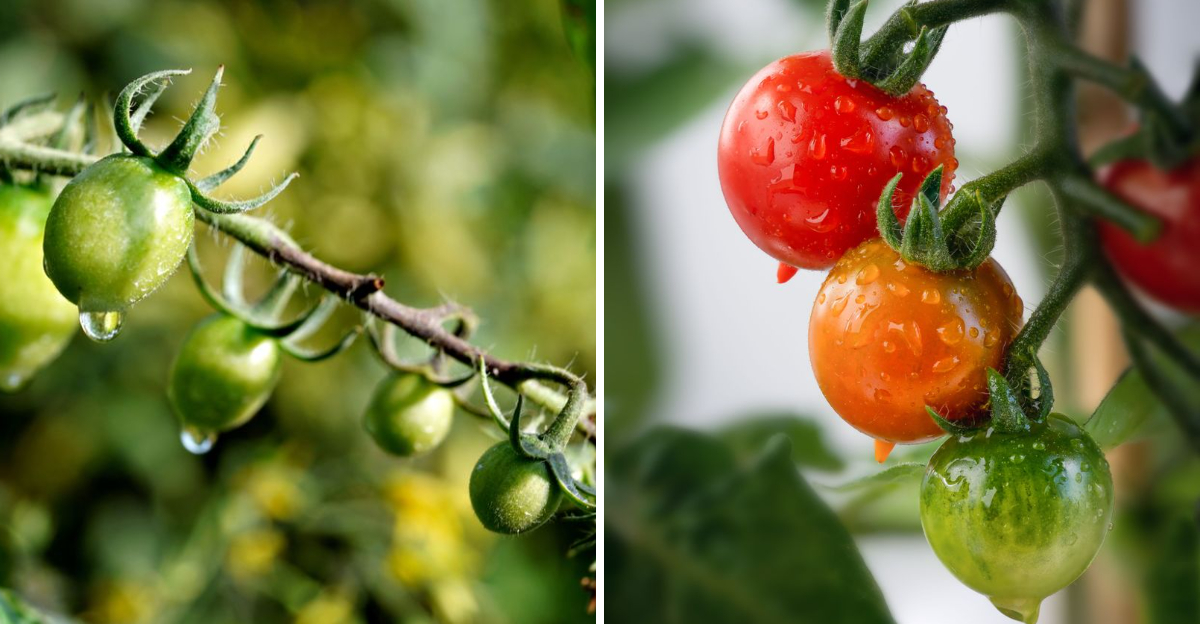
One Virginia tomato harvest will teach you everything. Water it wrong, and you taste bitter disappointment. Water it right, and you taste pure summer glory.
My garden taught me that lesson the savage way, when a stretch of uneven irrigation turned a promising crop into a graveyard of split skins and rotting bottoms.
The plants looked fine on the surface. Underneath, the roots were screaming.
What actually separates a grower who hauls in armloads of fat, juicy tomatoes from one who watches their harvest collapse in the heat? Consistency.
Depth. Timing. Virginia summer is a pressure cooker, with thick humidity, punishing sun, and soil that swings between concrete and swamp if you lose focus for even a few days.
Your plants are running a marathon in that heat, and they need steady hydration at every mile marker, not just when you remember to grab the hose.
Get the water right, and that garden will burst with color from vine to basket.
1. Water 1 To 2 Inches Per Week
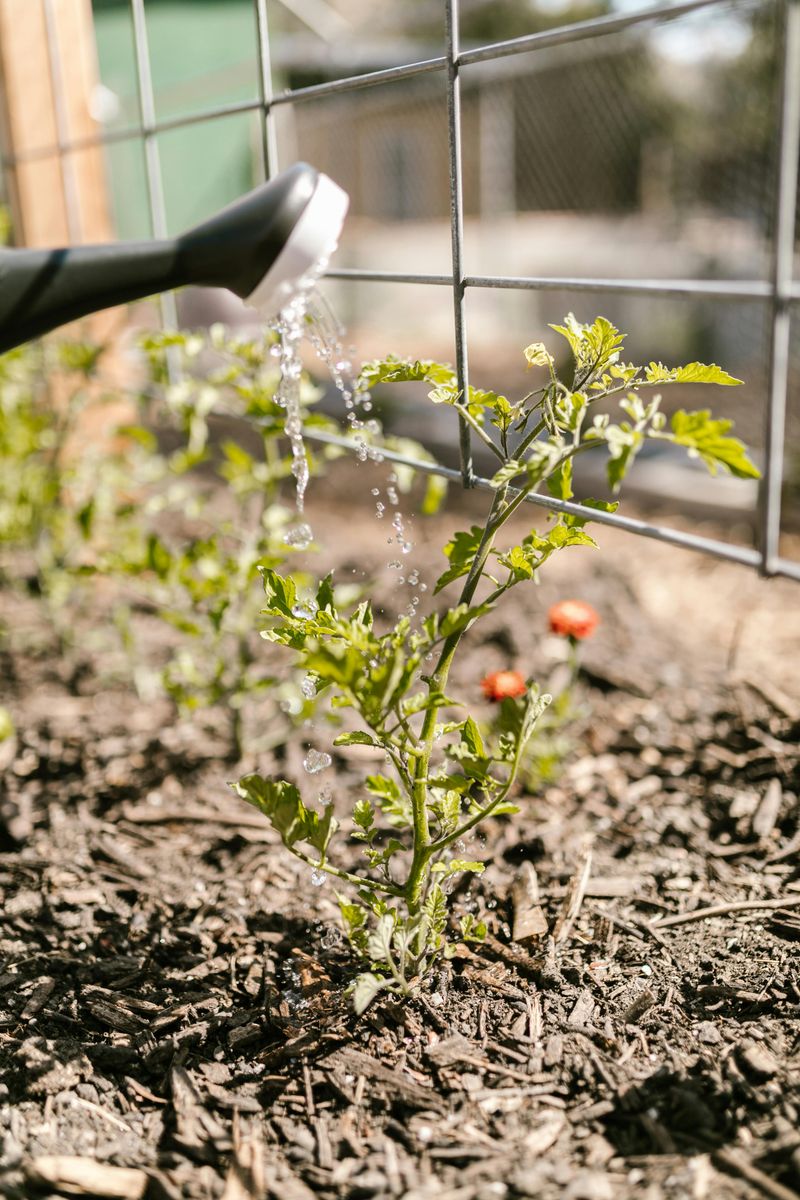
Tomatoes are thirsty, but they are not bottomless pits. Most gardeners are shocked to learn that 1 to 2 inches of water per week is all a healthy tomato plant needs.
Overwatering is just as damaging as underwatering, and many Virginia gardeners make this mistake without realizing it.
Think of it this way: your plant is not just drinking water, it is using it to move nutrients from the soil up through its roots, stems, and into the fruit.
Too much water can interfere with nutrient uptake before the plant has a chance to absorb them properly.
Too little and the whole system shuts down, leaving your tomatoes stressed and struggling. A simple rain gauge placed near your tomato bed tells you exactly how much water your garden has already received.
If nature delivered an inch this week, you only need to add another inch yourself. Tracking this number takes less than a minute each morning and saves you from over or under watering all season long.
Once you start measuring instead of guessing, you will feel far more confident about your garden.
2. Water Early In The Morning Between 6 And 9 AM
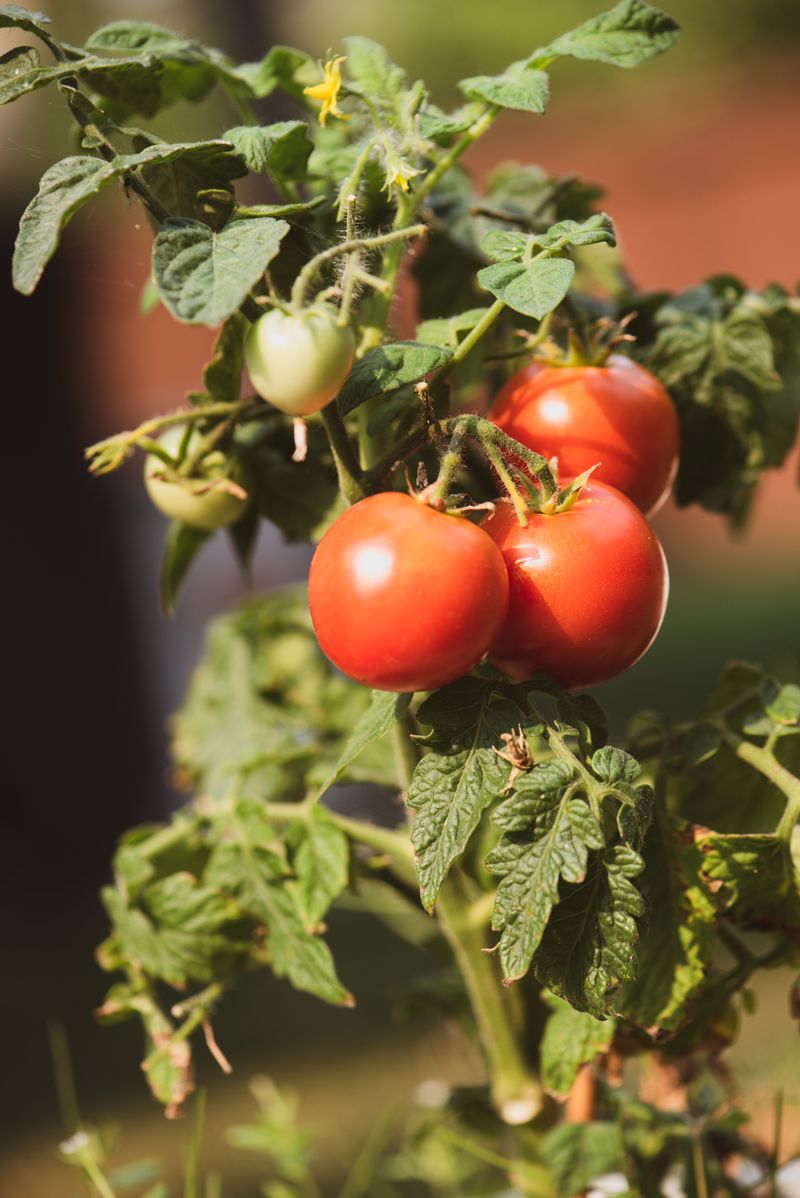
Early birds really do get the best tomatoes. Watering in the morning gives your plants the moisture they need right as the day heats up.
It also lets any water that splashes on leaves evaporate before fungal problems can take hold. Morning watering is one of the simplest habits that separates thriving gardens from struggling ones.
Virginia humidity already creates a cozy environment for leaf diseases like early blight and Septoria leaf spot.
Watering in the evening makes things worse by leaving moisture sitting on foliage overnight, which is basically a welcome mat for fungus.
Midday watering wastes water through evaporation and can stress plants during peak heat. Set a reminder on your phone if you need to.
Grab your coffee, walk outside, and spend 10 minutes getting your plants off to a strong start.
Your Virginia Garden Changes Every Week. Your Plan Should Too.
Gardening in Virginia changes quickly throughout the season. Every Friday you’ll receive a simple weekly plan showing exactly what to plant, prune, fertilize, harvest, and protect so you never miss the right timing.
Your tomatoes will absorb that moisture efficiently as they ramp up their activity in the warming morning air.
Building this one habit into your routine can make a noticeable difference in plant health throughout the season.
3. Water At The Base, Never Overhead
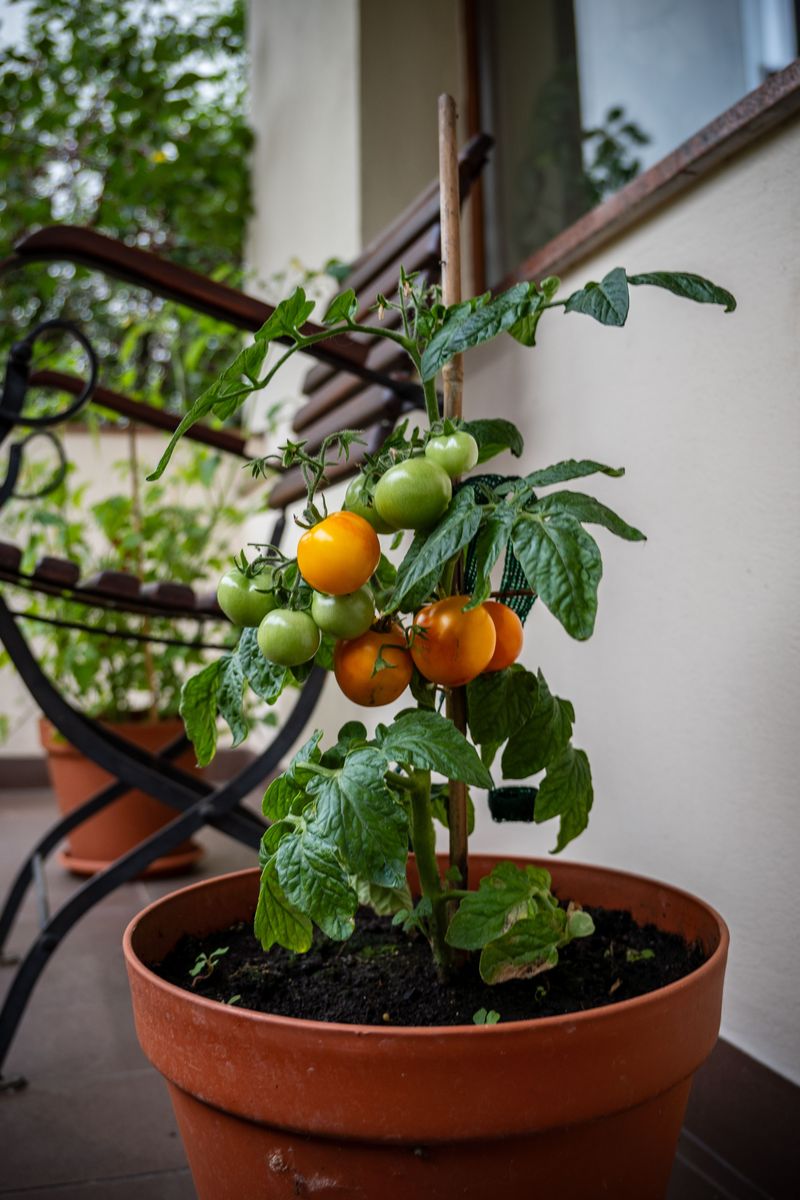
Wet leaves are an open invitation for trouble. Watering overhead might feel satisfying, like giving your whole plant a shower, but it spreads disease spores and promotes fungal growth.
It also does almost nothing useful for the roots, where water actually matters. The base of the plant is where all the action happens.
When you direct water to the soil right around the stem, you are feeding the root zone directly. Roots do not absorb moisture through leaves in any meaningful way.
Drops that land on foliage do little good. In Virginia’s humid climate, that wet foliage can also invite the leaf diseases that leave a plant struggling.
Use a watering wand with a gentle head, or simply bend your hose nozzle low and let the water flow slowly around the base of each plant.
Aim for the soil 4 to 6 inches out from the main stem, where feeder roots are most active.
This technique costs you nothing extra and protects your plants in a way that no spray-on fungicide can fully replace.
Once you make the switch, you will likely never go back to overhead watering again.
4. Use Drip Irrigation Or Soaker Hoses
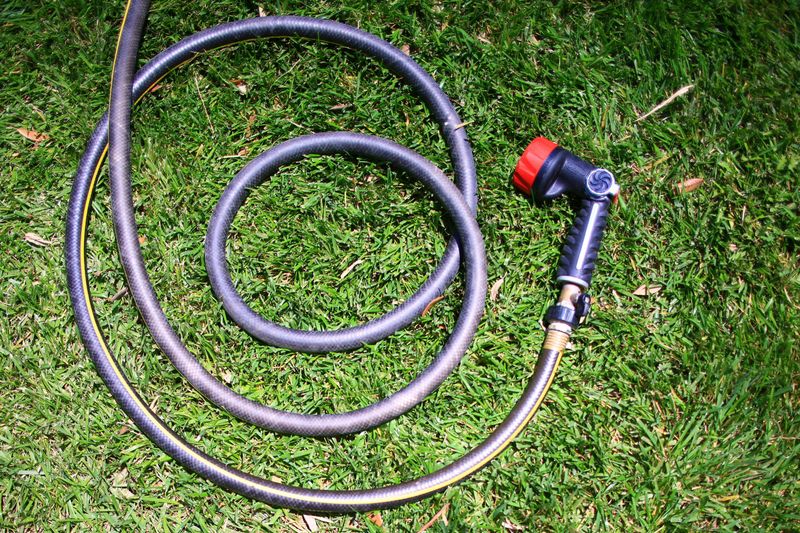
Soaker hoses might be the best investment you ever make in your garden. These humble rubber tubes deliver water slowly and directly to the root zone, drip by drip, hour after hour.
The result is deep, even soil moisture with almost zero water waste. Drip irrigation systems work on the same principle but with more precision.
You can connect them to a timer, set it once, and let the system handle your watering schedule automatically.
For busy gardeners juggling work, family, and everything else, this kind of set it and forget it approach is genuinely useful.
Both options also keep foliage completely dry, which slashes the risk of fungal disease. In Virginia’s muggy summer weather, that alone is worth the investment.
Lay soaker hoses along each row before you mulch, and the mulch will hold the moisture in even longer.
You can significantly reduce water use compared to traditional overhead methods while getting better results.
Your plants will reward you with stronger stems, deeper roots, and fruit that develops evenly without the cracks and splits that come from inconsistent moisture delivery.
5. Water Deeply And Slowly, Not Quickly And Often
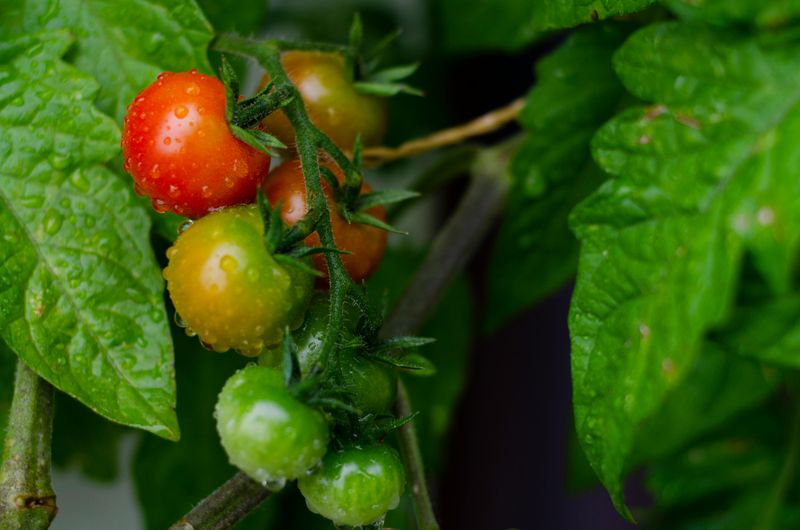
Shallow watering creates shallow roots. When you water quickly and move on, moisture only penetrates the top inch or two of soil.
Your tomato roots follow that moisture upward instead of growing deep. Shallow roots mean a plant that wilts at the first sign of heat stress and struggles all season long.
Deep, slow watering encourages roots to grow downward into the ground. On established plants, roots can push well below the surface and access moisture reserves that shallow roots never reach.
This makes your plants far more resilient during dry spells. In Virginia, where summer can swing from rainy to scorching in the same week, deep-rooted plants have a massive survival advantage.
To water deeply, let your hose trickle slowly at the base of each plant for 20 to 30 minutes. You can also run your soaker hose for 45 minutes to an hour.
Poke your finger into the soil after watering to confirm moisture has reached 6 to 8 inches down. This simple test takes 5 seconds and tells you more than any gadget.
Plants watered this way develop root systems that keep producing fruit long after their shallow-rooted neighbors have given up.
6. Mulch 3 To 4 Inches Around Each Plant
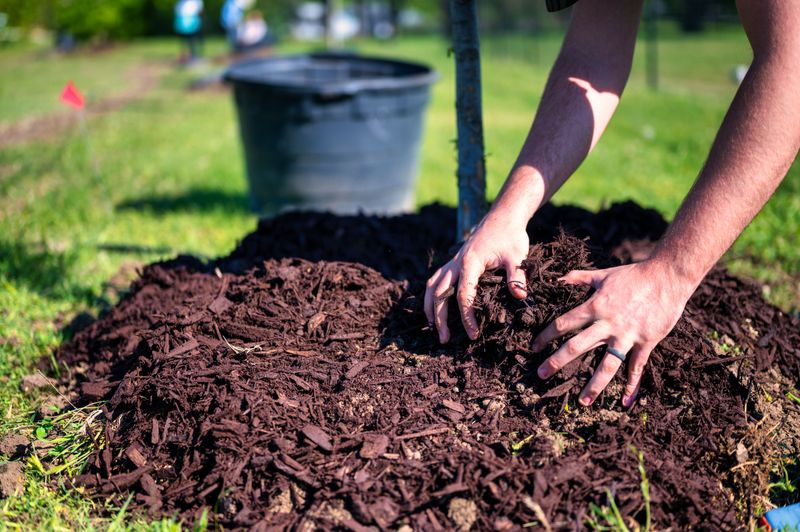
Mulch is basically free insulation for your soil. A thick layer of straw, wood chips, or shredded leaves around each tomato plant keeps the soil cool and slows evaporation dramatically.
It also reduces how often you need to water in the first place. In Virginia, when soil can heat up to temperatures that stress root systems, mulch is not optional.
It is essential. Spread mulch 3 to 4 inches deep, starting a couple of inches away from the main stem to prevent rot.
Extend it out about 12 inches in all directions. This layer acts as a barrier between the hot sun and your soil, keeping moisture locked in for days longer than bare soil ever could.
It also suppresses weeds that would otherwise compete with your tomatoes for water and nutrients.
Straw is a favorite among experienced gardeners because it is cheap, easy to find, and breaks down slowly enough to last all season.
Shredded leaves work well too, as long as they are fully composted and broken down before use.
As the mulch decomposes over time, it adds organic matter back into the soil, improving its structure season after season. Think of mulch as a gift that keeps giving long after you lay it down.
7. Check Soil Moisture With Your Finger Before Watering
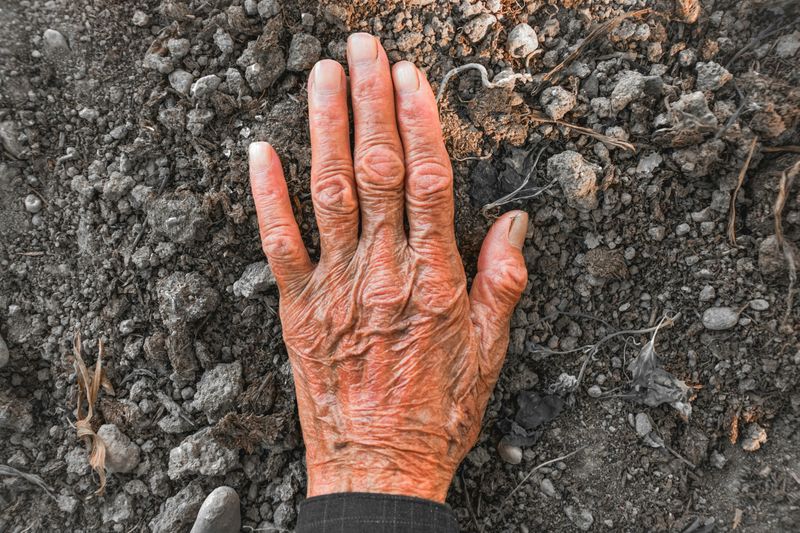
Your finger is the most reliable soil moisture sensor ever invented. Before you reach for the hose, press your index finger about 2 inches into the soil near the base of your tomato plant.
If the soil feels moist and cool, hold off on watering for another day. If it feels dry and crumbly, it is time to water.
This 5-second check prevents one of the most common gardening mistakes: watering on a schedule instead of watering based on actual plant need.
Soil conditions in Virginia can vary wildly from one end of your garden to the other, especially if you have raised beds, clay patches, or areas with more shade.
A blanket watering schedule ignores all of that variation. Doing this check every morning takes almost no time but gives you real information.
You will start to notice which beds dry out fastest, which areas stay wetter longer, and how the weather affects soil moisture from day to day. That knowledge makes you a smarter, more responsive gardener.
Over the course of the season, this simple habit can save gallons of water and prevent stress-related fruit problems that catch gardeners off guard at harvest time.
8. Keep Watering Consistent To Prevent Blossom End Rot
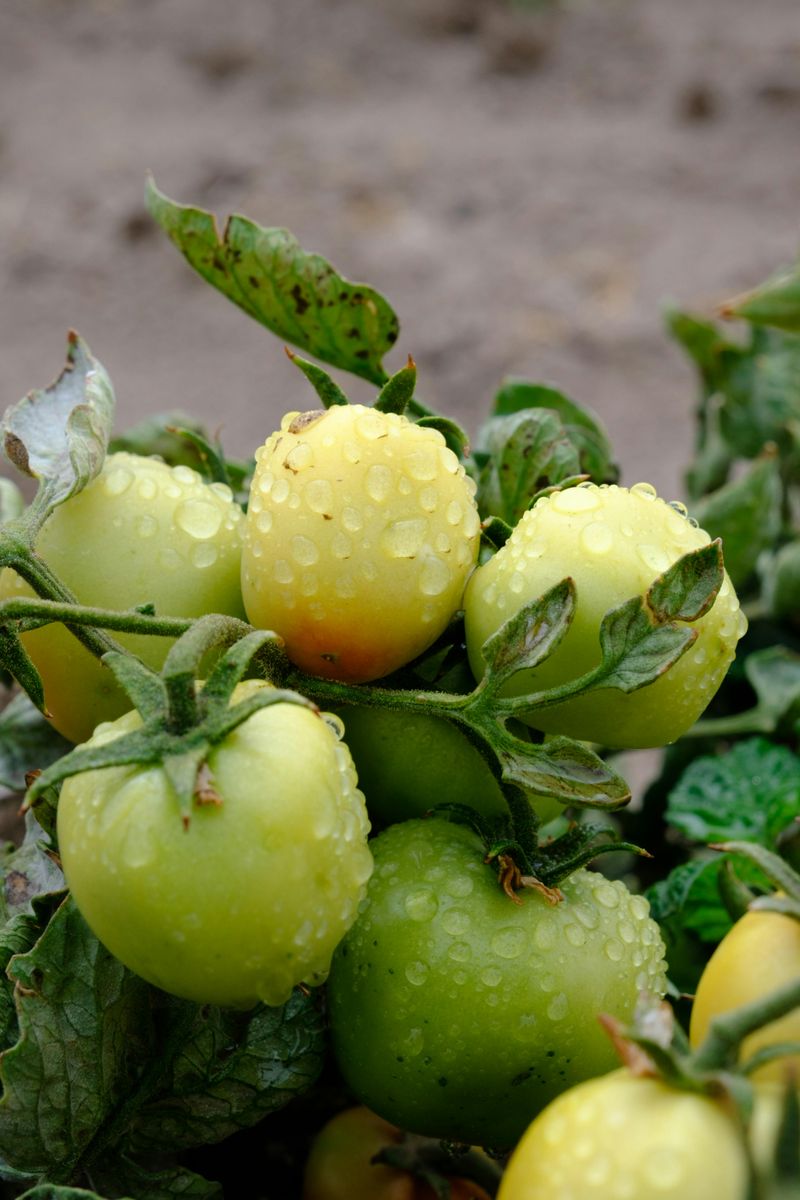
Blossom end rot is every tomato gardener’s nightmare. That dark, sunken, leathery patch on the bottom of your tomatoes is not caused by a bug or a disease.
It is caused by inconsistent watering that prevents the plant from absorbing calcium properly. Once you see it, the affected fruit cannot be saved, but future fruit absolutely can.
Calcium moves through a tomato plant in the water stream. When the soil swings between bone dry and soaking wet, that water flow gets disrupted.
Calcium never reaches the developing fruit at the blossom end. The solution is not adding more calcium to the soil.
It is keeping moisture levels steady and even throughout the growing season. Aim to water at the same time each day or every other day, depending on rainfall and temperature.
Using a soaker hose on a timer makes consistency almost effortless. Mulch helps too, by smoothing out the moisture swings between watering sessions.
Gardeners who nail consistent watering often see blossom end rot become far less frequent in their beds. That is not luck.
That is the direct reward for paying attention to what your tomatoes actually need from you.
9. Reduce Watering After Rain And Use A Rain Gauge
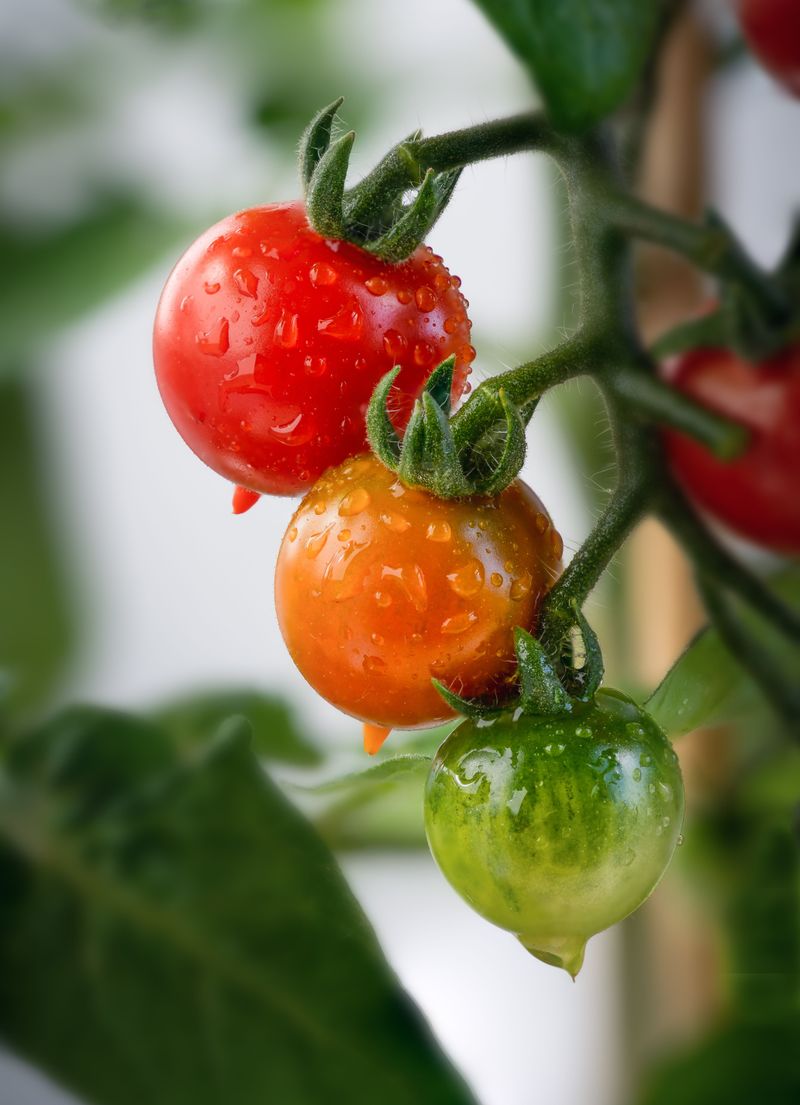
Rain does not always deliver what you think it does. A quick summer shower might feel like a solid watering, but it often only wets the top half-inch of soil before evaporating.
A rain gauge is the only honest way to know how much water actually landed in your garden.
Place a basic rain gauge right in your tomato bed, not on the driveway or under a tree where readings get skewed.
After any storm, check the number before you water. If the gauge shows three-quarters of an inch, you only need to add another quarter to half inch to hit your weekly target.
This one tool eliminates so much guesswork from your routine.
Overwatering after rain is surprisingly common, and it leads to oxygen-starved roots, yellowing leaves, and plants that look worse than they did before the storm.
Giving roots too much water too often pushes oxygen out of the soil, and roots need air just as much as moisture to stay healthy.
A rain gauge is inexpensive and pays for itself in water savings and healthier plants within the first week.
Let the numbers guide your decisions, and your tomatoes will reward you with consistent, beautiful fruit.
10. Increase Watering Frequency During Heat Waves Above 90 Degrees F
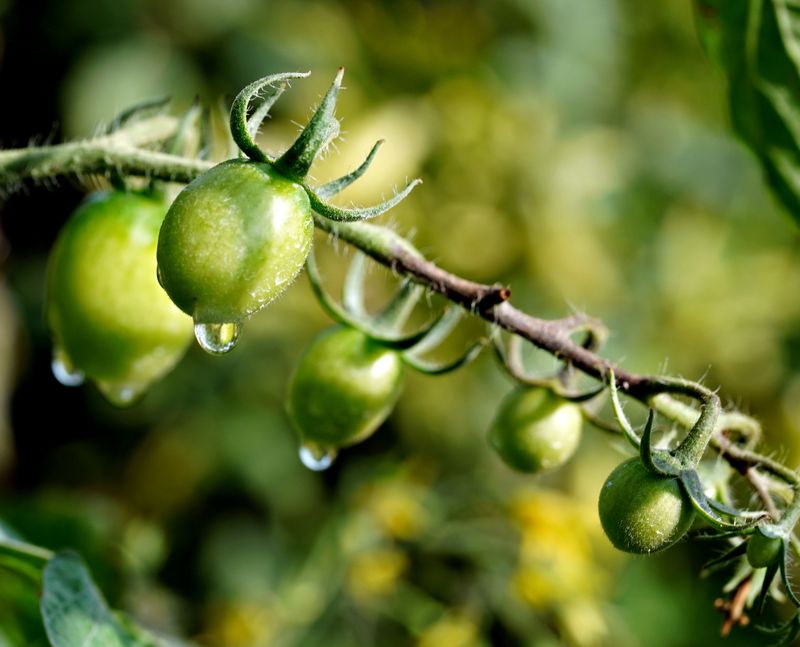
When the thermometer cracks 90 degrees in Virginia, your tomato plants enter survival mode.
Heat waves above 90 degrees F cause soil to dry out significantly faster than normal, sometimes within hours.
Plants transpire water at a rate that can outpace your usual watering schedule almost overnight. This is when even experienced gardeners get caught off guard.
During a heat wave, check soil moisture morning and evening instead of just once a day. You may need to water daily for plants in containers or raised beds that heat up faster than in-ground gardens.
Do not wait for wilting to tell you a plant is stressed. By the time leaves droop, the plant has already been struggling for hours.
Shade cloth stretched over your tomato rows during the hottest part of the afternoon can reduce soil temperature significantly and cut your watering needs by a meaningful amount.
Choose shade cloth that filters around 30 percent of sunlight rather than blocking it heavily, so pollinators can still reach your flowers.
Keep mulch topped up during heat waves since it breaks down and compresses faster in extreme heat.
Stay flexible, stay observant, and your plants will push through even the toughest heat waves with fruit still forming on the vine.