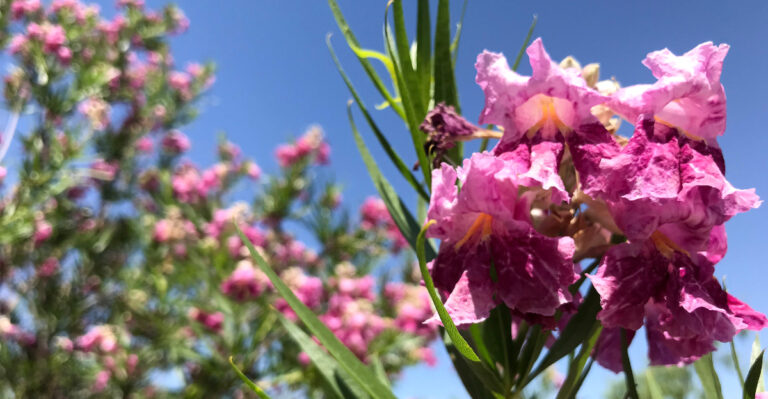
These Are The Arizona Front-Door Plants That Naturally Deter Pests While Making Your Home Look Better
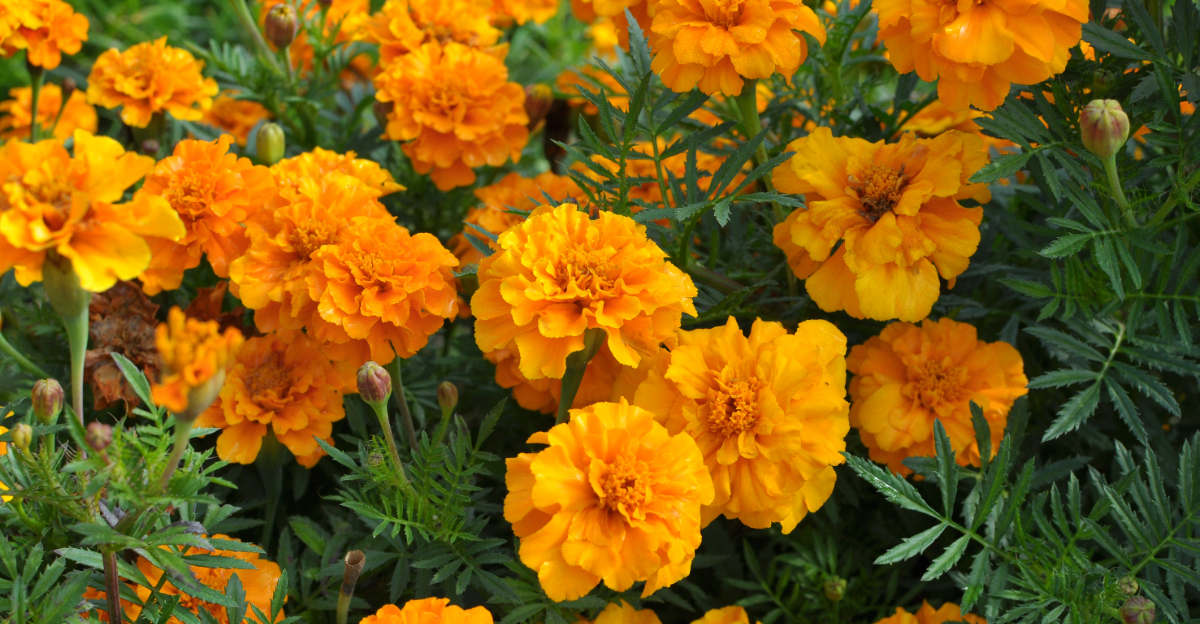
First impressions start before anyone knocks on the door. A plain entrance can make even a beautiful home feel unfinished, while the right plants can completely change the way the property feels from the moment someone walks up the path.
That is why front door landscaping gets so much attention from homeowners looking for simple upgrades.
Of course, appearance is not the only thing people notice near an entryway. Few things are more annoying than opening the door and finding unwanted pests hanging around the area where family members, visitors, and deliveries arrive every day.
Nobody wants that to become part of the welcome.
Fortunately, some plants earn their place for more than good looks alone.
Arizona homeowners are increasingly choosing varieties that bring color and character to the entrance while serving another useful purpose at the same time.
The combination is exactly why these plants continue gaining attention year after year.
1. Society Garlic Keeps The Entryway Looking Tidy
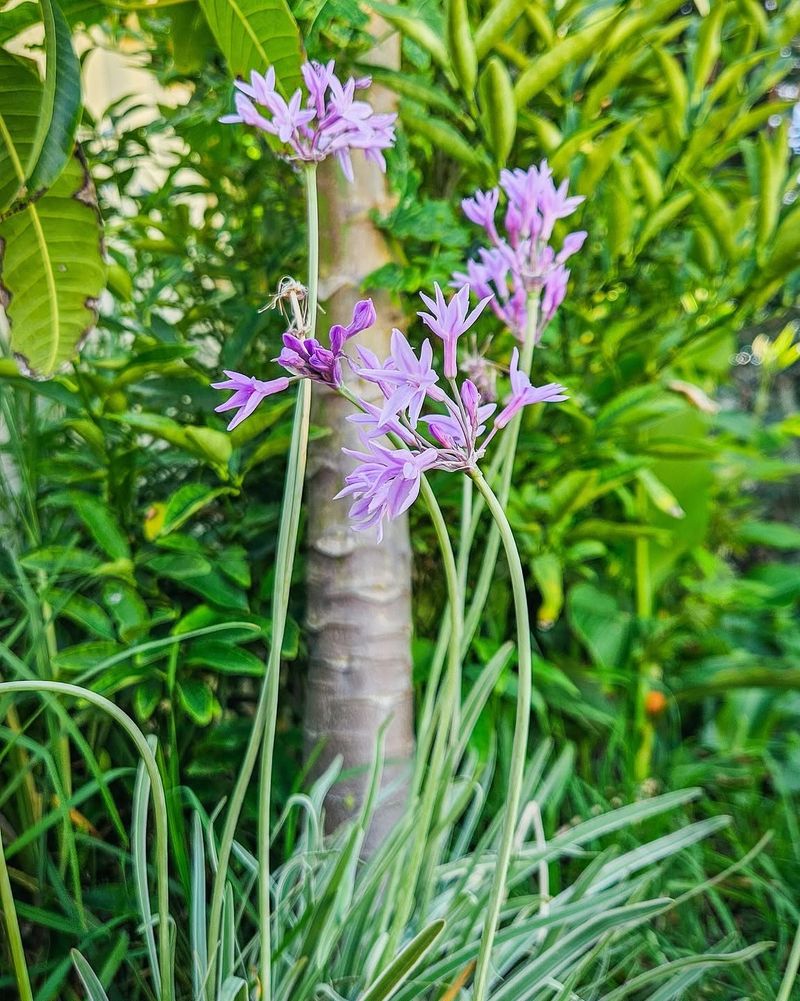
Purple flowers and pest-fighting power in one plant? Society garlic delivers both without much effort from you.
Planted near your front door, it pushes away aphids, mosquitoes, and even some flies. The scent comes from sulfur compounds in the leaves and roots.
Bugs genuinely dislike it, while your entryway ends up looking polished and well-kept.
Society garlic grows in clumps, which makes it easy to line a walkway or frame a doorstep. It stays tidy without constant trimming.
Full sun is where it thrives best, and it handles dry soil without complaint.
Water it once a week during summer and pull back in cooler months. It is drought-tolerant once established, which matters a lot in a hot, dry climate.
Overwatering is the main thing to avoid.
You do not need to deadhead the blooms, but removing old flower stalks keeps it looking fresh. New clusters push up regularly through the warmer months.
The purple color pairs well with terracotta pots and adobe-style homes.
One thing worth knowing: the garlic smell is mostly released when leaves are brushed or crushed. Guests walking past will rarely notice anything unpleasant.
Bugs, however, pick up on it immediately and tend to move on.
2. Rosemary Handles Heat And Heavy Sun
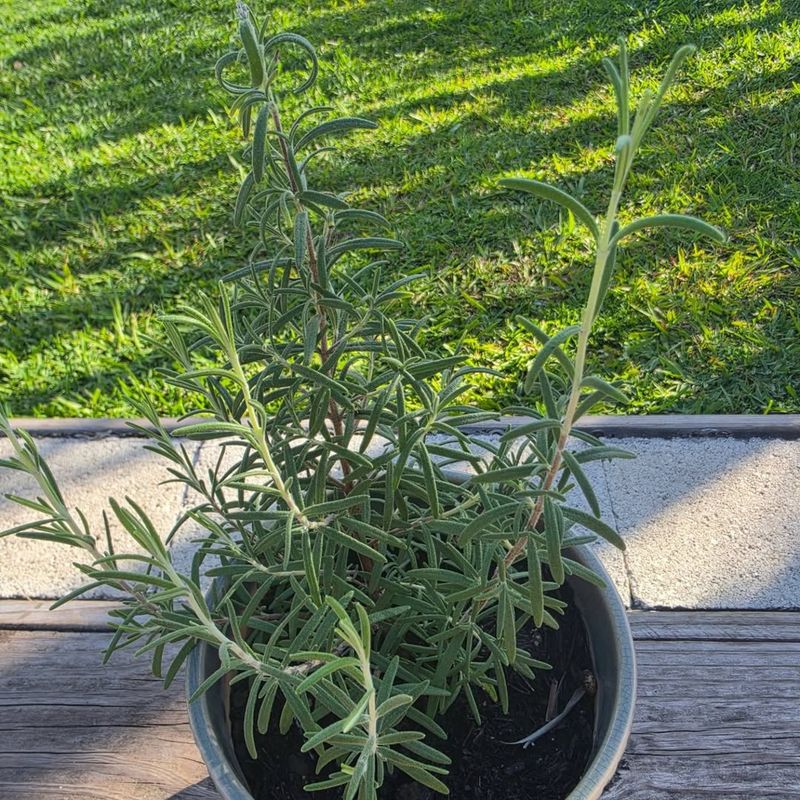
Rosemary is one of the toughest plants you can put near your front door in a hot, sunny climate.
It handles intense afternoon sun without flinching. Once established, it rarely needs attention beyond occasional watering.
That reliability alone makes it worth planting.
On the pest side, rosemary actively repels cabbage moths, carrot flies, and mosquitoes. The strong piney scent it releases is pleasant to people but highly irritating to many insects.
Planting it close to your entry point creates a natural barrier bugs prefer to avoid.
Rosemary grows upright or spreads low depending on the variety. Upright types work well as mini hedges along a front path.
Creeping varieties look great spilling over a raised planter or stone border.
Water deeply but infrequently. Let the soil dry out between waterings, especially during cooler months.
Your Arizona Garden Changes Every Week. Your Plan Should Too.
Gardening in Arizona changes quickly throughout the season. Every Friday you’ll receive a simple weekly plan showing exactly what to plant, prune, fertilize, harvest, and protect so you never miss the right timing.
Root rot from overwatering is the biggest risk with this plant.
Trim it lightly after flowering to keep the shape compact and full. Heavy pruning into old wood can damage it, so keep cuts modest and frequent rather than dramatic.
A light touch keeps it healthy for years.
You can snip sprigs for cooking anytime, which is a nice bonus. Fresh rosemary from your own front yard beats anything from a grocery store.
Practical and attractive in equal measure.
3. Lavender Adds Color And A Strong Scent
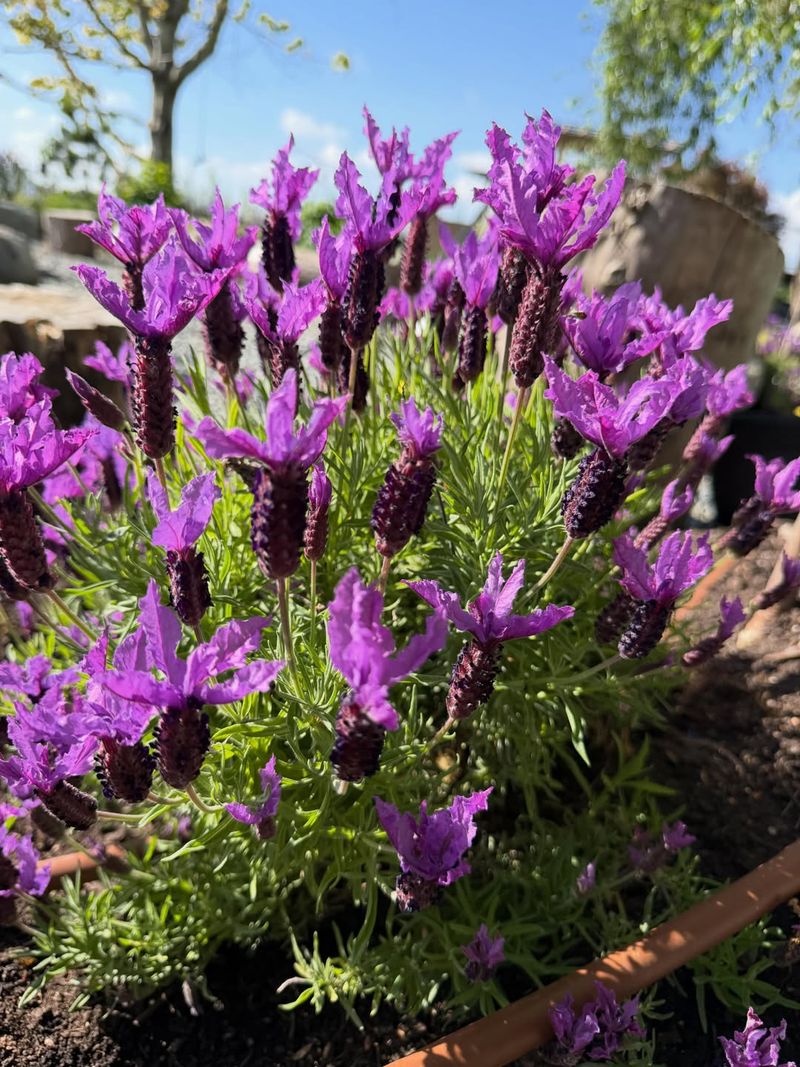
Few plants earn their place at a front door quite like lavender. It looks elegant, smells incredible, and bugs want nothing to do with it.
Lavender repels moths, fleas, mosquitoes, and flies. The key compound is linalool, a natural aromatic that insects find overwhelming.
Placing it on either side of your door creates a scent boundary that genuinely works.
Spanish lavender is the variety best suited for hot, dry climates. It tolerates intense heat better than English lavender and bounces back quickly after dry spells.
Look for it at local nurseries in early spring.
Plant lavender in well-draining soil with full sun exposure. Sandy or gritty soil works better than heavy clay.
Adding gravel mulch around the base helps retain warmth and prevents moisture from sitting too long around the roots.
Water it deeply once a week during its first season. After that, it needs far less.
Established lavender plants can go ten to fourteen days between waterings during summer without showing stress.
Trim spent flower stalks after blooming to encourage a second flush. Cut back by about one-third in late fall to keep growth compact.
Avoid cutting into the woody base, as it struggles to recover from that.
The dried flowers stay fragrant for months, so even off-season, the plant continues doing its job. That long-lasting scent is part of what makes lavender such a smart front-door choice.
4. Mexican Oregano Thrives Near Walkways
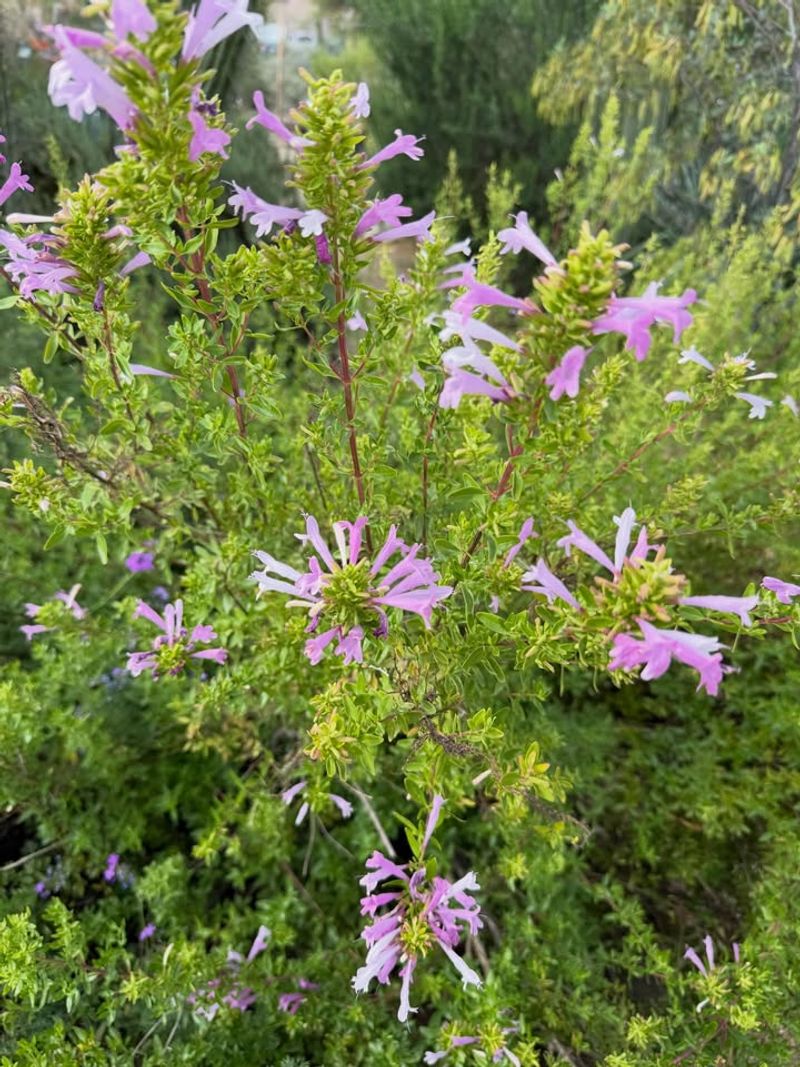
Mexican oregano is not the same plant as the Italian kind you use in pasta sauce. It is tougher, wilder, and far better suited to a hot desert environment.
Planted along a front walkway, it sends out a sharp herbal scent that keeps flies and beetles from lingering near your entry. Brushing against it as you walk by activates the oils even more.
The effect is natural and continuous without any effort from you.
Yellow tubular flowers appear in summer and attract hummingbirds and native bees. So while it pushes away pests, it pulls in beneficial wildlife at the same time.
That balance is hard to find in a single plant.
It grows into a loose, open shrub about three to five feet tall. Give it room to spread and it fills in beautifully without needing much shaping.
Crowding it against a wall tends to reduce airflow and invite fungal problems.
Water deeply once established, roughly every ten days in peak heat. Reduce watering significantly in winter.
Mexican oregano is semi-deciduous, meaning it may drop some leaves in cold snaps but recovers quickly when temperatures rise again.
Prune lightly in late winter to remove any scraggly growth. New shoots push out fast in spring.
It is one of those plants that rewards low maintenance with surprisingly strong seasonal performance, especially in regions where summers run long and brutal.
5. Citronella Geranium Works Well In Containers
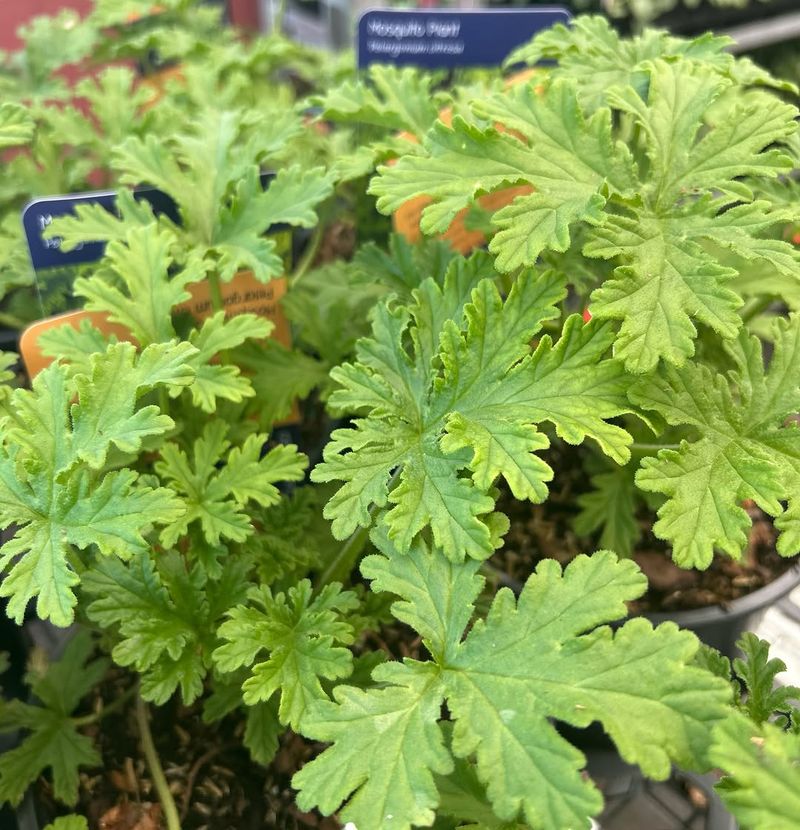
Scented geraniums are not the same as common geraniums. Citronella geranium carries a strong lemon-citrus smell that mosquitoes actively avoid.
Containers are where this plant really shines. A pot on either side of your front door creates a movable pest barrier you can reposition as needed.
That flexibility is genuinely useful in a desert climate where sun angles shift dramatically by season.
Citronella geranium grows fast in warm conditions. Expect it to fill a medium pot within a few weeks of planting.
Regular pinching of the tips keeps growth bushy rather than leggy.
Water when the top inch of soil feels dry. These plants do not like sitting in soggy soil, so make sure containers have drainage holes at the bottom.
Terracotta pots work especially well because they allow moisture to evaporate through the walls.
Fertilize lightly every three to four weeks during the growing season. A balanced, water-soluble fertilizer at half strength is enough.
Too much nitrogen pushes leafy growth at the expense of the scent-producing oils.
Move containers to a sheltered spot during hard freezes, which do occur in parts of Arizona during winter nights. Light frost is manageable, but prolonged cold damages the stems.
Bringing pots inside for a few nights extends the plant’s lifespan considerably.
Rub a leaf between your fingers and you will understand immediately why bugs turn around. The scent is strong, fresh, and very effective up close.
6. Rue Brings Texture And Aromatic Foliage
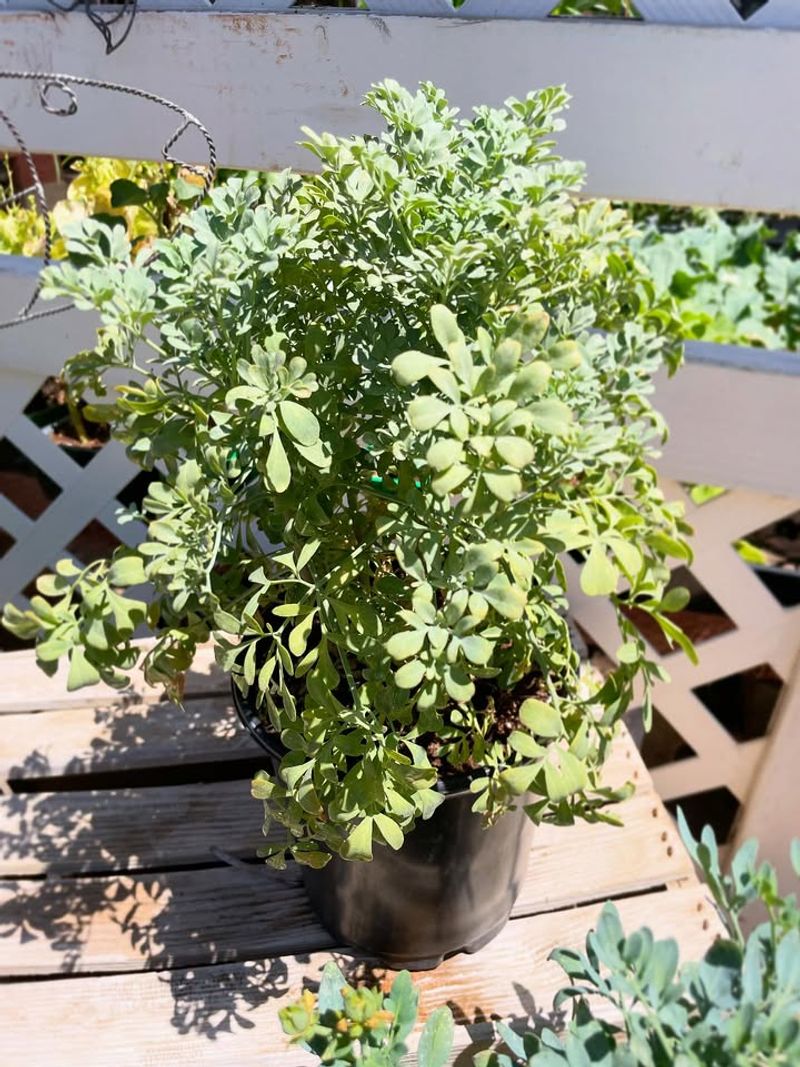
Rue is one of the oldest pest-deterring plants in history, and it still works just as well today.
Blue-green leaves and a sharp, bitter scent make it unlike anything else in a front garden. Cats, dogs, Japanese beetles, and flies all tend to avoid it.
Planting it near your front door creates a natural repellent zone without sprays or traps.
It grows into a compact, rounded shrub about two feet tall. The fine, almost lacy texture of the foliage adds visual interest even when it is not blooming.
Small yellow flowers appear in summer and add a cheerful accent without overwhelming the look.
Rue does best in full sun and well-draining soil. Sandy or rocky ground suits it well.
It actually performs better when soil is lean rather than rich, which makes it ideal for desert front yards where the ground is often dry and gritty.
Water sparingly once established. Weekly watering in summer is usually enough.
In cooler months, cut back to every two weeks or less depending on rainfall.
One important note: the sap can irritate skin in direct sunlight. Wear gloves when trimming or handling it, especially during hot, sunny afternoons.
That is a real limitation worth knowing before you plant it.
Beyond that, rue is low-fuss and long-lived. It does not need frequent replacement and holds its shape through most of the growing season with minimal pruning.
A genuinely underrated choice for desert entryways.
7. Lemon Verbena Stands Out With Its Citrus Scent
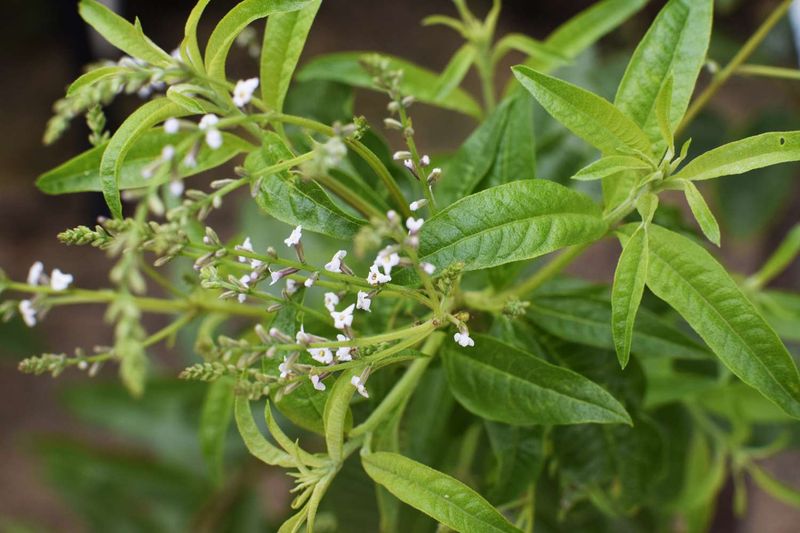
Walk past lemon verbena and you will stop in your tracks. The citrus scent it releases is strong, clean, and completely natural.
Mosquitoes and flies find that same scent overwhelming and tend to avoid the area around it. Placing it near your front door means every time someone walks in or out, the oils get activated and the repellent effect kicks in.
No sprays needed.
Lemon verbena grows as a shrub and can reach four to six feet tall in warm climates. It prefers full sun and regular water during the growing season.
Unlike some other aromatic plants, it does not handle prolonged drought as well, so consistent watering pays off.
Plant it in rich, well-draining soil for best results. Amending sandy desert soil with a little compost at planting time helps it establish faster.
Once roots are settled, it becomes more resilient and needs less attention.
Pinch the tips regularly to keep growth full and bushy. Left unpruned, it tends to get tall and sparse at the base.
A quick trim every few weeks during the growing season keeps it looking presentable near an entryway.
Harvest leaves anytime for tea, cooking, or homemade sachets. Fresh leaves steeped in hot water make an incredibly fragrant drink.
It is one of those plants that earns its space in multiple ways, not just as a pest deterrent but as a genuinely useful herb for everyday use.
8. Marigolds Provide Months Of Bright Blooms
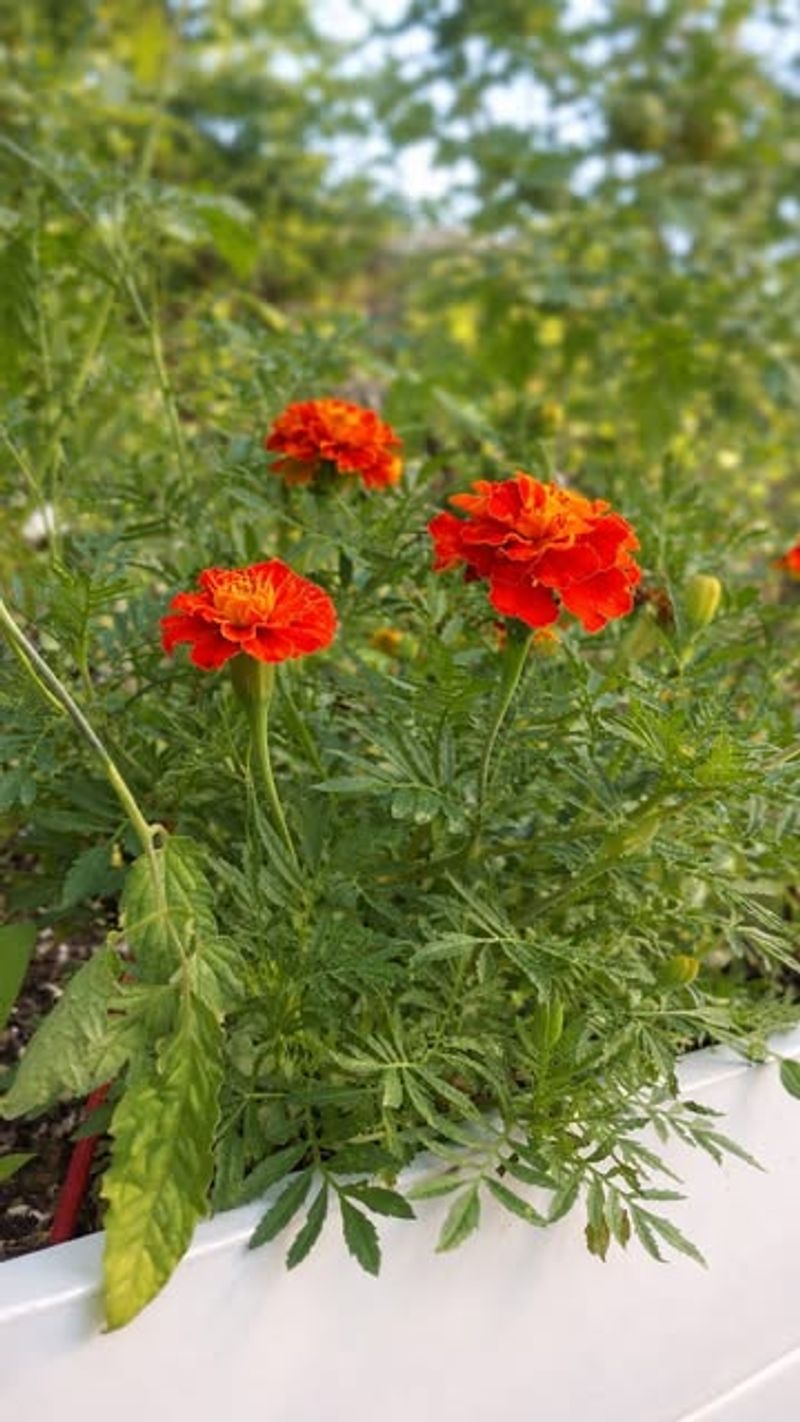
Marigolds are the most underestimated pest-fighters in any front garden. Bright, bold, and incredibly effective.
They release a compound called alpha-terthienyl from their roots and foliage. Whiteflies, aphids, nematodes, and mosquitoes all respond badly to it.
Lining your front walkway or door with marigolds creates a visible and functional barrier at the same time.
African marigolds handle desert heat especially well. They grow tall, bloom heavily, and hold up through summer months that would stress lesser plants.
French marigolds are smaller but equally fragrant and work well in containers near a front stoop.
Plant marigolds in full sun and water at the base rather than overhead. Wet foliage in humid conditions can lead to powdery mildew.
In dry Arizona air, that is less of a concern, but keeping water off the leaves is still a good habit.
Deadhead spent blooms every few days to keep new flowers coming. It takes less than five minutes and makes a real difference in how long the plant keeps producing.
Skip deadheading and bloom production slows significantly within a few weeks.
Marigolds are annuals, meaning they complete their life cycle in one season. Replant each spring for continuous coverage.
Seeds are inexpensive and germinate quickly in warm soil, so starting fresh each year is not a burden.
Few plants deliver this much visual impact and pest control for this little cost. Marigolds consistently outperform expectations at the front door.