The Overlooked July Task Behind Virginia’s Best Peach Trees
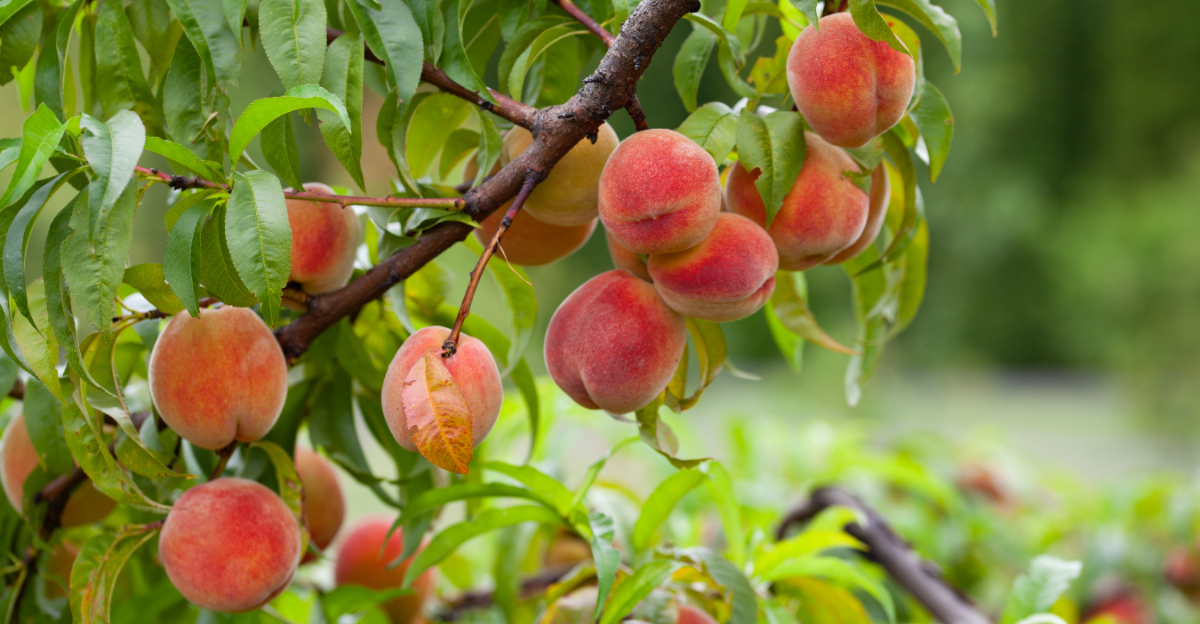
Walk through any commercial peach orchard in Virginia during the third week of July, and you will notice something backyard growers rarely do: a single task that looks almost too simple to matter.
Here is what those orchardists understand that most home gardeners never learn. A peach tree spends July deciding how much energy to invest in next year’s harvest versus this year’s growth. Left alone, it rarely chooses in your favor.
This one overlooked step is what separates orchards bursting with fruit from backyard trees that limp along, year after year, producing less than they should.
Skip it, and the tree will not punish you right away. The damage shows up quietly, months later, when August arrives and the harvest feels thinner than it ought to be.
1. Summer Pruning Keeps Peach Trees Producing Longer
Your tree is quietly telling you something in July. Most gardeners are not listening.
Summer pruning is the overlooked July task behind Virginia’s best peach trees. It sounds simple, but the timing matters more than most people realize.
When you prune in late summer, you remove weak wood before it drains the tree’s energy. Strong branches stay. Weak ones go.
Without this step, overcrowded limbs block airflow and trap moisture. That moisture invites fungal problems that ruin fruit long before harvest day.
Experienced growers in the Piedmont region cut back new growth to about 18 inches. That keeps the canopy open and manageable for the seasons ahead.
The goal is not to make the tree smaller. The goal is to make it smarter about where it sends its energy.
A well-pruned tree pushes more sugars into fewer fruits. Those fruits end up bigger, juicier, and far more flavorful than anything from an unpruned tree.
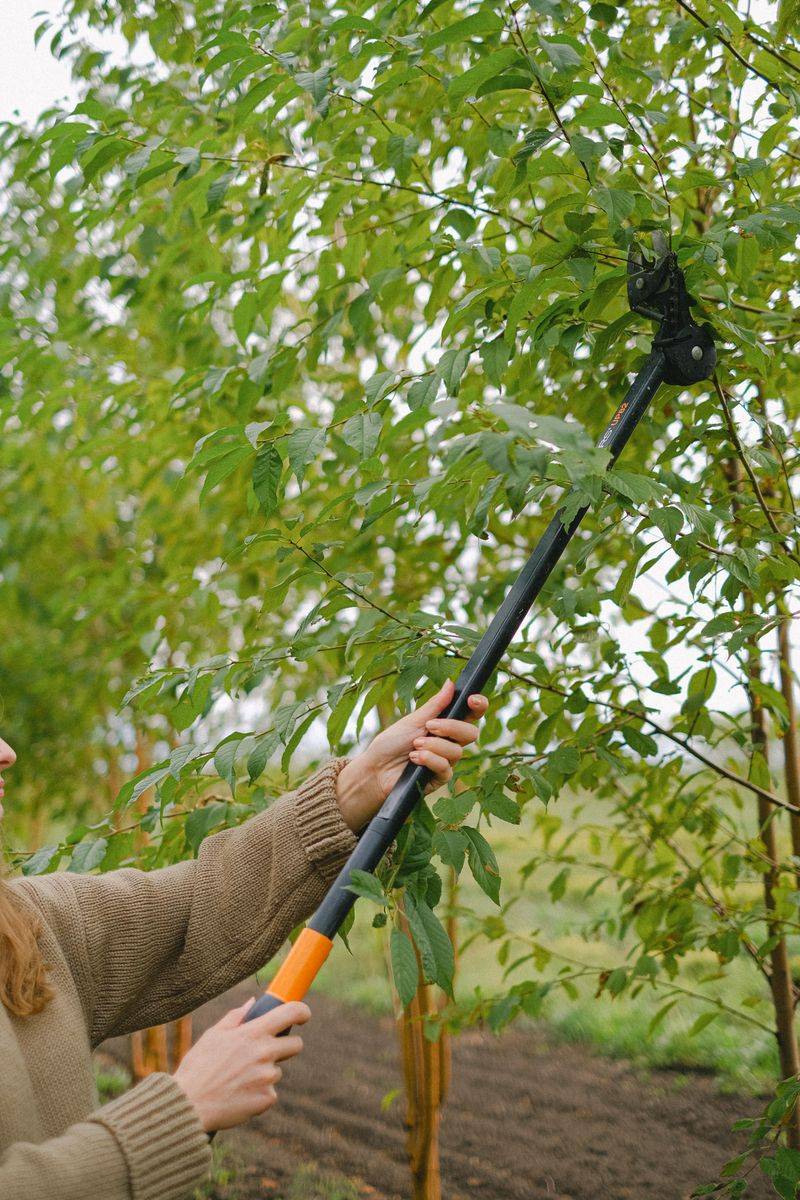
Grab a clean pair of loppers and start with any branch crossing another. Then remove anything growing straight up from a main limb.
Cut just above a bud or side branch. Leaving stubs invites pests and slows the healing process considerably.
Done right, summer pruning sets the stage for a spectacular harvest next year. Your future self will thank you for every snip you make today.
2. Virginia Peach Orchards Thrive In Piedmont Clay
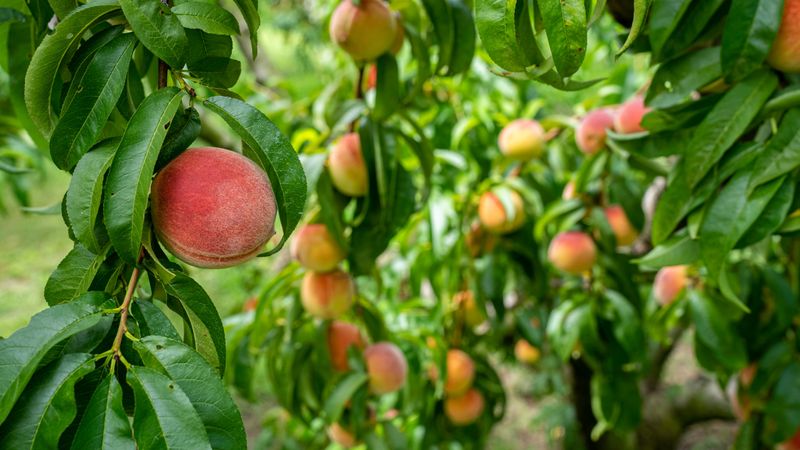
Red clay soil really is a challenge for peach trees, and Piedmont growers know exactly how to manage it. Left untreated, that same clay can hold onto far more water than a peach tree’s roots can tolerate.
Clay holds moisture longer than sandy soil, which can help during dry July spells. But that same trait makes drainage the biggest challenge growers have to manage all season long.
Soil health is where Virginia’s best peach growers start their July checklist. Growers check clay moisture and structure before any pruning or feeding begins.
Compacted clay cuts off oxygen to the roots and raises the risk of root rot. Loosening the top two inches around the base helps air move through the soil and keeps roots healthier.
Your Virginia Garden Changes Every Week. Your Plan Should Too.
Gardening in Virginia changes quickly throughout the season. Every Friday you’ll receive a simple weekly plan showing exactly what to plant, prune, fertilize, harvest, and protect so you never miss the right timing.
A garden fork works perfectly for this job. Just push it in gently and rock it back and forth without disturbing deep root systems.
Many Piedmont orchards also work in a layer of compost or aged manure in July. That organic matter improves drainage over time and gives clay a lighter, more workable structure.
Peaches prefer slightly acidic soil, around a pH of 6.5. Piedmont clay can land close to that range, though it often still needs organic matter to correct drainage and aeration.
If your soil tests above 7.0, a small amount of sulfur can bring it back down. Always test before adding anything to avoid overcorrecting the balance.
Working with clay instead of against it takes patience, but the payoff is worth it. A little extra effort in July gives your peach tree the drainage and structure it needs all season.
3. The Sunlight Gaps That Ripen Fruit Evenly
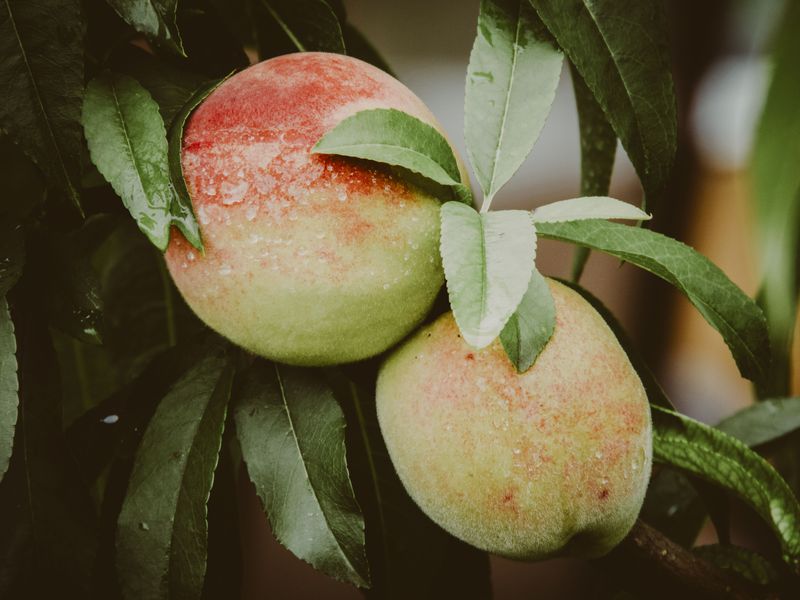
Bite into a peach that ripened unevenly and you will never forget that disappointment. One side sweet, the other still crunchy and sour.
Even ripening depends almost entirely on how well sunlight reaches every part of the tree. That is why canopy management matters so much in July.
When branches grow too dense, inner fruit stays shaded for most of the day. Shaded peaches lag behind by days, sometimes even a full week.
Growers call the spaces between branches sunlight gaps. Creating those gaps on purpose is one of the quiet habits that separates thriving orchards from struggling ones.
The goal is a canopy that looks almost like an open bowl from above. Light should be able to reach every major branch without obstruction.
Removing even two or three crossing limbs can transform how evenly a whole tree ripens. The change is visible within a single growing season.
Peaches need at least six hours of direct sun each day to develop full sweetness. Anything less and the sugars simply do not develop the way they should.
Pay special attention to the center of the tree during your July walkthrough. That area tends to close up fastest and shadow the most fruit.
Once you start thinking about sunlight gaps, you will see orchards differently. Every open space in a well-managed canopy is doing quiet, powerful work.
4. Growers Thin Branches Before The Heat Peaks
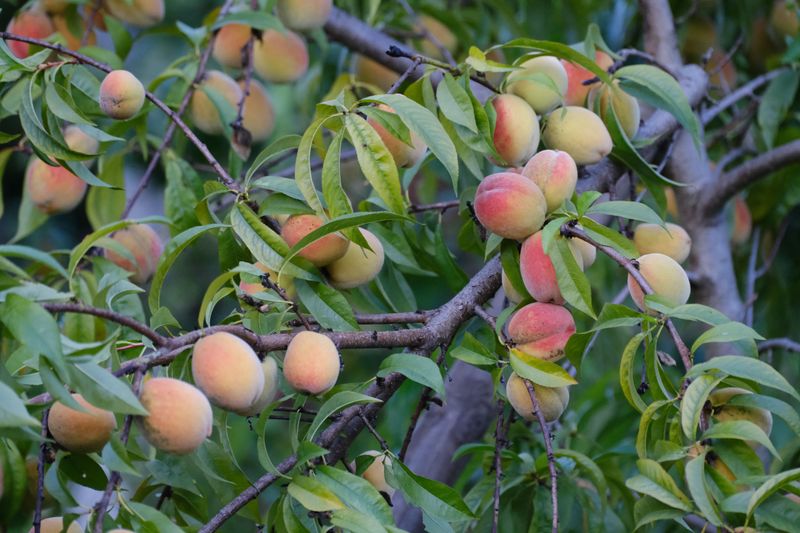
July heat in Virginia hits fast and stays long. Smart growers get their thinning done before temperatures climb into the 90s.
Branch thinning is different from fruit thinning, though both matter. This step focuses on removing structural wood that crowds the main scaffold branches.
When the canopy is too full heading into peak heat, the tree struggles. It cannot cool itself efficiently, and stressed trees produce smaller, less flavorful fruit.
Getting this timing right is what separates a tree that coasts through August from one that struggles. Do it too late and the tree has already spent energy feeding those extra branches.
Experienced growers look for branches thinner than a pencil first. Those small, whippy stems rarely produce quality fruit and drain resources constantly.
Next, they remove any branch growing inward toward the trunk. Inward growth never gets enough light and becomes a home for insects over time.
After thinning, step back and look at the overall shape. A well-thinned peach tree has a balanced, open structure that feels almost airy.
Some growers paint fresh cuts with a diluted wood sealant. This step is debated, but in humid Virginia summers it can reduce pest entry points.
Thinning branches in July is not dramatic work. But the growers who do it consistently are the ones with the most impressive harvests every single August.
5. The Root Zone Watering Trick Behind Juicier Peaches
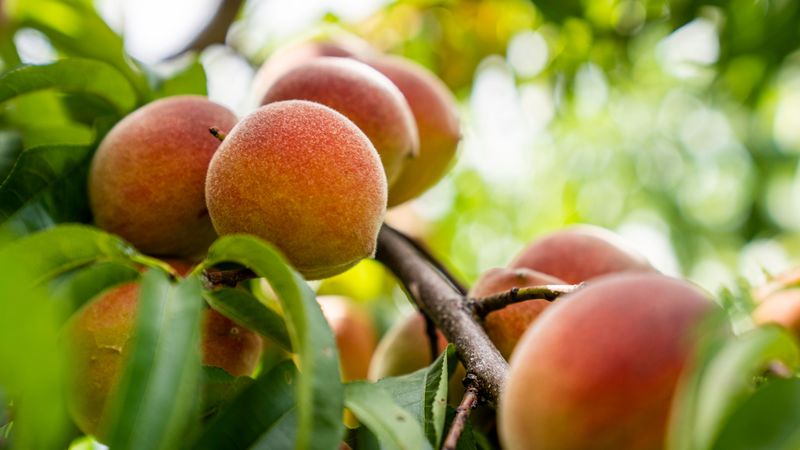
Watering a peach tree sounds straightforward until your fruit comes out mealy and bland. The problem is almost always where the water lands.
Most backyard growers spray water at the trunk or directly overhead. Both methods miss the zone where peach roots actually absorb moisture most efficiently.
The root zone extends from about one foot out from the trunk to just past the drip line. That outer ring is where the feeder roots concentrate.
Targeting that zone is a habit every serious Virginia grower relies on. It sounds small but changes everything about fruit quality.
Drip irrigation placed at the drip line delivers water slowly and directly where it counts. Even a basic soaker hose looped around the tree works beautifully.
In July, established peach trees need about one to two inches of water per week. Sandy areas may need slightly more, while clay-heavy soil holds moisture longer.
Mulching the root zone amplifies the effect of every watering session. A three-inch layer of wood chips slows evaporation and keeps soil temperature steady.
Keep the mulch a few inches away from the trunk itself. Moisture sitting against bark creates a perfect environment for rot and fungal growth.
Juicy, flavorful peaches are not an accident. They are the direct result of consistent, well-placed watering during the most critical weeks of summer growth.
6. Late July Marks The Window For Next Year’s Harvest
Most people think the harvest ends the season. Experienced growers know late July actually starts the next one.
By late July, peach trees in Virginia are already forming the buds that will become next year’s fruit. What happens to the tree now shapes what you pick in twelve months.
This late-July check is easy to skip, but it shapes everything about next year’s crop. Healthy bud formation signals a strong foundation for next season.
If buds look sparse or clustered only at branch tips, it often means the tree needs better light distribution. That is a sign to revisit your pruning plan immediately.
Fertilization also plays a role during this window. A light application of balanced fertilizer in late July supports bud development without pushing excessive leafy growth.
Avoid high-nitrogen feeds at this stage. Too much nitrogen encourages soft new growth that struggles to harden before cold weather arrives in fall.
Growers also scout for pest damage on buds during late July walks. Catching a problem now prevents a much larger issue from building through August and September.
Take notes during your inspection. A simple notebook or phone photo log helps you spot patterns across multiple seasons and make smarter decisions each year.
Late July is a quiet, easy-to-miss moment in the growing calendar. Growers who pay attention now are rarely surprised by what they find in the orchard come fall.