8 Simple Tricks New Jersey Gardeners Use For Fuller Hydrangeas
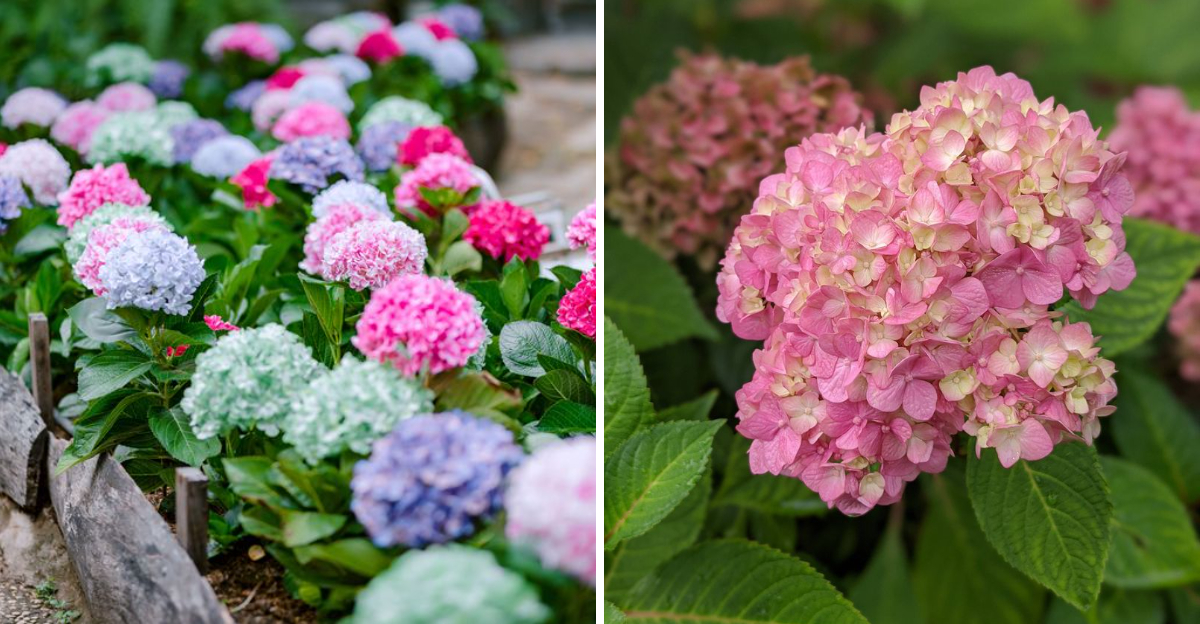
Nobody warns you that hydrangeas can humble your gardening confidence. You plant one with high hopes, and it just sits there, green and unmoved.
Meanwhile, the one two houses down looks like a florist visits it every single week. One honest conversation with an old-timer at a New Jersey nursery changed everything.
He looked at my photo, squinted, and said “you are pruning on the wrong side of the season.” That one line opened the whole picture.
It turns out a short list of unglamorous habits separates the showstoppers from the underperformers.
Soil timing, pruning logic, and feeding rhythm work quietly behind every head-turning garden in New Jersey. No expensive fixes.
No complicated routines. Just sharp, specific moves that give stubborn shrubs exactly what they have been silently asking for.
Are you ready to finally give your hydrangeas the season they deserve?
1. Prune At The Right Time For Your Variety
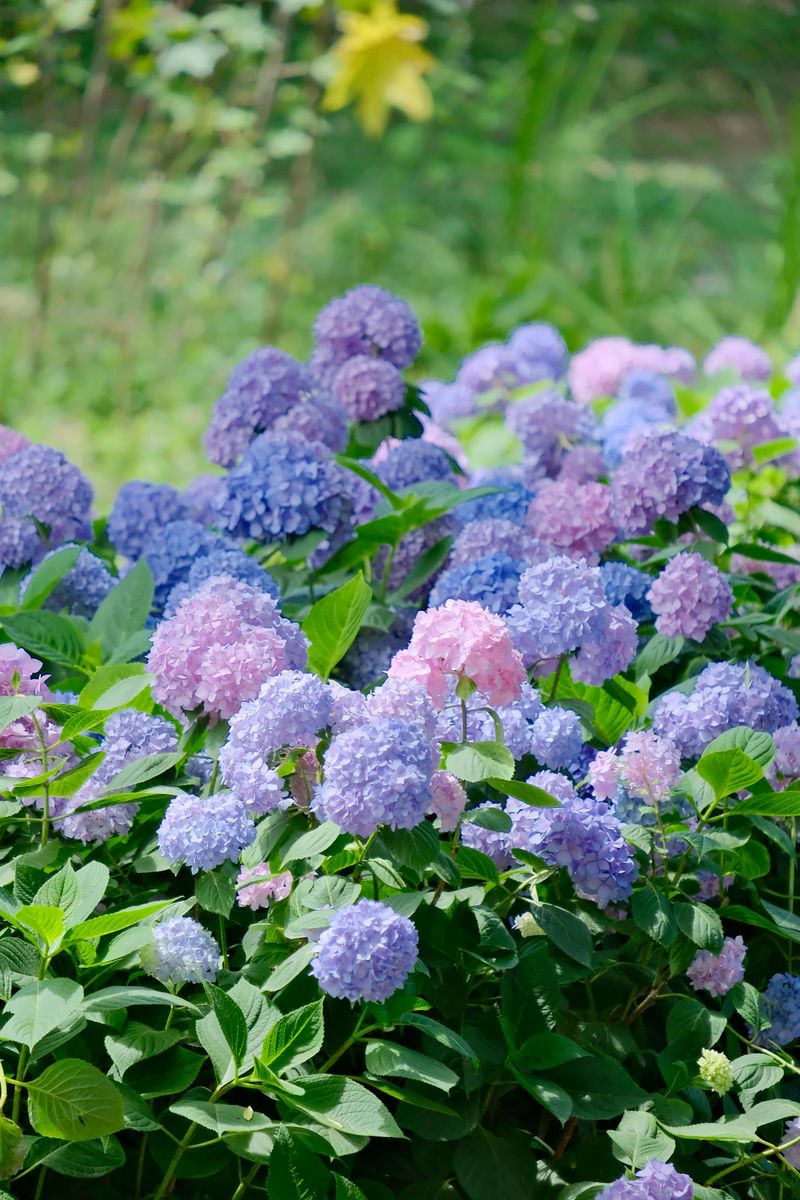
Most people grab their pruning shears at the wrong time and wonder why their hydrangeas never bloom.
Timing your pruning based on your specific variety is one of the most powerful things you can do for fuller hydrangeas. Bigleaf and oakleaf types bloom on old wood.
They set their flower buds in late summer and fall. If you cut those canes back in spring, you are snipping off next season’s blooms before they get a chance.
Smooth hydrangeas like Annabelle bloom on new wood. You can prune them hard in late winter or early spring without any worry.
Panicle types also bloom on new growth and respond well to a good trim before spring kicks in. Knowing your variety is not optional. It is the foundation of everything.
A quick habit Jersey gardeners swear by is tying a small tag to each plant with the variety name and pruning window written on it.
It sounds simple, but it saves a lot of confusion come summer. When in doubt, the golden rule is to wait until after flowering to cut anything back.
Look for the tiny green buds forming along the stems before you make any cuts.
Those buds are your roadmap to a strong bloom season. Get the timing right once, and you will never go back to guessing.
2. Fertilize At The Right Time With Balanced Feed
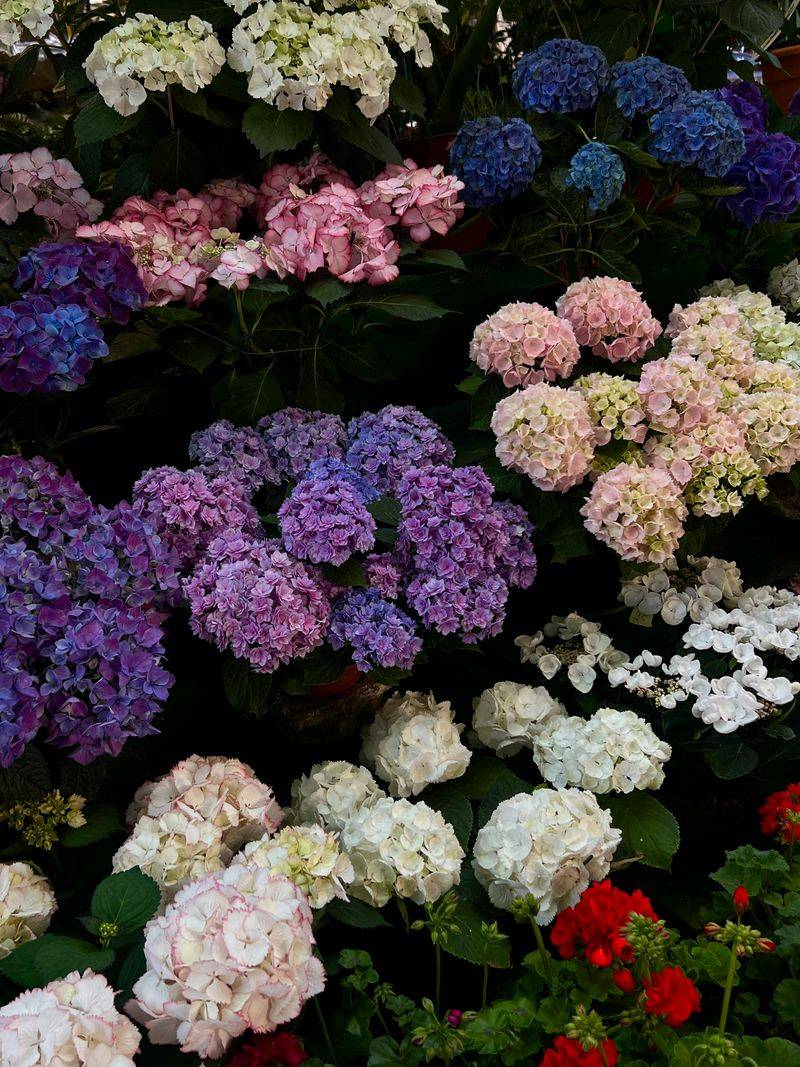
Spring feeding can turn a scraggly hydrangea into a showstopper in a single season. A 10-10-10 fertilizer gives your plant an equal boost of nitrogen, phosphorus, and potassium right when it needs it most.
Nitrogen fuels leafy growth, phosphorus supports strong root systems, and potassium helps the whole plant handle stress.
That trio working together in early spring sets up your hydrangea for a summer packed with blooms.
The best window for that first feeding is when you start to see new green growth pushing out from the stems.
In most parts of New Jersey, that means late March or early April. Slow-release granular fertilizers are a favorite among local gardeners because they feed steadily over several weeks.
Your New Jersey Garden Changes Every Week. Your Plan Should Too.
Gardening in New Jersey changes quickly throughout the season. Every Friday you’ll receive a simple weekly plan showing exactly what to plant, prune, fertilize, harvest, and protect so you never miss the right timing.
One application often does the trick for the entire growing season. Scatter the granules evenly around the drip line of the plant.
That is the outer edge of the branches, not right up against the stem. Then water it in well so the nutrients can start working their way down to the roots.
Avoid fertilizing after July because late feeding pushes out soft new growth that frost can damage in fall.
A well-fed hydrangea has thicker stems, bigger leaves, and blooms that last longer into the season.
Think of early spring fertilizing as your plant’s annual tune-up. Skip it once and you may notice the difference by August.
3. Water At The Right Depth For Stronger Roots
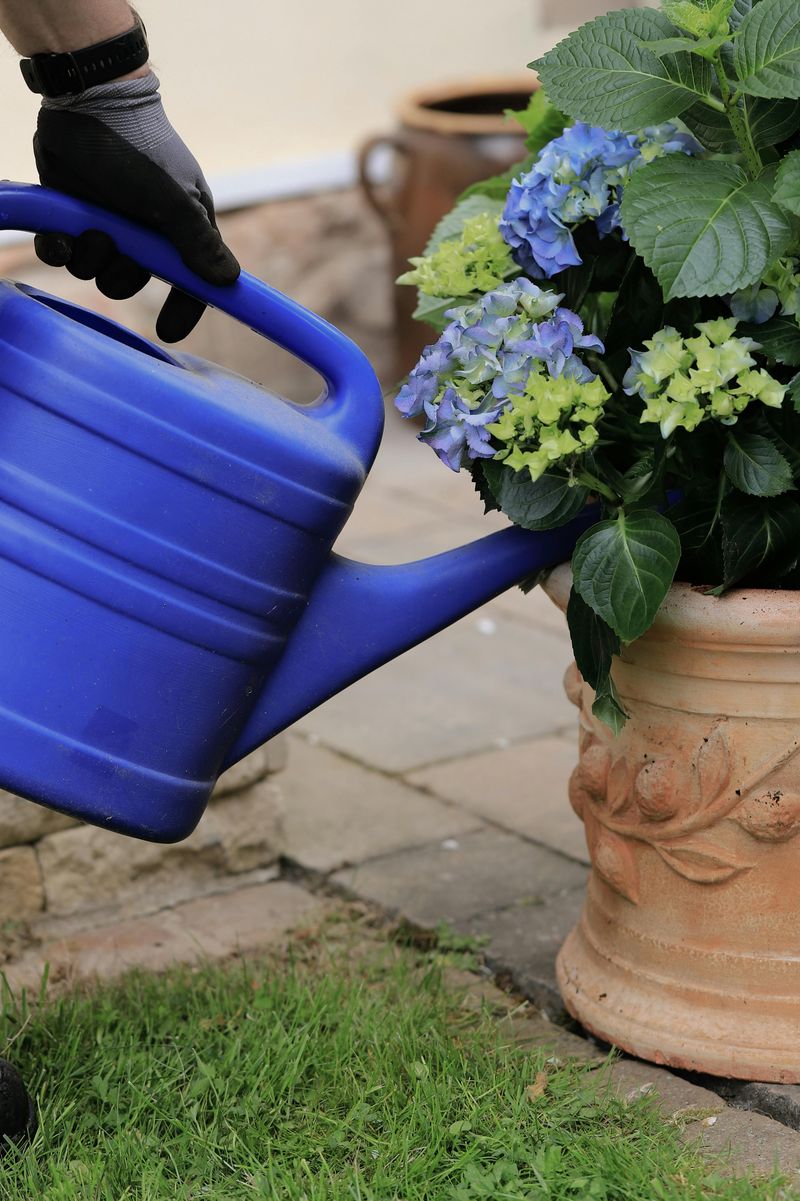
Shallow watering is one of the sneakiest reasons hydrangeas underperform, and most gardeners never suspect it.
When you water lightly every day, the roots stay near the surface where they are vulnerable to heat and drought.
Deep, infrequent watering trains the roots to grow down into cooler, more stable soil layers.
That deeper root system makes the plant far more resilient during New Jersey’s hot and humid summers.
Aim to water your hydrangeas two to three times per week rather than every day. When you do water, go slow and long.
Let the hose run at the base of the plant for several minutes so moisture penetrates at least eight to ten inches into the ground.
A simple soil probe or even a long screwdriver can tell you how deep the water is actually reaching.
Morning watering is always the best call because the foliage has time to dry before evening, which cuts down on fungal issues.
Avoid wetting the leaves as much as possible, especially during humid stretches in July and August.
Drip irrigation or a soaker hose laid at the base of the plant is a reliable option for consistent deep watering without the hassle.
Hydrangeas are expressive plants and will wilt noticeably when thirsty, but that does not always mean they need water.
Check the soil first before reaching for the hose. Once you master deep watering, you will notice stronger stems and blooms that hold up all season long.
4. Mulch Around The Base At The Right Thickness
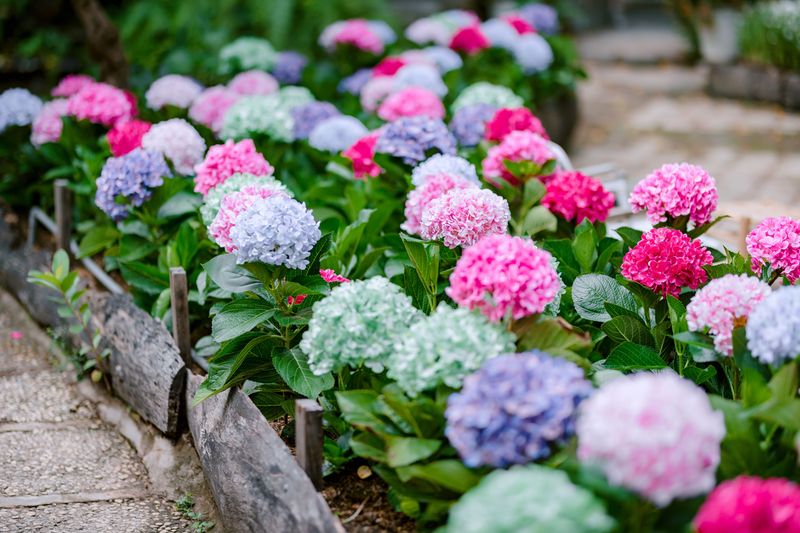
A bare patch of soil around your hydrangea is practically an invitation for trouble. Laying down a generous layer of mulch around the base does more good than most gardeners realize.
It locks in soil moisture, regulates temperature, suppresses competing weeds, and feeds the soil as it breaks down over time.
For New Jersey gardens where summer heat can be intense and winter temperatures swing wildly, mulch acts like a protective blanket year-round.
Shredded bark, wood chips, or leaf mold are all excellent choices for hydrangeas. Apply a layer about two to three inches thick, spreading it out to the drip line of the plant.
Keep the mulch a few inches away from the main stem to prevent moisture from sitting directly against the bark, which can cause rot.
One of the best-kept habits among experienced local gardeners is refreshing the mulch layer every spring before the growing season gets going.
Old mulch breaks down into the soil, which is a bonus for soil quality, but a fresh top layer keeps the benefits coming all season.
Pine bark mulch is especially popular because it breaks down slowly and gives the garden bed a tidy, polished look.
In fall, a thicker mulch layer of four to five inches helps insulate the root zone against freezing temperatures.
That extra protection can mean the difference between a plant that bounces back strong and one that struggles to recover. Mulching is one of the simplest habits with one of the biggest payoffs.
5. Position In The Right Light For Maximum Blooms
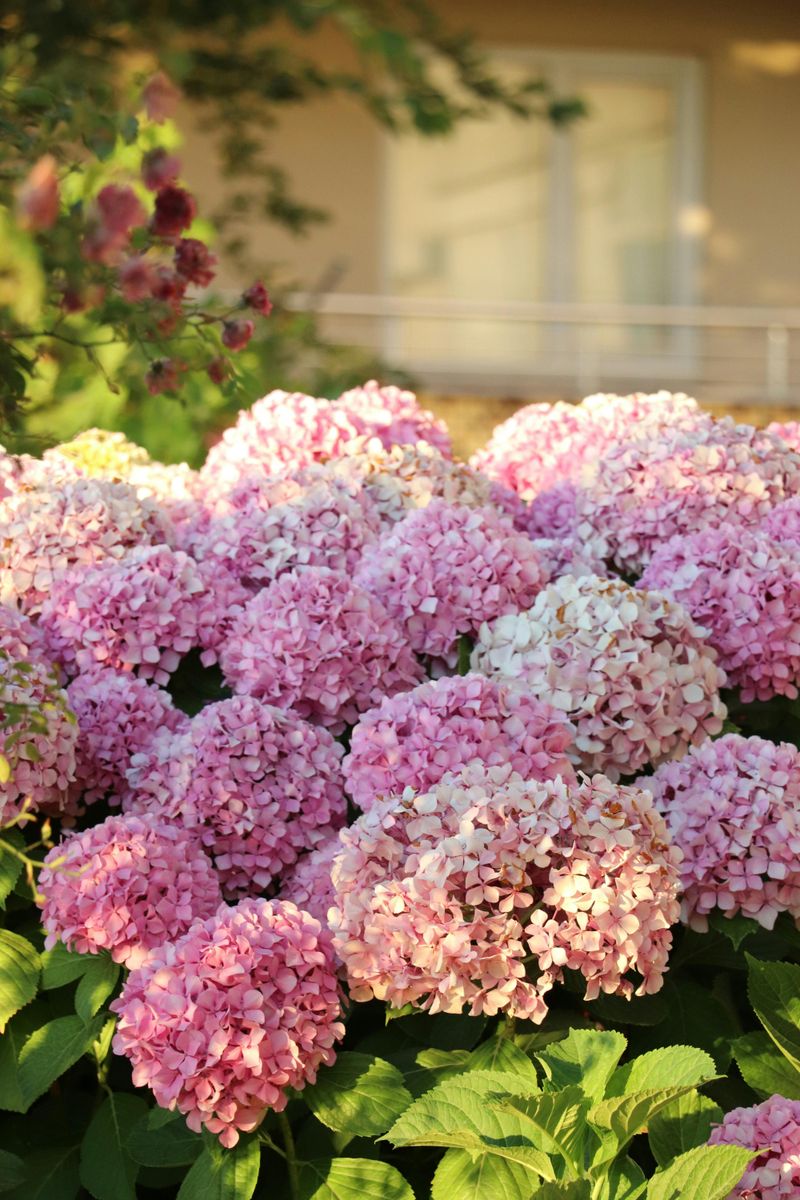
Light placement is the secret weapon most gardeners overlook when planning their garden layout. Fuller hydrangeas in New Jersey almost always share one thing in common.
They get morning sun and afternoon shade. Morning light gives the plant the energy it needs to fuel strong growth and big blooms.
Afternoon shade protects the leaves and flowers from the intense heat that rolls in during summer, which can scorch petals and stress the whole plant.
Spots on the east side of a house, fence, or tree line are ideal because they naturally receive that favorable light pattern.
If your current planting spot bakes in full sun all day, you may want to consider transplanting in early fall when temperatures cool down.
Hydrangeas are surprisingly forgiving when moved at the right time of year. Deep afternoon shade is not the answer either.
Too little light leads to leggy stems that flop over and sparse bloom clusters that never quite fill out.or open shade through the hottest part of the day.
Pay attention to how light moves across your yard at different times of day before deciding on a planting spot.
Taking that time upfront saves years of frustration down the road. The right light placement can go a long way toward turning a struggling shrub into the centerpiece of your yard.
6. Feed With The Right Nitrogen Level For Your Soil
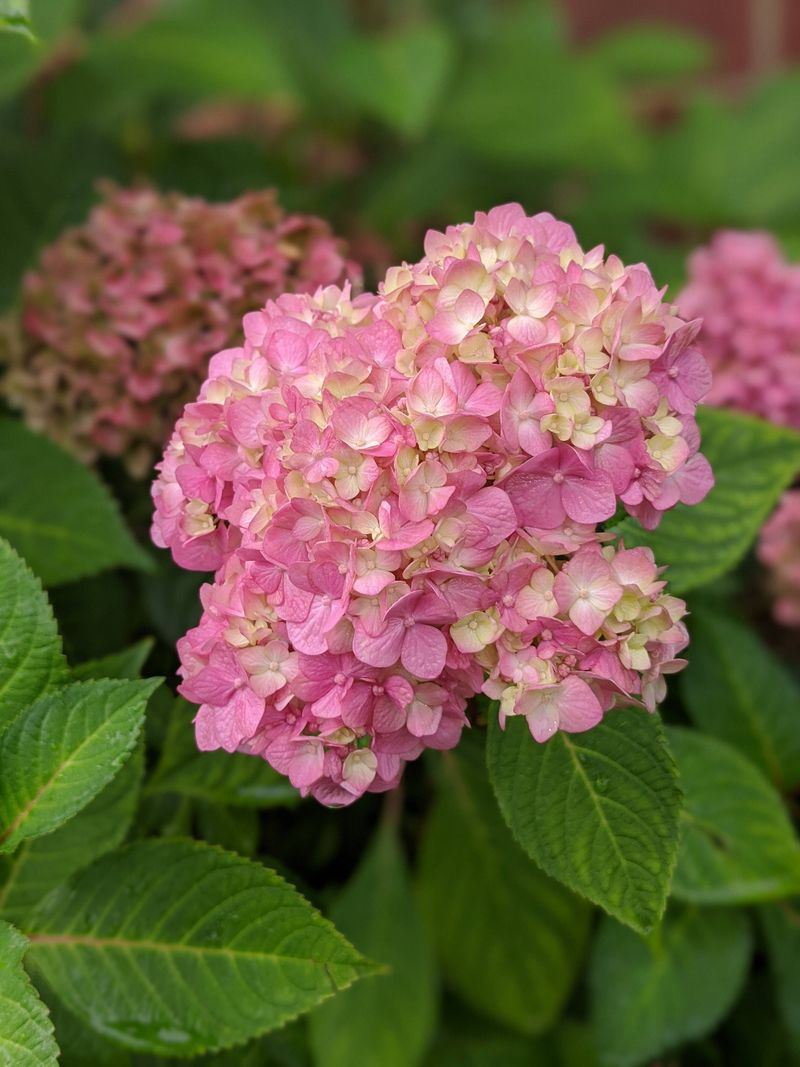
Too much of a good thing can quietly work against your entire bloom season. Nitrogen is the nutrient that pushes leafy, green growth, and hydrangeas do need some of it.
But when nitrogen levels get too high, the plant puts all its energy into producing big, dark green leaves and almost nothing into making flowers.
You end up with a shrub that looks healthy but refuses to bloom.
Lawn fertilizers are a common culprit because they tend to be high in nitrogen and can easily drift or wash into nearby garden beds.
If your hydrangea sits close to a lawn area that gets regular feeding, that runoff could be the reason your plant is all leaves and no blooms.
Switching to a fertilizer specifically formulated for flowering shrubs makes a noticeable difference. Choose fertilizer based on soil test and avoid unnecessary phosphorus.
Those formulations favor root development and flower production over leafy growth. Apply once in early spring and possibly once more in early summer to keep the plant fed without overdoing it.
Soil testing is another smart move because it tells you exactly what your garden beds already contain before you add anything.
Many New Jersey county extension offices offer affordable soil testing kits. Armed with that information, you can feed your hydrangeas precisely what they need, nothing more and nothing less.
7. Cover At The Right Moment For Late Spring Frost
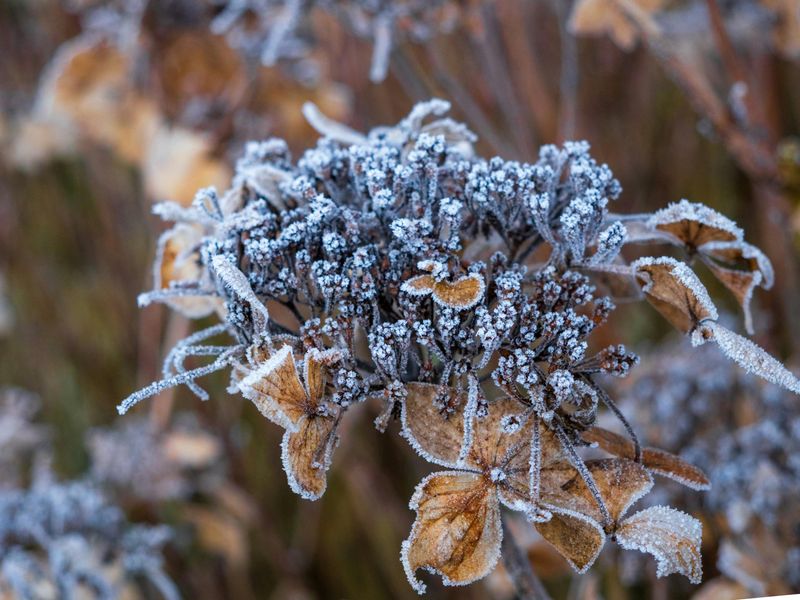
One late frost can wipe out an entire season of hydrangea blooms in a single night. New Jersey springs can drop below freezing well into April and even May.
For bigleaf and oakleaf hydrangeas that bloom on old wood, those tender new buds are incredibly vulnerable during that window.
A single hard freeze at the wrong moment can damage or eliminate the buds before they ever get a chance to open.
Keeping an eye on the forecast from late March through mid-May is a habit that pays off enormously. Watch for overnight temperatures expected to dip below 32 degrees Fahrenheit.
When that happens, cover your hydrangeas with a breathable frost cloth or an old bedsheet before sunset.
Remove the covering the next morning once temperatures climb back above freezing to avoid trapping excess heat.
Burlap is another popular option among seasoned local gardeners because it allows air circulation while still providing meaningful insulation.
For plants in containers, simply moving them into a garage or shed on cold nights is the easiest solution.
In-ground plants benefit from a thick layer of mulch over the root zone as added protection against temperature swings.
Planting hydrangeas near a south-facing wall or fence can also help. Those structures absorb heat during the day and radiate it back out at night.
That micro-climate effect can raise overnight temperatures by a few degrees, which sometimes makes all the difference.
A little preparation before a cold snap keeps those precious buds safe for fuller hydrangeas come summer.
8. Amend With The Right Compost Every Single Year
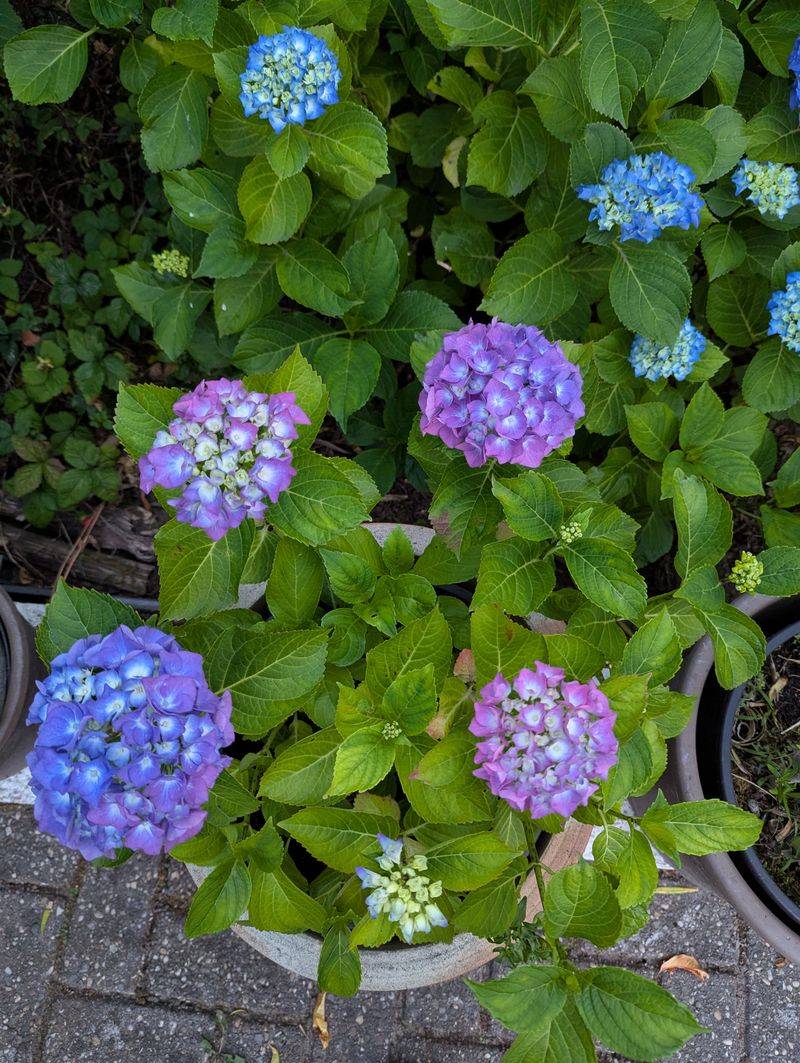
Healthy soil is the foundation that every strong hydrangea display is built on. Adding finished compost around your hydrangeas once a year does more for long-term plant health than almost anything else.
Compost improves soil structure and boosts drainage in clay-heavy soils like those found in many parts of New Jersey.
It also adds a steady slow-release supply of nutrients that synthetic fertilizers simply cannot replicate.
Annual compost applications can meaningfully improve even tired, compacted soil, making it richer, looser, and more alive with beneficial microbes.
Early spring is the ideal time to spread compost, right before new growth begins pushing out.
Apply a two to three inch layer around the base of each plant, extending it out to the drip line just like mulch.
You can layer compost directly under your mulch so both are working together to feed and protect the root zone at the same time.
Homemade compost from a backyard bin is fantastic, but bagged compost from a garden center works just as well.
Look for products labeled as aged or finished compost rather than raw wood chips or fresh manure, which can burn roots and introduce unwanted pathogens.
Even one bag per plant per year adds up to meaningful improvements over a few seasons. The best hydrangeas almost always start with well-tended soil.
Think of compost as a long-term investment in your garden’s future. Start this year and your plants are likely to reward you with bigger, bolder blooms that keep improving season after season.