Bad Yard Habits That Are Turning Your Tennessee Property Into A Tick Hotspot
You mow the lawn, rake the leaves, and figure your yard is under control. It’s not. Ticks are already there, waiting in the exact spots you walk through every day.
Tennessee gives them everything they need, heat, humidity, dense vegetation, and plenty of hosts passing through. Most homeowners don’t realize they’re making the problem worse.
Not through neglect, exactly, but through ordinary habits that happen to work in the tick’s favor. Long grass along the fence line. A brush pile in the corner. Deer stopping by for the garden.
Each one is an open invitation. Ticks follow predictable patterns, and once you know what draws them in, you can start pushing back.
Your yard doesn’t have to be a hotspot. But right now, it might be, and here’s why.
Letting Grass Grow Too Long
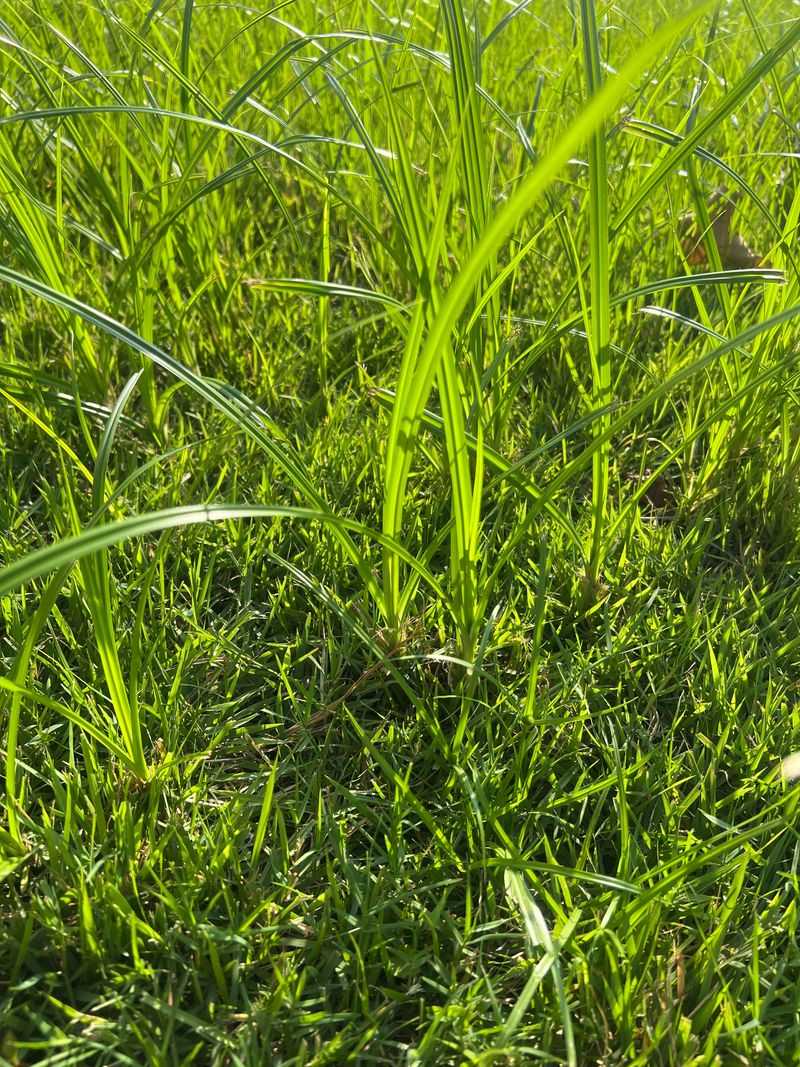
Tall grass is one of the most reliable tick habitats in any yard. When blades shoot past three inches, they create the perfect shady, moist corridor for ticks to crawl up and wait for a warm body to brush by.
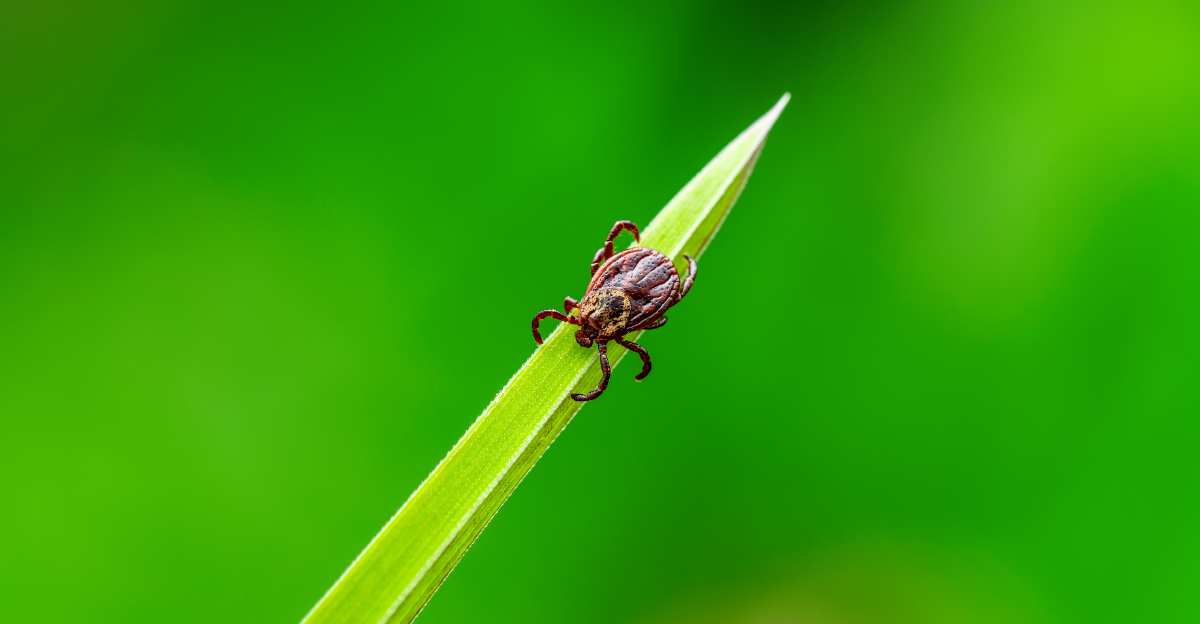
Blacklegged ticks, also called deer ticks, are notorious for this behavior. They perch on tall grass stems with their front legs outstretched in a pose called questing, just waiting for you, your dog, or a passing deer.
Keeping your lawn mowed to two or three inches removes that comfortable perch. Short grass also dries faster after rain, and ticks struggle in dry, open conditions.
Aim to mow at least once a week during peak growing season, which runs from spring through early fall across the mid-South. A consistent schedule removes the habitat before it gets established.
Pay extra attention to areas near fences, flower beds, and tree lines where mowing gets skipped. Those forgotten strips of overgrown grass become the most active tick zones on your property.
A sharp mower blade cuts cleanly and keeps grass healthier. Less thatch builds up at the soil level as a result. Thick thatch holds moisture and creates a cozy layer for ticks to shelter in between hosts.
Staying on top of this one habit alone can dramatically reduce tick pressure across your entire yard.
Ignoring Leaf Litter And Debris Piles
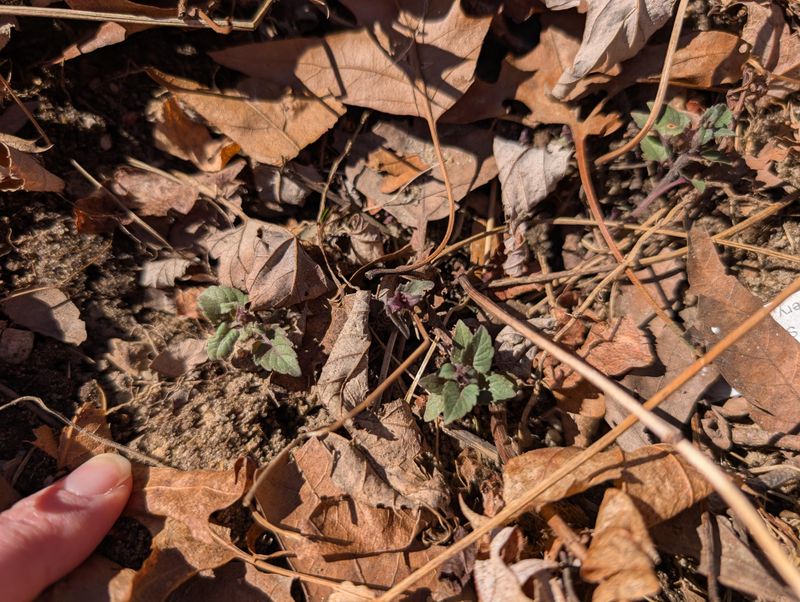
Raking leaves feels like a chore nobody wants to tackle, but leaving them piled up is one of the fastest ways to build a tick haven. Leaf litter holds moisture, blocks sunlight, and stays cool even on warm afternoons.
Those conditions are exactly what ticks need to survive between feedings. In some cases, a thick pile of decomposing leaves near your foundation or along a fence line can shelter ticks at various life stages.
Nymph-stage ticks are especially dangerous because they are tiny enough to go unnoticed. They hide in leaf debris and wait for small animals like mice and chipmunks to burrow through.
Once those rodents carry ticks across your yard, the population spreads fast. Removing leaf piles cuts off both the habitat and the rodent highway that brings ticks closer to your home.
Your Tennessee Garden Changes Every Week. Your Plan Should Too.
Gardening in Tennessee changes quickly throughout the season. Every Friday you’ll receive a simple weekly plan showing exactly what to plant, prune, fertilize, harvest, and protect so you never miss the right timing.
Bag leaves and haul them away rather than composting them near the house. Compost piles attract small mammals, which then attract more ticks, creating a cycle that is hard to break.
Clearing brush piles, old lumber scraps, and garden debris follows the same logic. Any damp, shaded pile of organic material becomes a potential tick nursery.
Ticks don’t need much, just moisture, shade, and something to hide under. A clean, tidy yard sends them looking for better real estate somewhere else entirely.
Skipping The Border Between Lawn And Woods
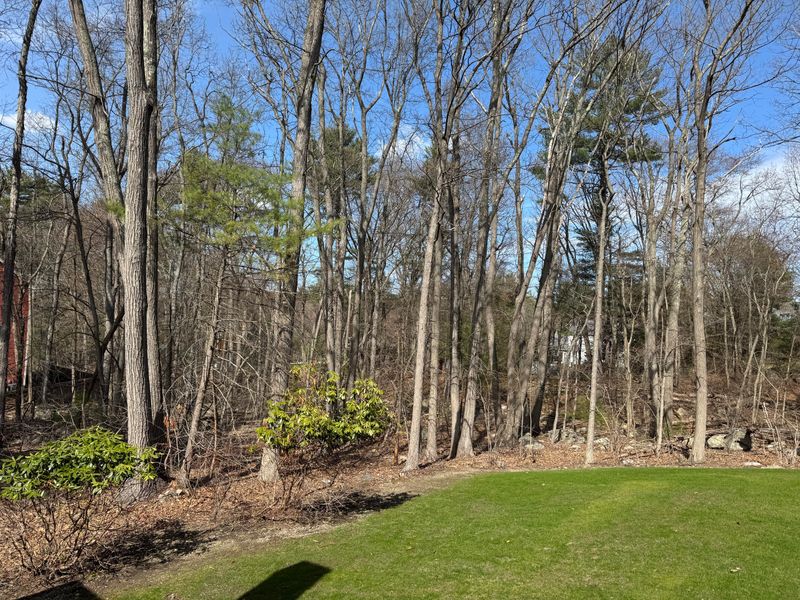
Where your lawn meets the woods is where tick activity is highest. That transition zone is where wildlife travels, moisture lingers, and shade keeps the ground cool all day long.
Without a defined barrier, ticks migrate freely from the forest edge straight into your mowed lawn. Research suggests that most tick encounters happen within a few meters of a wood line.
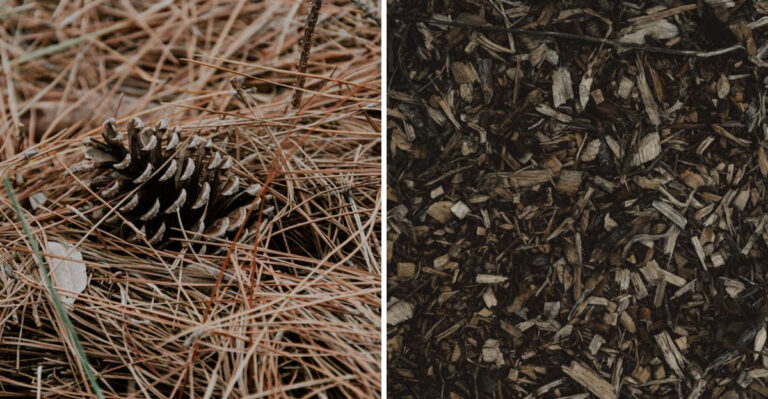
Creating a three-foot-wide border of wood chip mulch or gravel between your lawn and any wooded area acts as a physical deterrent. Ticks avoid crossing dry, sun-exposed surfaces because they lose moisture quickly.
That simple strip of material becomes a buffer zone that slows tick movement significantly. Pair it with a low edging border to keep the mulch tidy and the grass from creeping back.
Keep the mulch layer about two to three inches deep and refresh it each spring. Old, compacted mulch loses its effectiveness and can actually trap moisture instead of blocking tick movement.
Over time, a fresh barrier becomes part of your landscaping and requires minimal upkeep while doing consistent work. Trimming back overhanging branches along the border also helps by letting more sunlight hit the ground.
Sunlight dries out the soil and the mulch, making the entire transition zone less hospitable for ticks. A well-maintained border is one of the most underrated tick-prevention strategies a homeowner can put in place.
Leaving Wood Piles Against The House
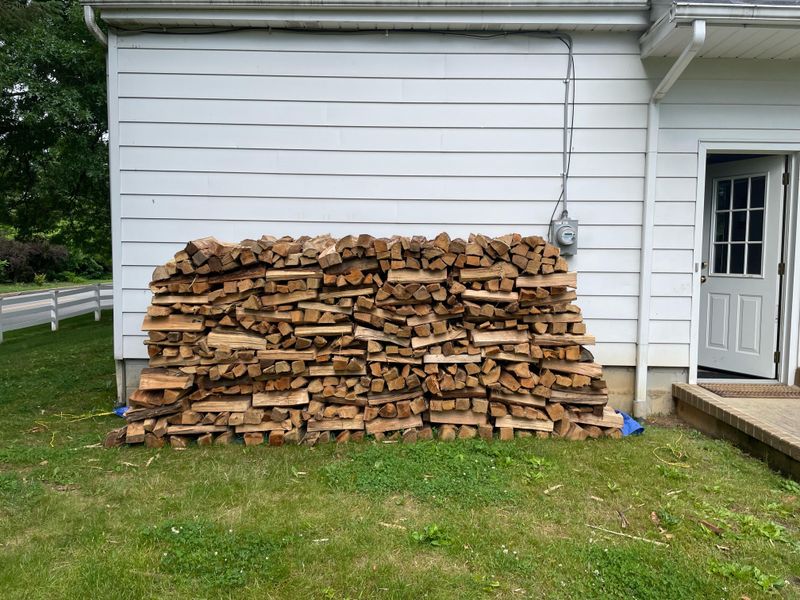
Firewood season in the mid-South runs long, and most people stack their wood close to the back door out of pure convenience. That habit, while practical, creates one of the most overlooked tick hotspots on a residential property.
Wood piles are dark, sheltered, and loaded with gaps where small animals love to nest. Mice, chipmunks, and lizards move in, and ticks follow those animals directly to your doorstep.
Moving the wood pile at least 20 feet from the house removes that bridge between wildlife and your living space. Stack wood on a raised platform or rack so air can circulate underneath and moisture cannot pool at the base.
A dry wood pile is far less attractive to both rodents and ticks. Cover the top of the stack with a tarp or metal roof to keep rain off without trapping moisture inside.
Rotate your wood supply regularly, using older logs from the bottom first. Undisturbed piles become long-term nesting sites, and animals that carry ticks will not hesitate to move in.
Moving logs frequently discourages them from settling and breaks up any tick habitat that is starting to form. Store kindling and smaller pieces in a sealed container rather than loose on the ground.
Loose debris around a wood pile just makes things worse. Every scrap of bark and every gap between logs is another place for ticks to hide. Keep it organized, keep it elevated, and keep it away from the house.
Planting Shrubs And Ground Cover Too Close Together
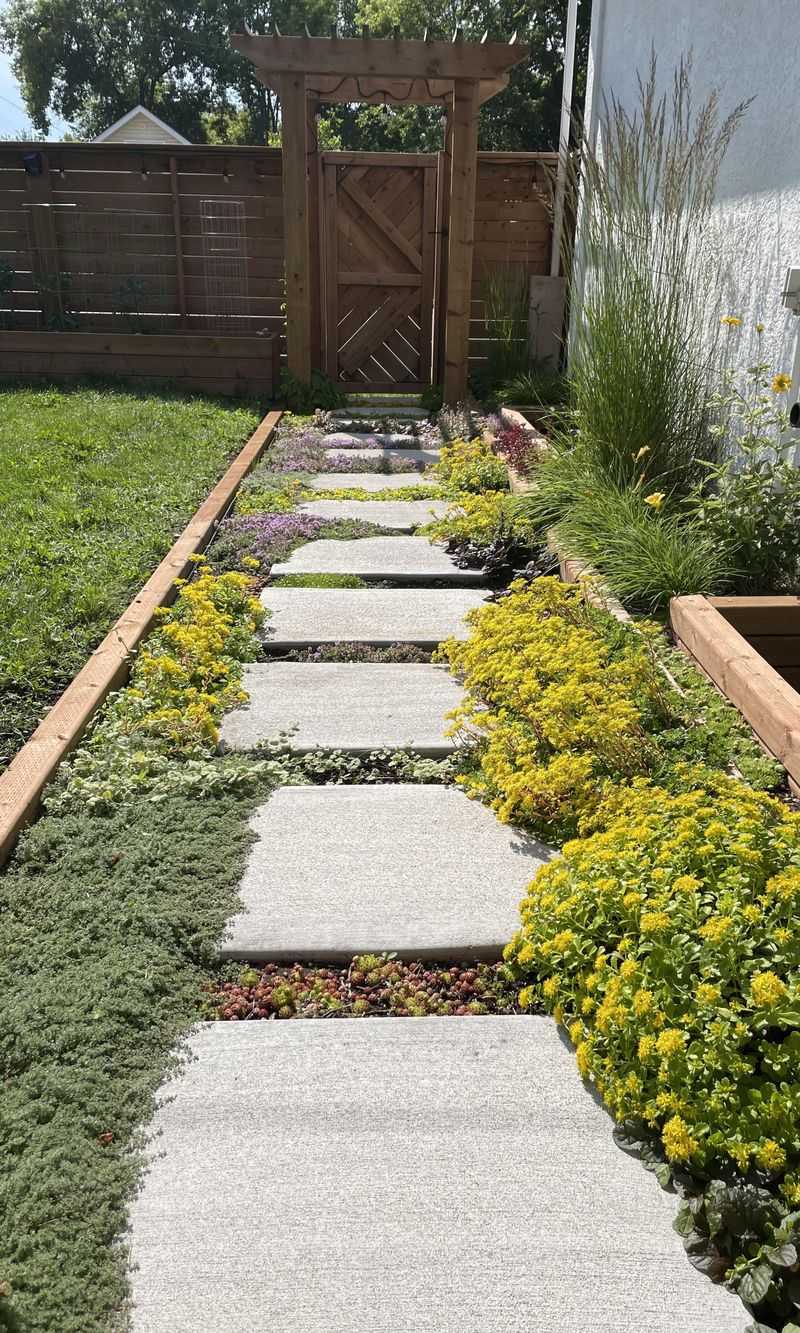
A lush, layered garden looks beautiful from the curb, but tightly packed plants create a microclimate that ticks absolutely thrive in. Dense ground cover like English ivy, pachysandra, or creeping juniper stays perpetually moist and shaded.
Those conditions mimic the forest floor environment where ticks naturally live and reproduce. When shrubs grow so close together that air barely moves through them, the humidity underneath stays high all day.
Ticks do not need standing water to survive. They absorb moisture directly from humid air, which means a densely planted garden bed gives ticks exactly the conditions they need to survive.
Thinning out your plantings and pruning shrubs so light and air can reach the soil makes a noticeable difference. Aim for a few inches of clearance between plants and keep the center of each shrub open to airflow.
Replace water-holding ground covers near high-traffic areas with mulch, gravel, or low-maintenance perennials that dry out faster. Native plants adapted to the mid-South climate require less dense planting and provide better airflow naturally.
Good spacing between plants makes a bigger difference than most homeowners expect. Pull back mulch from the base of shrubs each spring to let the soil breathe and dry out.
A well-spaced garden promotes healthier plant growth and cuts down on the damp, sheltered spots ticks depend on. Smart planting choices can transform a tick habitat into a beautifully open, low-risk landscape.
Attracting Deer Into The Yard

Deer visit suburban yards more often than most homeowners realize. And every time they do, they can deposit ticks across your lawn, garden beds, and fence line.
A single deer can carry a significant number of ticks at one time. As the animal moves through, those ticks drop off and settle into the landscape, seeding your property with a new generation.
Planting deer-resistant species is one of the most effective long-term strategies for reducing tick pressure. Lavender, rosemary, catmint, and native ornamental grasses are all plants that deer tend to avoid.
Removing plants that deer love, like hostas, tulips, and arborvitae, reduces the reason for them to visit in the first place. Fencing vegetable gardens and ornamental beds with sturdy barriers also helps keep deer from making your yard a regular stop.
Motion-activated sprinklers provide a harmless deterrent that discourages deer from returning without harming them. Scent-based repellents applied around the perimeter can also reduce visits, though they need regular reapplication after rain.
Encouraging neighbors to adopt similar practices creates a broader buffer zone across the block. Fewer deer moving through the neighborhood means fewer ticks being deposited across all your yards.
Addressing deer attraction is one of the most impactful changes you can make on the tick hotspot problem.
Neglecting Your Mulch Barrier
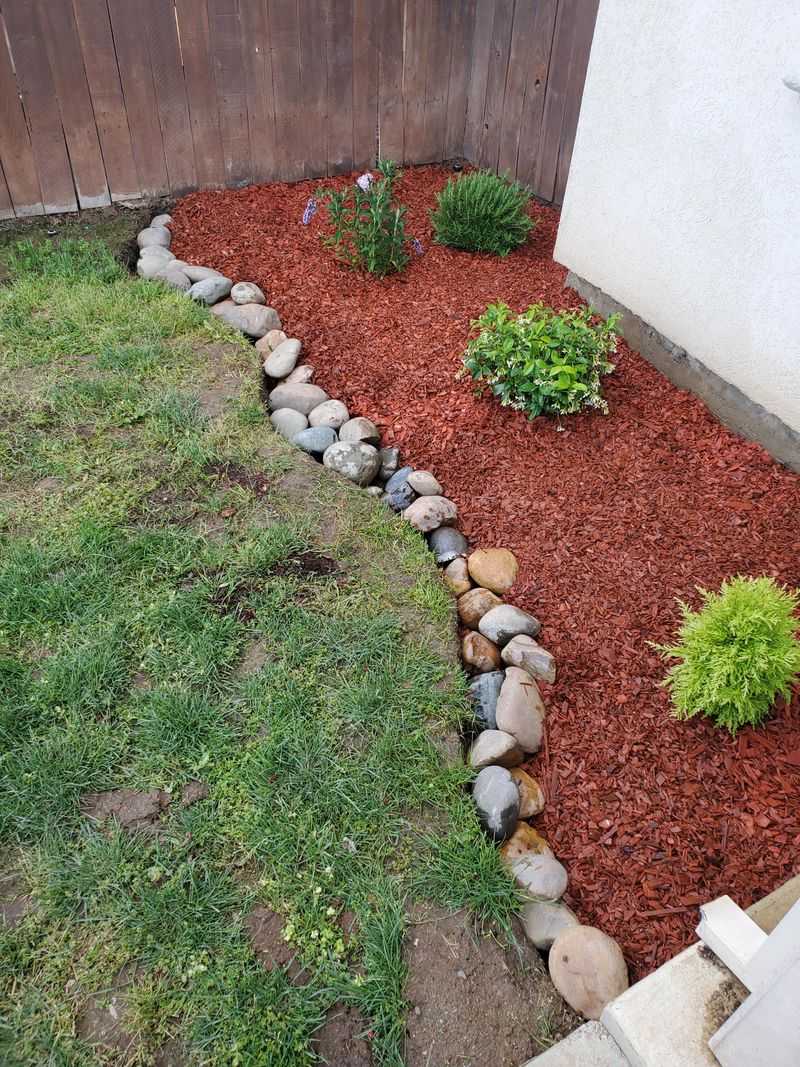
Fresh mulch looks great and smells earthy, but old mulch that never gets turned or replaced becomes a completely different story. Over time, the bottom layers break down into dense, moist organic matter that holds moisture like a sponge.
That decomposed layer creates an ideal environment for ticks, especially during the warm months when populations peak. Nymphs and larvae hide in the damp lower layers and emerge when disturbed by foot traffic or pets.
Routine mulch maintenance means more than just adding a fresh layer on top each spring. Raking and turning the existing mulch before adding new material exposes the lower layers to air and sunlight.
Allowing old mulch to dry out for a day or two before covering it with fresh material removes a lot of the moisture ticks depend on. Keeping the total depth to two or three inches prevents the excessive moisture retention that thick layers create.
Too much mulch does more harm than good, both for your yard and for tick control. Avoid piling mulch directly against tree trunks or the foundation of your house.
Volcano mulching, the practice of mounding mulch high around a tree base, creates a thick, damp zone that harms the tree and gives ticks a prime place to shelter. Keep mulch pulled back a few inches from any structure or trunk.
Choosing cedar or cypress mulch may offer a mild natural repellent quality that some gardeners and researchers have noted. Staying consistent with mulch rotation each season keeps your garden beds looking sharp without turning them into a tick hotspot.
Neglecting Shaded, Damp Areas Of The Yard
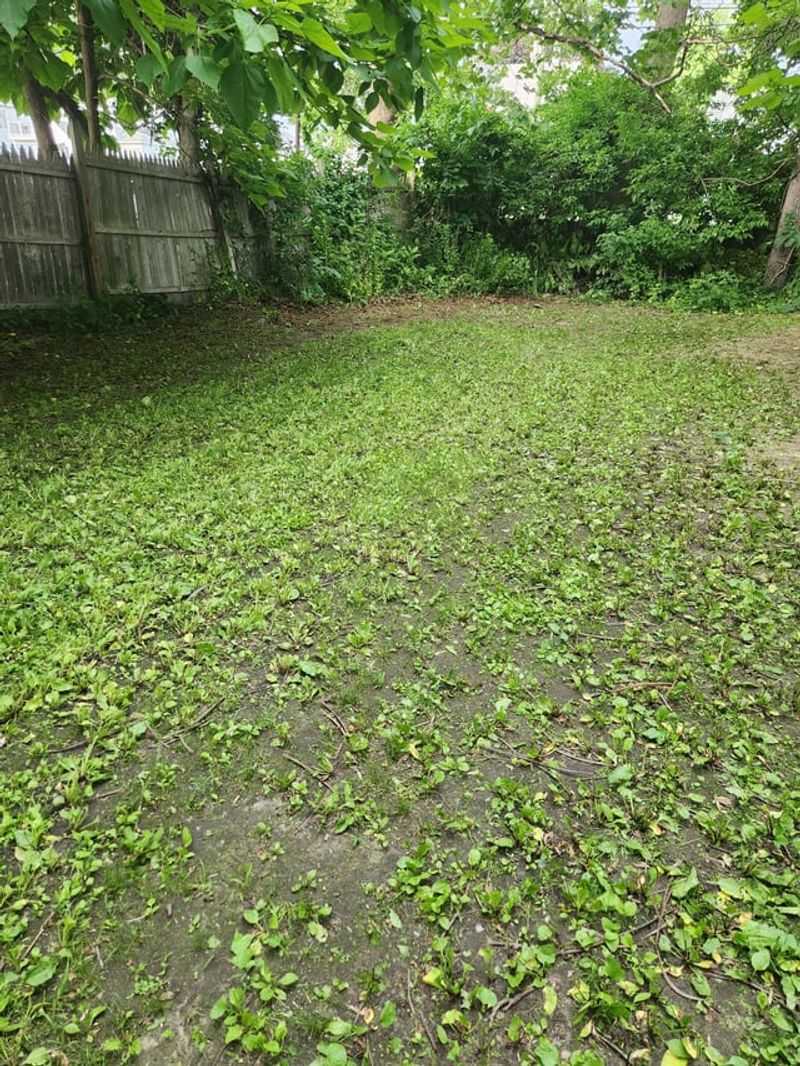
That soggy corner behind the shed where nothing seems to grow properly is not just an eyesore. Shaded, perpetually damp spots are among the most concentrated tick hotspots on any residential property.
Ticks cannot regulate their own body temperature or moisture levels, so they seek out environments that do the work for them. A shaded area with poor drainage and minimal airflow checks every box on a tick’s wish list.
Improving drainage in low-lying spots reduces standing moisture and makes those areas far less hospitable. French drains, dry creek beds, or simply regrading the soil to direct water away from the problem area can make a significant change.
Trimming overhanging branches and removing dense shrubs near shaded zones lets sunlight reach the ground for more of the day. Even a few additional hours of direct sun can dry out soil enough to reduce tick survival rates.
Replacing grass in chronically shaded, damp areas with gravel or stepping stones removes the organic layer that ticks shelter in. Those hardscaped zones are easy to maintain and visually clean without providing any harborage opportunity.
Addressing these neglected corners is often the last step homeowners take, but it can be the most rewarding. A yard free of damp, shaded problem spots closes off the final refuges where ticks on your
Tennessee property survive between hosts and seasons. Taking back those forgotten corners is how you finally take back your whole yard.