I Gave My New Jersey Lawn A Fresh May Look With These 8 Plants
Across New Jersey, gardeners are quietly staging a backyard rebellion. They’re trading thirsty, lifeless turf for native plants that actually belong here. Plants that feed monarchs, shelter birds, and look stunning without demanding your entire weekend in return. And honestly, once you see the difference, there’s no going back to plain old grass. So why are thousands of Garden State gardeners suddenly ditching grass and never looking back?
The soil is warm, the rain is cooperating, and these native plants are ready to hit the ground running. Think of May as the green light your garden has been patiently waiting for. Miss this window and you are basically leaving free color, free wildlife, and free compliments sitting on the table. Your neighbors will be asking questions before summer even starts.
May is the perfect moment to find out. Your garden is waiting for something worth growing.
1. Wild Blue Phlox
Walk through a shaded New Jersey backyard in May and something stops you.
Not the view. Not the garden beds.
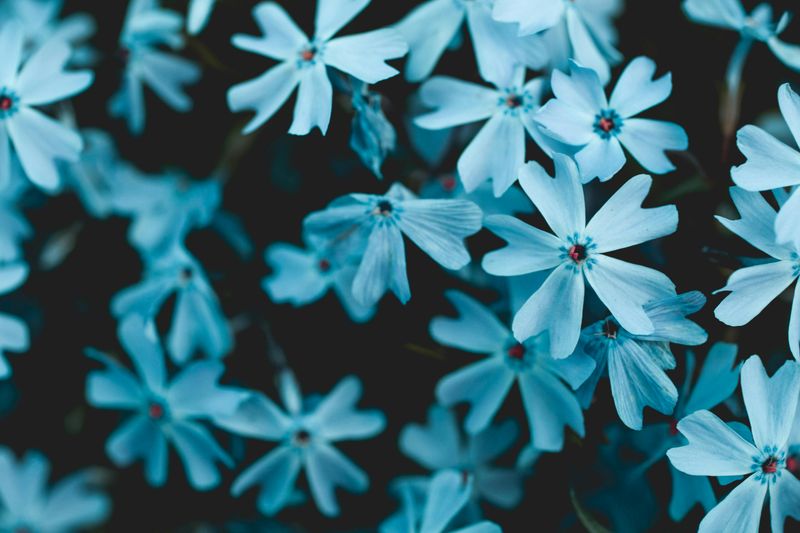
A scent. Soft, sweet, and completely unexpected, drifting from low clusters of lavender-blue blooms hugging the ground like they own the place.
Who knew the most interesting thing in your garden would be growing closest to your feet?
That is wild blue phlox, and it is absolutely showing off.
Native to the eastern United States, this low-growing perennial thrives in partially shaded spots that most plants tend to avoid.
That makes it a smart and natural choice for areas under trees where lawn grass has always struggled to get going.
Wild blue phlox typically reaches about 10 to 18 inches tall and spreads gradually into a soft, flowering ground cover.
It blooms reliably every spring, usually peaking in May, which makes it one of the most rewarding plants for gardeners who want early-season color without a lot of effort.
Butterflies, native bees, and hummingbirds are drawn to the flowers, so planting it supports local wildlife in a meaningful way.
One of the best things about wild blue phlox is how well it handles the variable conditions found across New Jersey, from sandy soils in the south to heavier clay soils in the north.
It prefers moist, well-drained soil with some organic matter, and it does best with light to moderate shade.
Once established, it needs very little watering beyond what rain naturally provides.
Pair it with ferns, wild ginger, or Pennsylvania sedge for a layered, naturalistic look that feels both intentional and effortless.
Gardeners replacing traditional lawns often find that wild blue phlox becomes their most-commented-on plant, drawing neighbors over to ask what it is and where to get it.
2. Black-Eyed Susan
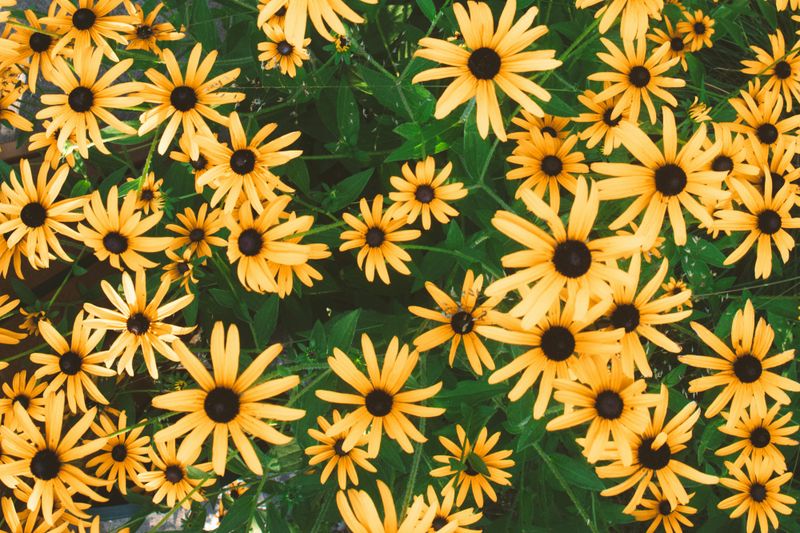
Nobody walks past Black-eyed Susan without doing a double take.
Those bold golden petals surrounding a rich chocolate-brown center have a way of stopping people mid-step, and honestly, good for them. This cheerful wildflower is a proud New Jersey native that has been brightening meadows and backyard gardens for centuries without asking for a single thank-you.
Your New Jersey Garden Changes Every Week. Your Plan Should Too.
Gardening in New Jersey changes quickly throughout the season. Every Friday you’ll receive a simple weekly plan showing exactly what to plant, prune, fertilize, harvest, and protect so you never miss the right timing.
It blooms from June through October, which is an impressively long run by any plant’s standards.
Full sun suits it perfectly, and poor dry soil doesn’t discourage it one bit.
Sandy backyard corner with questionable soil? Absolutely fine.
It simply adapts and gets on with things. Who else does that without complaining?
Bees arrive first.
Then butterflies. Then goldfinches show up later, feasting happily on the seeds like they own the place.
Can you really ask for more from a single plant? The garden stays lively long after the flowers fade.
It grows one to three feet tall. It self-seeds politely without crowding its neighbors.
It demands almost nothing in return.
What other plant shows up, performs beautifully, and never sends you a bill?
No complicated care routine. No fussing.
Just reliable, golden good looks showing up every year like a dependable old friend.
Completely non-toxic to kids, pets, and livestock, Black-eyed Susan earns its place in nearly any garden setting without reservation.
Honest, hardworking, and relentlessly cheerful, it is quite simply one of the best decisions a New Jersey gardener can make.
3. Golden Alexanders
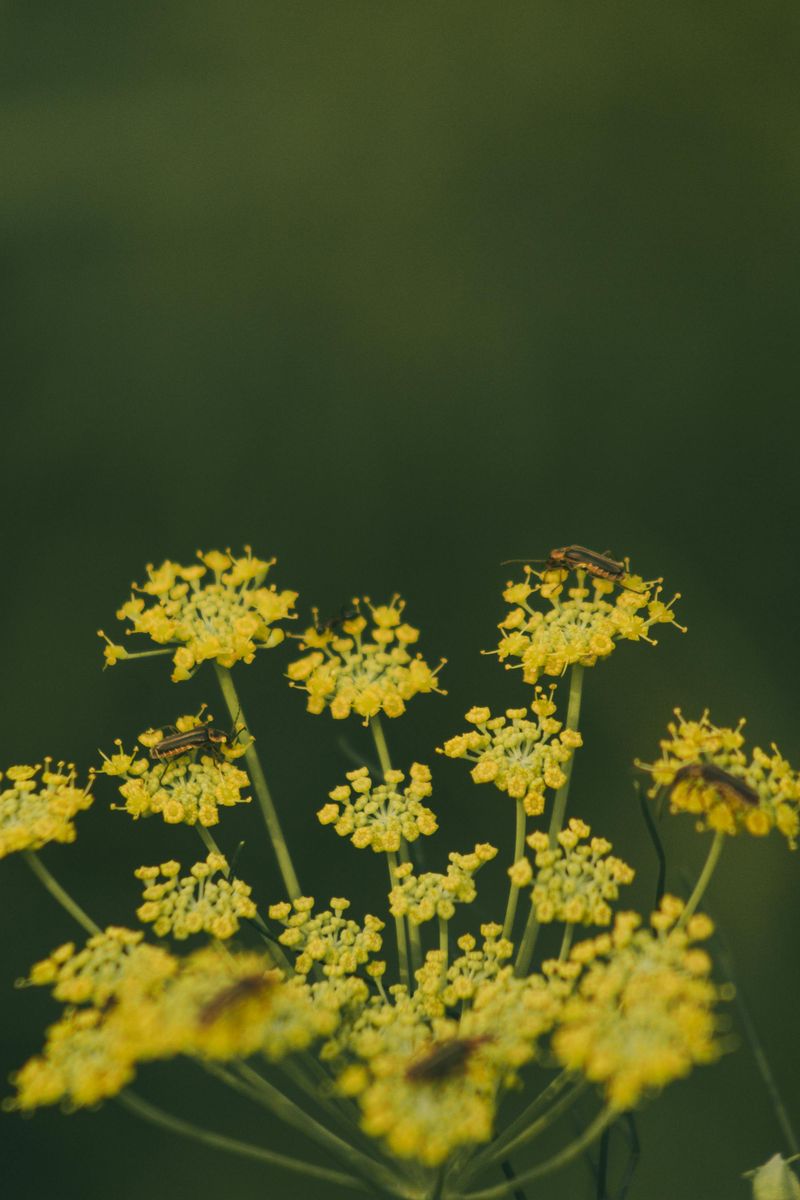
Image Credit: © Maria Luiza Melo / Pexels
Bright yellow flower clusters popping up in early May are often the first sign that golden Alexanders has settled in comfortably.
One of the earliest native perennials to bloom in the region, it fills a critical gap in the garden calendar when most other plants are still waking up.
That early bloom time makes it invaluable for native bees and early-emerging butterflies that need nectar sources before summer plants get going.
Golden Alexanders is a member of the carrot family, and its delicate, umbrella-shaped flower heads give it an airy, meadow-like quality that looks wonderful in naturalized lawn replacements across New Jersey.
It grows two to three feet tall and handles a wide range of conditions, from moist, partly shaded spots near rain gardens to sunnier, drier areas in the middle of a yard.
That flexibility is a big reason why landscapers and homeowners throughout the state have started using it more regularly.
Black Swallowtail butterfly caterpillars rely on plants in the carrot family as a host, and Golden Alexanders is one of the best native options available for supporting that beautiful species.
Planting it alongside wild blue phlox creates a layered spring display that looks professionally designed without requiring a landscape architect.
After flowering, the foliage stays attractive through summer, providing texture and greenery while other plants take their turn blooming.
For anyone starting a native lawn replacement project this May, golden Alexanders is a strong first choice worth knowing.
It delivers visual impact and real ecological value right from the very start, no warm-up period required. Plant it once and watch your garden go from forgettable to genuinely interesting in a single season.
Your pollinators will notice before you even do.
4. Pennsylvania Sedge
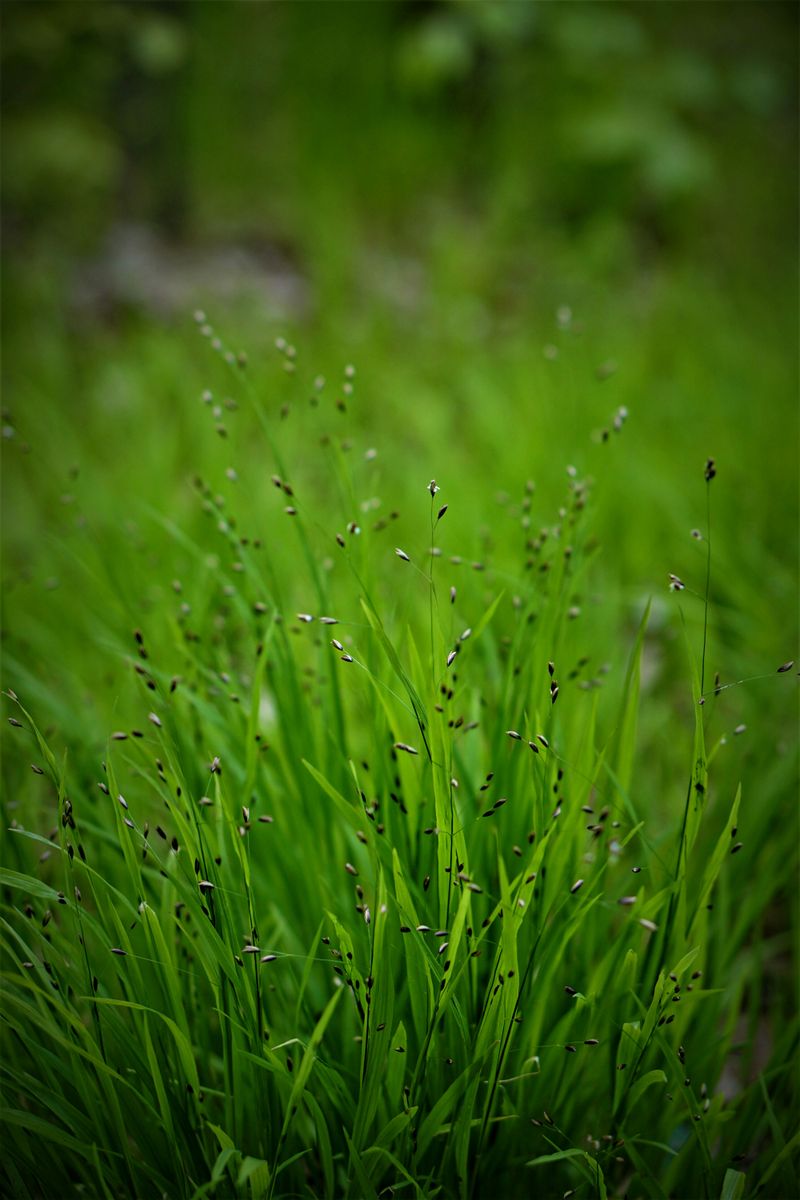
Image Credit: © Sony Shooter / Pexels
Not every lawn replacement needs to be full of flowers.
Sometimes the most useful plant is the one that quietly does its job without asking for much attention, and Pennsylvania Sedge fits that description about as well as any native plant available in the region.
Growing just six to twelve inches tall with fine, arching green blades, it forms a soft, dense mat that can give a lawn-like feel from a distance.
That resemblance is one of the main reasons New Jersey homeowners have been drawn to it, especially those who want a lawn-like appearance without the watering, fertilizing, and mowing schedule that comes with traditional turf grass.
Pennsylvania sedge thrives in shade and partial shade, making it an excellent solution for areas under mature trees where grass has always struggled.
It handles the dry shade conditions found beneath large oaks and maples, which is notoriously difficult terrain for most ground covers.
Foot traffic tolerance is moderate, so it works well in low-use areas like side yards, front beds, or spaces between garden paths.
Mowing is optional with Pennsylvania sedge.
Ever wondered how much effort a beautiful garden actually needs?
Many gardeners simply let Pennsylvania sedge grow naturally for a relaxed, meadow-like look.
Others give it one light trim in early spring, just enough to refresh the foliage before new growth takes over.
It pairs beautifully with spring companions like wild blue phlox and golden Alexanders, weaving naturally between taller plants for a layered, cohesive look.
Together they tend to need far less maintenance than a traditional lawn, which is really just the garden doing you a favor.
Give them a little space and they will handle the rest with surprisingly good taste.
5. Foxglove Beardtongue
Not every native plant announces itself loudly.
Some plants shout.
Foxglove beardtongue whispers, and somehow that works better.
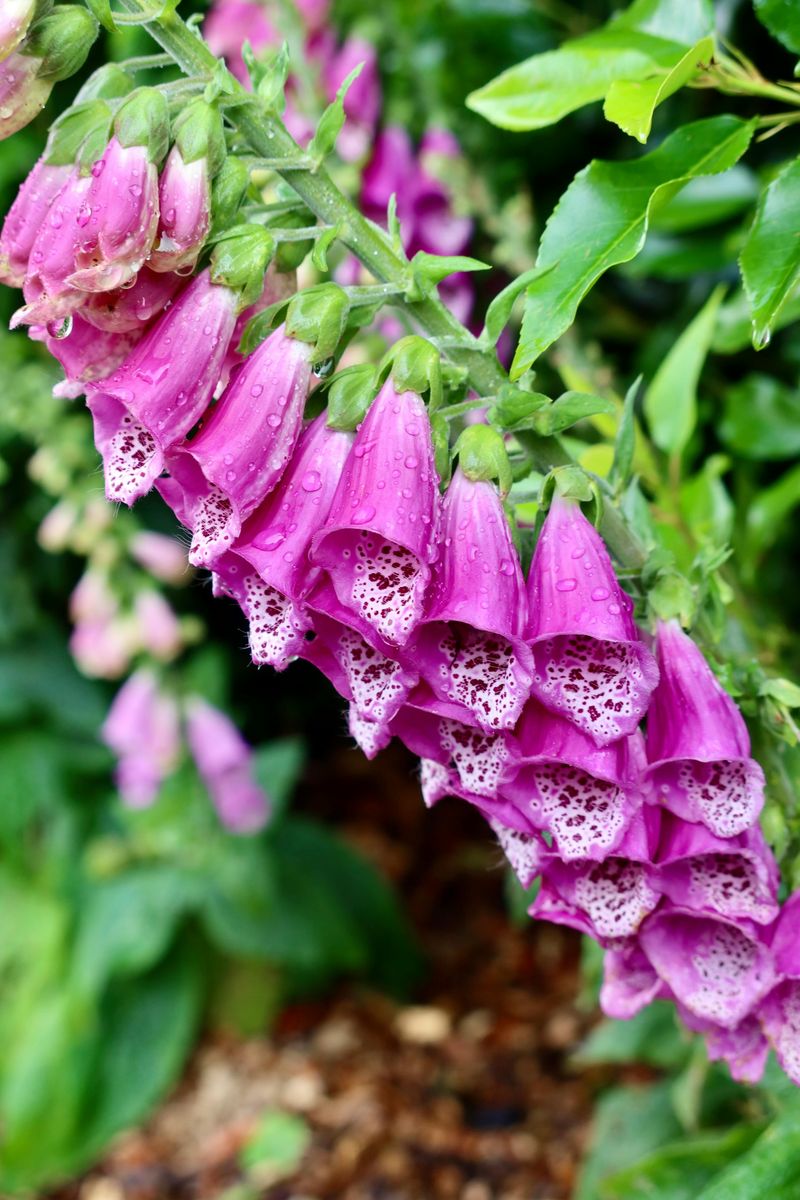
Tall upright stems rise two to five feet, carrying clusters of tubular white flowers that bloom quietly through May and June.
Up close, each flower reveals subtle pale lavender veining inside, a small detail that makes the whole plant feel considered and refined.
Beyond the blooms, the garden value continues well past summer.
The seedheads that follow the flowers are dark, architectural, and surprisingly striking.
They hold through fall and winter, keeping the planting looking intentional long after the bloom season ends. How many plants in your yard can honestly say the same?
That kind of four-season presence is less common than you might expect in a low-input native plant.
Adaptability is one of its strongest qualities. It thrives where others sulk, blooms where others bail, and somehow manages to look effortless doing all of it.
Give it a difficult spot and it will not just survive, it will actually seem to enjoy the challenge.
This plant is essentially the overachiever of the native plant world, except it never makes the other plants feel bad about it.
Sunny border or lightly shaded edge, foxglove beardtongue is genuinely flexible.
It grows comfortably in moist lowland conditions and handles drier upland soil just as well once the roots have had a season to settle.
No fertilizer required.
Watering needs drop significantly after the first season as roots settle in and strengthen.
Watch the plant on any warm May morning and bumblebees will almost certainly be working the flowers. They share the blooms with specialist bee species that seek out native tubular flowers and pass by most conventional garden plants entirely.
That sun-baked corner of the yard that grass gave up on years ago?
Foxglove beardtongue has plans for it. Big, beautiful, pollinator-friendly plans.
6. Spotted Bee Balm
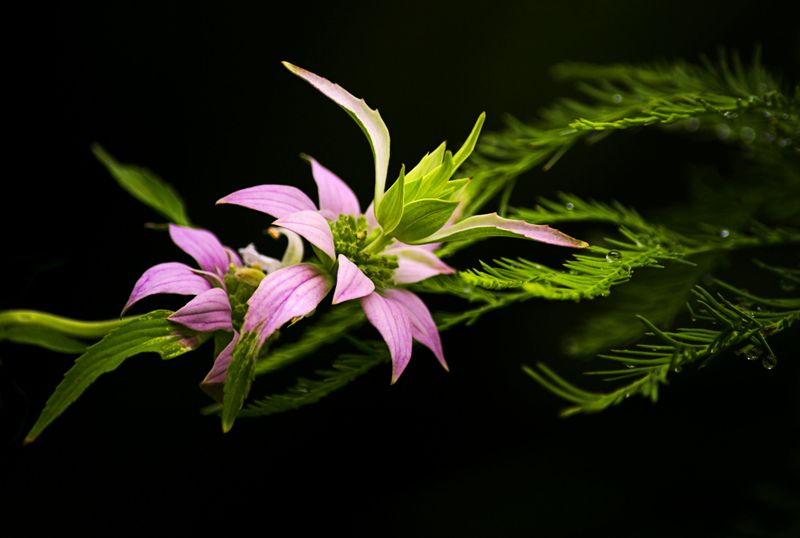
There is something wonderfully unusual about spotted bee balm that makes it stand out even among a group of interesting native plants.
The flowers are tubular and clustered in whorls around the stem, surrounded by spotted, pinkish-purple bracts that give the whole plant a quirky, layered look unlike anything else growing in a typical New Jersey yard.
It belongs to the mint family, and like its relatives it produces aromatic foliage that carries a pleasant, herbal scent when brushed or crushed.
Native bees are absolutely devoted to spotted bee balm, and research has shown it to be one of the top plants for attracting specialist native bee species that rarely visit more common garden flowers.
Bumblebees, sweat bees, and longhorn bees all show up in numbers when this plant is in bloom, making it a genuine hotspot for pollinator activity in any planting.
It grows best in full sun with dry to medium, well-drained soil, and it handles sandy conditions particularly well.
Basically, it thrives in the exact spots where most plants would quietly give up.
That makes it a natural fit for the dry, sandy soils common throughout the Pine Barrens region and coastal areas of the state.
Spotted bee balm typically reaches two to three feet tall and spreads modestly by reseeding, so it gradually fills in a planting over time without becoming aggressive.
For homeowners looking to replace a tired, sun-baked patch of lawn, this plant delivers something better.
It gives back to local ecosystems, brings in pollinators, and offers genuine ecological value without asking much in return.
So the real question is, what exactly is your lawn doing for anyone right now?
7. Joe Pye Weed
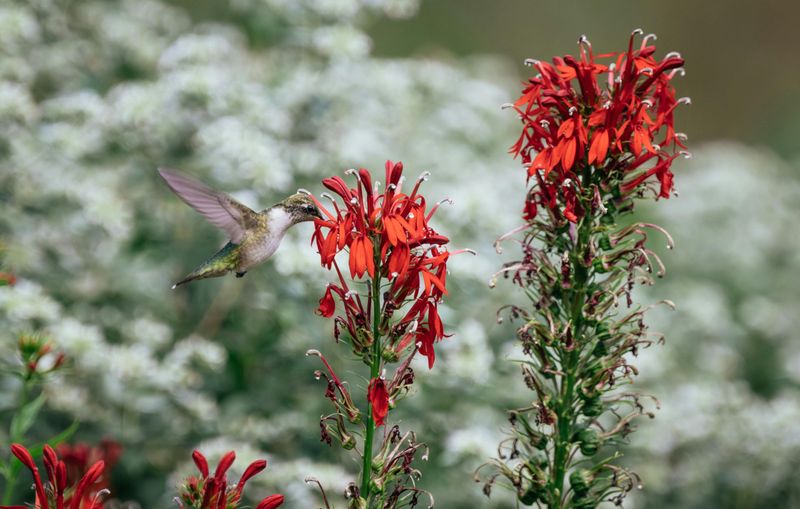
Nobody warned me that one plant could make every other flower in my garden look like it was just trying.
Joe Pye weed showed up in the back corner of my yard uninvited, and I made the mistake of ignoring it for an entire season.
That was the best gardening decision I ever made.
It grows native across New Jersey and earns its space in ways that take you by surprise.
It shoots up tall, sometimes reaching six feet or more, and by late summer it opens into large, domed clusters of dusty rose and mauve. Not flashy.
Not trying too hard. Just quietly magnificent in a way that sneaks up on you.
Why does the most understated plant in the yard end up being the one everyone stops to ask about?
I planted a second one deliberately the following May, giving it room along the back border where the soil stays consistently moist.
It responded by growing faster and fuller than anything else in that bed.
Mid-August, it looked like a small crowd had gathered in the corner of my garden and decided to stay.
The wildlife activity around Joe Pye weed is genuinely hard to believe until you watch it yourself.
Tiger swallowtails, monarchs, and fritillaries show up in numbers.
Bees work the flower heads steadily from morning until the light drops. The plant essentially runs its own pollinator event from August through September.
Plant it in May and you are essentially writing yourself a thank-you note that arrives every single month until October.
Joe Pye weed is the kind of plant that makes your late summer garden look intentional, considered, and alive. All from something you almost overlooked.
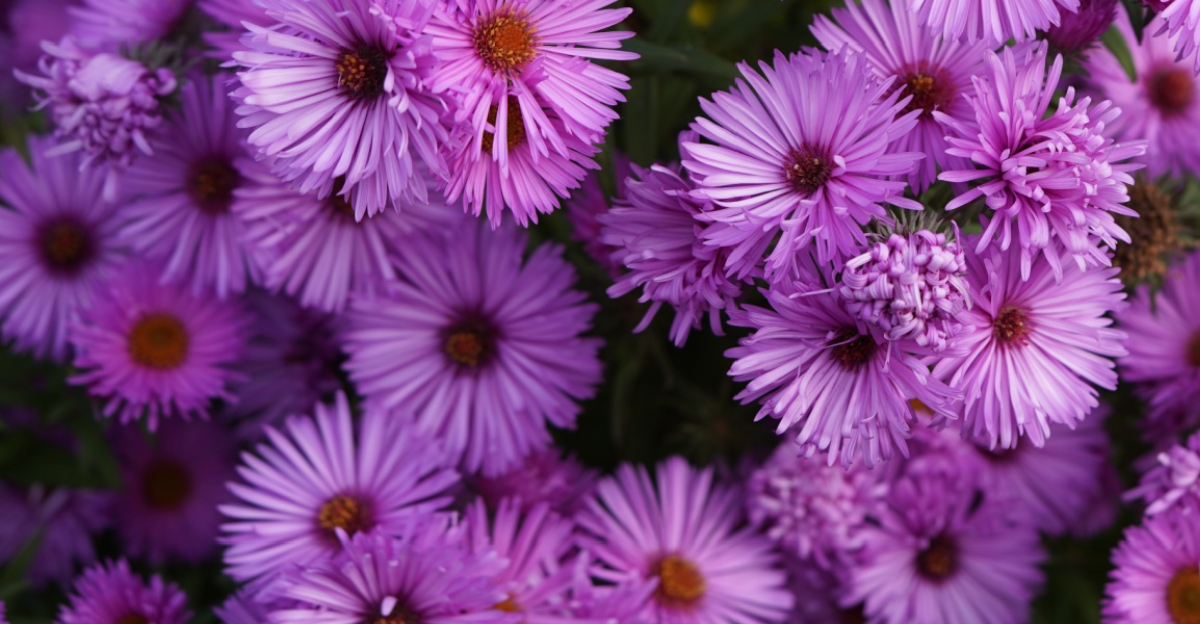
8. New England Aster
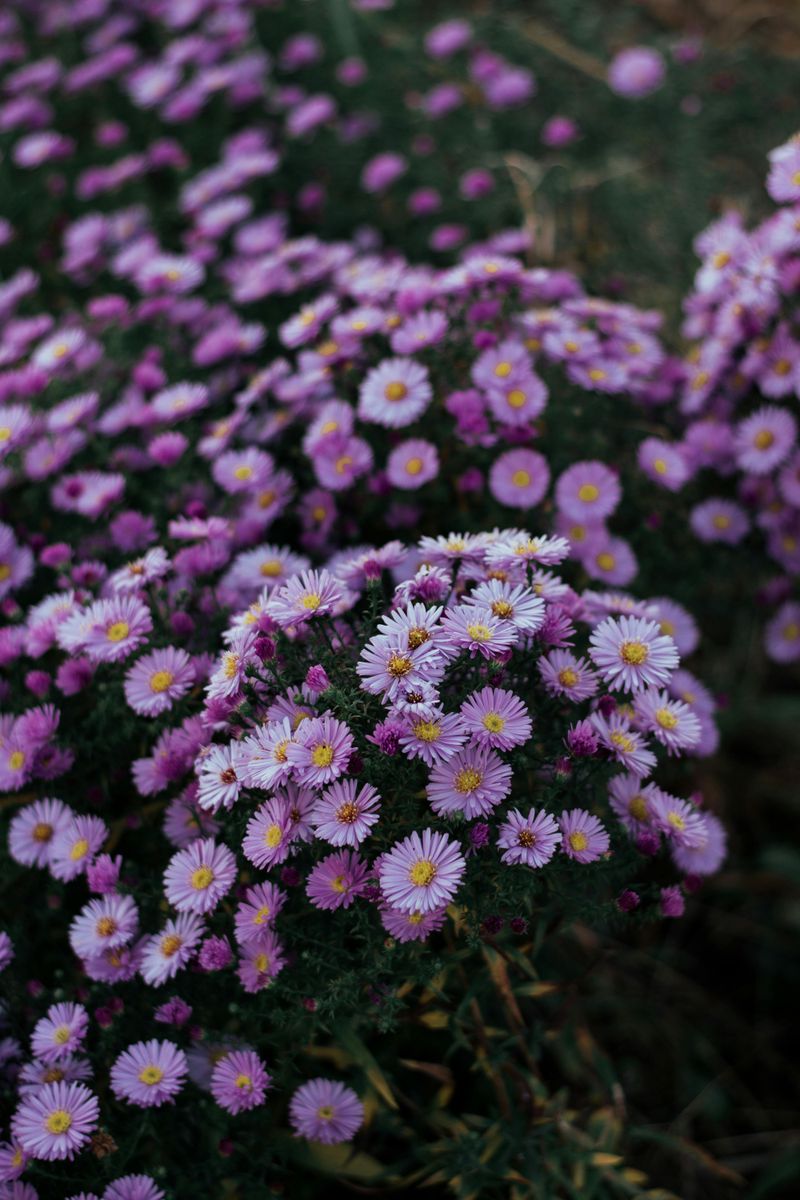
I thought my garden was done for the season. New England Aster thought that was hilarious.
It responded by becoming the main character.
It grows native across New Jersey and blooms when most other plants are winding down for the season. Late summer into fall, it opens in clusters of purple and violet, with a bright yellow center that almost glows against the cooler light.
The contrast is striking in a way that feels effortless.
I planted mine in a sunny border in mid-May, giving the roots a full season to establish before the blooms arrived. Drop it in the ground this May and watch it quietly build toward a summer and autumn show that most flashier plants simply cannot match.
New England aster prefers full sun and tolerates a range of soil conditions, including clay, which describes most of my backyard.
It grew steadily, no fuss, no drama, just upward progress through the summer.
By September, the plant was covered in blooms and covered in bees.
Monarch butterflies on their migration south stopped regularly.
I started checking the garden before my morning coffee just to see what had arrived overnight.
That shift in routine said more than any gardening book could.
It grows between two and six feet depending on conditions, so placement matters.
New England Aster self-seeds gently and returns reliably each season without taking over.
Think of it as a houseguest who shows up, contributes to the vibe, and never overstays the welcome.
It is the kind of plant that rewards you for doing very little, which honestly suits my schedule perfectly.