Missouri Gardeners Are Planting This Vegetable In June For 9 Powerful Reasons
Missouri soil rewards growers who understand its rhythm. Tomatoes get all the glory. Peppers get all the attention.
Nobody talks about the crop quietly outperforming both. A raised bed outside Springfield changed everything.
Fragile-looking slips went into warm ground with nothing but curiosity and a shovel, and what came out of that soil by harvest season made neighbors stop mid-walk and ask questions.
Orange-fleshed, dense, and almost embarrassingly productive, this underground powerhouse treats brutal summer heat like rocket fuel.
What are seasoned growers across Missouri tucking into warm soil right now while everyone else wrestles with finicky vegetables?
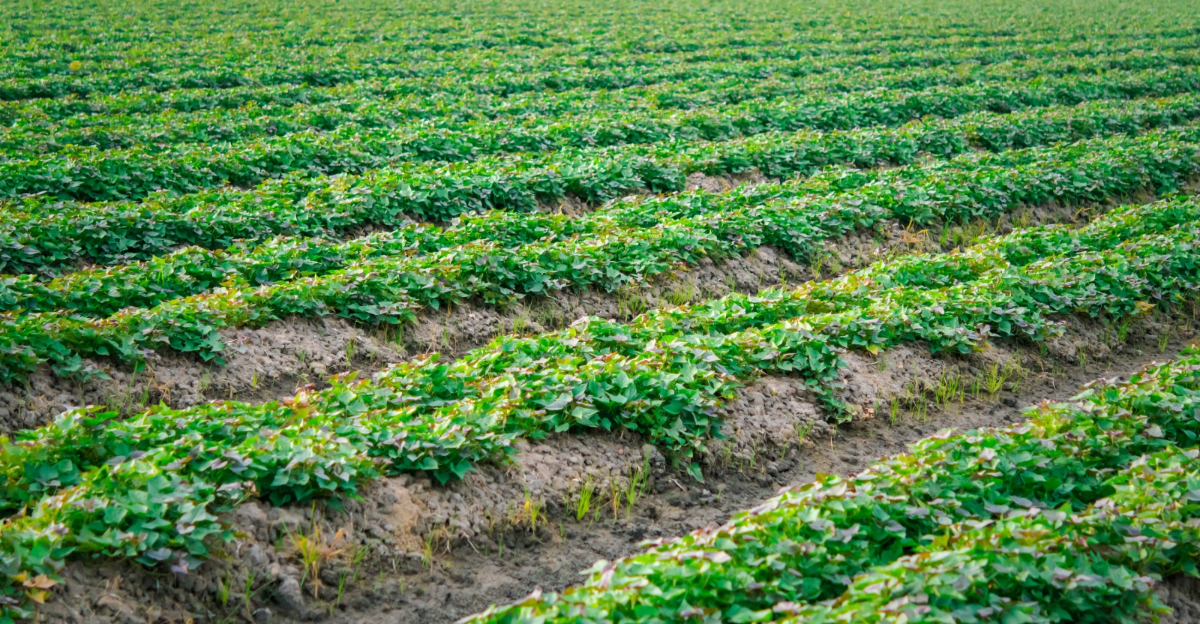
The slips go in looking unconvincing, almost laughable. Vines spread slowly, then suddenly, with quiet unstoppable confidence. The ground eventually gives up something truly spectacular.
Missouri has a way of rewarding gardeners bold enough to work with its climate instead of against it. Stop waiting and start planting.
1. June Soil Reaches The Required 65°F
Soil temperature is everything. Most gardeners do not realize that planting too early is one of the most common mistakes in the vegetable garden.
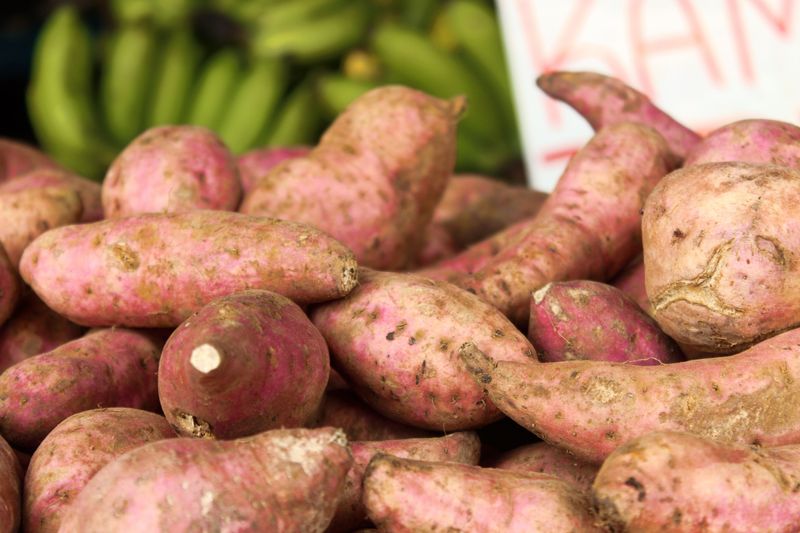
Sweet potato slips planted in cold ground simply sit there, sulking, and sometimes rot before they ever take root. June in Missouri is special because the ground finally hits that magic number: 65°F.
At that temperature, sweet potato roots wake up fast and begin spreading through the soil with impressive energy.
The slips go from looking fragile to rooting aggressively within just a few days of hitting warm ground.
Checking your soil temperature is easier than you think. A basic soil thermometer costs just a few dollars and gives you a reading in seconds.
Slide it about four inches deep in your garden bed, and if it reads 65°F or above, you are officially in the sweet spot.
Warmer soil also means fewer pest problems and less risk of fungal issues that plague cool, damp conditions.
Sweet potatoes planted in June-warmed Missouri soil establish faster, grow more uniformly, and produce roots that are dense and flavorful.
That early establishment sets the tone for everything that follows. Timing your planting to match soil temperature is not guesswork. It is science working in your favor.
2. Crop Matures Perfectly By Fall Harvest
The timing almost feels designed. Sweet potatoes need roughly 90 to 150 days to reach full maturity depending on the variety, with most common home garden types falling in the 100 to 120 day range.
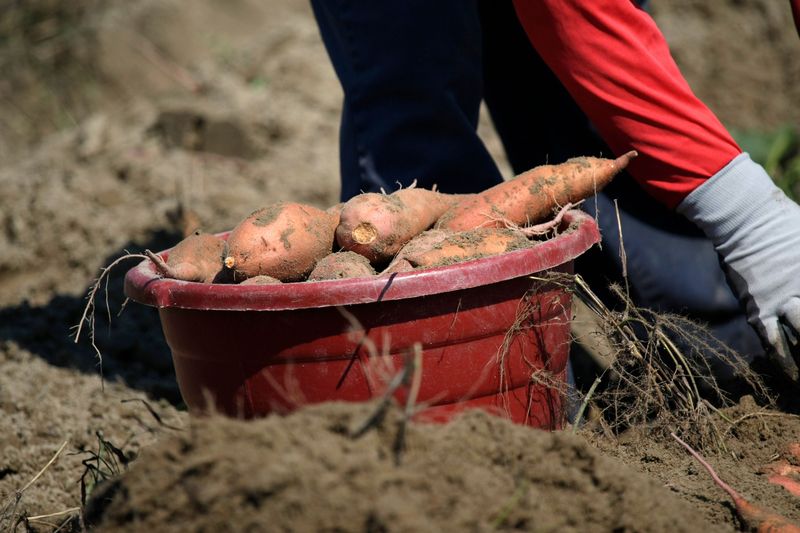
Plant in early June, and your crop will be ready to pull right around October, just as the air turns crisp and the leaves begin to change.
Harvesting sweet potatoes in early fall means you get them at peak flavor and peak size. While the vine sprawls across your garden, the roots underground are quietly doing the real work.
By the time you pull them up, each root is dense, firm, and packed with that rich, earthy sweetness that store-bought versions rarely match.
Depending on where you garden in Missouri, the first frost arrives anywhere from mid-October in the northern regions to late October or even early November in the Bootheel.
Your Missouri Garden Changes Every Week. Your Plan Should Too.
Gardening in Missouri changes quickly throughout the season. Every Friday you’ll receive a simple weekly plan showing exactly what to plant, prune, fertilize, harvest, and protect so you never miss the right timing.
A June-planted crop gets a comfortable cushion to finish strong across the state. Fall harvest also fits naturally into the rhythm of kitchen cooking.
October sweet potatoes go straight into soups, casseroles, pies, and roasted side dishes at exactly the moment when comfort food season begins.
Pulling them fresh from your own garden makes every bite taste a little more earned. The timing truly could not be better.
3. Plants Thrive In Intense Summer Heat
This crop does not just survive Missouri summers. It feeds on them.
While tomatoes wilt and lettuce bolts, sweet potato vines stretch out, soak up the heat, and keep on growing with almost cheerful stubbornness. These plants originated in the tropics, and that heritage shows every single summer.
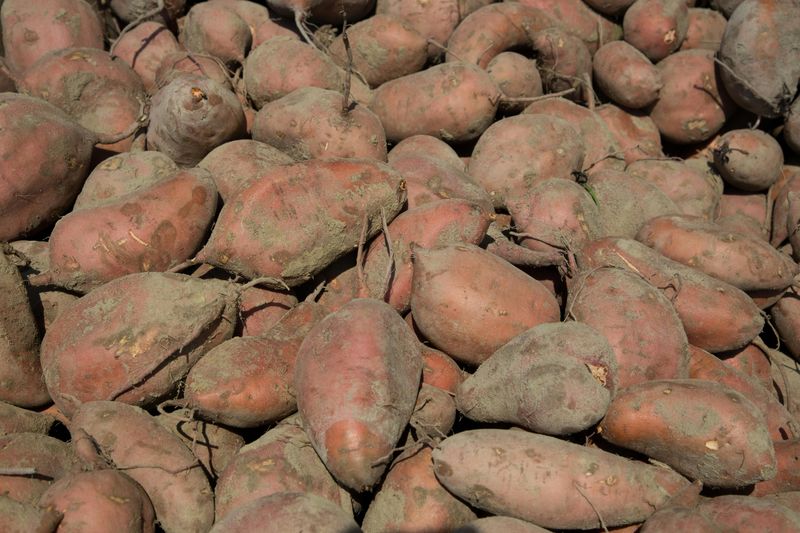
High temperatures accelerate root development underground, which is exactly what you want happening during the long stretch between planting and harvest.
The hotter it gets, the harder these plants seem to work on your behalf. Sweet potato leaves are designed to handle intense sun exposure without scorching or dropping.
Their broad, heart-shaped foliage captures sunlight efficiently and channels that energy directly into root production.
You will notice the vines looking greener and more vigorous during the hottest weeks of summer, which feels counterintuitive but is completely normal for this crop.
Gardeners who struggle with heat-sensitive plants often find sweet potatoes to be a genuine relief.
Sweet potatoes want exactly what Missouri summers deliver. Find your hottest, sunniest corner and plant there.
Give these plants the hottest corner of your yard and they will reward you generously. Intense heat is not a problem here. It is the whole point.
4. Longer Season Produces Bigger Yields
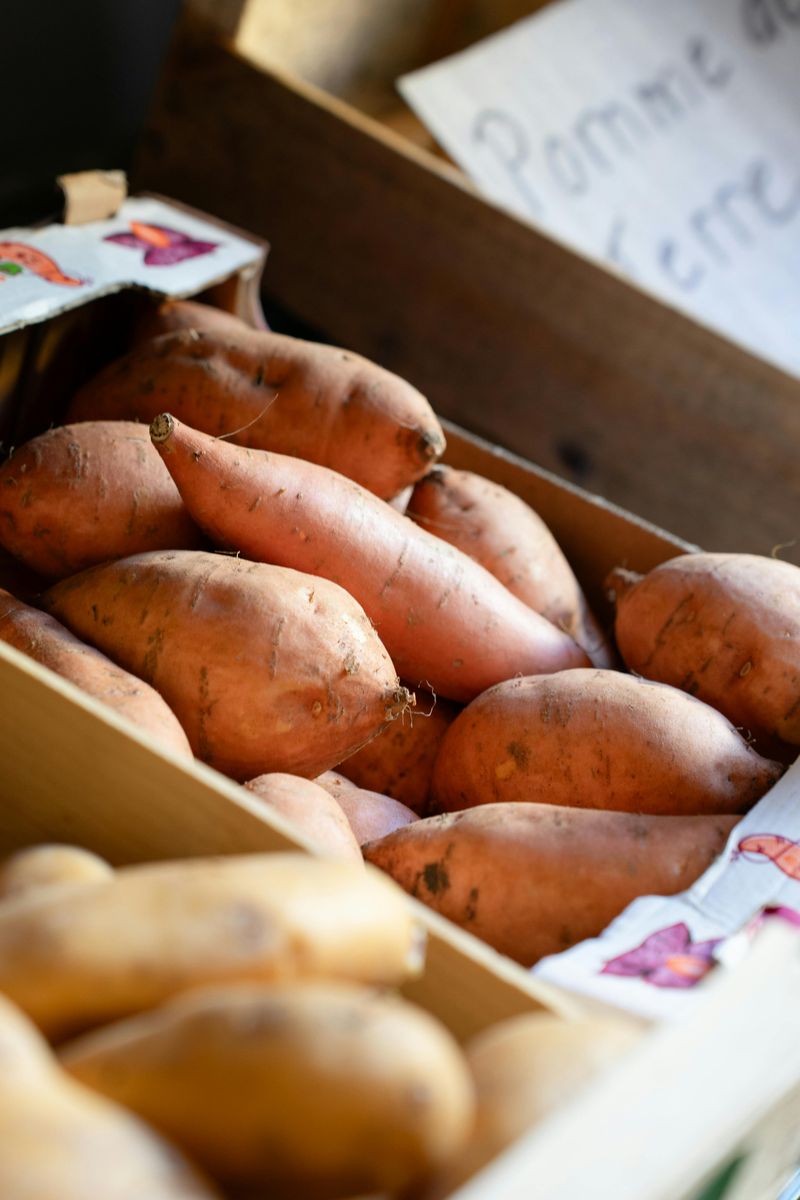
More time in the ground means more food on your table. The longer the growing window, the bigger the roots. June delivers that window better than any other planting month.
Gardeners who plant later often end up with smaller roots that feel almost disappointing after all that effort. Sweet potatoes are not like beans or squash that produce quickly and move on.
They are slow, deliberate growers that spend the first several weeks establishing a strong root network before the actual storage roots begin to swell.
The more time they have to build that foundation, the more impressive the final harvest becomes. Longer seasons also mean more opportunity for the plant to concentrate sugars in the roots.
Sweet potatoes that spend more time underground develop a deeper, more complex flavor than those rushed through a short growing window.
Your taste buds will notice the difference immediately. June planting is how Missouri gardeners stack the odds firmly in their favor before the season even begins.
5. Vines Withstand Hot And Dry Summers
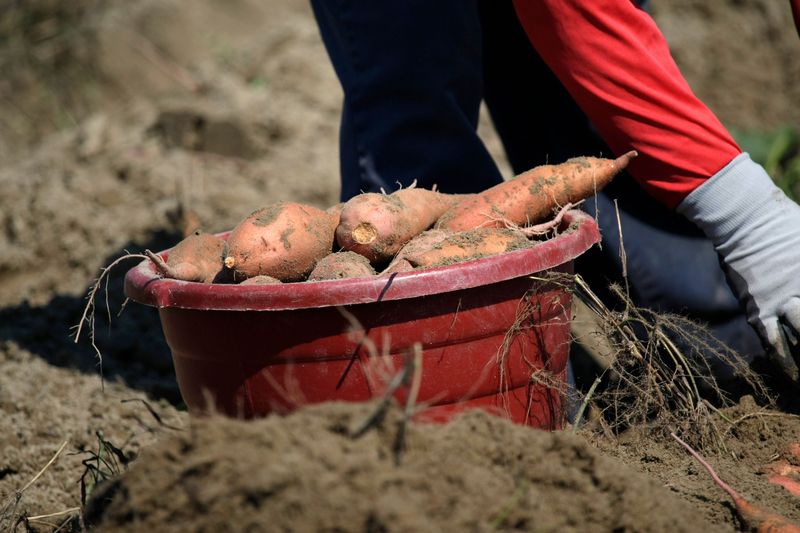
Drought does not rattle this crop. Sweet potato vines handle dry weather with a quiet toughness that makes other plants look fragile by comparison.
The secret is in the root system. Sweet potatoes develop deep, wide-reaching roots that pull moisture from layers of soil that shallow-rooted crops cannot access.
Established vines hold up far better than most summer vegetables during dry stretches. While neighboring beds turn brown and brittle, sweet potato vines keep right on spreading.
This drought tolerance is especially valuable in Missouri, where summer rainfall can be inconsistent and unpredictable.
Sweet potatoes planted in June have enough time to build a strong root system before the driest stretch of summer typically arrives.
Established vines also act as a living mulch. Their dense, spreading foliage covers the soil surface, shading the ground and reducing moisture evaporation significantly.
That natural ground cover keeps the soil underneath cooler and more consistently moist than bare garden beds ever could.
Less watering means less work during the hottest, most exhausting part of the season. For gardeners tired of dragging hoses around, this crop is a genuine game-changer.
6. June Planting Beats The First Frost
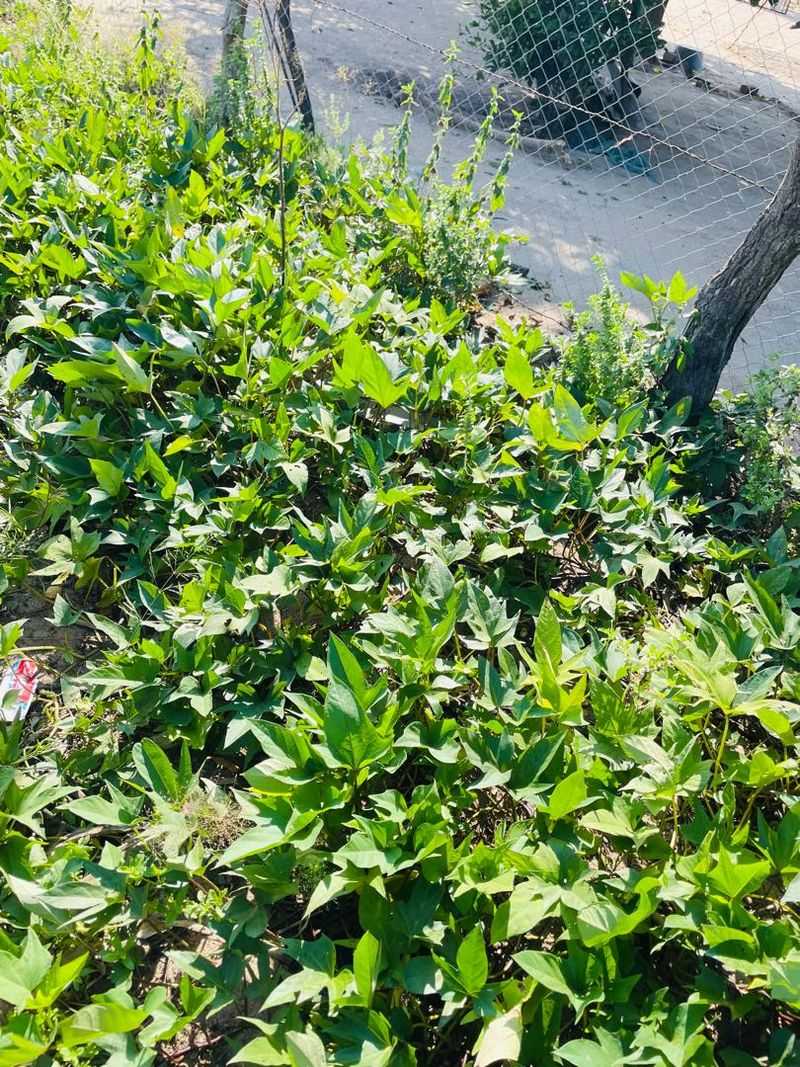
Frost ends the season fast, and June planting keeps it firmly in the rearview mirror. Sweet potatoes cannot handle freezing temperatures, and a hard frost will end their season instantly.
The good news is that a June planting date gives the crop a head start that matters. Missouri frost dates are not one-size-fits-all.
The north sees first frost by mid-October, the Bootheel not until late October or early November.
A crop planted in early June reaches full maturity right around the first of October, giving you a solid cushion before freezing temperatures become a concern.
Gardeners who plant late often find themselves scrambling to harvest roots before an early frost catches them off guard.
Rushing the harvest means pulling roots before they have finished developing, which results in smaller, less flavorful sweet potatoes that do not store as well.
A June planting completely eliminates that stressful race against the calendar. Harvesting ahead of frost also means you can cure your sweet potatoes properly.
Curing involves storing freshly dug roots in a warm, humid space for around 4 to 14 days, which improves flavor and extends shelf life considerably. Plant in June, harvest in October, cure with confidence.
7. Crop Needs Almost No Summer Care
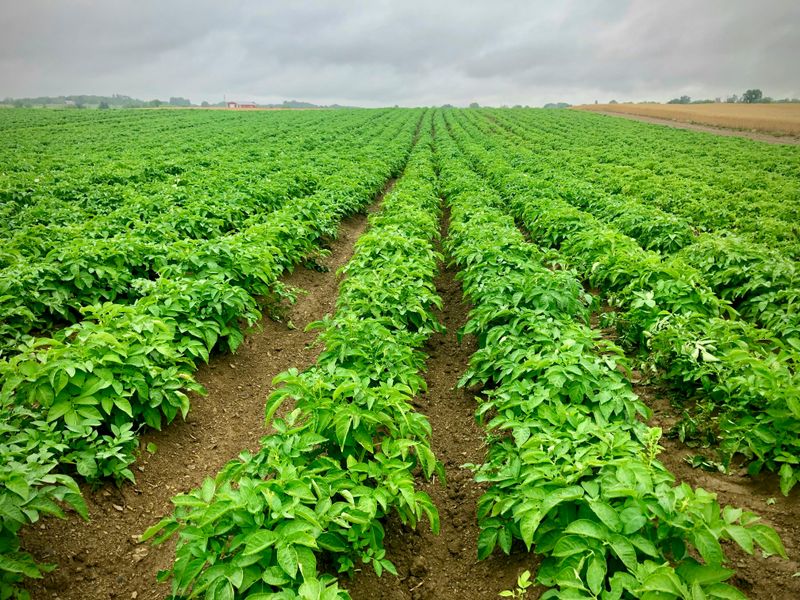
Plant it and mostly leave it alone. After the first few weeks of establishment, sweet potatoes become one of the most hands-off crops in the summer garden, and that ease holds right through to harvest.
The first weeks after planting do require some attention. You will want to water the slips regularly until they root firmly and begin pushing out new growth.
Once you see the vines actively spreading, you can step back and let the plants do their thing. Fertilizing is rarely necessary if your soil has decent organic matter.
Sweet potatoes actually prefer soil that is not too rich in nitrogen, because excess nitrogen pushes the plant to grow more vine and less root.
A modest amount of compost worked into the bed before planting is usually all the nutrition these plants need for the entire season.
Weeding becomes almost effortless once the vines spread out and cover the ground. Dense foliage does the weeding work for you.
Once the vines spread, competing weeds simply cannot compete for light. Pest pressure on sweet potatoes is generally lower than on many other summer vegetables.
Healthy, well-established plants tend to shrug off minor pest pressure without significant crop loss. After that establishment phase, sweet potatoes are about as low-maintenance as a summer crop gets.
8. Farmers Have Proven This For Generations
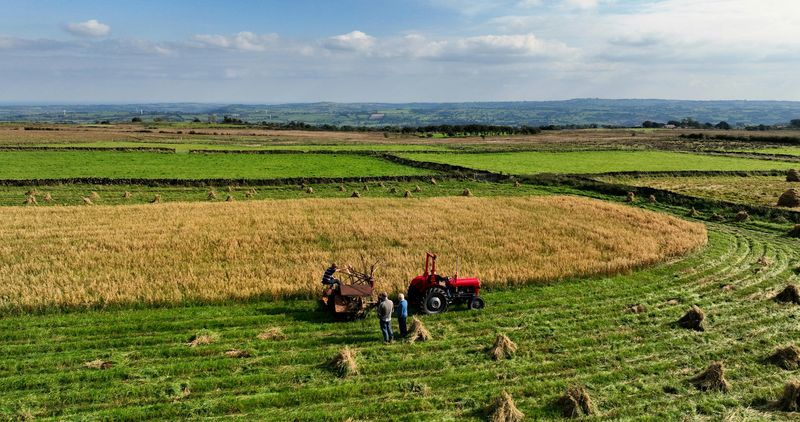
The land does not lie, and neither do the growers who have worked it for generations. Missouri farmers have trusted June planting dates for as long as anyone can remember.
That knowledge traveled through families, farming communities, and county fair conversations. This is not a trend. It is a tradition rooted in real results.
Small family farms across the Bootheel and central Missouri have long relied on sweet potatoes as a dependable summer crop.
Farmers in these regions learned early on that June offered the ideal combination of warm soil, long growing days, and enough season to produce a serious harvest before fall arrived.
Generational farming families often describe sweet potatoes as one of the most forgiving and rewarding crops they grow.
Unlike corn or soybeans, which demand precise inputs and timing, sweet potatoes tolerate imperfect conditions and still deliver.
That reliability is exactly why so many families kept growing them year after year. Old-timers in rural Missouri communities will tell you without hesitation that June is the month to get your slips in the ground.
They learned it from their parents, who learned it from theirs, and the pattern holds up just as well today. When that many people agree on something for that long, it is worth paying attention.
9. MU Extension Officially Recommends June Planting
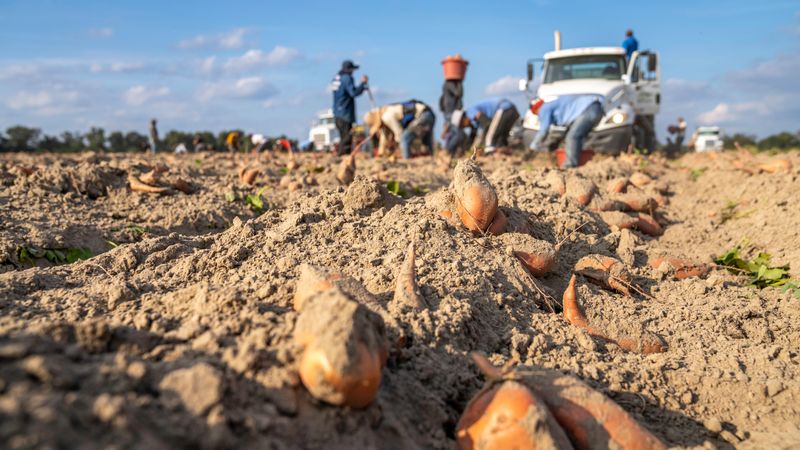
Science and tradition are pointing in the same direction. The University of Missouri Extension officially recommends June planting for sweet potatoes.
That guidance is backed by field research across the state and decades of documented grower experience.
MU Extension guidance consistently points to early June as the target window for most Missouri gardeners.
Growers in the southeastern part of the state can sometimes get started in late May once soil temperatures cooperate.
The Extension program also provides Missouri-specific guidance on soil preparation, slip selection, and curing techniques that go far beyond general gardening advice.
Their publications are free, locally relevant, and written specifically for the conditions gardeners in this state actually face.
MU Extension agents are available across Missouri counties, ready to answer questions about soil testing, pest management, and harvest timing for sweet potatoes specifically.
That kind of local, expert support is rare and worth using. When science and tradition point in exactly the same direction, the answer becomes clear.
For sweet potatoes in Missouri, June planting is not just recommended. It is the smart choice backed by both data and deep roots in the land.