8 Safest Fast-Growing Climbing Plants For Missouri Fences
Ugly fences do not fix themselves, but the right climbing plant can make you forget one ever existed. A neighbor’s rotting wooden fence in St. Louis sat ignored for years.
A single trumpet vine swallowed it whole by late July, and suddenly everyone on the street wanted to know the secret. Missouri’s thick summer humidity is basically a growth serum for climbing plants.
Vines do not just grow here, they race. With fence replacements draining budgets fast, why let nature’s best solution sit unused?
The right climber grabs hold, shoots upward, and blankets bare wood or chain-link before the season peaks. Color builds without effort.
Privacy thickens week by week. Missouri’s warm soil and long growing season give these plants every advantage they need to perform.
Each vine on this list is tough, affordable, and quietly relentless once it finds a fence to call home. Plant one this season and the transformation will stop you in your tracks.
1. Crossvine
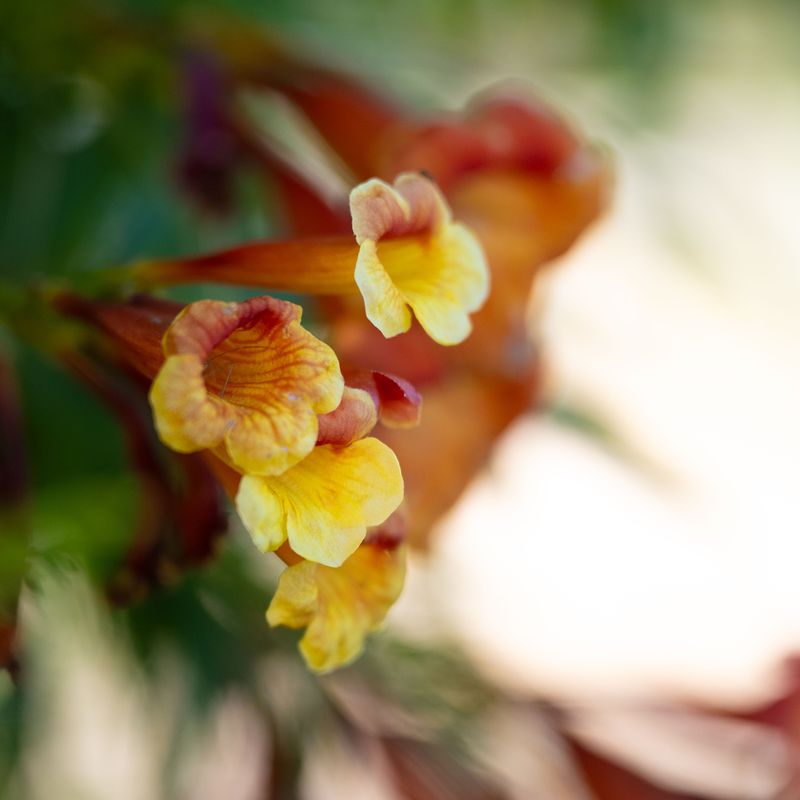
Few vines stop traffic in spring the way Crossvine does. This native North American climber bursts into bloom with bold, trumpet-shaped flowers in shades of orange, red, and yellow.
Hummingbirds visit it constantly, drawn by those wide, nectar-rich throats. Crossvine, known scientifically as Bignonia capreolata, is a semi-evergreen vine that clings to surfaces using tiny adhesive pads.
That means no stapling, no tying, and no complicated trellis system needed. It latches onto wood, brick, and chain-link fences with surprising grip.
Growth can reach 30 to 50 feet under the right conditions. Missouri summers give it exactly what it craves.
Plant it in full sun for the most flowers, though it tolerates partial shade with ease.
Once established, it handles drought without much complaint, making it a tough but beautiful choice for busy homeowners.
Crossvine is non-invasive in Missouri, which matters when you want beauty without a future headache. It does not spread aggressively into natural areas the way some exotic vines do.
Pruning once a year after flowering keeps the plant tidy. It also encourages even more blooms the following season.
Soil quality is flexible here too. Average, well-drained garden soil works perfectly fine, and heavy fertilizing is not necessary.
If you want a fast-growing climbing plant that rewards minimal effort with maximum color, Crossvine is your starting point.
2. Scarlet Runner Bean
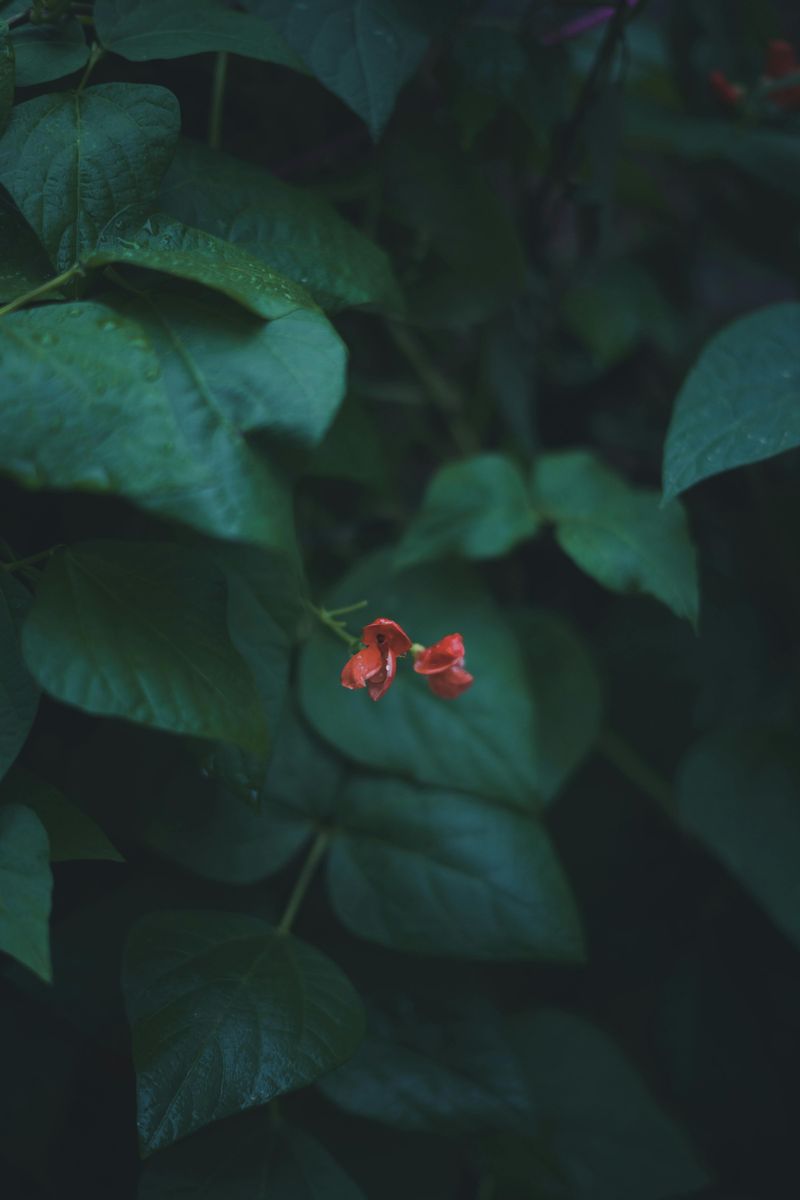
Few climbers on a fence are as hardworking as Scarlet Runner Bean. This annual vine produces cascading clusters of vivid scarlet flowers from midsummer right through fall.
The show does not slow down until frost arrives. Beyond the flowers, the plant produces large, flat bean pods that are fully edible when harvested young and tender.
So you get a privacy screen, a pollinator magnet, and a vegetable crop all from one plant. Scarlet Runner Bean grows fast, easily reaching 10 to 15 feet in a single season with the right support.
A basic wire fence or wooden trellis gives the tendrils something to grab. The plant does the rest without much help.
Your Missouri Garden Changes Every Week. Your Plan Should Too.
Gardening in Missouri changes quickly throughout the season. Every Friday you’ll receive a simple weekly plan showing exactly what to plant, prune, fertilize, harvest, and protect so you never miss the right timing.
Plant seeds directly in the ground after the last frost in Missouri, typically around mid-April to early May. Warm soil and consistent moisture are the keys to quick germination and explosive growth.
Full sun produces the best results, though the plant tolerates a bit of afternoon shade without sulking. Hummingbirds are strongly drawn to those red blooms, and bumblebees are frequent visitors too.
At the end of the season, let a few pods dry completely on the vine. Save those seeds for next year.
They are free plants waiting to happen, which makes this climber one of the most budget-friendly options on the list.
If productivity and beauty together sound appealing, Scarlet Runner Bean belongs on your fence this season.
3. Crossvine ‘Tangerine Beauty’
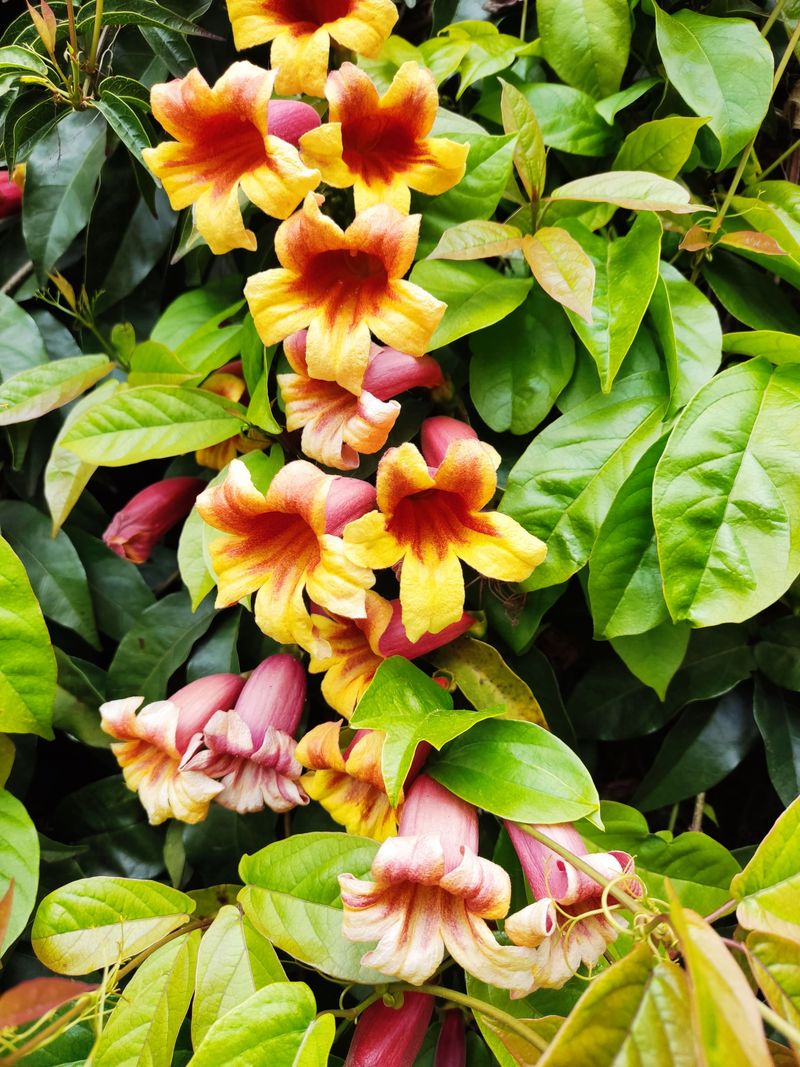
Tangerine Beauty lives up to its name the moment afternoon light hits those blooms.
The blooms are a warm tangerine-orange on the outside with a soft yellow throat. That two-tone effect looks almost painted on.
Hummingbirds and butterflies are drawn to those tubular flowers from the moment they open in mid-spring. Compared to the straight species, ‘Tangerine Beauty’ produces a heavier flush of flowers.
It also repeat blooms more reliably through summer.
That extended season of color is a big reason gardeners in Missouri specifically seek this cultivar out. Like its parent plant, ‘Tangerine Beauty’ uses adhesive tendrils to climb.
It clings directly to fence surfaces without extra hardware. It can grow 20 to 30 feet in a season under good conditions, filling a fence line quickly and densely.
Full sun is ideal, but it handles some afternoon shade without dropping flower production dramatically. One thing to love about this plant is its semi-evergreen foliage.
Even in mild Missouri winters, the leaves hang on, keeping your fence from looking completely bare. A light trim after the main bloom period shapes the plant and encourages fresh growth.
For homeowners who want a fast-growing climbing plant with vivid, head-turning color and native roots, ‘Tangerine Beauty’ delivers on every front.
4. Climbing Nasturtium
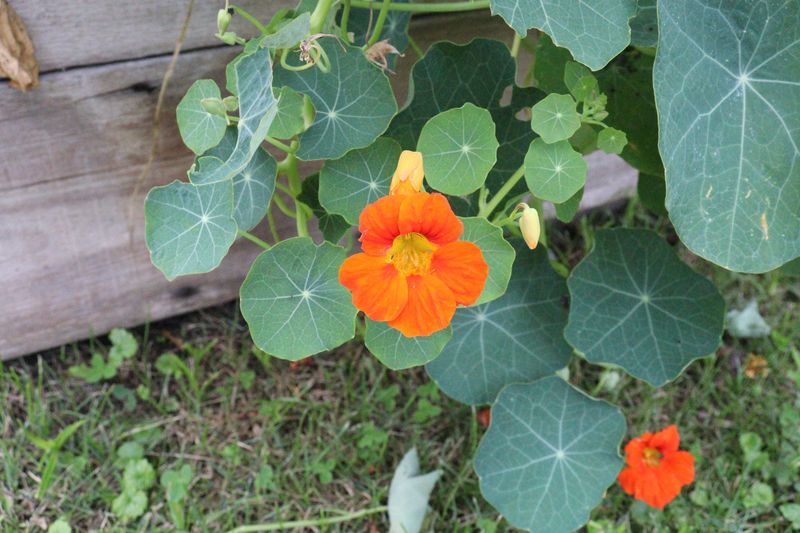
Nasturtiums bring a loose, free-spirited quality to any fence they cover. Climbing Nasturtium varieties, such as Tropaeolum majus ‘Tall Mixed,’ send long trailing stems up fences and trellises.
They arrive covered in round, lily-pad-shaped leaves and jewel-toned flowers. The blooms come in fiery shades of orange, yellow, red, and cream, often with contrasting streaks at the center.
Here is the fun part: every part of the plant is edible. The flowers have a peppery bite that adds serious flair to salads.
The young leaves taste similar to watercress, and even the seed pods can be pickled and used like capers. From a gardening standpoint, Nasturtiums are remarkably low effort to grow.
Direct sow seeds into the soil after frost danger has passed, and germination happens within a week. They actually prefer poor soil, so skip the fertilizer or you will end up with giant leaves and fewer flowers.
Full sun to partial shade works well. Missouri’s warm summers keep them blooming from late spring through the first frost.
Climbing varieties can reach 6 to 10 feet, which is plenty to cover a fence section with cheerful color. One surprising bonus: aphids love Nasturtiums, which means they often draw pests away from your vegetable garden like a natural decoy.
Gardeners who want fast color, zero fuss, and a plant that actually feeds you will find Climbing Nasturtium genuinely hard to beat.
5. Black-Eyed Susan Vine
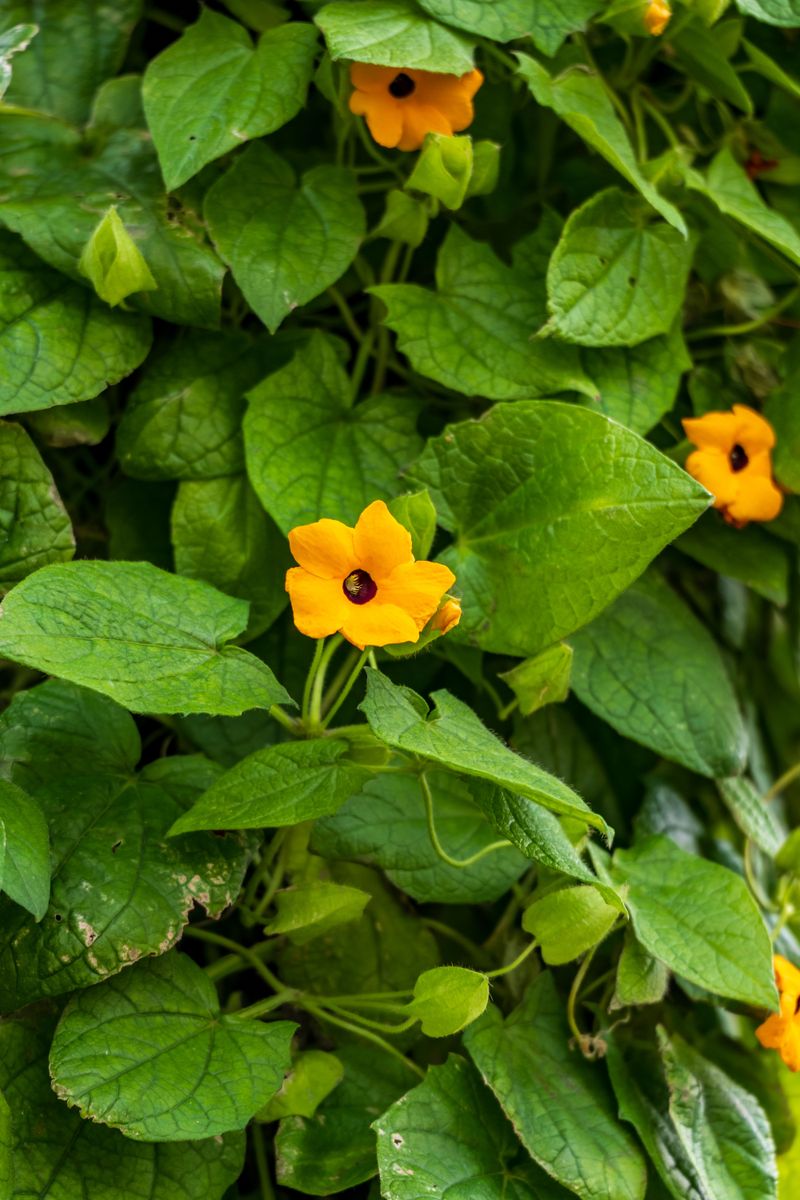
Few annual vines match the cheerful, sun-soaked look of Black-Eyed Susan Vine. The flowers are small, vivid, and built around that signature dark chocolate center.
That classic wide-eyed look keeps the fence looking alive all season long. Grown as an annual in Missouri, it flowers from late spring until frost without needing much encouragement.
The vines twine naturally around fence wires, posts, and trellises, reaching 6 to 8 feet in a single season. That compact but dense growth makes it ideal for covering a fence section without overwhelming the entire yard.
Warm temperatures are this plant’s best friend. Wait until the soil is reliably warm before planting outdoors. Starting seeds indoors about 6 weeks before the last frost gives you a head start and earlier blooms.
Full sun to light shade suits Black-Eyed Susan Vine well. It handles Missouri’s humidity without developing the fungal problems that plague some other climbers.
Regular watering during dry spells keeps flower production steady, but the plant is forgiving if you miss a day or two.
One detail worth mentioning is that the plant is non-invasive when grown as an annual. Frost cuts it back cleanly, leaving no invasive spread behind.
Removing spent blooms is optional, but it does encourage the plant to push out fresh flowers faster. For a fence that holds color from late spring through frost, this vine delivers consistently.
6. Hyacinth Bean Vine
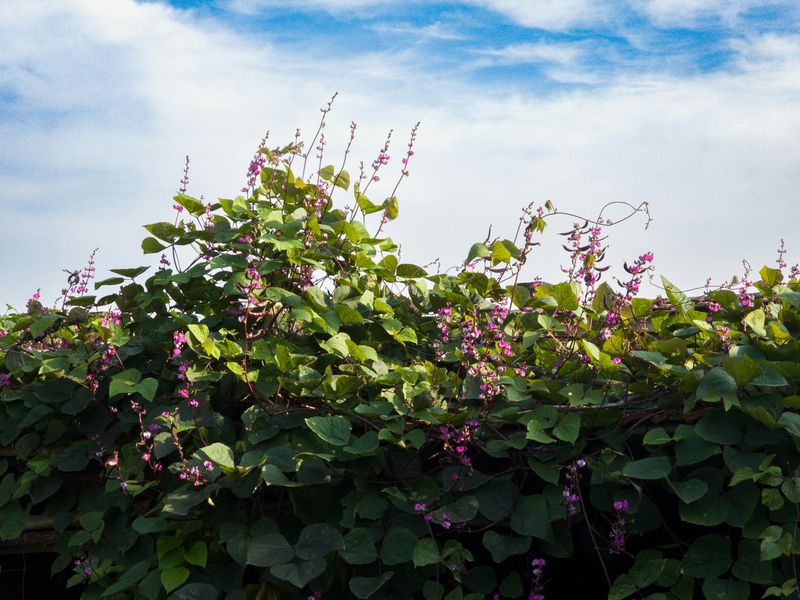
Purple from stem to seed pod, Hyacinth Bean Vine is one of the most visually striking climbers you can grow on a fence.
Lablab purpureus produces fragrant lavender-purple flowers that look similar to sweet pea blossoms. They are followed by glossy, deep-purple seed pods that stay on the plant for weeks.
The foliage itself has a purplish tint, so even between bloom cycles, the vine looks ornamental and rich. Grown as an annual in Missouri, it grows fast once temperatures climb, easily reaching 10 to 15 feet in a season.
That rapid coverage makes it a go-to choice when you need a privacy screen in a hurry. Plant seeds directly outdoors after the last frost. Starting them indoors a few weeks early gives you a longer display.
Full sun is where this vine performs best, though it tolerates light afternoon shade without losing too much energy. Consistent moisture and well-drained soil keep growth strong and flowering steady.
One important note: the seed pods and beans contain toxic compounds that are not fully eliminated even with cooking.
This plant is best avoided in gardens where young children or pets have unsupervised access. The flowers and foliage pose no contact hazard, and the plant is widely grown in family gardens with basic precautions.
Pollinators visit the flowers in steady numbers throughout the season, making it a solid choice for supporting local bee populations.
If you want a fast-growing climbing plant that doubles as one of the more ornamental vines you can grow on a fence, this one earns its spot every single time.
7. Cup-And-Saucer Vine
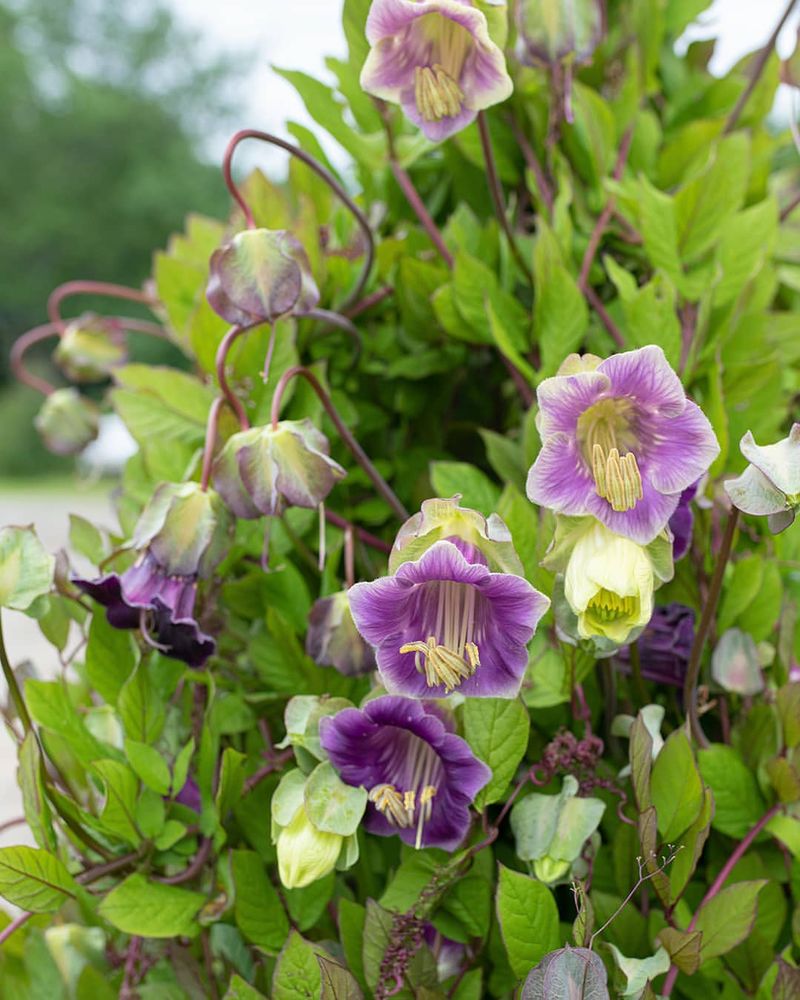
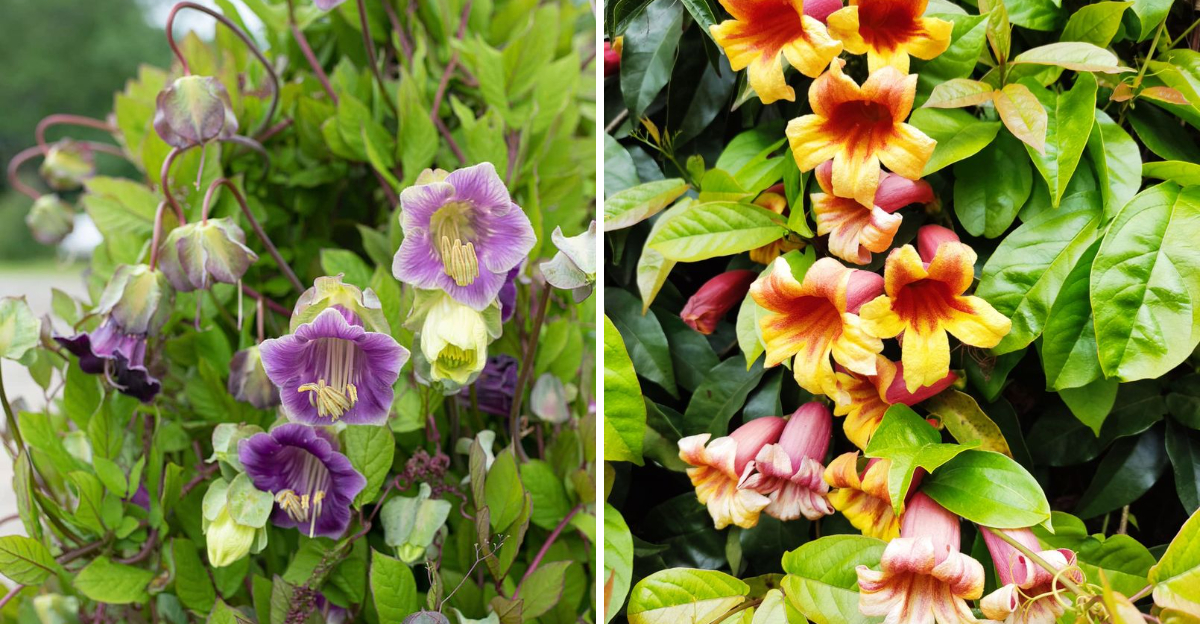
Some plants grow fast and look forgettable, but Cup-and-Saucer Vine is built differently. The blooms are bell-shaped, saucer-cradled, and unlike anything else on a fence.
The blooms open creamy white and slowly shift to deep purple as they age. That color transition gives the vine an exotic, unexpected quality that stands out in any Midwest backyard.
Growth is genuinely impressive, with well-fed plants reaching 20 to 30 feet in a single season during Missouri summers. Start seeds indoors about 8 weeks before the last frost.
Nick the seed coat slightly before planting to speed up germination. The plant is a strong self-clinger, using tiny hooked tendrils to grab onto fence wires, wood, and mesh with ease.
Full sun is the sweet spot, and consistent moisture during establishment gets the vine off to a strong start.
Once it hits its stride in midsummer, the flower production becomes remarkably steady and consistent. Pollinators, especially bumblebees, are frequent visitors to those large, nectar-rich blooms.
Cup-and-Saucer Vine is grown as an annual in Missouri, which means frost naturally ends its season without any invasive spread.
For gardeners who want a fast-growing climbing plant that sparks genuine conversation and earns compliments from neighbors, this is the wild card pick that never disappoints.
8. Climbing Snapdragon
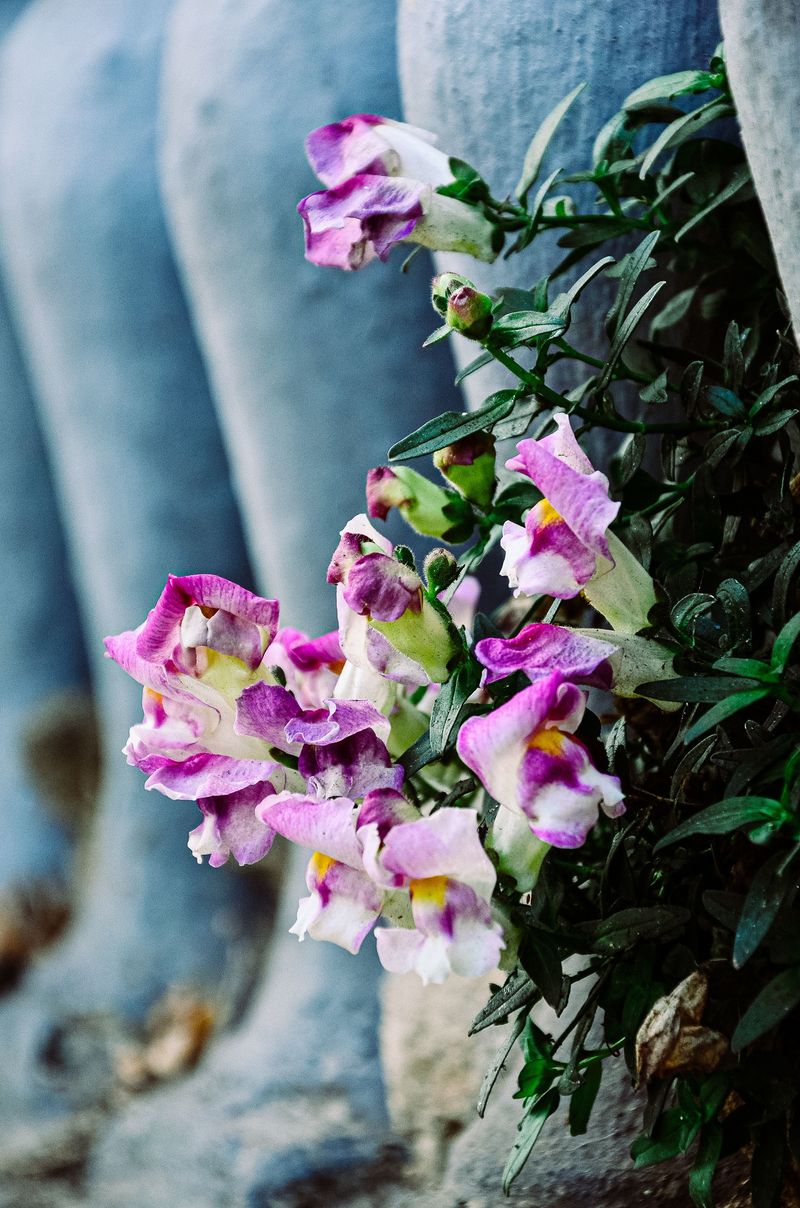
Climbing Snapdragon looks fragile. It is anything but. The flowers are smaller than traditional snapdragons, but they appear in such abundance that the vine looks richly layered in color during peak bloom.
What makes this climber special is its fine, delicate texture. The slender stems and small leaves give it an airy, cottage-garden quality that heavier vines simply cannot replicate.
It grows 6 to 10 feet tall in a season, which is enough to cover a fence panel beautifully without taking over the whole yard.
Start seeds indoors 10 to 12 weeks before the last frost for the best results. Outdoor germination can be slow, so the head start matters.
Transplant seedlings after frost danger has passed. Give them a sunny to lightly shaded spot with good drainage.
The plant twines its leaf stems around supports naturally, so a simple wire fence or string trellis works perfectly well.
Regular deadheading encourages continuous blooming, though even without it, the vine keeps producing flowers at a steady pace.
Climbing Snapdragon is non-invasive and frost-sensitive, so it will not escape into wild areas or create problems down the road.
For anyone building a safe, colorful, fast-growing fence garden in Missouri, this charming climber is the perfect note to end on.