Something Is Destroying North Carolina Squash From The Inside (And Many Gardeners Do Not See It Coming)
The plants look fine on Monday. By Thursday, the leaves are wilting, the stem base looks wrong, and the whole bed has that defeated look that makes a gardener wonder what went wrong.
Almost nobody thinks to look inside the stem.
Have you ever noticed small holes at the base of your squash plants with what looks like wet sawdust around them? That is not a soil issue. That is evidence of something already working against your plants for days.
These pests are one of the most destructive and least understood summer pests in North Carolina vegetable gardens.
The adult is quick, the eggs are tiny, and the larva does all its damage from the inside out before anything visible appears on the surface.
By the time a squash plant collapses, the opportunity to intercept the pest has usually already passed.
The good news is that these pests are entirely manageable with the right habits in place before the damage starts.
The Warning Signs Hide Inside The Stem, Not On The Leaves
Squash vine borers are deceptive in a way that catches experienced gardeners off guard. The damage does not start on the surface.
It starts inside the stem, where a small caterpillar hatches and begins feeding through the inner tissue before any visible sign appears on the outside.
By the time the plant wilts suddenly or the stem base looks swollen and shows small holes with sawdust-like frass, the larva has already been working for days.
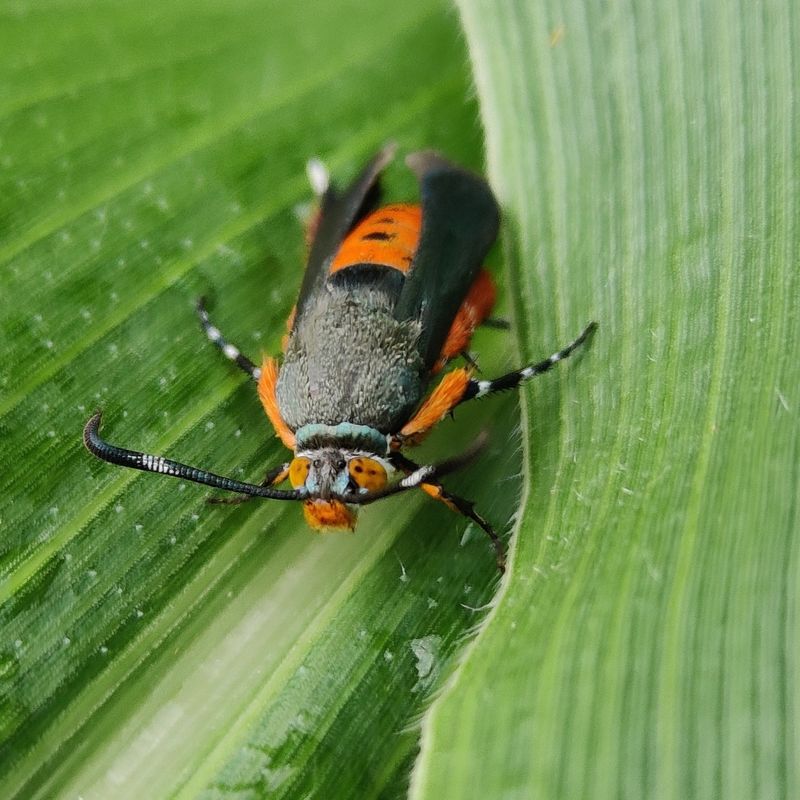
The squash vine borer is the larva of a moth that resembles a wasp. The adult lays eggs directly on stems at the base of the plant, usually starting in late June through July in North Carolina.
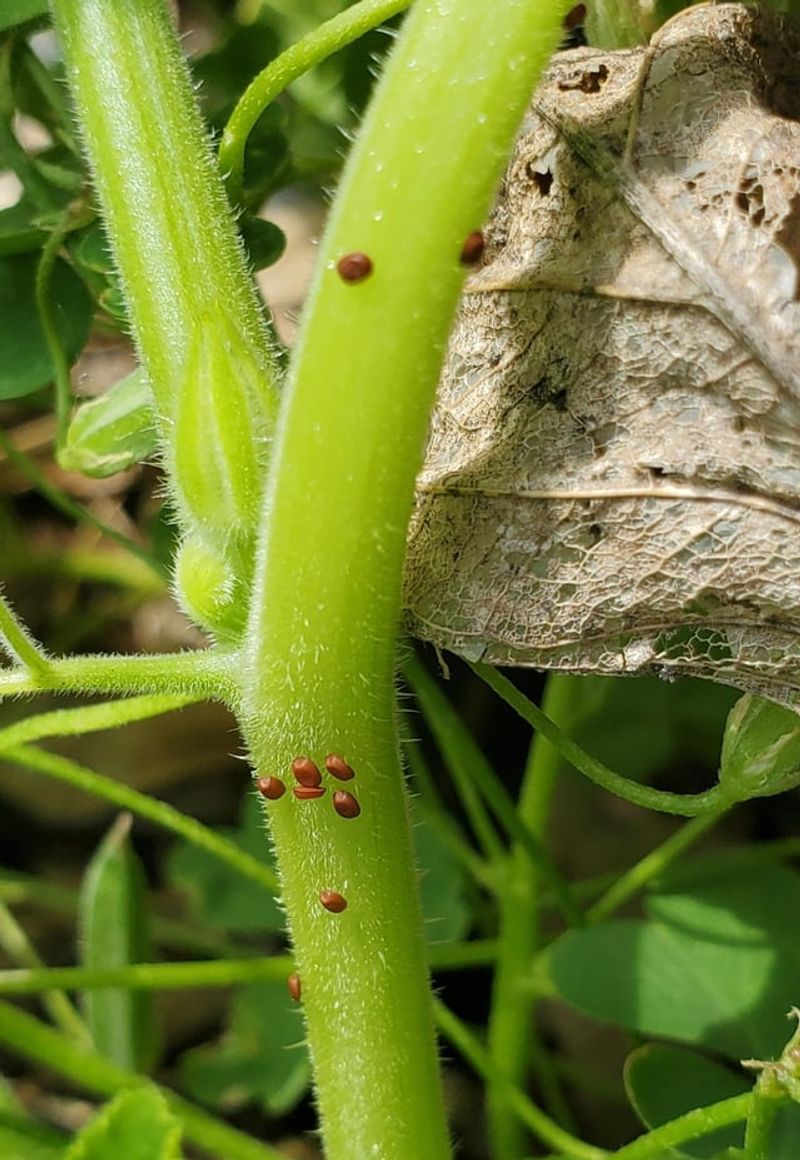
The eggs are small, flat, and reddish-brown, pressed individually against the stem surface. Finding them before they hatch is the most effective intervention available.
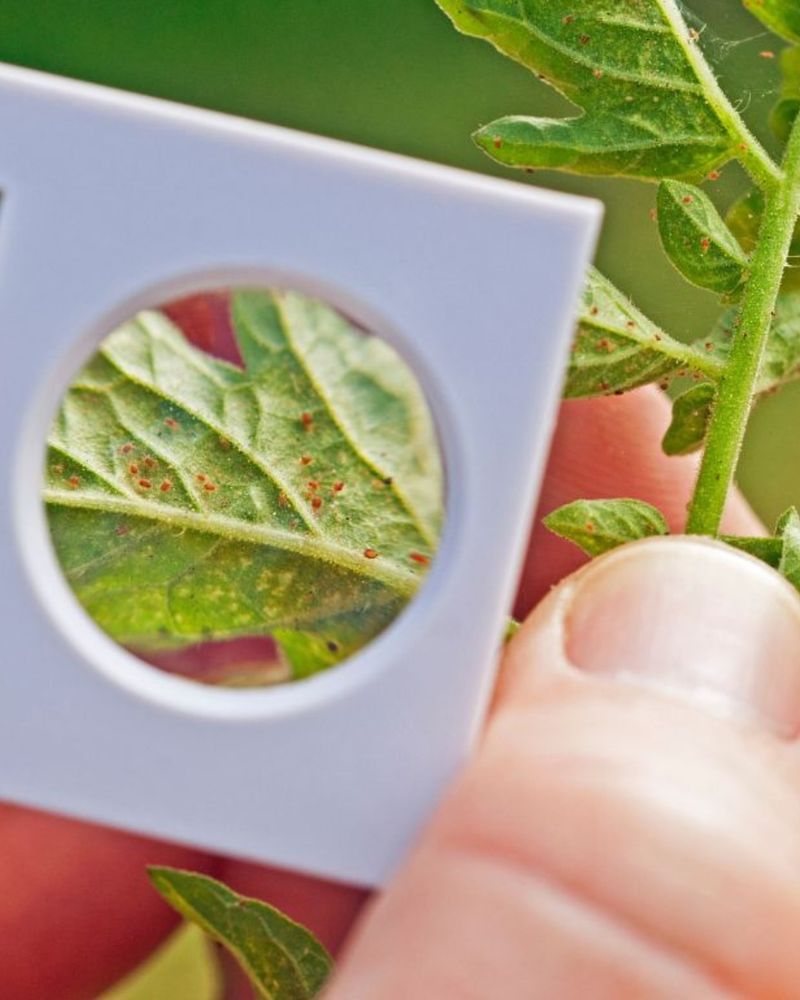
Check stem bases at least twice per week during peak egg-laying season. Run a finger along the lower stem and look for small, coin-shaped eggs pressed flat against the surface.
Removing eggs manually the moment you find them stops the problem before it starts. No chemicals required at that stage.
Early detection of eggs is where the real battle is won or lost. Everything else is just damage control.
Your squash plants cannot ask for help. Checking the stem base twice a week is how you ask on their behalf.
The Moth You Barely Notice Is The One Causing All The Damage
Most gardeners spend their time watching leaves. The squash vine borer moth spends its time at the base of your stems, and it is much better at its job than most people realize.
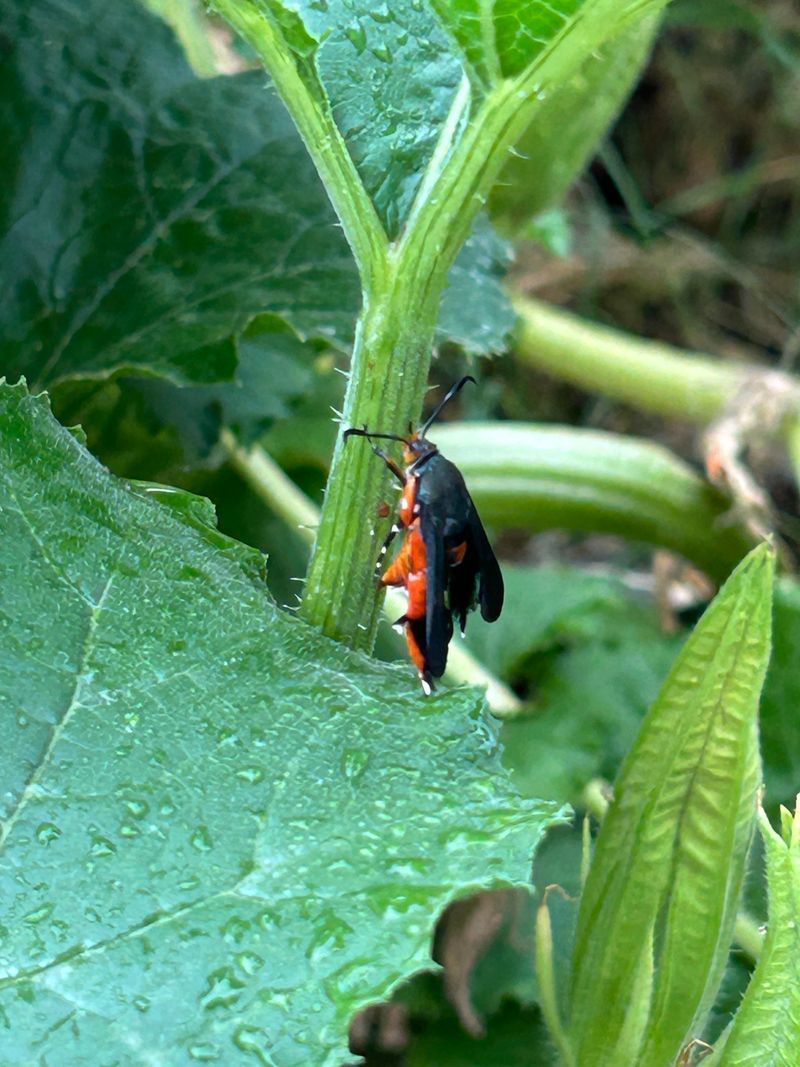
The adult moth is active during the day, which is unusual for moths. It has orange markings on its abdomen and flies quickly, often mistaken for a wasp or overlooked entirely.
That wasp-like appearance is not accidental. It reduces predator attention and allows the moth to move through gardens without much interference.
The female lays individual eggs directly on squash stems, especially at the base near the soil line. She targets summer squash, zucchini, and butternut squash most aggressively.
Your North Carolina Garden Changes Every Week. Your Plan Should Too.
Gardening in North Carolina changes quickly throughout the season. Every Friday you’ll receive a simple weekly plan showing exactly what to plant, prune, fertilize, harvest, and protect so you never miss the right timing.
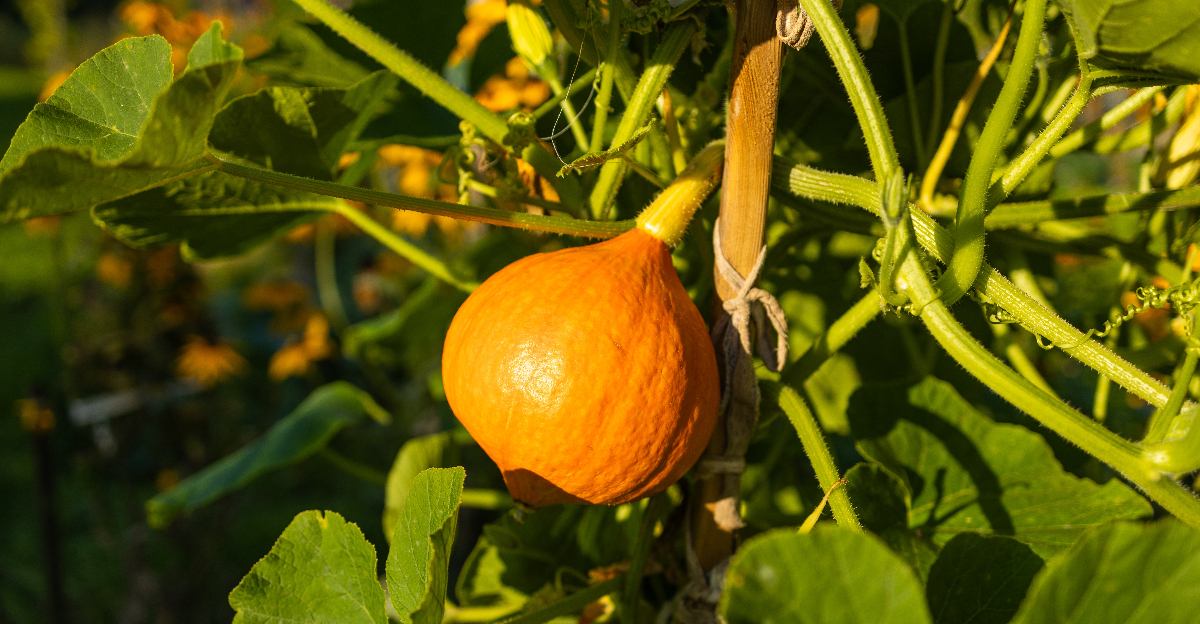
Hubbard squash draws her so reliably that some gardeners plant it as a trap crop, pulling it out once heavily infested before the larvae mature.
Monitoring for adult moths helps you time your other protective measures accurately. When you start seeing the adults flying around your squash bed, the egg-laying window has opened.
Yellow sticky traps placed near the base of plants can capture adults and give you a sense of population pressure.
They also confirm when activity peaks, which tells you exactly when to be most vigilant about checking stems for eggs.
Understanding the moth’s behavior changes how you approach the whole problem. You stop reacting to wilted plants and start intercepting the pest at the source.
The moth is fast, confident, and has been doing this longer than you have been gardening. But now you know what to look for.
Crowded Stems Create More Entry Points For Larvae
Squash plants that sprawl unchecked do more than look messy. Dense, overlapping growth gives the vine borer moth more hiding spots to lay eggs.
It also makes it nearly impossible for you to find them in time. The messier the bed, the better the odds are for the pest.
When stems tangle together and foliage piles up at the base, the egg-laying zone becomes nearly impossible to monitor effectively.
The moth takes advantage of that. She moves through crowded growth quickly and lays eggs in spots you cannot easily reach or see.
Keeping plants well-spaced and stems accessible is one of the most practical structural decisions you can make for borer management.
Summer squash benefits from at least 24 to 36 inches between plants in rows. That spacing keeps the base of each stem visible and reachable for your twice-weekly checks.
Removing older lower leaves that are no longer actively contributing to the plant also opens up the stem base significantly.
Those lower leaves often touch the soil, obscure the stem, and do very little for photosynthesis at that stage anyway.
Raised beds with deliberate spacing outperform crowded in-ground plots consistently when it comes to borer management. Even a few additional inches between plants changes your ability to monitor and intervene effectively.
You cannot remove eggs you cannot see. Spacing your squash is how you give yourself a fighting chance to actually find them.
Excess Nitrogen Makes Stems Softer And Easier To Penetrate
Overfeeding squash with nitrogen is one of those gardening habits that feels responsible and is actually working against you in a very specific way.
Nitrogen pushes rapid, soft growth. The resulting stems are lush and fast-growing but also thicker-walled in a way that sounds protective and is not.
Soft, water-logged stem tissue is actually easier for young larvae to penetrate and tunnel through than the tougher stems of plants grown on a more balanced diet.
A balanced fertilizer, something around a 10-10-10 ratio applied according to package directions, gives squash the nutrition it needs without pushing excessive soft growth.
A soil test before the season starts tells you what your specific garden actually needs rather than what you assume it needs.
Ease back on nitrogen applications once plants are established and flowering. That is the stage when borer moths are most active, and it is also when soft new growth is most vulnerable.
Balanced plants with appropriately firm stems are simply less hospitable to larvae trying to establish. Thoughtful feeding is quieter pest management, but it works across the whole season rather than just in a single moment of intervention.
Feed the plant. Not the pest. There is a real difference between the two, and nitrogen levels are where that difference is made.
The Frass At The Stem Base Is The Pest’s First Visible Confession
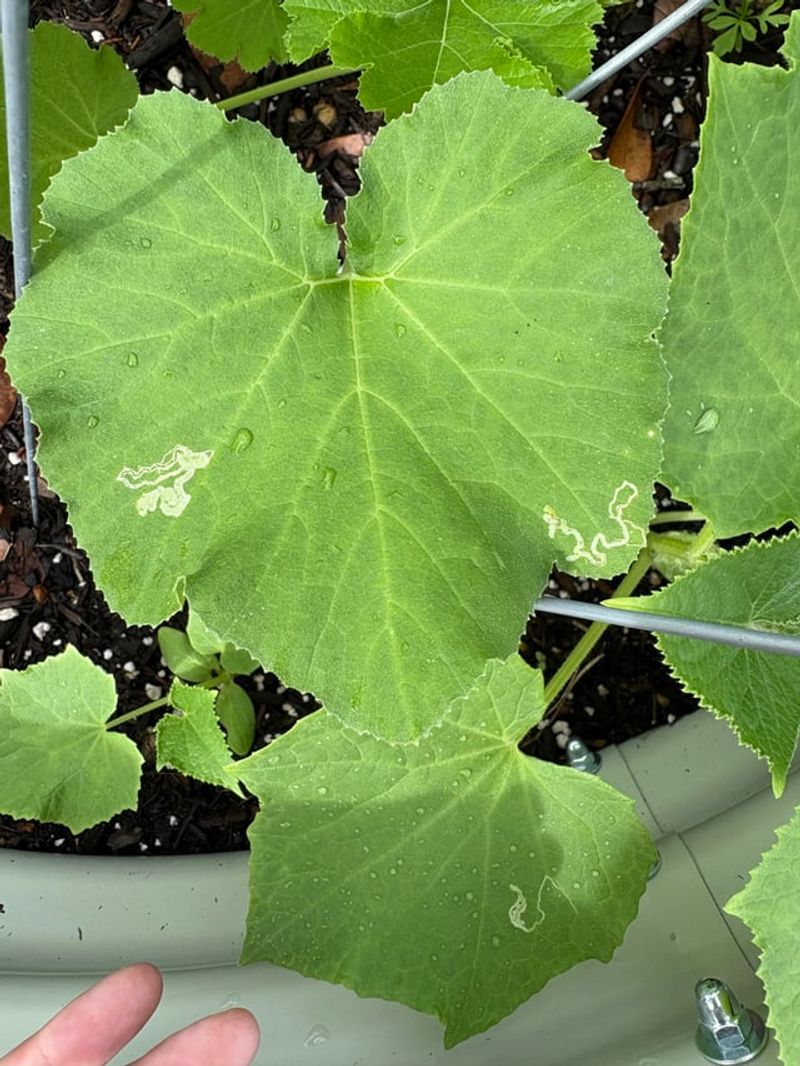
Squash vine borers are secretive right up until they are not. When you finally see the evidence, it tends to be obvious and alarming.
Small holes at the base of the stem, surrounded by greenish or yellowish frass that looks like sawdust or wet debris, mean a larva has already entered and begun feeding inside.
The wilting that follows that discovery often happens fast, sometimes within a day or two of frass appearing.
Checking for frass every three to four days during peak borer season, June through July in most of North Carolina, gives you the earliest possible warning. Do not wait for wilting. Wilting means the damage is already advanced.
Once frass is spotted, surgical intervention is possible. Use a small, sharp knife to make a careful lengthwise slit in the stem at the entry point, find the larva, and remove it manually.
After extraction, mound soil over the damaged section of stem and water it in. Squash can root from buried stem tissue and sometimes recover well if the damage has not reached too deep into the main stalk.
Checking the entire stem base rather than just glancing at the plant from standing height makes an enormous difference in how early you catch this.
Frass is the pest leaving evidence behind. Finding it first is how you stay ahead of the situation instead of reacting to a collapsed plant with nothing left to save.
Row Covers Block The Moth Before It Ever Reaches The Stems
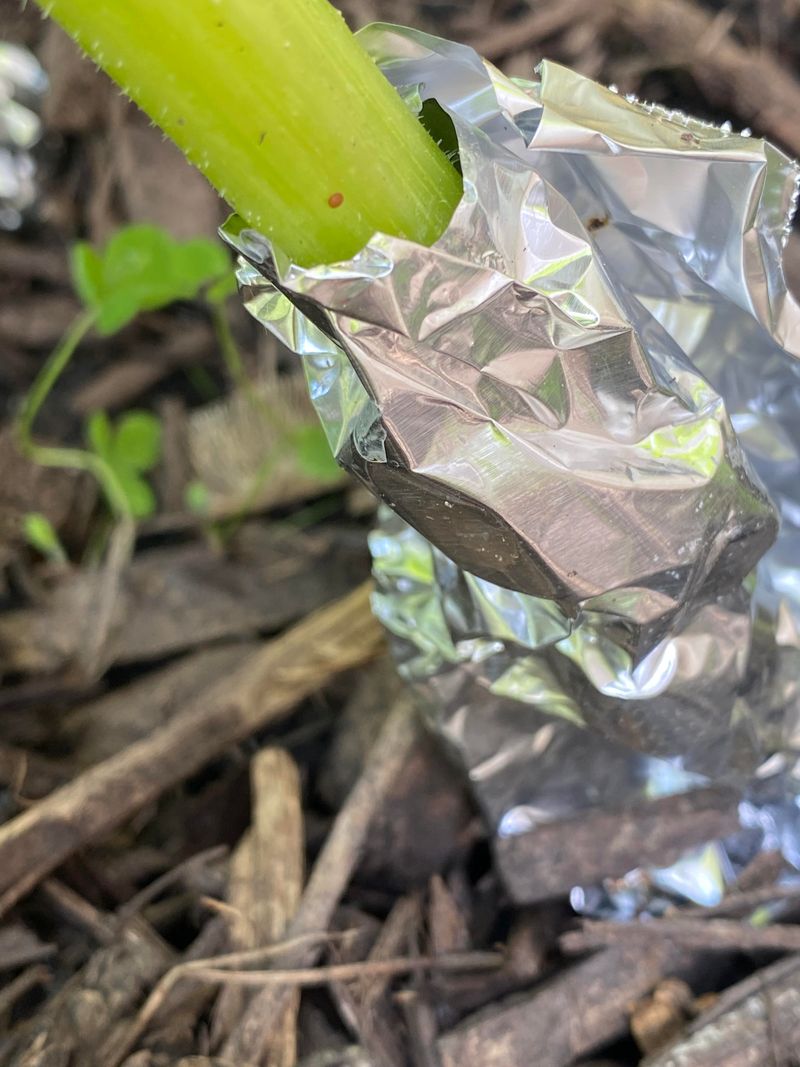
Row covers are one of the most effective tools available for squash vine borer prevention, and they work through a straightforward principle. If the moth cannot reach the stem, she cannot lay eggs on it.
Lightweight floating row covers placed over squash plants at transplanting time create a physical barrier that prevents adult moths from accessing the plants during the peak egg-laying window.
The timing matters significantly. Covers need to go on before borer moths become active in your area, typically late June in North Carolina. Installing them after moths are already active in the garden reduces their effectiveness considerably.
The one management step required with row covers on squash is hand pollination. Squash needs pollination to produce fruit, and covering the plants removes access for bees.
Once plants begin flowering, go out in the morning and transfer pollen between male and female flowers using a small brush or your finger. It takes about two minutes per plant.
Remove covers during pollination, then replace them if borer pressure remains high, or leave them off once the main egg-laying window passes in late July.
Row covers combined with regular stem monitoring create two separate layers of defense that work independently. Either one alone reduces borer pressure meaningfully. Together, they give the pest very few opportunities to establish.
A row cover and five minutes of hand pollination in the morning. That is a reasonable price for a squash harvest that actually makes it to the table.
Consistent Morning Watering Keeps Stems Strong And Resilient
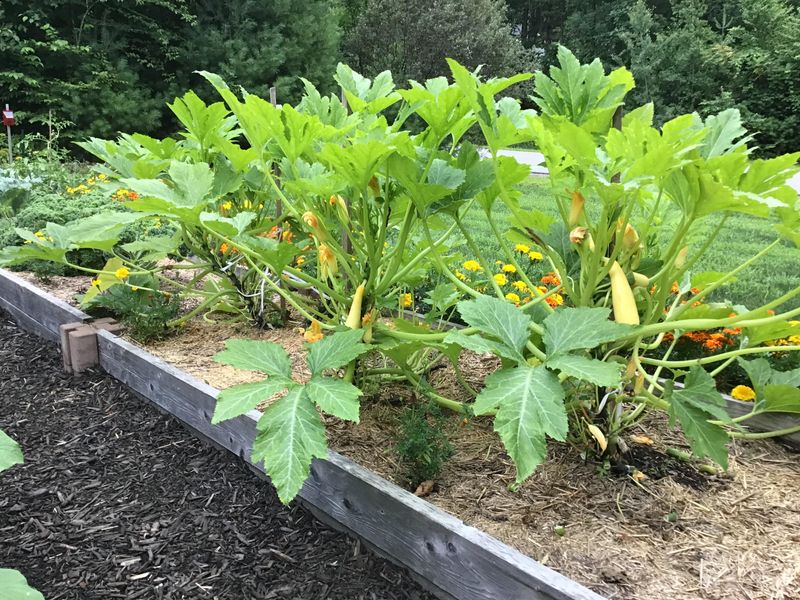
Watering timing matters more for squash vine borer management than most gardeners realize. Plants that are chronically water-stressed develop weaker stem tissue overall.
Stressed stems are more vulnerable to larval penetration and recover more slowly from damage once a larva is inside. Keeping squash consistently well-hydrated is a foundational part of building plants that can handle borer pressure.
Morning watering gives roots time to absorb moisture before afternoon heat causes rapid evaporation from the soil surface.
Foliage also dries before evening, which reduces fungal pressure. Both outcomes support overall plant health and stem integrity.
Drip irrigation is the most practical setup for squash specifically. It delivers water directly to the root zone without wetting stems and leaves unnecessarily.
Wet stems attract more than just pests. Keeping moisture off the stem surface where eggs are laid reduces the conditions that make egg attachment easier for the moth.
Aim for about one inch of water per week, adjusted for rainfall. Deep, infrequent watering builds stronger root systems than shallow daily watering.
Roots that extend deeper into cooler, moister soil support plants through heat stress far more effectively.
A squash plant with deep roots, consistent hydration, and firm stem tissue is working from a much stronger position against borer damage than one that enters every hot afternoon already struggling.
Stressed plants are more vulnerable to every pest. Well-watered plants are not immune, but they are considerably harder to push over.
Removing Infested Stems Early Stops The Larva From Finishing Its Cycle
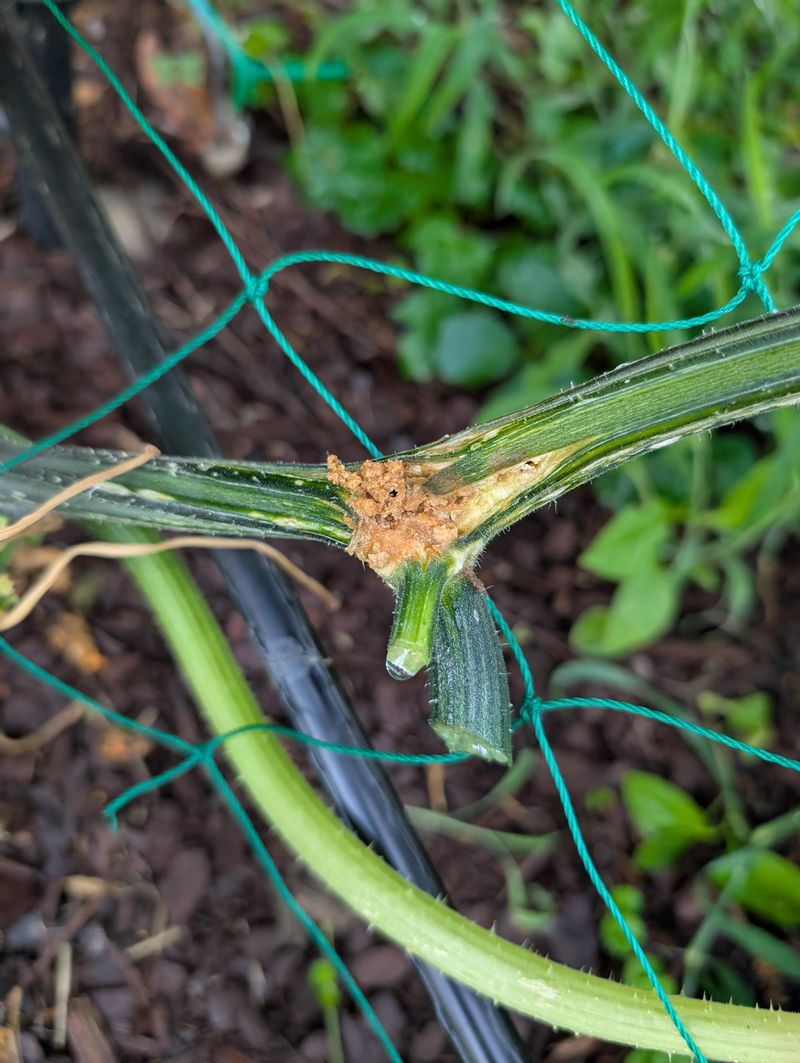
When a squash stem is heavily damaged by a vine borer larva, the most effective response is not always to try saving it.
Sometimes the right move is clean removal of the affected section before the larva matures and exits to pupate in the soil.
A larva that completes its cycle in your soil becomes a moth next season. Removing it before that happens breaks the local population cycle in a meaningful way.
Use clean, sharp pruning shears to cut the infested stem section back to healthy tissue. Seal the removed material in a plastic bag and put it in the trash rather than the compost bin. Larvae can survive in compost and complete development there.
After cutting, check the remaining stem for additional entry points. One plant can harbor more than one larva, especially if the egg-laying window coincided with a period when you were not monitoring closely.
If the main crown of the plant is still healthy and producing secondary runners, those runners can often continue fruiting even after a primary stem is lost.
Encourage them by mounding soil over the nodes where runners touch the ground, which promotes rooting.
Wipe tools with rubbing alcohol between plants to avoid transferring any eggs or debris to healthy squash nearby.
Fast, decisive action on a damaged stem protects the rest of the bed and disrupts the borer’s ability to complete its cycle in your garden.
The larva had plans for your soil. Removing it before it gets there is how you politely cancel them.