What Fire Ants In North Carolina Garden Beds Are Really Telling You (And What To Do About It)
You walk outside after a good rain, ready to check on the tomatoes, and there it is. A fresh mound right in the middle of your garden bed, looking like it appeared overnight.
In a way, it did. But fire ants did not just show up randomly.
That mound is communicating something specific about what is happening beneath your garden soil, and once you understand what it is saying, you stop reacting and start managing.
North Carolina gardeners deal with red imported fire ants every season, and the rainy months can make the problem feel relentless and unpredictable.
Many people reach for whatever is nearby, try a home remedy they read about online, and end up with three mounds where one used to be.
Some of the most popular fire ant fixes are actually making things worse in ways that are not obvious until the problem multiplies.
This guide covers exactly what those post-rain mounds are telling you, why the timing matters more than many gardeners realize, and what actually works when it comes to safe, effective treatment.
1. Rain Pushed Soil To The Surface
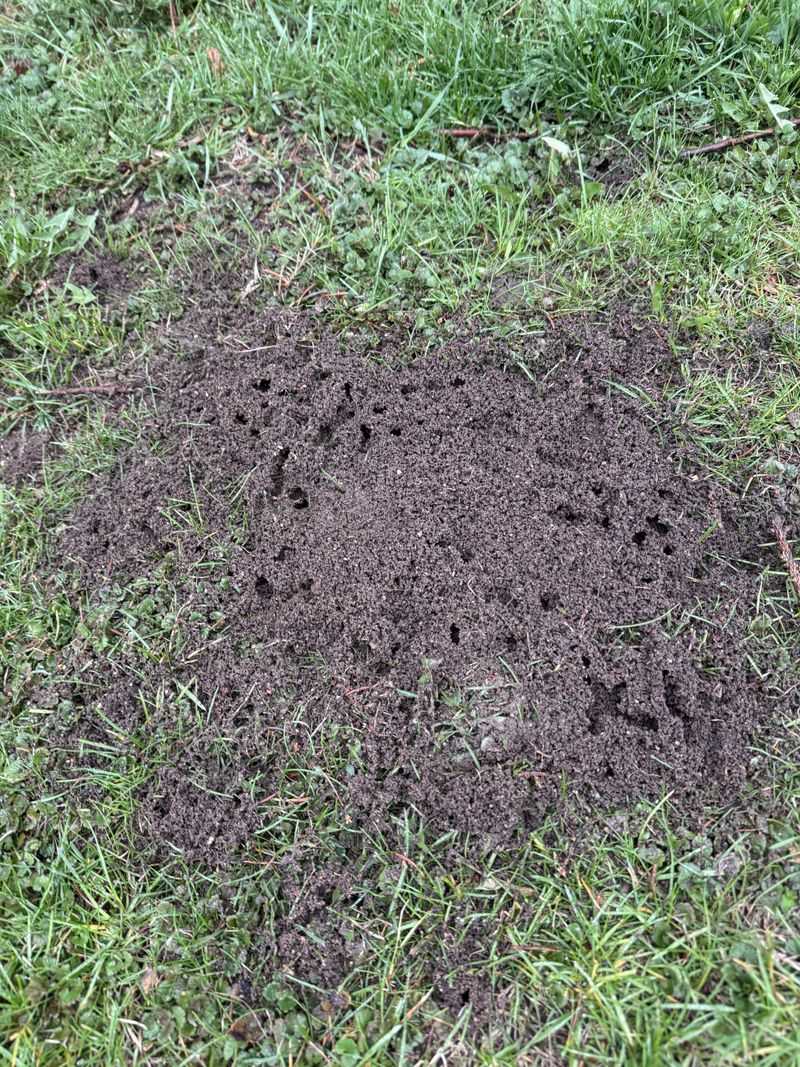
That fresh dome of loose soil sitting in your garden bed after a heavy rain is not random.
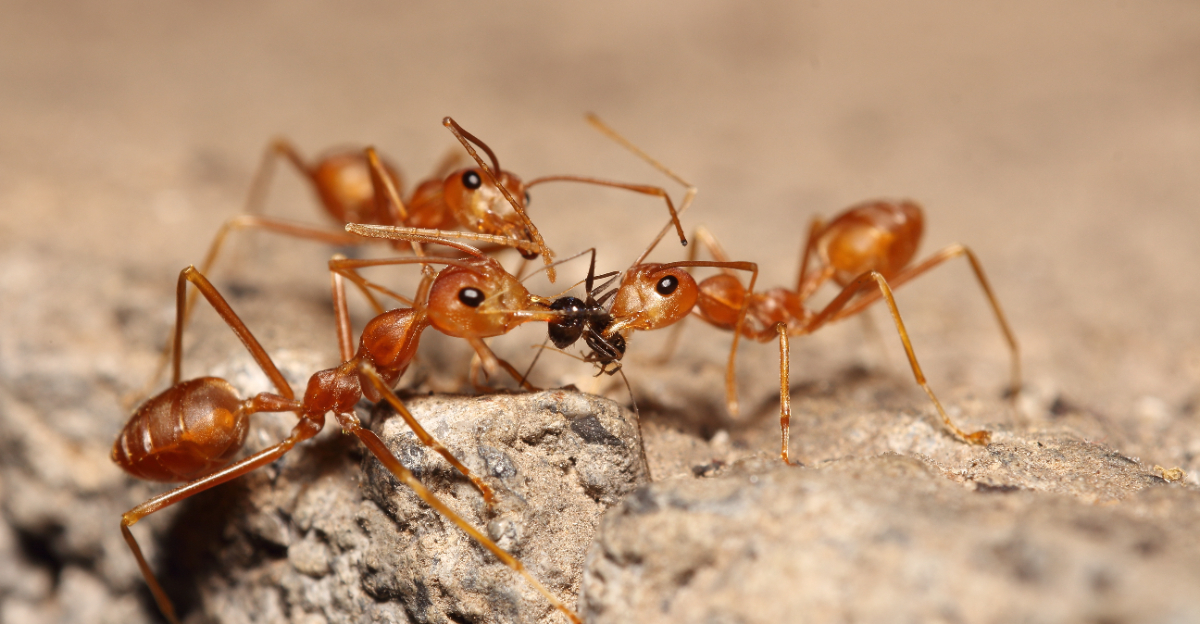
Fire ant workers built it on purpose, and the reason is completely practical. When water saturates the ground, the ants need to move fast to protect the queen, eggs, and larvae from flooding.
Workers grab the most vulnerable colony members and carry them upward, packing fresh soil around the new resting spot as they go.
That process creates the loose, unstructured mound visible on the surface the morning after a storm. Post-rain mounds often look different from older ones, tending to be looser, lighter in color, and slightly dome-shaped rather than flat.
Fire ant mounds typically have no visible entry hole on the top surface, which helps distinguish them from other ant species that build similar structures in garden soil. That detail is worth knowing before you start poking around.
Touching or stepping on a fresh mound is a genuinely bad idea. Workers are agitated after the disruption of an emergency move and will swarm and sting almost instantly.
Even brushing the side of a mound with a garden tool triggers a fast, painful response that most gardeners only make the mistake of causing once.
The soil pushed to the surface also provides information about what is happening underground. Larger, taller mounds suggest a more established colony with a higher worker population.
Smaller mounds may indicate a newer satellite group establishing nearby. Either way, what you are seeing above the soil line is active colony life, not just displaced dirt from the rain.
2. Mounds Show Up In Sunny Open Beds
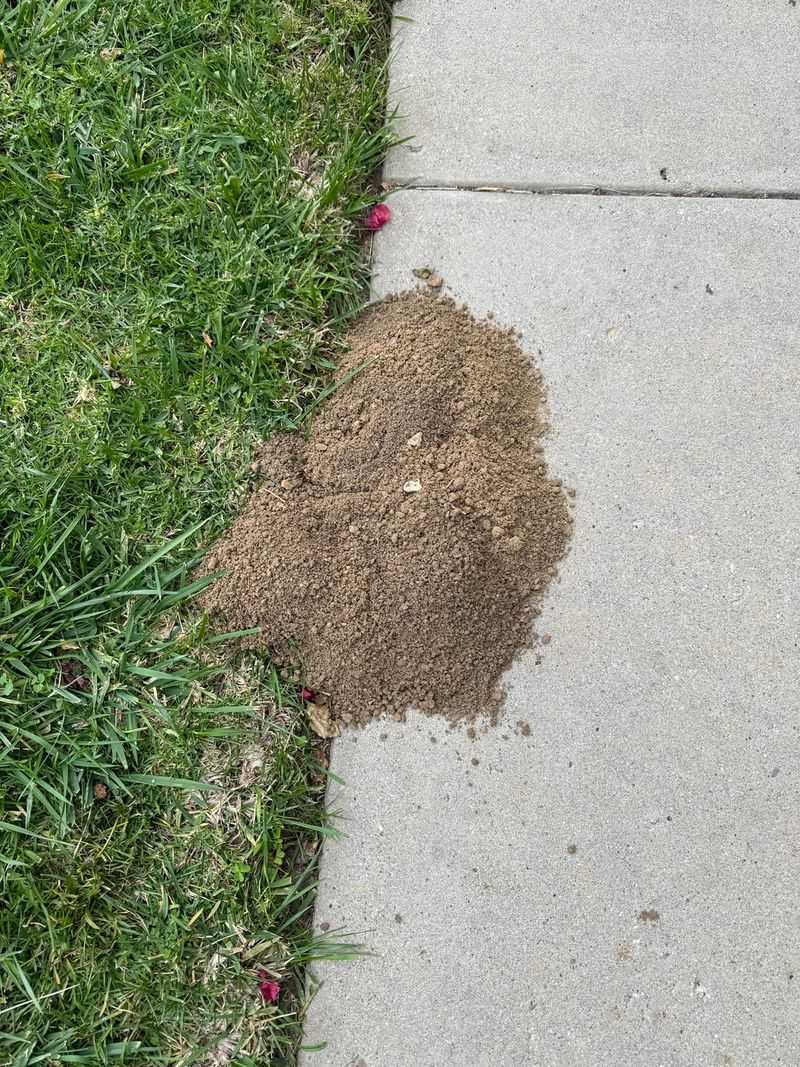
Fire ant mounds almost never appear under a big shade tree, but they show up consistently in open vegetable beds. That pattern has a straightforward explanation.
Red imported fire ants have a strong preference for warm, sun-drenched soil, and a well-maintained garden bed meets every requirement on that list.
Your North Carolina Garden Changes Every Week. Your Plan Should Too.
Gardening in North Carolina changes quickly throughout the season. Every Friday you’ll receive a simple weekly plan showing exactly what to plant, prune, fertilize, harvest, and protect so you never miss the right timing.
These ants are cold-blooded insects that rely on external heat to regulate colony temperature and keep operations running.
Open, sunny areas warm up faster after rain, making them far more attractive nesting sites than shaded, cooler spots.
A garden bed with dark, compost-rich soil holds heat particularly well, which makes it especially appealing from the ants’ perspective.
Fire ants favor disturbed, open habitats with direct sun exposure. Lawns, roadsides, pastures, and garden beds all fit this profile.
Heavily shaded areas with dense canopy cover see significantly less fire ant pressure because the ground stays cooler and less hospitable for colony development.
This preference also explains why mounds tend to cluster along the sunny south-facing edge of a bed rather than distributing evenly across it.
The ants are not scattered randomly. They are actively choosing the warmest available ground in the vicinity.
Keeping mulch thick enough to moderate soil temperature can make a bed slightly less inviting over time. It will not eliminate fire ants from a garden entirely, but reducing the heat appeal of the soil is a practical piece of a broader management approach.
Every small adjustment that makes the environment less perfect for them adds up.
3. Saturated Ground Moves Activity Higher
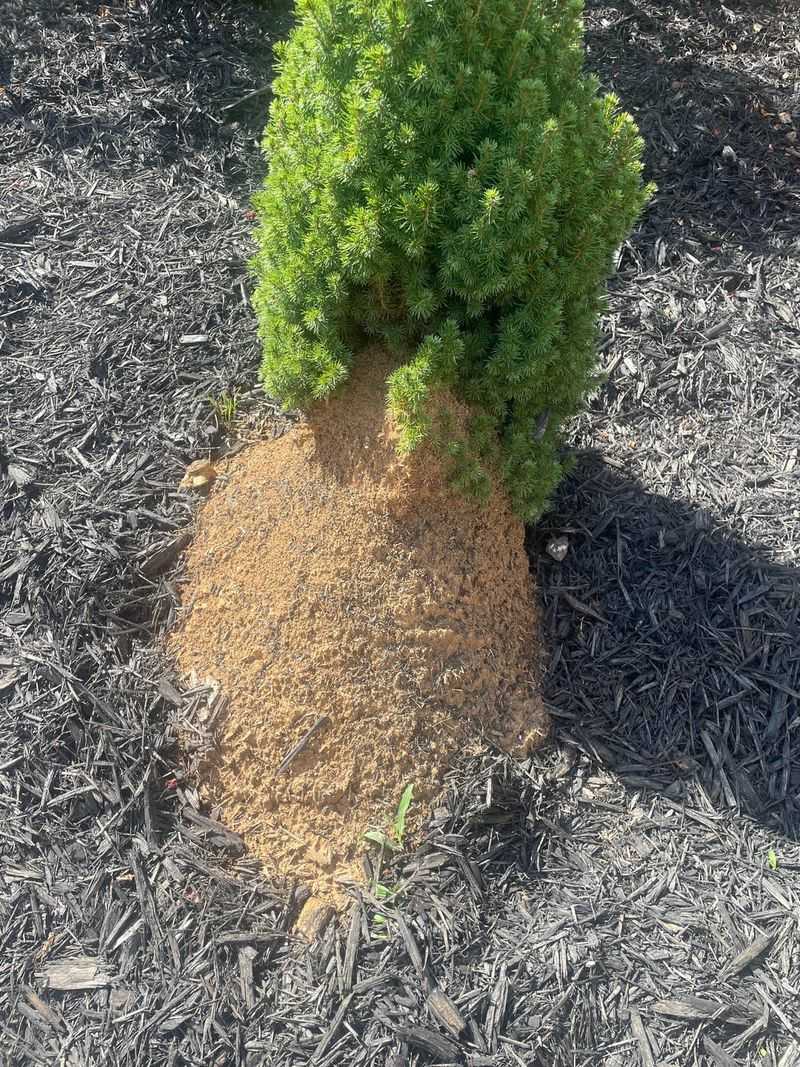
Heavy rain does not just reveal fire ants. It forces them to relocate, and that relocation can look alarming to a gardener who suddenly sees mounds in spots that were clear the day before.
When soil becomes fully saturated, the tunnel system the colony depends on fills with water and becomes unusable quickly. Workers have very little time to respond before their underground structure is compromised.
The response is coordinated upward movement, with workers carrying the queen and brood toward higher, drier ground.
Sometimes this means pushing into the mound above the soil surface. In more extreme flooding situations, entire colonies have been documented forming floating clusters on standing water as a survival strategy until dry land becomes accessible again.
For North Carolina gardeners, this upward movement means mounds appear in spots that seemed completely ant-free just the previous day.
A colony can shift several feet horizontally while moving upward, placing the new mound in a completely different section of the bed than expected.
This behavior also explains why mounds sometimes seem to disappear after a rain and then reappear nearby a day or two later.
The colony did not leave. It repositioned itself to a slightly higher or drier section of the same area and resumed normal activity once conditions stabilized.
Understanding this movement pattern prevents a common mistake: assuming the problem resolved itself when no visible mound is present. Saturated-ground relocation is temporary.
Once the soil dries, the colony typically spreads back through its tunnel network, and the situation returns to what it was before the rain.
Consistent monitoring after each significant rain event is the most reliable way to understand what is actually happening across a garden.
4. Disturbed Soil Makes Beds More Appealing
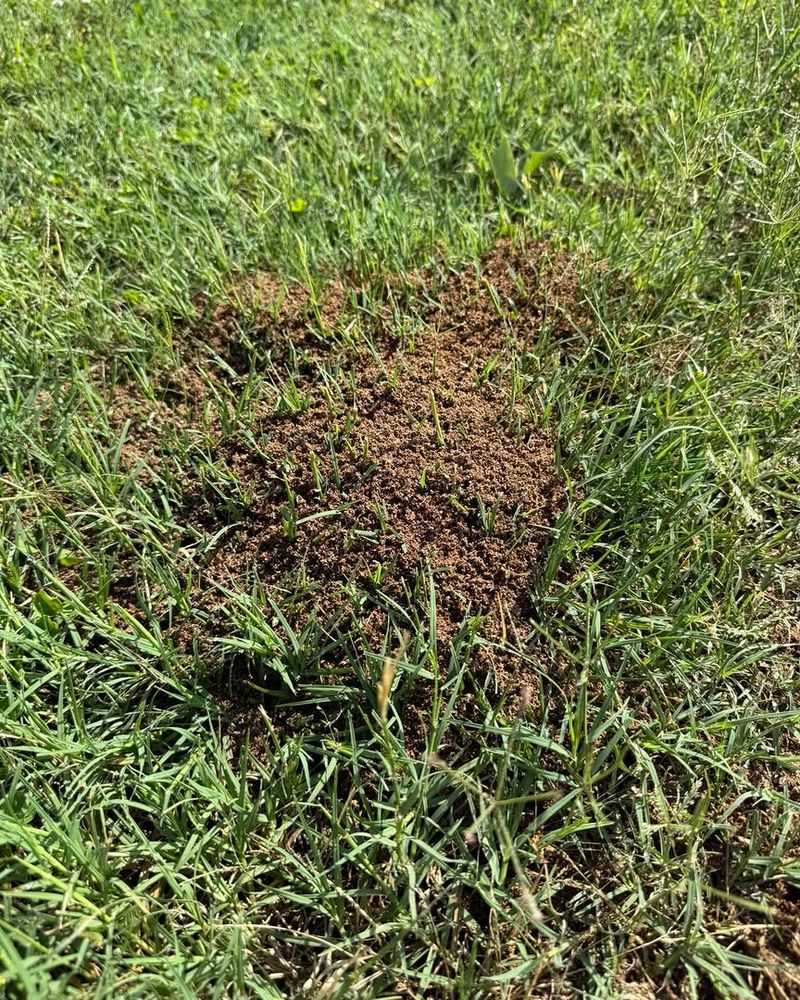
There is a frustrating irony hiding in every freshly prepared garden bed.
All the work invested in loosening, aerating, and amending the soil creates conditions that are nearly ideal for fire ant colonization.
Loose soil is dramatically easier for ants to excavate than compacted ground, and they take full advantage of the opportunity.
Tilling, adding compost, and breaking up clumps before planting essentially pre-loosens the structure that fire ants would otherwise have to create themselves.
The soft, crumbly texture that supports healthy root development is the same texture fire ants prefer for rapid colony expansion.
That parallel between good garden soil and good ant habitat is one of those trade-offs that rarely gets mentioned at the nursery.
Newly worked beds also tend to have elevated organic matter content and higher microbial activity, which supports the food sources fire ants rely on.
They eat other insects, small invertebrates, and plant-based materials, all of which are more abundant in rich, biologically active garden soil.
Fire ants are highly opportunistic nesters that exploit any environment offering warmth, moisture balance, and easy soil movement. A freshly prepared spring garden bed meets every criterion on that list simultaneously.
This reality is not a reason to stop improving soil quality. It is a reason to plan pest management alongside soil preparation rather than treating them as separate concerns.
Starting a bait treatment program in early spring, before mounds become visible, can reduce colony establishment in beds being actively prepared.
Timing soil work and pest management together consistently produces better outcomes than reacting to mounds after they appear mid-season when plants are already in the ground.
5. Home Remedies Can Move The Mound

Grits, vinegar, boiling water, club soda, and cinnamon have all earned devoted followings on gardening forums as fire ant remedies.
They share one important characteristic: none of them reliably remove a fire ant colony, and some actively make the situation worse in ways that are not immediately obvious.
The grits approach is particularly persistent despite having no scientific support. The theory that ants consume grits, expand internally, and perish is not consistent with how fire ant digestion works.
Workers cannot process solid food. They carry food back to the colony where larvae convert it to liquid form.
Grits simply sit on the ground without being consumed, and the colony continues operating without any disruption.
Vinegar and acidic liquids agitate the mound and cause workers to scatter, which is the opposite of a productive outcome.
A disturbed colony relocates rapidly, sometimes moving just a few feet away to establish a new mound. The original problem has not been addressed. It has been redistributed.
Gardeners using this approach sometimes end up with multiple mounds where one existed before.
Boiling water can reach shallow portions of a colony, but it rarely penetrates deeply enough to reach the queen. A colony without a functional queen rebuilds.
Boiling water also damages plant roots and beneficial soil organisms in the surrounding area, creating secondary problems that compound the original one.
Products that are specifically tested and labeled for fire ant control consistently outperform home remedies because they are designed to work with how fire ant colonies actually function.
The temporary satisfaction of watching a home remedy applied to a mound is genuinely not worth the outcome of a colony that has simply moved three feet to the left and continued thriving.
6. Dry Weather Is Better For Bait

Timing is the most important variable in fire ant bait application, and rain is the factor that most consistently undermines results.
Bait products work because they resemble food to foraging fire ant workers.
Workers carry the bait back to the colony, share it through normal feeding behavior, and the active ingredient spreads through the population gradually over days or weeks.
Rain disrupts this process quickly and thoroughly. Moisture breaks down the attractant oils that make bait appealing to foraging ants.
Wet bait clumps, begins to degrade, and loses its scent within hours of getting soaked. Workers stop collecting it because it no longer registers as food.
The result is degraded product sitting on wet soil and a colony that has been completely unaffected.
Applying fire ant bait only when the soil surface is dry, with no rain forecast for at least twenty-four hours and temperatures warm enough for active foraging, consistently produces better results than applying bait on any other schedule.
Fire ants forage most actively when soil temperatures are between seventy and ninety degrees Fahrenheit, which in North Carolina typically covers late spring through early fall.
Late afternoon on a dry, warm day is generally the most productive window for bait application. Ant foraging activity is high during this period, and bait gets collected quickly before overnight conditions change anything.
Waiting twenty-four to forty-eight hours after any mound disturbance before applying nearby bait also improves uptake.
Disturbed colonies temporarily reduce foraging activity as workers focus on emergency responses.
Giving the colony time to return to normal behavior before broadcasting bait nearby produces significantly better results than applying immediately after the mound has been disturbed.