The Florida Native Grasses That Support Painted Buntings Better Than A Bird Feeder Alone
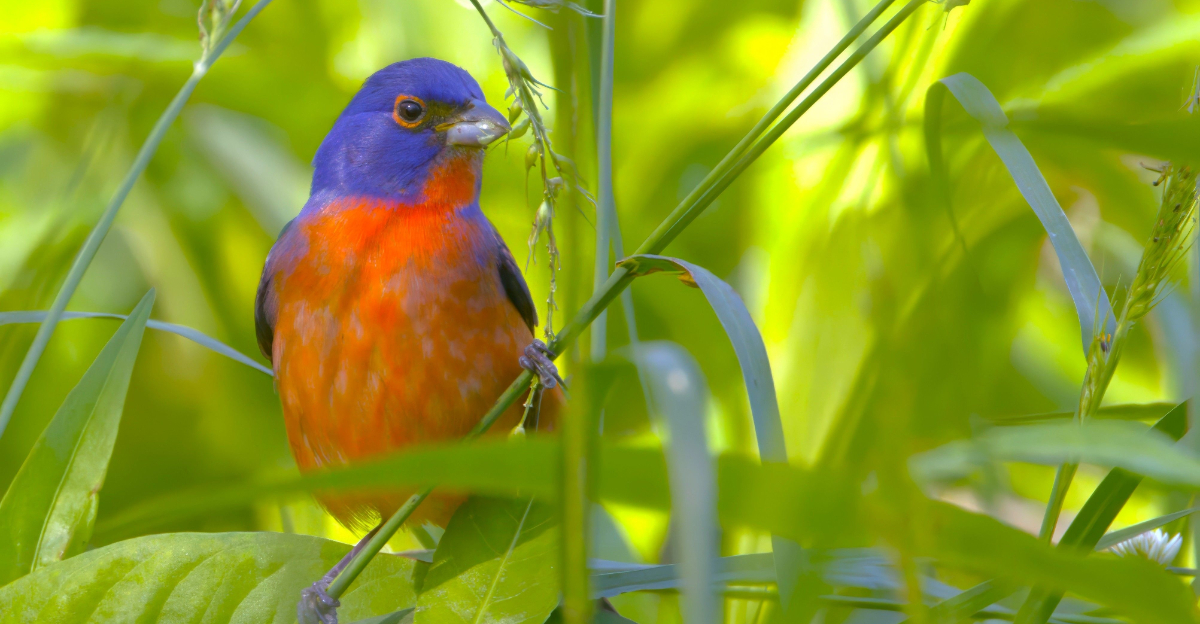
A painted bunting lands in your yard and suddenly nothing else matters. That color should not exist on a wild bird.
Most birders discover feeders first and stop there. Smart move, but only half the picture.
Feeders bring painted buntings in. Native grasses make them stay.
These birds are seed specialists. They know exactly what they are looking for and a yard that grows it becomes a regular stop, not a lucky sighting.
Florida has native grasses that painted buntings return to consistently, migration after migration, because the seed production matches what they actually need. A feeder full of millet is fine.
A yard with the right grasses is something else entirely. Florida birders who figure this out start seeing painted buntings in a completely different way.
More of them. Longer visits.
Sometimes nesting. So which grasses actually bring them back?
1. Plant Muhly Grass For Seeds And Soft Cover
A feeder sitting in the middle of a bare, open yard is like a restaurant with no walls. Small birds like painted buntings need more than food, they need a place to feel safe while they eat.
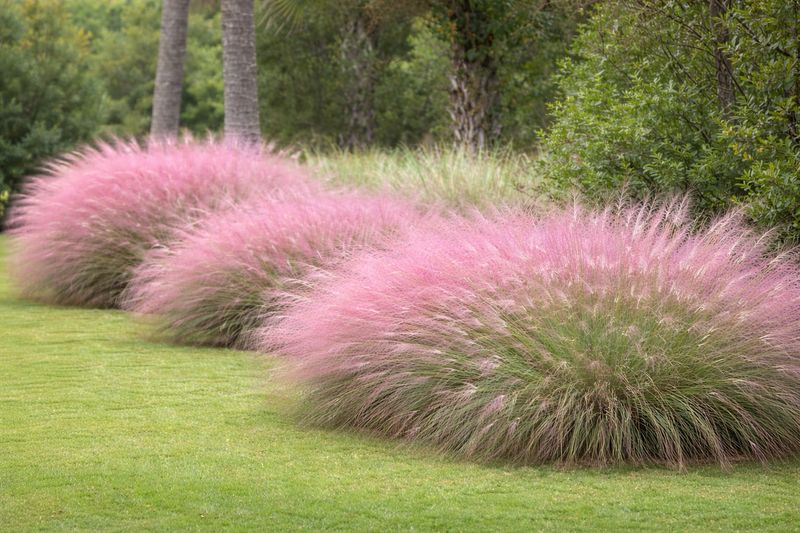
Muhly grass, known scientifically as Muhlenbergia capillaris, is a native clumping grass that can help change that picture in a real and visible way.
According to UF/IFAS, muhly grass is a Florida-native perennial that thrives in full sun and tolerates dry, sandy, or poor soils. It produces airy, rose-pink seed heads in fall that add soft texture and visual movement to sunny beds and garden edges.
Planting it in masses or along open borders creates a grassy fringe that small birds can move through and forage near.
Seed-bearing native grasses like muhly grass contribute to a layered habitat that a feeder alone simply cannot replicate. The Florida Native Plant Society recognizes it as a landscape-worthy native that supports local wildlife.
For the best results, group several clumps together near shrubs or brushy plantings so birds have connected cover to move between. Avoid cutting seed heads right after they form if supporting bird habitat is your goal.
2. Use Elliott’s Lovegrass In Hot Dry Open Spots
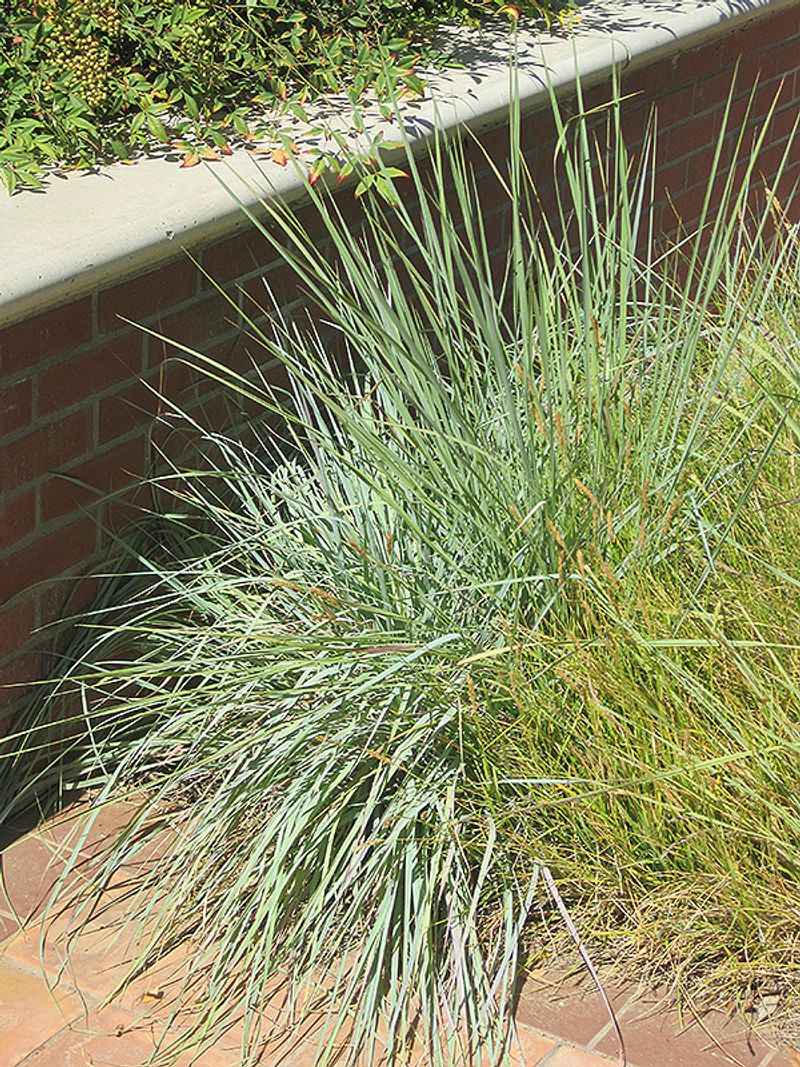
That hot, open strip between your feeder post and the fence line might look like wasted space, but it does not have to stay that way. Bare ground gives birds no reason to linger, and mulch alone offers very little habitat value.
Elliott’s lovegrass, known as Eragrostis elliottii, is a native grass built exactly for spots like this.
UF/IFAS describes Elliott’s lovegrass as a fine-textured, clumping native grass that performs well in full sun, sandy soils, and hot, dry conditions. It produces delicate, open seed heads that add airy movement to a planting without overwhelming smaller garden spaces.
Its low water needs make it a practical option for homeowners who want habitat value without high maintenance demands.
Grassy, seed-rich patches like those created by Elliott’s lovegrass can add food and cover value to yards that currently feel too open for ground-foraging birds.
Your Florida Garden Changes Every Week. Your Plan Should Too.
Gardening in Florida changes quickly throughout the season. Every Friday you’ll receive a simple weekly plan showing exactly what to plant, prune, fertilize, harvest, and protect so you never miss the right timing.
Painted buntings tend to hug edges and grassy margins when foraging, so placing this grass near a feeder or along a fence line can make the surrounding area feel more inviting.
Keep it in the right site, sunny and well-drained, and avoid planting it in wet or shaded beds where it will not perform well.
3. Choose Purple Lovegrass For Fine Seeds And Low Texture
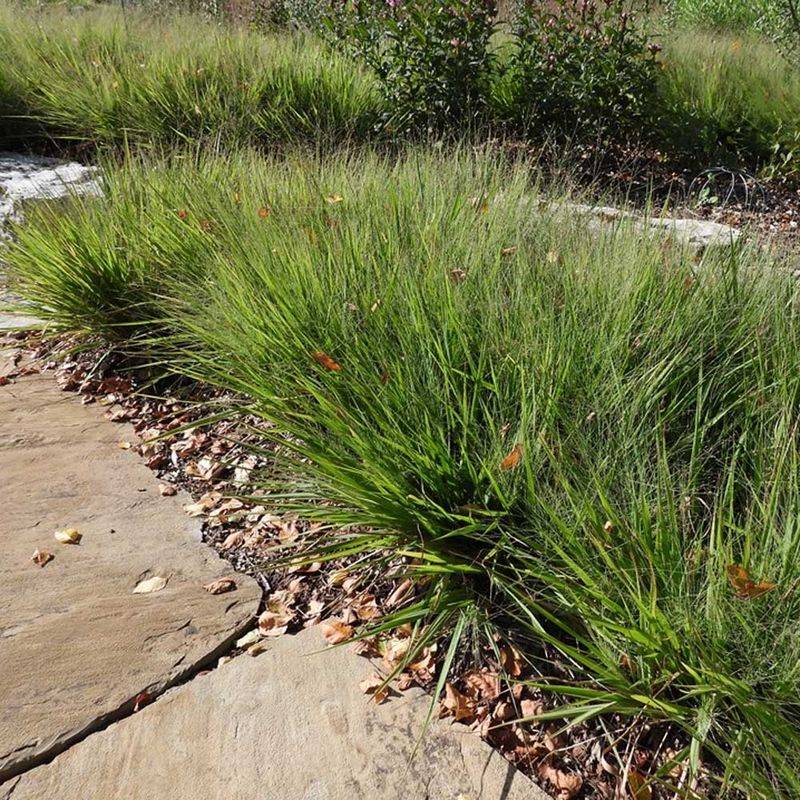
Thin, sunny beds can be some of the hardest spots to plant well. Birds cross them quickly because there is nothing to slow them down, no texture to forage in, and no soft cover to break up the open ground.
Purple lovegrass, or Eragrostis spectabilis, is a low-growing native grass that can soften those bare patches in a meaningful way.
UF/IFAS notes that purple lovegrass is a native perennial grass with a fine texture and a low, spreading form that works well in sunny, dry to moderately moist sites.
In late summer and fall, it produces a cloud of reddish-purple seed heads that create the appearance of a soft haze just above the ground.
That seasonal color and seed production make it a useful addition to naturalistic or native-plant garden edges.
Smaller grasses like purple lovegrass help soften bare ground and make a yard feel more like a natural, weedy edge, which is exactly the kind of habitat painted buntings prefer according to FWC.
Pair it with shrubs or taller native plants to create a layered look that offers more than just seeds.
Avoid removing seed heads too early in the season if attracting seed-eating birds is part of your plan.
4. Plant Switchgrass Where Sunny Beds Need Height
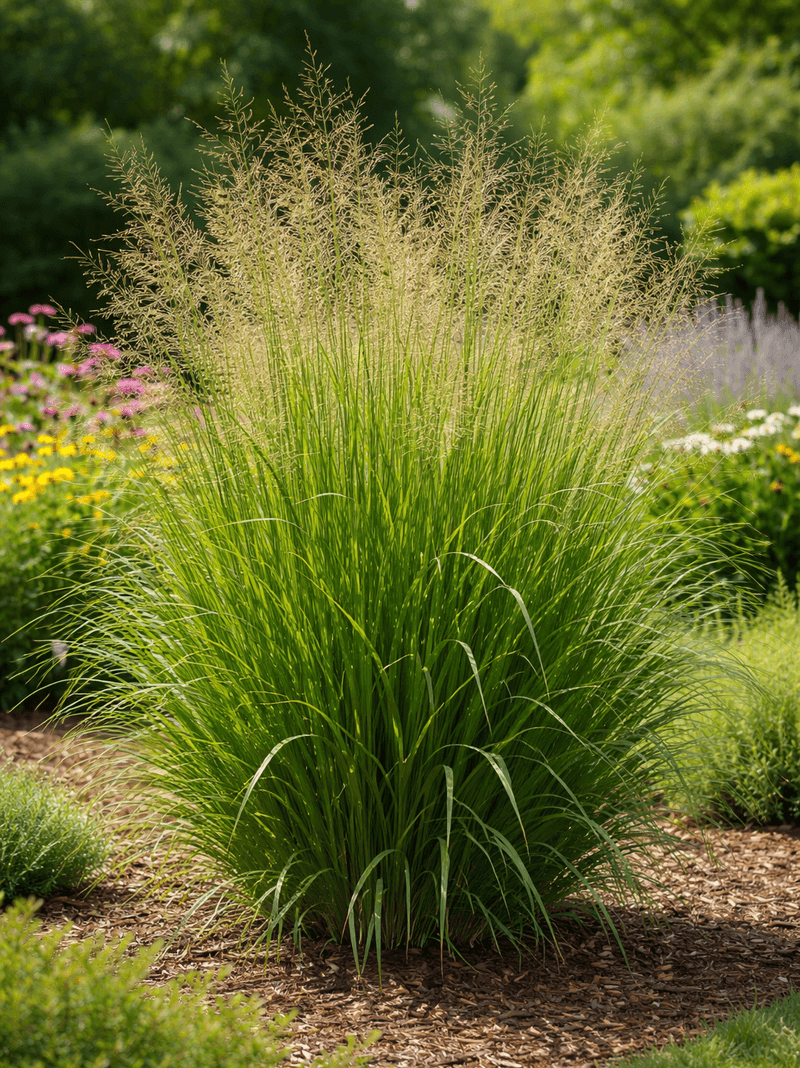
Flat planting beds can feel like a wall with no depth. Without vertical layers, small birds have nowhere to move up or down through cover, and the yard loses the kind of structural variety that makes a garden feel like real habitat.
Switchgrass, or Panicum virgatum, is a native grass that brings that missing height to sunny beds and open borders.
According to UF/IFAS, switchgrass is a native perennial bunchgrass that grows well in full sun across a range of soil types, including sandy or moist conditions.
It can reach three to six feet tall depending on the variety, producing airy seed heads that persist well into winter.
That height and seed production make it a useful structural plant near shrubs, thicket edges, or mixed native borders.
Taller native grasses like switchgrass help create the layered cover that painted buntings and other seed-eating birds rely on when moving through a yard.
Pairing switchgrass with shorter natives and dense shrubs builds the kind of connected habitat structure that a feeder post in an open bed simply cannot provide.
Keep in mind that switchgrass can be vigorous, so give it room and avoid planting it in tight foundation beds or narrow walkway borders where its size may become a challenge.
5. Use Little Bluestem For Dry Native Meadow Patches
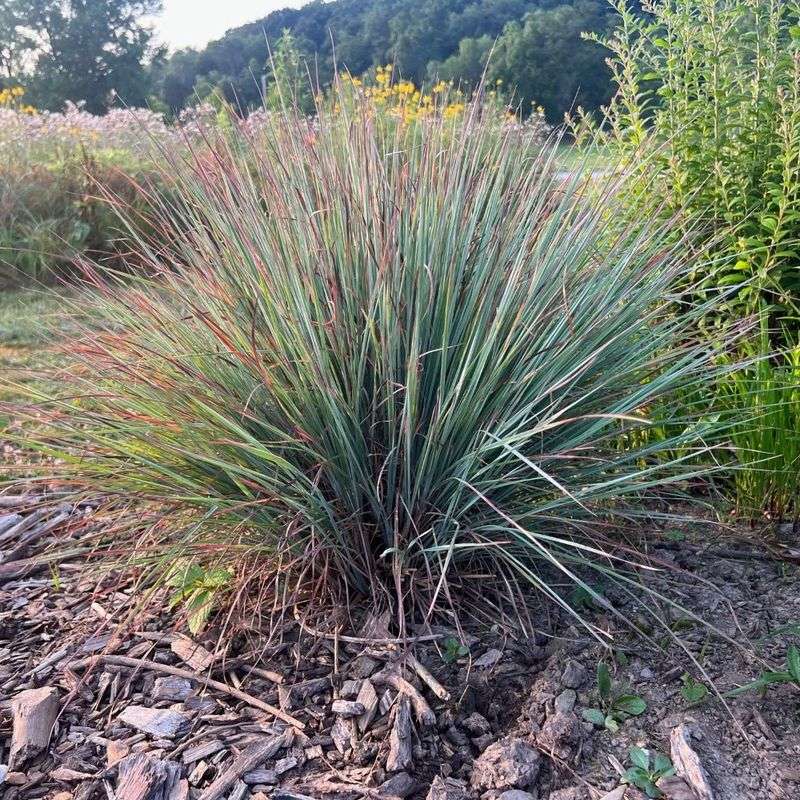
Turning a dry, sunny corner into something useful for birds does not require a complicated plan. Sometimes it just means swapping out struggling turf or bare mulch for a tough native bunchgrass that seeds, shelters, and stays attractive through winter.
Little bluestem, or Schizachyrium scoparium, does exactly that in the right site.
UF/IFAS recognizes little bluestem as a native perennial bunchgrass suited to sunny, well-drained, dry, or sandy soils across much of the state.
It produces seed heads with a soft, fluffy texture that persist through fall and winter, offering food and visual structure long after most garden plants have gone quiet.
Its upright form and warm copper tones in cooler months also make it one of the more attractive native grasses for residential landscapes.
Native meadow patches built around little bluestem can provide seeds and insects while giving small birds nearby cover to duck into between foraging trips.
FWC notes that painted buntings prefer dense, brushy edges and weedy patches, so grouping little bluestem with native shrubs or taller plants creates a more complete habitat than a single isolated clump in a lawn.
Leave seed heads standing through winter when possible to support birds during the season when natural food sources can be harder to find.
6. Grow Broomsedge Bluestem Where Lean Soil Fits
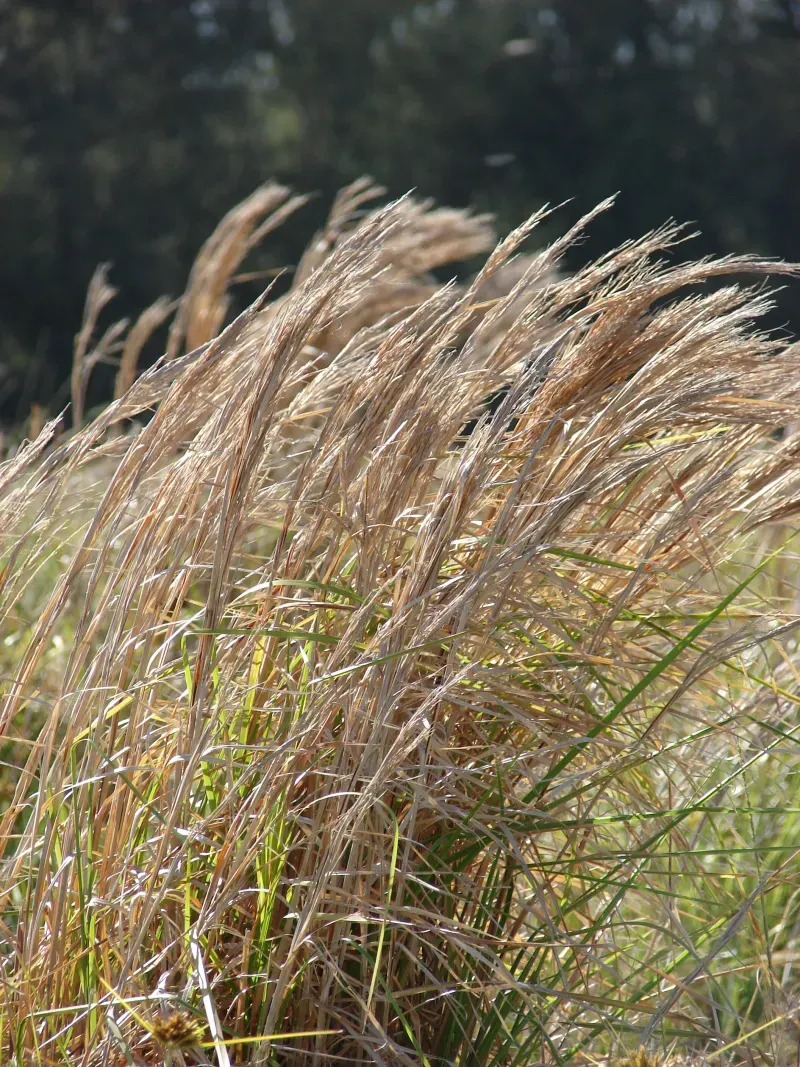
Polished bedding plants often struggle in lean, sunny strips where the soil is thin, drainage is fast, and summer heat is relentless. These spots can feel like problem areas, but for broomsedge bluestem, they are exactly the right home.
Andropogon virginicus is a native grass that thrives where many ornamental plants give up.
According to UF/IFAS, broomsedge bluestem is a native perennial grass associated with open, dry, or disturbed areas with lean soils. It has an upright, clumping form and develops a warm coppery-orange color in fall and winter that adds real seasonal interest to naturalistic landscapes.
Its seed heads support wildlife, and its dense structure provides cover at a low, reachable height for ground-foraging birds.
Seed-rich, lightly managed areas like those created by broomsedge bluestem can support birds better than bare ground or over-mulched beds that offer nothing to forage in.
Broomsedge has a naturalistic character that suits informal, meadow-style, or habitat-focused gardens more than clipped formal borders, so match it to the right setting.
Pair it with other natives in a habitat corner, and resist the urge to cut everything back too early, leaving seed heads standing through winter gives birds access to food when they need it most.
7. Plant Wiregrass In Fire-Adapted Sandy Landscapes
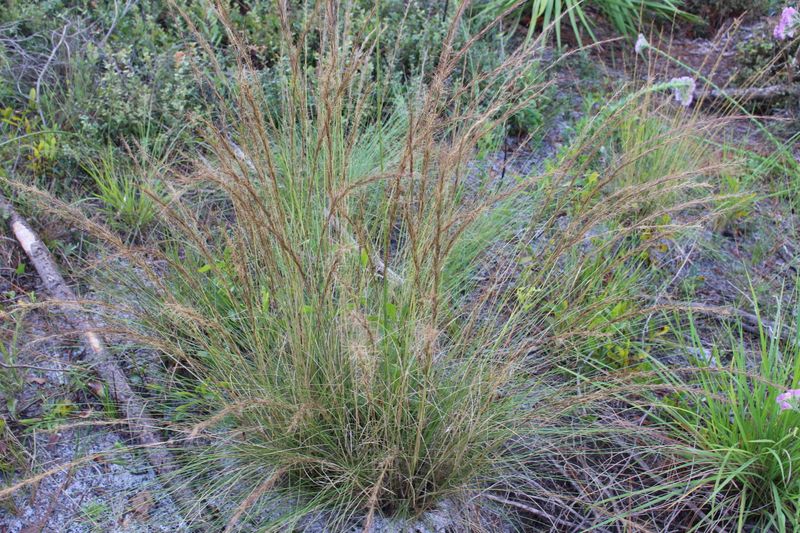
Sandy native beds designed for habitat are a different world from clipped ornamental borders. They follow the logic of longleaf pine flatwoods and scrubby edges rather than traditional garden design, and wiregrass belongs right in that world.
Aristida stricta, or its close relative Aristida beyrichiana, is the signature grass of many of the state’s fire-adapted ecosystems.
UF/IFAS and the Florida Native Plant Society describe wiregrass as a native perennial grass that is a foundational species in longleaf pine savannas and sandhills.
It is highly site-specific, performing best in open, sunny, well-drained, sandy soils where it can grow as part of a native plant community rather than as a solo specimen.
Its fine texture and open structure are part of what makes these ecosystems function for wildlife.
Native grass structure like that provided by wiregrass helps rebuild habitat value in sandy, restoration-style landscapes where painted buntings and other birds may forage along open edges.
Homeowners interested in wiregrass should consult their county Extension office or a native plant professional, especially regarding any managed burning, which requires permits, local rules, and professional guidance.
Paired with native shrubs and open canopy trees, wiregrass contributes to a habitat layer that no feeder can replicate on its own.
8. Use Sand Cordgrass Where Wet Edges Need Cover
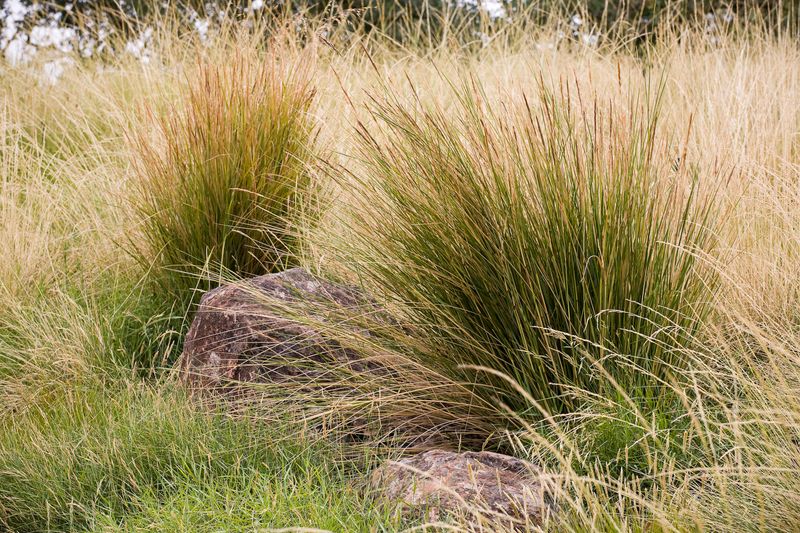
Low spots and damp edges in a yard can feel like a problem with no good answer. Weeds move in fast, erosion can follow, and most ornamental grasses simply rot in standing moisture.
Sand cordgrass, or Spartina bakeri, is built for exactly these conditions, and it brings real habitat value along with it.
UF/IFAS describes sand cordgrass as a native perennial grass suited to wet or moist edges, pond margins, rain gardens, and low areas where soil stays consistently damp.
It grows in dense, upright clumps that can reach several feet tall, creating thick cover that small birds can use for shelter and nesting-edge structure.
Its site requirements are specific, so avoid placing it in dry, small, or formal beds where it will not thrive.
Varied yard edges, wet margins, and dense grass cover can add shelter and habitat complexity that benefits seed-eating birds like painted buntings, especially when the site genuinely fits.
FWC notes that painted buntings use dense vegetation for cover, and a wet edge planted with sand cordgrass adds a layer of structure that a hanging feeder cannot provide.
Pair it with native shrubs or emergent plants nearby to create a connected edge that offers birds both cover and a natural corridor to move through safely.