The Hydrangea Variety Oregon Gardeners Are Switching To Because It Never Disappoints
Hydrangeas can be dramatic in Oregon gardens, and not always in the fun way. One plant wilts too fast.
Another refuses to bloom. A third looks great in spring, then gives up once summer gets dry.
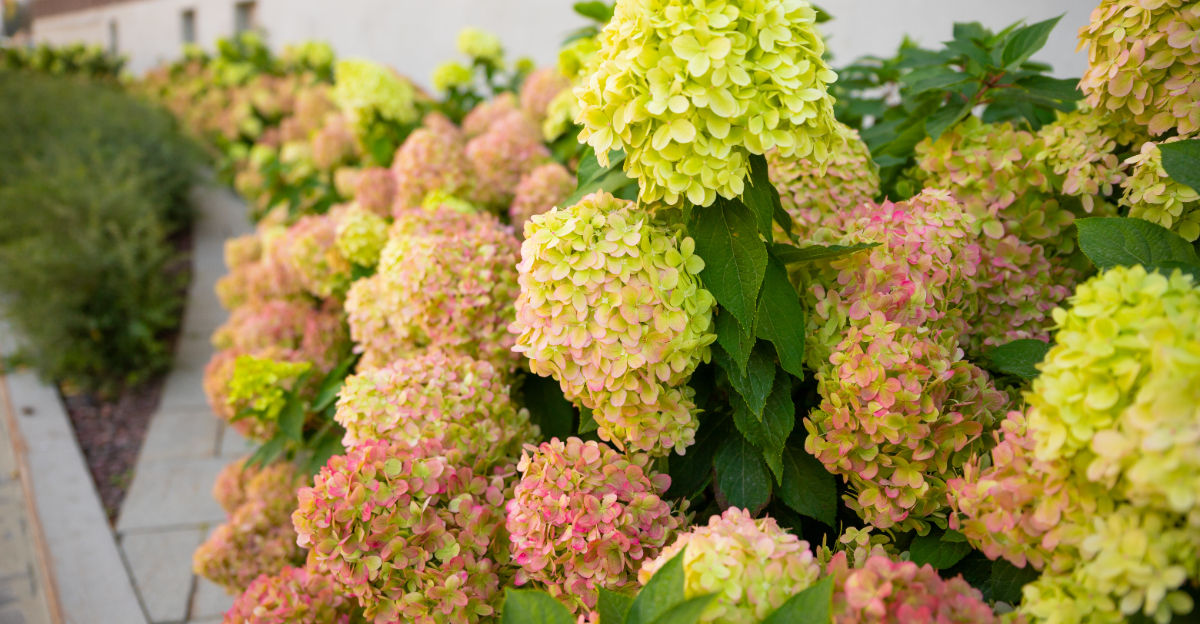
That is why many gardeners are taking a closer look at a smaller panicle hydrangea with a big reputation. It brings the lush flower look people love, but with a steadier, easier personality.
The blooms start fresh and bright, then shift in color as the season moves along. Its compact size also makes it easier to fit near patios, paths, and front beds without swallowing the space.
For gardeners who want hydrangea beauty without constant guessing, Little Lime panicle hydrangea is becoming a favorite for good reason.
1. Little Lime Blooms On New Wood
One of the most frustrating things about growing some hydrangeas is watching your pruning choices wipe out next year’s blooms. With Little Lime, that worry is completely off the table.
This shrub blooms on new wood, which means the flowers grow on stems that the plant produces in the current season.
That one detail changes everything about how you care for it. You do not have to stress about whether you pruned at the wrong time of year.
You do not have to remember if you cut too much or too little last fall. The plant just pushes out fresh growth each spring and covers it with blooms.
For gardeners in our state who deal with wet winters and unpredictable late frosts, this trait is a real lifesaver.
Old wood can get damaged during cold snaps, but new wood starts fresh after winter ends.
So even if a rough season beats up the plant, it bounces back and blooms anyway.
Panicle hydrangeas as a group are known for this reliable habit, and Little Lime is one of the best examples in the family. Nurseries around the state stock it heavily because customers keep coming back for more.
Once you grow a shrub that blooms consistently every single year without special treatment, it is very hard to go back to anything else.
2. It Handles Oregon Pruning Mistakes Better
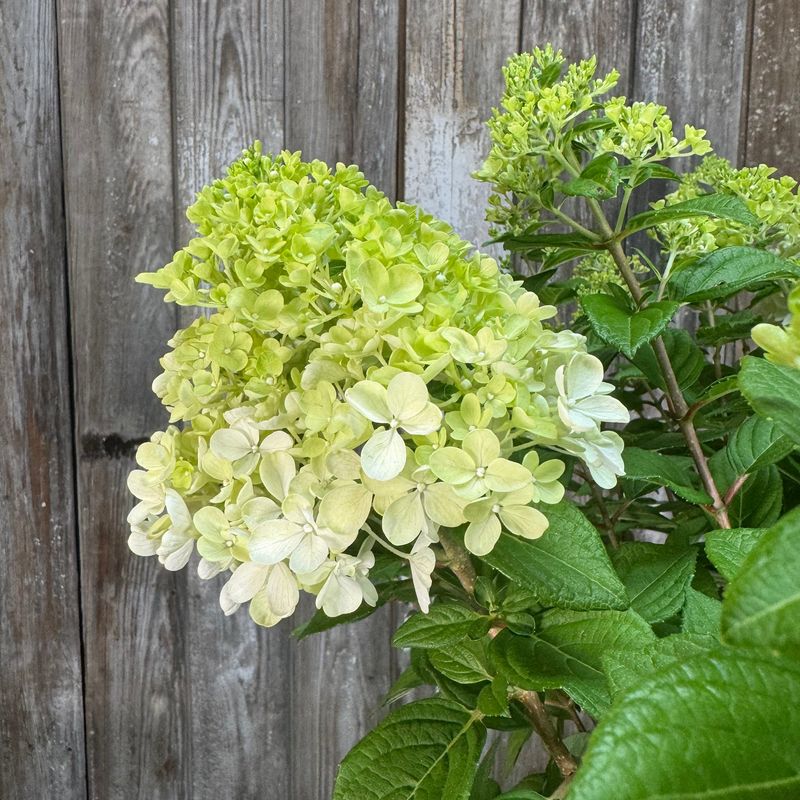
Pruning hydrangeas can feel like defusing a bomb if you have ever accidentally cut off all the buds and ended up with zero flowers that summer.
It happens to a lot of gardeners, and it is one of the top reasons people give up on certain hydrangea types. Little Lime makes that whole problem much less stressful.
Because it blooms on new wood, you can prune it almost any time during the dormant season and still get a full show of flowers.
Late fall, early winter, late winter, early spring before new growth starts, all of those windows work just fine.
You have a lot of flexibility that other hydrangeas simply do not offer.
Even if you wait too long or forget entirely, the plant often still performs well. It is forgiving in a way that feels almost generous.
Many gardeners in our state have admitted they skipped pruning for a whole season and the shrub still looked great, just maybe a little taller than expected.
Your Oregon Garden Changes Every Week. Your Plan Should Too.
Gardening in Oregon changes quickly throughout the season. Every Friday you’ll receive a simple weekly plan showing exactly what to plant, prune, fertilize, harvest, and protect so you never miss the right timing.
Pruning does help keep the plant compact and encourages stronger stems, so it is worth doing when you can.
But knowing a small mistake will not cost you the entire bloom season takes so much pressure off.
For busy homeowners or newer gardeners still learning the ropes, that kind of forgiveness makes Little Lime a genuinely enjoyable shrub to grow year after year.
3. The Flowers Start Fresh And Green
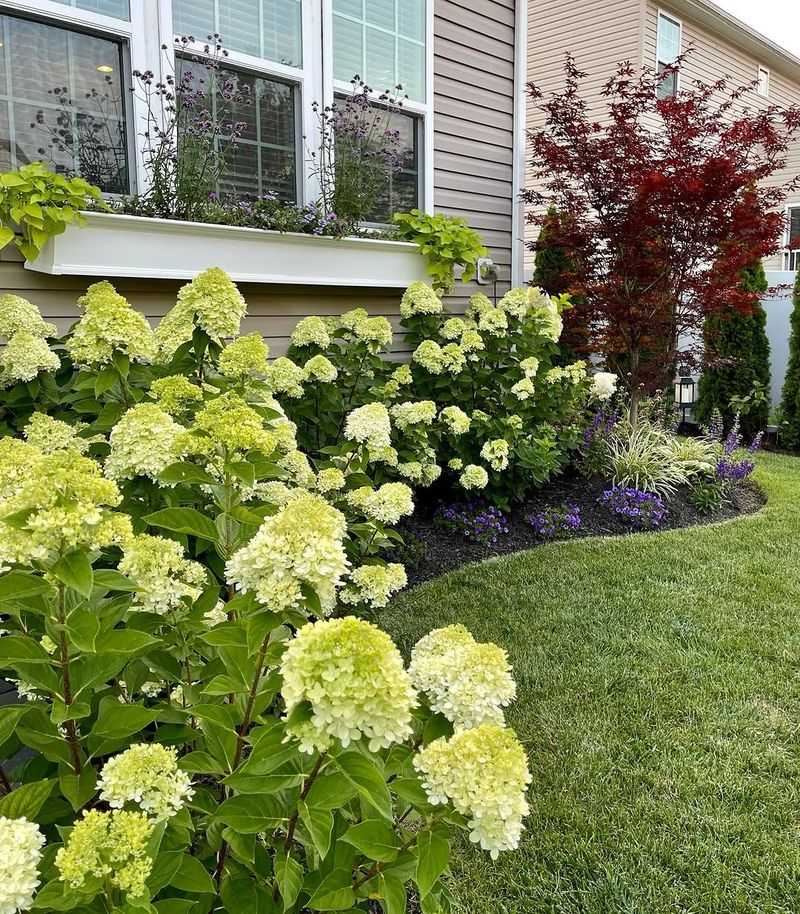
There is something really satisfying about watching a bloom open up in a color you did not expect.
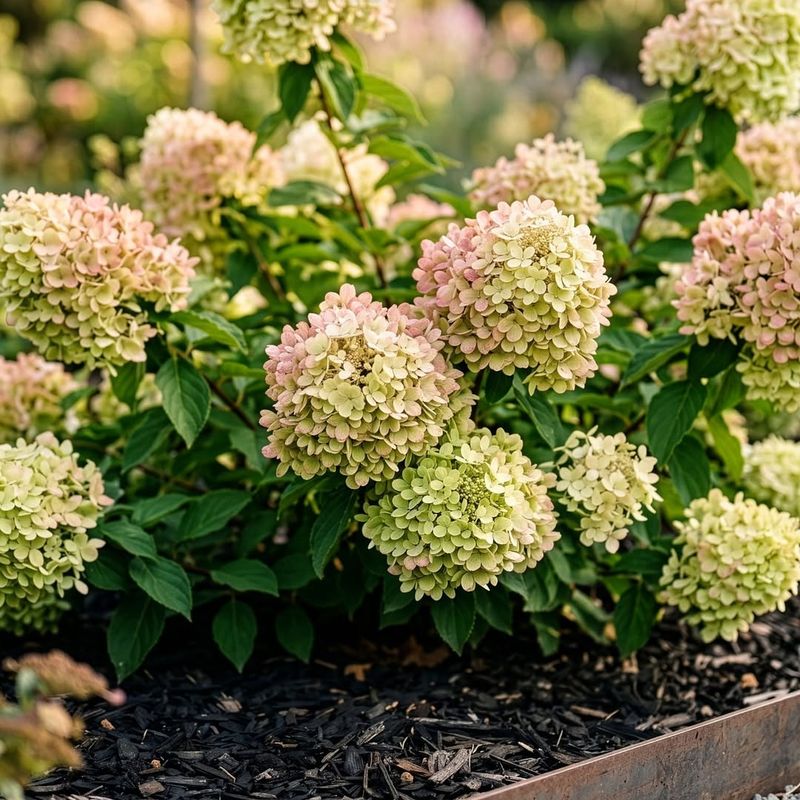
Most people think of hydrangeas as pink or blue or white, so when Little Lime pushes out those cool lime green cones in early summer, it tends to stop people in their tracks.
That fresh green color is part of what makes this shrub so versatile in the garden. It pairs beautifully with almost any other plant around it.
Whether your beds are full of warm tones like orange and red, or cooler shades like purple and white, that lime green works as a natural bridge between colors.
The blooms themselves are large and cone-shaped, which is the signature look of panicle hydrangeas.
Each flower head is made up of dozens of smaller florets packed tightly together, and the whole cluster can grow to a pretty impressive size.
The green color comes from chlorophyll in the petals, which is a fun and quirky botanical detail not many people know about.
As the weeks go by, that green slowly fades to a creamy white, which is equally beautiful and works just as well in cut flower arrangements.
Florists and home gardeners alike love using these blooms in bouquets because the color holds up well after cutting.
Starting green gives the flowers a long and interesting visual journey that keeps your garden looking fresh for months at a stretch.
4. Blooms Fade Into Soft Pink
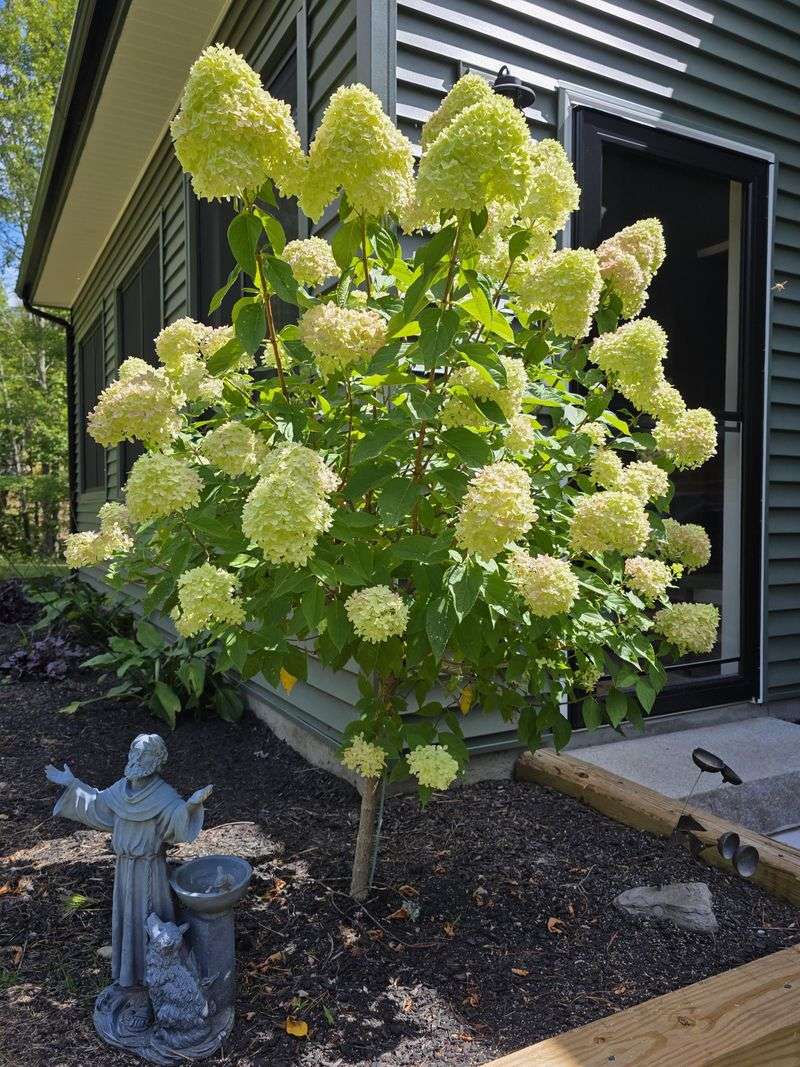
Watching a garden change color through the seasons is one of the best parts of being a gardener.
Little Lime gives you a front-row seat to a slow and beautiful color shift that starts in late summer and keeps going well into fall.
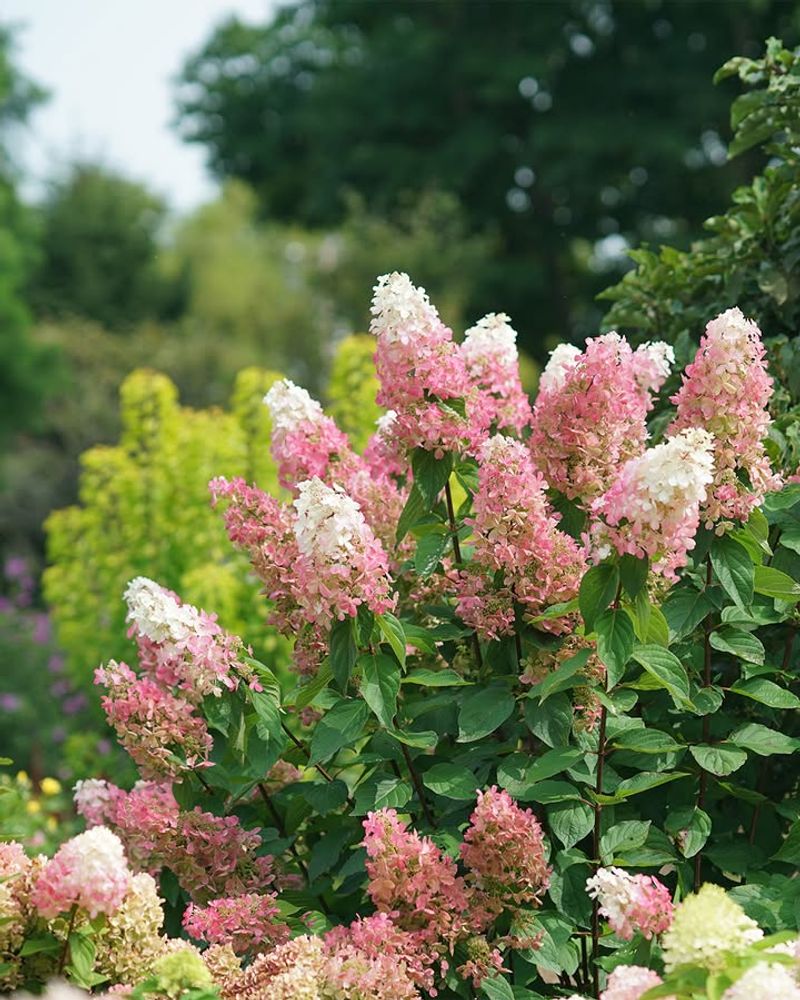
As temperatures cool and daylight shortens, the creamy white blooms begin to blush pink.
That pink deepens over time, and in some conditions the outer edges of the petals take on hints of burgundy or dusty rose. The color change is not sudden or dramatic.
It is more like a quiet transformation happening a little more each week, which makes it feel almost magical if you are paying attention.
The exact shades of pink depend on a few factors, including how much sun the plant gets and how cool the nights become. Gardeners in cooler parts of our state often see richer, deeper pinks than those in warmer, sunnier spots.
Either way, the result is beautiful and worth the wait.
One of the best things about this color phase is how long it lasts. The dried blooms hold their color even after the first frosts arrive, giving you something pretty to look at well into late fall.
Many gardeners leave the spent flower heads on the plant through winter for added visual interest. You can also cut them and bring them indoors for dried arrangements that last for months without losing their soft, faded charm.
5. It Fits Smaller Yards
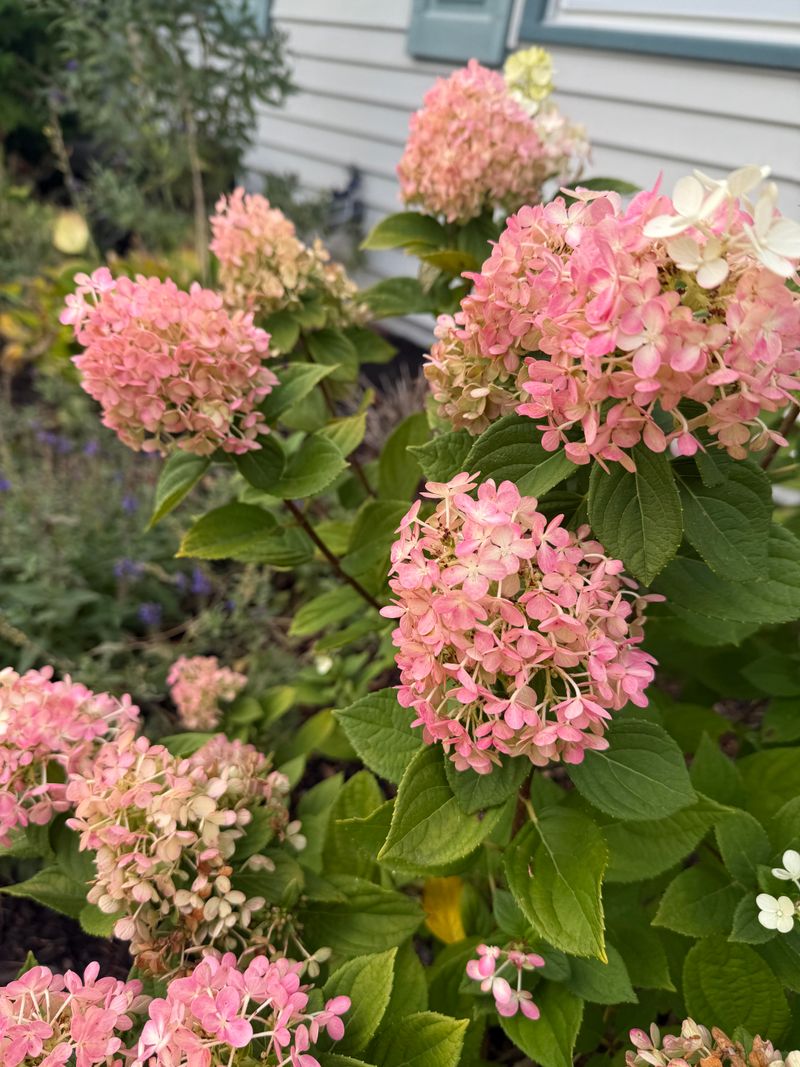
Not every yard has room for a sprawling shrub that takes over half the garden bed. That is why so many homeowners in this state have fallen hard for Little Lime.
It tops out at around three to five feet tall and wide, which makes it a genuinely compact choice compared to its larger relatives.
Full-sized panicle hydrangeas like Limelight can grow to eight or ten feet, which is impressive but not always practical.
Little Lime gives you the same beautiful blooms and color show in a much more manageable package.
You can tuck it into a smaller bed, plant it along a fence, or use it as a low-maintenance border shrub without worrying about it crowding out your neighbors.
Container gardening is another option that works surprisingly well with this shrub. A large pot on a patio or deck gives you that gorgeous summer color right where you spend the most time outdoors.
Just make sure the container has good drainage and that you water a bit more frequently than you would in the ground.
For urban gardeners, condo owners with small outdoor spaces, or anyone working with a modest yard, finding plants that earn their keep without taking over is a real challenge. Little Lime solves that problem beautifully.
It delivers big seasonal impact in a footprint that respects the scale of your space, which is exactly the kind of smart planting choice that makes a small yard feel complete and well thought out.
6. Stems Stay Neater Than Floppy Types
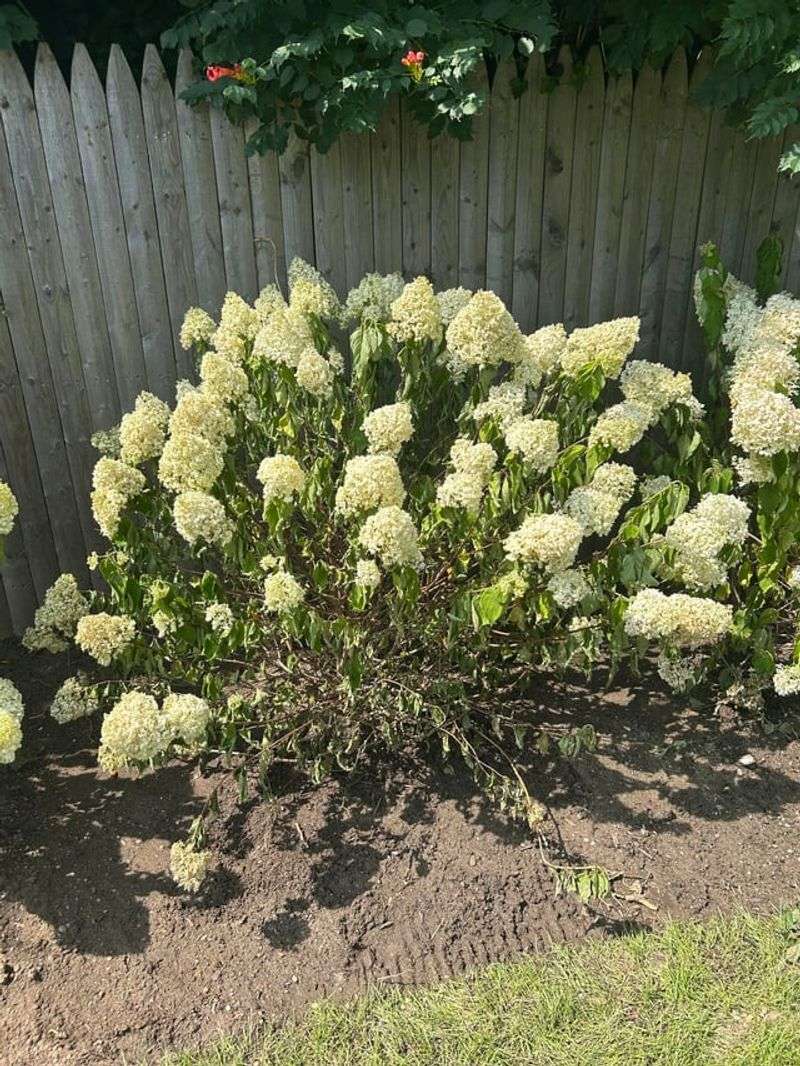
Anyone who has grown big-leaf hydrangeas in a rainy climate knows the heartbreak of watching beautiful blooms flop over after a heavy downpour.
The stems bend under the weight of wet flowers, and the whole plant ends up looking like it gave up.
Little Lime does not do that, and it is one of the biggest reasons gardeners in our wet-weather state love it so much.
Panicle hydrangeas have naturally stronger, woodier stems than many other hydrangea types.
Little Lime was specifically bred to be even more compact and upright than the standard Limelight variety.
The result is a shrub with sturdy branches that hold the flower heads up straight, even after heavy rain or wind.
That structural quality is not just about looks. Upright stems also mean better air circulation through the plant, which helps reduce the risk of fungal issues that can develop in damp conditions.
Our state gets plenty of moisture, so having a shrub that is built to handle that without falling apart is a genuine advantage.
Regular pruning also plays a role in keeping the plant tidy. Cutting it back in late winter encourages strong new growth that supports the blooms better.
But even without perfect pruning, Little Lime tends to hold its shape through the season.
For gardeners who want a clean, polished look in their yard without constant staking or tying, this shrub is a refreshingly low-effort solution that delivers every time.
7. It Gives Summer Color Without Fuss
Some plants demand constant attention. They need special fertilizers, precise watering schedules, or particular soil conditions just to look decent.
Little Lime is nothing like that. Once it is established in your yard, it delivers season-long color without asking much in return, which is a rare and wonderful quality in any garden plant.
A good layer of mulch around the base helps keep moisture in the soil and reduces how often you need to water during dry summer stretches. Beyond that, basic garden care is usually enough.
A balanced slow-release fertilizer in early spring gives it a helpful boost, but even skipping that does not ruin the show.
Full sun to part shade works well for this shrub, and it adapts to a range of soil types as long as drainage is decent.
Our state has everything from heavy clay soils in the valley to sandier mixes near the coast, and Little Lime tends to handle the variation without much complaint.
Amending your soil with compost at planting time always helps, but the plant is not fussy about perfection.
What you get in exchange for that easy care is months of changing, evolving color that starts in early summer and carries all the way through fall.
Very few shrubs offer that kind of extended seasonal interest with so little effort on your part.
For gardeners who want a beautiful yard without spending every weekend maintaining it, Little Lime is genuinely one of the smartest choices available right now.