How Long Oregon Garden Vegetables Take From Seed To Harvest
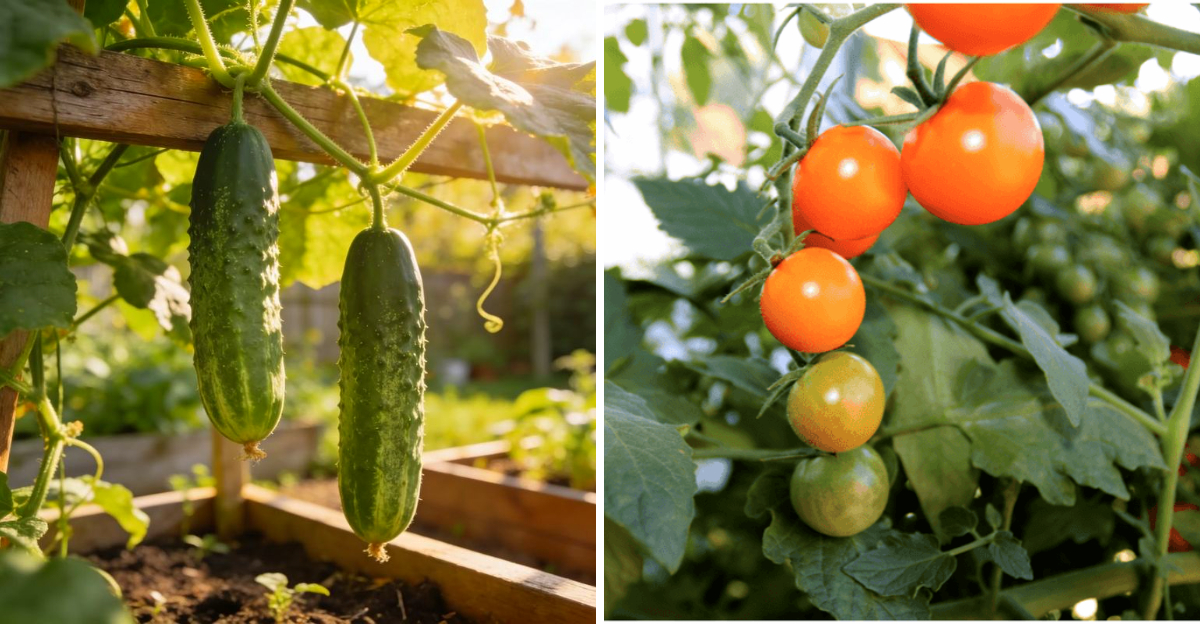
Oregon vegetable gardening is a little bit like solving a puzzle every single season, and honestly that is a big part of what makes it so addictive. Some crops go from seed to your dinner plate in what feels like no time at all.
Others require a serious commitment to patience while you watch, wait, and maybe check on them a little too often.
Knowing your timeline before you plant makes the whole thing so much less stressful and so much more rewarding.
Oregon’s growing conditions vary quite a bit depending on where you live, and soil temperature, local weather, and planting method can all nudge your harvest date in one direction or another.
Plan it out right and you can have something ready to pick from your garden for months on end.
1. Radishes Race To Harvest First
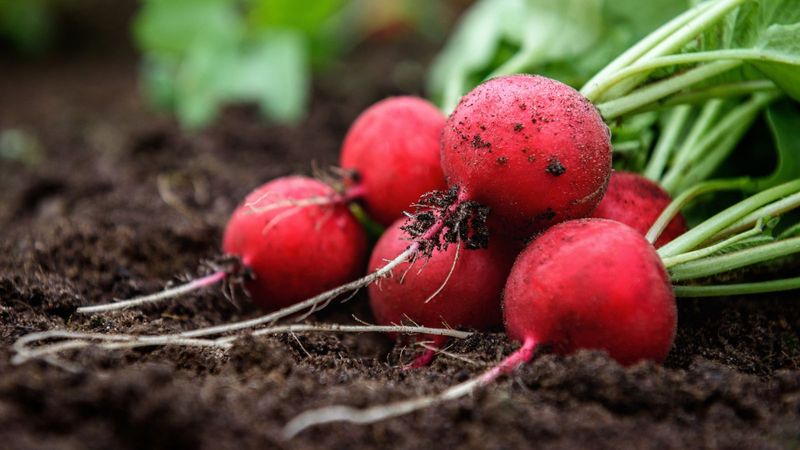
Few things in the garden move as fast as a radish. For gardeners who are itching to see results early in the season, radishes are hard to beat.
Most spring varieties go from seed to harvest in about 22 to 30 days when conditions are right, making them one of the quickest crops you can grow.
Direct sowing radishes into garden beds or raised beds works well in Oregon as soon as the soil can be worked in late winter or early spring. In many western Oregon valleys, that window often opens in February or March.
Soil temperatures around 50 to 65 degrees Fahrenheit tend to bring the fastest, most even germination.
Cooler coastal gardens may see slightly slower development, while warmer inland spots can push crops toward the faster end of that range.
One thing to keep in mind is that radishes left in the ground too long after maturity tend to become woody and sharp in flavor.
Checking them regularly once you hit the three-week mark helps you catch them at their best. Succession planting every couple of weeks keeps a steady supply coming through spring.
2. Leaf Lettuce Follows Close Behind
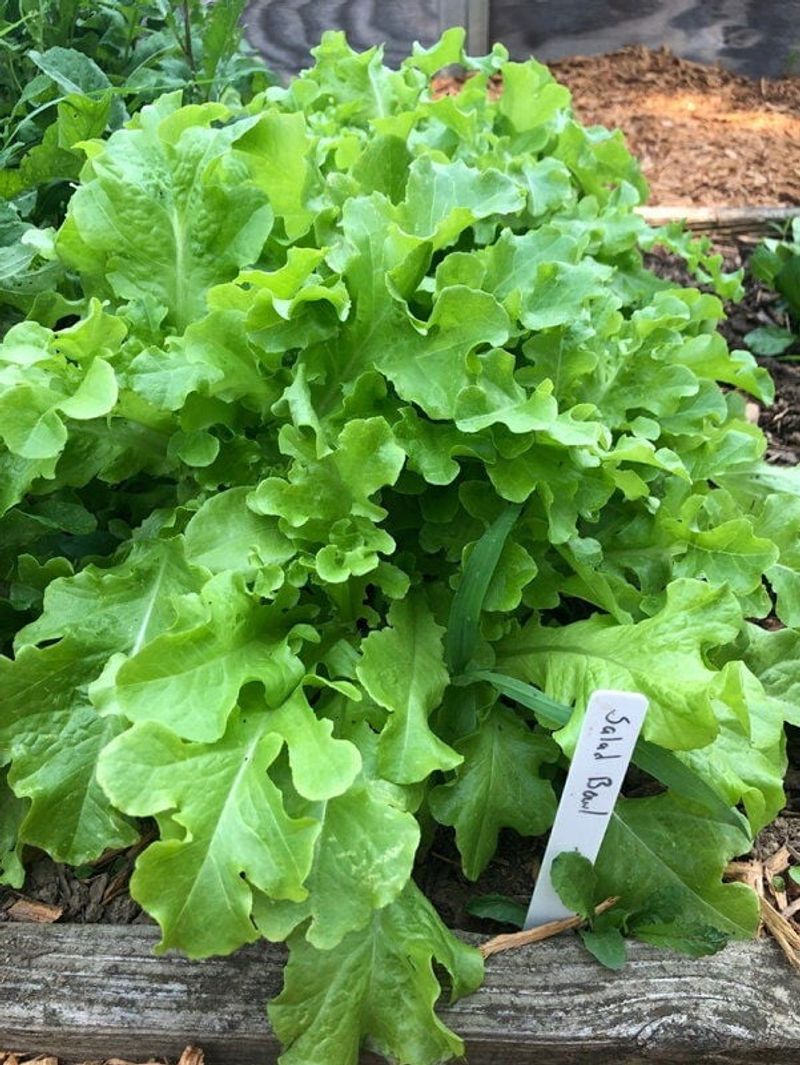
Right behind radishes on the speed chart, leaf lettuce earns its place as one of Oregon’s most reliable early-season crops.
Most loose-leaf varieties reach a harvestable size in roughly 45 to 60 days from direct seeding, though some baby leaf types can be cut even sooner, around 30 to 35 days after sowing.
Oregon’s cool spring weather is genuinely well suited to lettuce. The crop prefers temperatures between 60 and 70 degrees Fahrenheit and tends to slow down or bolt when summer heat arrives.
That makes early spring and fall the sweet spots for growing it across much of the state, including the Willamette Valley and parts of the coast.
Gardeners in higher-elevation areas or cooler inland valleys may find that lettuce performs well well into early summer before heat becomes a concern. Sowing seeds shallowly, just barely covered with soil, gives the best germination results.
Using the cut-and-come-again method, where you harvest outer leaves while leaving the center to regrow, extends the productive window considerably.
A second sowing in late summer sets up a fall harvest that many gardeners find just as rewarding as the spring round.
Your Oregon Garden Changes Every Week. Your Plan Should Too.
Gardening in Oregon changes quickly throughout the season. Every Friday you’ll receive a simple weekly plan showing exactly what to plant, prune, fertilize, harvest, and protect so you never miss the right timing.
3. Mustard Greens Stay On The Fast Side
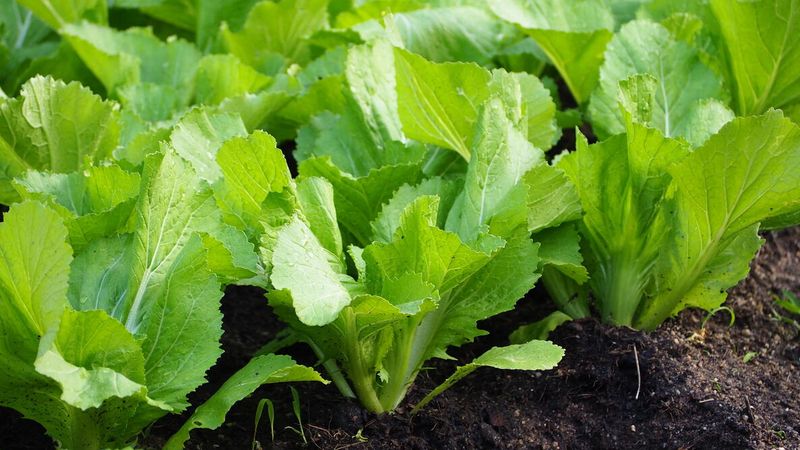
Mustard greens bring a peppery, bold flavor to the table and do it faster than most gardeners expect.
From direct seeding, baby mustard greens can be harvested in as little as 21 to 30 days, while full-sized leaves typically take around 40 to 50 days to reach a good cutting size.
Like lettuce, mustard greens thrive in the cooler stretches of Oregon’s growing season. Spring sowing works well across western Oregon, and a late summer or early fall planting often produces some of the most flavorful harvests of the year.
Cooler temperatures tend to mellow the spice just enough to make the leaves more approachable for fresh eating.
Soil that drains well and gets a decent amount of sun will keep mustard greens growing at a steady pace.
In warmer inland areas, the window between planting and bolting can be shorter, so timing the sowing to avoid peak summer heat helps extend the harvest.
Cutting leaves regularly from the outside of the plant encourages fresh growth from the center. Mustard greens are a practical, fast-maturing green that fits nicely into the early part of a garden season without asking much in return.
4. Chard Takes A Little Longer But Keeps Going
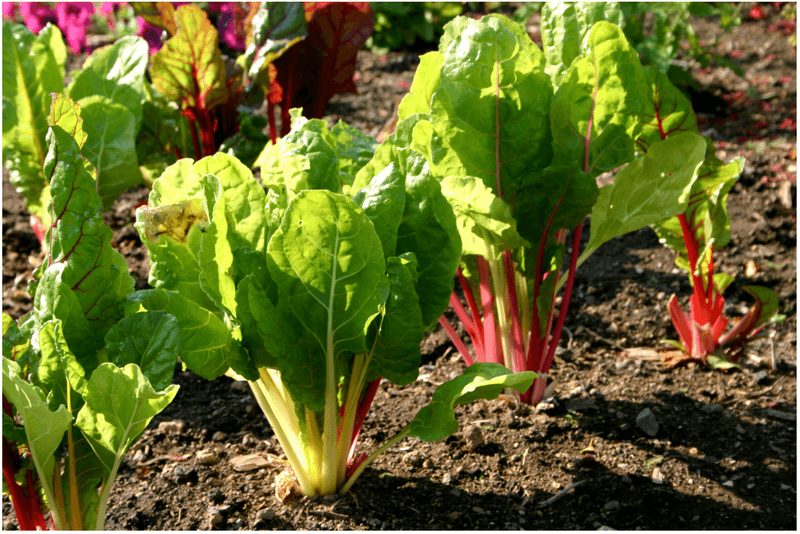
Chard operates on a slightly different schedule than the quickest spring greens, but the payoff stretches much further into the season. From direct seeding, chard generally takes about 50 to 60 days to reach full harvest size.
The good news is that once it gets going, it keeps producing for months with regular cutting.
Sowing chard directly into garden beds works well starting in early to mid-spring, once soil temperatures have warmed to at least 50 degrees Fahrenheit.
Germination can be a little uneven if the soil is still cold, so giving it a couple of extra weeks into spring often improves results.
In many parts of western Oregon, chard planted in April will be ready to harvest by mid to late June.
One of chard’s real strengths is its flexibility. It handles both cool spring weather and mild summer heat reasonably well, which makes it a reliable choice across Oregon’s varied growing regions.
The outer stalks are typically harvested first while the inner leaves continue growing.
Chard started in late summer can also carry a garden into fall and even early winter in milder coastal or valley locations, giving it an unusually long productive run for a leafy green.
5. Bush Beans Reward A Bit More Patience
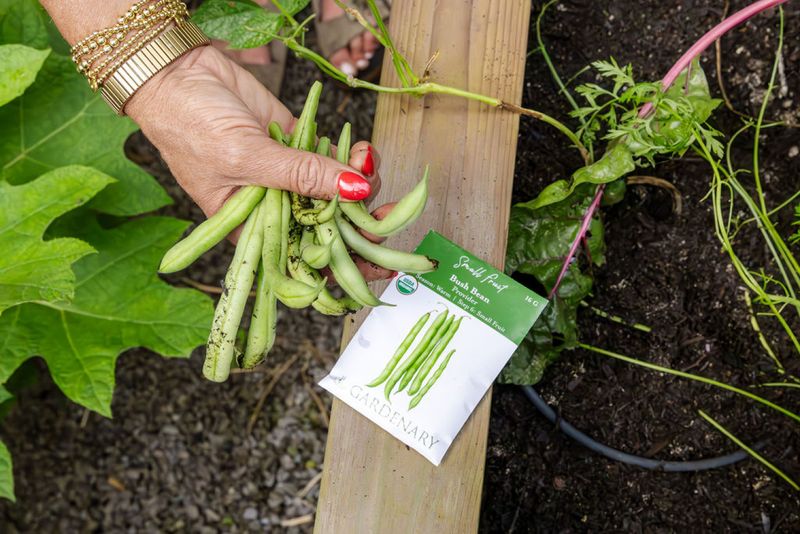
Waiting on bush beans asks for a bit more patience than the spring greens, but the harvest tends to feel well worth it. Direct seeded into Oregon garden beds, bush beans typically take about 50 to 60 days from planting to the first pickable pods.
That timeline puts a late June or July harvest within reach for gardeners who sow in May.
Bush beans need warm soil to germinate reliably, with soil temperatures ideally at or above 60 degrees Fahrenheit.
In Oregon, that usually means holding off on sowing until mid to late May in most western valley locations, and possibly into early June in cooler coastal or higher-elevation gardens.
Planting too early in cold, wet soil slows germination considerably and can lead to uneven stands.
Once the plants are up and growing in warm summer conditions, they move along at a steady pace. Pods develop quickly once flowering begins, and frequent picking keeps the plants productive for a longer stretch.
Bush beans are well suited to raised beds, where soil warms faster than in-ground plots. For gardeners looking for a summer crop that does not demand a trellis or a lot of vertical space, bush beans check a lot of practical boxes.
6. Cucumbers Start Fast Once Transplanted
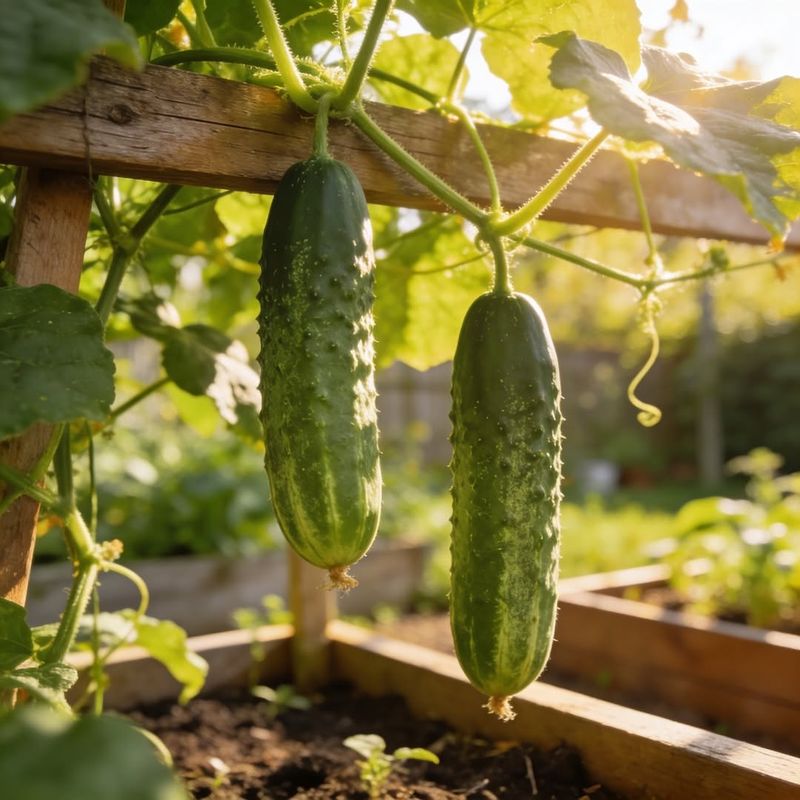
Cucumbers are a warm-season crop, and in Oregon they are almost always grown from transplants rather than direct seeding outdoors.
Starting seeds indoors about three to four weeks before the last frost date and then transplanting after soil has warmed gives them the head start they need.
From transplant to first harvest, cucumbers typically take around 50 to 65 days depending on the variety.
In western Oregon valleys, transplanting usually happens in late May or early June once nighttime temperatures have settled above 50 degrees Fahrenheit and the soil is consistently warm.
Coastal gardens may need to wait a little longer, while warmer inland areas can sometimes move transplants out a week or two earlier.
The reason transplanting matters so much is that direct-seeded cucumbers often struggle to get established fast enough to beat the shorter warm season in many parts of the state.
Once transplanted into warm soil with good sun exposure, cucumbers grow quickly. They appreciate consistent moisture and benefit from a trellis to keep vines off the ground.
Picking cucumbers regularly once they reach usable size encourages the plant to keep setting new fruit. A well-tended cucumber plant in summer garden can produce steadily for several weeks before cooler fall weather slows things down.
7. Summer Squash Gets Going Quickly In Warm Weather
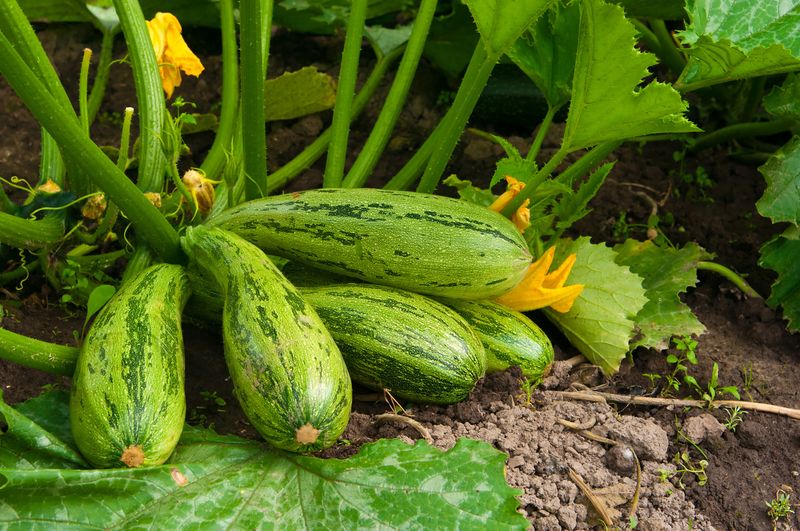
Summer squash has a reputation for being almost too productive once it gets going, and that reputation is well earned.
In Oregon, summer squash is typically started from transplants set out after the last frost, with the first harvest arriving roughly 50 to 60 days after transplanting.
Zucchini is among the most common types grown in home gardens.
Starting seeds indoors two to three weeks before transplanting helps give squash a reliable jump on the season.
Moving transplants outside in late May or early June, once soil temperatures are consistently above 60 degrees Fahrenheit, sets them up for strong early growth.
Direct seeding into warm soil is also possible in Oregon, but transplanting tends to produce faster results in areas with shorter warm seasons, such as coastal regions or higher elevations.
Once summer squash plants are established and the weather is warm, growth moves quickly. Fruits can go from flower to full size in just a few days during peak summer heat.
Checking plants every day or two during peak production keeps squash from growing oversized before you notice it.
Summer squash is a rewarding crop for gardeners who want reliable summer production without a very long wait after transplanting, and most home garden varieties are generous producers through July and August.
8. Tomatoes Need A Longer Run To Harvest
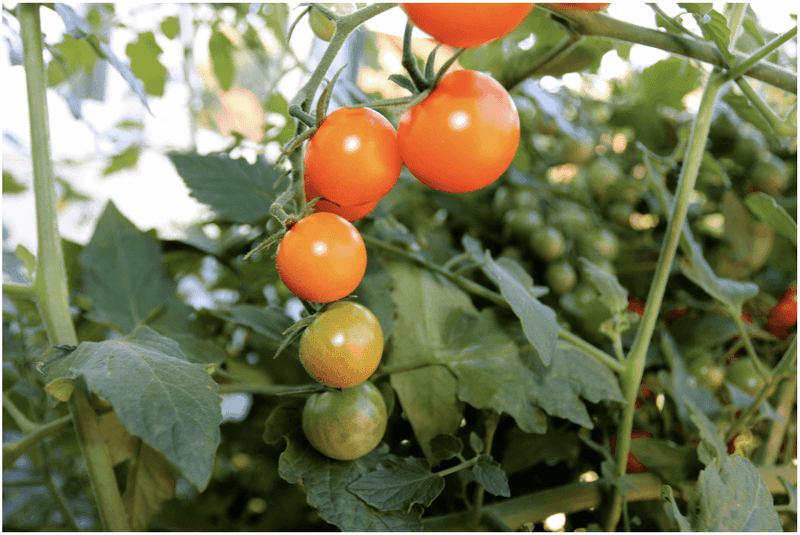
Tomatoes are probably the most anticipated harvest in any vegetable garden, and they also ask for the most patience of any warm-season crop.
From transplant to first ripe fruit, most tomato varieties take anywhere from 60 to 85 days, with some larger slicing types running even longer.
That timeline makes choosing the right variety for your specific location genuinely important.
In Oregon, tomatoes are grown exclusively from transplants started indoors six to eight weeks before the last frost date.
Moving them outside too early, before nighttime temperatures are reliably above 50 degrees Fahrenheit and soil has warmed, tends to stall their growth rather than speed it up.
Most western Oregon valley gardeners transplant in late May, while coastal gardeners often wait until early June or use season-extension tools like row covers or wall-of-water protectors.
Warmer inland areas and the southern Willamette Valley tend to have better luck with longer-season varieties, while cooler coastal and higher-elevation gardens do best with early or mid-season types that finish in 65 to 70 days from transplant.
Consistent warmth during the day and soil that holds heat well at night are the two biggest factors that move tomatoes toward harvest.
Growing them against a south-facing wall or fence can make a noticeable difference in cooler microclimates.
9. Peppers Are Slower But Still Worth The Wait
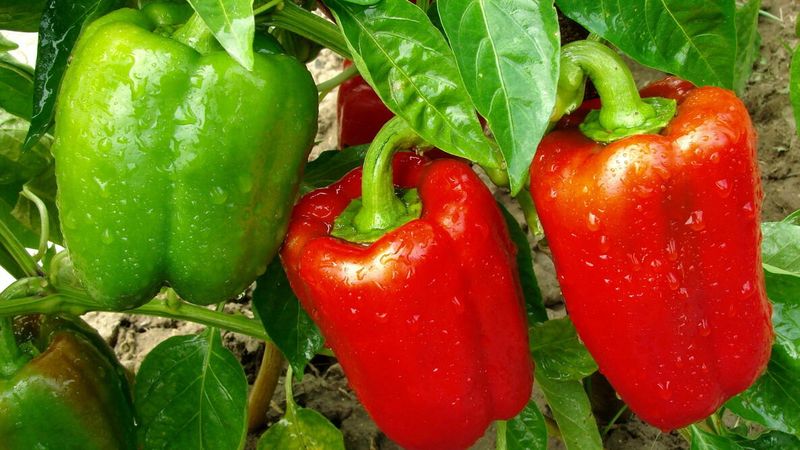
Peppers are among the slowest warm-season vegetables to reach harvest in an Oregon garden, but gardeners who give them what they need are usually glad they made the effort.
From transplant, most pepper varieties take about 70 to 85 days to produce mature green peppers, with fully ripe colored peppers taking another two to three weeks beyond that.
Like tomatoes, peppers are grown entirely from transplants, typically started indoors eight to ten weeks before the last frost. They need warm soil and warm air temperatures to grow well, and they are more sensitive to cool nights than tomatoes are.
In many parts of Oregon, getting peppers to fully ripen on the vine can be a challenge, especially in cooler coastal or valley locations where summer warmth is less reliable.
Choosing early-maturing varieties specifically suited to shorter warm seasons gives gardeners the best shot at a good harvest before fall temperatures drop.
Growing peppers in raised beds, which warm faster than ground-level soil, and placing them in the sunniest part of the garden helps move them along.
Even if fully ripe colored peppers are not always guaranteed in every Oregon climate, green peppers harvested earlier still offer plenty of flavor and make the growing season feel worthwhile.
10. Onions And Garlic Take The Longest
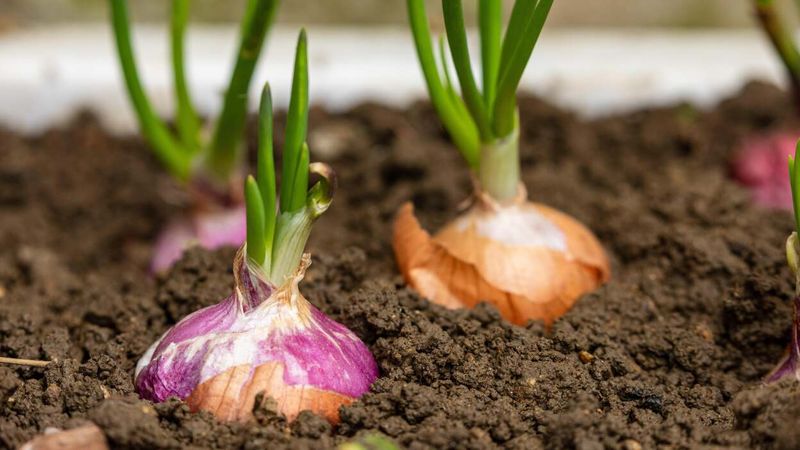
At the far end of the patience spectrum sit onions and garlic, two crops that ask for more time than almost anything else in a vegetable garden. Garlic planted in fall takes roughly nine to ten months to reach harvest the following summer, making it a true long-game crop.
Onions direct seeded in early spring typically need about 100 to 120 days to reach full bulb size.
Garlic is traditionally planted in Oregon in October or November, overwintered in the ground, and harvested the following June or July when the lower leaves begin to brown.
Onions can be started from seed indoors in late winter and transplanted out in early spring, or direct seeded outdoors once soil temperatures allow.
Sets, which are small dormant bulbs, offer a faster path to harvest than starting from seed.
The long growing period for both crops means they occupy garden space through most of the season, which is a real planning consideration for Oregon home gardeners with limited beds.
Still, both crops store exceptionally well after curing, which extends their value well beyond harvest day.
For gardeners who enjoy having homegrown alliums on hand through fall and winter, the long wait tends to feel reasonable once those bulbs are finally in hand.