Who Is Responsible When Tree Roots Cross Property Lines In California And Cause Damage
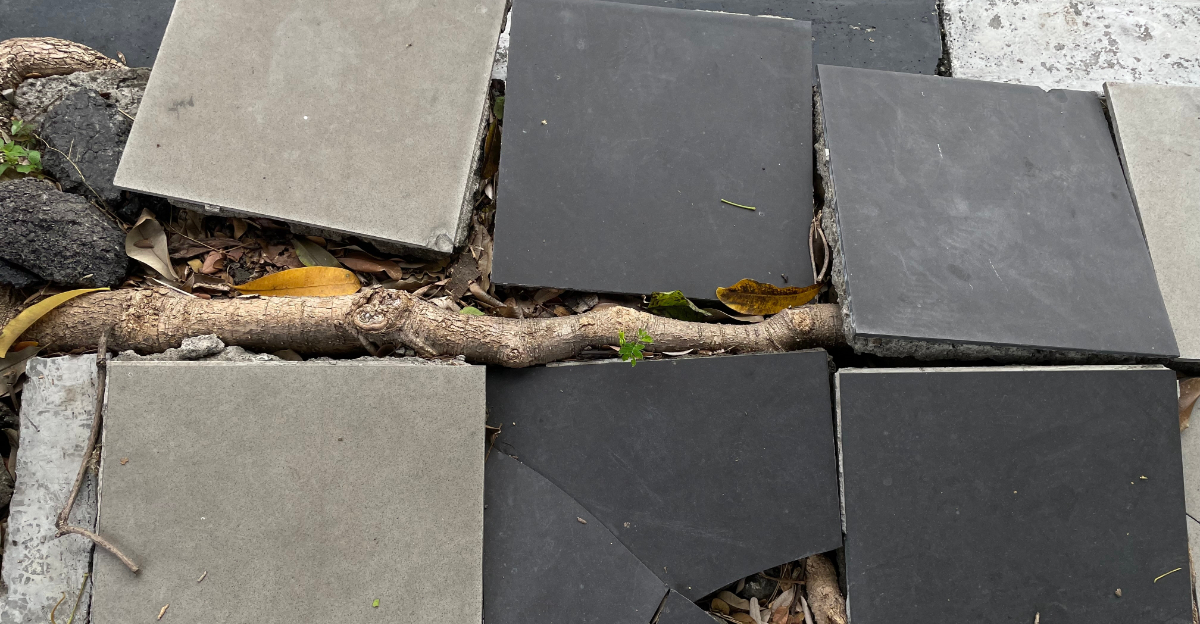
Tree roots do not care where a fence line sits. They grow toward water, space, and softer soil, even when that means crossing into a neighbor’s yard.
In California, that can turn a simple landscaping issue into a real dispute fast. A cracked driveway, lifted patio, damaged pipe, or buckled walkway can leave both property owners asking the same question.
Who is supposed to pay? The answer can depend on more than where the tree is planted.
Tree health, notice, local rules, and the kind of damage can all shape what happens next. This is why root problems often feel more confusing than fallen branches.
They build slowly underground, then show up as an expensive surprise.
Before trimming roots or blaming the neighbor, it helps to understand how responsibility usually works when a tree quietly crosses the line.
Who Owns The Roots After They Cross The Line?
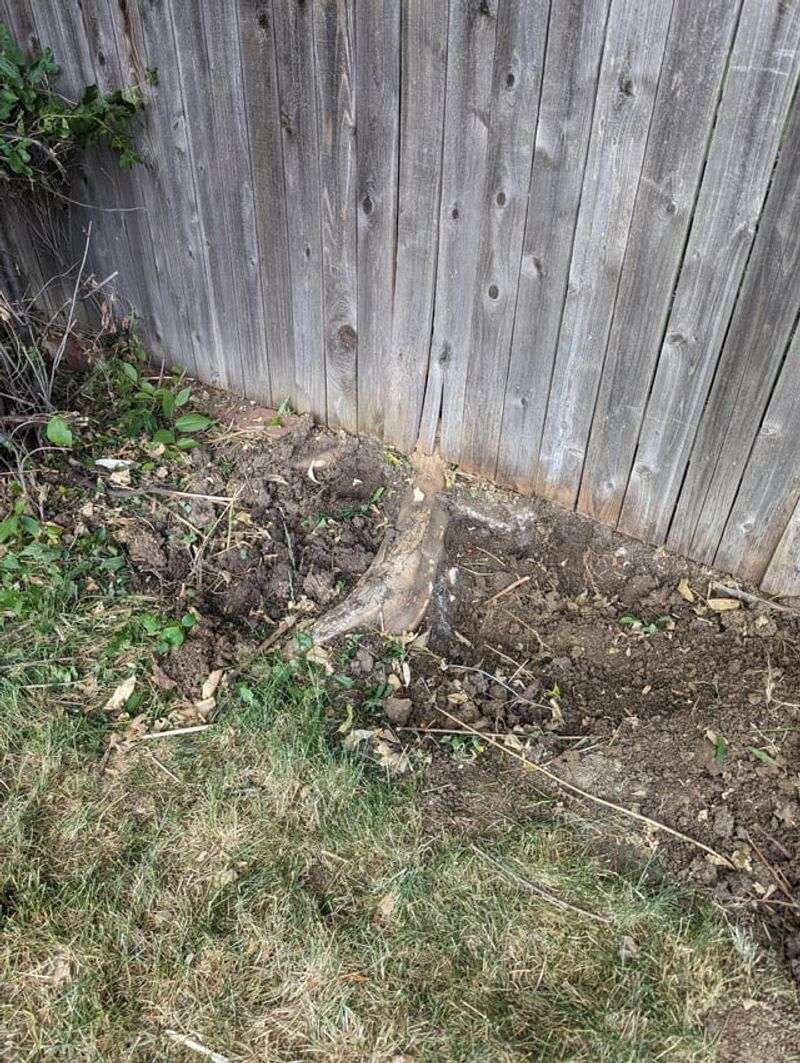
Property lines are invisible, but tree roots have no idea they exist. When a tree grows on your neighbor’s side of the fence, its roots can quietly spread under the ground and into your yard.
So who actually owns those roots once they cross the line?
The general legal rule in this state is that the tree belongs to whoever owns the land where the trunk is rooted. If the trunk sits entirely on your neighbor’s property, it is their tree.
However, the roots that travel into your yard are a different story. Most courts treat those roots as your responsibility once they enter your land.
That might sound strange at first. You did not plant the tree, but you may be responsible for roots that are now on your side.
The logic behind this is that you have the right to control what happens on your property. You can cut roots that cross into your yard, as long as you do so carefully and within reason.
Ownership of the roots does not automatically make the tree owner off the hook for damage those roots cause. Responsibility for harm is a separate legal question.
Courts look at things like negligence and whether the tree owner knew about the problem. Understanding this difference between ownership and liability is the first step in sorting out any dispute.
When Tree Root Damage Becomes A Legal Problem
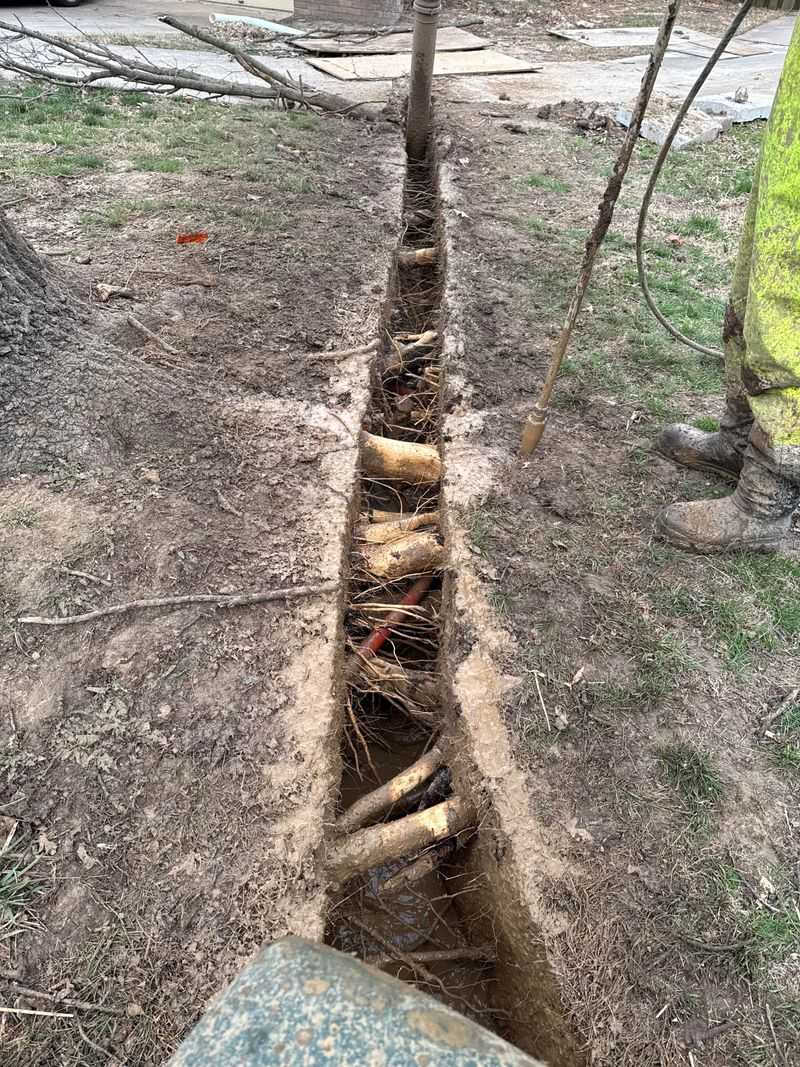
Not every root that wanders into a neighbor’s yard becomes a court case. Most of the time, neighbors handle these situations quietly.
But there are moments when tree root damage becomes a real legal problem that cannot be ignored.
A situation becomes legally serious when the damage is significant and the responsible party refuses to act. Cracked foundations, broken sewer pipes, and lifted driveways are examples of damage that can cost thousands of dollars to fix.
At that point, the affected homeowner has every right to seek legal relief.
In this state, courts have handled many tree root cases over the years. One of the most well-known is the Booska v.
Patel case from 1994. That case helped establish that a tree owner can be held liable if they knew their tree was causing damage and did nothing about it.
Your California Garden Changes Every Week. Your Plan Should Too.
Gardening in California changes quickly throughout the season. Every Friday you’ll receive a simple weekly plan showing exactly what to plant, prune, fertilize, harvest, and protect so you never miss the right timing.
Ignoring a known problem is where legal trouble really starts.
It is also worth knowing that small or minor damage usually does not meet the legal threshold for a lawsuit. Courts want to see that real, measurable harm occurred.
If your neighbor’s tree roots cracked a small section of your garden border, that likely will not hold up in court.
Acting early and communicating with your neighbor is almost always the smarter path. Legal disputes take time, money, and energy that most people would rather spend elsewhere.
Can You Cut Roots On Your Side Of The Fence?
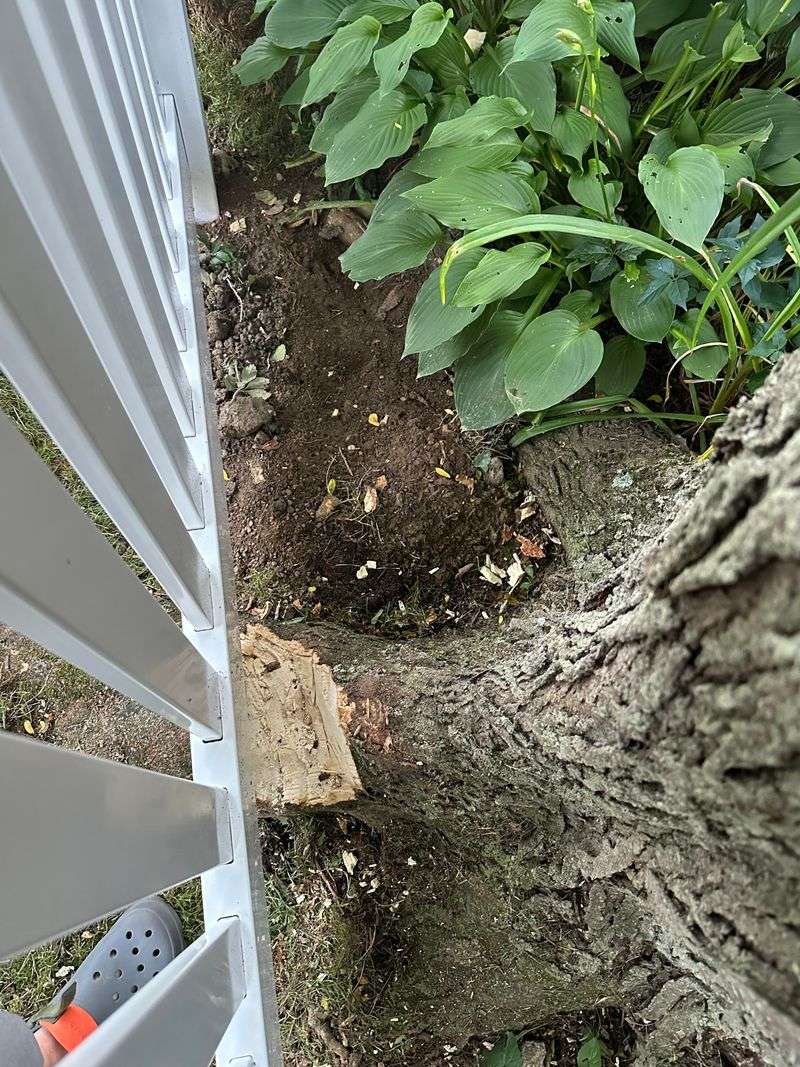
Yes, you generally have the right to cut tree roots that have crossed into your property. This is sometimes called the “Massachusetts Rule” or the “self-help” remedy.
It is widely accepted across the country, including in this state.
Cutting roots on your side of the fence sounds simple, but there are important limits. You cannot cut roots in a way that would destroy or severely harm the tree.
If your cutting causes the tree to fall or become unstable, you could actually be held liable for the damage. Courts expect you to act reasonably and responsibly.
Before you grab a saw, it is a good idea to consult with a certified arborist. They can tell you how deep and how far you can safely cut without harming the tree’s stability.
Removing roots too close to the trunk or too aggressively can weaken the tree in ways that create bigger problems down the road.
You should also give your neighbor a heads-up before you start cutting. Letting them know is not just polite.
It also protects you legally if the tree is later damaged. Having a written record of your communication can matter a lot if a dispute arises.
Self-help is a valid option, but it works best when done thoughtfully. Rushing into root cutting without a plan can turn a manageable situation into a much bigger and more expensive problem for everyone involved.
What California Nuisance Law Usually Means For Homeowners
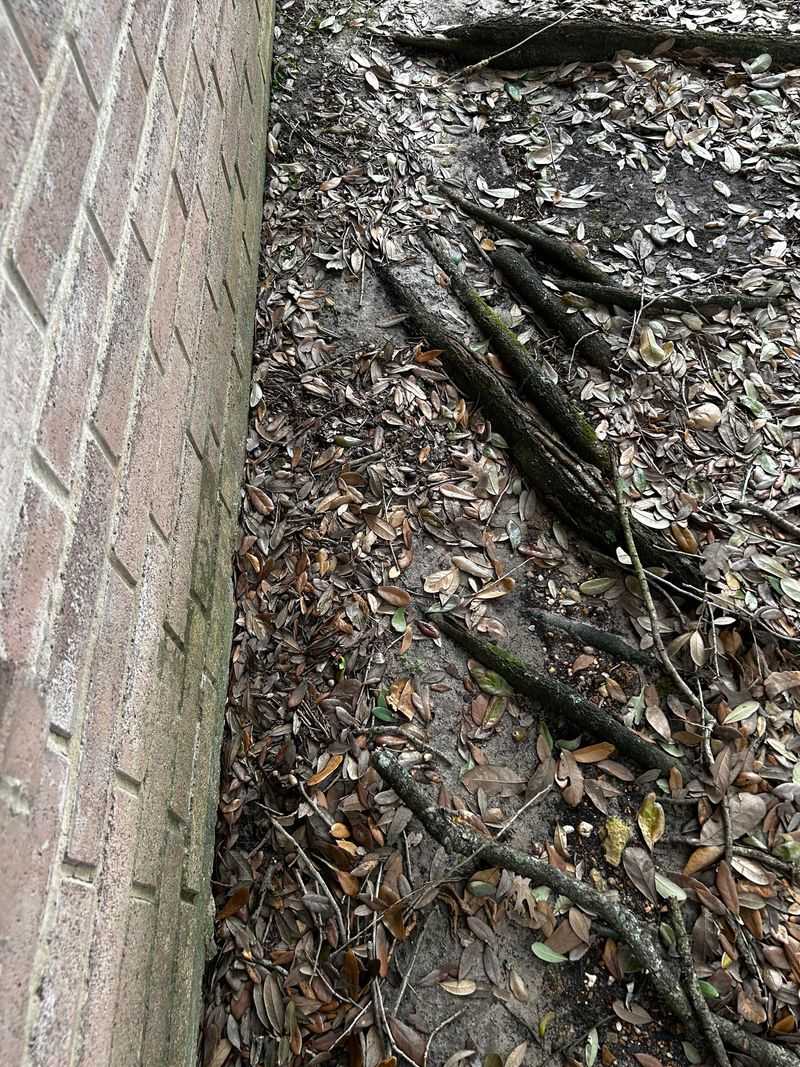
Nuisance law plays a big role in tree root disputes. Under state law, a nuisance is anything that interferes with another person’s right to enjoy their property.
Tree roots that cause damage can absolutely qualify as a nuisance.
There are two types of nuisance: private and public. In most tree root cases, we are talking about private nuisance.
That means one property owner is being harmed by something on a neighboring property. If the roots are causing real damage or making your property unsafe, you may have a valid nuisance claim.
However, proving a nuisance claim is not always easy. You need to show that the harm is significant and that a reasonable person would find it objectionable.
Minor inconveniences, like a few roots poking up in your garden, usually do not meet that standard.
The tree owner also has a defense available. If they had no idea the roots were causing a problem, they may not be held responsible right away.
But once you notify them of the issue, that changes things. After receiving notice, they are expected to take reasonable steps to address the damage.
Nuisance law gives homeowners a legal path when neighbor communication fails. It is not a quick fix, but it is a real option.
Talking to a local attorney who handles property disputes can help you understand whether your situation qualifies and what your next steps should be.
Sidewalks, Foundations, Pipes, And Driveway Damage
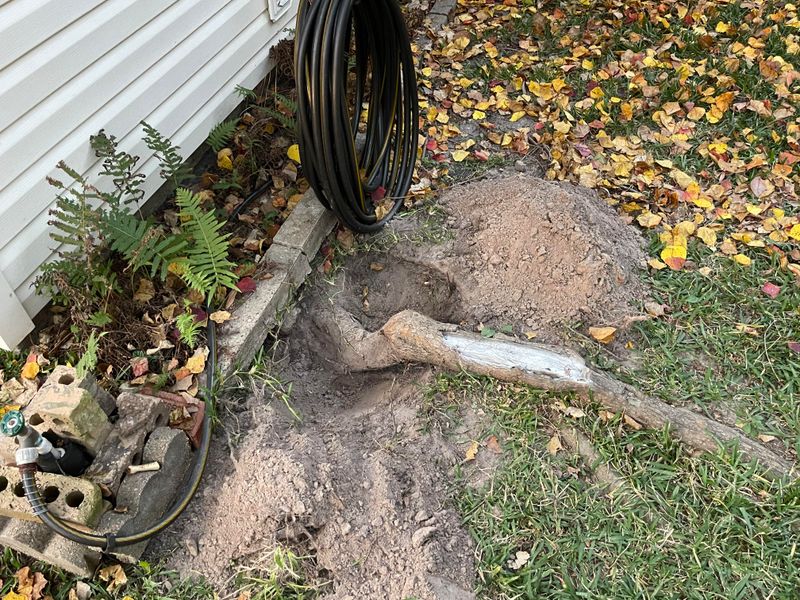
Some of the most expensive tree root damage happens underground or beneath hard surfaces.
Sidewalks, home foundations, underground pipes, and driveways are all vulnerable to root intrusion.
When roots find their way into these structures, the repair costs can be shocking.
Sidewalk damage is one of the most common complaints. Roots lift and crack concrete slabs, creating trip hazards that can lead to injury.
In many cities, the homeowner is responsible for the sidewalk in front of their property, even if a neighbor’s tree caused the damage. That situation can feel deeply unfair.
Foundation damage is even more serious. Roots seeking moisture can work their way into small cracks in a home’s foundation and slowly widen them.
Over time, this can compromise the structural integrity of the building. Repair costs for foundation damage can reach tens of thousands of dollars.
Underground pipes are another common target. Tree roots are naturally drawn to water, and sewer or irrigation pipes provide a steady supply.
Once roots enter a pipe, they can cause blockages, backups, or complete pipe failure. Replacing a damaged sewer line is a major and costly project.
Driveway damage is also frequent, especially with older concrete. Roots push up from below, cracking and shifting the surface.
Determining who pays for these repairs depends on the specific facts of each case. Documentation and professional assessments are key to building a strong case.
When The Tree Owner May Be Financially Responsible
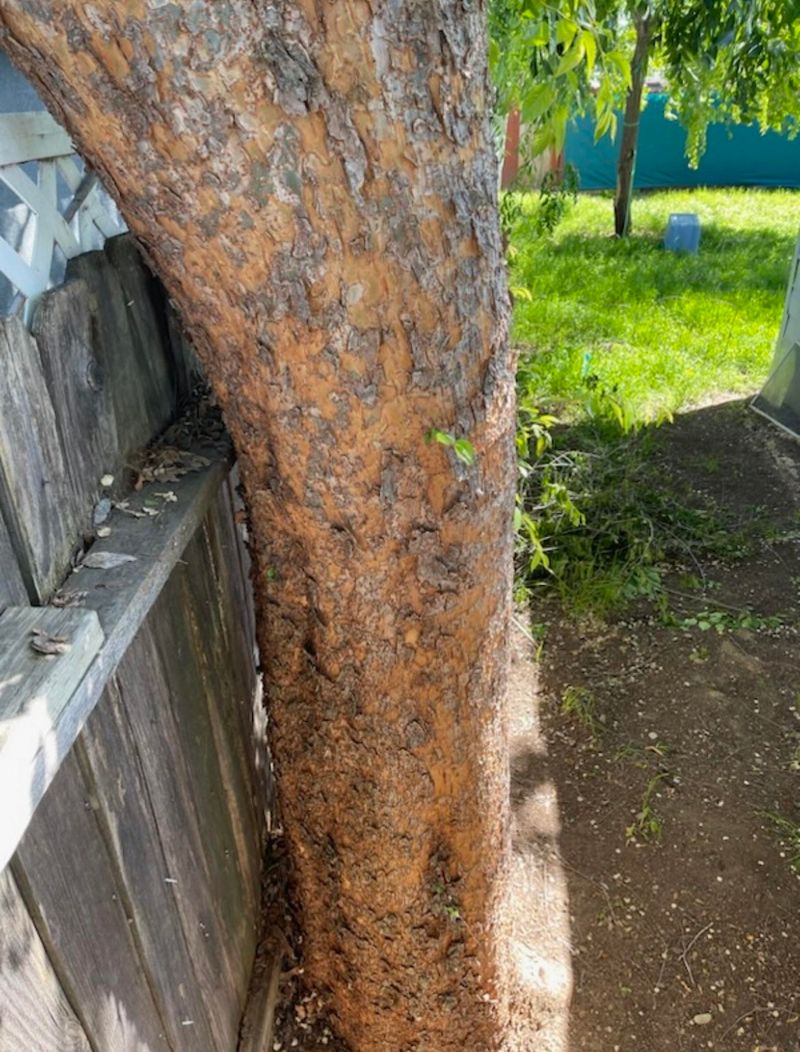
Tree owners are not automatically on the hook for every root that wanders into a neighbor’s yard.
But there are clear situations where financial responsibility does fall on the person who owns the tree.
Knowing those situations can help both sides of a dispute understand where they stand.
The biggest factor is notice. Once a tree owner is told that their tree is causing damage, they have a legal duty to act.
If they ignore the problem and the damage gets worse, courts are much more likely to hold them financially responsible. Inaction after notice is a serious legal risk.
Negligence is another key factor. If a tree owner knew the tree was unhealthy, overgrown, or had invasive roots and did nothing about it, that could be seen as negligent behavior.
Negligence means failing to take reasonable care to prevent harm to others.
In some cases, the type of tree matters. Certain species are known to have highly aggressive root systems.
If a homeowner plants one of these trees near a property line or utility lines, and damage results, courts may view that as a foreseeable problem the owner should have anticipated. Financial responsibility can also be shared.
If the affected homeowner waited too long to report the issue or made the damage worse through their own actions, a court might split the responsibility between both parties. Every case is different, and the details always matter.
Why Documentation Matters Before You Cut Or Sue
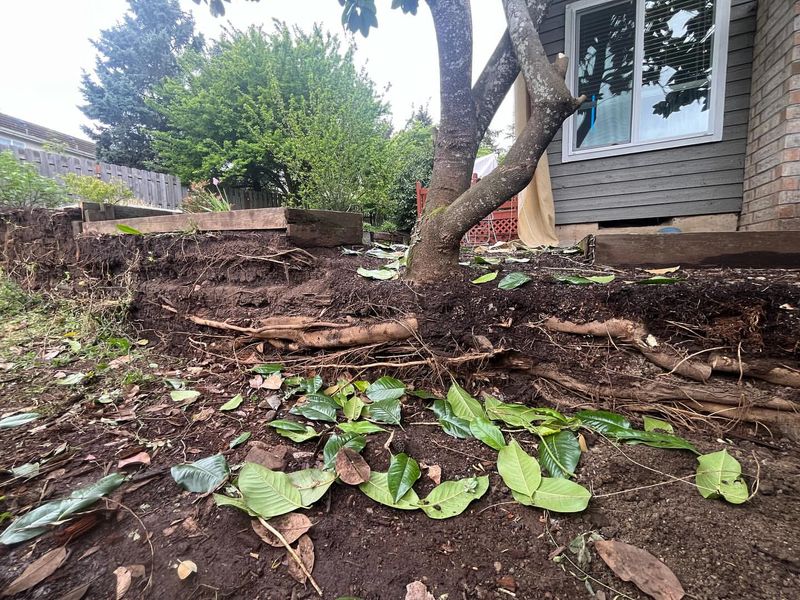
Before you pick up a shovel or call a lawyer, grab your phone and start documenting everything. Good documentation is one of the most powerful tools you have in a tree root dispute.
It can make the difference between winning and losing a legal claim.
Start by taking clear, dated photos of all the damage. Capture the roots, the cracks, the lifted surfaces, and anything else that shows what is happening.
Take photos from multiple angles and distances. The more visual evidence you have, the better your position will be.
Written records are just as important. Send your neighbor a written notice about the problem, and keep a copy for yourself.
If you talk to them in person or over the phone, follow up with a quick email or text summarizing the conversation. Having a paper trail shows that you acted in good faith.
Get professional assessments done early. An arborist can document the tree’s condition and confirm that the roots are the source of the damage.
A contractor can provide a written estimate for repairs. These documents add credibility and dollar amounts to your claim.
If the dispute ever goes to court or mediation, your documentation tells the story. Judges and mediators rely heavily on evidence.
A well-documented case moves faster and tends to result in better outcomes. Skipping this step is one of the most common and costly mistakes homeowners make in property disputes.
When An Arborist Or Attorney Should Step In
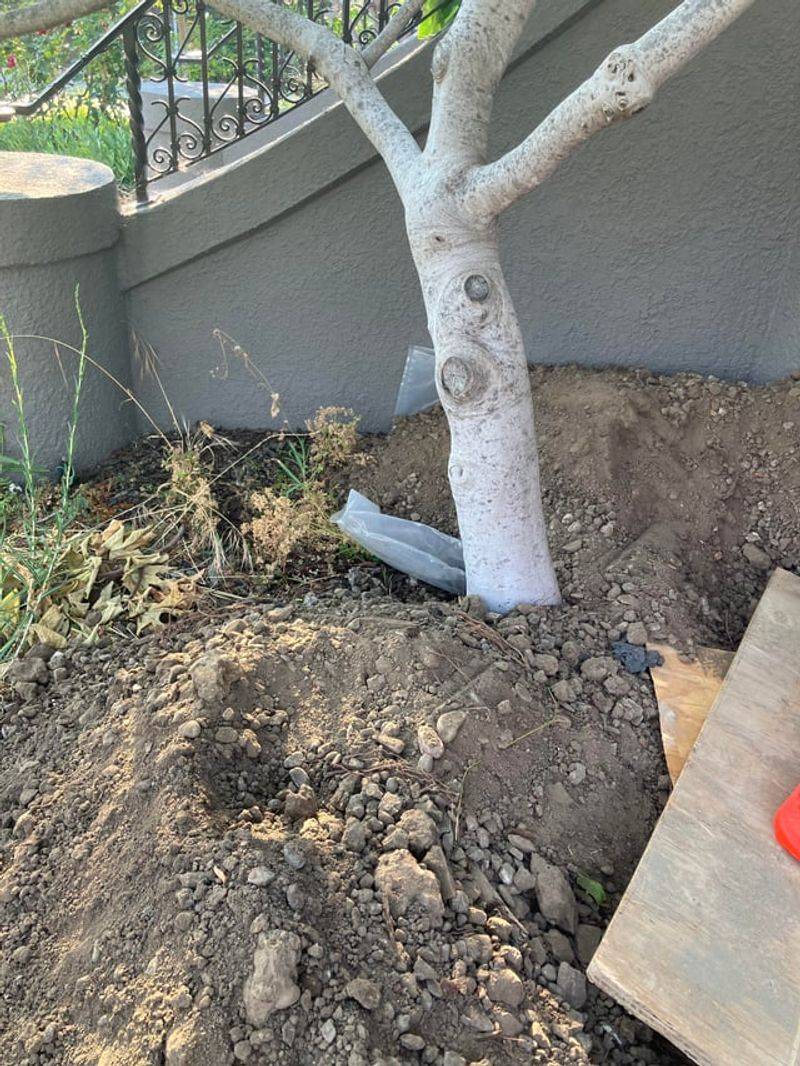
Some tree root situations are simple enough to handle with a friendly conversation and a handshake. Others are complicated enough that you really need professional help.
Knowing when to bring in an arborist or an attorney can save you time, money, and a lot of frustration.
A certified arborist should be your first call when the damage is significant or when you are unsure how to safely address the roots.
Arborists are trained to assess tree health, root systems, and the risks involved in cutting or removing roots. Their written reports carry real weight in legal proceedings.
An arborist can also help you understand whether the tree poses a broader safety risk. If a tree is leaning, diseased, or structurally compromised by root removal, that is important information.
Acting on professional advice also protects you legally if something goes wrong later.
An attorney who handles property law should step in when your neighbor refuses to cooperate, when the damage is costly, or when you have already tried to resolve things without success.
They can send formal demand letters, file nuisance claims, and represent you in mediation or court.
Many property attorneys offer free or low-cost initial consultations. Use that opportunity to get a clear picture of your legal options.
Going in with solid documentation and an arborist’s report makes that first meeting much more productive and gives your case a stronger foundation from the start.