The One Thing Oregon Gardeners Should Do To Their Soil Before July Hits
June can fool gardeners. The weather feels mild, and the real summer stress still seems far away.
Then July arrives, and Oregon gardens can shift fast. Beds that looked fresh may start drying out sooner than expected.
Roots can struggle when the top layer of soil gets too warm. A little prep now can make that change easier on your garden.
It is not a dramatic job, but it can pay off for weeks. The goal is to help the soil hold steady before hotter, drier days settle in.
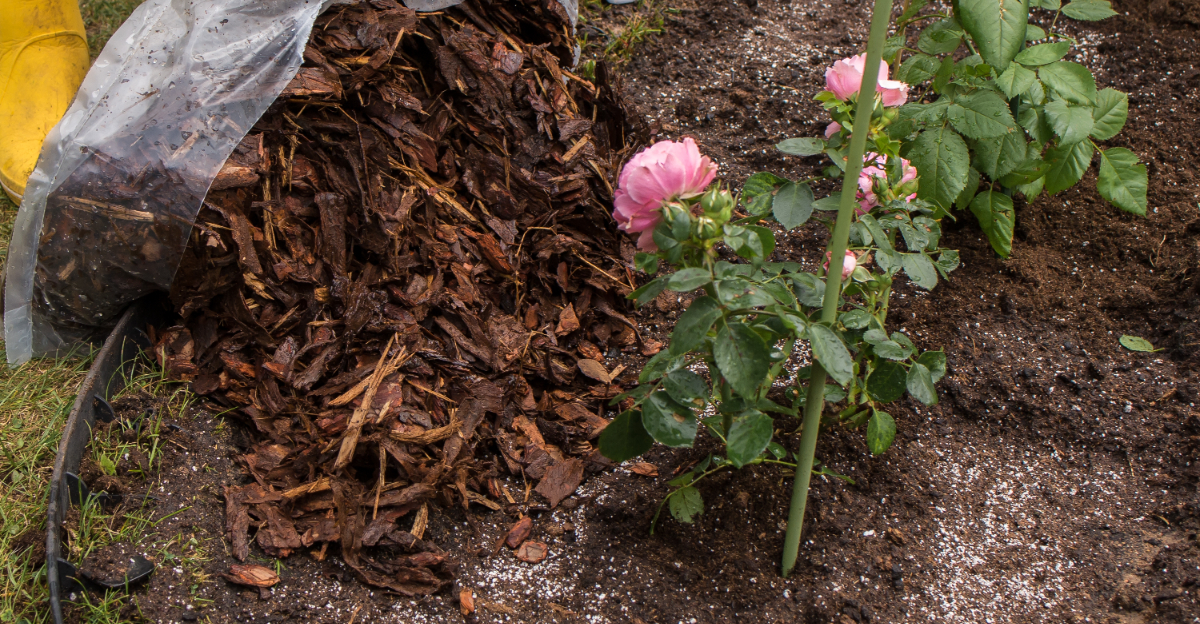
That is where mulch comes in. A good layer can protect the ground and slow moisture loss.
It can also make garden beds easier to manage. Do it before July hits, and your plants get a better shot at staying strong through summer.
1. Fresh Mulch Helps Soil Hold Moisture Longer
Most people do not realize how quickly soil loses water on a warm day. Without any cover, moisture evaporates from the top layer of soil within hours.
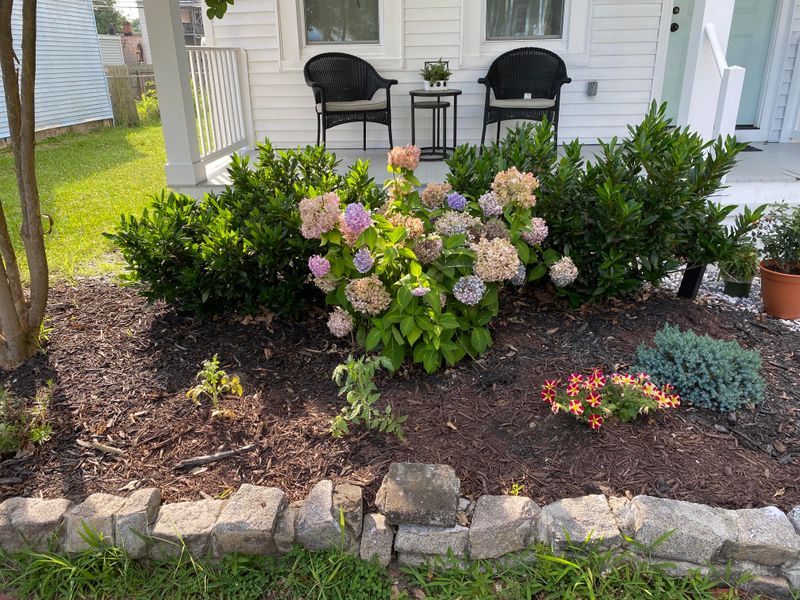
Fresh mulch creates a barrier that slows this process down significantly. When you spread a two to four inch layer of mulch over your garden beds, you are giving the soil a chance to hold onto the water it gets from rain or irrigation.
Studies show that mulched soil can retain up to 70 percent more moisture than bare soil. That is a big deal when summer temperatures start climbing and rain becomes rare.
Wood chips, straw, and bark mulch are all great options. Each one works by shading the soil surface and reducing direct exposure to sun and wind.
Both sun and wind pull moisture out of the ground fast.
Fresh mulch also helps water absorb more evenly during irrigation. Instead of running off the surface, water soaks in slowly and reaches deeper into the root zone.
This is especially helpful for sandy or loose soils common in parts of this state. Putting down fresh mulch now, before July arrives, gives it time to settle and start working.
The earlier you apply it, the better your soil will be prepared for the dry months ahead. A little effort in June saves a lot of watering work later on.
2. Bare Soil Dries Out Faster Than Most Gardeners Realize
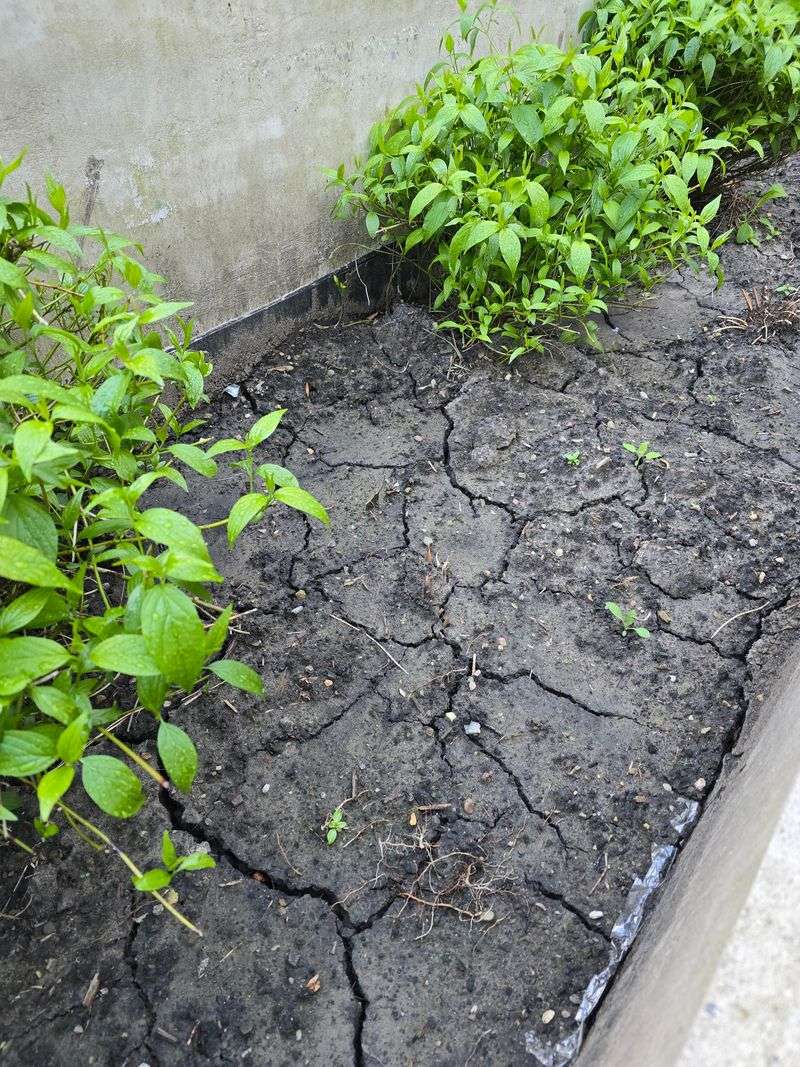
Bare soil is one of the biggest problems in a summer garden. Most gardeners focus on watering, but they forget that the real issue starts at the surface.
When soil has nothing covering it, the sun and wind work together to pull moisture out fast.
On a warm day with low humidity, the top inch of bare soil can dry out completely in just a few hours.
Once that top layer dries, it acts like a crust that actually makes it harder for water to soak in during the next watering. You end up using more water and getting less benefit.
In this state, the transition from spring to summer can happen quickly. Rainy April and May conditions can give way to dry, sunny days by late June.
Your Oregon Garden Changes Every Week. Your Plan Should Too.
Gardening in Oregon changes quickly throughout the season. Every Friday you’ll receive a simple weekly plan showing exactly what to plant, prune, fertilize, harvest, and protect so you never miss the right timing.
Gardeners who wait too long to mulch often find themselves scrambling to keep plants alive.
Bare soil also heats up much faster than covered soil. When soil temperature rises above a certain level, roots slow down and stop absorbing water and nutrients as efficiently.
This is true for vegetables, flowers, and even established shrubs. Covering your soil with mulch before it dries out is the smartest move you can make in late spring. Even a thin layer helps.
But aim for two to three inches for the best results. Your plants will thank you when July arrives and temperatures start climbing higher each week.
3. Mulch Keeps Roots Cooler During Summer Heat
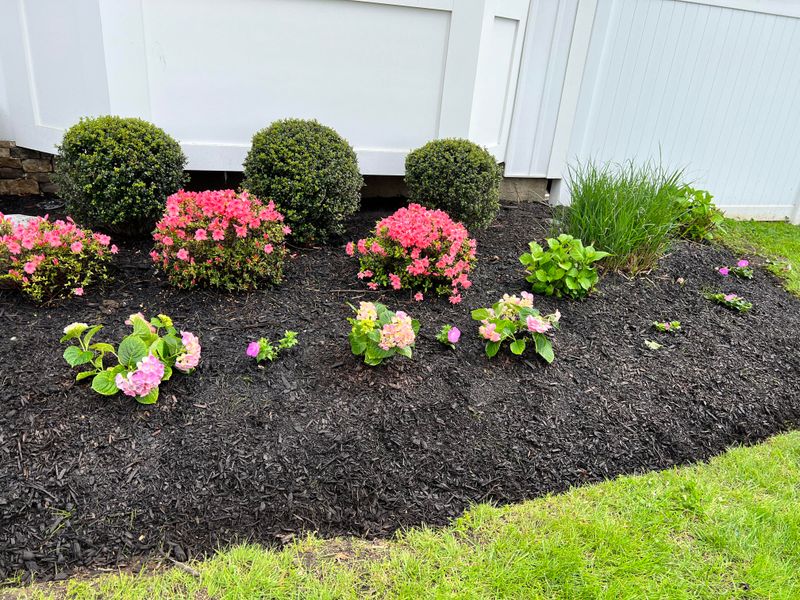
Roots are more sensitive to heat than most people think. When soil temperatures get too high, plants start to struggle even if they have plenty of water.
Mulch acts like insulation, keeping the ground several degrees cooler than bare soil during hot summer days.
Research has shown that mulched soil can be anywhere from five to fifteen degrees cooler than uncovered soil on a hot day. That difference is huge for plants trying to stay healthy in July and August.
Cooler roots mean better water and nutrient uptake, which means healthier, more productive plants.
Vegetables like lettuce, spinach, and tomatoes are especially sensitive to soil heat. When root temperatures rise too high, these plants can bolt, wilt, or simply stop producing.
A good layer of mulch helps extend the productive season for these crops well into summer.
Trees and shrubs benefit just as much. Young trees planted in the last year or two are especially at risk during their first summer.
Their root systems are still shallow and have not spread deep enough to find cooler, moister soil on their own.
Applying mulch around the base of trees and shrubs, keeping it a few inches away from the trunk, gives roots the protection they need.
In northern and inland regions where temperatures can spike sharply in summer, this simple step can be the difference between a thriving plant and one that really struggles.
4. Weed Seeds Struggle In Thick Mulch Layers
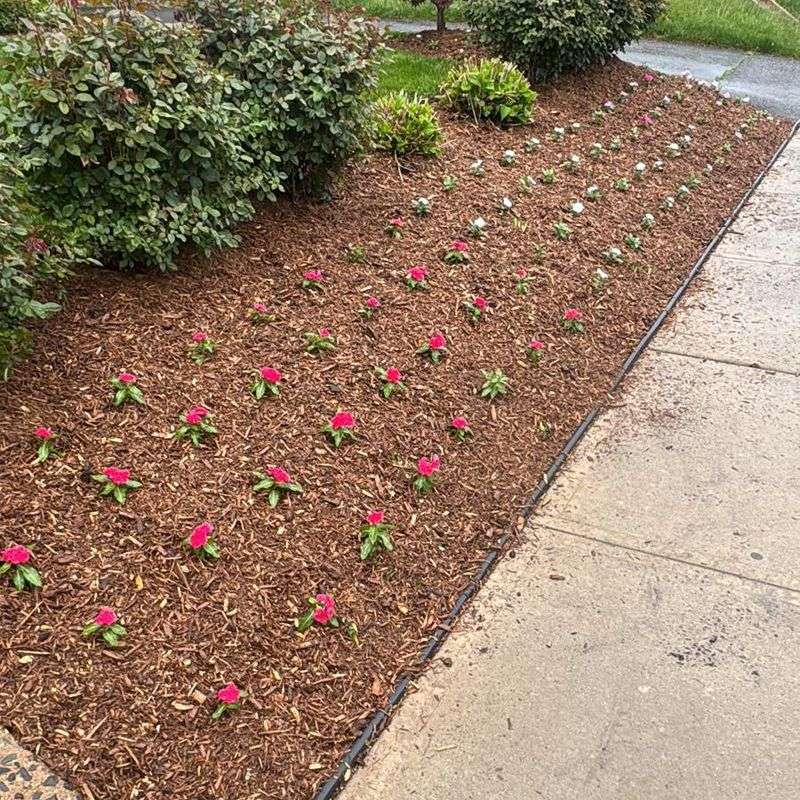
Weeds are one of the most frustrating parts of summer gardening. They seem to pop up overnight, and if you do not stay on top of them, they can take over a garden bed in just a few weeks.
Thick mulch is one of the best natural tools you have against them. Most weed seeds need light to germinate.
When you cover your soil with a thick layer of mulch, you block that light from reaching the surface.
Seeds that land on top of the mulch either wash away or fail to establish roots deep enough to survive. The result is a much cleaner garden bed with far less hand-pulling.
For the best weed-blocking effect, aim for a layer that is at least three inches deep. Anything thinner allows light to filter through and gives weed seeds a better chance.
Some gardeners like to put down a layer of cardboard or newspaper under the mulch for extra weed suppression.
Keeping weeds down matters more than just saving time. Weeds compete directly with your plants for water, nutrients, and space.
During a dry summer, that competition can seriously stress your garden. Fewer weeds mean your plants get more of everything they need.
In this state, where spring rain creates the perfect conditions for weed seeds to spread, getting mulch down before July is especially smart.
You are not just preparing for heat, you are also getting ahead of the weed pressure that builds as the season changes.
5. Thin Mulch Breaks Down Faster In Oregon Rain
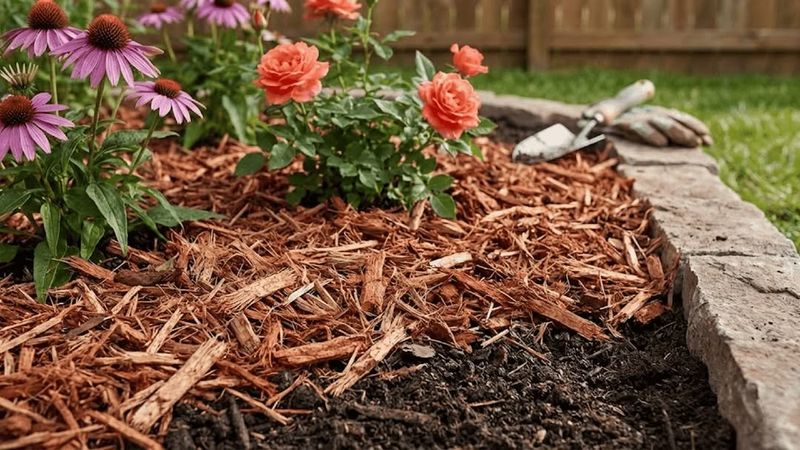
One mistake many gardeners make is applying mulch too thin. A one-inch layer might look nice right after you spread it, but it breaks down quickly, especially in a place known for heavy rain.
By the time summer arrives, that thin layer may be almost gone. Organic mulches like wood chips, bark, and straw decompose over time. This is actually a good thing because they feed the soil as they break down.
But if the layer starts too thin, it disappears before it gets the chance to do its job through summer.
In this state, fall and winter rains are heavy enough to compress and break down mulch faster than in drier climates. Gardeners who mulched in the fall may find their beds nearly bare by spring.
That means reapplying before summer is not optional, it is necessary.
A good rule of thumb is to aim for three to four inches of mulch in late spring. This gives you a buffer so that even as the top layer breaks down, there is still enough depth to protect the soil below.
Fine mulches break down faster than coarse ones, so choose accordingly. Coarser wood chips tend to last the longest through summer.
They do not compact as easily, and they still allow water to pass through to the soil.
Checking your mulch depth every few weeks during summer lets you top it off before it gets too thin to be effective for your garden beds.
6. Trees And Shrubs Need Mulch Before July Stress Hits
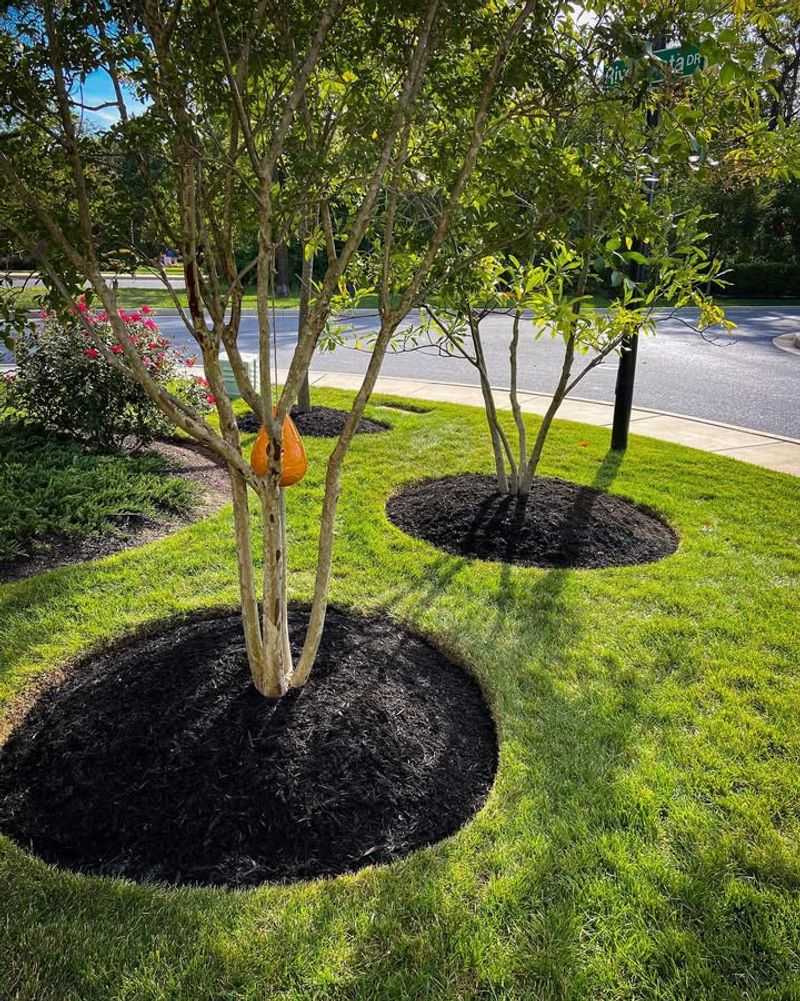
Trees and shrubs often get overlooked when it comes to summer prep. Most gardeners focus on vegetables and flower beds, but established and newly planted trees and shrubs need just as much attention before the heat sets in.
Summer stress is a real thing for woody plants. When soil moisture drops and temperatures climb, even well-established trees can show signs of strain.
Leaves may curl, droop, or turn yellow. Young shrubs can lose significant growth progress if they are not protected.
Applying a wide ring of mulch around the base of each tree or shrub makes a real difference. Aim for a circle that extends at least two to three feet out from the trunk.
Keep the mulch a few inches away from the trunk itself to prevent moisture buildup against the bark, which can cause rot and disease.
In drier parts of this state, including southern and eastern regions, summer can be especially harsh on ornamental trees and native shrubs.
Even drought-tolerant plants benefit from mulch because it reduces the extreme swings in soil temperature that stress root systems.
Newly planted trees are the most vulnerable. Their roots have not had time to spread deep into cooler, moister soil layers.
A generous layer of mulch gives them the best chance of making it through their first summer without serious stress.
Getting this done before July means the mulch has time to settle and start working before the hottest days arrive in your yard.
7. Vegetable Beds Dry Out Much Faster Without Cover
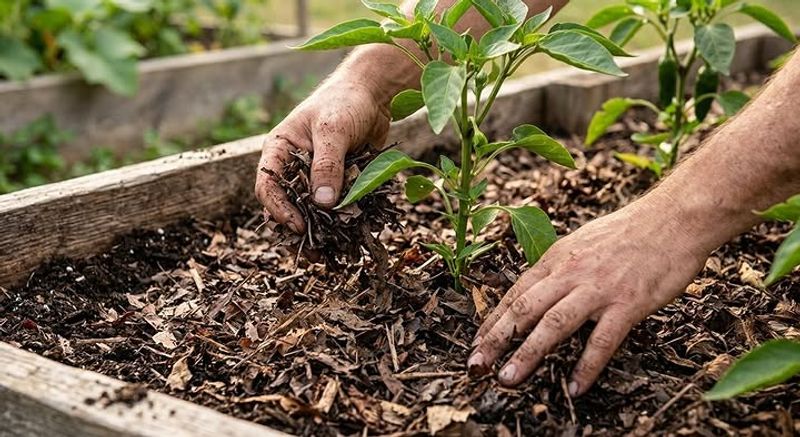
Vegetable gardens are some of the thirstiest spots in any yard. Plants like tomatoes, peppers, squash, and beans need consistent moisture to produce well.
When soil dries out unevenly, plants get stressed and yields drop fast. Without mulch, vegetable beds can lose a significant amount of moisture in a single warm afternoon. The soil surface dries first, and then the drying creeps deeper.
Roots that were growing well in moist soil suddenly find themselves in dry, compacted ground and growth slows down noticeably.
Mulching vegetable beds is one of the highest-return tasks you can do in late spring. Straw is a popular choice because it is light, easy to spread, and breaks down into the soil over the season.
Grass clippings also work well, as long as they have not been treated with herbicides.
Consistent soil moisture is especially important during flowering and fruiting stages. Tomatoes, for example, are prone to a condition called blossom end rot when moisture levels fluctuate too much.
Mulch helps keep those levels steady from one watering to the next. In this state, the vegetable growing season lines up almost perfectly with the dry season.
July and August bring the most sunshine and the least rain, which is great for ripening crops but tough on soil.
Getting mulch down before that dry season starts is one of the best things you can do to protect your vegetable garden and keep your harvest strong all summer long.
8. Mulch Helps Reduce Summer Watering
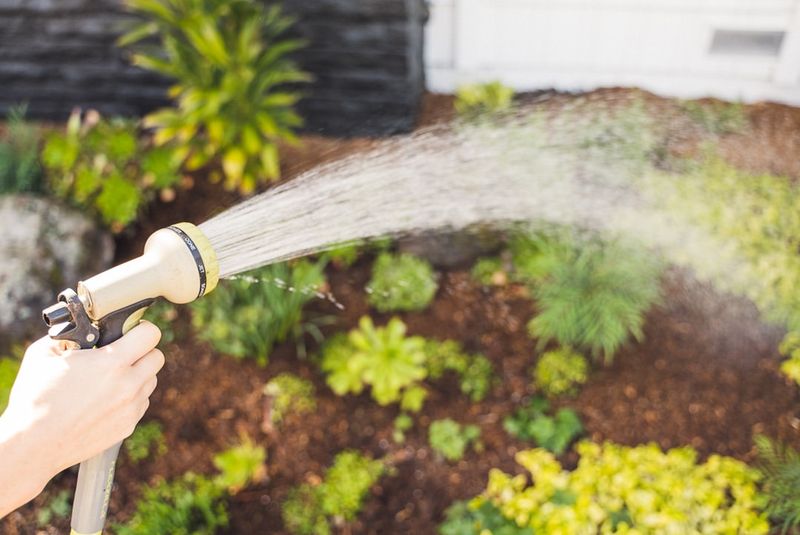
Water bills can climb fast during a dry summer, especially if you have a large garden. One of the most practical benefits of mulching is that it can seriously cut down on how much watering you need to do.
That saves both time and money over the course of the season. When mulch covers the soil, it slows evaporation significantly.
Instead of watering every day or two, many gardeners find they only need to water every three to four days once their beds are well mulched.
The soil stays moist longer between sessions, and plants show less signs of stress.
Drip irrigation and soaker hoses work even better when mulch is in place. The water goes directly to the root zone, and the mulch keeps it from evaporating before roots can absorb it.
This combination is one of the most water-efficient setups you can have in a summer garden.
In this state, water conservation is an important topic. Many communities have watering restrictions during dry summers, and reducing your water use is good for both your wallet and the local environment.
Mulch is one of the easiest ways to use less water without sacrificing plant health.
Getting mulch down before July means your soil is already protected when the dry season begins. You will not be playing catch-up when temperatures rise and plants start showing stress.
A few hours of mulching work now can save you dozens of hours of watering and worrying later in the summer season.