These 9 Foods Are Worth Growing Instead Of Buying In Oregon
Grocery prices can make a backyard harvest feel extra satisfying. In Oregon, certain foods are especially worth growing because they give you more value for the space they take up.
A small bed or container can turn into a steady source of fresh flavor when you choose well. The best picks are not always the biggest crops.
Sometimes they are the ones that cost more at the store or taste much better right after picking. Oregon’s growing season gives gardeners plenty of options, but timing still matters.
Cool spring days favor some crops, while warmer months bring others into their prime. Choose foods that fit your space and your kitchen habits, and the garden can start paying you back in the tastiest way.
1. Strawberries Pay Off With A Long Oregon Harvest
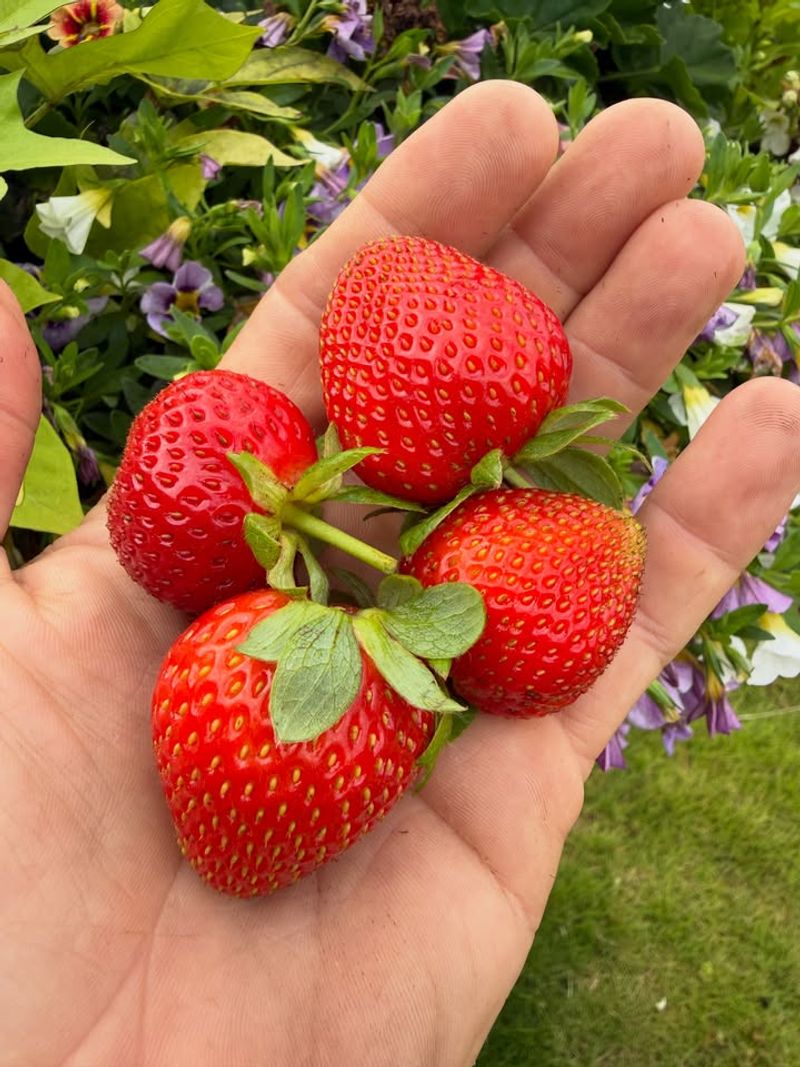
Few things beat the taste of a sun-warmed strawberry picked straight from your own garden.
Store-bought strawberries are often picked early, shipped long distances, and arrive at the store already losing their sweetness. Growing your own changes everything.
This state has one of the best climates in the country for strawberries. The cool nights and mild summers create berries with deep, rich flavor.
June-bearing varieties like Hood and Totem are local favorites that produce heavy crops. Everbearing types keep producing from spring all the way into fall.
A small strawberry patch can easily replace several grocery store cartons each season. Plants spread on their own through runners, so your patch actually grows bigger each year without much effort.
You spend less money over time while getting more fruit.
Planting is straightforward. Choose a sunny spot with well-drained soil, space plants about a foot apart, and keep them watered during dry stretches.
Mulching around the plants helps hold moisture and keeps weeds down. Slugs can be a problem in wetter areas, so check plants regularly.
After the first year, strawberry plants settle in and start producing well. Many gardeners report picking enough berries to eat fresh, freeze extras, and even make jam.
Over three to five years, a single planting pays back far more than it ever cost to start.
2. Raspberries Are Worth Growing For Fresh Flavor
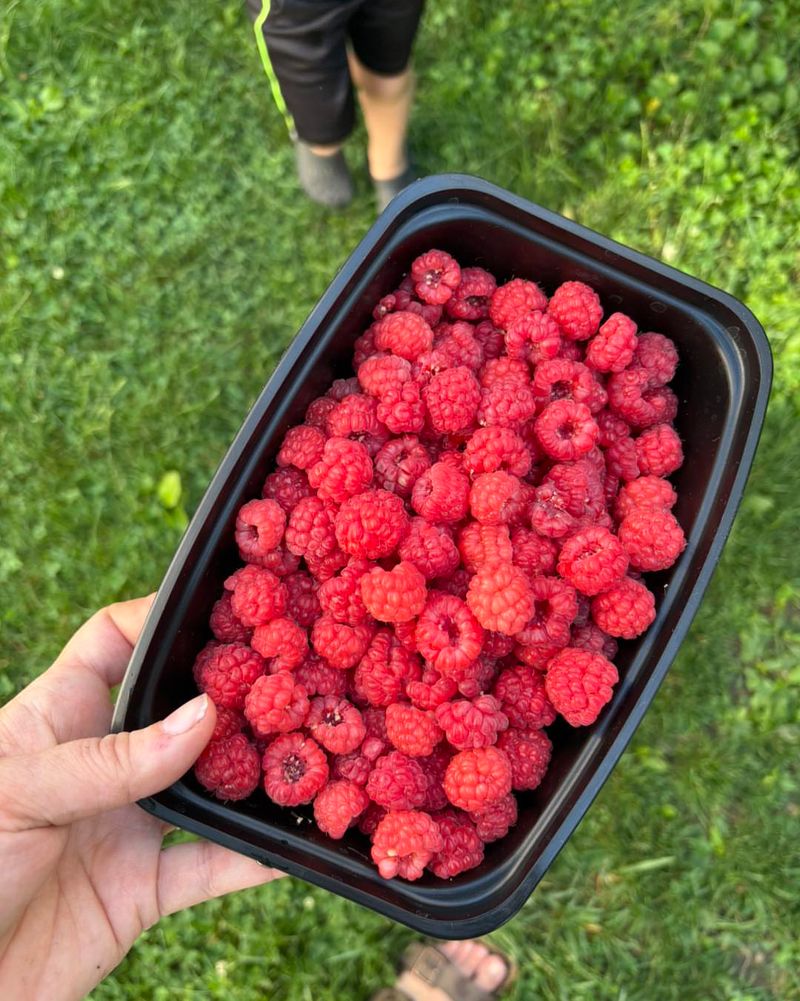
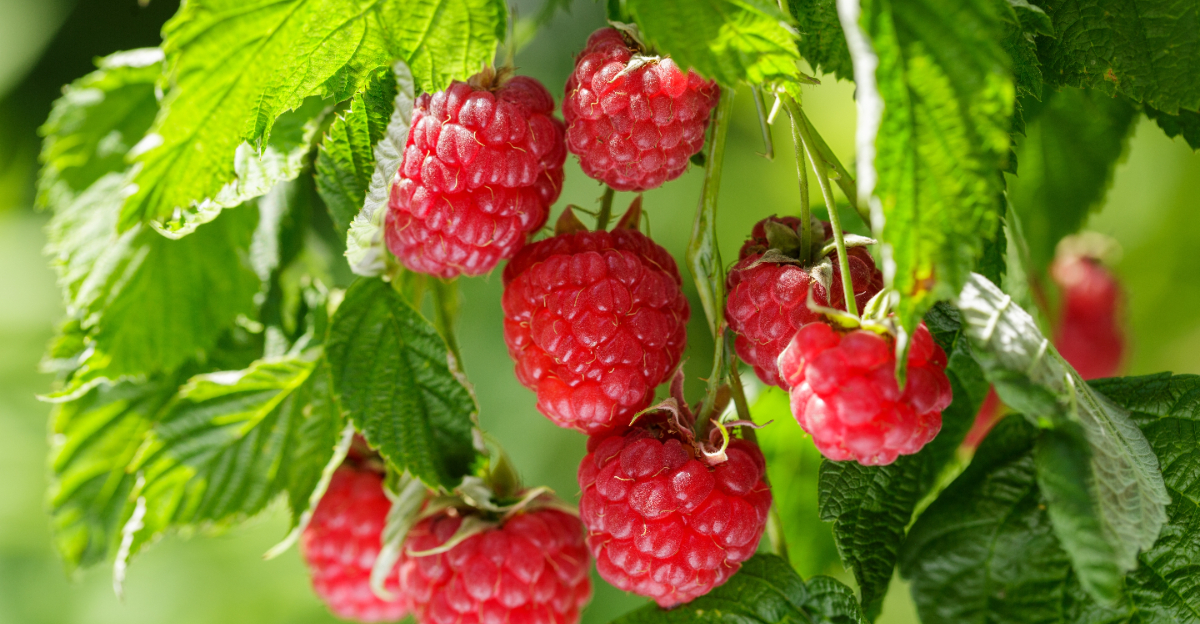
Raspberries from the grocery store rarely taste the way they should. They sit in plastic clamshells for days, getting soft and losing that bright, tangy flavor that makes them special.
Growing your own brings that flavor back. This state is genuinely excellent for raspberry growing. The Willamette Valley is actually one of the top raspberry-producing regions in the entire country.
The climate suits them perfectly, with cool springs and warm but not scorching summers. Varieties like Willamette and Meeker thrive here with very little fuss.
Raspberry canes are perennial, meaning you plant them once and harvest for many years. A single row of canes can produce several pounds of fruit each season.
That adds up fast when you consider how much a small container of raspberries costs at the store.
Care is simple once plants are established. They need a sunny spot, regular watering during dry months, and annual pruning to keep canes productive.
Your Oregon Garden Changes Every Week. Your Plan Should Too.
Gardening in Oregon changes quickly throughout the season. Every Friday you’ll receive a simple weekly plan showing exactly what to plant, prune, fertilize, harvest, and protect so you never miss the right timing.
Tying canes to a simple trellis keeps them upright and makes harvesting easier.
Fall-bearing varieties like Heritage give you two harvests a year, one in summer and another in early fall. That means fresh raspberries on your table for months.
Whether you eat them fresh, blend them into smoothies, or freeze them for winter, homegrown raspberries deliver way more value than anything you can buy at a store.
3. Blueberries Reward Gardeners With Years Of Harvests
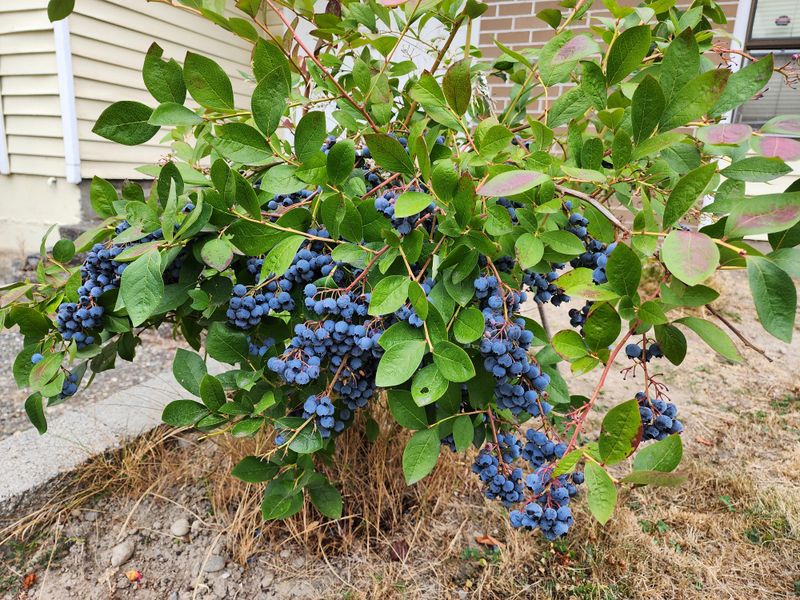
Blueberry bushes are one of the best long-term investments a gardener can make. Once established, a healthy bush can produce fruit for twenty years or more.
That is a lot of free blueberries compared to the price at the store.
Oregon has ideal growing conditions for blueberries. The naturally acidic soil in many parts of the region is exactly what blueberry plants need.
The western part of the state especially offers the right combination of rainfall, mild temperatures, and soil chemistry. Varieties like Bluecrop, Duke, and Chandler all perform well here.
Young bushes take a few years to reach full production, but the wait is worth it. By year three or four, a single bush can yield several pounds of berries each season.
Plant two or more varieties near each other to improve pollination and increase your harvest even more.
Blueberries need acidic soil with a pH between 4.5 and 5.5. If your soil is not acidic enough, adding sulfur or planting in raised beds with acidic mix works well.
Keep them watered consistently, especially during fruit development. Birds love blueberries too, so a simple net over the bushes protects your crop.
Compared to buying blueberries by the pint all summer, growing your own saves real money. Fresh homegrown blueberries also have better flavor and more antioxidants than fruit that has been sitting in cold storage for weeks.
4. Cherry Tomatoes Beat Store-Bought Ones Every Time
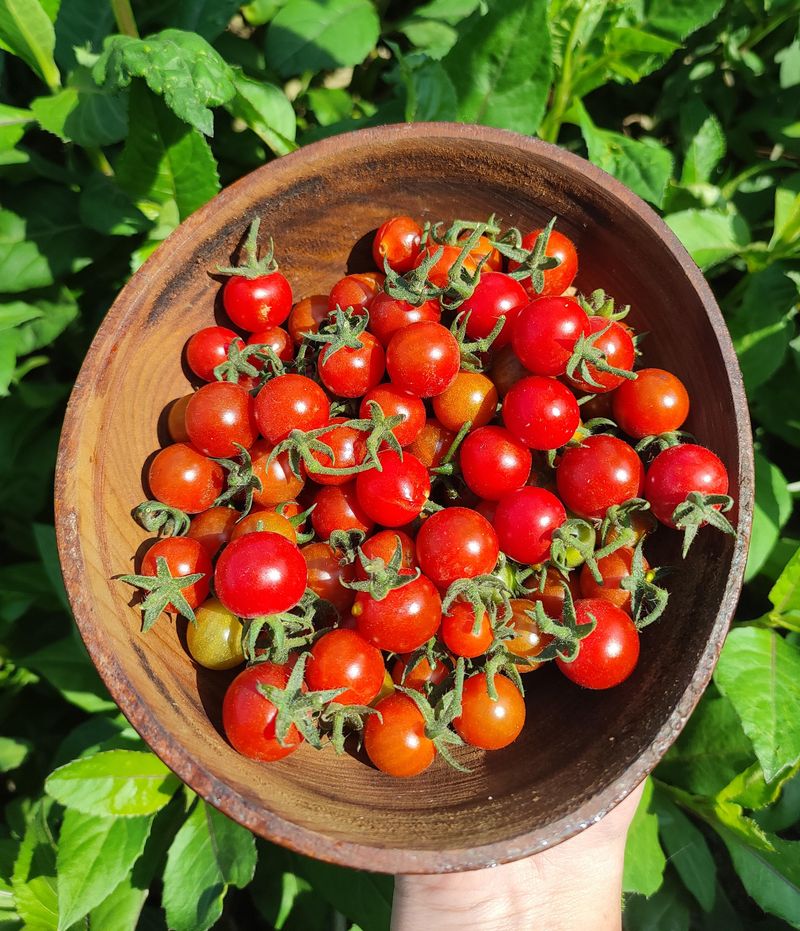
There is a reason so many gardeners grow cherry tomatoes every single year. The flavor difference between a homegrown cherry tomato and a store-bought one is almost shocking.
Store tomatoes are often picked green, gassed with ethylene to turn red, and shipped cold, which destroys their taste.
Cherry tomatoes are one of the easiest vegetables to grow in this state. They love warm days and cool nights, which is exactly what western Oregon summers deliver.
Varieties like Sungold, Sweet 100, and Black Cherry consistently perform well here and produce enormous amounts of fruit.
A single plant can yield hundreds of tomatoes in one season. That is far more than most families can eat fresh, which means you end up with extras to share, roast, or freeze.
Compare that to the price of a small container at the grocery store and the math becomes very clear.
Start seeds indoors about six to eight weeks before your last frost date. Transplant outside after the soil warms up, usually by late May in most parts of the state.
Give plants a sturdy cage or stake, water consistently, and feed with a balanced fertilizer every few weeks.
Cherry tomatoes ripen fast and keep coming all season long. Picking them regularly actually encourages the plant to produce more.
Few garden crops give you this kind of return on such a small investment of time and money.
5. Basil Saves Money Once Summer Cooking Starts
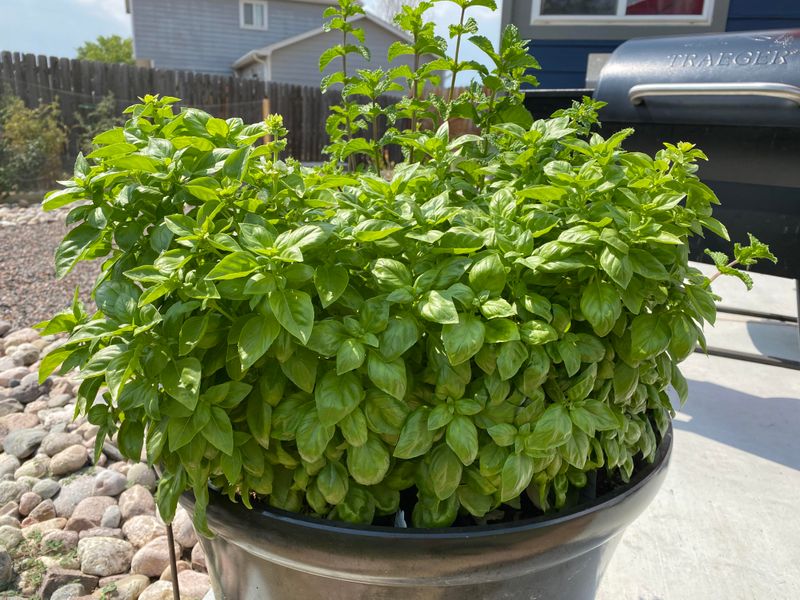
Buying fresh basil at the grocery store adds up fast. A small bunch often costs two to four dollars and wilts within a few days.
Growing your own means you always have fresh basil on hand, and it costs almost nothing once the plant is in the ground.
Basil thrives in Oregon’s warm summer months. It loves full sun and consistent warmth, so it does best planted outdoors after the last frost, usually by late May or early June.
Genovese basil is the most popular variety for cooking, but Thai basil and lemon basil also grow well here and add great variety to your kitchen.
A single healthy basil plant produces far more leaves than most people can use fresh. Harvesting regularly by pinching off the top leaves keeps the plant bushy and productive.
If you let it flower, leaf production slows down, so snip off any flower buds as they appear.
Basil pairs beautifully with homegrown tomatoes, making it the perfect companion crop in your garden. Use fresh leaves in pasta sauces, salads, sandwiches, and homemade pesto.
Pesto is one of the best ways to use a large harvest because it freezes well and lasts for months.
Starting basil from seed is incredibly cheap. A small packet of seeds costs less than one bunch of store-bought basil and can produce dozens of plants.
Once you try growing your own, paying grocery store prices will feel unnecessary.
6. Salad Greens Regrow Faster Than You Can Buy Them
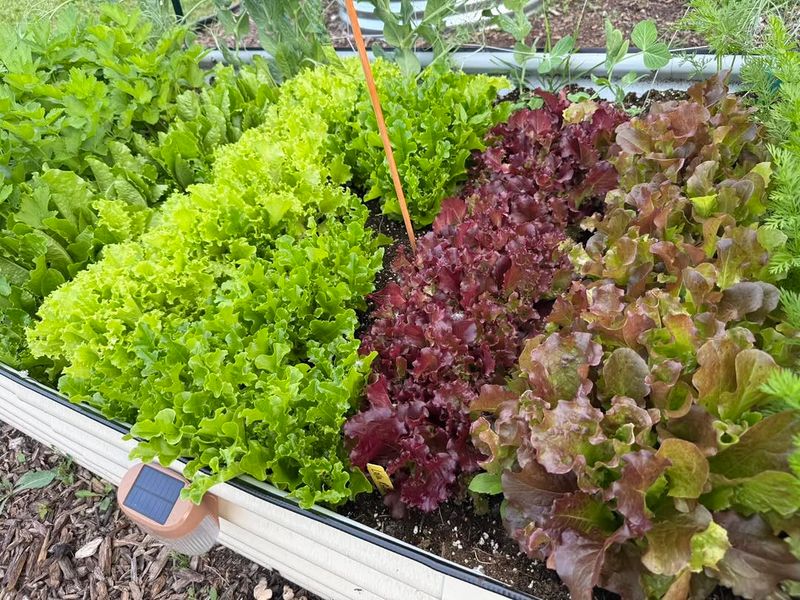
Salad greens might be the most practical crop any Oregon gardener can grow. They are fast, easy, and almost always cheaper to grow than to buy.
A bag of mixed greens at the store can cost four to six dollars and last only a few days in the fridge.
Our state’s cool and mild climate is perfect for lettuce, arugula, spinach, and other leafy greens. These crops actually prefer cooler weather, which makes them ideal for spring and fall growing here.
They can even handle light frosts, extending your harvest season well beyond summer.
The best part about salad greens is the cut-and-come-again method. You simply snip the outer leaves and the plant keeps growing new ones from the center.
One planting can give you multiple harvests over several weeks. Succession planting, where you sow new seeds every two to three weeks, keeps greens coming all season long.
Growing in a raised bed or even a container on a porch works great. Use a good potting mix, keep soil moist, and give plants at least four to six hours of sunlight.
In the heat of summer, a little afternoon shade actually helps prevent the plants from bolting too quickly.
Seed packets are inexpensive and contain hundreds of seeds. A small packet can produce far more salad than your family could eat in a season.
Fresh homegrown greens also taste noticeably better and stay crisp much longer than pre-washed bags from the store.
7. Snap Peas Taste Best Straight From The Vine
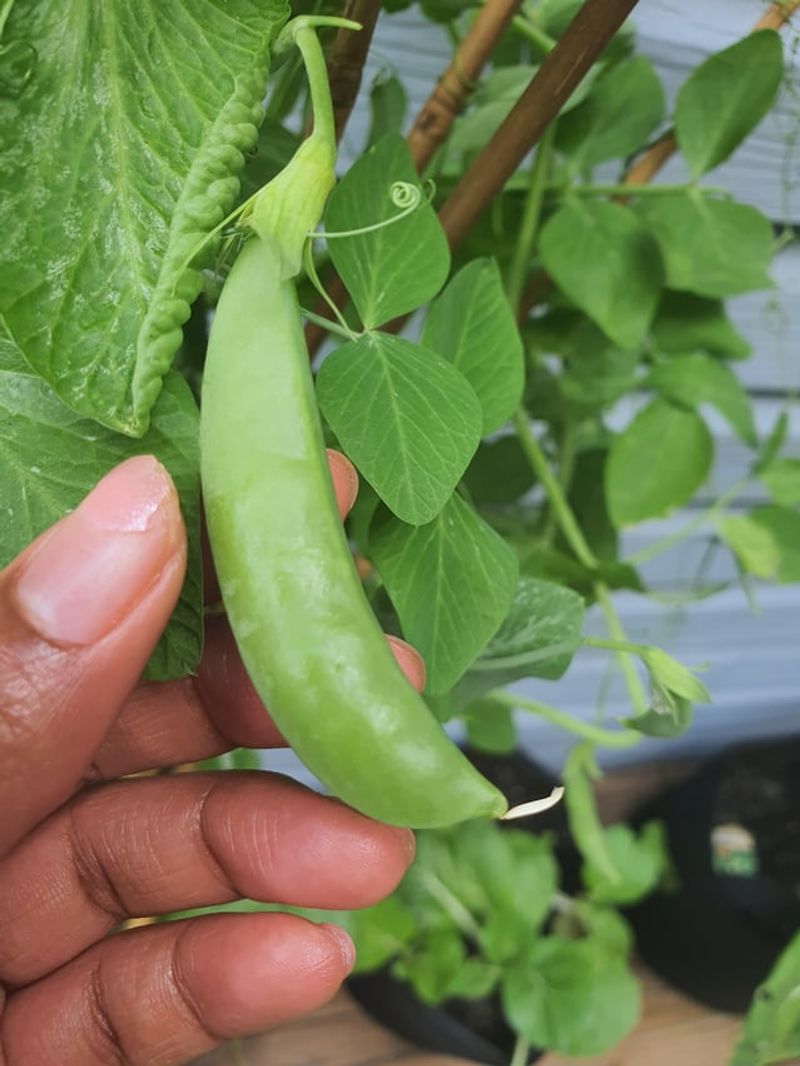
Anyone who has eaten a snap pea right off the vine knows exactly why homegrown beats store-bought. The sweetness starts fading the moment a pea is picked.
By the time store peas travel from a farm, through a warehouse, and onto a shelf, that fresh crunch and natural sweetness are already long gone.
Snap peas are one of the earliest crops you can plant in this state. They actually prefer cool soil and can go in the ground as early as February or March in many parts of western Oregon.
Sugar Snap and Oregon Sugar Pod are two varieties that perform exceptionally well here, and the Oregon Sugar Pod variety was actually developed right in the Willamette Valley.
These plants grow fast and produce heavily. A short row of snap peas can yield enough pods for daily snacking and stir-fries throughout the spring.
They grow upward on a trellis or simple stick supports, which saves ground space in smaller gardens.
Planting is as simple as pushing seeds directly into the soil about an inch deep. No starting indoors is needed.
Water regularly and give them something to climb. Harvest pods when they are plump but still bright green and crisp.
Snap peas are also great for kids who might be picky about vegetables. Sweet, crunchy, and fun to pick, they make gardening feel rewarding.
The cost of a seed packet is minimal, and the return in fresh pods is generous all season long.
8. Green Beans Produce More Than One Grocery Bag
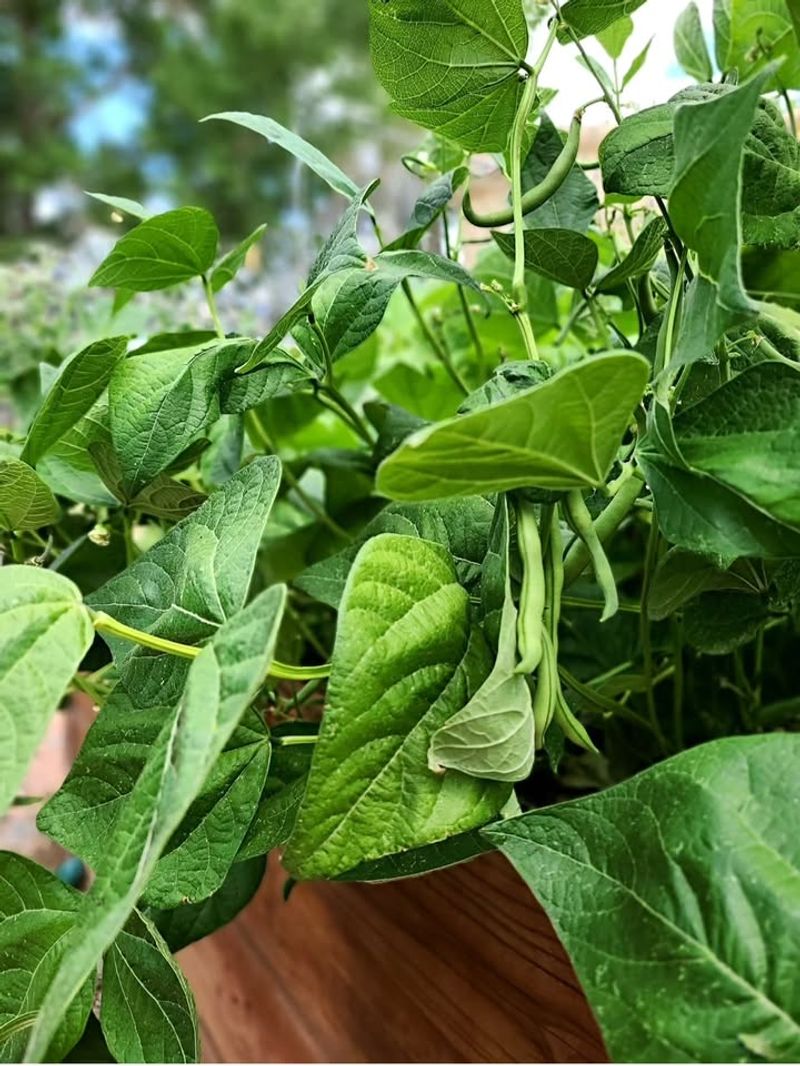
Green beans are the kind of crop that keeps on giving. Most gardeners plant a short row expecting a modest harvest and end up with far more beans than they planned for.
That kind of abundance is exactly why this crop is worth growing instead of buying.
The warm summers in our state give green beans exactly what they need to thrive. Bush bean varieties like Provider and Blue Lake are popular here because they produce heavily without needing stakes or trellises.
Pole bean varieties like Kentucky Wonder grow taller and produce even longer if you give them something to climb.
One packet of seeds can plant an entire raised bed and cost just a couple of dollars. That same planting can yield pounds and pounds of fresh beans over several weeks.
Compare that to the price of a pound of green beans at the grocery store and the savings become obvious very quickly.
Green beans are direct-sow crops, meaning you push seeds right into warm soil after the last frost. They sprout fast, usually within a week, and start producing in about fifty to sixty days.
Keep picking pods regularly because leaving mature beans on the plant signals it to slow down production.
Blanching and freezing extra green beans is easy and extends your harvest well into winter. Frozen homegrown beans hold their texture and flavor far better than canned store versions.
Few crops give beginners this much return for so little effort and cost.
9. Zucchini Gives Oregon Gardeners A Big Return
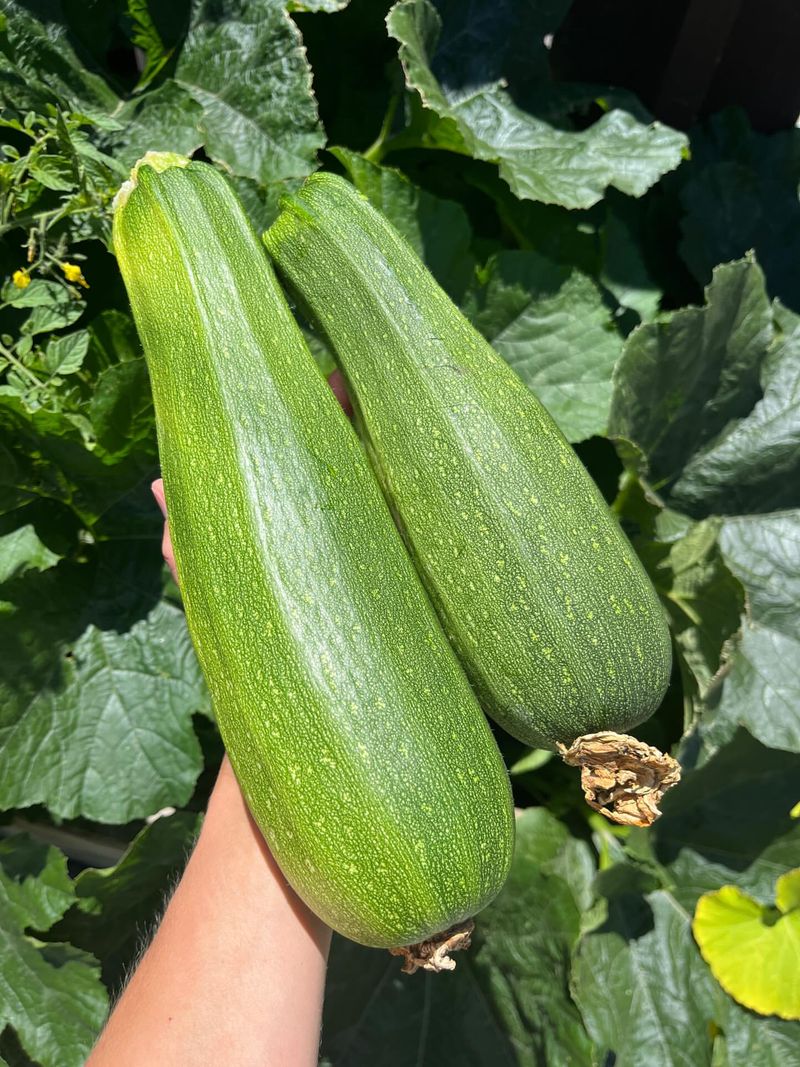
Zucchini has a reputation for being almost too productive. Gardeners across the state joke about leaving bags of zucchini on neighbors’ porches because their plants produce more than any one family can eat.
That kind of abundance is actually a great problem to have when you consider store prices for fresh squash.
Warm summer temperatures in this state suit zucchini perfectly. Plants go in the ground after the last frost, usually in late May, and within two months they are producing full-sized squash.
Dark Star, Black Beauty, and Costata Romanesco are varieties that grow vigorously here and deliver excellent flavor.
A single zucchini plant can produce a dozen or more squash in a season. At current grocery store prices for fresh zucchini, that adds up to significant savings from just one plant.
Most gardeners plant two or three, which means the harvest can feel almost endless through summer and into early fall.
Zucchini plants need space. Give each plant at least three feet in every direction.
They need full sun, consistent watering at the base of the plant, and occasional feeding with a vegetable fertilizer. Powdery mildew can appear on leaves later in the season, but it rarely affects fruit production much.
Pick zucchini when it is six to eight inches long for the best flavor and texture. Letting them grow too large makes them seedy and less tasty.
Smaller zucchini are sweeter, more tender, and far more enjoyable than the oversized ones you sometimes find at grocery stores.