Beautiful Florida Native Plants To Grow Instead Of Hydrangeas
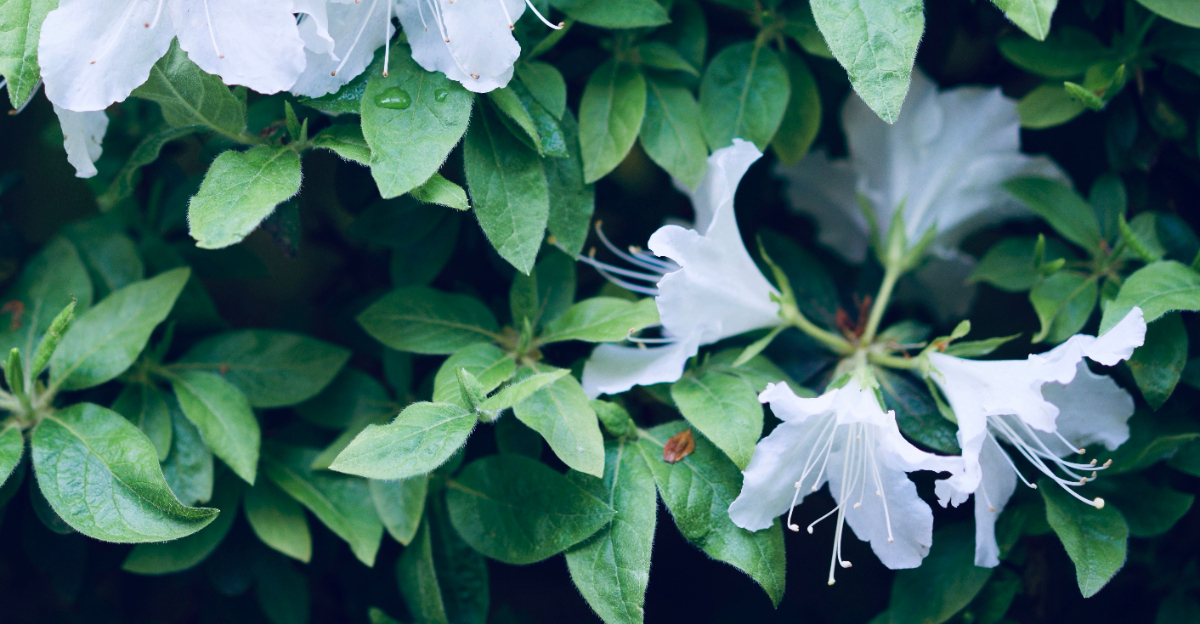
Hydrangeas are beloved and Florida is mostly the wrong place for them. The heat stress, the humidity swings, the alkaline soil that throws off bloom color, the constant supplemental watering just to keep them from looking rough by July.
Gardeners bring them home chasing the look they fell in love with somewhere else and spend the next few seasons wondering what they are doing wrong. Most of the time nothing is wrong except the plant.
Florida has native flowering shrubs that deliver genuine beauty without any of that struggle. Bold bloom clusters, interesting texture, wildlife value, and the kind of staying power that comes from a plant that actually belongs in this climate.
Some of them look nothing like hydrangeas and are better for it. Others scratch the same itch with their own distinct character.
All of them make more sense in a Florida yard than a plant quietly fighting the climate every single season.
1. Plant Oakleaf Hydrangea For Native Blooms With Real Hydrangea Drama
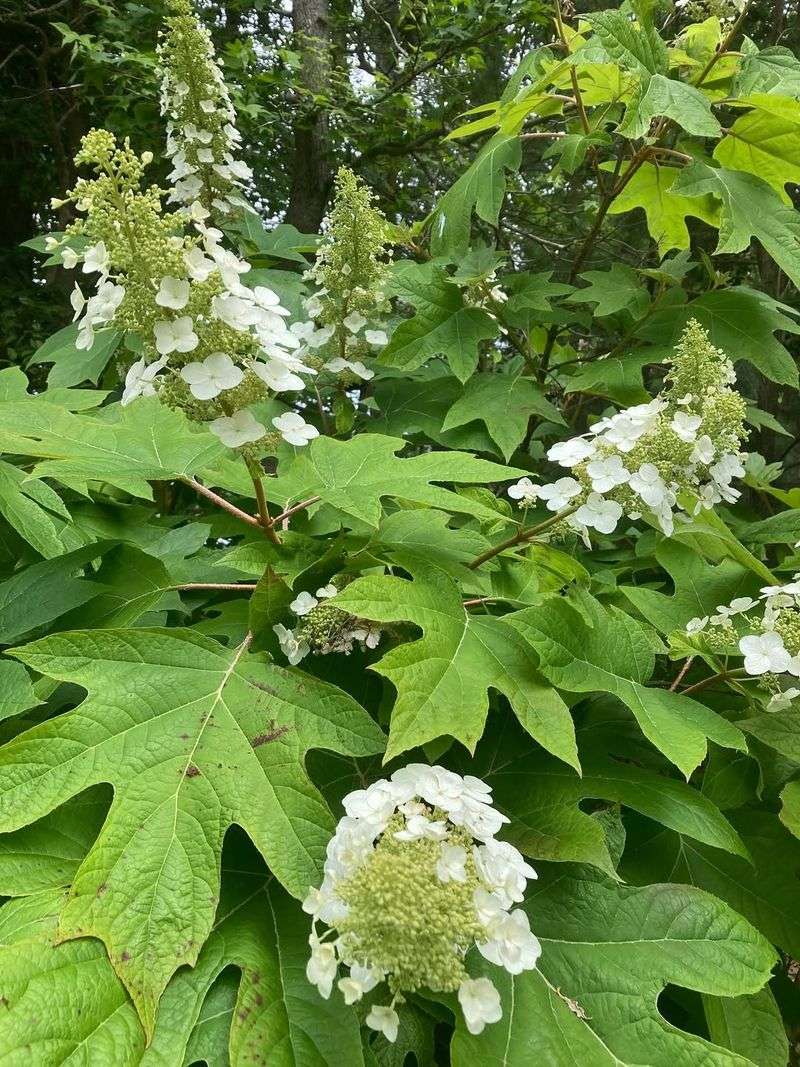
I’m sure you’re surprised to see a hydrangea on a list of hydrangea alternatives. But oakleaf hydrangea is not the stiff, formal mophead type that fills nursery displays and front-yard foundation beds.
This is a different kind of hydrangea story: looser, woodsier, more naturalistic, and genuinely native to the southeastern United States, including northern parts of Florida.
According to UF/IFAS, Hydrangea quercifolia is a deciduous native shrub that produces large, cone-shaped panicles of white flowers in late spring to early summer.
Those blooms age from creamy white to a soft pinkish-tan as the season moves along, giving the garden a long window of interest.
The bold, deeply lobed leaves resemble oak leaves, which is exactly where the common name comes from.
Fall color is another reason to love this plant. UF/IFAS notes that the foliage can turn shades of red, orange, and burgundy in autumn, adding a second season of visual interest.
Peeling, cinnamon-colored bark provides texture through winter after the leaves drop.
Oakleaf hydrangea performs best in partial shade with moist, well-drained soil. It fits woodland garden edges, naturalistic borders, and shaded foundation beds with room to spread.
Mature plants can reach 6 to 8 feet tall and wide, so give it space. This is the native hydrangea option for gardeners who want the romance and drama of hydrangea blooms without the overly polished, catalog-style look.
2. Choose Sweetspire For Fragrant White Flower Spires
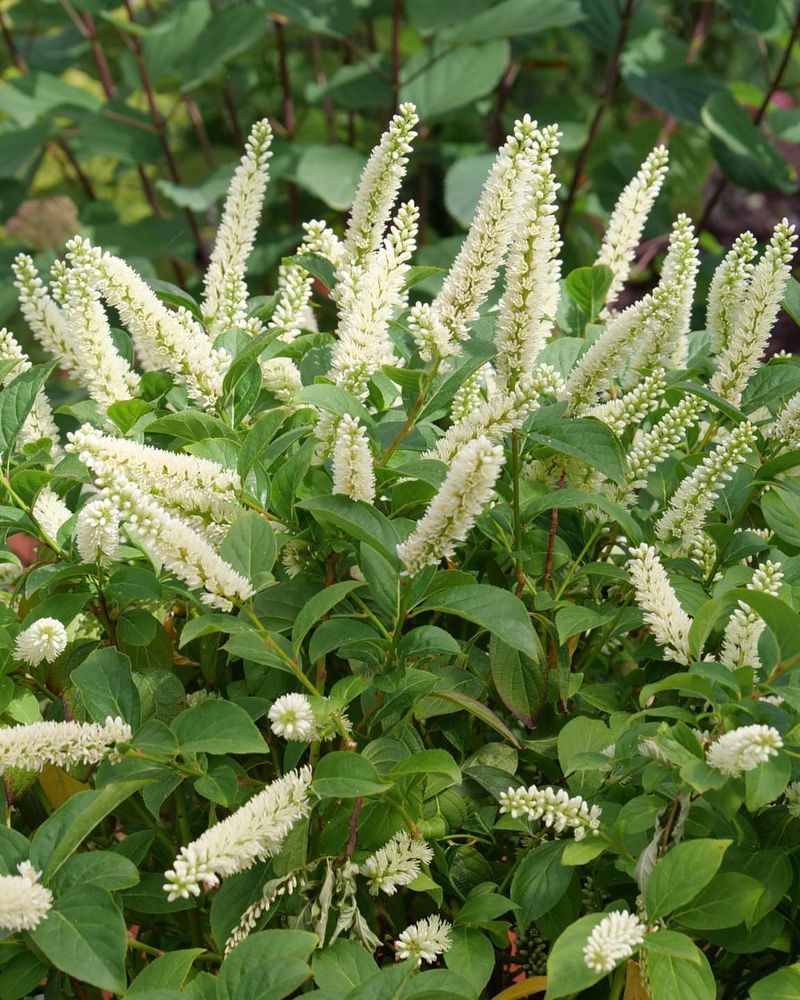
A shady garden bed that needs soft white flowers and a graceful, arching shrub shape does not have to settle for a struggling mophead hydrangea planted in the wrong spot.
Virginia sweetspire, known botanically as Itea virginica, brings its own quiet elegance to moist or partly shaded spaces where hydrangeas often fail to thrive.
UF/IFAS notes that sweetspire produces clusters of small, fragrant white flowers on arching racemes in late spring to early summer.
The blooms have a sweet scent that carries through the garden on warm mornings, which adds a sensory layer that large-flowered shrubs rarely provide.
Your Florida Garden Changes Every Week. Your Plan Should Too.
Gardening in Florida changes quickly throughout the season. Every Friday you’ll receive a simple weekly plan showing exactly what to plant, prune, fertilize, harvest, and protect so you never miss the right timing.
The plant has a graceful, relaxed shape that softens borders and woodland edges naturally.
Fall color is a genuine bonus. According to UF/IFAS, sweetspire foliage turns deep red to burgundy in autumn, and the color often holds for several weeks.
The plant tolerates moist to wet soils and performs well in rain garden edges, low-lying beds, and partially shaded borders where drainage is inconsistent.
Sweetspire spreads slowly by suckers, forming a loose colony over time that looks natural in informal plantings. It is a good choice for gardeners who want white flower romance without the fuss of coaxing a non-native hydrangea through summer heat.
Native plant nurseries and specialty growers are reliable sources for finding healthy, locally grown specimens.
3. Grow Native Azaleas For Soft Spring Color In Light Shade
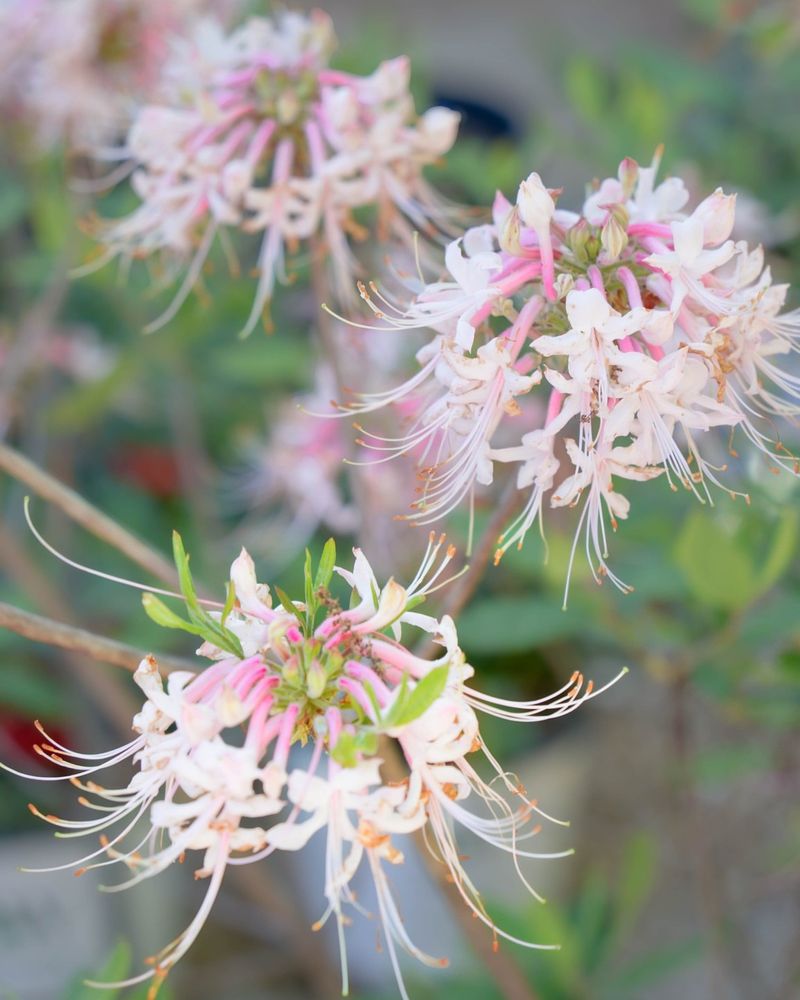
A shaded garden bed that feels flat and lifeless in spring does not need a row of formal hydrangeas to come alive.
Native azaleas bring a dreamy, flowering-shrub quality to partly shaded spaces that feels less like a catalog and more like a woodland clearing full of color and life.
Several native azalea species are found across different regions of this state, including Rhododendron canescens, commonly called piedmont azalea or wild azalea.
UF/IFAS notes that this species produces fragrant, pale pink to white flowers before or alongside the new leaves in early spring.
That early bloom time is part of what makes native azaleas feel so magical, the flowers appear before the garden fully wakes up.
Pollinator value is significant. The Florida Wildflower Foundation notes that native azaleas attract native bees, butterflies, and hummingbirds.
Their tubular flowers are well suited to pollinators that need a nectar source in the early season before many other shrubs have opened.
Different native azalea species have different ranges, moisture needs, and cold tolerance, so regional research matters before choosing one. Northern regions generally support more species than southern regions.
Moist, acidic, well-drained soil in partial shade is a common requirement across most native azalea species.
Look for plants at native plant sales or specialty nurseries, and always ask for the botanical name to be sure you are getting a true native species.
4. Use Buttonbush Where Hydrangeas Would Stay Too Wet
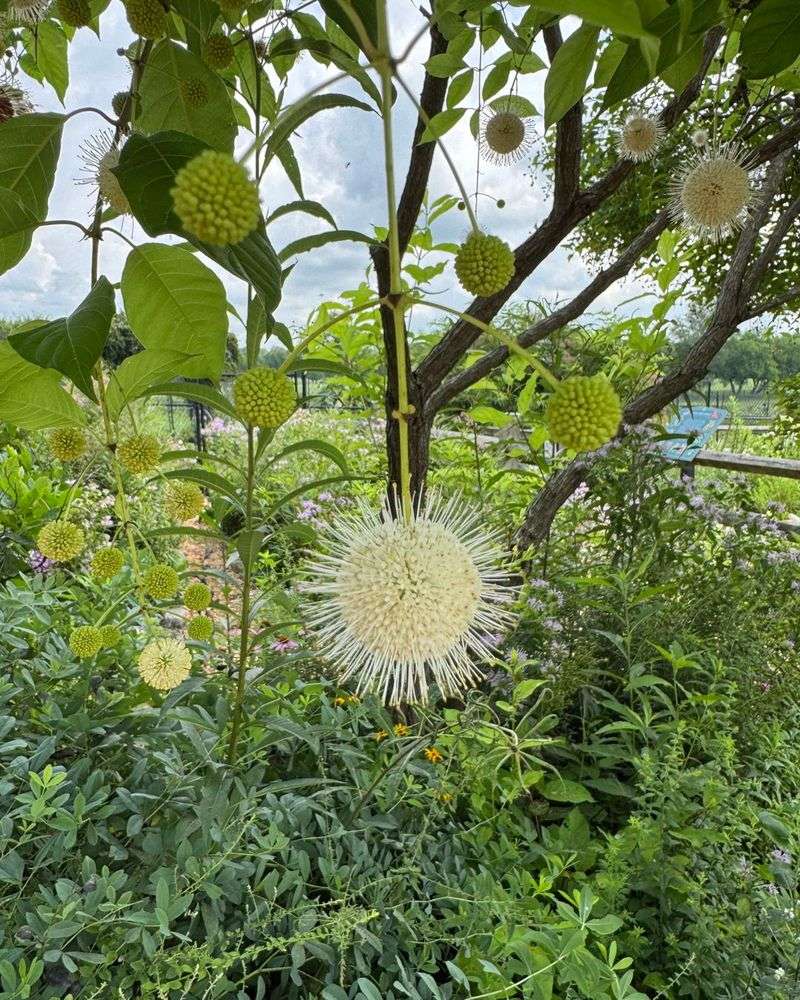
Every yard seems to have at least one low, soggy corner where water pools after rain and most flowering shrubs simply give up. That spot does not have to stay bare or overgrown with weeds.
Buttonbush, or Cephalanthus occidentalis, is a native shrub built for exactly that kind of wet, challenging site.
UF/IFAS describes buttonbush as a large deciduous shrub or small tree that thrives in wet to seasonally flooded areas.
The flowers are round, globe-shaped white clusters that appear in summer, giving the plant a distinctive look unlike most other flowering shrubs.
Each flower head is about an inch across and covered in tiny, fragrant florets that attract a wide range of pollinators.
Wildlife value is outstanding. According to UF/IFAS, buttonbush flowers draw bees, butterflies, and hummingbirds, while the seeds attract waterfowl and other birds in fall and winter.
That combination of bloom interest and wildlife support makes it a strong native choice. It works well for wet corners, pond edges, rain gardens, and low-lying beds where standing water is common.
Buttonbush can grow quite large, reaching six to twelve feet tall in good conditions, so it is not the right fit for a narrow foundation bed or a dry planting area.
Planted in the right wet site, though, it delivers the big-shrub bloom impact that gardeners often hope for from hydrangeas.
It does that without the struggle of keeping a moisture-sensitive plant alive through a rainy season.
5. Plant Fringetree For Airy White Flowers Above A Garden Bed
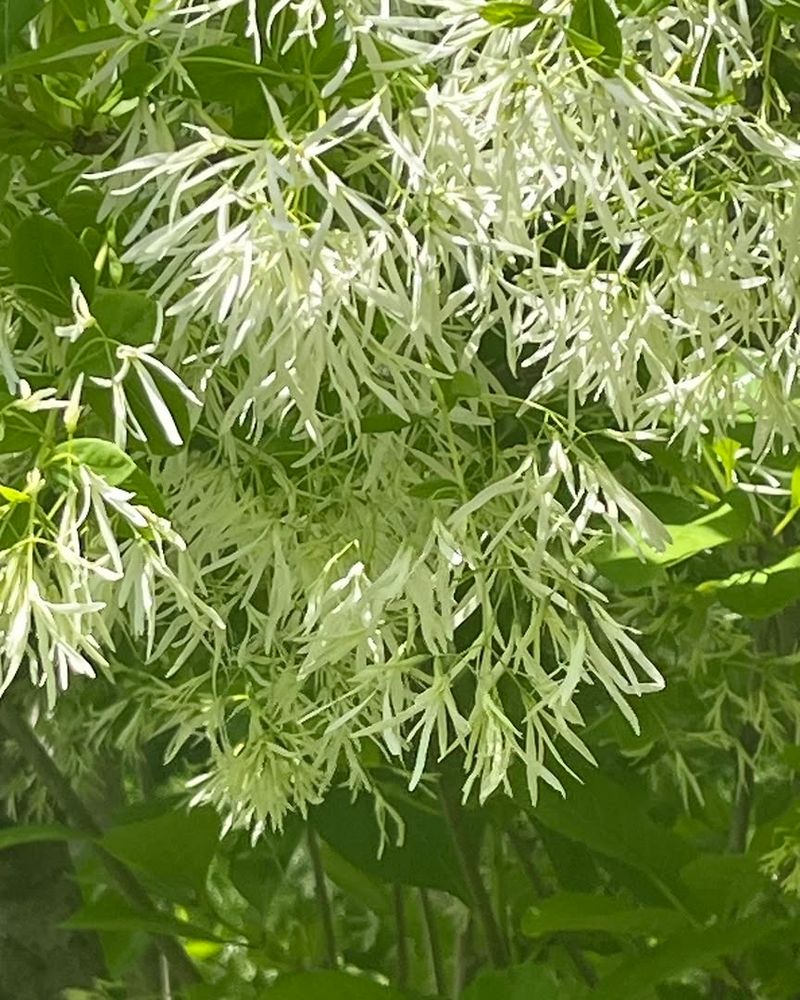
Soft, cloud-like white flowers floating above a garden bed in early spring create the kind of scene that makes visitors stop walking and just look. Fringetree, known botanically as Chionanthus virginicus, delivers exactly that kind of moment.
It does so as a native small tree or large multi-stemmed shrub that fits naturally into home landscapes across northern and central regions.
UF/IFAS describes fringetree as a slow-growing native plant that produces drooping clusters of fragrant, strap-like white flowers in spring.
The bloom display is brief but genuinely stunning, with the feathery flower clusters covering the plant before the leaves fully expand.
That airy, fringe-like texture is completely different from the round bloom balls many people associate with hydrangeas. But it creates a similar sense of romantic abundance.
Fringetree is dioecious, meaning male and female flowers occur on separate plants. Female plants produce clusters of small, dark blue fruits in late summer that are eaten by birds.
UF/IFAS notes that the plant grows in moist, well-drained soils in full sun to partial shade and can eventually become a small tree reaching fifteen to twenty feet tall.
Because of its eventual size, fringetree works best as a focal point above lower native plantings rather than as a compact foundation shrub. Give it room and let it develop naturally.
Native nurseries and specialty growers are the most reliable places to find locally sourced plants.
6. Choose Wild Coffee For Glossy Shade Texture And Red Fruit
A shady side yard that needs structure and year-round presence does not always need a flowering shrub to feel lush and finished.
Sometimes the right answer is a plant with deeply glossy leaves that catch every bit of filtered light and hold the garden together through every season.
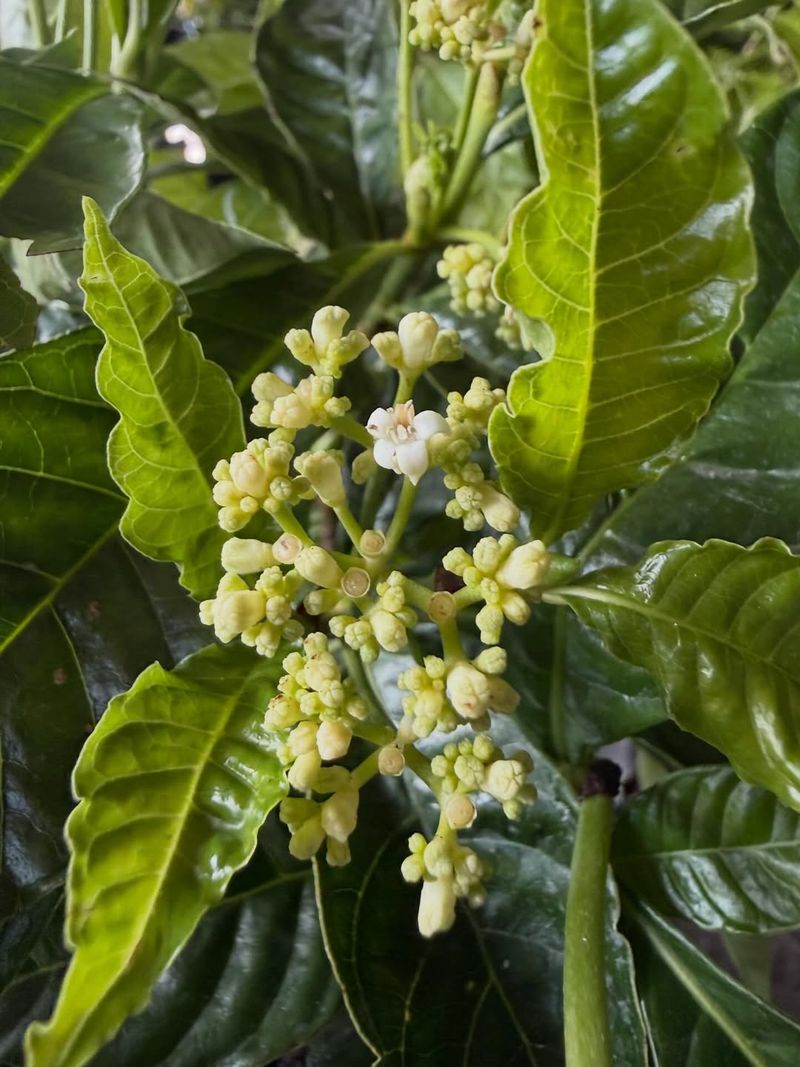
Wild coffee, or Psychotria nervosa, does exactly that in the warm, shaded gardens of southern and central regions.
UF/IFAS describes wild coffee as a native evergreen understory shrub with glossy, deeply veined dark green leaves that give it a rich, tropical texture. Small white flowers appear in spring and summer, followed by clusters of bright red fruit that ripen in fall.
The fruit is eaten by birds, including several migratory species that depend on native fruiting shrubs during their travels.
Shade tolerance is one of its strongest qualities. Wild coffee performs well in full to partial shade, making it useful for spots under tree canopies where most flowering shrubs refuse to grow.
UF/IFAS notes that it is best suited to southern regions of this state due to its sensitivity to frost and freezing temperatures.
The comparison to hydrangeas here is not about flowers. Wild coffee replaces the lush, layered look that gardeners want from shade-loving shrubs.
It offers glossy foliage, seasonal fruit color, and quiet wildlife value instead of large blooms. Ask for it by botanical name at native nurseries, since common names can vary across different plant sellers.
7. Grow Garberia For Lavender Color In Dry Sandy Sites
Sandy, sun-baked beds where the soil drains almost before the rain stops falling are not the right home for a hydrangea. That is true no matter how much someone wants soft pastel color there.
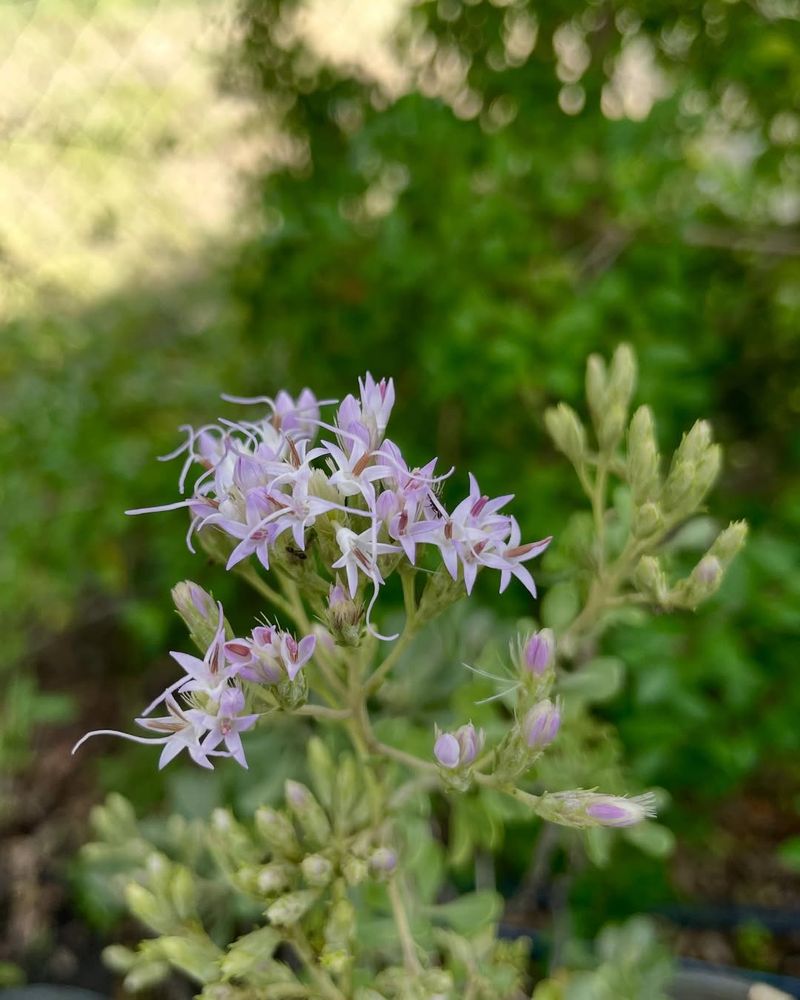
Garberia, known botanically as Garberia heterophylla, is a native shrub that actually belongs in that kind of dry, open, sunny landscape. It brings its own quiet pastel beauty to spaces where most flowering shrubs would struggle.
According to the Florida Wildflower Foundation, garberia is a native shrub endemic to Florida, meaning it grows naturally nowhere else in the world.
It produces clusters of small lavender to pinkish-purple flowers in fall, offering late-season color at a time when many other shrubs have finished blooming.
The flowers attract butterflies and other pollinators looking for a late-season nectar source.
Garberia is associated with scrub habitats, one of the most distinctive and endangered ecosystems in this state. UF/IFAS notes that it is adapted to well-drained, nutrient-poor sandy soils in full sun.
Trying to grow it in rich, moist, or shaded soil will likely lead to poor performance, so matching it to the right site is essential.
Finding garberia at a standard garden center can be difficult. Native plant society sales, native nurseries, and specialty growers are the most reliable sources.
Always ask for the botanical name and never remove plants from wild scrub areas, which are protected habitats that cannot be restored once disturbed.
8. Use Beautyberry For Purple Fruit Instead Of Pastel Blooms
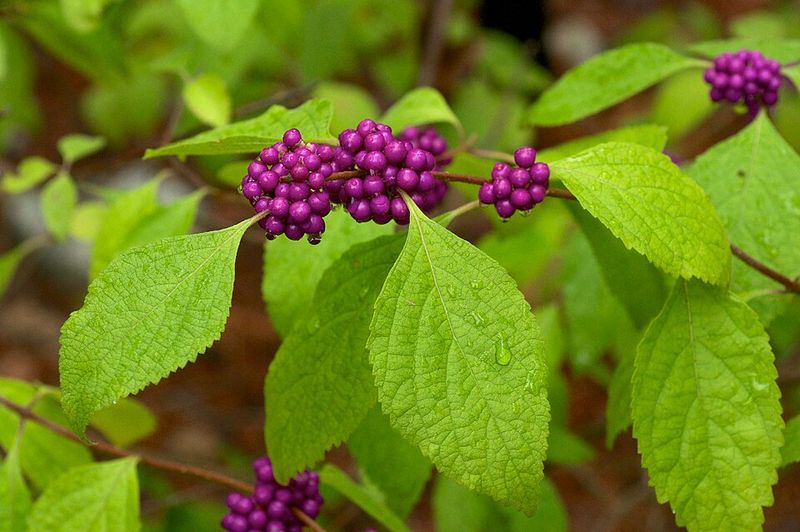
Forget the bloom-ball expectation for a moment and picture something completely different. Think of tight, jewel-bright clusters of purple berries wrapped around arching branches like strings of tiny amethysts.
American beautyberry, or Callicarpa americana, trades the pastel flower drama of hydrangeas for a fall fruit display. It genuinely stops people mid-step and makes them ask what that plant is.
UF/IFAS describes American beautyberry as a fast-growing native shrub that produces small, lavender-pink flowers in spring, which are attractive to pollinators.
The real show comes later in summer and fall, when the berries ripen into vivid magenta-purple clusters that line every branch.
Birds, including brown thrashers, mockingbirds, and towhees, feed heavily on the fruit, making it a strong wildlife plant.
The plant has a loose, arching, somewhat floppy shape that fits informal borders, woodland edges, and naturalistic plantings far better than tight formal foundation beds.
UF/IFAS notes that beautyberry can be pruned hard in late winter to keep it manageable, and it will regrow vigorously.
It tolerates partial shade and adapts to a range of soil types, including moist or dry conditions once established.
Self-seeding can produce new plants nearby, which is welcome in a naturalistic garden but worth managing in a more structured bed. Beautyberry is widely available at native nurseries and increasingly found at garden centers across the state.
Its seasonal color and wildlife value make it one of the easiest native shrubs to fall in love with.