What Attracting More Frogs To Your Florida Yard Does To The Mosquito Population Overnight
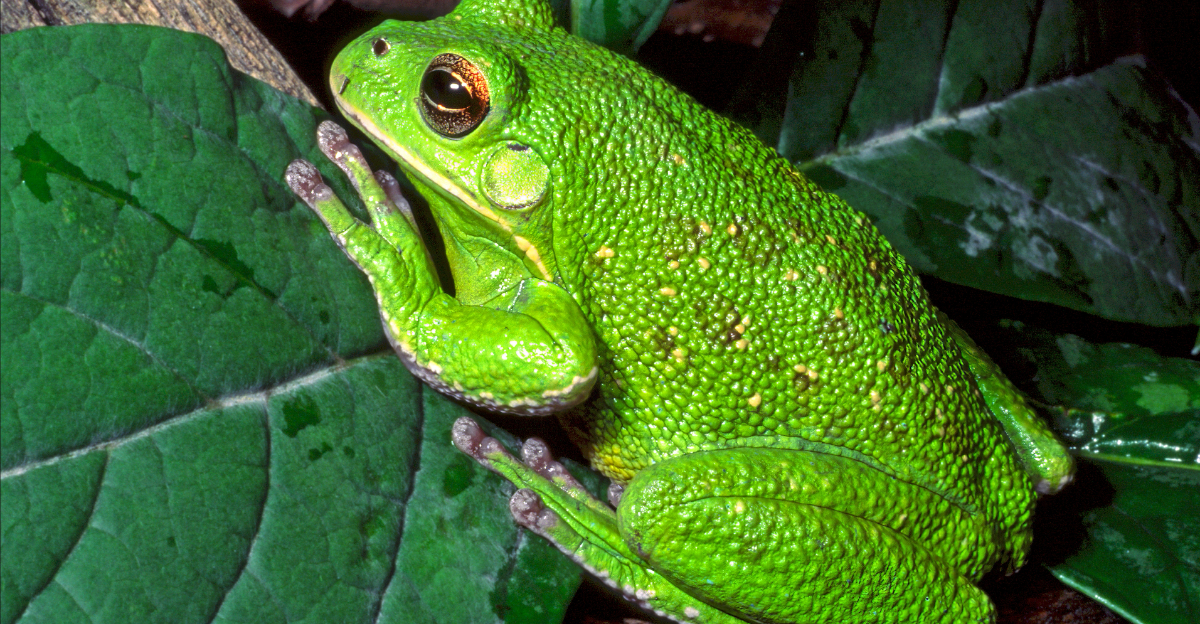
Frogs do not get enough credit in a Florida yard. They are out there every night, working the perimeter and hitting the exact hours when mosquitoes are most active.
They ask for nothing in return beyond a yard that makes them feel welcome enough to stay. A Florida yard with a healthy frog population is a different kind of outdoor space after dark.
Not perfect, not a mosquito-free zone. Just noticeably better than a yard where frogs have nothing to work with.
The shift can happen faster than most homeowners expect. Frogs move in quickly when conditions are right, and what counts as right is simpler than most people assume.
A few targeted changes create the kind of environment frogs find worth claiming as territory. What follows from that, especially during peak mosquito hours, is one of the more satisfying natural cause and effect relationships a yard can produce.
1. Do Not Expect Frogs To Clear Mosquitoes Overnight
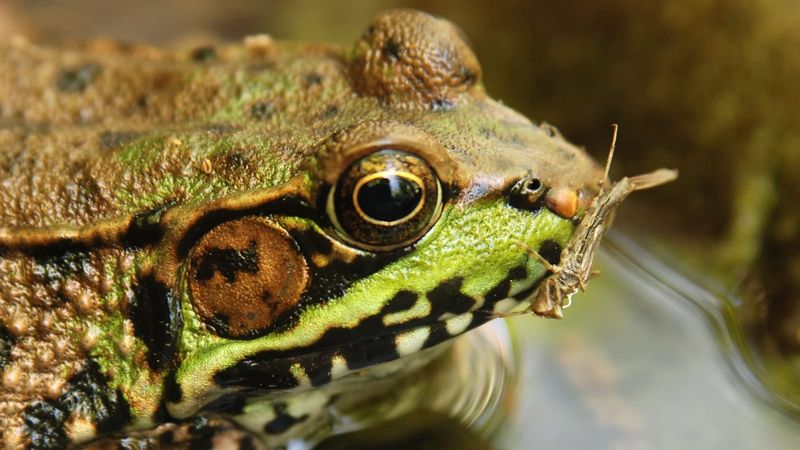
Here is the honest answer upfront: frogs will not empty your yard of mosquitoes by morning. They can eat adult mosquitoes along with many other small insects, but they are one piece of a much larger puzzle.
Expecting them to act like an overnight pest-control service will only lead to frustration.
Mosquito populations are shaped by several factors working together. Rainfall, standing water, warm temperatures, nearby breeding sites, and local control efforts all play a role in how many mosquitoes show up in your yard each evening.
A frog sitting on your porch railing, no matter how hungry, cannot undo all of those conditions on its own.
What frogs can do is contribute to a healthier backyard food web. They are natural predators that feed on a wide range of small prey.
Their presence signals a yard with enough shelter, moisture, and insect activity to support wildlife. That kind of ecological balance is genuinely valuable.
Think of frogs as helpful teammates rather than solo problem-solvers. They work best when you are also removing standing water, maintaining your property, and following local mosquito-control guidance.
Together, those steps create real, lasting results.
2. Let Frogs Join The Night Shift
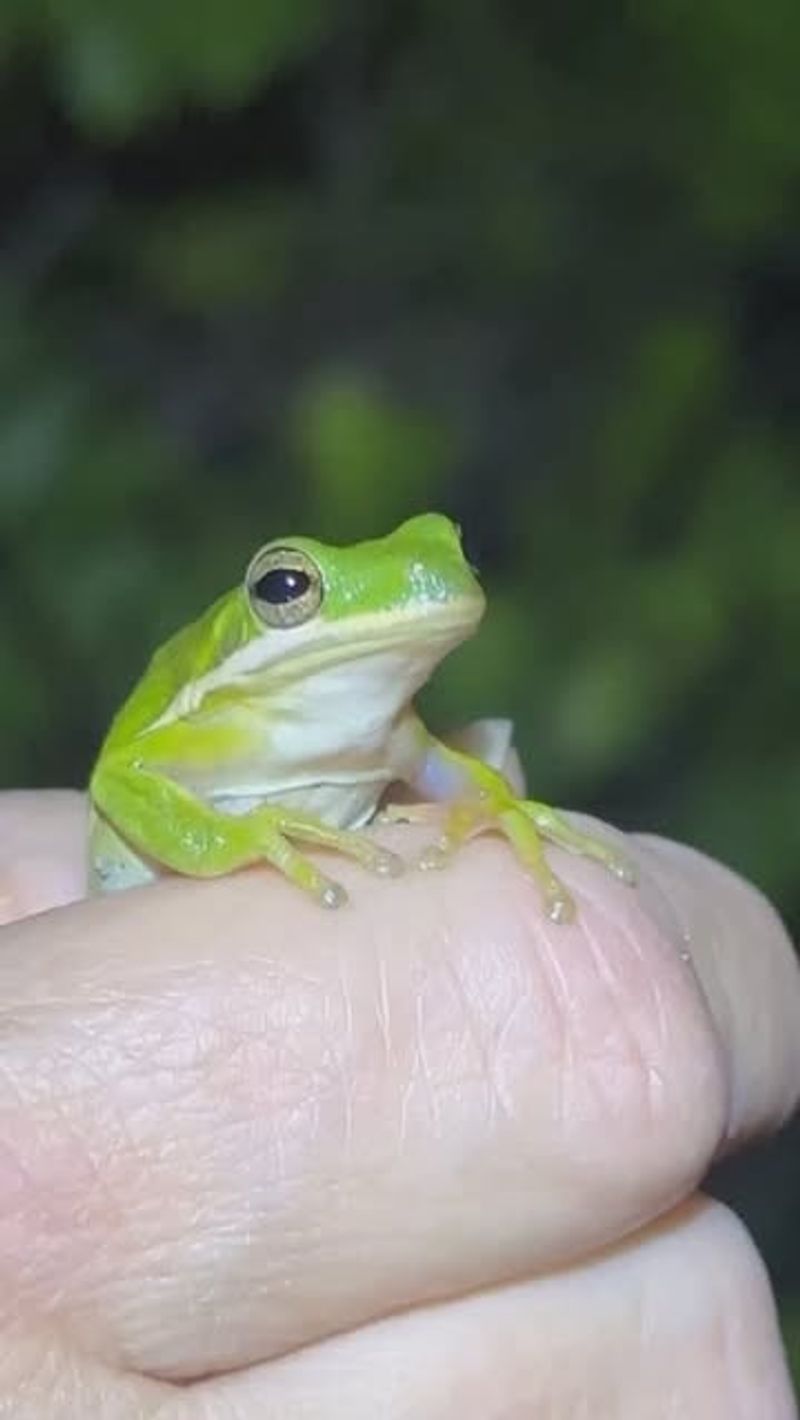
Long after your porch light flicks on and the evening air fills with buzzing, frogs are already clocking in for their shift. Many native frog species in the Sunshine State are most active at night, which puts them right in the middle of peak insect activity.
That timing matters more than most homeowners realize.
During those nighttime hours, frogs hunt by sight and movement. They will snap at mosquitoes, moths, small beetles, flies, and other soft-bodied insects that cross their path.
Research supported by University of Florida sources notes that frogs are opportunistic feeders. That means they eat what is available rather than targeting one specific prey.
So while they will eat mosquitoes, they are not locking onto them exclusively.
Their real value comes from being part of a broader community of nighttime predators. Bats, spiders, dragonflies, and other beneficial creatures also feed on mosquitoes and flying insects during evening hours.
Your Florida Garden Changes Every Week. Your Plan Should Too.
Gardening in Florida changes quickly throughout the season. Every Friday you’ll receive a simple weekly plan showing exactly what to plant, prune, fertilize, harvest, and protect so you never miss the right timing.
Frogs add another layer to that natural system. The sound of frogs calling after dark is not just pleasant background noise.
It is a sign that your yard is active, balanced, and supporting the kind of wildlife that keeps insect populations from spiraling out of control. That is a good thing for any homeowner.
3. Remove Standing Water Before Mosquitoes Hatch
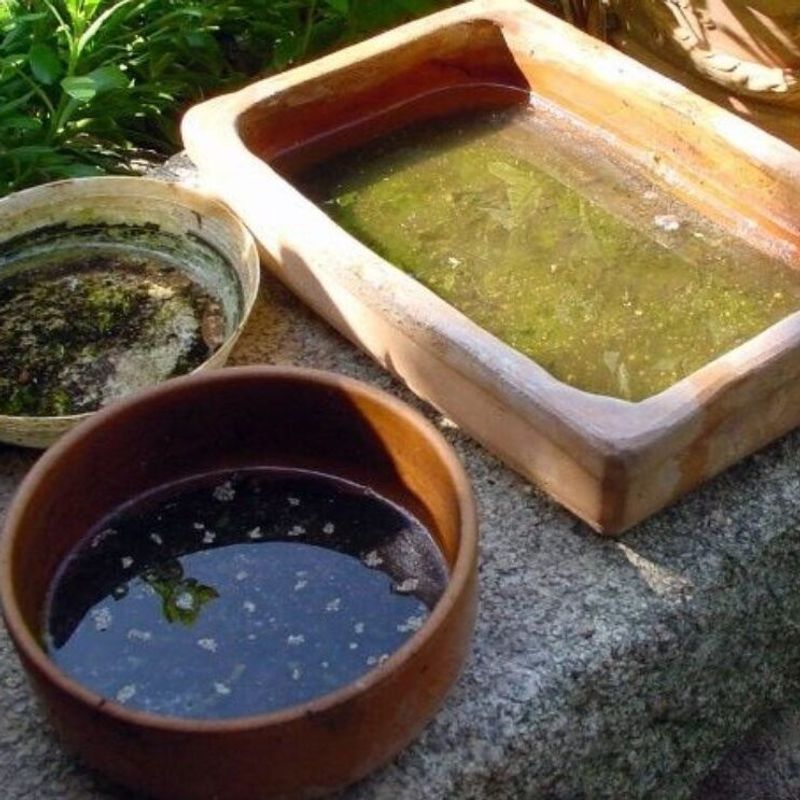
After a summer rainstorm rolls through, it takes less than a week for mosquitoes to go from egg to biting adult in standing water. A bucket left on the patio, a clogged gutter, or a plant saucer that never drains can all become productive mosquito nurseries.
A low spot in the lawn can do the same without anyone noticing.
Removing standing water is still one of the single most effective mosquito-control actions available to homeowners. According to UF/IFAS and local mosquito control districts, eliminating breeding sites cuts off the problem at the source.
No larvae means fewer adult mosquitoes emerging, regardless of how many frogs are in the yard.
Walk your property after every significant rain or irrigation cycle and look for anything holding water. Flip containers, unclog gutters, fix low drainage areas, and refresh birdbaths every few days.
If you have a pond or decorative water feature, keep it moving with a pump or aerator and avoid letting it become stagnant. Mosquito larvae cannot thrive in well-circulated water.
Standing water removal works faster and more reliably than any single natural predator. Frogs can help manage adult insects, but stopping mosquitoes before they even reach adulthood is where the biggest impact happens.
4. Build A Frog-Friendly Yard Without Creating Breeding Spots
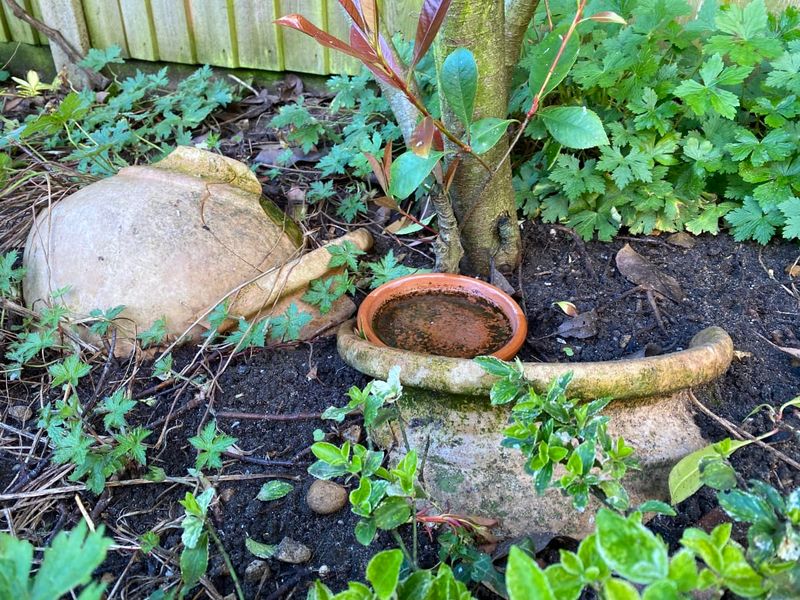
Creating a yard that welcomes native frogs does not mean turning your property into a soggy, overgrown tangle. Smart habitat design gives frogs what they need without handing mosquitoes a place to breed.
The difference comes down to water quality, plant placement, and a few simple choices.
Frogs need moisture, shelter, and a steady supply of insects to thrive. You can support those needs by adding native ground-cover plants and leaving some leaf litter in garden beds away from walkways.
Placing small brushy areas near the edges of the yard helps too. Low-growing native plants create hiding spots and humid microclimates that frogs find attractive.
UF/IFAS Florida-Friendly Landscaping resources offer excellent plant lists suited to different yard conditions across the state.
If you want to add a water feature, make sure it has moving water. A small pond with a fountain pump or a recirculating stream keeps water from becoming stagnant.
That discourages mosquito larvae while still giving frogs a place to rest and hunt. Avoid collecting frogs from wild areas or purchasing them to release.
Local native frogs will find good habitat on their own. Your job is simply to make the yard welcoming, safe from harsh pesticides, and full of the shelter and moisture that native species naturally seek out.
5. Keep Lights From Turning Bugs Into A Buffet
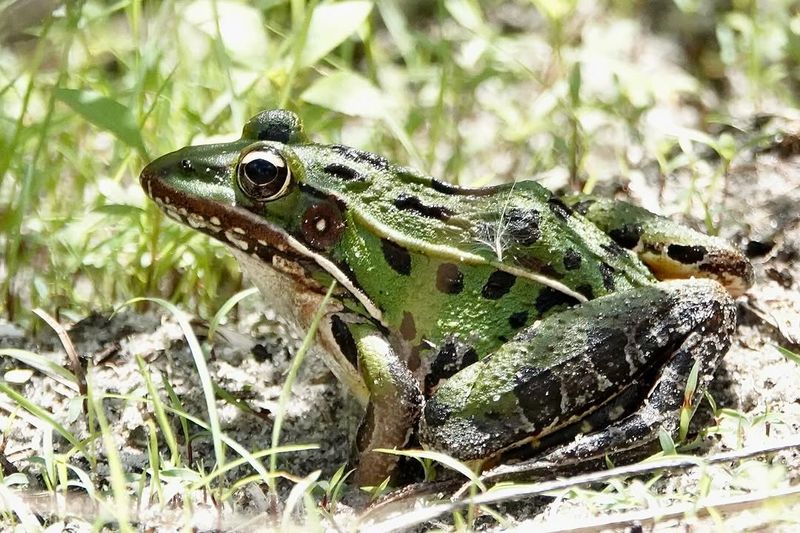
Outdoor lighting and insect activity have a well-known relationship. Bright white or yellow porch lights attract moths, gnats, beetles, and other flying insects in large numbers.
Those insects then become easy meals for any frog or spider nearby. That sounds helpful until you realize the same lights are pulling bugs directly toward your doors and seating areas.
More insects near living spaces means more nuisance activity for you and your family, even if some frogs are feeding nearby. Lighting choices can either make that problem worse or help reduce it.
Motion-sensor lights that only activate when needed limit the time insects are drawn close to the house. Switching to warm LED bulbs or amber-toned lighting also tends to attract fewer insects than traditional cool-white lights.
Turning off decorative string lights or pathway lights during peak evening hours can make a noticeable difference. Fewer insects will gather near patios and entryways.
Frogs may follow the insects to those lit areas and feed there, which is a small benefit. However, managing your lighting smartly means fewer bugs reaching you in the first place.
Think of good lighting choices as working alongside frogs rather than replacing them. Each small adjustment reduces the overall insect pressure around your outdoor living spaces.
6. Use Native Plants To Support More Predators
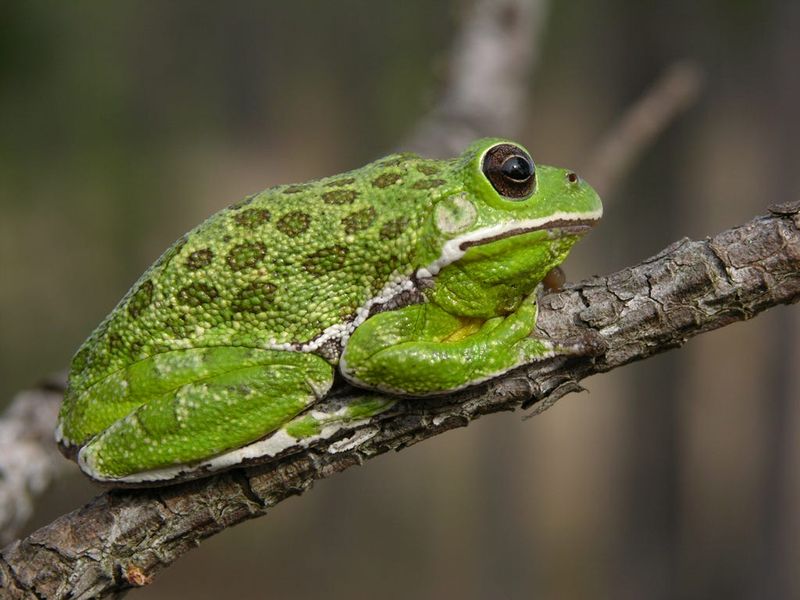
A yard planted with native species does more than look good. It creates a layered, living system that supports insects, birds, lizards, frogs, and other predators all working together to keep the ecosystem in balance.
That balance is what keeps any single pest species from taking over.
Native plants like firebush, muhly grass, wild coffee, and Walter’s viburnum provide shelter, shade, and natural food sources. Those resources attract a wide range of beneficial wildlife.
Layered planting means ground covers, mid-height shrubs, and taller plants grouped together. That creates the kind of complex habitat that frogs and other small predators prefer.
UF/IFAS and the Florida-Friendly Landscaping program offer detailed guidance on choosing plants suited to different regions of the state.
Reducing broad pesticide use in native plant areas also helps protect frogs and other predators. Many common pesticides can harm amphibians through skin contact or by removing the insects they depend on for food.
Spot-treating specific problems rather than spraying entire yard areas is a more balanced approach. The goal is not a wild, unkempt space.
It is a thoughtfully planted yard that gives beneficial wildlife enough resources to stick around and contribute to natural pest pressure over time. A healthier plant community supports a healthier predator community.
7. Watch Out For Cane Toads And Cuban Treefrogs
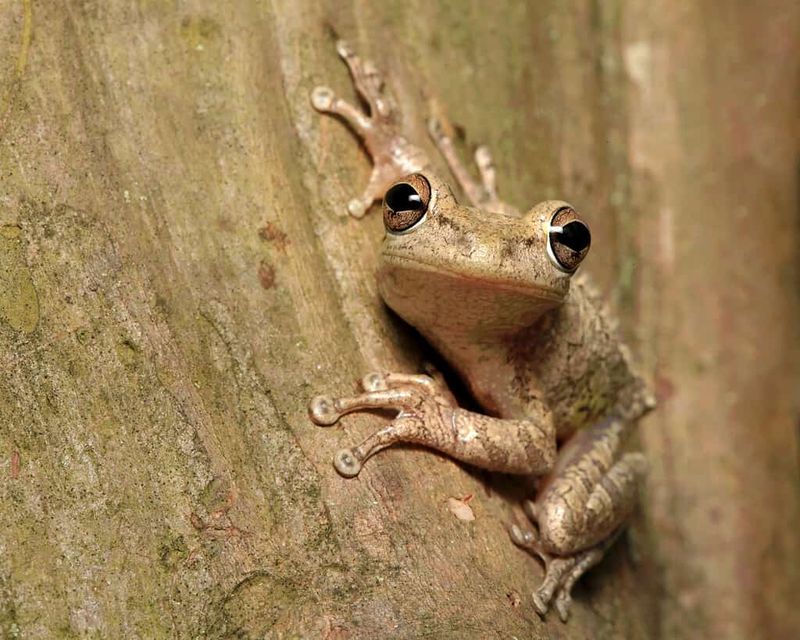
Not every amphibian hopping through your yard is a welcome guest. Two species in particular deserve careful attention from Florida homeowners: the cane toad and the Cuban treefrog.
Both are nonnative, and both can cause problems for local wildlife and even household pets.
Cane toads, also called bufo toads, produce a toxic secretion from glands on their shoulders that can seriously harm dogs and cats that mouth or bite them. They are large, brown, and often confused with native southern toads.
Pet owners should learn the differences and keep an eye on animals that spend time outdoors at night. The Florida Fish and Wildlife Conservation Commission and UF/IFAS both provide identification guides and management guidance for cane toads.
Cuban treefrogs are an invasive species that outcompete native treefrogs for food and shelter. They are larger than most native treefrogs and have warty, sticky toe pads.
FWC encourages homeowners to humanely manage Cuban treefrogs according to current official guidelines. Do not handle unknown amphibians with bare hands, as some species can irritate skin.
Take time to learn what native frogs look like in your area so you can tell them apart from invasive or problematic species. Supporting native frogs while managing invasives keeps the balance working in your favor.
8. Treat Frogs As Backup, Not The Whole Plan
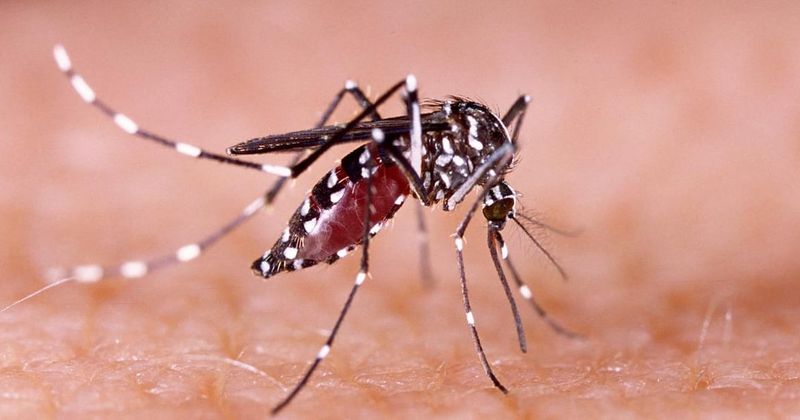
Frogs are genuinely useful allies in a backyard ecosystem. They feed on a wide range of insects, they are active during peak mosquito hours, and their presence signals a yard healthy enough to support wildlife.
But relying on frogs alone to manage mosquitoes leaves too many gaps in your defense.
A well-rounded mosquito-management plan uses several actions at once. Removing standing water after rain remains the fastest and most reliable way to reduce mosquito pressure.
Keeping gutters clear, maintaining window and door screens, and emptying containers that collect water all address the problem before mosquitoes even become adults.
On patios and outdoor seating areas, a box fan or oscillating fan creates airflow that makes it harder for mosquitoes to fly and land.
Wearing protective clothing and using EPA-registered repellents during heavy mosquito periods adds another practical layer of protection.
Following guidance from your local mosquito control district gives you access to area-specific information. That includes current conditions, treatment options, and neighborhood-level efforts.
Many Florida counties have active mosquito control programs that monitor populations and respond to breeding sites. Frogs fit into this bigger picture as a natural, low-maintenance contributor to insect balance.
A yard that removes breeding sites and supports native predators gives you a stronger mosquito-management foundation. Smart prevention habits help keep mosquito pressure manageable all season long.
9. Frogs And Mosquito Control Work Best Together
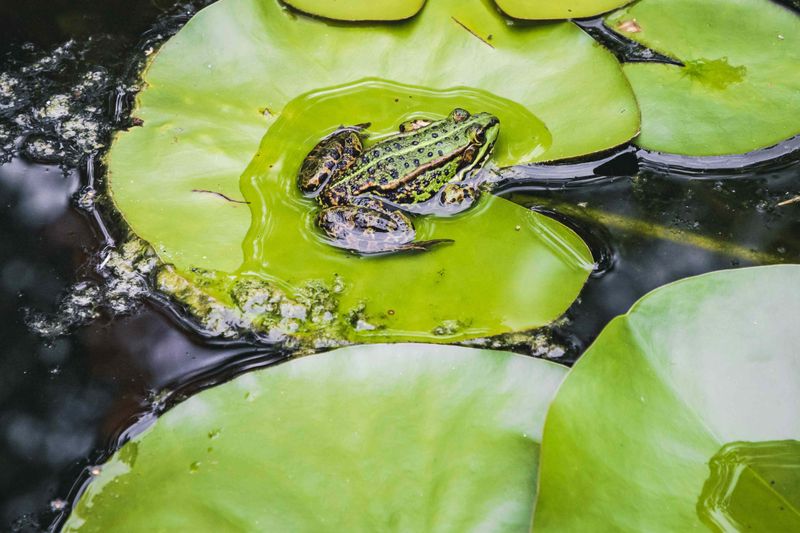
Spending an evening outdoors in a yard full of frog calls is one of those simple pleasures that makes warm-weather living feel worth it.
Beyond the atmosphere, those calls tell you something real: native wildlife has found your yard livable, and that is a meaningful sign of ecological health.
Attracting native frogs supports a more balanced yard over time. They eat insects across a wide range, they are most active when mosquitoes are flying, and they cost nothing to maintain once good habitat is in place.
Native plants, moving water features, reduced pesticide use, and a little shelter go a long way toward making your yard frog-friendly. They do this without creating any new mosquito problems.
Standing water removal will always be the fastest, most direct way to reduce mosquito numbers around your home. Frogs add value on top of that foundation.
They are not a replacement for prevention, but they are a reliable part of a yard that manages itself more naturally.
A thoughtful combination of habitat support, regular maintenance, smart lighting, and local mosquito-control resources makes the yard more comfortable.
It also makes the space more balanced and enjoyable from spring straight through to fall. Let the frogs help, and give them a yard worth staying in.