8 Pruning Mistakes Georgia Gardeners Make In Spring That May Cost Them Their Azalea Flowers

Georgia azaleas are one of the most forgiving plants in the landscape until you do one specific thing wrong with a pair of pruning shears. Then they become one of the least forgiving plants you can own.
The frustrating part is that the mistake rarely announces itself. The shrub still looks healthy. Still stays green through the summer. Still grows the way it always has.
The consequences show up the following April, when everyone else’s azaleas are in full spectacular bloom and yours produce a handful of flowers and then stop.
Have you had a spring like that? A shrub that should be covered in color producing almost nothing instead?
Many Georgia gardeners who experience this trace the problem back to something that happened the previous spring with a pair of shears. Sometimes it was the timing. Sometimes it was the technique. Sometimes it was both.
The rules for pruning azaleas correctly are not complicated, but they are specific. And breaking even one of them can quietly cost you an entire season of color before you realize what happened.
1. Trimming After Bloom Season Can Remove Next Buds
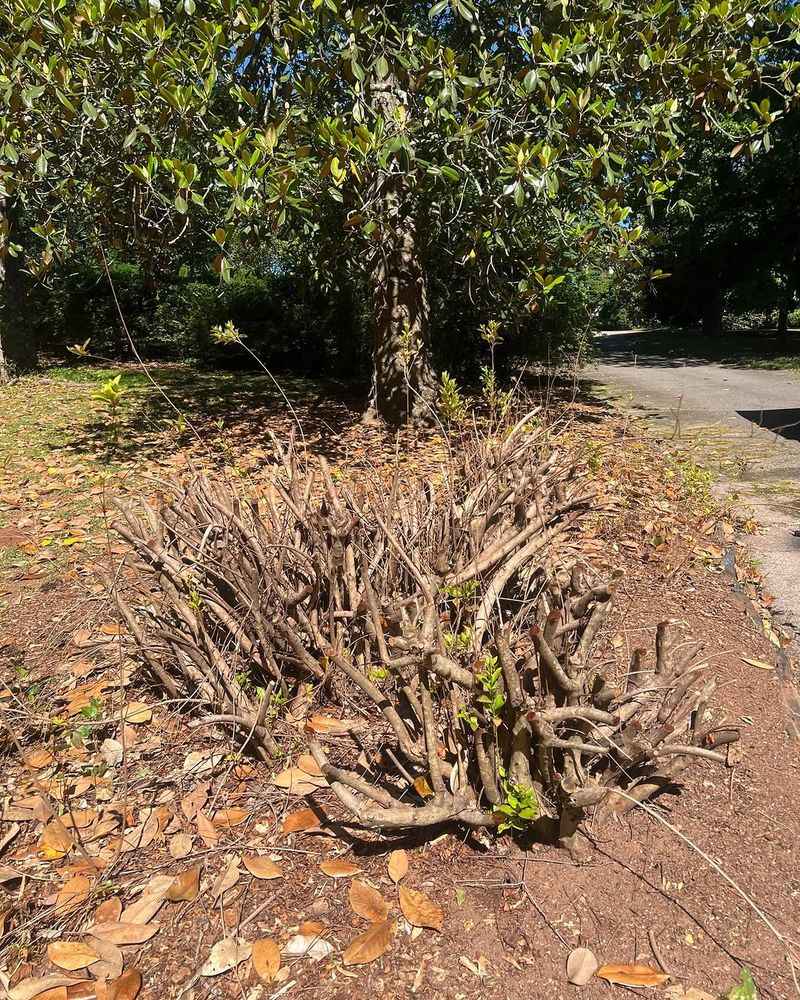
Right after azaleas finish their spring show, the clock starts moving immediately. Those shrubs begin setting buds for next year within days of the last flower fading.
That process happens faster than most Georgia gardeners expect. Prune too late and the buds being cut off are not stems. They are next April’s flowers.
Azaleas are old wood bloomers. Flower buds form on stems that grew during the current season, not on brand-new growth.
The safe pruning window in Georgia falls within three to four weeks right after blooming ends, typically between mid-April and late May depending on location within the state.
Miss that window and the buds are already developing on new stems. Any cut made after that point removes them.
Many Georgia gardeners make the honest mistake of waiting until summer to tidy things up, not realizing what that delay actually costs.
The fix is straightforward. Mark your calendar when blooms open. Count forward three to four weeks and plan pruning specifically for that stretch.
A light trim right after bloom keeps the shrub tidy, encourages healthy new growth, and gives those new stems enough time to mature and set buds before the season winds down.
Timing with azaleas is not a guideline. It is the entire strategy.
Get it right and the shrubs bloom the way they should. Get it wrong and you spend April wondering why you even bothered planting them in the first place.
2. Shearing The Whole Shrub Flattens Natural Growth
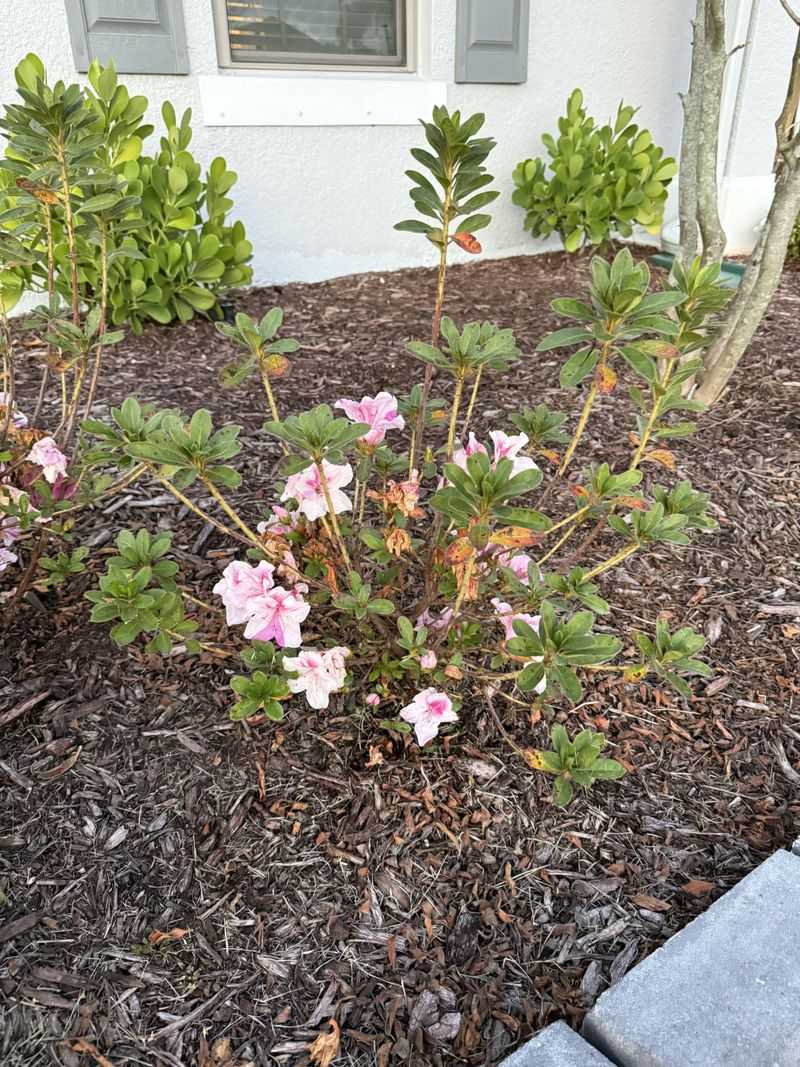
Run a hedge trimmer across the top of an azalea and the result is something that looks more like a green geometric shape than a flowering shrub.
Shearing the entire plant into a uniform flat surface is one of the most common azalea mistakes in Georgia yards, and it reliably eliminates a full season of blooms almost every time it is done.
Azaleas grow naturally in a loose, layered, arching form. That shape is not just visually appealing. It is also how the plant produces its most flowers.
Your Georgia Garden Changes Every Week. Your Plan Should Too.
Gardening in Georgia changes quickly throughout the season. Every Friday you’ll receive a simple weekly plan showing exactly what to plant, prune, fertilize, harvest, and protect so you never miss the right timing.
When the outer layer gets sheared flat, most of the new growth tips where buds form get removed simultaneously, and what remains is a dense outer shell that blocks light from reaching interior branches.
Selective hand pruning, removing individual stems back to a healthy side branch or bud, preserves the natural shape and keeps flowering wood intact.
It takes more time than running a trimmer across the surface, but the difference in bloom production the following spring is significant and immediately visible.
Before making any cuts, step back and assess the overall shape from multiple angles. Identify the stems that stick out awkwardly or cross other branches.
Use hand pruners on those specific stems and cut just above a leaf node or side branch. Work from the inside outward and allow the plant to keep its natural rounded form.
A hedge trimmer has its place in the garden. That place is not an azalea.
3. Cutting Too Deep Leaves Fewer Flowering Stems
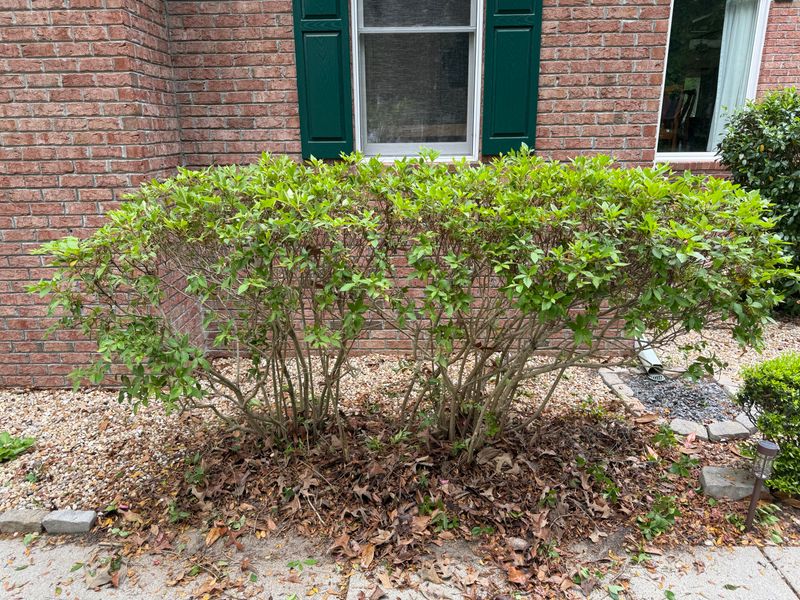
Heavy pruning can feel productive in the moment. The shrub looks dramatically tidier and the pile of cut stems feels like evidence of real work accomplished.
What the pile actually contains is next spring’s flowers.
Flowering stems on azaleas concentrate in the younger outer growth that developed during the previous growing season.
Cutting deep into the shrub, past that productive outer layer and into the older, woodier interior, removes the plant’s primary flowering potential for the next bloom cycle.
Azaleas can handle rejuvenation pruning when they become genuinely overgrown, but that kind of heavy work should be reserved for truly neglected shrubs and done gradually over two or three seasons rather than all at once.
Removing more than roughly one-third of the plant at a time creates significant stress and reduces next year’s bloom count noticeably.
A smarter approach focuses on shaping rather than reducing overall size. Remove stems that are crossing, crowding, or heading in problematic directions.
Keep cuts just above a healthy bud or branching point. The shrub maintains its volume and its flowering potential at the same time.
If the shrub genuinely needs size reduction, spread that work across multiple seasons so the plant can rebuild flowering wood between rounds of pruning.
Satisfying as a heavy pruning session feels in the moment, the shrub sends its invoice the following April when the blooms fail to show up. The bill is usually paid in missed flowers.
4. Waiting Into Summer Shrinks Next Spring’s Display
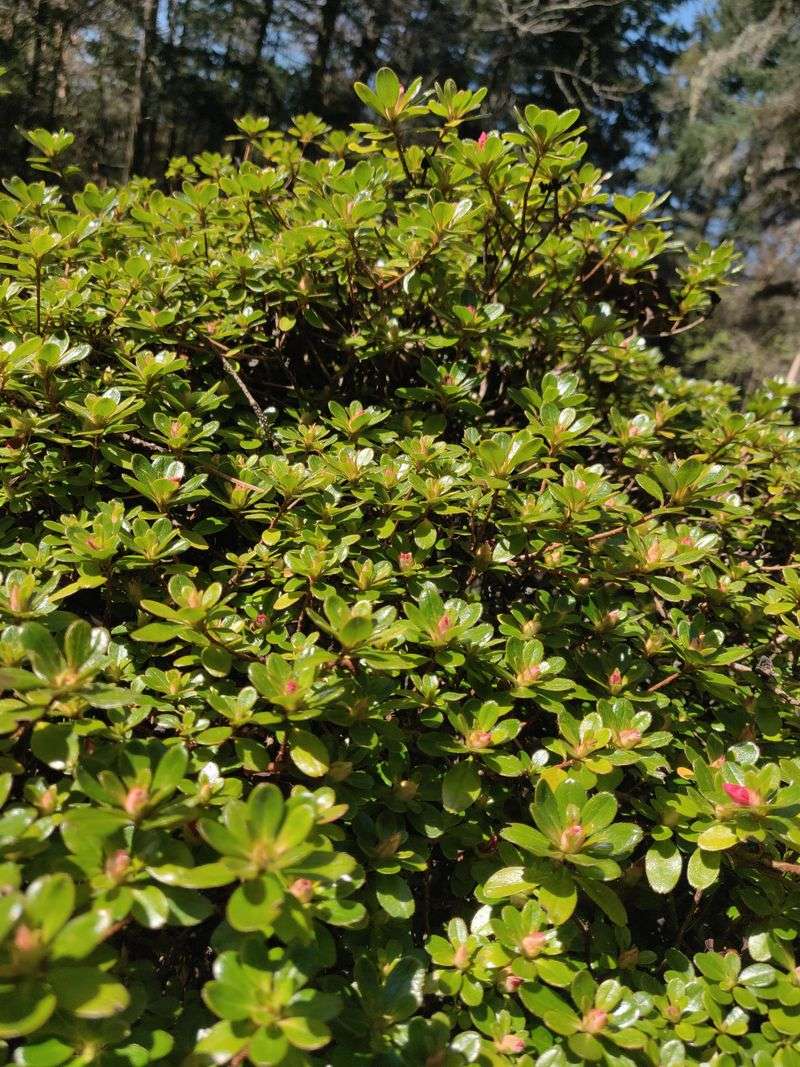
Georgia summer arrives fast, and by the time many gardeners get around to the azalea bed, the critical window has already closed without any announcement.
Waiting until well into summer to trim azaleas is one of the quietest pruning mistakes available because the consequences stay hidden for months.
The shrub looks perfectly healthy through the summer. Green, full, and giving no indication that anything is wrong.
The problem reveals itself the following April when the blooms either do not appear or show up so sparsely that the whole spring display feels like a disappointment with no obvious explanation.
Bud formation on azaleas typically begins within four to six weeks after bloom season ends. Once those buds start developing on new stems, pruning at that point removes them regardless of intention.
Azaleas pruned after late May or early in the summer in Georgia are likely to produce noticeably fewer flowers the following spring.
The safest strategy if the post-bloom window gets missed is to skip pruning entirely and wait for next spring’s bloom to finish before making any cuts.
Taking that approach preserves whatever buds formed and gives next year’s display a full chance.
Azaleas have a long memory for pruning timing. They do not forgive a late shearing, but they do reward patience with a genuinely spectacular payoff in April.
5. Pruning Without A Purpose Creates Uneven Growth
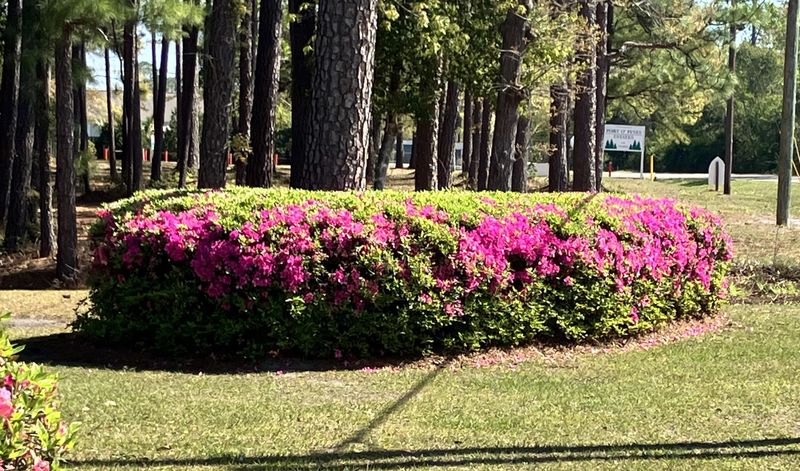
Picking up the shears and trimming a little here and a little there without a clear direction in mind tends to produce a shrub that looks like the process went wrong somewhere.
Random cuts create uneven growth, push the plant to produce new stems in unexpected directions, and can leave gaps that take multiple seasons to fill back in. The shrub ends up looking unbalanced rather than refreshed.
Purposeful pruning starts before any cut is made.
Walk around the shrub and look at it carefully from multiple angles. Identify the stems growing straight up past the canopy, the ones crossing and rubbing against each other, and the spots where the overall shape feels off.
Approaching azalea pruning with a remove rather than reduce mindset for routine maintenance changes the outcome significantly.
Rather than shortening stems across the board, the focus stays on removing the specific branches disrupting the natural form of the shrub. The plant stays balanced and intentional rather than trimmed without direction.
Work from the base upward and from the interior outward. Remove crossing stems first, then address any upright shoots breaking the canopy line. Step back frequently to check progress.
Thoughtful pruning keeps azaleas polished without costing a single bloom. Approach it without a plan and the shrub will look exactly like you did.
6. Ignoring Tall Suckers Lets Shape Get Messy
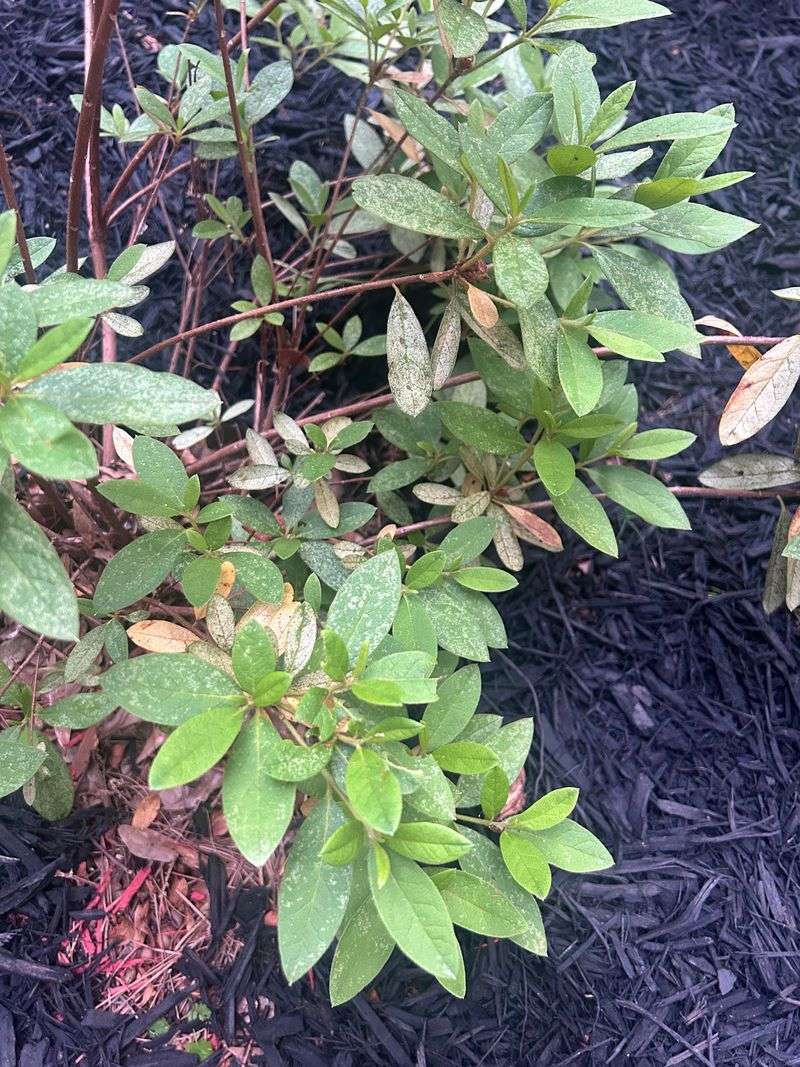
Every so often an azalea sends up a stem that has completely lost touch with what the rest of the plant is doing.
These tall, fast-growing shoots push straight up well above the natural canopy and throw the entire shape of the shrub off balance.
They are called suckers or water sprouts, and leaving them in place is a common habit that leads to a shrub that looks increasingly untidy over time without any single dramatic pruning mistake to blame.
Suckers are not harmful by nature. They are vigorous growth responding to available energy. The problem is that they redirect energy away from the flowering branches lower in the shrub.
Their upright growth habit means they rarely produce blooms the way horizontal or arching stems do. Left in place long enough, they also shade interior branches and reduce the plant’s overall bloom potential.
The right response is removal at the point of origin, either at the base of the shrub or at a main branch. Shortening a sucker is not a solution.
Cutting it back partway often causes it to branch and return more aggressively than before. A clean removal at the base is what actually resolves it.
Adding sucker removal to the regular post-bloom pruning routine keeps the work manageable. Suckers are easy to spot during active growth because they stand noticeably taller and often show a slightly lighter green than the surrounding canopy.
Catch them early and the shrub stays intentional. Leave them too long and the shrub starts making its own decisions about shape, which rarely align with yours.
7. Using Dull Tools Leaves Rough Cuts Behind
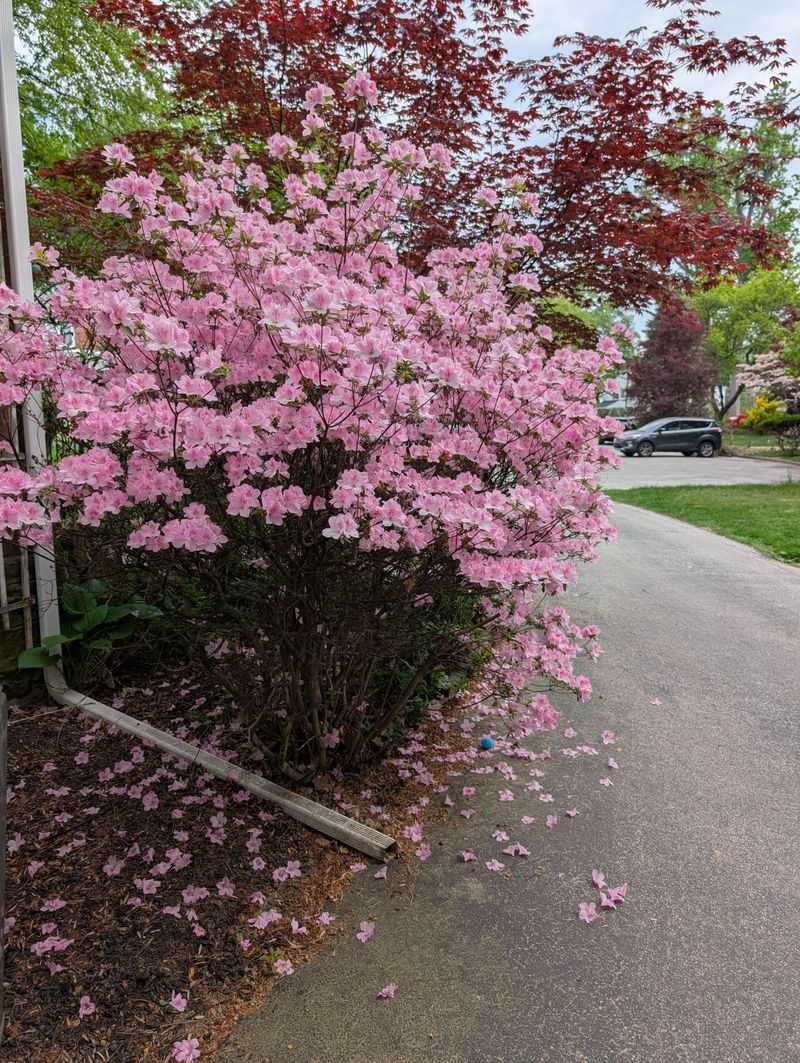
A dull pair of pruning shears causes more harm than most gardeners ever attribute to them. Rather than slicing cleanly through a stem, a dull blade crushes and tears plant tissue.
The result is a ragged wound that takes significantly longer to seal off and creates an accessible entry point for fungal problems and pests.
For azaleas, which respond to stress visibly and quickly, rough cuts create setbacks that a sharp tool would have avoided entirely.
Clean cuts made with sharp, properly maintained tools heal faster and more completely. The plant can seal a smooth cut in a fraction of the time it needs to recover from a torn one.
That difference matters especially in Georgia’s warm, humid climate, where fungal issues spread more readily than in drier regions.
Cleaning blades between shrubs is worth the ten seconds it takes. A quick wipe with rubbing alcohol or diluted bleach before moving from one plant to the next prevents the spread of potential pathogens.
Sharpening is not complicated. A basic sharpening stone or a dedicated tool sharpener handles the job effectively.
Sharpening at the start of pruning season and again mid-season for heavier cutting schedules keeps the tools performing the way they should.
Sharp tools and clean blades are the most straightforward investment available in azalea health. And yet the garden shed tells a different story in most Georgia yards.
8. Skipping Post Bloom Timing Makes Azaleas Less Showy
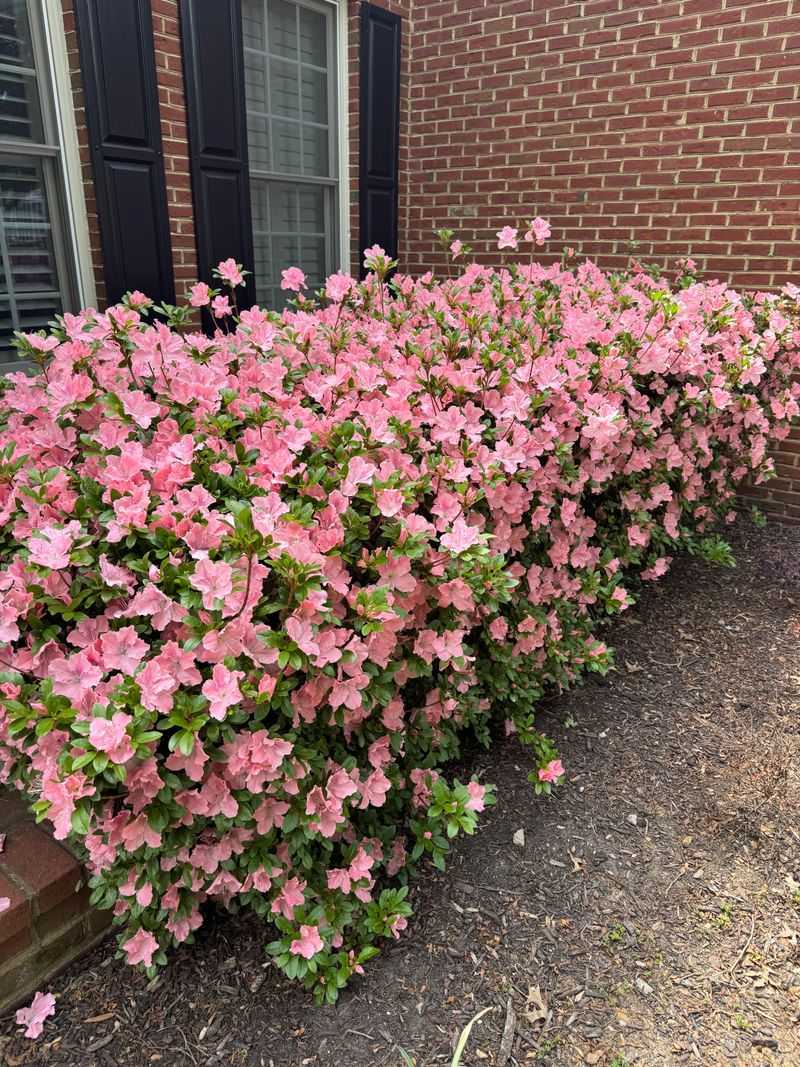
Almost everything that happens to an azalea in spring comes back to one decision made in the weeks right after the flowers fade.
Skipping the post-bloom pruning window entirely is not a neutral choice. It is the equivalent of opting out of next year’s color show without meaning to.
What gets skipped is not just a maintenance task. It is the single most impactful timing decision in azalea care.
The post-bloom window works because it aligns with the plant’s natural growth rhythm. Right after flowering ends, azaleas push out a flush of new vegetative growth.
That new growth carries next year’s flower buds. Pruning during this window shapes the shrub, encourages more productive new growth, and gives each new stem enough time to mature and set buds before fall temperatures arrive.
The ideal window falls within two to four weeks after blooming ends. Pruning even a few weeks outside that range reduces the number of buds that form and directly translates to fewer flowers the following spring.
Building this timing into a regular garden calendar is the most reliable way to protect it. A phone reminder, a note on the calendar, or connecting it to another consistent spring task all work equally well.
A small amount of organizational effort in spring protects months of visual payoff the following April.
Azaleas are entirely capable of putting on an extraordinary show year after year. They just need the pruning to happen when they are actually ready for it, not when the schedule finally opens up.