What This Week’s Thunderstorms Really Mean For Georgia’s Drought-Stressed Gardens
Rain is finally showing up, and every garden seems ready to celebrate. After weeks of dry weather, it is tempting to believe the hard part is finally over.
A good soaking can certainly help, but it does not erase everything drought has already changed. Your plants may respond in ways you are not expecting.
Storms can bring relief and new challenges at the very same time.
Gardeners in Georgia often see surprising changes after late summer thunderstorms. Paying attention during the next few days matters just as much as watching the forecast.
Do not assume every plant will bounce back overnight. The days after the rain often tell the real story.
A single round of thunderstorms can change your garden in more ways than you might think. Knowing what to watch for now can make all the difference later.
1. Most Storms Will Bring Only Short-Term Relief
A single thunderstorm feels dramatic, but drought does not reverse overnight. Most summer storms in the Southeast drop rain in short, intense bursts.
That sounds helpful, but the ground often stays dry just a few inches below the surface.
Drought conditions build up over weeks or even months. One or two storms can wet the top layer of soil without reaching the deeper root zones where plants actually pull water from.
Shallow-rooted plants may perk up quickly, while deeper-rooted ones may still be struggling beneath the surface.
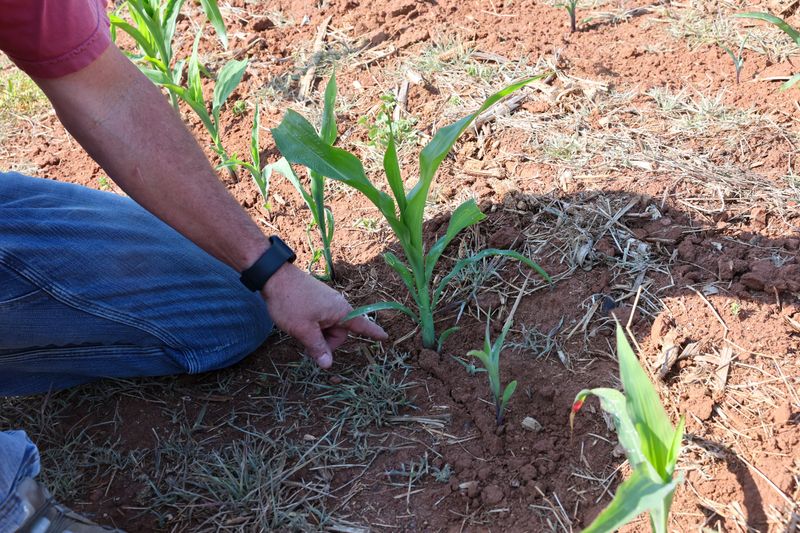
Checking soil moisture below the surface is a smart move after any storm. Push a screwdriver or finger several inches into the ground.
If it hits resistance or stays dry, your plants are likely still under stress.
Rain gauges are helpful tools here. Less than an inch of rainfall rarely makes a measurable dent in a true drought.
Most gardens need at least one inch of water per week to stay healthy during warm months. A brief storm that drops half an inch helps, but it is not enough to fully offset weeks of missed watering.
2. Hard Soil Can Block Water From Reaching The Roots
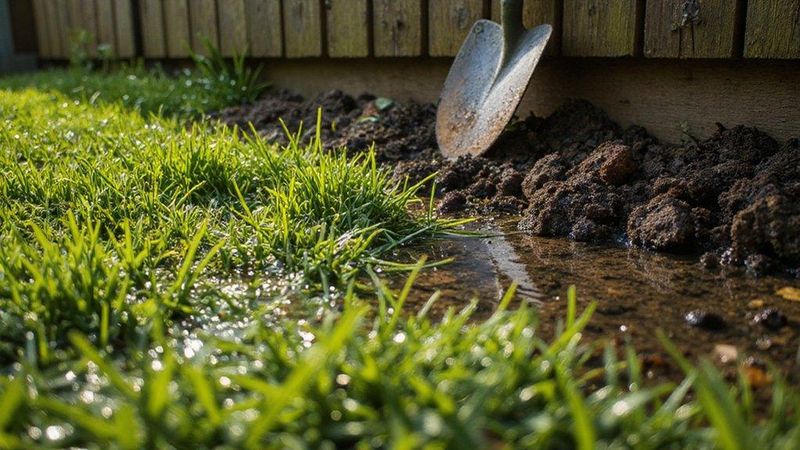
Bone-dry soil can actually repel water. When clay-heavy soil dries out completely, it sometimes becomes hydrophobic, meaning water beads up and runs off instead of soaking in.
Many Georgia gardens sit on dense clay, which makes this a real concern.
During a hard rain, water may pool on the surface or run toward low spots in the yard. It can look like your garden got a good soaking, but the roots underneath may have received very little moisture.
That runoff carries away potential relief without actually helping the plants.
Breaking up the soil surface before or after a storm can improve absorption significantly. A light pass with a hand cultivator or garden fork around the base of plants helps water penetrate more effectively.
Avoid working soil when it is still completely dry, as that can damage root structures near the surface.
Adding compost or organic mulch around plants also helps. Mulch slows runoff, keeps the soil cooler, and encourages better water absorption over time.
Your Georgia Garden Changes Every Week. Your Plan Should Too.
Gardening in Georgia changes quickly throughout the season. Every Friday you’ll receive a simple weekly plan showing exactly what to plant, prune, fertilize, harvest, and protect so you never miss the right timing.
About two to three inches of mulch around garden beds makes a noticeable difference during dry spells. If your beds stay waterlogged after rain, that points to a drainage issue worth addressing separately.
3. Heavy Rain Can Wash Away Dry Topsoil
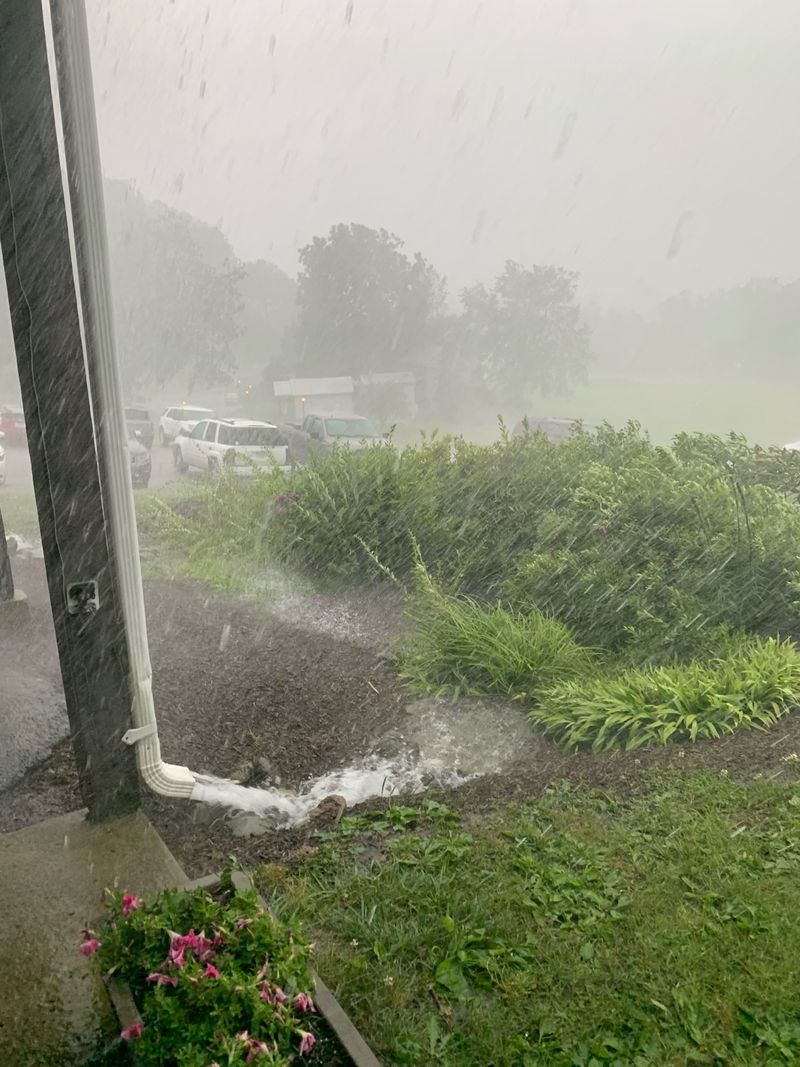
Heavy rain hits bare soil hard. When drought leaves garden beds without much ground cover or mulch, the soil surface becomes loose and vulnerable.
A strong storm can strip away the top layer of nutrient-rich soil before it even has a chance to absorb the water.
Topsoil erosion is a quiet problem. It happens fast during intense rain, and the damage is not always obvious right away.
Over time, losing topsoil means losing the organic matter and nutrients that support healthy plant growth.
Slopes and raised beds are especially at risk. Water picks up speed as it flows downhill, carrying fine particles of soil with it.
Even a gentle incline can lose a surprising amount of surface material during a single heavy storm.
Ground covers, mulch, and low-growing plants help anchor soil in place. If your beds are bare, spreading a few inches of straw or shredded bark mulch before the next round of storms can reduce erosion noticeably.
Planting dense ground covers in open areas also helps over time.
After a storm, look for signs of erosion like exposed roots, washed-out channels, or soil buildup at the low end of a bed. Catching these early lets you add material back before the next rain causes more damage.
4. Broken Branches Should Be Removed After Plants Dry
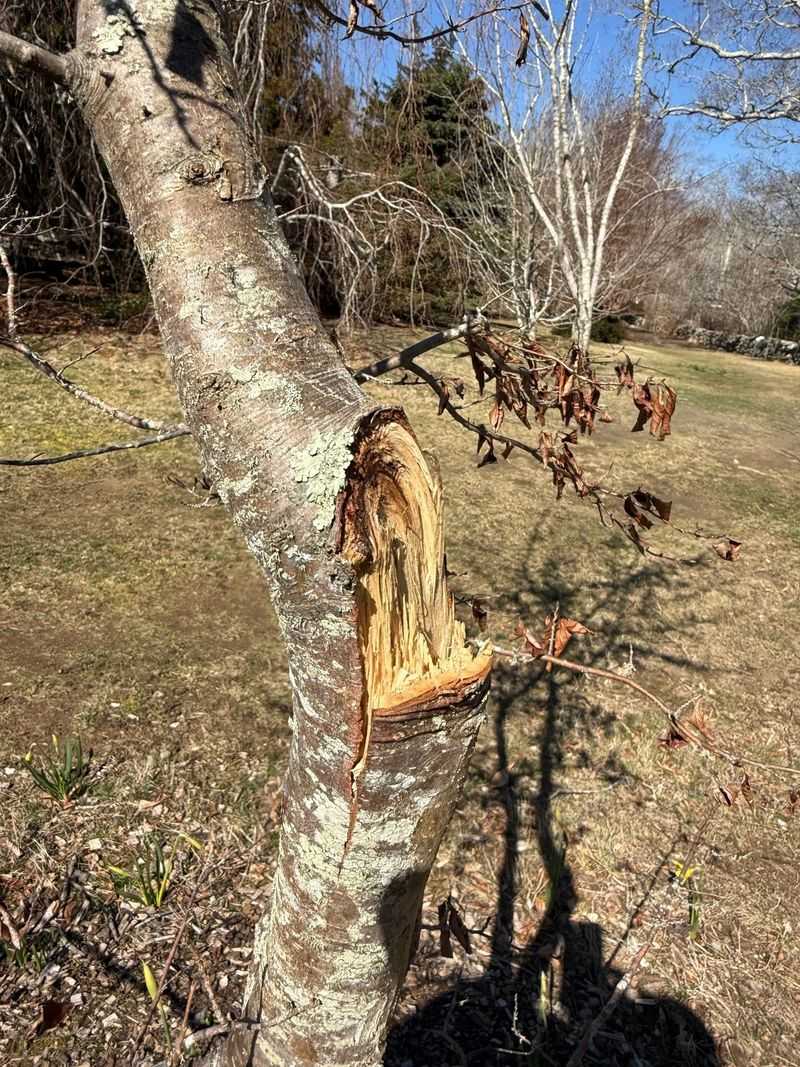
Strong storm winds snap branches and bend stems in ways that are not obvious until you walk the garden the next morning. Broken wood left on a plant is not just cosmetic damage.
Open wounds invite fungal infections and pests, especially when humidity is high after rain.
Wait until the plant surfaces dry before pruning. Cutting wet wood can spread fungal spores from one part of the plant to another.
A few hours of dry air after a storm is usually enough time before you start trimming.
Use clean, sharp pruners when removing broken sections. A clean cut heals faster than a ragged tear.
Cut back to the nearest healthy node or branch junction rather than leaving a stub, since stubs tend to rot and attract problems over time.
Check smaller plants too, not just trees and shrubs. Tomato stems, pepper plants, and flower stalks break easily under strong wind and heavy rain.
Staking or tying up bent stems shortly after a storm can sometimes save a plant that would otherwise struggle to recover.
Dispose of broken plant material rather than leaving it in the garden bed. Diseased or pest-affected debris left on the ground can cause problems for healthy nearby plants.
5. Weeds May Grow Faster After The Rain
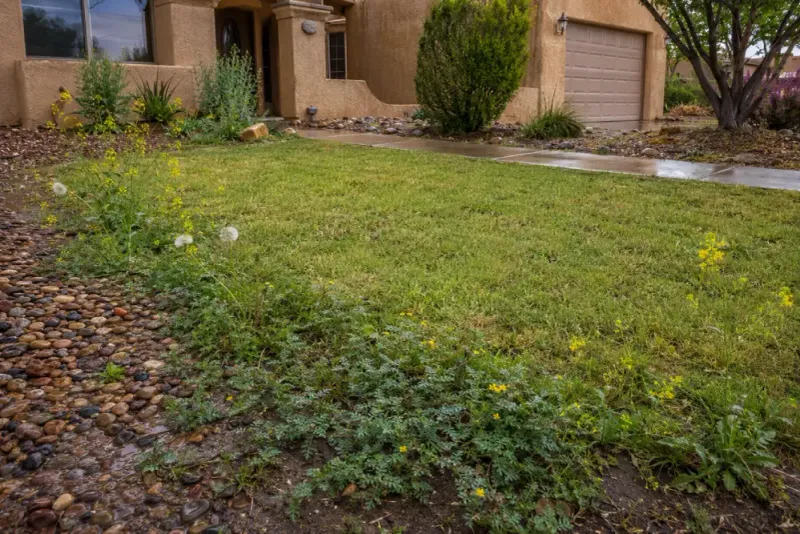
Rain wakes up weed seeds that have been sitting dormant in dry soil. After a drought-breaking storm, weed seedlings can sprout within days.
They are fast and aggressive, especially when garden plants are still recovering from stress.
Weeds compete directly with your plants for water, nutrients, and space. When your vegetables or flowers are already weakened from weeks of drought, that competition hits harder than it would in a healthy, well-watered garden.
Getting ahead of weeds early makes a real difference. Pulling small seedlings right after they sprout is far easier than dealing with established plants with deep root systems.
A quick pass through the garden every few days after rain keeps things manageable.
Mulch helps here too. A solid layer around plants blocks sunlight from reaching weed seeds near the surface, slowing germination.
Straw, wood chips, or shredded leaves all work well depending on what you have available.
Avoid disturbing soil more than necessary after rain. Turning soil brings buried weed seeds to the surface where light can trigger germination.
Shallow surface cultivation is better than deep digging when your goal is weed prevention.
Post-storm weed pressure is predictable every season. Having a simple routine for checking and pulling early growth keeps it from turning into a bigger problem.
6. Fungal Diseases Become More Likely In Humid Weather
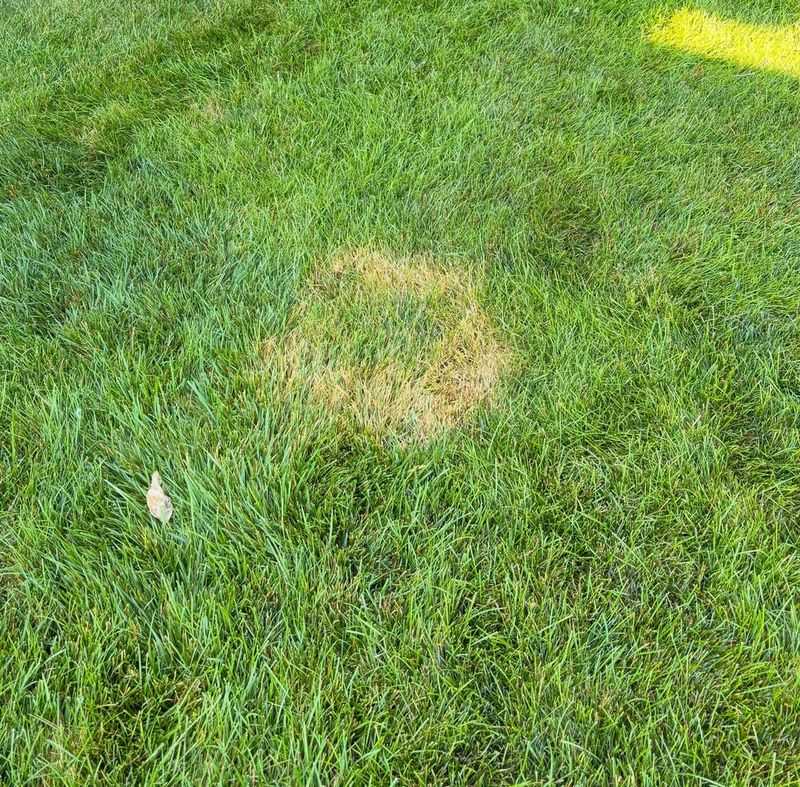
Warm, wet air is a perfect environment for fungal problems. After a summer storm in the South, humidity often stays elevated for days.
Plants that were already stressed from drought may have weakened defenses, making them more susceptible to fungal infections.
Powdery mildew, leaf spot, and early blight are among the more common fungal issues that flare up after wet weather. Look for white powdery coatings, brown or yellow spots, or fuzzy growth on leaves as early warning signs.
Air circulation matters a lot. Plants packed too closely together trap moisture between leaves and stems, which creates ideal conditions for fungal growth.
Thinning crowded plants or gently tying up sprawling stems helps air move through more freely.
Watering habits also play a role. Watering at the base of plants rather than overhead reduces how long leaves stay wet.
After heavy rain, there is not much you can do about wet foliage, but avoiding overhead watering on your own schedule helps reduce overall moisture exposure.
Removing affected leaves promptly slows the spread of most fungal problems. Drop them into a bag rather than leaving them on the soil.
Copper-based fungicides are one option some gardeners use preventively, though results vary and following label directions carefully is important.
7. Watering Schedules May Still Need Small Adjustments
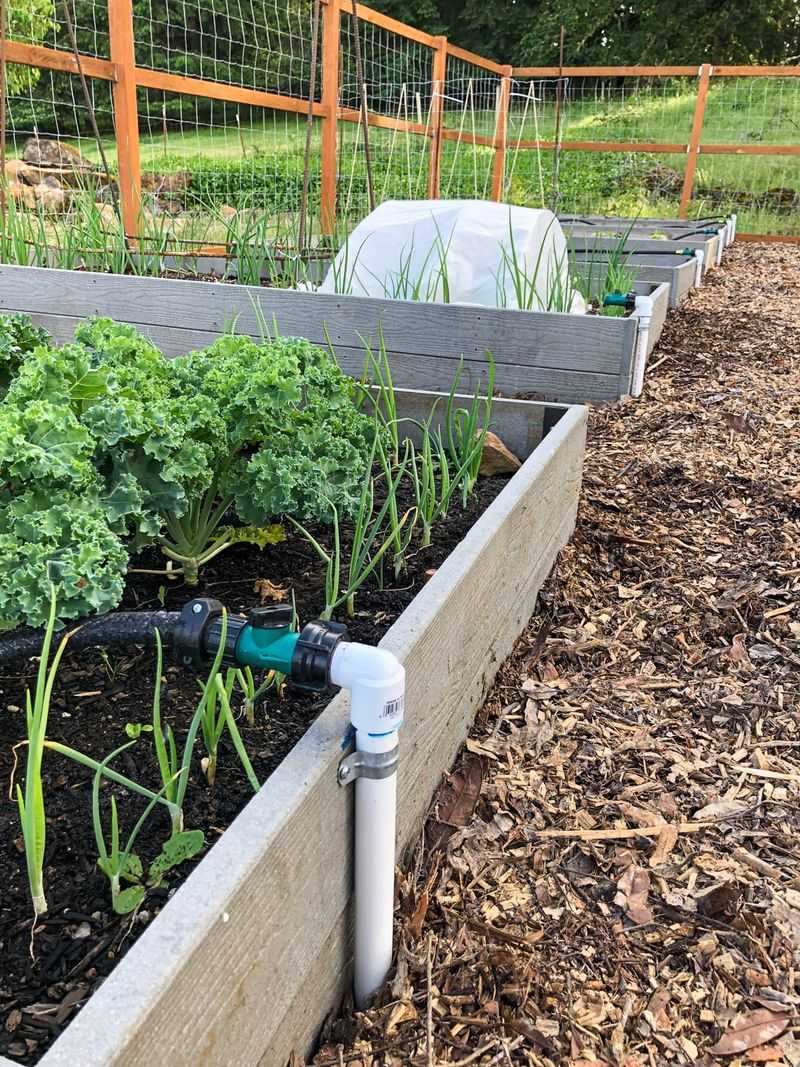
After a storm, it is tempting to skip watering entirely for the rest of the week. That instinct is reasonable, but it is worth checking actual soil conditions before changing your routine completely.
Rainfall totals vary a lot across even a small area. Your neighbor two streets over might have received twice as much rain as your yard.
Relying on what you heard on the news rather than checking your own soil can lead to under-watering without realizing it.
A simple rain gauge in the garden gives you accurate local data. If the storm dropped less than an inch at your location, most established plants will benefit from supplemental watering within a day or two, especially during hot weather.
Container plants dry out faster than in-ground beds. Pots drain quickly and may need water sooner than you expect after a storm.
Checking containers daily during warm months is a reliable habit regardless of recent rainfall.
Newly planted seedlings and transplants need more consistent moisture than established plants. Even after a decent storm, young roots have not spread far enough to pull water from a wide area.
Keeping them consistently moist for their first few weeks in the ground gives them the best chance to establish well.