What Oregon Gardeners Should Cut Back In June For A Second Flush Of Flowers
June in Oregon feels like the garden finally hitting its stride, which makes it a little bittersweet when those gorgeous May bloomers start looking tired and spent.
The good news is that for a solid number of plants, that faded look is not the end of the story at all.
It is actually an invitation. A well-timed trim or a quick round of deadheading in June can completely reset certain plants, tidying up the border and in many cases triggering a fresh round of growth and flowers that carries color well into summer.
Not every plant will oblige, and that is worth being honest about, but Oregon gardeners who know which ones respond best to a June cutback can squeeze a lot more season out of their beds than those who just let things wind down naturally.
1. Catmint Responds Well To A June Trim
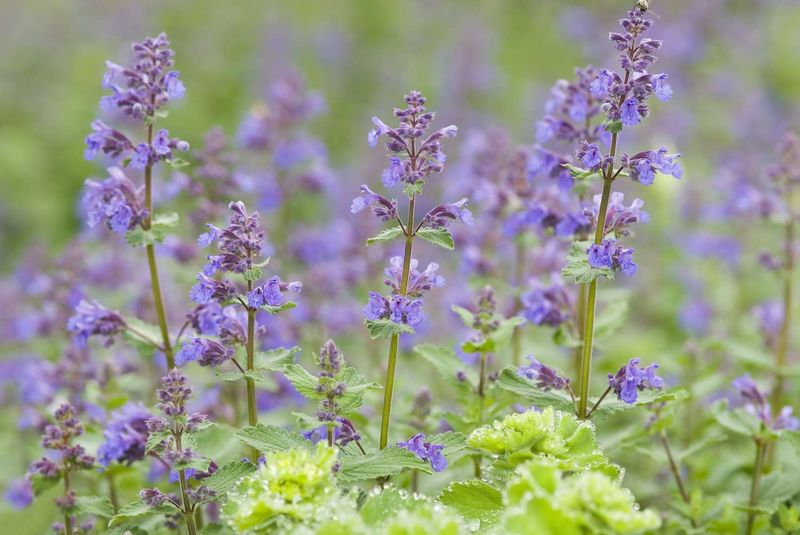
Fading catmint spikes are one of the first signs that June cleanup season has arrived in Oregon gardens. After the big spring flush, those soft purple-blue flowers start to look tired and brown at the tips, and that is exactly when a good trim can do a lot of good.
Cutting the whole plant back by about one-third to one-half encourages fresh growth from the base and often brings a second round of flowers later in summer.
Catmint is a tough, low-water plant that fits well into Oregon’s sunny borders, dry garden beds, and pollinator-friendly landscapes. It handles the transition from cool spring weather to warmer summer temperatures without much fuss.
After trimming, give the plant a light watering if rainfall has been sparse and watch for new shoots to appear within a couple of weeks.
Use clean, sharp pruners and avoid cutting back so hard that you remove all green growth. Leave some healthy stems and foliage so the plant has what it needs to bounce back.
Results can vary depending on your region, plant health, and summer moisture, but catmint is generally one of the most reliable plants to reward a June trim with fresh blooms.
2. Perennial Salvia Can Bloom Again After Spent Flowers Come Off
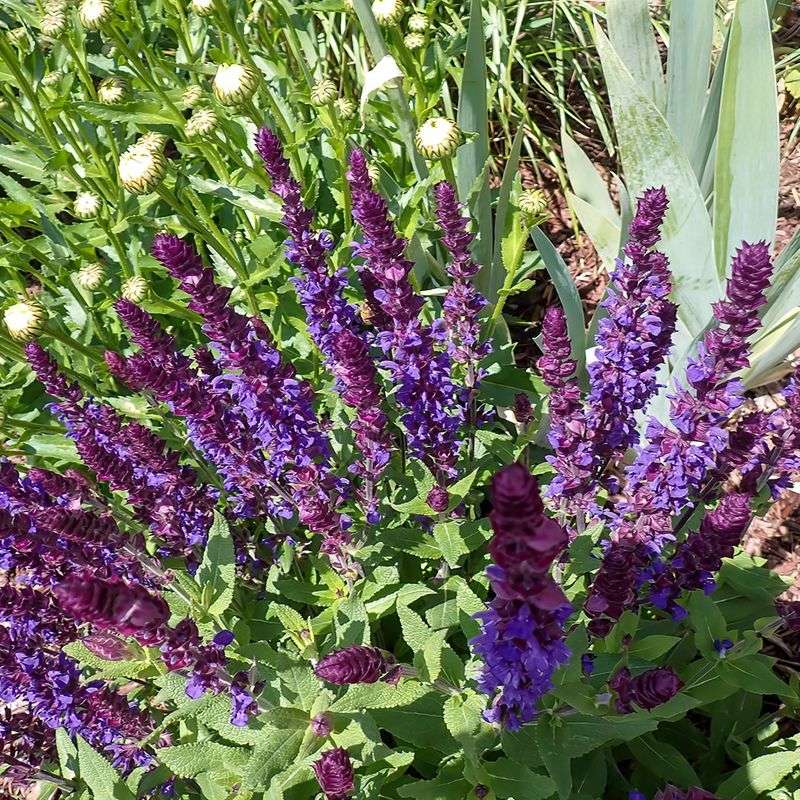
Walking past a bed of perennial salvia in early June, you might notice the lower florets dropping off while the tips still hold a little color. That is a good sign that it is time to act.
Removing spent flower spikes on healthy perennial salvia can encourage the plant to push out new growth and, in many cases, produce another round of blooms before summer ends.
Perennial salvias are well suited to Oregon’s sunny, well-drained borders and waterwise planting schemes. They tend to handle warm, dry spells reasonably well once established, which makes them a practical choice for gardeners looking to reduce summer watering.
Cutting the spent spikes back to a set of healthy leaves or a side shoot, rather than cutting all the way to the ground, gives the plant the best chance to recover and rebloom.
Not every salvia cultivar will rebloom reliably, so results can vary. But many of the commonly grown perennial salvias in Oregon gardens show a noticeable improvement in appearance and flower production after a June cleanup.
Your Oregon Garden Changes Every Week. Your Plan Should Too.
Gardening in Oregon changes quickly throughout the season. Every Friday you’ll receive a simple weekly plan showing exactly what to plant, prune, fertilize, harvest, and protect so you never miss the right timing.
Keep the cuts clean, avoid removing too much healthy foliage, and the plant should respond well through the rest of the growing season.
3. Columbine Lasts Longer When Old Blooms Are Removed
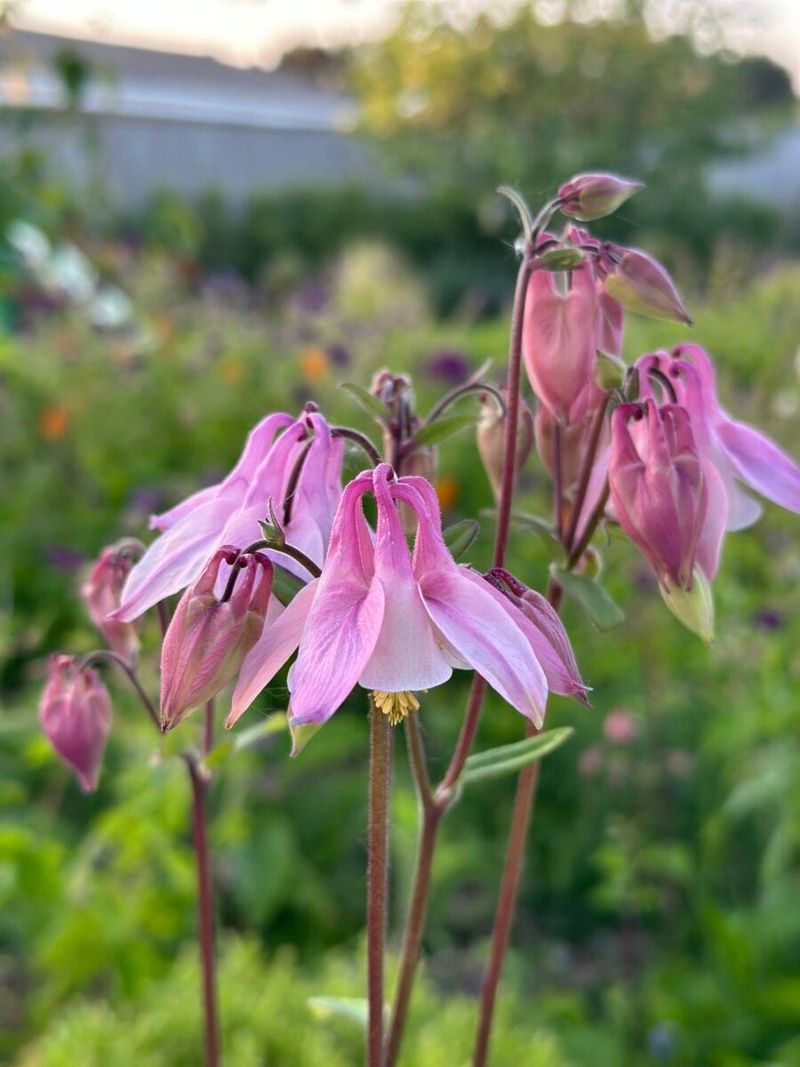
Columbine has a short but charming bloom window, and once those nodding flowers start to fade, seedheads form quickly.
Removing the old blooms before the seedheads fully develop can help extend the display a little longer, giving you more flowers on plants that still have buds waiting to open.
It is a simple step that makes a noticeable difference in how long your columbine keeps performing.
In Oregon cottage gardens, columbine often self-seeds freely, which many gardeners enjoy. If you want to encourage self-seeding, leave a few seedheads to mature and drop naturally.
But if your goal is a longer bloom period rather than more seedlings, snipping off spent flowers regularly through June keeps the plant focused on producing new blooms rather than setting seed.
Columbine is not known for producing a dramatic second flush the way some other perennials do, so it is worth keeping expectations realistic.
What you are more likely to see is a modest extension of the existing bloom rather than a whole new round of flowers.
Still, the plant looks much tidier without spent blooms hanging on, and in Oregon’s mild early summer conditions, a little deadheading goes a long way toward a cleaner, more attractive border display.
4. Repeat-Blooming Roses Need June Cleanup
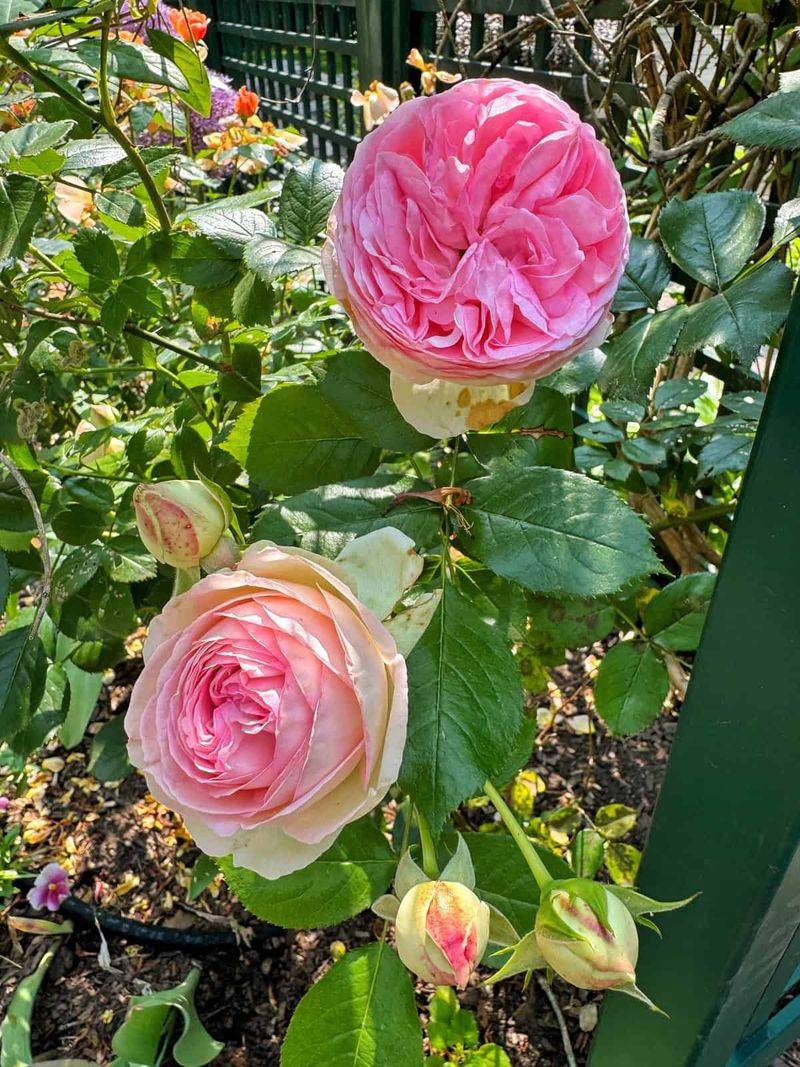
Spent roses left on the bush can slow down the next round of flowering, especially on repeat-blooming varieties.
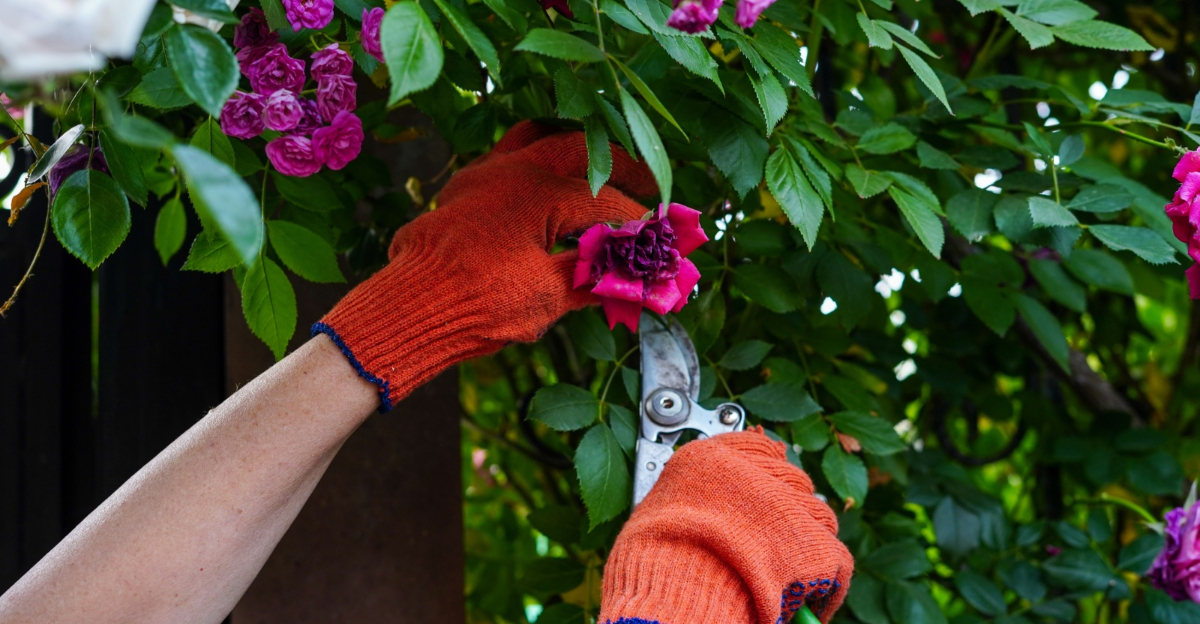
June is a natural time to work through Oregon rose beds and remove faded blooms, cutting back to a healthy outward-facing leaf node to encourage strong new growth.
A clean cut made at the right point on the stem gives the plant a clear signal to push energy toward new buds.
Repeat-blooming roses, including many hybrid teas, floribundas, and shrub roses, respond well to this kind of regular attention.
Oregon’s June weather, with its mix of lingering mild days and increasing sunshine, is a good time to get this work done before summer heat settles in.
Keeping up with deadheading through the season can help maintain a more continuous display of color in rose beds, borders, and containers.
Once-blooming roses, such as many old garden varieties and some climbers, set their flowers only once per season, so deadheading those will not bring more blooms. It is worth knowing which roses you have before cutting back.
For repeat bloomers, though, June cleanup is one of the most useful things a gardener can do to keep the show going well into late summer and early fall.
5. Dahlias Keep Producing When Faded Flowers Are Removed
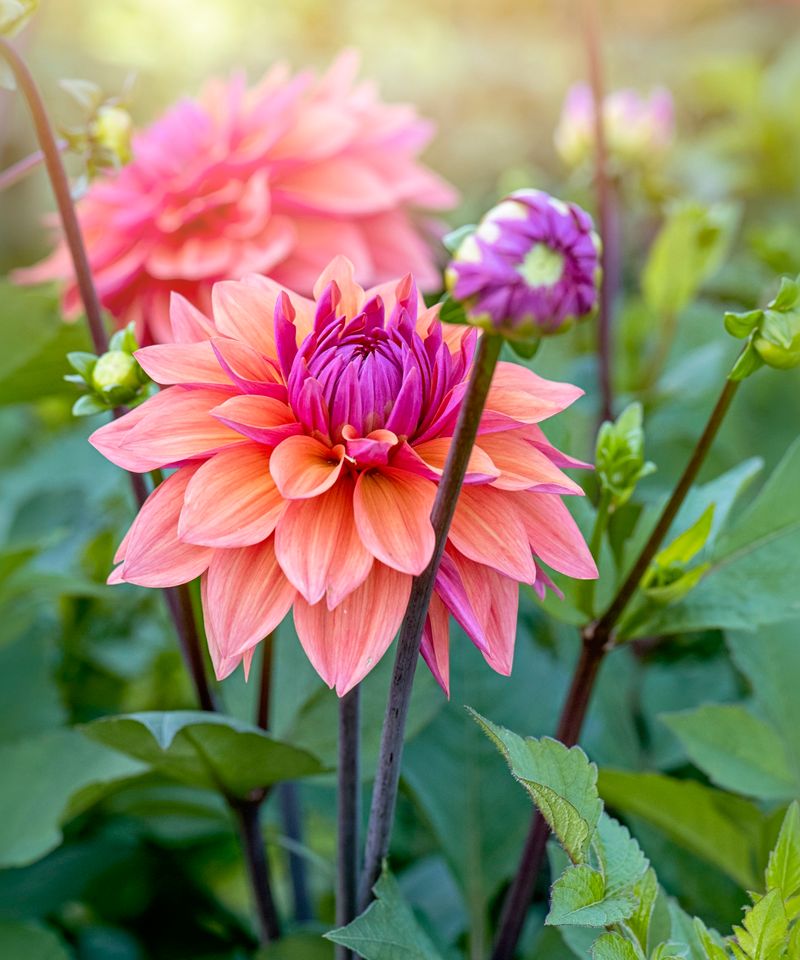
Oregon is known for its outstanding dahlias, and keeping those plants producing through summer and into fall comes down to consistent deadheading. When a dahlia flower fades, the plant naturally shifts energy toward forming seeds.
Removing faded blooms redirects that energy back into producing new flower buds, which can help keep the display going for a much longer stretch of the season.
Many dahlias are planted in spring and may not start blooming until midsummer depending on the region and planting time. For plants that are already flowering by June, regular removal of spent blooms is a simple habit that pays off quickly.
Look for flowers where the petals have started to curl inward or drop, and pinch or cut them off cleanly just above a leaf node or side shoot.
Dahlias in raised beds, containers, and sunny borders all benefit from this kind of attention. Oregon’s warm summers give dahlias a long growing window, and consistent deadheading can help you get the most out of that window.
Avoid leaving broken stems or torn cuts, as clean removal reduces the chance of problems and keeps the plant looking its best through the season.
6. Hardy Geraniums Can Bounce Back After A Cut
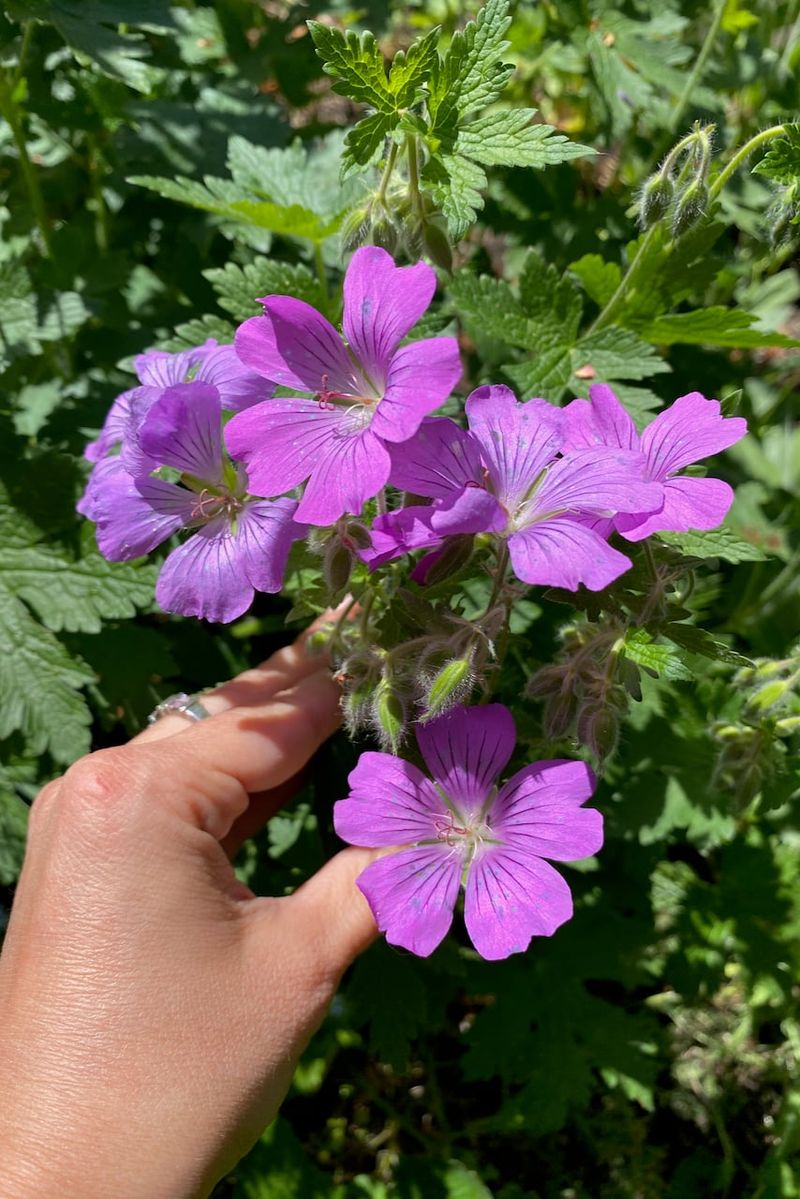
After the first big flush of flowers in late spring, hardy geraniums can start to look a little ragged by early June. The stems sprawl, the foliage gets a bit tatty, and the spent flowers add a dull, brownish cast to what was once a tidy mound of color.
Cutting the whole plant back by about half after that first bloom can refresh the look quickly and may bring on a scattering of new flowers later in the season.
Hardy geraniums are tough plants that handle Oregon’s variable early summer conditions well. They work nicely as ground covers, border edging plants, and companions for taller perennials.
After cutting back, give the plant some water if the weather has been dry, and fresh new foliage should start pushing through within a few weeks.
The rebloom on hardy geraniums after a June cutback tends to be lighter than the main spring flush, but the fresh foliage alone makes the effort worthwhile. Some cultivars respond more enthusiastically than others, so results can vary.
The key is not to wait too long after the first bloom fades. Cutting back while the plant still has some energy and warmth ahead of it gives it the best chance to recover and look good through the rest of Oregon’s summer.
7. Shasta Daisies Bloom Longer With Regular Cleanup
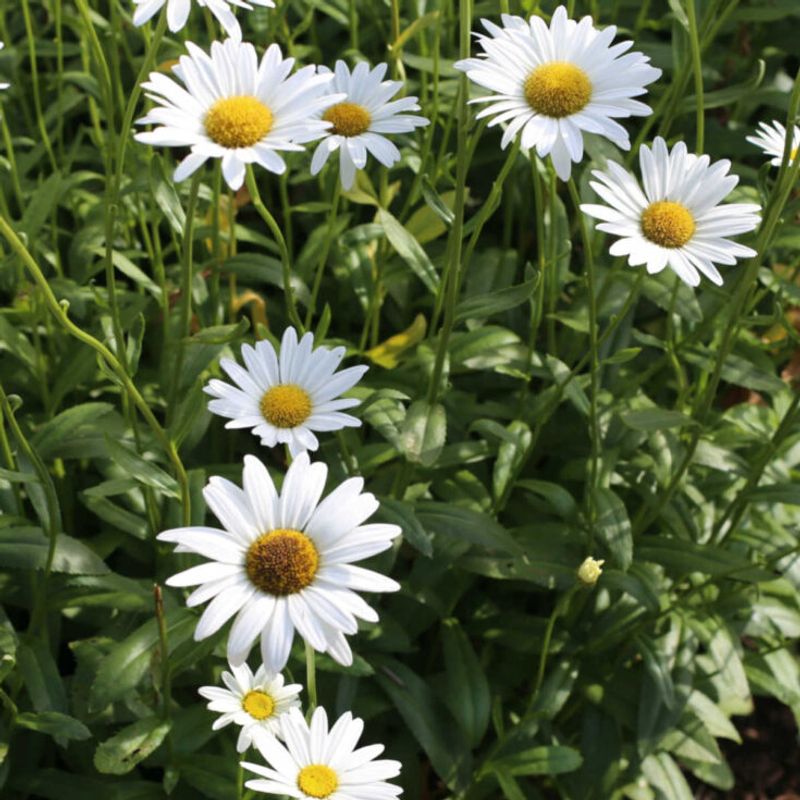
Bright and cheerful, Shasta daisies are a staple in summer gardens, and they tend to bloom more generously when spent flowers are removed on a regular basis. Each faded bloom left on the plant uses energy that could be going toward the next round of buds.
A quick pass through the bed every week or two, snipping off flowers that have gone past their prime, can noticeably extend the summer display.
Shasta daisies tend to hit their stride in June and July in many parts of Oregon, making early June the right time to start paying attention. Deadhead individual flowers as they fade by cutting the stem back to a healthy leaf or side bud.
When a whole section of the plant starts looking worn, cutting it back further can encourage a flush of new growth and fresh blooms.
These plants work well in cottage gardens, sunny borders, and cut flower beds across Oregon. They are fairly drought-tolerant once established, though consistent moisture during summer can help keep flowering going longer.
If your Shasta daisies tend to flop or spread too wide, cutting back the outer stems after the first bloom can also help tighten the plant’s shape while encouraging fresh growth from the center.
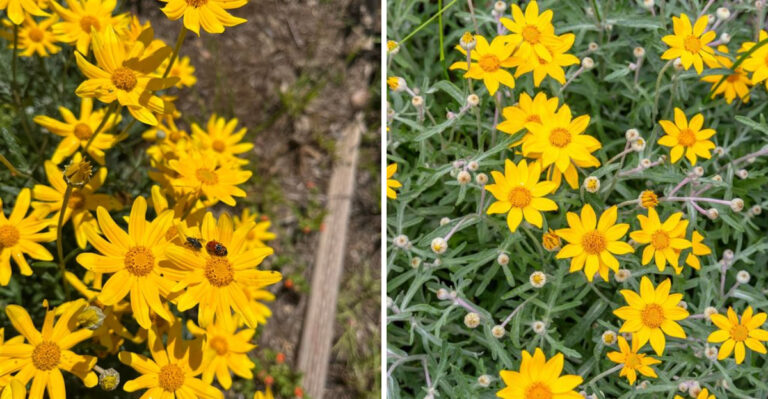
8. Coreopsis May Rebloom After Seedheads Are Removed
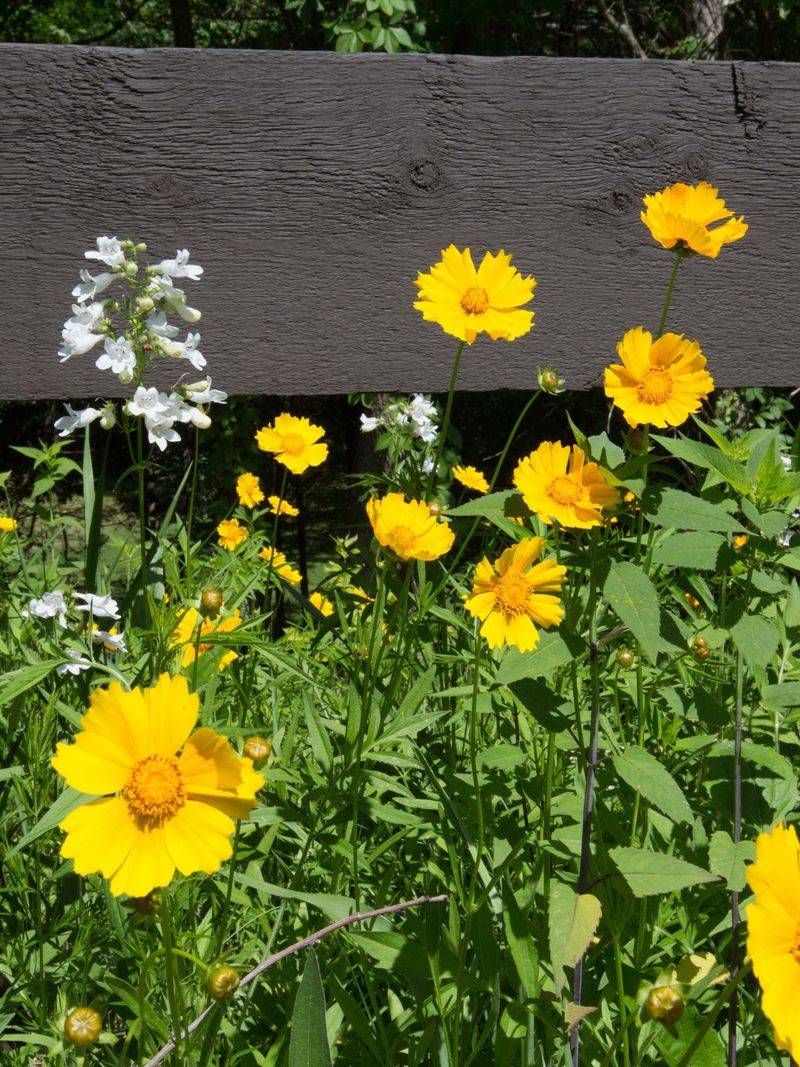
Few plants bring as much cheerful yellow to summer borders as coreopsis, and keeping those flowers coming takes just a little regular attention.
As the first flowers fade and seedheads begin to form, removing them promptly can encourage the plant to keep producing new buds.
This is especially true for thread-leaf varieties, which tend to rebloom more freely than some of the larger-flowered types.
Coreopsis fits well into Oregon’s dry garden beds, waterwise borders, and sunny containers. It handles summer heat reasonably well and does not need a lot of fussing, but it does respond noticeably to deadheading.
In June, take a look at the plant and remove any stems where the petals have dropped and a small seedhead is beginning to swell. You can do this by hand or with light scissors for thread-leaf types.
Results can vary depending on the cultivar, your Oregon region, and how much summer heat and water the plant receives.
Some coreopsis varieties are bred specifically for extended bloom and may rebloom more reliably than older or less-selected types.
Regardless of cultivar, keeping seedheads cleared through the season tends to produce a tidier, more floriferous plant than leaving spent stems in place throughout summer.
9. Veronica Sends More Flowers After Spikes Are Cut
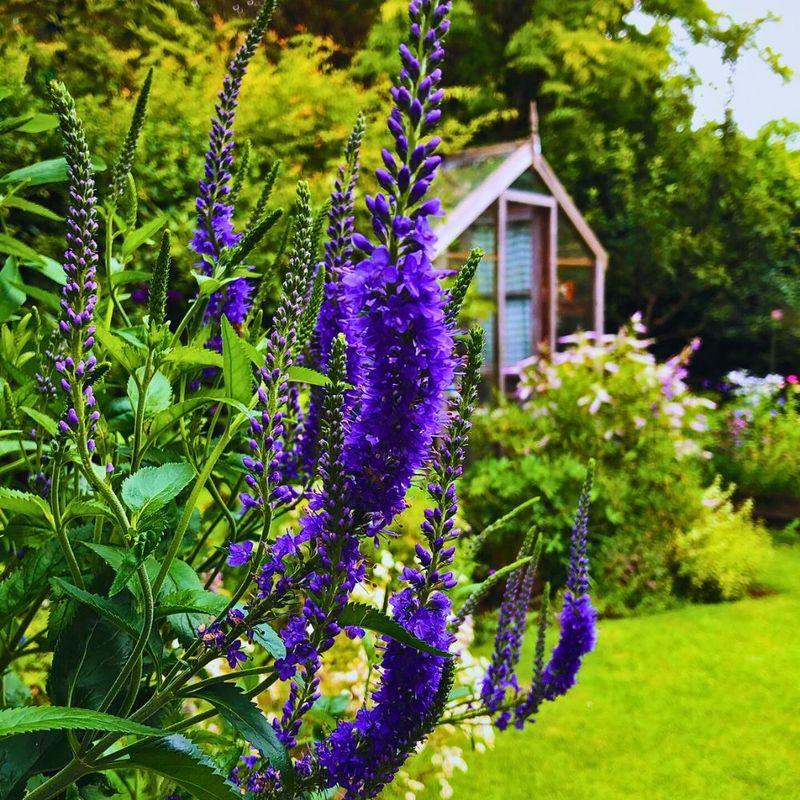
Those tall, narrow flower spikes that make veronica such a striking presence in Oregon perennial borders tend to fade from the top down.
Once most of the florets on a spike have dropped, cutting it back to a healthy set of leaves or a side shoot can prompt the plant to push out fresh flower spikes.
This approach works well for many of the commonly grown speedwell varieties found in gardens.
Veronica tends to bloom in late spring and early summer, which means June is often the right moment to start cutting back the first round of spent spikes.
The plant is generally tidy and upright, which makes it easy to work through without disturbing neighboring plants.
Clean cuts made just above healthy foliage give the plant a neat appearance while encouraging new growth from lower on the stem.
In Oregon borders and pollinator beds, veronica is valued for its vertical interest and its appeal to bees and other beneficial insects. Keeping the spent spikes removed through the season helps maintain that contribution to the garden ecosystem.
While a second flush is not certain for every plant or every season, consistent deadheading tends to produce a longer and more attractive display than leaving spent spikes in place.
10. Annuals Keep Going When Faded Blooms Come Off
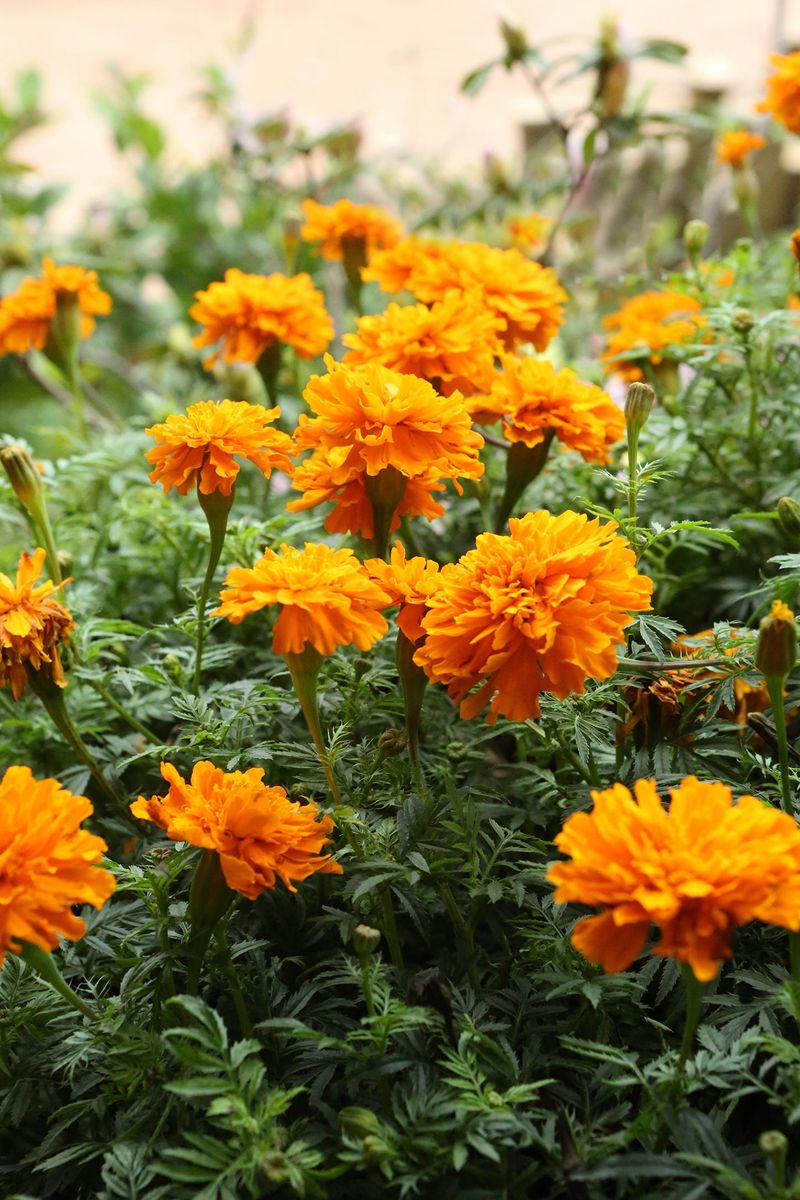
Annuals like zinnias, marigolds, calendulas, and petunias are some of the hardest-working plants in Oregon summer gardens, and they reward regular deadheading with a steady stream of fresh flowers.
Unlike perennials that go through defined bloom cycles, many annuals will keep flowering as long as they are not allowed to set seed.
Removing faded blooms as soon as they start to go over is one of the simplest ways to keep color going all season long.
By June, many gardeners have already planted out warm-season annuals in containers, raised beds, window boxes, and sunny borders. As those plants settle in and start to bloom, building a habit of checking for spent flowers every few days makes a real difference.
Pinch off petunias just below the faded flower, cut marigolds and zinnias back to a leaf node or side bud, and snap off calendula heads as soon as petals start to drop.
Annuals are especially forgiving and quick to respond to this kind of care. Even plants that have started to look a little leggy can bounce back with a light trim and some consistent deadheading.
Oregon’s long summer days give annuals plenty of energy to keep producing, and a little regular attention through June and beyond can keep containers and borders looking their best well into fall.