What To Plant In Oregon In June If Your Spring Garden Failed
A failed spring garden can feel discouraging, but June gives Oregon gardeners a fresh chance.
Cool season crops may have bolted, seedlings may have stalled, or soggy soil may have ruined your first plan.
That does not mean the growing season is wasted. June still has plenty of useful planting time, especially for crops and flowers that like warmer soil and longer days.
This is the moment to reset with plants that can catch up fast, fill empty beds, and bring the garden back to life before summer peaks. Think of it as a second start, not a backup plan.
With the right choices, those bare rows and disappointing patches can turn into something productive, colorful, and worth checking every morning.
1. Bush Beans Love Warm June Soil
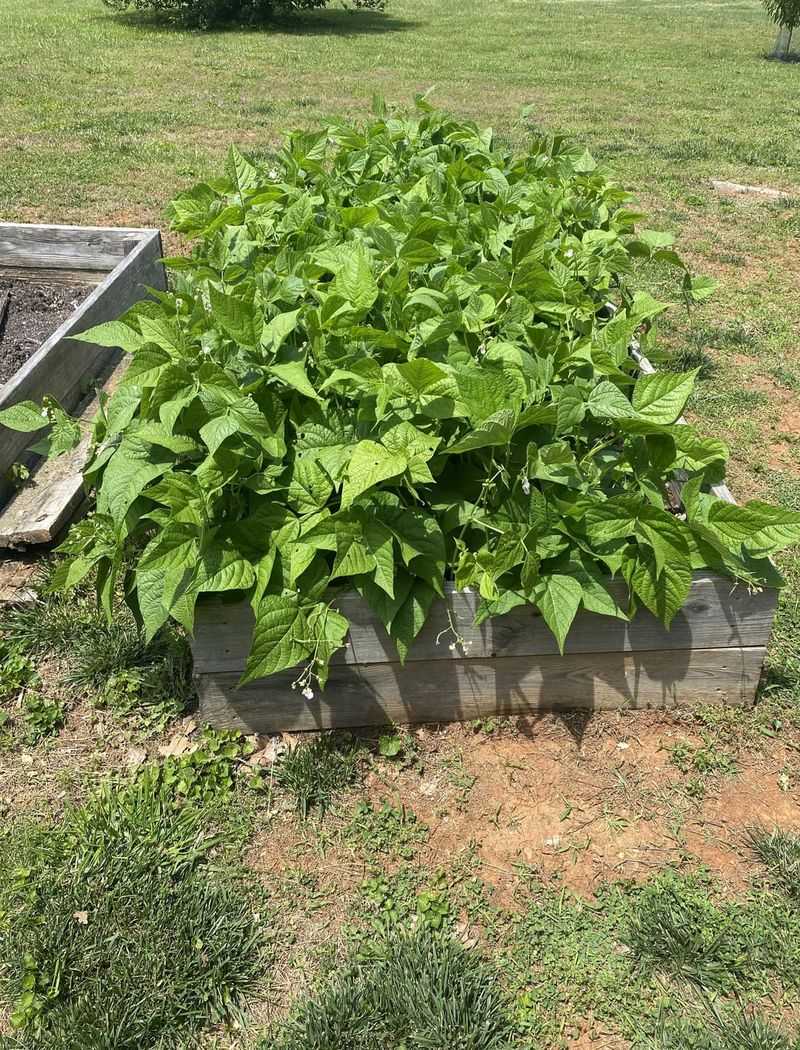
Few vegetables bounce back a season quite like bush beans. Planting them in June is actually ideal because they prefer warm soil, and by this point in the year, the ground has had plenty of time to heat up nicely.
Cold soil is one of the top reasons bean seeds fail to sprout, so a late start can actually work in your favor.
Bush beans are a great pick for beginners and experienced gardeners alike. They grow without needing stakes or trellises, which keeps things simple.
You just press the seeds about an inch into the soil, water them in, and watch things happen fast. Most varieties are ready to harvest in just 50 to 60 days from planting.
Space your seeds about four to six inches apart in rows. Make sure the bed gets full sun for the best results.
Water consistently but avoid soaking the leaves, since wet foliage can lead to mold and other issues. Bush beans also fix nitrogen in the soil, which naturally improves your garden over time.
One fun bonus is that you can plant a second round in late July for a fall harvest. That gives you two chances to enjoy fresh beans from the same garden bed.
Blue Lake and Provider are two popular varieties that do especially well in our state’s summer climate.
2. Zinnias Bloom Fast From Seed
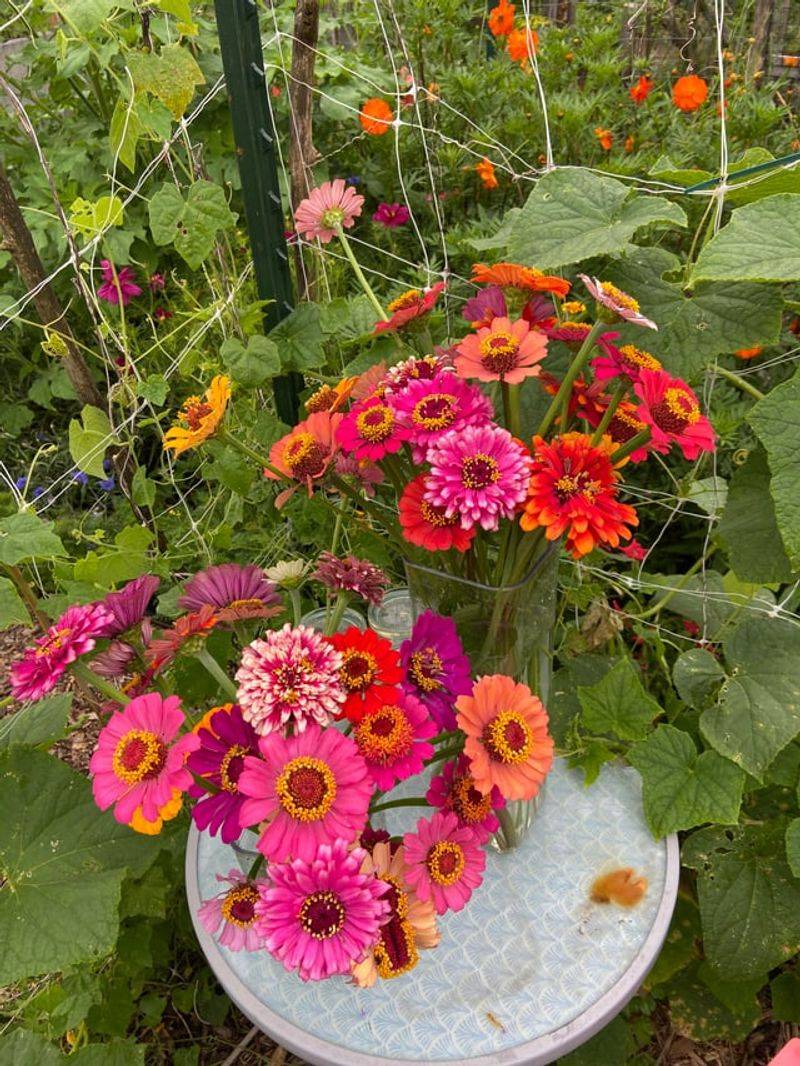
If your spring flower beds came up empty, zinnias are about to become your new best friend.
These cheerful, bold flowers go from seed to bloom in as little as six to eight weeks, which means a June planting can have your yard looking stunning by late July or August.
Not many flowers can promise that kind of speed. Zinnias love heat and full sun, making June the perfect month to get them in the ground.
They actually struggle in cool, wet conditions, so planting them now rather than in early spring gives them a much better shot at success.
Just sow the seeds directly into the garden bed about a quarter inch deep, and keep the soil lightly moist until they sprout.
Once established, zinnias are surprisingly low-maintenance. They handle dry spells better than most annuals and keep producing flowers all the way through the first frost.
Your Oregon Garden Changes Every Week. Your Plan Should Too.
Gardening in Oregon changes quickly throughout the season. Every Friday you’ll receive a simple weekly plan showing exactly what to plant, prune, fertilize, harvest, and protect so you never miss the right timing.
Deadheading the old blooms encourages even more flowers to form, so the more you cut, the more you get.
They also attract butterflies and pollinators, which benefits every other plant in your garden. Tall varieties like Benary’s Giant work well as cut flowers for indoor bouquets.
Shorter types like Thumbelina are great for borders and containers. Either way, zinnias deliver a huge payoff for very little effort, making them a perfect recovery plant for a struggling garden.
3. Basil Finally Takes Off In Early Summer
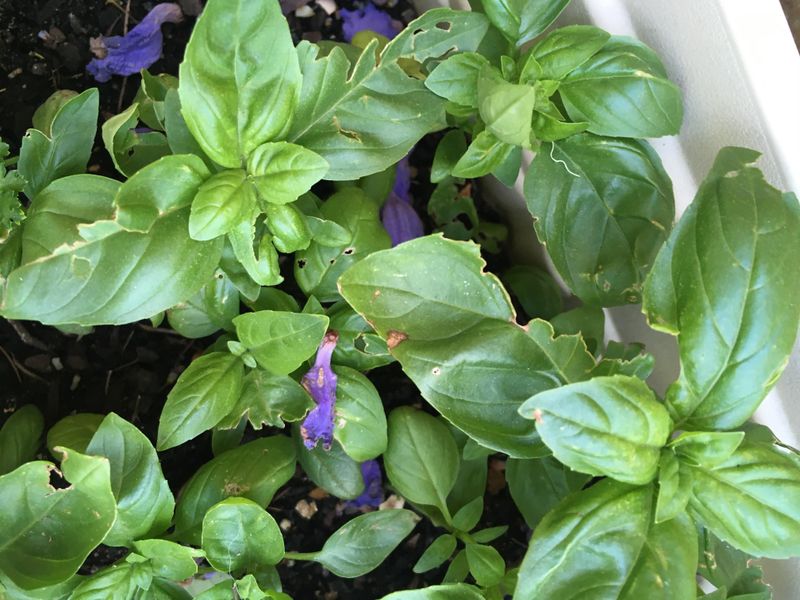
Basil and cold weather simply do not get along. If you tried to plant it in April or May and it sulked or turned yellow, that was not your fault.
Basil is a warm-weather herb through and through, and it genuinely thrives once temperatures stay consistently above 60 degrees Fahrenheit. June is exactly when it starts to shine.
You can start basil from seed or pick up transplants from a local nursery. Either way, make sure it goes into a sunny spot that gets at least six hours of direct light each day.
Plant it in well-drained soil and water at the base rather than from above. Basil prefers to stay moist but not waterlogged, so check the soil regularly during dry stretches.
Pinching off the flower buds as they appear keeps the plant focused on producing flavorful leaves instead of going to seed. Once basil starts flowering, the leaves can turn bitter, so stay on top of that.
Regular harvesting also encourages bushier, fuller growth throughout the season.
Sweet basil is the most common variety, but Genovese, Thai, and lemon basil are all worth trying. They each bring a slightly different flavor profile to the kitchen.
Pair basil with your tomatoes in the garden, since the two plants are said to benefit each other. Fresh basil all summer long is one of the simplest joys a home garden can offer.
4. Summer Squash Quickly Fills Empty Beds
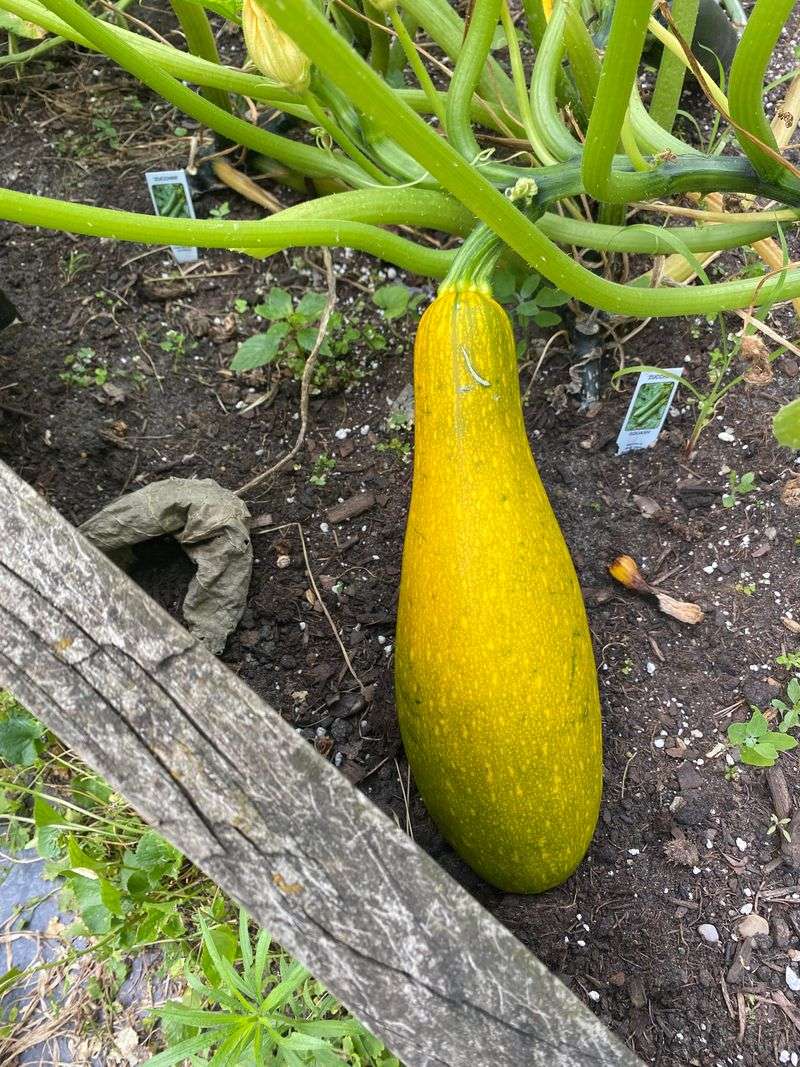
Empty garden beds in June can feel discouraging, but summer squash has a way of fixing that problem fast. This vegetable is one of the most vigorous growers you can put in the ground.
Within just a few weeks of planting, squash plants spread wide, cover bare soil, and start producing more food than most families can keep up with.
Plant squash seeds or transplants in a spot with full sun and rich, loose soil. Each plant needs plenty of room, so space them at least two to three feet apart.
Squash roots like to stay moist, especially during hot stretches, so consistent watering is key.
Mulching around the base of the plant helps hold moisture in and keeps the soil temperature steady.
Zucchini is the most popular type of summer squash, and for good reason. It grows incredibly fast and can go from tiny to too big in just a couple of days.
Harvest the fruits when they are small to medium in size for the best flavor and texture. Leaving them too long makes them tough and seedy.
Yellow crookneck and pattypan squash are two other varieties worth planting. They add variety to your meals and look beautiful in the garden.
Squash plants also attract pollinators with their large yellow flowers, which helps everything else in your garden produce better.
A few squash plants can truly transform an empty bed into a productive summer garden.
5. Cucumbers Catch Up Fast In June
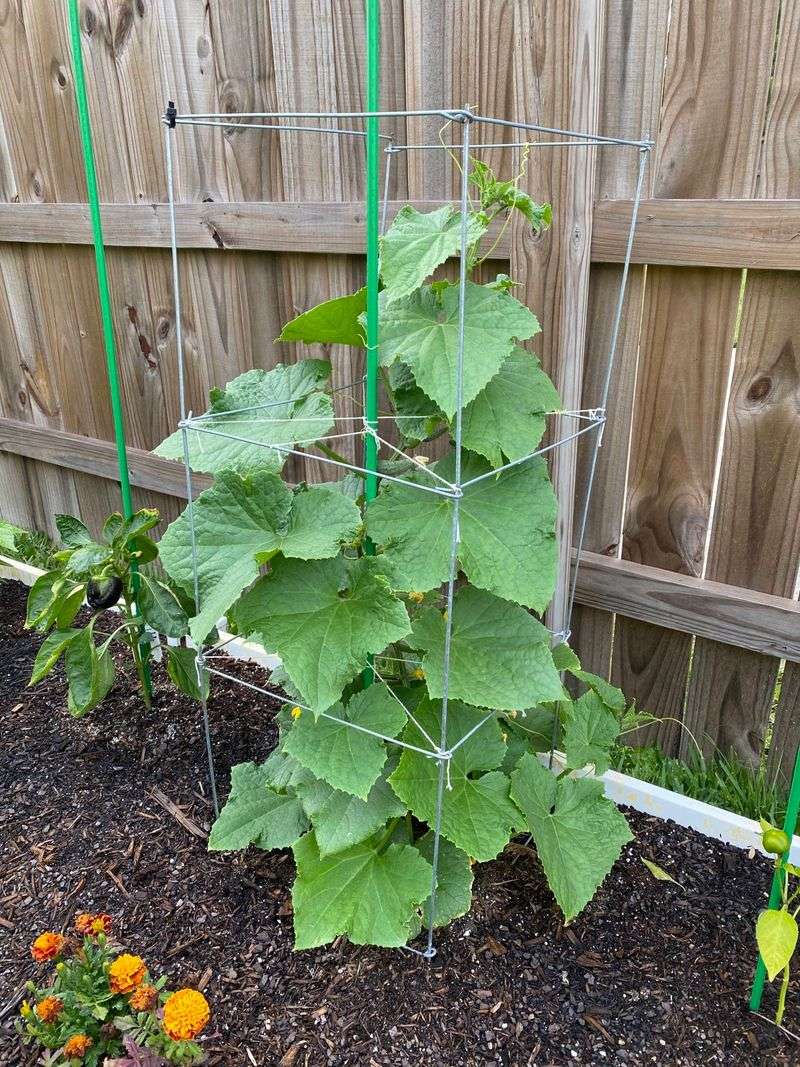
Cucumbers are one of those vegetables that really hit their stride in warm weather, and June is prime time to get them started.
They grow quickly once the soil temperature reaches at least 65 degrees, and in our state, June typically delivers exactly that.
A June planting gives cucumbers the long, warm days they need to produce a solid harvest before fall arrives.
You can plant cucumber seeds directly in the ground or start with transplants. Either way, give them a trellis or some kind of support to climb.
Growing vertically saves space, improves air circulation, and makes harvesting much easier. Plant them in full sun with rich, well-draining soil, and keep the moisture consistent throughout the season.
Cucumbers are heavy drinkers, especially once the fruits start forming. Letting the soil dry out can cause bitterness in the fruit, so water deeply and regularly.
A layer of mulch around the base of the plant goes a long way in keeping moisture locked in between waterings.
Slicing cucumbers like Straight Eight are great for fresh eating, while pickling varieties like National Pickling produce smaller fruits perfect for preserving. Bush cucumbers work well in containers or smaller garden spaces.
Most varieties are ready to harvest in about 55 to 65 days, which means a June planting can still yield a solid crop well before the season wraps up. Do not count cucumbers out just because spring is over.
6. Cosmos Handle Late Starts Surprisingly Well
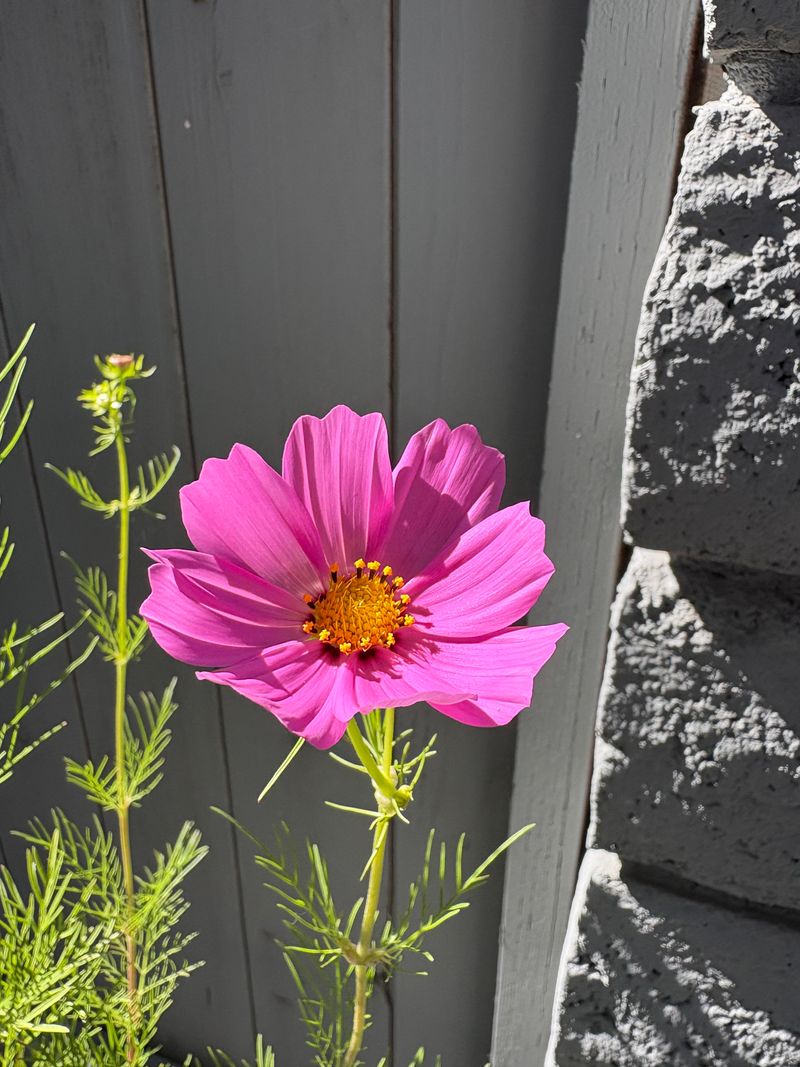
There is something almost magical about cosmos. These feathery, delicate-looking flowers are actually tough as nails, and they handle a late planting better than almost any other annual.
Sow them directly in the ground in June, and they will reward you with waves of blooms from late summer all the way through the first frost.
Cosmos prefer lean soil, which makes them refreshingly low-maintenance. Adding too much fertilizer or rich compost actually works against them, causing lots of leafy growth but fewer flowers.
Just plant the seeds in a sunny spot with average garden soil, press them lightly into the surface, and water them in. They tend to take care of themselves from there.
These flowers grow tall and airy, often reaching three to four feet in height. They sway beautifully in a breeze and add a cottage garden feel to any yard.
Taller varieties may benefit from light staking if your area gets strong summer winds, but many gardeners leave them free-standing for a more natural look.
Cosmos also self-seed readily, which means if you let the spent flowers drop their seeds, you may find new plants coming up on their own next season.
Sensation Mix and Sonata are two popular series that offer a range of colors from white to deep magenta.
They attract butterflies, bees, and beneficial insects too, making them a smart and beautiful addition to any recovering garden this summer.
7. Marigolds Bring Quick Summer Color
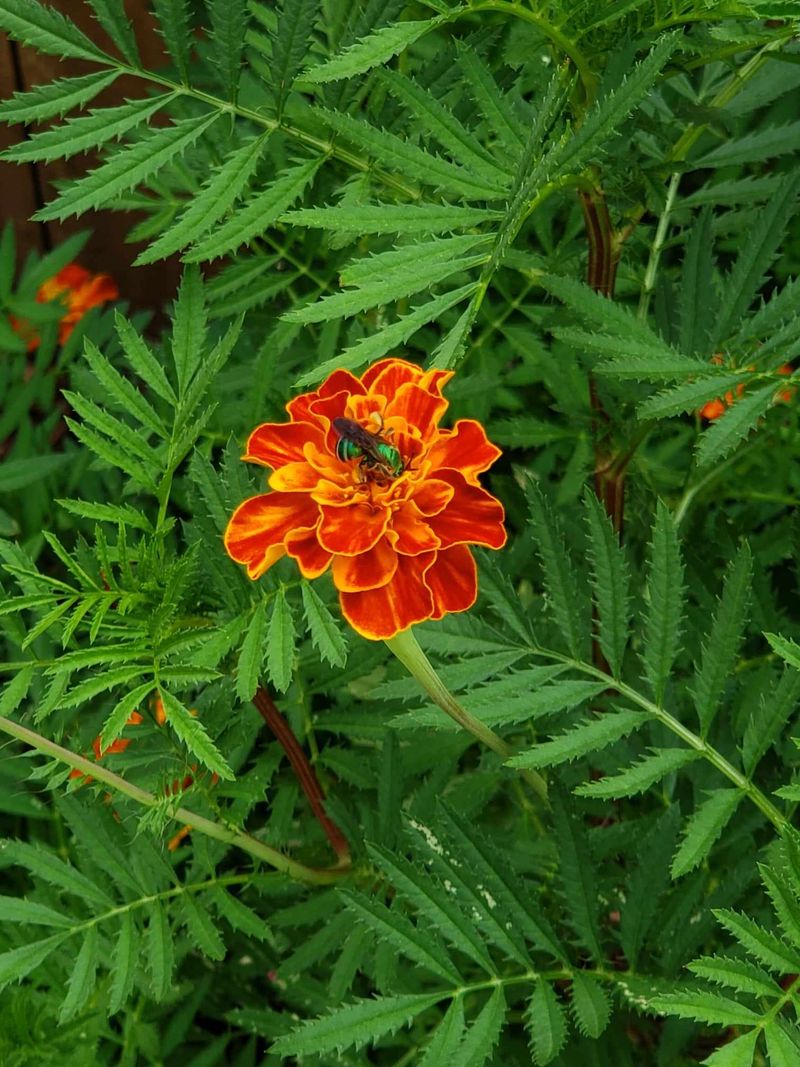
When a garden needs a fast burst of color, marigolds almost never let you down. These bright, cheerful flowers grow quickly from seed and can start blooming in as little as six to eight weeks after planting.
A June sowing means your garden could be glowing with orange and yellow by mid-August at the latest.
Marigolds are incredibly adaptable. They grow well in containers, raised beds, and traditional garden rows.
Full sun is their happy place, and they prefer well-drained soil over anything heavy or waterlogged. Water them at the base to keep the foliage dry and reduce the chance of fungal problems.
Once established, they are fairly drought-tolerant and forgiving of occasional neglect.
One of the best things about marigolds is how hard they work beyond just looking pretty. They are known to repel certain garden pests, including aphids and whiteflies.
Many gardeners plant them near tomatoes, peppers, and squash for this reason. Whether or not you believe in companion planting, having marigolds around certainly does not hurt anything.
French marigolds stay compact and bushy, making them ideal for borders. African marigolds grow taller and produce larger blooms that make a bold visual statement.
Both types are easy to find at nurseries and garden centers. Deadhead spent blooms regularly to keep new flowers coming all season long.
Marigolds are one of the most reliable ways to recover a garden that had a rough spring start.
8. Lettuce Still Works In Partial Shade
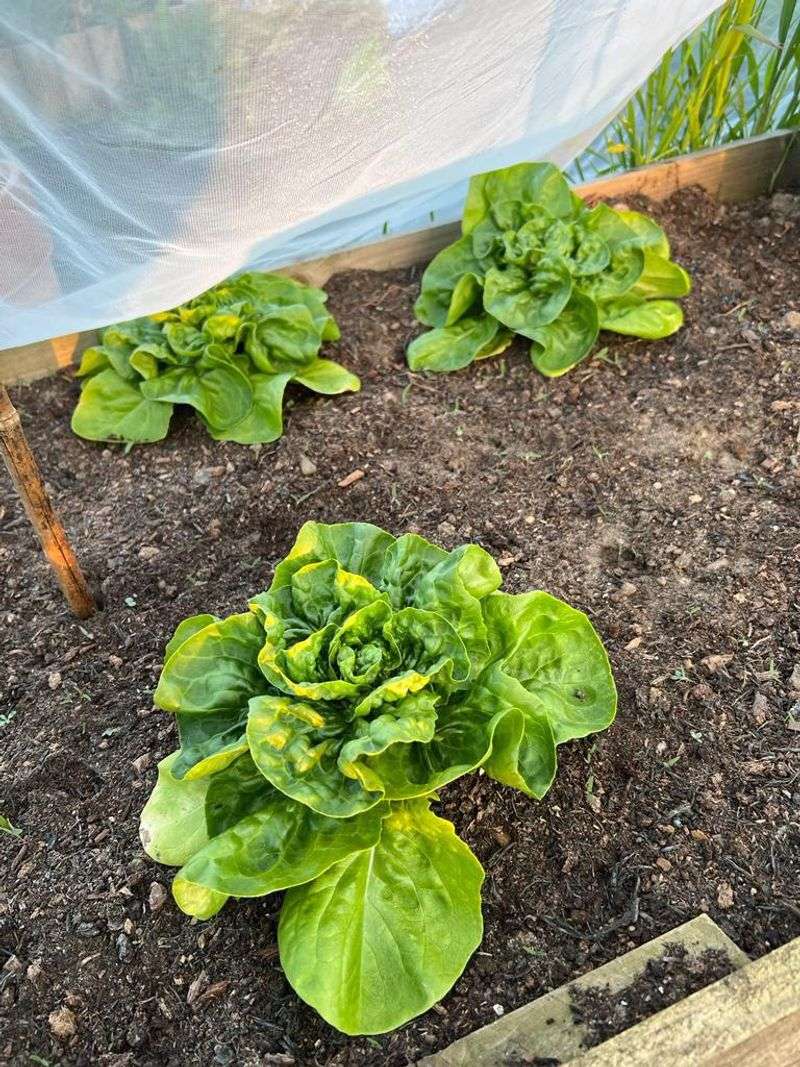
Most people think of lettuce as a spring crop and assume the window has closed by June. That is not entirely true, especially in our state where coastal breezes and shaded garden spots can keep things cool enough for a fresh round of greens.
The secret is finding the right location and choosing heat-tolerant varieties.
Look for a spot in your yard that gets morning sun but is shaded from the intense afternoon heat. Under the canopy of a taller plant or near a fence can work perfectly.
Heat causes lettuce to bolt, which means it sends up a flower stalk and turns bitter quickly. Shade slows that process down and extends your harvest window considerably.
Loose-leaf varieties like Black Seeded Simpson, Red Sails, and Oak Leaf are more heat-tolerant than head lettuces. They also mature faster, often in 45 to 50 days from seeding.
Sow them directly in the soil and keep the surface moist until germination. Thin the seedlings to about six inches apart once they sprout to give each plant room to grow.
Harvest outer leaves as needed rather than pulling the whole plant. This cut-and-come-again method keeps the plant producing for weeks at a time.
A light layer of mulch helps keep the soil cool and moist, which lettuce appreciates. With a little planning, you can still enjoy homegrown salads well into late summer and even into early fall from a June planting.
9. Sunflowers Grow Fast In Warm Weather
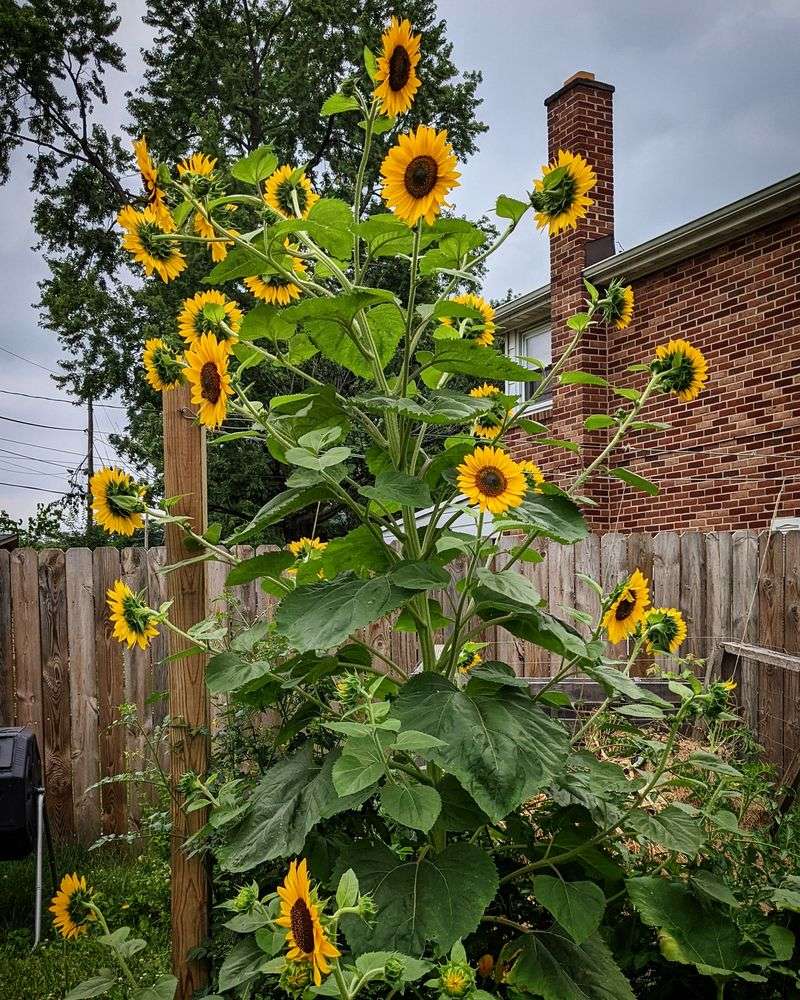
Planting sunflowers in June feels almost like cheating because they grow so fast and so reliably.
Drop a seed in the ground, give it sun and water, and within weeks you have a towering plant with a huge golden bloom facing toward the sky.
Few garden plants offer that kind of dramatic payoff for so little effort.
Sunflowers thrive in full sun and are surprisingly drought-tolerant once they get established. They prefer loose, well-drained soil but are not too picky about soil quality.
That makes them a great choice for spots in the yard where other plants have struggled. Plant seeds about an inch deep and six to twelve inches apart depending on the variety.
Most standard varieties reach full bloom in 70 to 85 days, which puts a June planting right on track for late August or early September blooms.
Dwarf varieties like Teddy Bear or Sunspot mature faster and work well in containers or smaller spaces.
Giant varieties like Mammoth Russian can top ten feet tall and make a real showstopper in any yard.
Sunflowers also attract birds, bees, and beneficial insects throughout the season. Once the flowers fade, the seed heads provide food for finches and other wildlife heading into fall.
You can even harvest the seeds yourself for roasting. A June planting of sunflowers is one of the easiest, most rewarding ways to end a challenging growing season on a high note.