How Often California Gardeners Actually Need To Water Their Vegetables
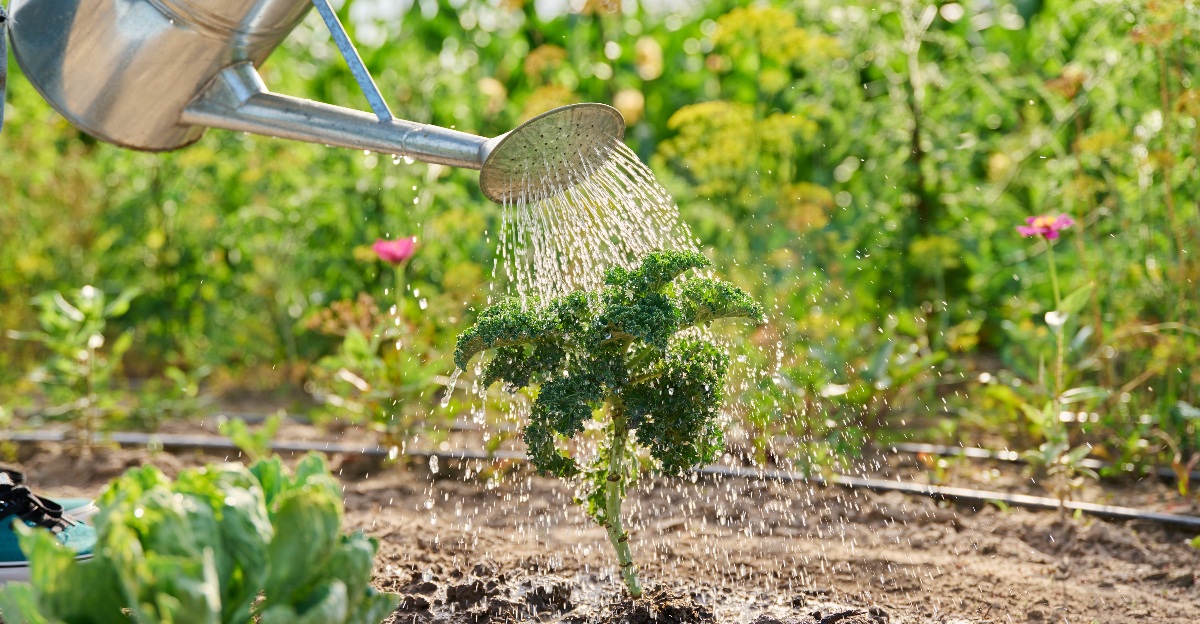
California vegetable gardening comes with a watering question that almost nobody answers correctly the first time.
Not because the answer is complicated. Because there is no single answer, and many gardeners are working from advice designed for somewhere else entirely.
A gardener in Fresno and a gardener in Santa Cruz are dealing with completely different moisture demands in the same week of summer. The crops matter. The soil type matters. The time of day matters more than most people realize.
The most common watering habit in California gardens, picking a schedule and sticking to it regardless of what the plants and soil are showing, tends to produce results that range from mediocre to genuinely damaging.
Do you know what your specific vegetables actually need right now based on your soil and your climate zone?
Getting this right is not difficult once the actual variables are understood. This is what California vegetable watering looks like when it is done correctly.
1. Water One To Three Times Weekly In Summer
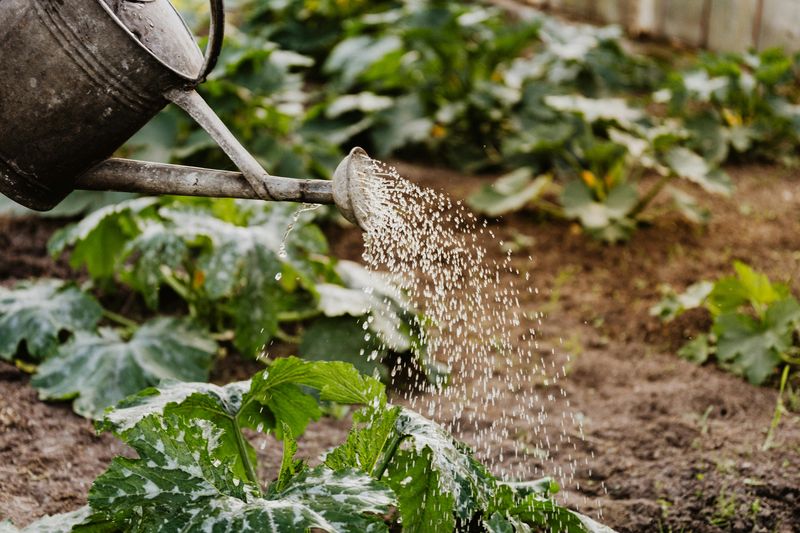
Image Credit: © www.kaboompics.com / Pexels
Summer heat in California is not uniform, and neither is the watering advice that applies to it.
Many home vegetable gardens need watering one to three times per week during summer, but that range reflects genuine differences in climate, soil type, and crop stage across the state. It is not a vague estimate. It is a span that accounts for real variation.
A gardener in Fresno during a July heat wave may need to water every day. A gardener in Santa Cruz with coastal breezes and cool nights might water twice a week and have plants that look better for it.
The difference comes down to how fast water actually leaves the soil in each location, a measurement called evapotranspiration that many California counties publish weekly online for free.
Sandy soils drain fast and require more frequent watering because moisture does not linger. Clay holds water considerably longer, which means schedules can stretch.
Loamy soil lands in the middle and is the most forgiving to manage. Plant growth stage matters too. Seedlings need more consistent moisture than established plants with developed root systems.
Adjusting the schedule week by week as temperatures shift is more effective than any fixed routine.
The gardeners who water based on what is actually happening in the soil tend to produce better harvests and spend less time troubleshooting stressed plants than the ones who picked a day and never questioned it again.
2. Soak Deeply Instead Of Sprinkling The Surface
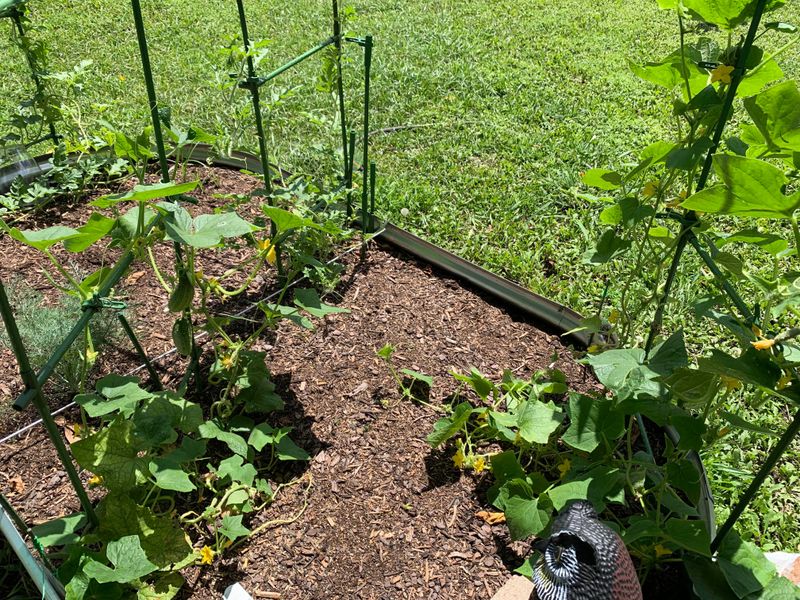
Shallow watering feels productive. The soil gets wet, the plants look cared for, and the task feels complete.
The problem is that shallow moisture only reaches the top inch or two of soil, and roots follow moisture downward.
Surface roots are fragile, easily stressed by heat, and far less efficient at accessing nutrients than roots that have grown deep into the profile.
Deep watering means getting moisture six to twelve inches into the soil, where the actual root zone lives.
For most vegetables, that requires running a drip system or soaker hose long enough to saturate that entire zone at a slow, steady rate. A brief burst from a sprinkler does not accomplish this.
Your California Garden Changes Every Week. Your Plan Should Too.
Gardening in California changes quickly throughout the season. Every Friday you’ll receive a simple weekly plan showing exactly what to plant, prune, fertilize, harvest, and protect so you never miss the right timing.
One way to check is to use a trowel or wooden dowel after watering. Push it six inches into the soil near a plant.
If it slides in without resistance, water has penetrated properly. If it hits dry, compacted soil partway down, the session was too short.
Deep and infrequent watering encourages roots to follow moisture downward, which builds resilience during dry spells and heat events.
A plant with roots six to twelve inches deep is working from a completely different resource base than one with roots sitting two inches below the surface.
Shallow watering produces shallow results. California summers have a way of making that distinction very clear by August.
3. Let Soil Type Set The Schedule
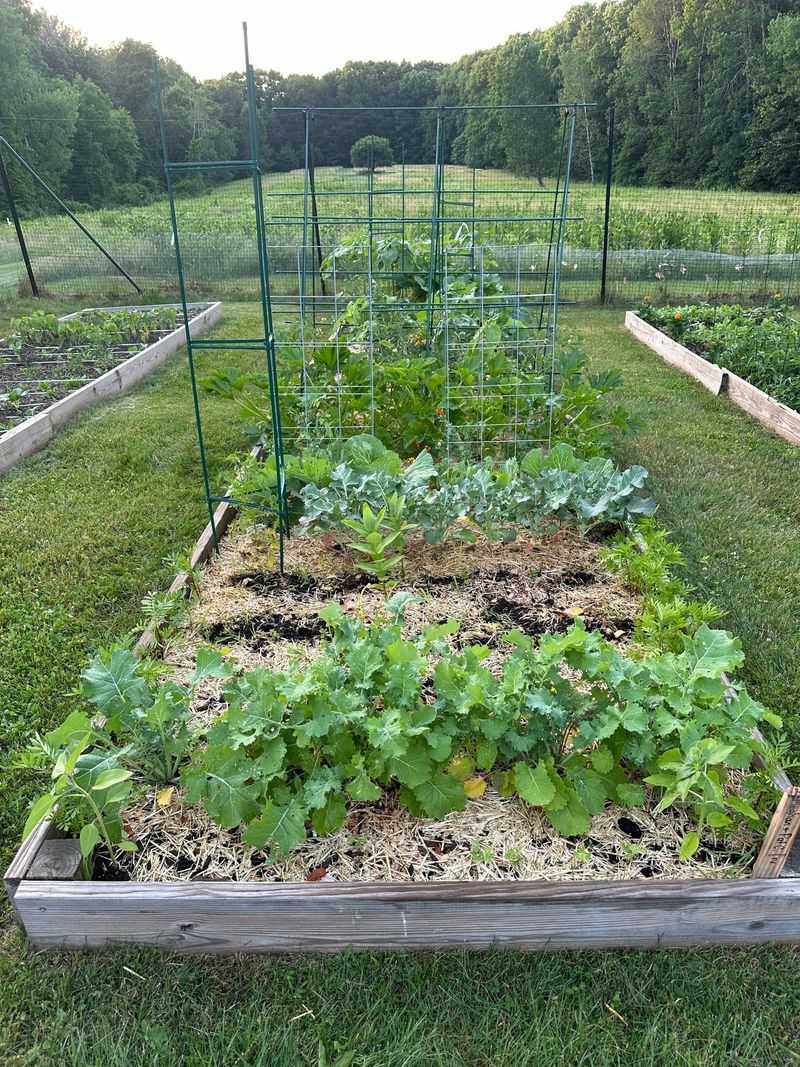
Not all garden soil behaves the same way, and a watering schedule built for one soil type can cause real problems in another.
Sandy soil has large particles with significant space between them. Water moves through it quickly, sometimes too quickly for roots to access before it drains away.
Vegetables in sandy soil often need watering every one to two days during hot weather. Adding compost improves water retention in sandy beds and stretches the interval between sessions.
Clay soil holds water for an extended period, which sounds like an advantage until it becomes waterlogged.
Roots in saturated clay struggle to access the oxygen they need. In clay, watering once a week or less in mild weather is often sufficient. The reliable signal to water is when the top two inches feel dry to the touch.
Loamy soil sits between these two types. It retains moisture without becoming waterlogged and is the most forgiving soil to manage in terms of watering frequency.
Improving any soil with two to four inches of compost worked in before planting meaningfully improves both water retention and drainage regardless of the starting type.
Knowing what kind of soil is in the bed is not just background information. It is the single most useful piece of data for building a watering schedule that actually works for the specific conditions in that garden.
4. Give Tomatoes Longer Drinks Less Often
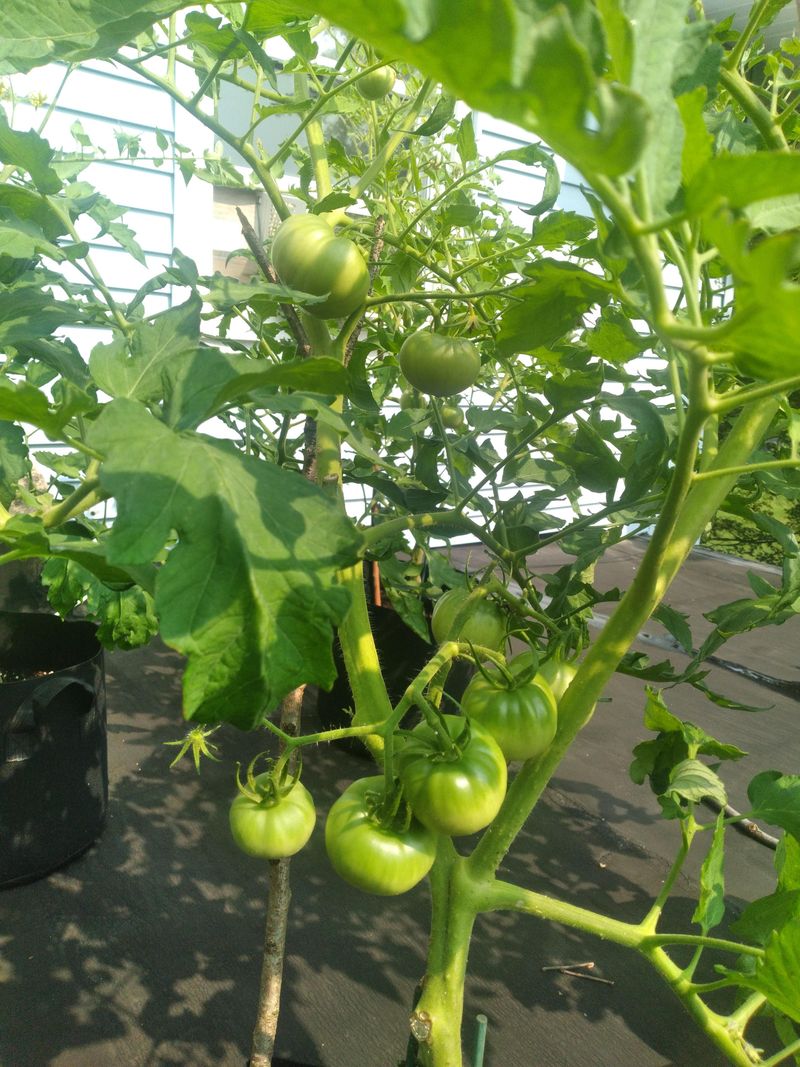
Tomatoes have a reputation for being demanding, and water is usually the first concern. The counterintuitive truth is that tomatoes do better with less frequent watering than most gardeners give them.
Their root systems can reach two feet or more into the soil when conditions allow. That depth is an advantage, but only if the watering style actually encourages roots to go there.
Daily shallow watering keeps roots near the surface, where heat stress and rapid drying create constant vulnerability.
Watering tomatoes deeply every three to seven days, adjusted for heat and soil conditions, outperforms daily sprinkles consistently.
That approach builds a root system that can continue pulling moisture even when the top few inches of soil dry between sessions.
Consistent moisture at root depth also prevents two of the most common tomato problems in California gardens. Blossom end rot and fruit cracking are both linked directly to irregular watering rather than disease or nutrient deficiency. Steady moisture through the fruiting period addresses both.
A drip emitter at the base of each plant running for forty-five to ninety minutes every few days is more effective than a ten-minute sprinkle every morning.
Before each session, check soil moisture six inches down. If it feels damp, the plant does not need water yet. Tomatoes thrive on rhythm and depth, not frequency for its own sake.
5. Water Leafy Greens Before Shallow Roots Dry
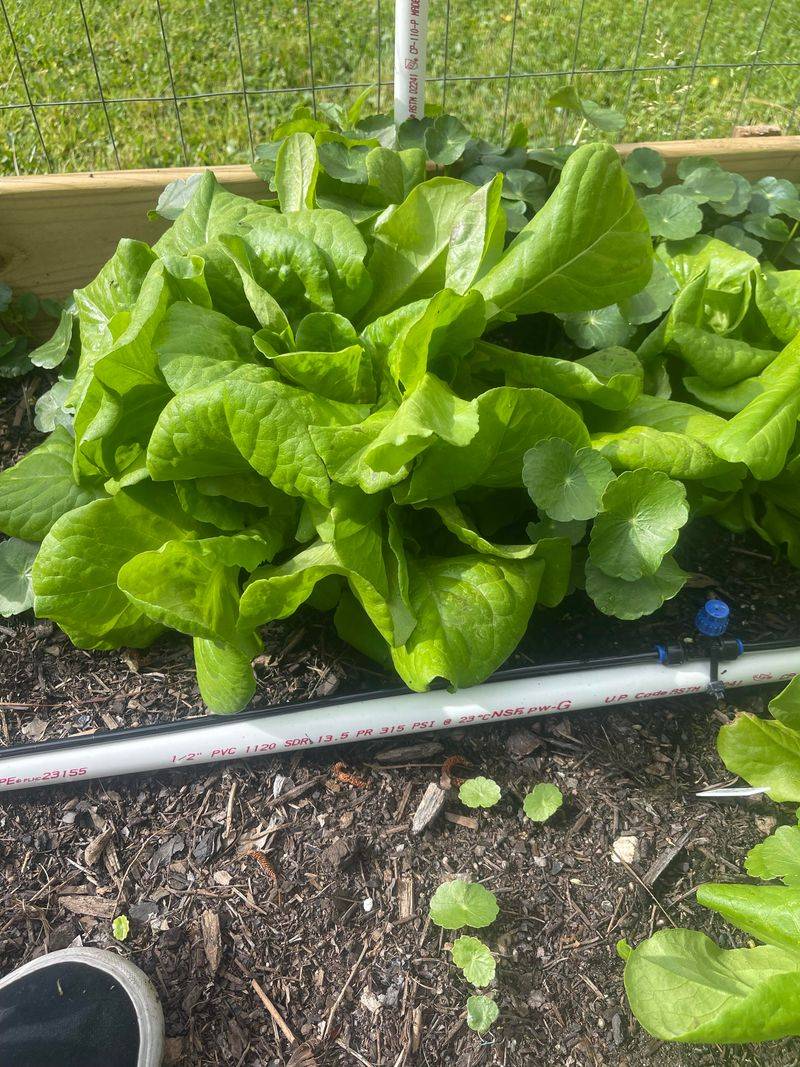
Lettuce, spinach, and chard have roots that typically reach only four to eight inches deep. That shallow profile means they respond to soil moisture changes faster than almost any other vegetable in the garden.
In warm or hot weather, leafy greens can shift from healthy to visibly stressed within a day or two of the top soil layer drying out.
That stress shows up as wilting, bitter flavor, and bolting, where the plant abandons leaf production and rushes toward seed. By the time bolting starts, the best harvest window has already passed.
Keeping moisture consistent in the top six inches of soil is the primary management task for leafy greens.
During California summers, that means watering every one to three days depending on temperature and sun exposure. Partial shade meaningfully slows moisture loss and is worth considering for plantings in the warmest months.
A one-inch finger test is the most reliable guide. Push a finger one inch into the soil near the plants. Dry at that depth means water now.
Do not wait for visible wilting as the signal to act. Drooping leaves in summer heat indicate the plants have already been under stress for longer than is ideal for quality or yield.
Leafy greens are not high-maintenance plants. They just have short memories about moisture, and they make their displeasure known quickly and in the flavor.
6. Use Morning Watering To Cut Evaporation
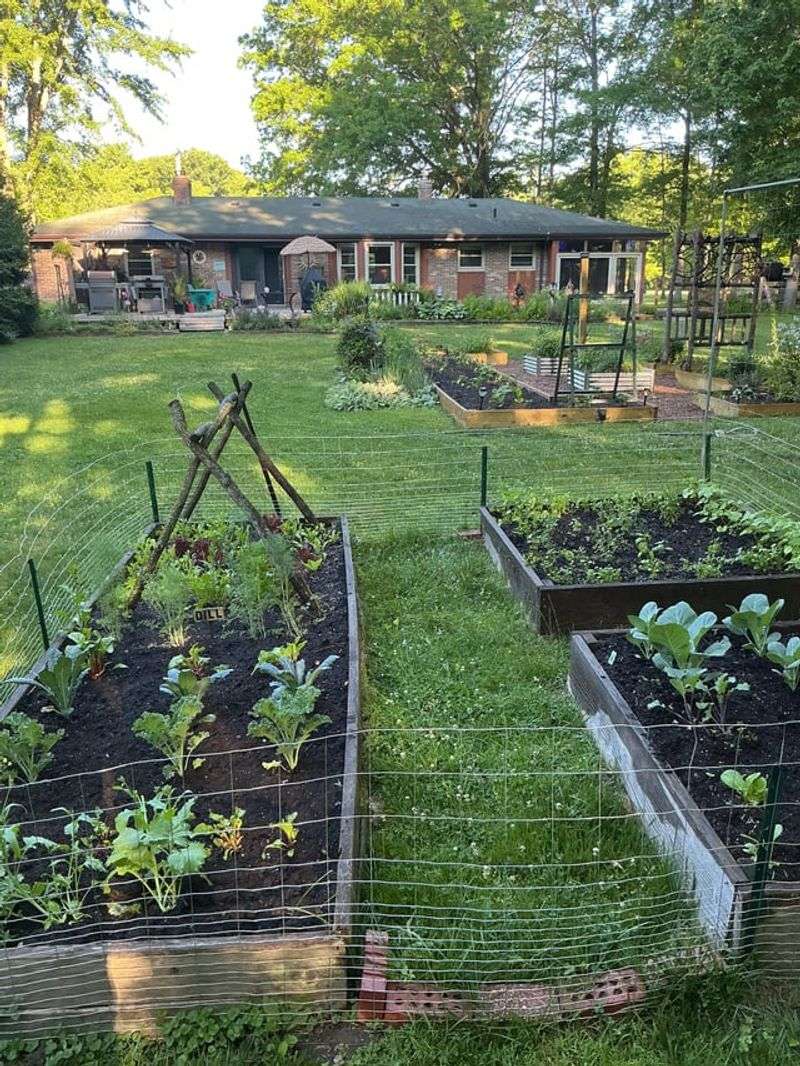
The time water gets applied matters almost as much as the amount applied.
Watering in the morning, ideally before 9 a.m., gives soil the best possible conditions for absorption. Air temperature is lower, the sun is at a low angle, and moisture has time to reach the root zone before heat accelerates evaporation from the surface.
Midday watering in a California summer loses a significant share of water to evaporation before it penetrates meaningfully.
In the Central Valley, soil surface temperatures can exceed 120 degrees Fahrenheit, and water applied at that point evaporates rapidly on contact.
Evening watering avoids that problem but leaves foliage wet overnight, creating conditions that invite fungal issues including powdery mildew.
Morning watering lets plants start the day hydrated, with moisture available through the hottest hours when demand peaks. Roots are active and the soil is primed to absorb.
A battery-operated timer on the hose bib handles morning watering automatically for gardeners who find the timing difficult to maintain.
Set it for 5 or 6 a.m. and the garden is handled before the day starts. Drip systems paired with timers deliver water slowly at the root zone, which reduces waste and keeps foliage dry throughout.
Morning watering is a small adjustment that compounds over an entire growing season.
It is also one of the few gardening improvements that can be fully automated while you drink coffee. That is a combination worth taking seriously.
7. Add Mulch To Stretch Moisture Between Waterings
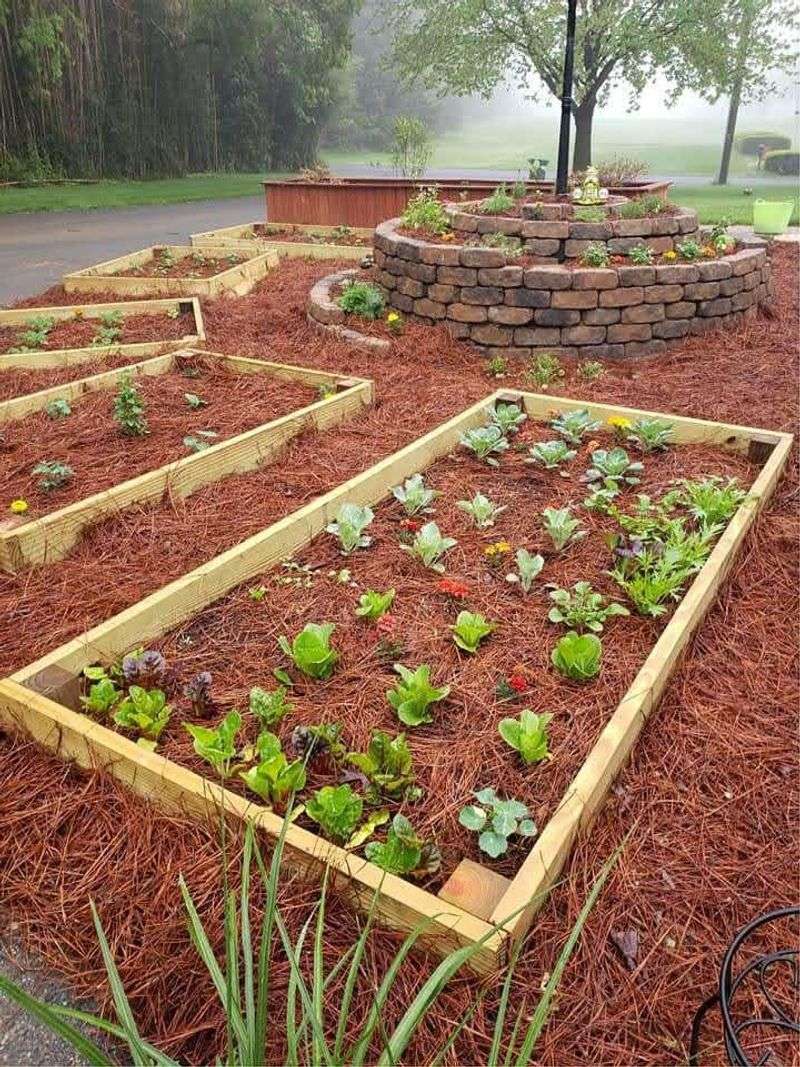
A two to four inch layer of mulch over vegetable beds is one of the most effective adjustments available for reducing how often watering is required.
Mulch slows evaporation from the soil surface, moderates soil temperature, and holds moisture in the root zone where plants can actually use it.
In California, where summer sun bakes bare soil and drives surface temperatures up significantly, that protective layer makes a measurable difference in how long soil stays workable between sessions.
Research on vegetable bed mulching consistently shows substantial reductions in water use compared to bare soil. For gardeners managing water restrictions or rising utility costs, the material pays for itself quickly.
Straw, shredded leaves, wood chips, and compost all work well in vegetable beds. Avoid thick layers of fresh grass clippings, which mat down and block both air and water movement.
A loose, breathable layer at two to four inches is the target. Keep mulch a few inches back from plant stems to prevent moisture from accumulating directly against the base.
Mulch also suppresses weeds that compete for the same moisture the vegetables need. Fewer weeds means less competition and fewer hours spent managing the bed mid-season.
Reapply when the layer thins out or breaks down, typically once mid-season in most California regions.
Mulch does not do the watering. It just makes every watering session count for considerably longer, which is close enough.
8. Check Soil Depth Before Reaching For The Hose
Watering on a fixed schedule feels like responsible gardening. It can lead to overwatering just as reliably as neglect can lead to underwatering.
The most accurate watering tool available is a finger. A quick soil check before each session removes the guesswork entirely and keeps vegetables in the conditions they actually need rather than the conditions the calendar suggests.
The finger test takes about five seconds. Push an index finger two inches into the soil near the plants. Moist at that depth means hold off. Dry means water now.
For deeper-rooted crops like tomatoes or squash, check six inches down with a hand trowel before deciding. Moist soil at root depth means the plant still has access to what it needs regardless of surface conditions.
A wooden dowel works well as a slightly more precise version of this approach. Insert it six inches into the soil for about a minute and pull it out.
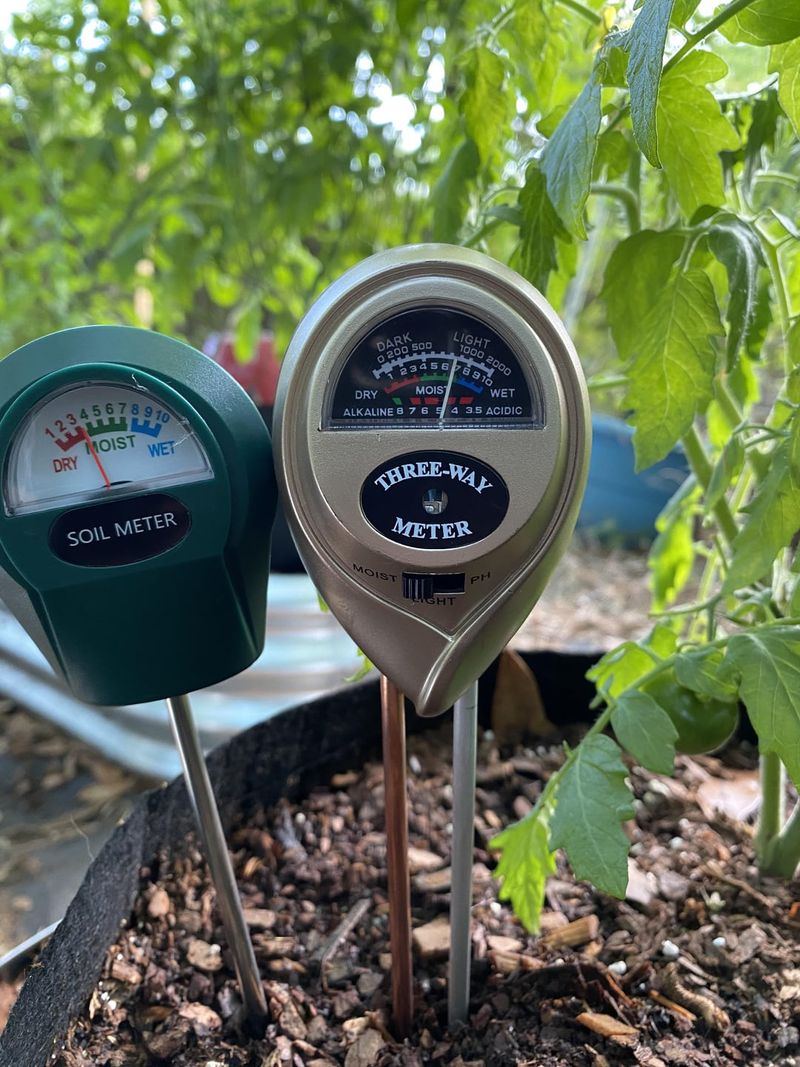
Damp soil clings to wood visibly. Dry soil does not. A basic soil moisture meter provides a numbered reading for gardeners who want to track conditions more formally.
Overwatered plants frequently show the same symptoms as underwatered ones, including yellowing leaves and wilting, which makes physical soil checks more important rather than less.
A thirty-second check before each watering session is genuinely the most useful thing a California vegetable gardener can do to improve both plant health and water efficiency at the same time.
The plants already know what they need. The soil will tell you if you ask.