8 Early Signs A Groundhog Has Moved Into Your Virginia Garden

Your Virginia garden can look completely fine on a Tuesday and be half stripped by Friday. That is how groundhogs operate.
They do not announce themselves, they do not leave obvious wreckage at first, and by the time most gardeners catch on, the burrow is already established and the feeding routine is locked in.
These animals are patient and consistent. They scout your yard, find the softest soil and the most accessible plants, and settle in for the season.
A groundhog living near your garden beds is not an occasional visitor passing through. It is a resident with a schedule.
Early signs do show up long before the damage becomes severe, but most gardeners just do not know what they are looking at.
A strange mound near your raised bed. A clean cut on a bean stem that does not look like insect work. A seedling gone without a trace. These are not random.
Eight specific signs can tell you a groundhog has claimed your Virginia garden, often weeks before the real destruction starts.
1. Fresh Soil Mounds Near The Garden Beds
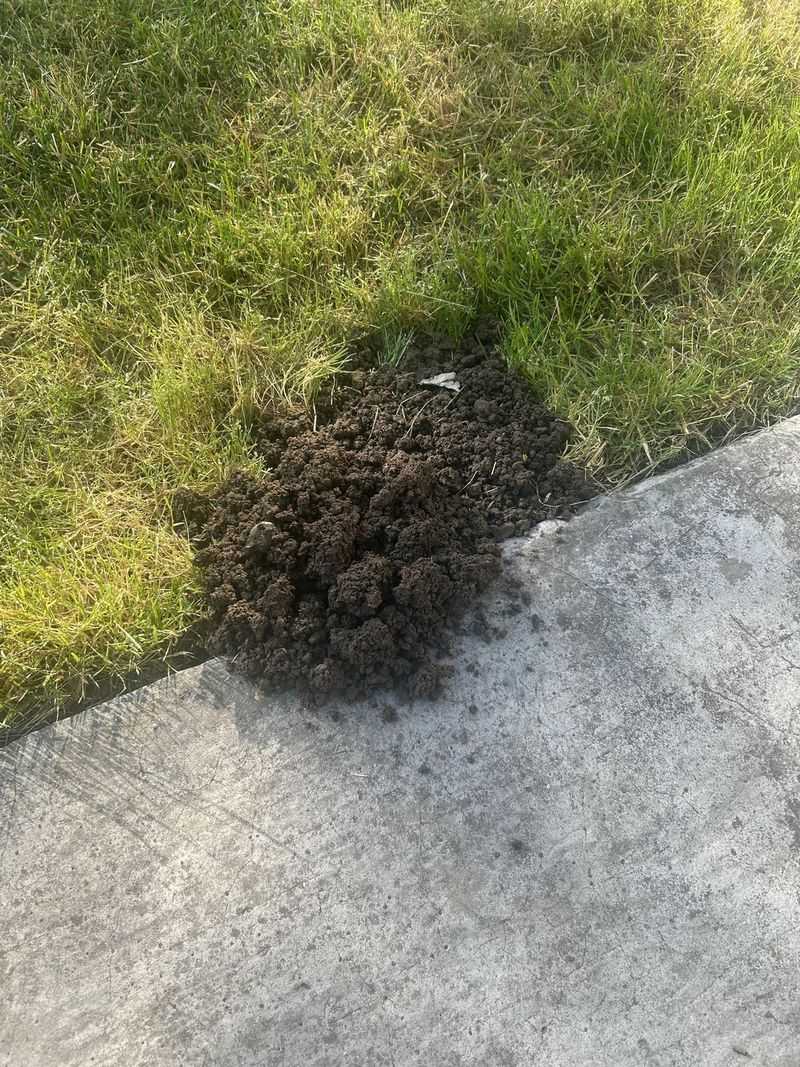
Picture this: you step outside and spot a pile of dirt that was not there yesterday. That fresh mound near your garden bed is one of the earliest signs a groundhog has moved into your Virginia garden.
Groundhogs are serious excavators. Groundhogs can move a significant amount of soil when digging a single burrow, with some estimates reaching up to 35 pounds.
The mounds they leave behind are usually fan-shaped or crescent-shaped. You will often find them right at the edge of a garden bed or along a fence line.
Fresh mounds look loose and recently turned. The soil tends to be darker and moister than the surrounding ground.
Unlike mole mounds, which are round and volcano-shaped, groundhog mounds are flatter and wider. That distinction matters when you are trying to figure out which critter moved in.
Check the area around the mound carefully. You may also notice a hole just beneath or behind the pile of soil.
Groundhogs prefer spots with good sun exposure and nearby food sources. Your vegetable garden checks both boxes perfectly.
If you spot one mound, look for more nearby. Groundhogs sometimes create multiple entrances to the same burrow system.
Acting early is everything here. A fresh mound means the burrow is new, and the groundhog has not fully settled in yet.
Catching this sign in week one gives you the best shot at discouraging the critter before it decides your garden is its permanent address.
2. Tunnels And Entry Holes Along The Perimeter
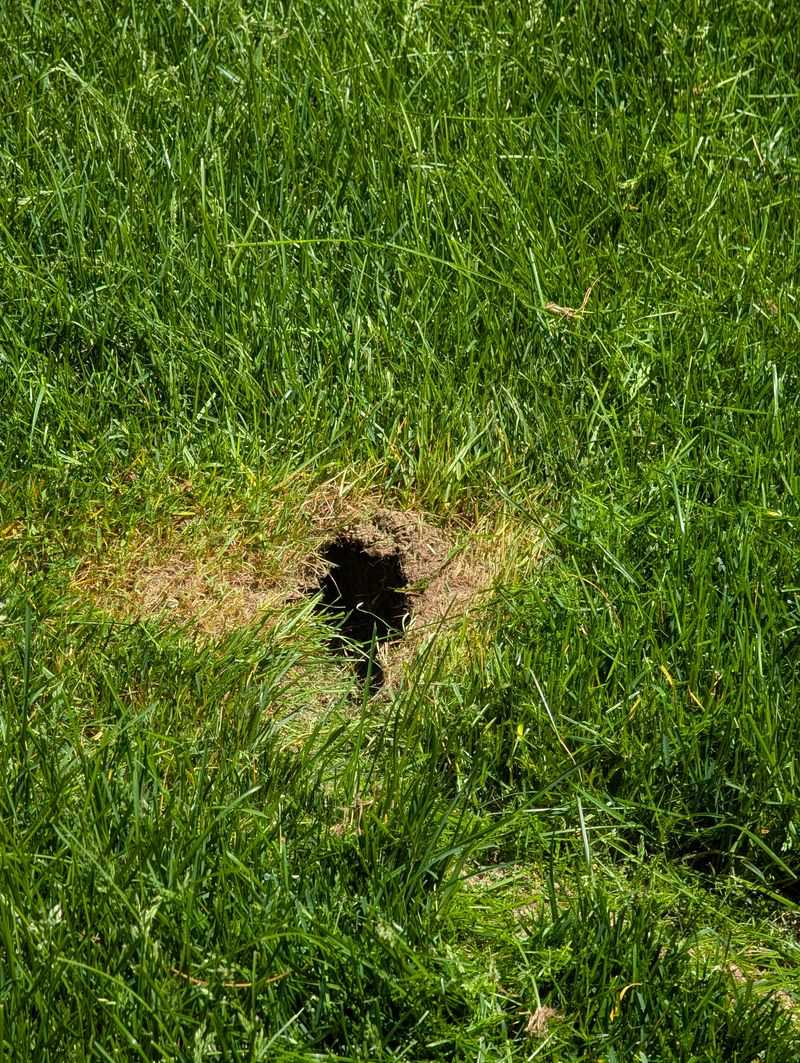
Spotting a hole along your garden’s edge is like finding a front door you never installed. Tunnel openings are a clear, physical sign a groundhog has claimed territory near your plants.
Groundhog burrow entrances are usually noticeably larger than small rodent holes. They are smooth and rounded, almost like something deliberate was carved out.
You will usually find them tucked near a fence, under a deck, or along a garden border. These critters love cover and easy access to food.
Your Virginia Garden Changes Every Week. Your Plan Should Too.
Gardening in Virginia changes quickly throughout the season. Every Friday you’ll receive a simple weekly plan showing exactly what to plant, prune, fertilize, harvest, and protect so you never miss the right timing.
The entry hole is just the beginning. Beneath the surface, tunnels can reach up to five feet deep and stretch as long as 25 feet in some cases.
That underground network is impressive but destructive. It can undermine raised beds, loosen garden borders, and even shift fence posts over time.
Look for multiple holes in the same area. Groundhogs often create a main entrance and one or two escape exits nearby.
Secondary holes are usually smaller and less obvious. They are often hidden under brush, plant debris, or low-hanging shrubs.
A fresh hole will have soft, recently moved soil around the rim. An older hole may have compacted edges and worn-down grass nearby.
Checking your garden perimeter weekly during spring and early summer pays off. Groundhogs are most active when temperatures warm up and your seedlings are just getting started.
Finding these tunnels early means you can still redirect the critter before it becomes a full-time resident with a full-time appetite.
3. Clean-Cut Stems At Ground Level
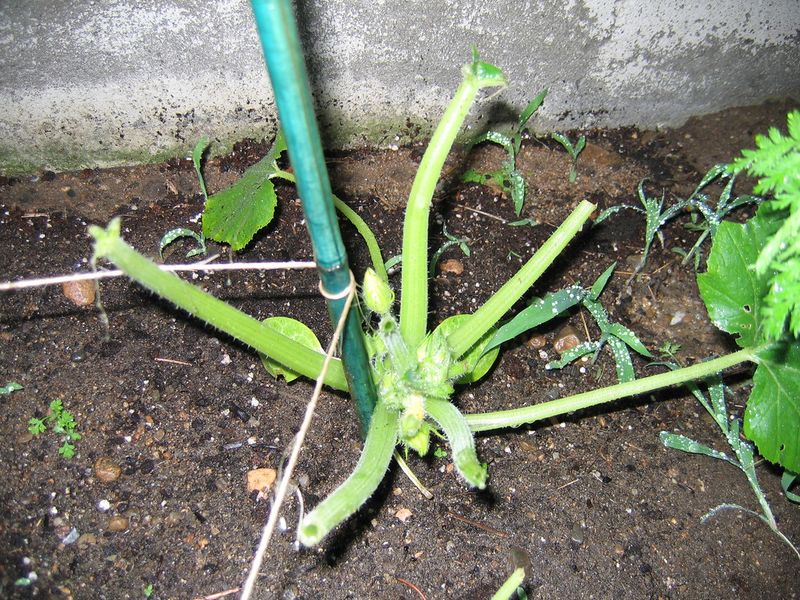
Walk through your garden and notice a stem sliced off at a perfect angle near the soil. That clean, sharp cut is a calling card most gardeners overlook the first time they see it.
Groundhogs have strong, chisel-like incisors that slice through plant stems with precision. The cuts look almost surgical compared to the ragged damage left by insects or deer.
You will typically see stems cut one to three inches above the ground. Sometimes the cut plant is eaten on the spot, and sometimes it is dragged toward the burrow.
Favorite targets include broccoli, kale, lettuce, and bean plants. Groundhogs are not picky eaters, but they do prefer tender, young growth.
The clean-cut pattern differs from deer damage, which tends to leave torn or shredded stems. That visual difference helps you identify the right culprit fast.
Check your garden in the early morning after a groundhog has been active overnight or at dawn. Fresh cuts will still look moist and bright at the wound edge.
If you find multiple stems cut in the same row, that is not coincidence. One groundhog may clear an entire row of seedlings in a single feeding session.
Losing seedlings to clean cuts is especially frustrating in spring when you have just transplanted. The timing of the damage often lines up with peak groundhog activity in April and May.
Noticing this pattern early lets you confirm the problem and respond before your harvest disappears one clean cut at a time.
4. Bite Marks On Vegetables And Leafy Greens
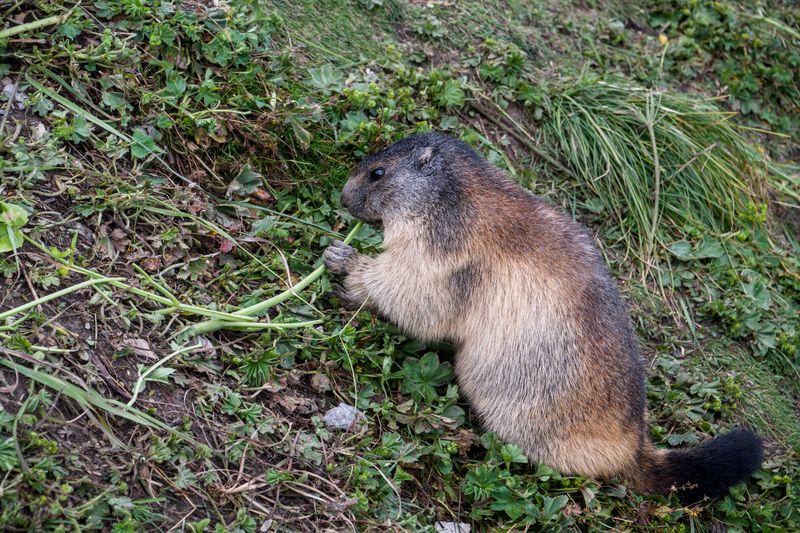
Something took a big, bold bite out of your lettuce, and it was not a caterpillar. Large, scalloped bite marks on your vegetables are one of the more obvious signs a groundhog has moved into your Virginia garden.
Groundhog bites are wide and curved, matching the shape of their broad front teeth. You will notice chunks missing from leaf edges rather than tiny holes or surface scraping.
Leafy greens take the hardest hit. Lettuce, Swiss chard, kale, and spinach are among the first crops targeted.
Squash, cucumbers, and even tomatoes are not safe either. Groundhogs tend to sample a wide variety of green, accessible plants.
The bite damage often appears on the outer leaves first. As the critter grows more comfortable, it moves deeper into the plant.
Unlike slugs, which leave slime trails, or beetles, which make small irregular holes, groundhog damage is clean and large-scale. One feeding session can potentially ruin an entire head of lettuce.
You may also notice the damage appears at a consistent height. Groundhogs feed close to the ground, so damage higher than 18 inches usually points to a different animal.
Morning is the best time to inspect for fresh bite marks. Groundhogs are most active in the early morning and late afternoon, so fresh damage shows up clearly when you check at sunrise.
Catching bite-mark patterns early helps you confirm your suspicion quickly. Once you know what you are dealing with, you can set up targeted deterrents before the whole crop is gone.
5. Shallow Scratch Marks On Soft Soil
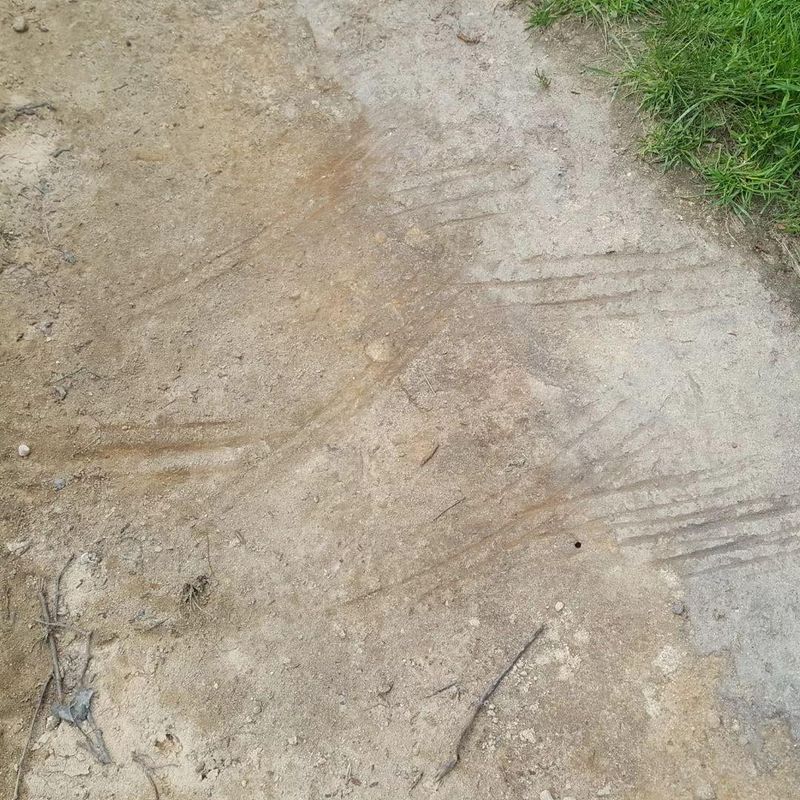
Soft garden soil tells stories, and scratch marks are one of the most telling chapters. Parallel grooves raked lightly across the surface of a bed are easy to miss but worth paying close attention to.
Groundhogs scratch the soil as they search for roots, bulbs, and tender underground growth. These marks are shallower than full digging but still show deliberate, repeated movement.
You will often find scratch marks near the edges of raised beds or along pathways bordering planting areas. The critter tests the soil before committing to a full dig.
The grooves are typically spaced close together, reflecting the width of the groundhog’s front paw. Each claw leaves a thin, distinct line in loose or freshly watered soil.
Fresh scratches look crisp and defined. Older ones may blur after rain or wind, so check after calm, dry nights for the clearest evidence.
Scratch marks often appear alongside other signs, like nearby droppings or flattened grass. Combining clues gives you a clearer picture of what is happening.
Cats and raccoons also scratch soil, but their patterns differ. Cat scratches are usually deeper and more random, while raccoon marks tend to be broader and messier.
Groundhog scratches follow a more purposeful, linear path toward a food source. That directional quality is your best clue.
Spotting scratch marks early means the groundhog is still in the scouting phase. Acting now, before the full burrow is established, gives you the strongest chance of protecting your garden.
6. Disappearing Seedlings Overnight
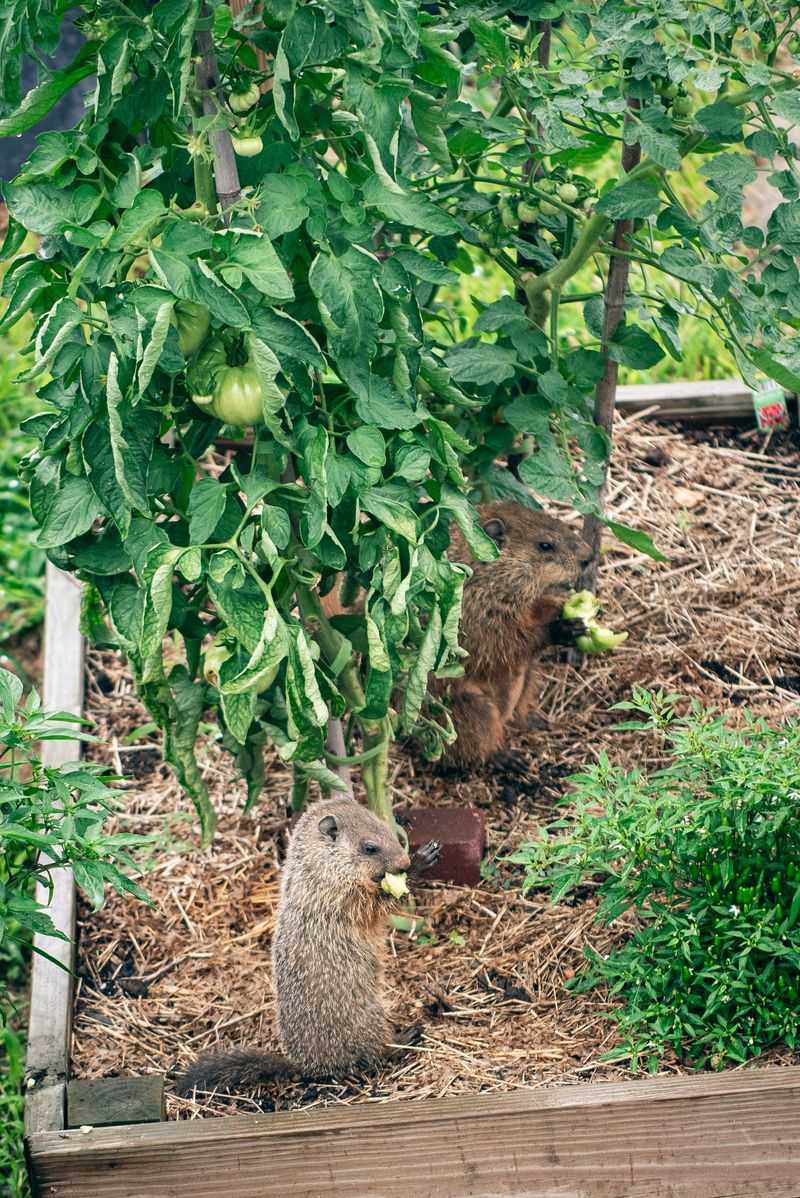
You planted six tomato seedlings on Tuesday. By Wednesday morning, three of them had simply vanished. The soil around the empty spot looks undisturbed, the neighboring plants untouched, and yet something is clearly missing.
Overnight seedling disappearance is one of the most alarming signs a groundhog has moved into your Virginia garden. Groundhogs often consume the entire plant, including the roots.
Groundhogs are most active in the early morning and late afternoon. That timing makes them hard to catch in the act.
A seedling pulled cleanly from the soil, with no surrounding damage, points strongly to a groundhog. Deer tend to leave broken stems, and rabbits usually leave jagged cuts.
The disappearance pattern often starts with the smallest, most tender seedlings. As those run out, the groundhog moves on to slightly larger plants.
Check the surrounding soil for paw prints after a rain. Groundhog tracks show four toes on the front feet and five on the back, with claw marks visible in soft ground.
If seedlings vanish in a row or cluster, that is a feeding path. Groundhogs often return to the same spot night after night once they find a reliable food source.
Replanting without addressing the problem is a frustrating cycle many gardeners know well. Many Virginia gardeners replant multiple times before identifying a groundhog as the culprit.
Knowing the cause turns helpless into hopeful. You can protect new seedlings with wire cloches or hardware cloth while you work on a longer-term solution.
7. Flattened Plants And Trampled Rows
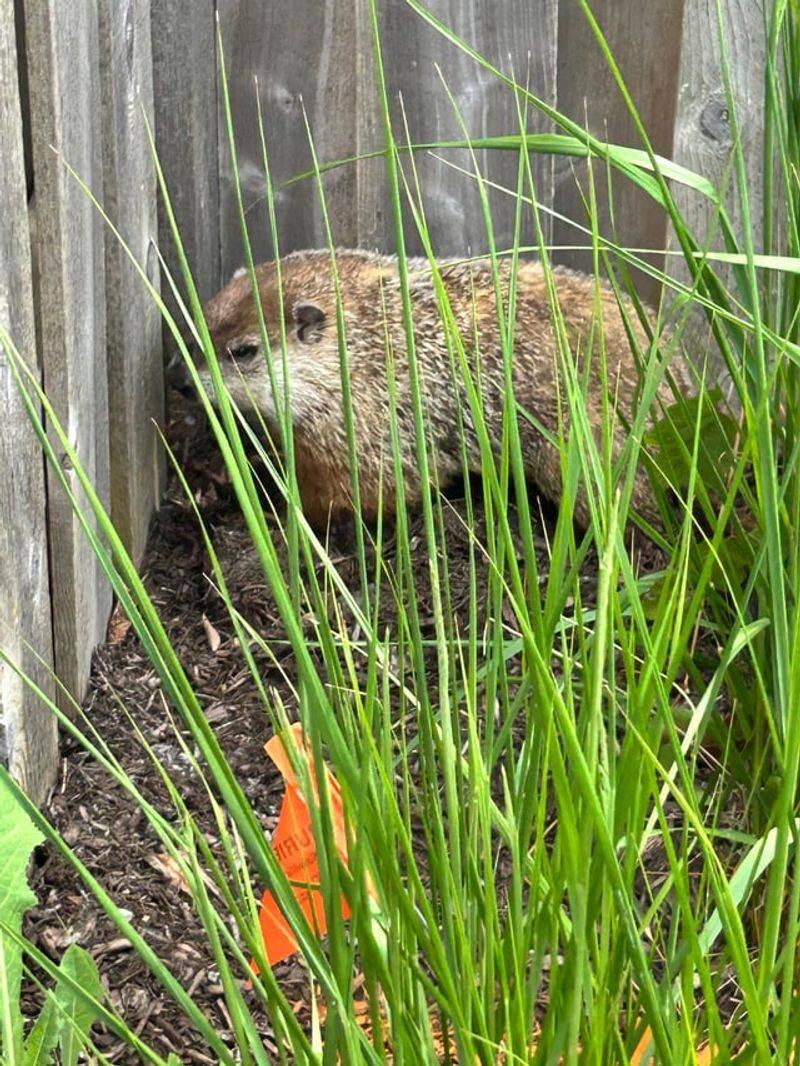
Some damage is subtle, but a trampled row of beans stops you cold. Flattened plants and crushed stems across your garden bed are a physical sign something heavy moved through with no regard for your hard work.
Groundhogs are stocky animals, often weighing between five and thirteen pounds. When they walk across a planting bed, they leave a trail of pressed-down plants behind them.
The path of damage usually moves in a fairly straight line toward a food source. You can sometimes trace the route from a burrow opening right through your best-producing row.
Trampled plants are different from wind damage. Wind tends to bend plants in one direction uniformly, while groundhog paths show irregular flattening with random stem breaks.
Younger, more fragile plants suffer the most. Mature, woody stems may bounce back, but tender seedlings and low-growing greens often struggle to recover from being stepped on.
Look for the combination of flattened foliage and bite marks in the same area. When both appear together, you are dealing with a groundhog that has made itself very comfortable.
The critter may also flatten plants simply by sitting on them while eating. Noticing a trail of crushed plants is your cue to follow the path. It will often lead you directly to a burrow entrance hidden at the garden edge.
That trail is actually helpful information. Finding the burrow location is the first step toward reclaiming your garden from its uninvited guest.
8. Droppings Near Burrow Openings
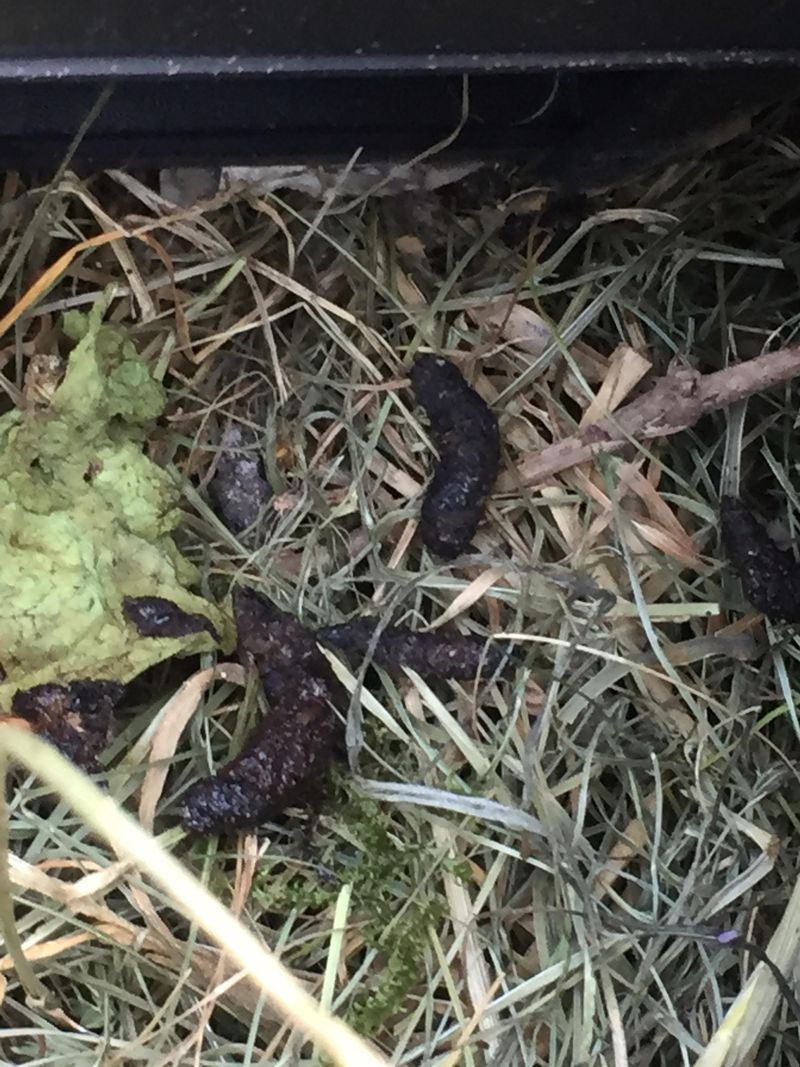
Nobody wants to find droppings in their garden, but spotting them is actually useful information. Groundhog scat near a hole in the ground is one of the most reliable confirmation signs you will find.
Groundhog droppings are oval-shaped, dark brown or black, and roughly half an inch long. They look somewhat like rabbit pellets but are slightly larger and more elongated.
You will usually find them clustered near burrow openings or along the path the animal travels regularly. Groundhogs tend to use the same routes repeatedly, which concentrates the evidence.
Fresh droppings are darker and slightly moist. Older ones fade to a lighter brown and become dry and crumbly over time.
Finding scat near your garden beds confirms the animal is not just passing through. It has likely established a home base close enough to visit your plants on a regular basis.
Droppings also tell you roughly how active the groundhog has been. A large cluster suggests frequent visits, while scattered individual pieces may indicate a newer or more cautious animal.
Wear gloves when investigating. Groundhog droppings can carry bacteria, and it is always smart to handle wildlife evidence carefully.
Compare what you find to images of rabbit or opossum scat online if you are unsure. The shape, size, and location together usually make identification straightforward.
Confirming the presence of a groundhog in your Virginia garden through droppings gives you solid ground to act. Early detection is the difference between a minor inconvenience and a season-long battle.