Virginia Pepper Plants Are Blooming But Not Producing, And Here’s Why
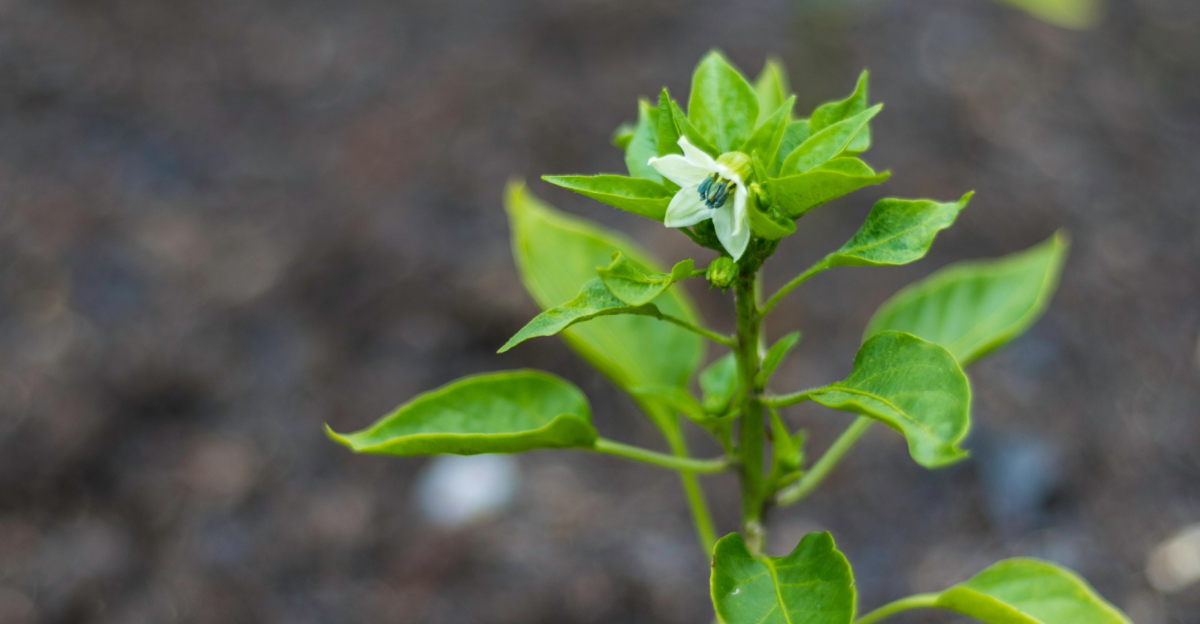
Pepper blooms that ghost you mid-season are one of the most maddening moments in your home garden. You did everything right. The blooms showed up. Then nothing.
You plant your first Virginia pepper patch in a small raised bed, watch it bloom enthusiastically for weeks, and harvest exactly zero peppers that year. It stings.
Virginia’s climate plays tricks on your pepper plants in ways you would never expect. The state swings from cool spring nights to suffocating July humidity within weeks.
That range alone can shut down your fruit set before it starts. Have you ever wondered why heavy clay soils, erratic pollination windows, and heat spikes all hit your plants at the same time?
Your pepper plants are not fragile, but they are particular. Virginia throws several variables at them all at once.
The bloom drop you are seeing right now has a cause, and that cause has a fix. Your harvest is closer than it looks.
Temperatures Are Too Extreme For Fruit Set
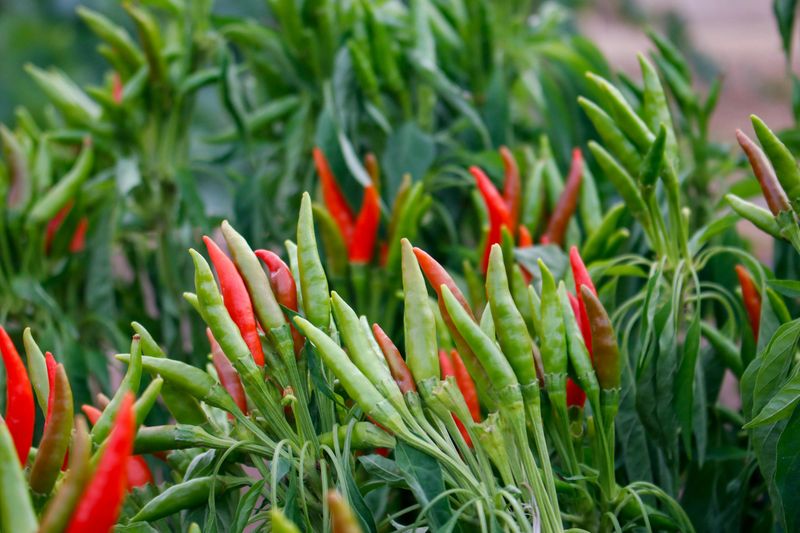
Peppers are surprisingly particular when it comes to temperature. They look tough, but their flowers are surprisingly sensitive to heat and cold.
When nighttime temps drop below 60°F or daytime highs push past 85°F, pepper blossoms drop before they ever get a chance to set fruit.
Virginia springs are notorious for swinging between warm afternoons and chilly nights. That temperature rollercoaster confuses pepper plants and causes blossom drop almost every time.
Even a few nights in the low 50s can shut down fruit production for a week or more. Summer heat is just as tricky.
When temperatures stay above 90 degrees for several days in a row, pollen becomes sterile and flowers fall off without producing anything.
This is one of the most common reasons Virginia gardeners see blooms but no peppers. Shade cloth can help during the hottest weeks of July and August.
Covering plants with a light row cover on cool spring nights protects those fragile blossoms. Timing your transplants so plants are established before the heat peaks makes a huge difference in your final harvest.
Poor Pollination Leaves Flowers Fruitless
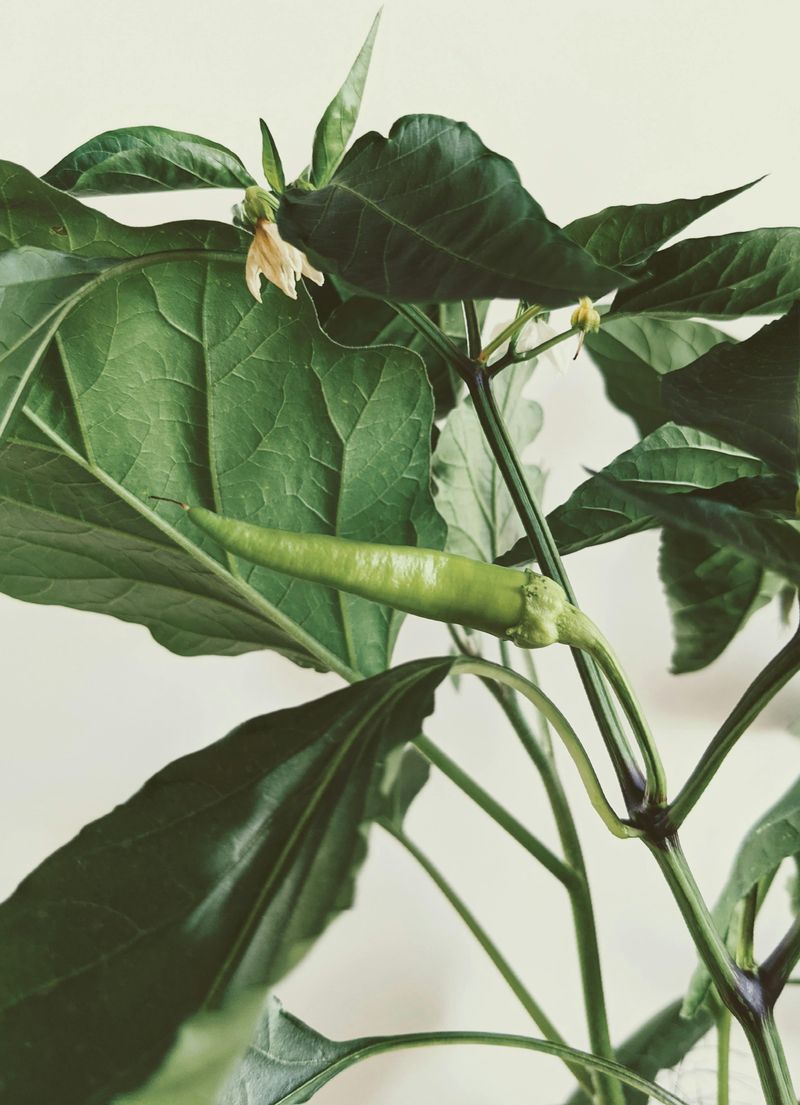
No pollinator, no pepper. It really is that simple. Peppers are self-pollinating, meaning each flower carries both male and female parts.
But they still need some kind of movement, whether from wind, bees, or a gentle shake, to transfer pollen within the flower and trigger fruit set.
Gardens tucked against fences or surrounded by structures often have very little air movement. Bees may not visit if you’ve been heavy-handed with pesticides nearby.
Without that tiny burst of vibration, the pollen just sits there and the flower eventually drops. Bumblebees are actually the best natural pollinators for peppers because of a technique called buzz pollination.
They vibrate at just the right frequency to shake pollen loose inside the flower. Honeybees and other insects help too, but they’re not quite as efficient at this particular job.
You can step in and do the work yourself using a soft paintbrush or an electric toothbrush. Gently touch the center of each open bloom once a day during morning hours.
Your Virginia Garden Changes Every Week. Your Plan Should Too.
Gardening in Virginia changes quickly throughout the season. Every Friday you’ll receive a simple weekly plan showing exactly what to plant, prune, fertilize, harvest, and protect so you never miss the right timing.
Planting pollinator-attracting flowers like marigolds or basil nearby can also bring more helpful insects into your pepper patch and boost your chances of a real harvest.
Excess Nitrogen Pushes Leaves Over Fruit
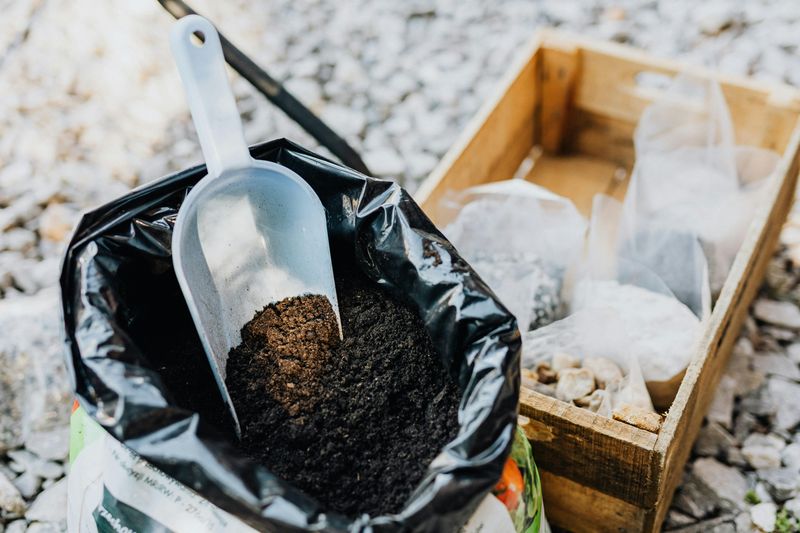
Lush, dark green pepper plants with zero fruit are a classic sign of nitrogen overload. Nitrogen is the nutrient that drives leafy, green growth, and peppers absolutely need some of it.
But when plants get too much, they channel all their energy into producing leaves instead of flowers and fruit.
Many gardeners make this mistake with the best intentions. High-nitrogen fertilizer meant for tomatoes or your lawn can quietly work against your pepper harvest.
The plant looks incredible on the outside while completely neglecting its one actual job. A good rule of thumb is to use a balanced fertilizer like a 10-10-10 formula when plants are young.
Once flowering begins, switch to something lower in nitrogen and higher in phosphorus and potassium. Those two nutrients support root development, flower formation, and fruit set much more effectively at that stage.
Soil testing is one of the smartest things a Virginia gardener can do before planting season. Knowing what your soil already has prevents you from adding what it does not need.
A simple adjustment to your fertilizing routine can completely turn around a plant that was blooming without producing.
Uneven Watering Triggers Survival Mode
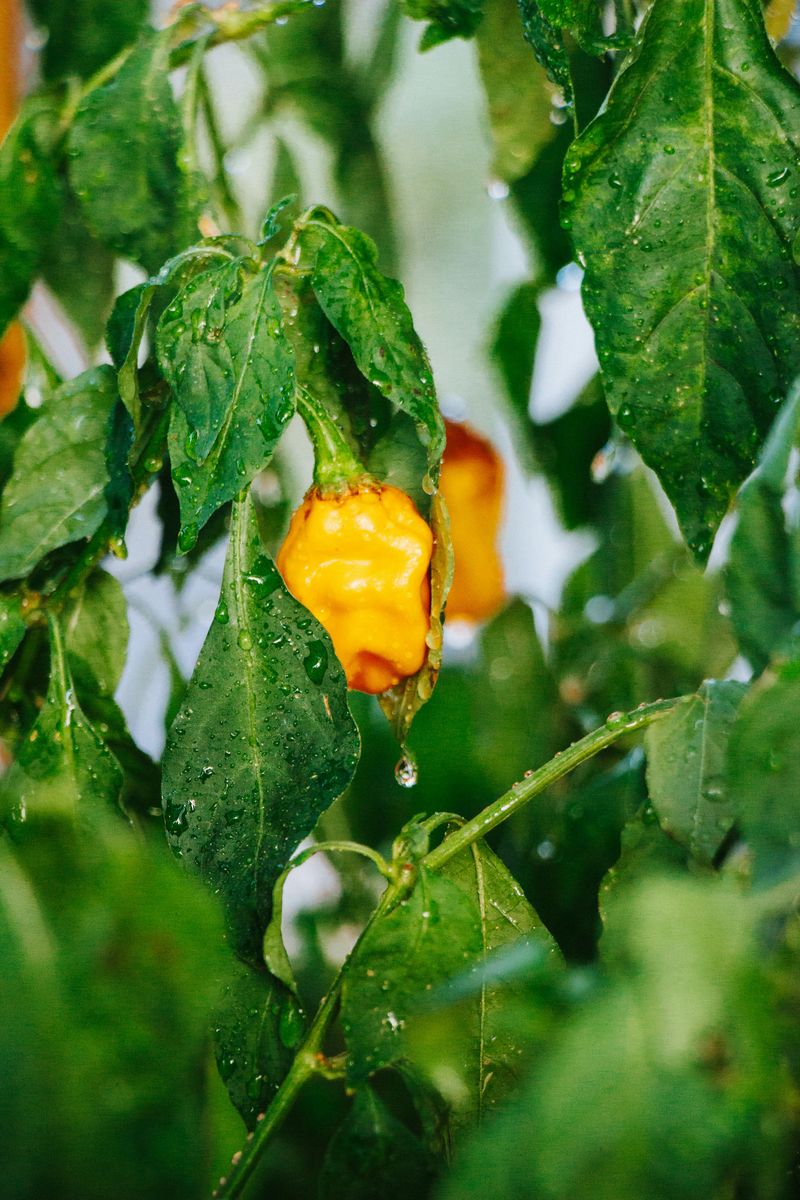
Pepper plants have strong opinions about water. They want consistent moisture, not a cycle of waterlogged soil one week and parched ground the next.
When watering is irregular, plants go into stress mode and drop their flowers as a survival response.
Virginia summers can go from a week of heavy rain straight into a dry stretch with no warning.
Without a consistent irrigation plan, your pepper plants are at the mercy of the weather. That kind of inconsistency is one of the most underrated reasons for blossom drop in home gardens.
Blossom end rot is another issue that shows up when watering is uneven. It’s technically a calcium deficiency, but the root cause is usually inconsistent soil moisture preventing the plant from absorbing what it needs.
You’ll see dark, sunken spots on the bottom of fruit that has already started forming. Aim for about one to two inches of water per week, either from rain or supplemental irrigation.
A soaker hose or drip system keeps moisture levels steady without wetting the leaves. Mulching around the base of your plants with straw or wood chips holds moisture in the soil and smooths out those frustrating wet-dry swings between watering sessions.
Too Little Sunlight Starves Fruiting Energy
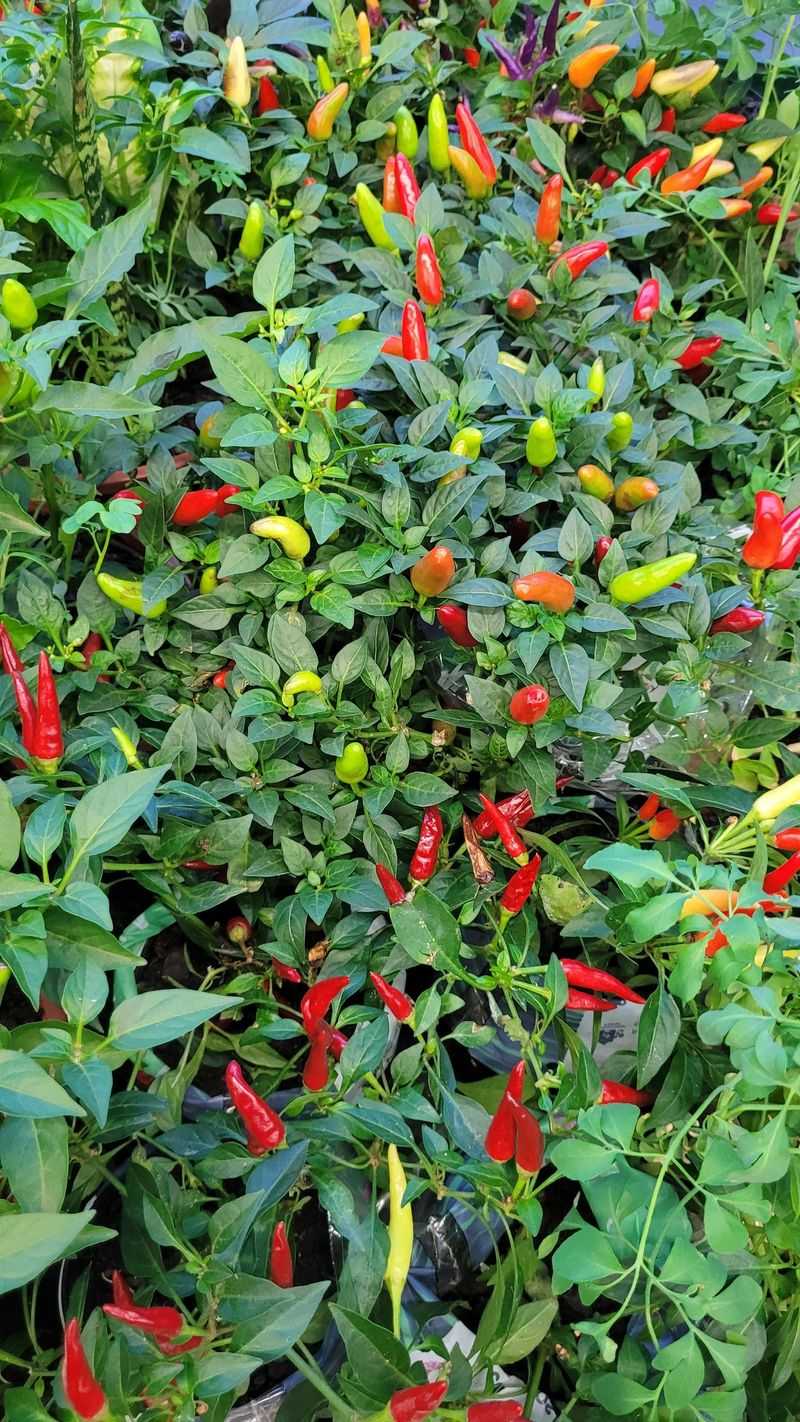
Peppers are sun worshippers, plain and simple. They need a minimum of six to eight hours of direct sunlight every single day to bloom properly and set fruit.
Anything less than that and the plant simply does not have enough energy to follow through on producing peppers.
Shade is sneaky in Virginia gardens. A spot that looks sunny in April can be completely shaded by July once the trees leaf out and the sun angle shifts.
Many gardeners plant in a location that seems perfect early in the season, only to realize mid-summer that a fence or tree is blocking crucial afternoon light.
Low light levels also affect the quality of pollen inside each flower. Weak pollen is less likely to fertilize successfully, which means more blossom drop and fewer peppers even when everything else seems fine.
Plants in shade also tend to grow tall and spindly as they stretch toward the light, which diverts energy away from fruiting.
Before next season, spend a full day observing how sunlight moves across your garden space. Note where shadows fall in the morning, midday, and late afternoon.
Relocating your pepper bed to a sunnier spot, or trimming back nearby branches, can make a dramatic improvement in how many peppers you actually bring in from your garden.
Dry Air Stops Pollen Before It Works
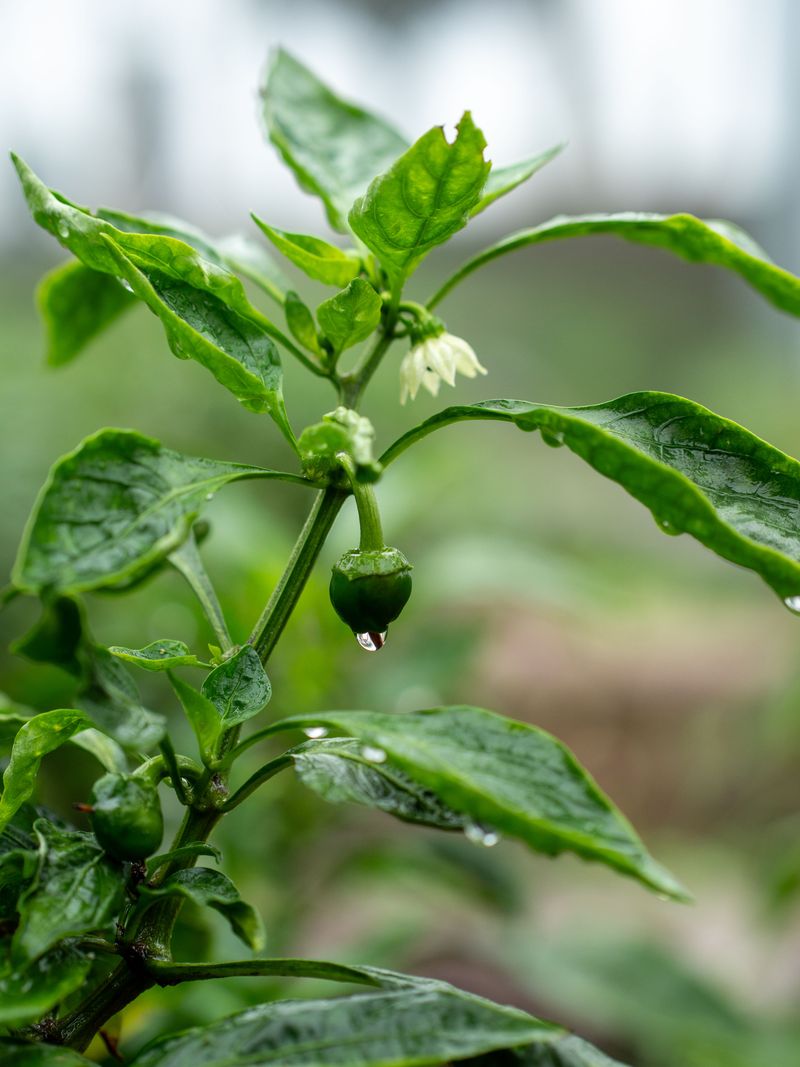
Dry air and pepper pollen do not get along. Pollen needs a certain level of moisture in the air to remain sticky and viable.
When humidity drops too low, pollen dries out before it can do its job, and the flower drops without setting any fruit.
Virginia can experience stretches of surprisingly dry air, especially during early summer before the humid season fully kicks in.
Hot, dry winds coming through on sunny days can drop relative humidity quickly. On those days, even perfectly healthy flowers may fail to produce because the pollen inside simply desiccated too fast.
This issue is especially common in raised beds and containers, which dry out faster than in-ground gardens.
The combination of warm soil, good drainage, and dry air creates conditions where pollen viability drops significantly.
Gardeners using containers on patios or decks often notice this problem more than those with traditional ground plots.
Misting the area around your plants, not the flowers themselves, can raise local humidity slightly on dry days. Grouping plants together also creates a slightly more humid microclimate at leaf level.
Watering consistently and using mulch to keep soil moisture high helps the entire plant stay hydrated enough to support viable, functional pollen through dry spells.
High Humidity Clumps And Wastes Pollen
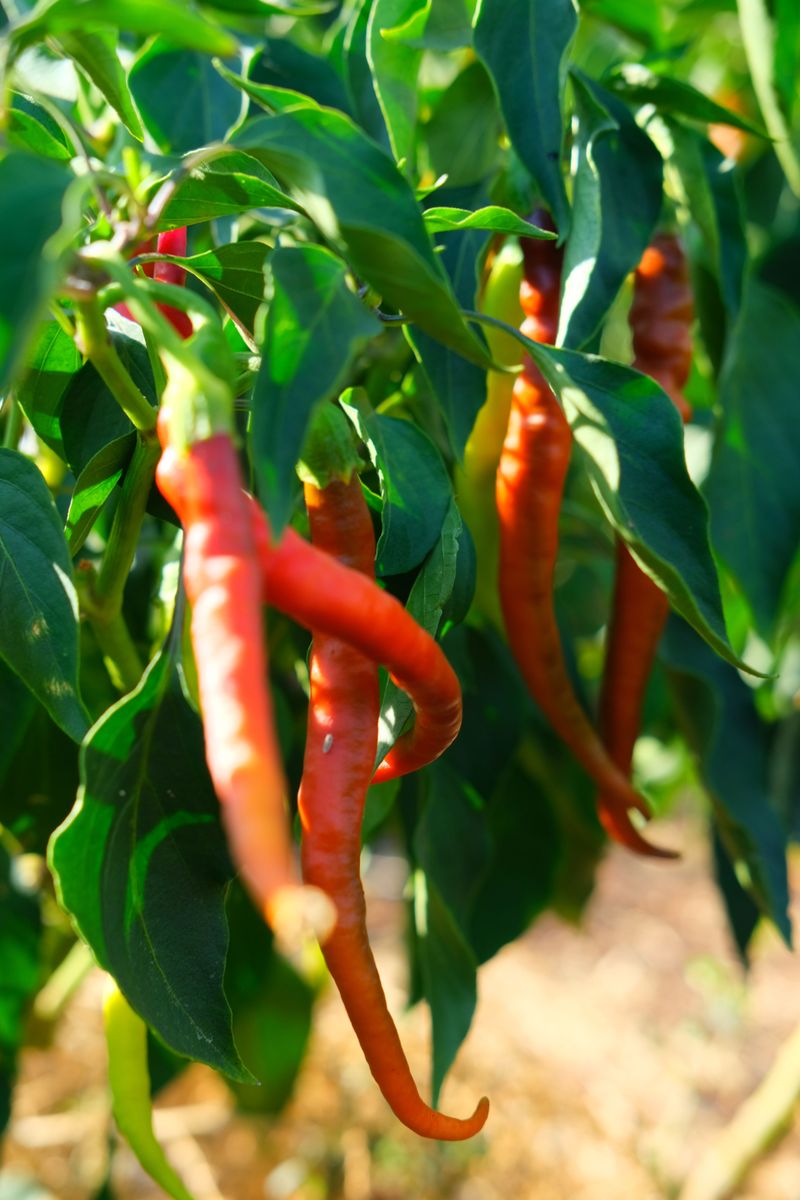
Too much humidity is just as bad as too little. When the air gets excessively moist, pepper pollen clumps together into sticky masses that cannot disperse or land properly inside the flower.
The result is the same heartbreaking outcome: flowers with no fruit to follow. Virginia summers are notoriously humid, especially in July and August.
Nighttime humidity can stay above 80 percent for weeks at a time. During those stretches, even plants with perfect sunlight, water, and nutrition can stall out on fruit production because the pollen physically cannot do its job.
Fungal diseases also thrive in high-humidity conditions, adding another layer of stress to your plants.
Leaf spots, powdery mildew, and flower damage become more common when air circulation is poor and moisture clings to leaves and blooms.
Those diseases can damage or destroy flowers before they even get a chance to be pollinated. Spacing your pepper plants properly, usually 18 to 24 inches apart, improves airflow between plants significantly.
Pruning lower leaves and any crowded inner branches opens up the canopy so air can move through.
Using a fan in a hoop house or greenhouse setting can mimic the natural breeze that keeps pollen moving and humidity from settling in damaging concentrations.
Pests Weaken Buds Before Fruit Forms
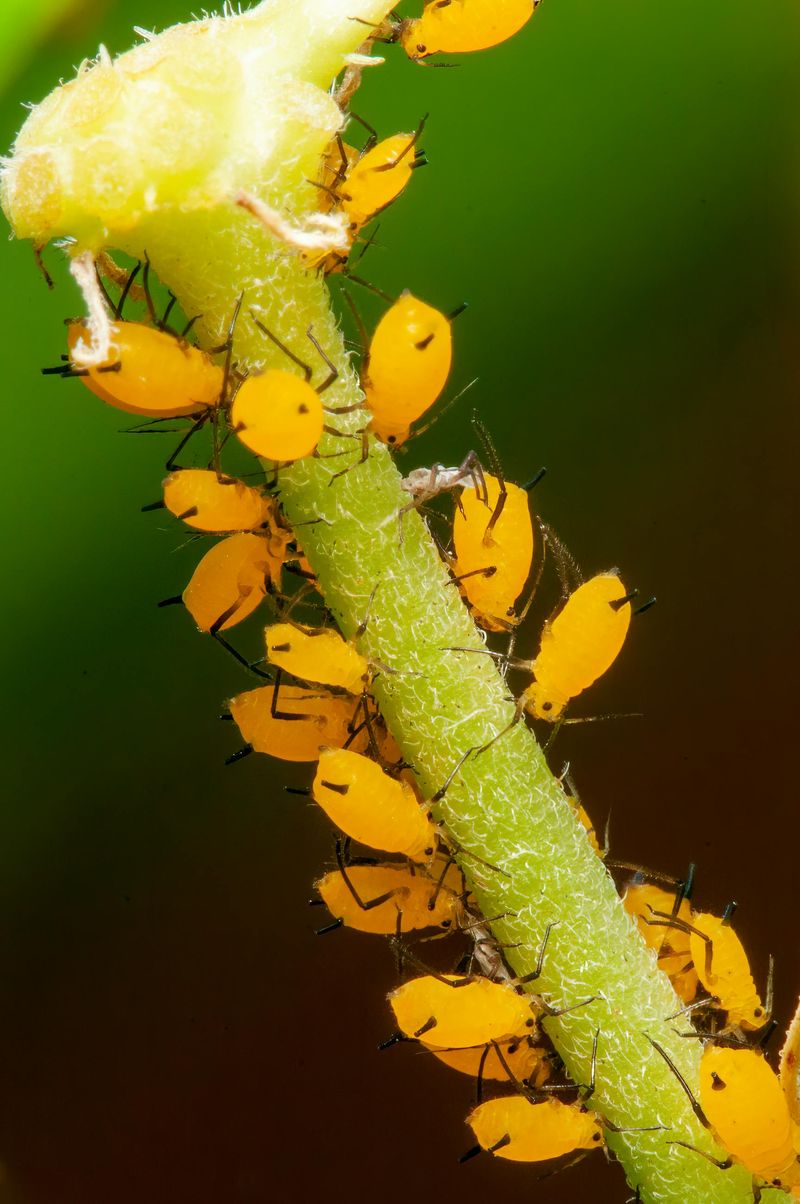
Tiny bugs can cause enormous problems for pepper flowers. Thrips, aphids, and spider mites are the most common culprits, and they often go unnoticed until the damage is already done.
These insects feed directly on buds and blooms, weakening or destroying the flower before it can develop into a pepper.
Thrips are especially sneaky because they are nearly microscopic. They hide inside flower buds and feed on the tender tissue inside.
By the time you notice the flowers dropping or looking distorted, thrips may have already spread further through your plants. Aphids cluster on new growth and flower stems, sucking out sap and leaving behind a sticky residue called honeydew.
That residue encourages sooty mold growth, which further weakens the plant. Even a moderate aphid population can stress a pepper plant enough to trigger widespread flower drop.
Checking your plants two or three times per week, especially under leaves and inside buds, is the best early warning system you have. A strong spray of water can knock aphids off plants without chemicals.
Insecticidal soap or neem oil works well for persistent pest pressure. Apply in early morning or evening to avoid harming pollinators.
Transplant Shock Causes Early Flower Drop
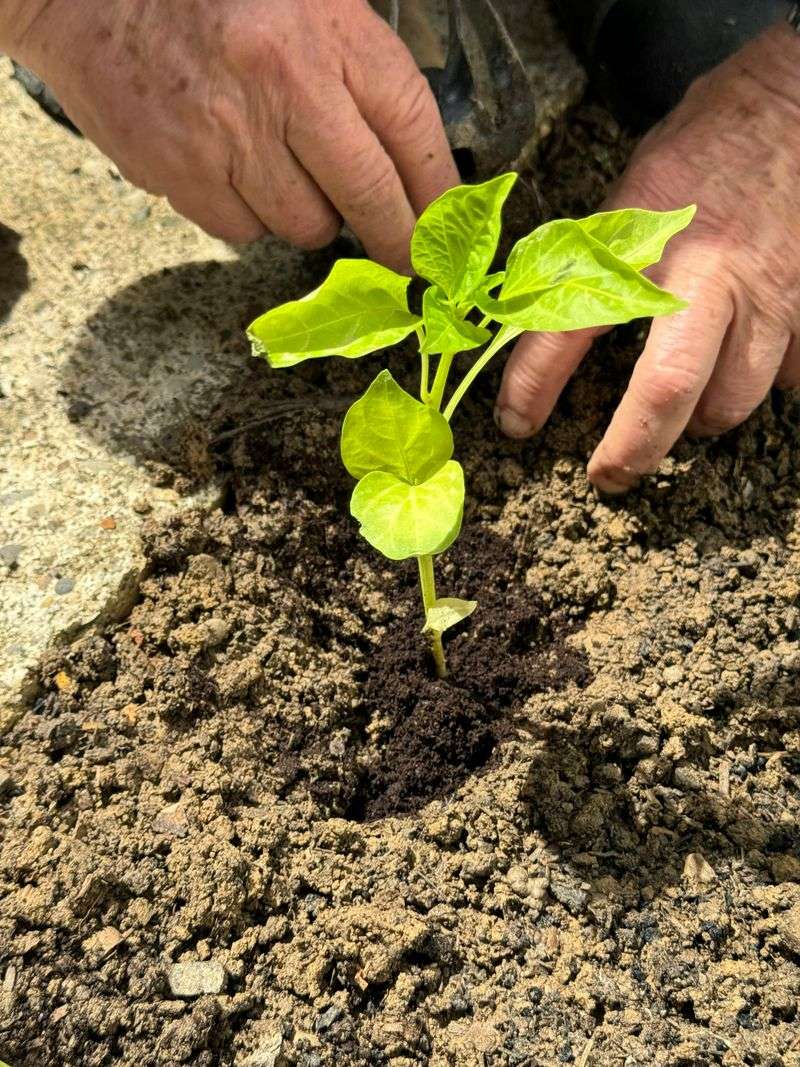
Transplanting is one of the most stressful events a pepper plant will ever go through.When you move a seedling from its comfortable container into the open garden, the roots have to work overtime just to get reestablished.
During that recovery period, the plant often drops any flowers it has already produced because survival comes before reproduction.
This is completely normal plant behavior, not a sign that something is wrong with your growing conditions.A pepper plant that was blooming in a nursery pot may drop every single flower within a week of being transplanted.
Gardeners often panic at this point, but the plant is just redirecting its resources toward root growth.
The transplant shock phase typically lasts one to three weeks depending on conditions.Cooler soil, cloudy weather, and consistent watering can shorten that recovery window significantly.
Avoid adding fertilizer immediately after transplanting, since pushing new top growth before the roots are ready creates even more stress for the plant.
Patience is genuinely the best tool you have during this phase.Once the root system gets established, new flowers will appear and this time the plant will have the foundation to follow through on producing fruit.
Hardening off seedlings properly before transplanting, gradually exposing them to outdoor conditions over seven to ten days, dramatically reduces the shock and speeds up recovery.
First Flush Blooms Drop Naturally At First
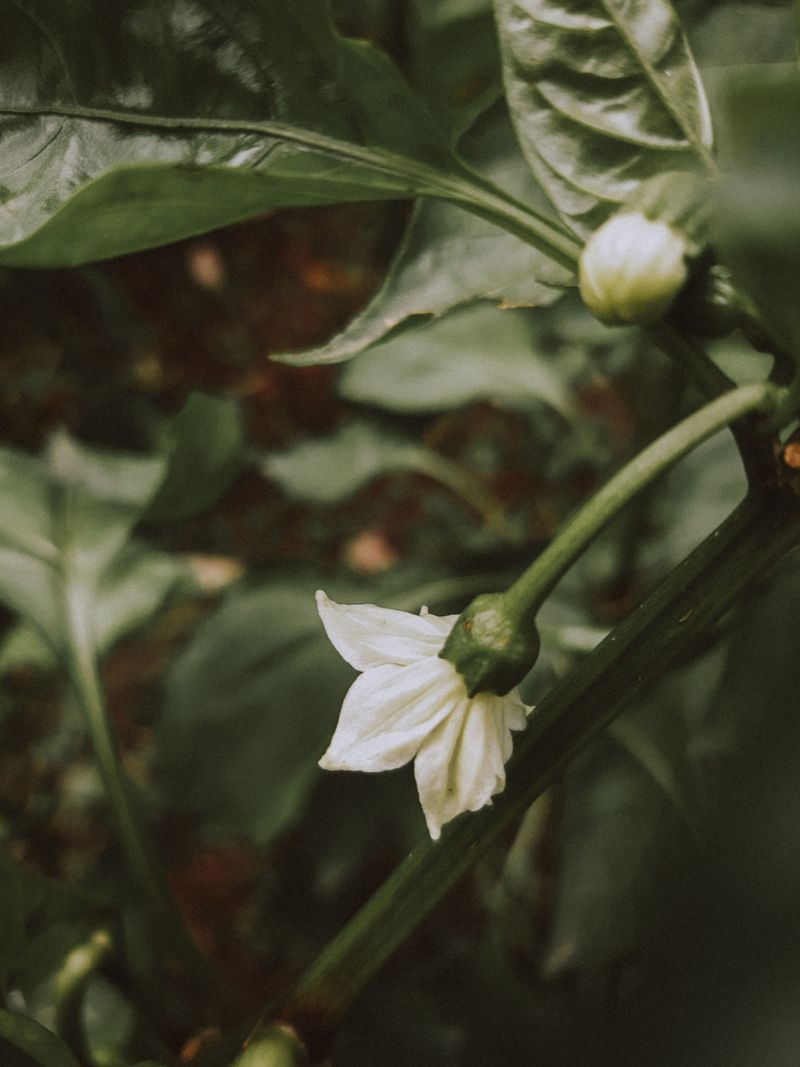
Some pepper plants are blooming but not producing simply because nature planned it that way at first.
The very first wave of flowers on a young pepper plant often drops before setting fruit, and this is completely intentional from the plant’s perspective.
That first flush of blooms is more about the plant testing its own readiness than actually committing to fruit production. Many experienced growers actually pinch off that first set of flowers on purpose.
Removing early blooms forces the plant to channel energy into building a stronger root system and a more robust stem structure.
The payoff comes later in the season when the plant often produces more fruit than it would have if pushed to set peppers too early.
Virginia pepper plants that bloom but not producing during that first flush phase are not broken. They are building up to something better.
Recognizing this pattern can save you a lot of unnecessary worry and prevent you from making changes that might actually slow the plant down.
Give your plants a few weeks after that first flower drop and watch for a second, stronger wave of blooms. Those later flowers are far more likely to develop into full peppers.
With the right conditions in place, that second flush can reward your patience with a harvest that makes the entire season feel worthwhile.