The Real Reasons Minnesota Pepper Plants Drop Flowers Before Fruiting
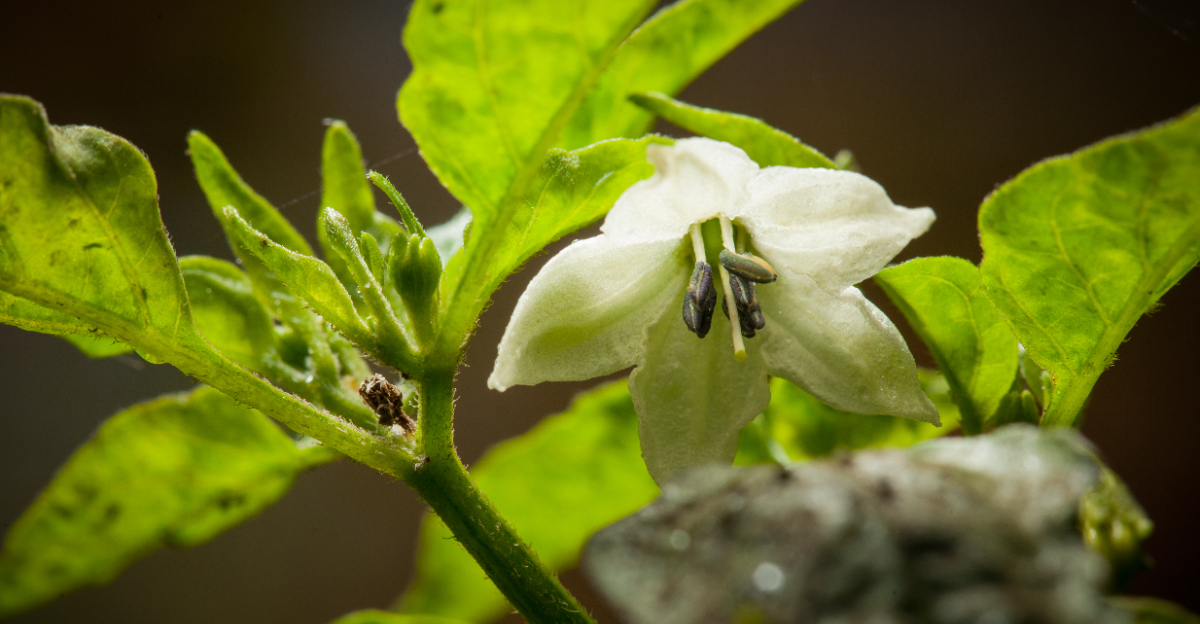
Most Minnesota gardeners do everything by the book, and the peppers still refuse to cooperate. The blooms showed up right on schedule.
Then they dropped, every last one, before a single pepper had a chance to form. No peppers. Just bare stems where fruit should be.
Minnesota gardeners deal with this more than most, and the reasons are not always obvious. The climate here does not do pepper plants any favors. Late cold snaps, humid stretches, sudden heat waves that roll in and vanish within days.
Peppers are particular, and they will drop flowers the moment something feels off. The frustrating part is that the plant looks completely fine while it’s doing it.
Once you know what is triggering the drop, you can stop guessing and actually do something about it.
1. Minnesota Summers Run Too Hot For Pepper Pollination
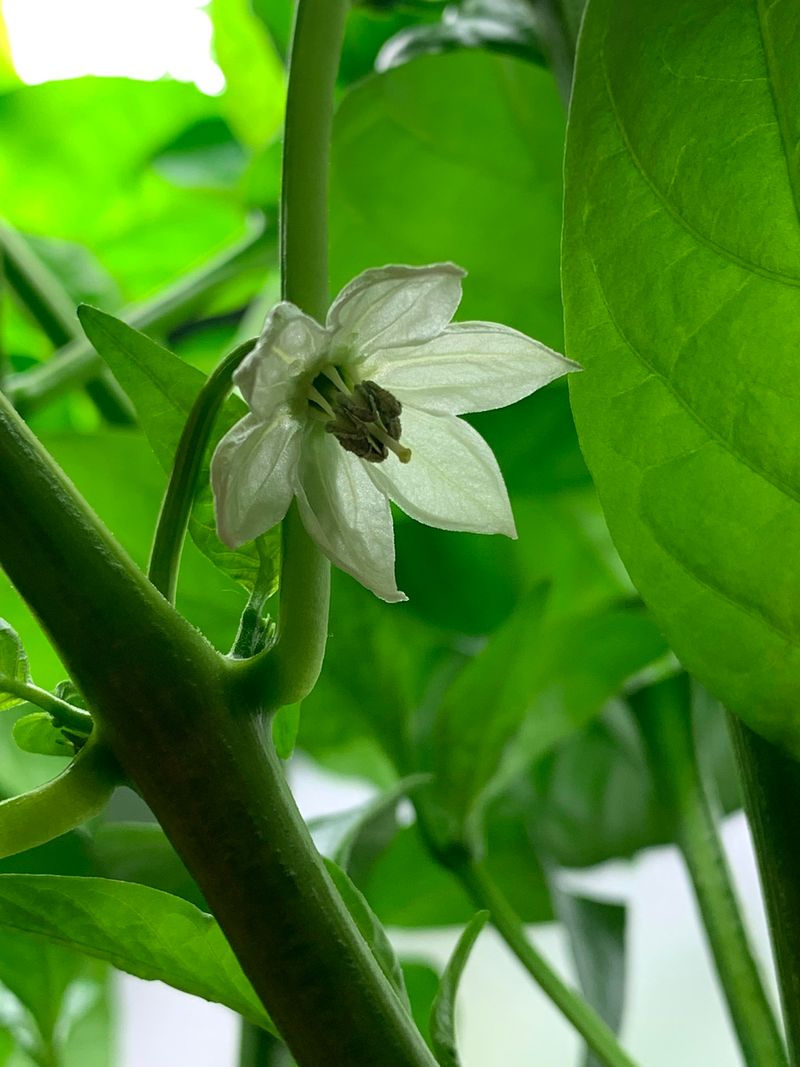
Ninety degrees feels like paradise to you, but your pepper plant is under real stress. When daytime temperatures climb above 90°F, pepper pollen becomes sterile and flowers fall off fast.
Minnesota summers can swing hard and fast. A week of perfect weather can flip into a brutal heat stretch that wipes out your bloom set entirely.
Peppers need daytime temps between 70°F and 85°F for successful pollination. Outside that sweet spot, the reproductive process simply shuts down.
Pollen grains are surprisingly fragile. High heat damages them before they ever get the chance to fertilize the flower, and the plant responds by cutting its losses.
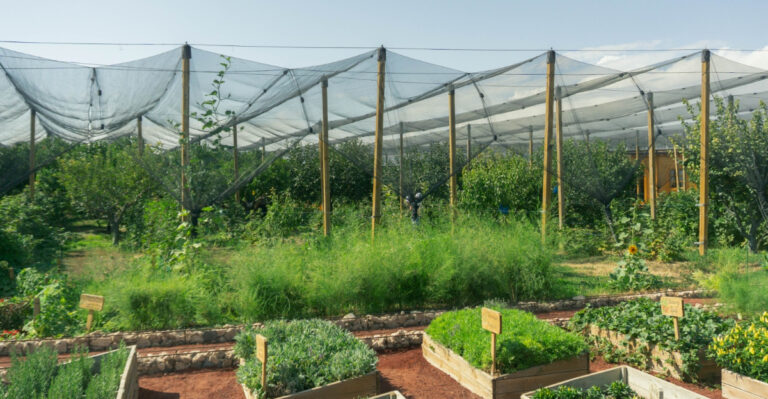
Shade cloth is one of the smartest tools a Minnesota grower can own. A 30% shade cloth draped over your plants during peak afternoon heat can lower leaf temperature by several degrees.
Row covers work too, especially on those scorching July afternoons. Even a light fabric barrier can make a measurable difference in flower retention.
Mulching heavily around the base of your plants also helps regulate soil temperature. Cooler roots mean a calmer, less-stressed plant overall.
Watering in the early morning keeps foliage from overheating during the hottest part of the day. Consistent soil moisture also helps buffer against sudden temperature spikes.
The drop is not permanent damage. Once temps cool back into the ideal range, your pepper plant will bloom again and hold those flowers to fruition.
2. Cool Nights Early In The Season Stress Blooms Off The Plant
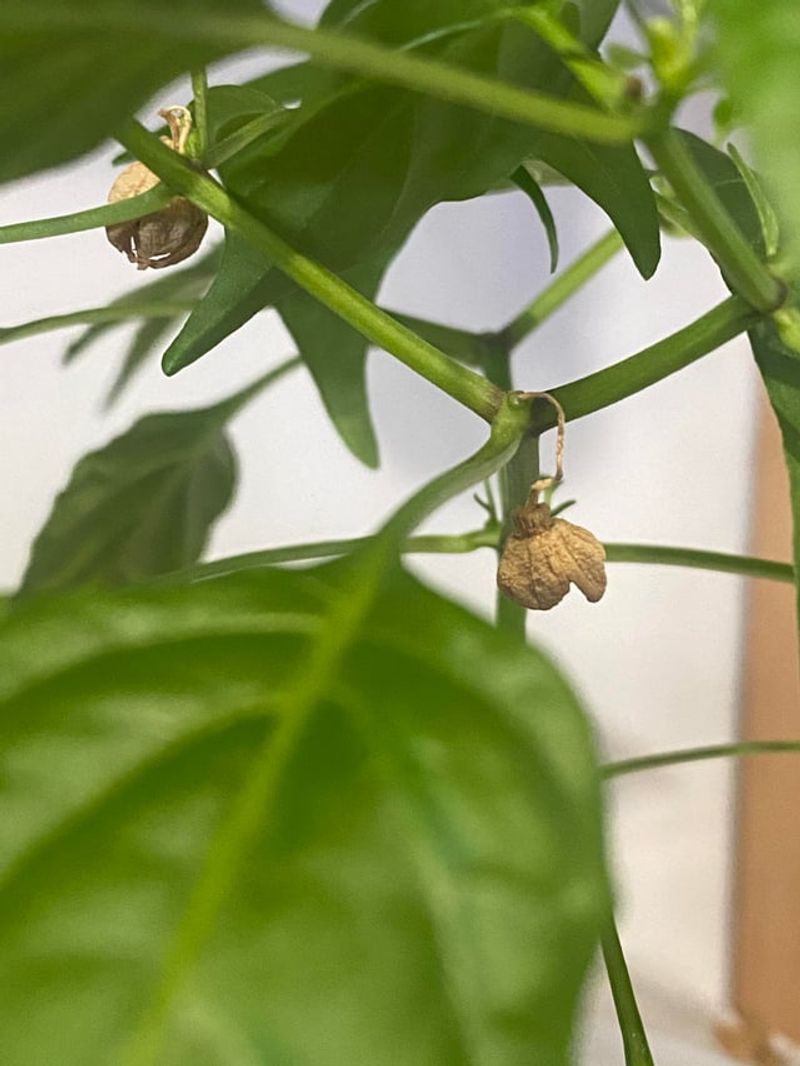
Planting too early feels ambitious, but your pepper plant sees it differently. When nighttime temps drop below 55°F, peppers experience real physiological stress.
That stress shows up fast as dropped buds and yellowing flowers. The plant is not being dramatic. It is making a calculated survival decision.
Peppers originated in warm tropical climates. Their biology is simply not wired for cold snaps, even brief ones that gardeners might shrug off as no big deal.
Minnesota springs are notoriously unpredictable. A warm week in May can be followed by nights that dip into the low 40s, and that rollercoaster is brutal on early blooms.
The fix is straightforward: hold off on planting until nighttime lows are consistently above 60°F. In most parts of the state, that means waiting until late May or even early June.
Your Minnesota Garden Changes Every Week. Your Plan Should Too.
Gardening in Minnesota changes quickly throughout the season. Every Friday you’ll receive a simple weekly plan showing exactly what to plant, prune, fertilize, harvest, and protect so you never miss the right timing.
Wall-O-Waters and frost blankets can help protect transplants from cold nights. But if blooms are already forming when a cold snap hits, flower drop is almost certain.
Season extension tools are great for protecting foliage and roots. However, they are not always enough to protect the delicate pollination process happening inside each flower.
Patience is genuinely your best tool here. A plant set out two weeks later in warm soil will often catch up to and outperform an earlier-planted stressed one.
Timing your transplant correctly is one of the highest-impact decisions you can make. Get that right, and your flowers stand a much better chance of becoming actual peppers.
3. Inconsistent Watering Sends Peppers Into Survival Mode
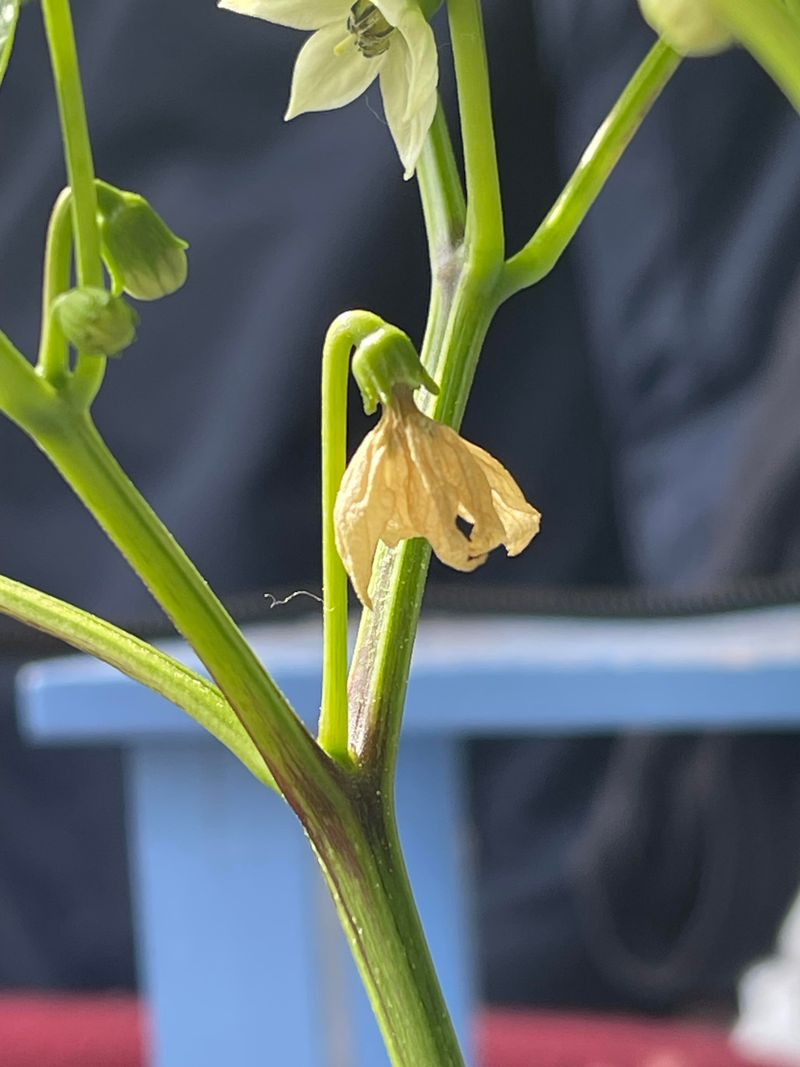
Feast-or-famine watering is one of the fastest ways to confuse a pepper plant. One day the soil is bone dry, the next it is soaked, and your plant has no idea what to expect.
That unpredictability triggers a stress response. When a plant senses inconsistent moisture, it prioritizes survival over reproduction and starts shedding flowers.
Think of it like a business cutting costs during uncertain times. The plant drops what it considers non-essential, and flowers are the first thing to go.
Pepper plants want steady, even moisture. They do not want to sit in soggy soil, but they absolutely cannot handle going completely dry between waterings either.
Aim for about one to two inches of water per week, delivered consistently. Deep, infrequent watering encourages roots to grow down rather than stay shallow and vulnerable.
Shallow-rooted plants are far more sensitive to surface soil drying out. Getting roots deep means the plant has access to moisture reserves even on hot, dry days.
Drip irrigation is one of the most effective tools a pepper grower can invest in. It delivers water directly to the root zone at a slow, steady rate that mimics ideal natural conditions.
Soaker hoses are a more affordable alternative and work surprisingly well in raised beds. Set them on a timer and your watering becomes automatic and consistent.
A two-to-three inch layer of straw or wood chip mulch helps retain soil moisture between waterings. Keeping that moisture level steady could be the difference between a full harvest and bare stems.
4. Low Humidity Dries Out Pollen Before It Can Do Its Job
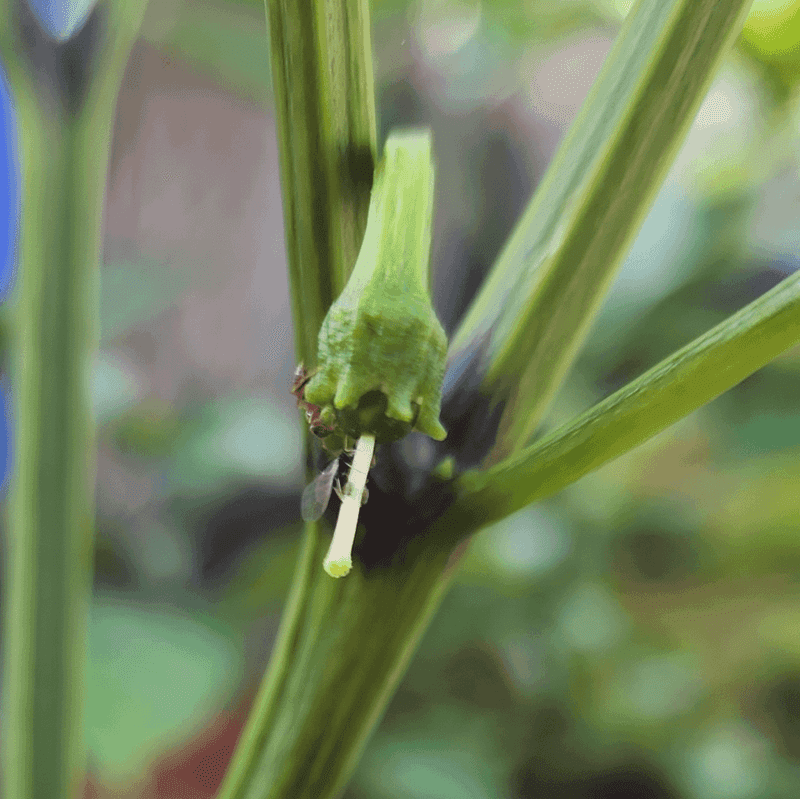
Pollen is surprisingly picky about humidity. When the air gets too dry, pepper pollen loses its viability before it ever makes contact with the stigma.
Minnesota summers can swing between muggy and surprisingly arid, especially during windy stretches. Those dry spells are often the hidden culprit behind mysterious flower drop.
Pollen needs moderate humidity to remain sticky and transferable. When relative humidity drops below 40%, that pollen can dry out and become completely non-functional.
You might not even notice how dry it is outside. But your pepper flowers are registering every shift in humidity in real time.
Keep soil evenly moist, apply mulch to retain moisture, and make sure your plants have good airflow. These steps support stable humidity at the plant level without the risks that come with wetting foliage.
Do not mist in the afternoon or evening. Wet foliage at night creates ideal conditions for fungal problems, which is a trade-off you definitely do not want to make.
Grouping plants closer together can create a slightly more humid microclimate. Plants naturally release moisture through transpiration, and neighbors benefit from that shared humidity.
If you are growing in containers, moving them near a water feature or a lightly irrigated area can help. Even a small birdbath nearby can nudge local humidity upward.
Healthy soil moisture also supports better humidity at the plant level. Keeping the ground consistently moist is one of the simplest ways to fight dry-air flower drop in your garden.
5. Too Much Nitrogen Pushes Leaves Over Flowers
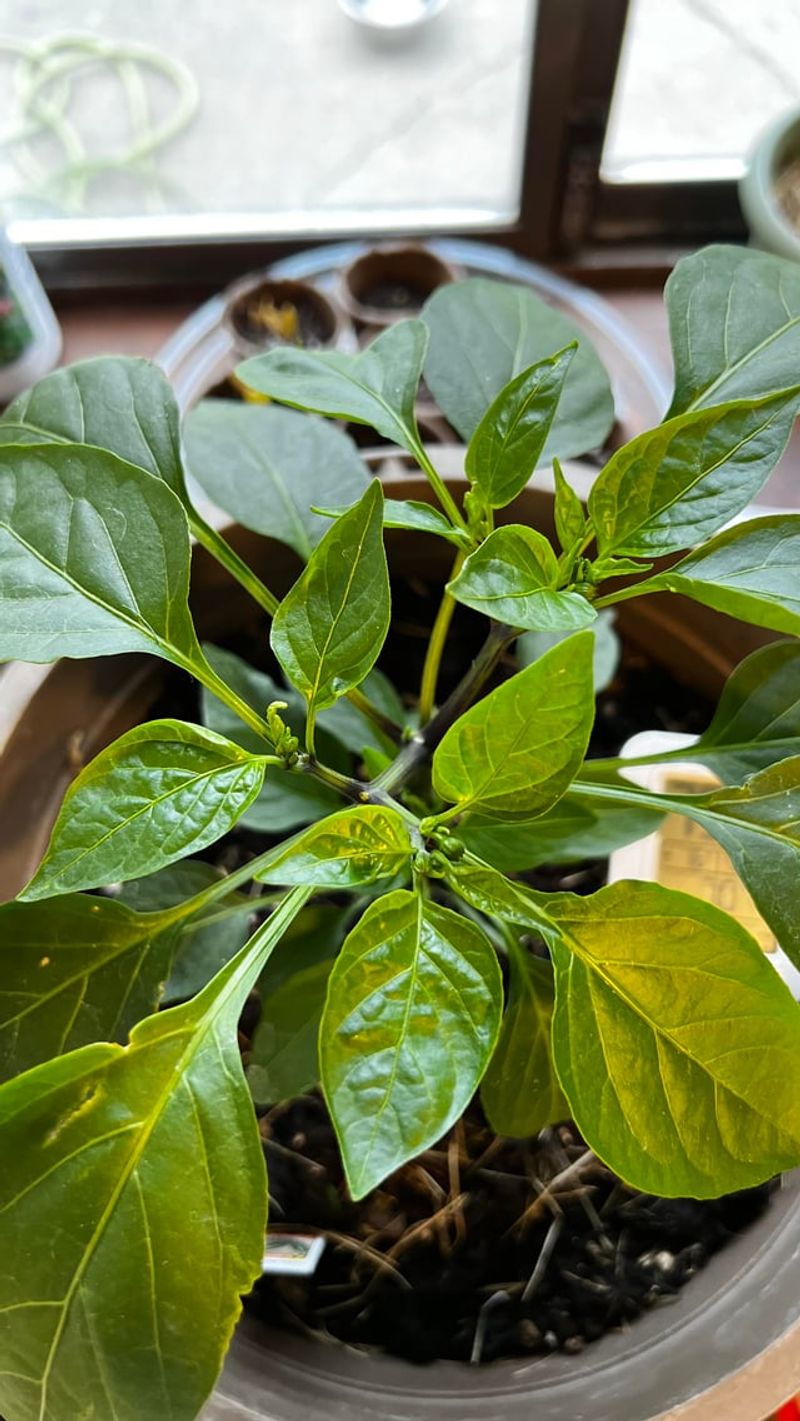
Big, dark green pepper leaves look impressive at first glance. But if your plant is all foliage and no flowers, nitrogen is likely the reason.
Nitrogen is the growth nutrient. It fuels leaf and stem development, and when you give a plant too much of it, that is exactly where all the energy goes.
Flowering and fruiting require phosphorus and potassium. When nitrogen is dominant in the soil, those other nutrients get pushed to the back seat and reproduction slows down.
Many gardeners make this mistake early in the season. They feed their transplants with a high-nitrogen fertilizer meant for leafy greens, not realizing peppers have different needs.
Check your fertilizer label before you apply anything. A balanced formula like 10-10-10 works well for peppers, or look for blends with a higher middle or last number for flowering support.
Once your plants are established and starting to bud, switch to a low-nitrogen or bloom-boosting fertilizer. Products high in phosphorus encourage flower set and fruit development.
Soil testing is a worthwhile step if you are unsure what your garden already contains. Your local extension office can run a test that tells you exactly what your soil needs.
Avoid adding fresh compost or manure right before bloom time. Both can release a flush of nitrogen that tips the balance away from flowering.
Backing off nitrogen at the right moment can shift your plant from a foliage-heavy standstill into an actual producer. That timing matters more than most gardeners realize.
6. Low Air Movement Can Keep Pepper Pollen From Reaching Its Target
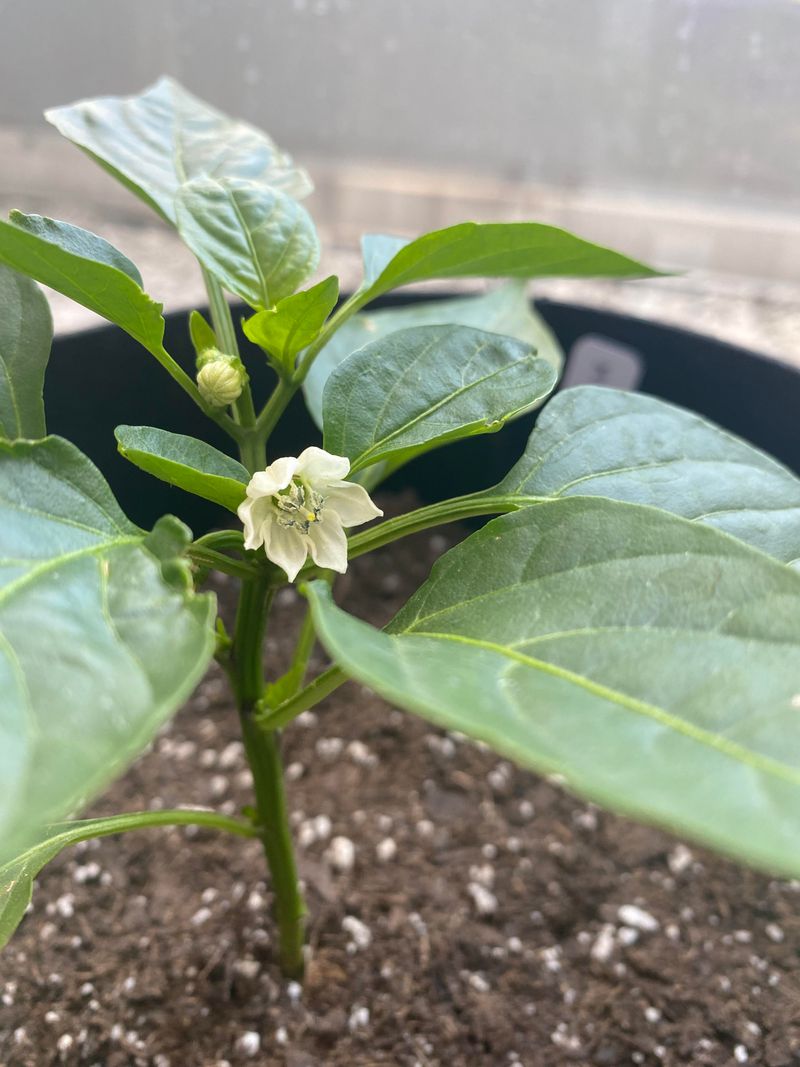
Peppers are self-pollinating, which sounds like they have it easy. But self-pollination still requires some kind of physical movement to shake pollen loose from the anther onto the stigma.
In nature, wind and visiting insects handle that job automatically. In a sheltered garden with no breeze and few pollinators, nothing is shaking those flowers at all.
Still air is one of the most overlooked causes of poor fruit set. Pollen just sits there, trapped inside the flower, never making the short trip it needs to fertilize the bloom.
Many Minnesota gardeners grow peppers against fences or walls for warmth. That strategy helps with temperature, but it can also create a still-air zone that stalls pollination entirely.
The simplest fix is hand pollination. Take a soft paintbrush or even a cotton swab and gently swirl it inside each open flower, transferring pollen from bloom to bloom.
Electric toothbrushes work surprisingly well for this. Hold the buzzing head near the flower stem and the vibration mimics what a bumblebee does naturally during a visit.
Bumblebees are actually the gold standard for pepper pollination. They sonicate flowers, meaning they vibrate at a frequency that releases pollen more effectively than wind alone.
Planting native flowers nearby attracts more bumblebees to your garden. Borage, phacelia, and native clovers are all excellent companions for drawing in these buzzing pollinators.
A little air movement goes a long way. Even a small oscillating fan set on low near your plants can dramatically improve pollination rates when nature is not cooperating.
7. Transplant Shock Hits Harder Than Most Gardeners Expect
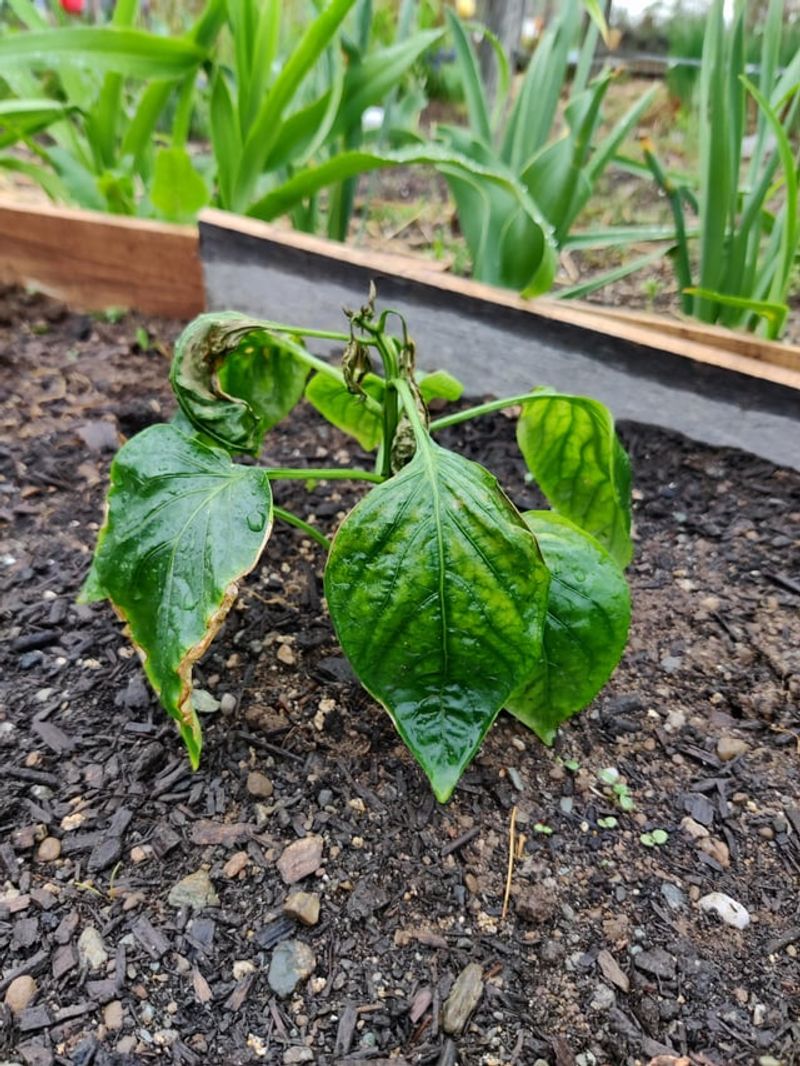
Moving from a controlled indoor setup to the open outdoors is a significant shift for a young pepper plant. Even with careful hardening off, transplant shock is real and it is rough.
Roots that were used to controlled conditions suddenly face wind, temperature swings, and unfamiliar soil. The plant redirects all its energy inward to stabilize itself.
Flowers are considered expendable during this stabilization phase. The plant drops them without hesitation to focus on root establishment and basic survival.
Hardening off is the best prevention, but many gardeners rush it. Two weeks of gradual outdoor exposure is ideal. One week barely scratches the surface of what the plant needs.
Start hardening off by setting plants outside in a shaded, sheltered spot for just two to three hours per day. Gradually increase sun exposure and time over the following days.
Avoid transplanting on hot, windy days. Cool, overcast mornings are ideal because they reduce the immediate stress load on the plant during its first hours in the ground.
Watering deeply right after transplanting helps roots make quick contact with surrounding soil. Good root-to-soil contact speeds up recovery and reduces the shock window significantly.
Kelp extract and seaweed-based root stimulators can support faster recovery. These products help signal the plant to push new root growth rather than stay in shutdown mode.
Most plants bounce back within one to two weeks. Once you see new leaf growth emerging, that is a strong sign your pepper has moved past the shock phase and is ready to bloom again.
8. Overloaded Plants Drop Flowers To Manage Their Own Load
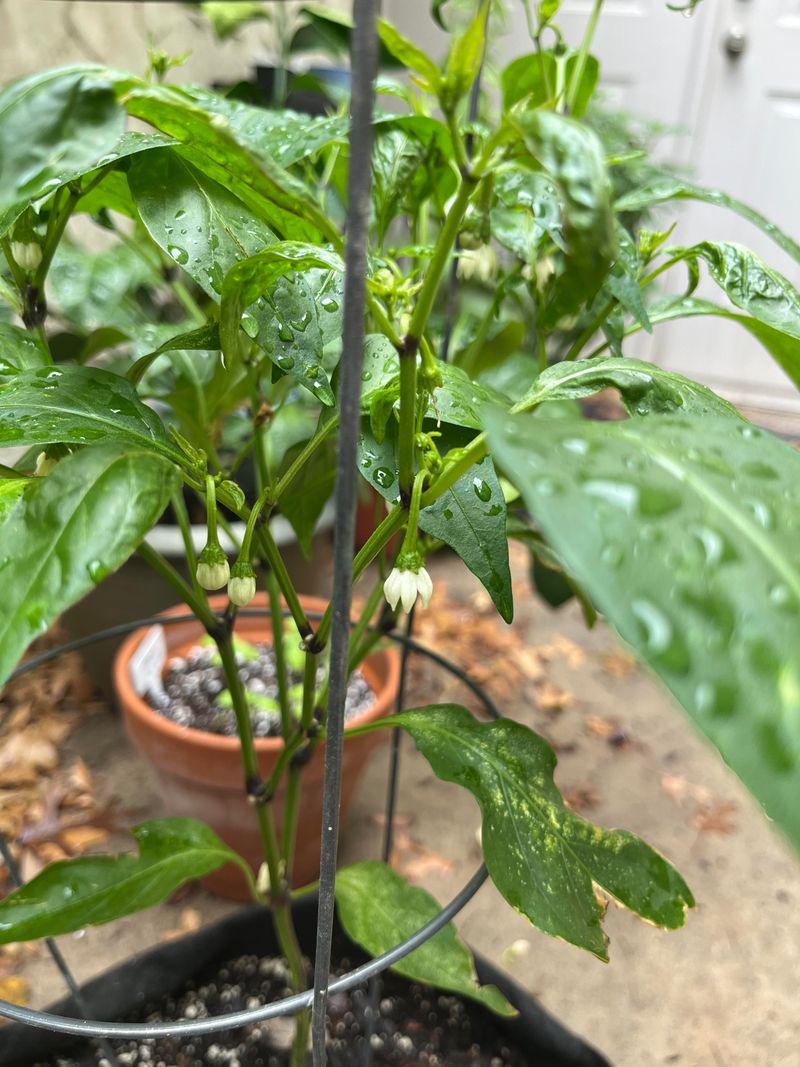
A pepper plant is smarter than it looks. When it is already carrying a full load of developing fruit, it will drop new flowers to avoid overextending itself.
This is not failure. This is the plant making a logical energy budget decision, and it happens most often when growing conditions are finally good.
Ironically, a productive plant can trigger its own flower drop by succeeding too well. The energy required to ripen existing fruit leaves little left over for new blooms.
You can actually help your plant by harvesting peppers earlier than you might want to. Picking fruit at the mature green stage frees up energy for the next round of flowering.
Do not wait for every pepper to turn red before harvesting. Red peppers taste incredible, but leaving too many on the plant at once can stall new flower development.
Pruning out a few of the earliest flowers can also prevent this overload situation. Letting the plant establish stronger roots before it carries fruit leads to bigger harvests overall.
This strategy feels counterintuitive at first. Why remove flowers from a plant you want to fruit? But experienced growers know that a less-loaded plant produces more over the full season.
Feeding with a balanced fertilizer during peak fruiting helps the plant sustain its energy. Consistent nutrition means it does not have to choose between ripening fruit and setting new flowers.
Understanding this self-management behavior is one of the most empowering things a Minnesota pepper grower can learn. Work with your plant’s instincts, and your harvest will reflect that partnership.