Washington Gardeners Add These 8 Things To Their Compost In June For A Richer Soil By Fall
Washington’s June is a composting window most gardeners don’t fully use. The days are long, the temperatures are cooperative, and organic matter breaks down at a pace that other months simply can’t match.
What goes into your pile right now will be unrecognizable by September, dense, dark, and richer than anything that comes in a bag. Most gardeners add whatever’s handy and hope for the best.
That approach works, but it leaves a lot of potential sitting in the pile untouched. These eight ingredients are different.
Each one suits Washington’s summer climate. They break down reliably and complement each other without much effort on your end.
Your raised beds and garden borders will reflect exactly what you put in today. Get these into your pile now, and your fall garden will show it.
1. Grass Clippings
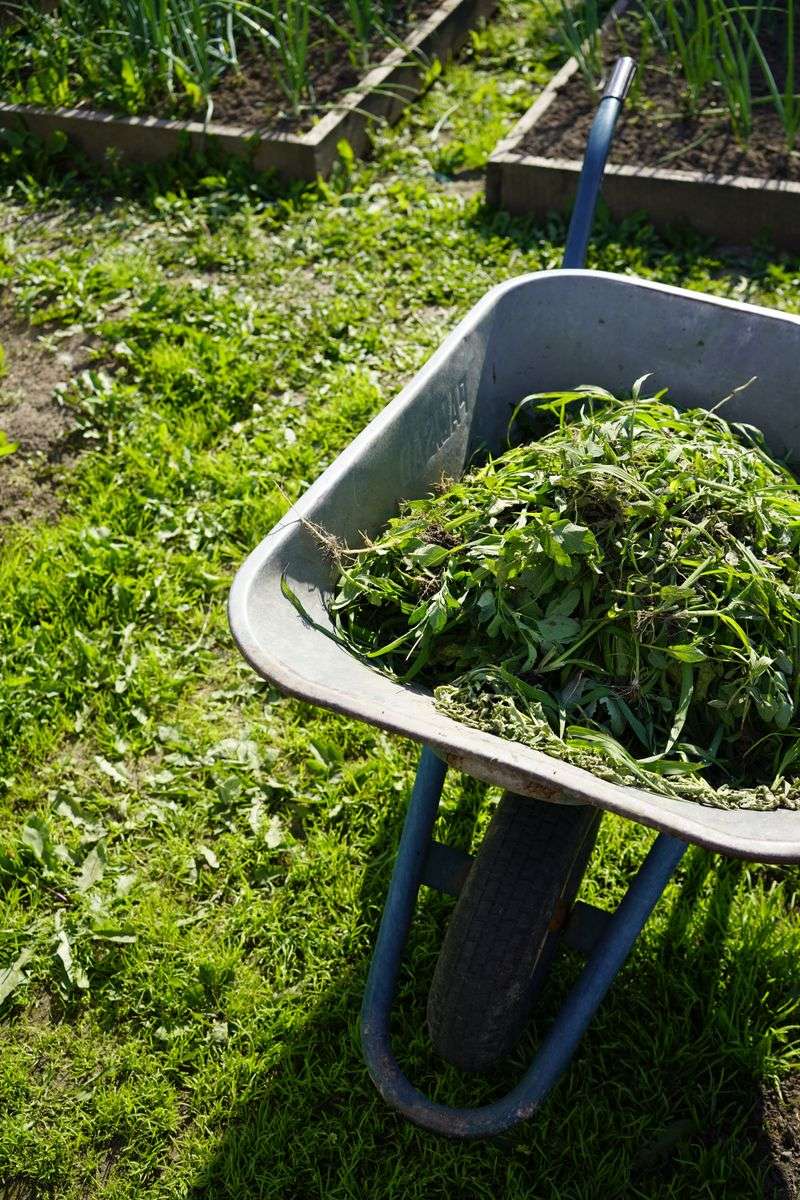
Fresh-cut grass is one of the most nitrogen-rich materials you can add to a compost pile. Every time you mow in June, you are sitting on a pile of free fertilizer. Do not bag it and toss it.
Grass clippings heat a compost pile fast, which speeds up the whole breakdown process. That heat may also help reduce weed seeds and harmful pathogens in the mix.
Gardeners in Washington who add clippings weekly see their piles shrink and transform in a matter of weeks. The trick is layering, not dumping. A thick mat of clippings will clump together and block airflow.
Spread them in thin layers between browns like cardboard or shredded leaves. Aim for no more than two or three inches of clippings per layer.
Too much nitrogen without enough carbon creates a slimy, smelly mess nobody wants near their garden. Balance is everything with a healthy pile.
Skip clippings from lawns treated with herbicides or pesticides in the past few weeks. Those chemicals can survive the composting process and harm your vegetables later.
When in doubt, let the treated grass sit a few mowings before adding it. By fall, those June clippings will have transformed into dark, earthy humus.
Your soil will hold moisture better and feed roots more efficiently. That is the quiet magic of a well-fed compost pile working all summer long.
2. Vegetable Scraps And Fruit Peels
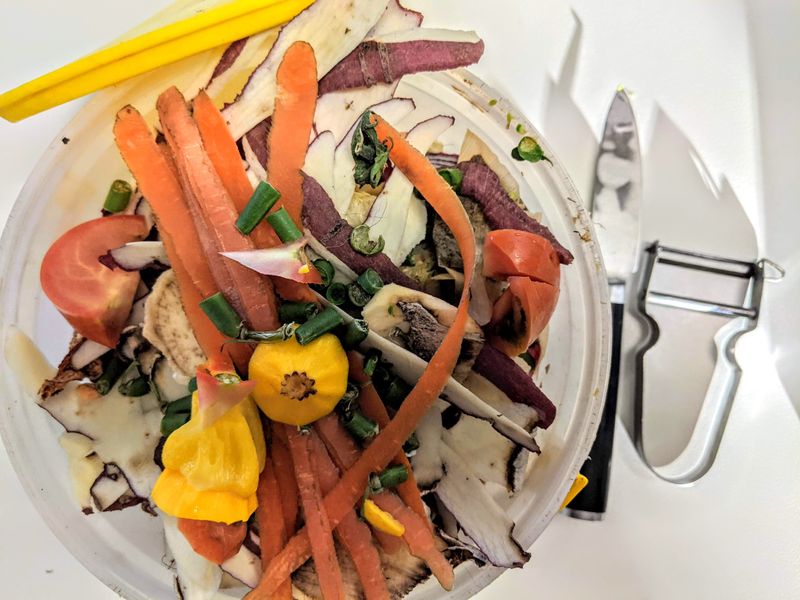
Your kitchen counter is producing gold every single day, and most people just throw it away. Carrot tops, strawberry hulls, wilted lettuce, watermelon rinds, all of it belongs in your compost pile this June.
Washington gardeners who compost consistently waste almost nothing. Fruit peels break down quickly and add potassium, phosphorus, and trace minerals to your pile.
Banana peels alone are a favorite among experienced composters for their richness. Citrus peels take a bit longer but still contribute valuable nutrients over the summer months.
Vegetable scraps bring nitrogen and moisture to a pile that might otherwise dry out in warm weather. Think of them as the soft, juicy fuel that keeps microbial activity humming along.
The more diverse your scraps, the more balanced your finished compost will be. Chop or tear larger pieces before tossing them in. Smaller surface area means faster decomposition and a more uniform pile.
Your Washington Garden Changes Every Week. Your Plan Should Too.
Gardening in Washington changes quickly throughout the season. Every Friday you’ll receive a simple weekly plan showing exactly what to plant, prune, fertilize, harvest, and protect so you never miss the right timing.
A quick chop on the cutting board takes ten seconds and saves weeks of waiting. Avoid adding meat, dairy, or oily scraps, which attract pests and create unpleasant odors.
Stick to plant-based kitchen waste for the cleanest, most productive results. Raccoons in Washington are crafty, and a smelly pile is an open invitation.
By September, those peels and scraps become the micronutrient-rich amendment your soil craves. Mixing finished compost into garden beds before planting can improve even tired, compacted ground.
That is what turns a good harvest into a great one.
3. Coffee Grounds
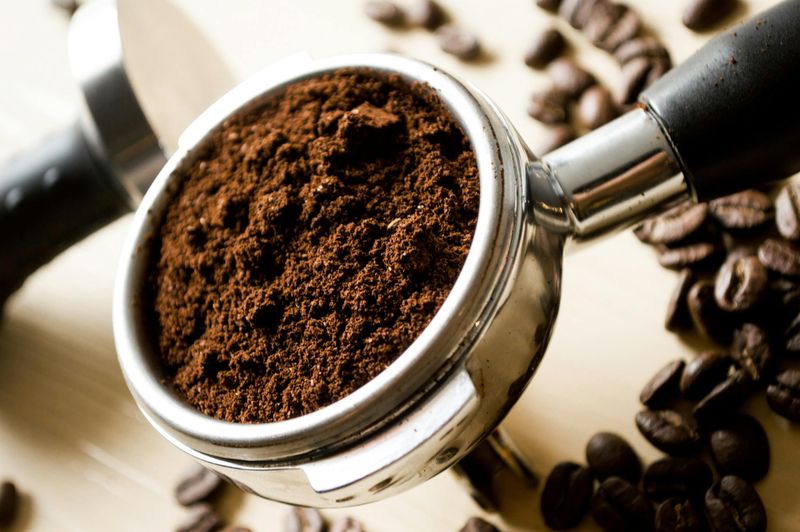
Coffee grounds are the secret weapon that serious composters quietly brag about at the farmers market. They are packed with nitrogen, drain beautifully, and attract earthworms like a magnet.
If you brew a pot every morning, you already have a daily compost contribution ready to go. Earthworms love the texture and chemistry of coffee grounds more than almost any other amendment.
More worms mean better aeration and faster breakdown throughout the entire pile. Think of grounds as a worm recruitment tool that also feeds your microbes.
Used grounds from your morning brew are slightly acidic, which helps balance piles heavy in alkaline materials.
Western Washington soils tend to run acidic, so moderation matters there. Eastern Washington soils are often more alkaline, where grounds may be less of a concern.
As a general guideline, aim for grounds making up no more than twenty percent of your total pile volume. Many local coffee shops will gladly give away their used grounds for free.
A quick conversation at the counter can score you a serious supply.
Sprinkle grounds in thin layers rather than dumping large clumps at once. Clumped grounds form a water-resistant crust that slows decomposition significantly.
Thin layers integrate better and keep your pile breathing the way it should. By fall, the nitrogen from those grounds will have cycled into your compost’s structure.
Plants fed with coffee-ground compost tend to show deeper green color and stronger stems. That is a visible payoff you can see from across the yard.
4. Crushed Eggshells
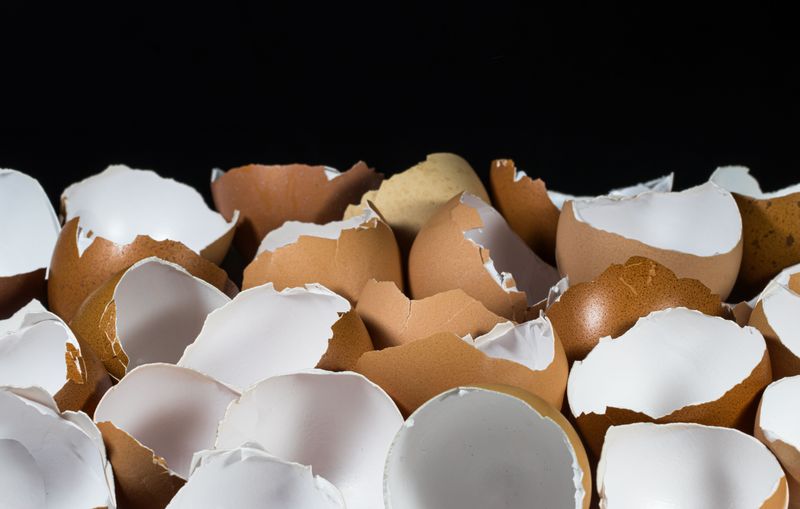
Eggshells have a reputation for being slow in the compost pile, but crushing them changes everything. Smaller pieces expose more surface area to microbial activity, speeding up calcium release significantly.
Think of it as cracking open a mineral treasure chest for your soil. Calcium is one of those nutrients that gardeners overlook until something goes wrong.
Blossom end rot on tomatoes and peppers is often linked to calcium uptake issues. Adding crushed shells now gives your soil all summer to absorb that mineral boost.
Rinsing shells before adding them prevents any lingering egg residue from attracting pests or creating odor. A quick rinse and a day of air-drying is all it takes.
Then crush them with your hands or a rolling pin and toss them right in. Eggshells also help regulate the pH of your compost pile over time.
If your pile trends too acidic from coffee grounds or citrus peels, shells nudge the balance back toward neutral. That balance matters enormously for the microorganisms doing all the real work.
Save shells in a small container on your counter throughout the week. By the weekend, you will have enough for a solid contribution to your pile.
It is one of those habits that feels small but compounds over an entire growing season. Finished compost enriched with shell calcium creates stronger cell walls in your plants.
Stronger cells mean better resistance to disease and environmental stress. Your garden will quietly thank you every single week.
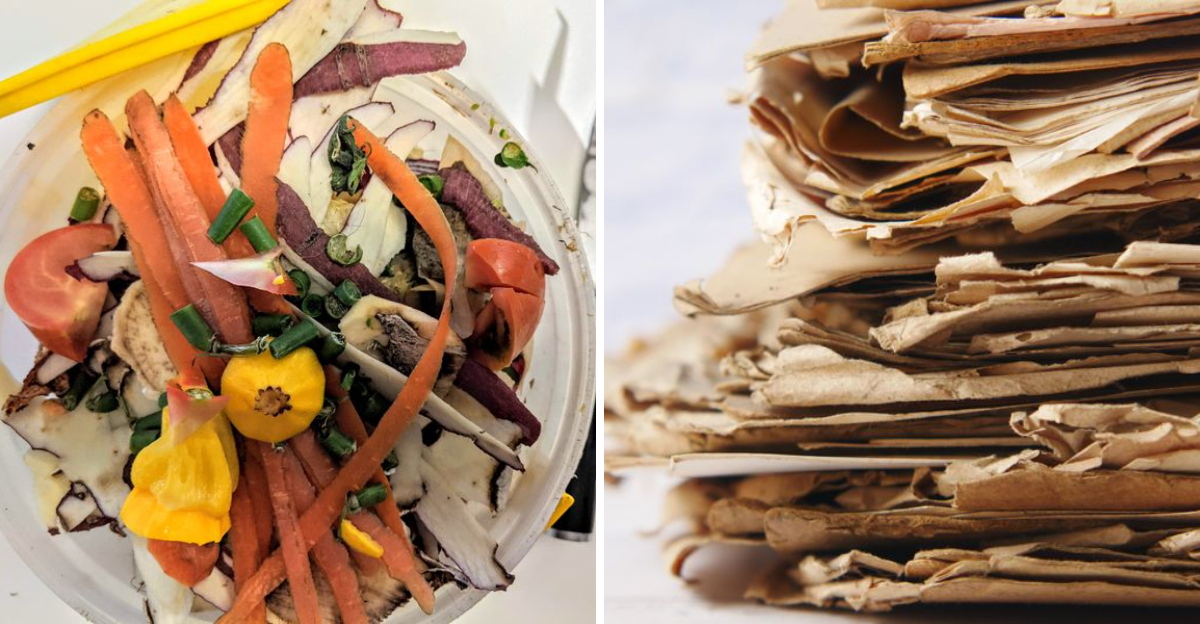
5. Shredded Leaves From Last Fall
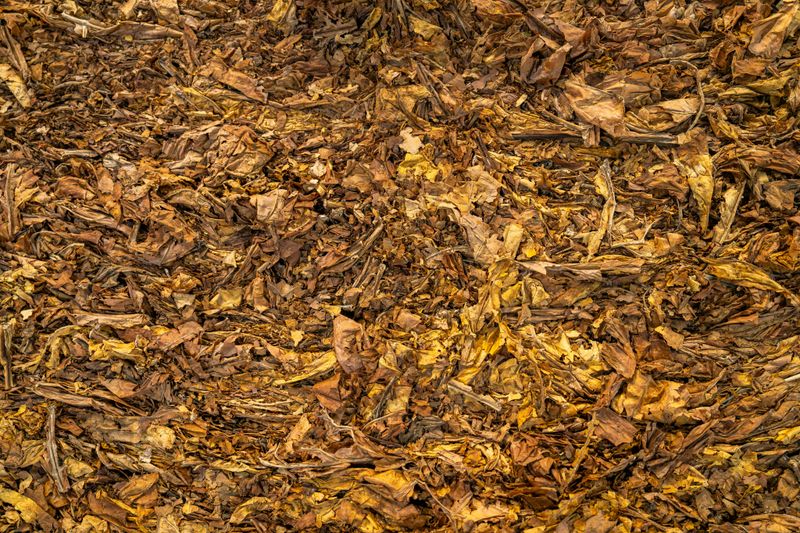
Those bags of leaves you stashed in the corner of the yard last October are pure compost gold right now.
Shredded leaves are the ultimate carbon source, and your pile needs carbon to balance all that nitrogen-rich green material. Pull those bags out and get to work.
Whole leaves mat together and resist decomposition stubbornly, but shredded leaves are a completely different story. Run them over with a lawn mower or push them through a leaf shredder to break them down.
The smaller the pieces, the faster they feed your pile’s microbial workforce. Carbon-rich materials like leaves are called browns, and they are the structural backbone of any healthy compost pile.
Without enough browns, a pile turns slimy and starts to smell like a forgotten gym bag. Shredded leaves fix that problem instantly and efficiently.
Aim for a rough ratio of three parts browns to one part greens in your pile. Leaves stored from fall are the easiest way to hit that ratio during June’s flush of green materials.
Keep a bag nearby so you can add a handful every time you toss in kitchen scraps. Shredded leaves also improve the final texture of your finished compost.
They create tiny air pockets that keep the pile from compacting into a dense, airless mass. Aeration is what keeps the beneficial bacteria alive and working.
By fall, those old leaves will have vanished into rich, crumbly humus. That transformation is one of the most satisfying things a gardener can witness up close.
It turns patience into something you can hold in your hand.
6. Fresh Garden Weeds Before They Seed
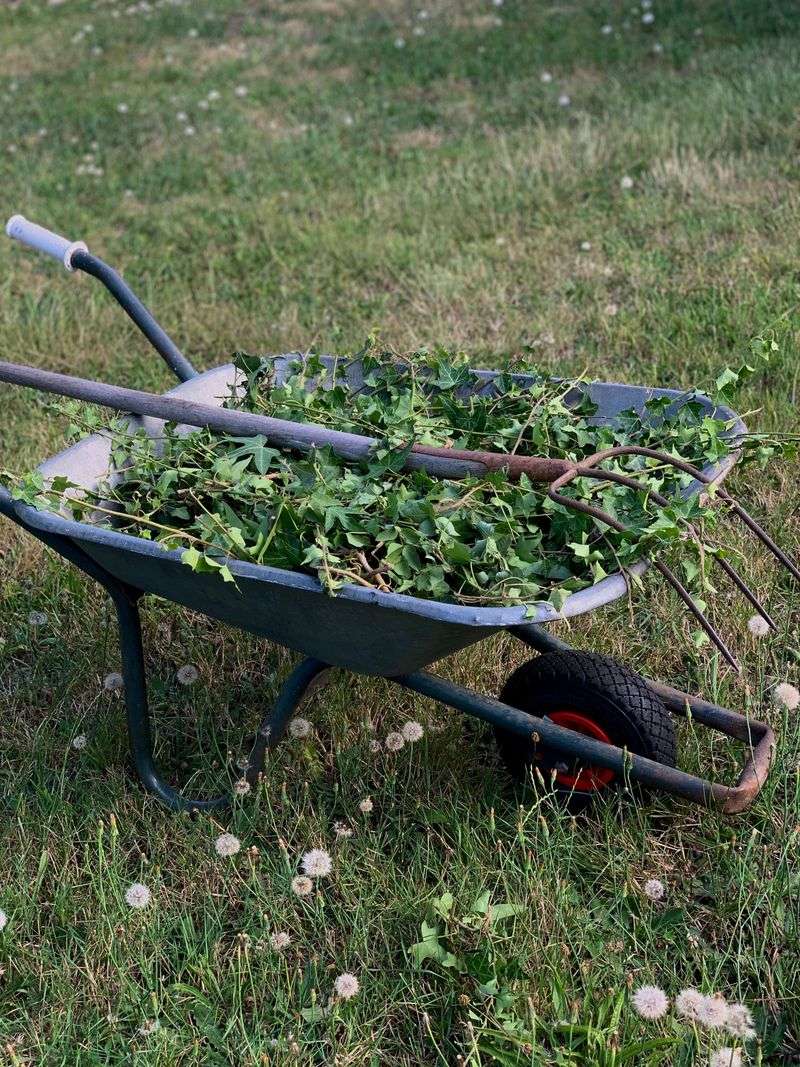
Weeds are the uninvited guests that never stop showing up, but in June they are actually useful. Pull them before they flower and set seed, and they become a free, nitrogen-rich green material for your pile.
Timing is everything with this particular compost ingredient. Young weeds are soft, moist, and full of nutrients absorbed from your garden soil.
They break down fast and contribute minerals that can be surprisingly hard to find in other compost materials. Common weeds like chickweed and clover are particularly nutrient-dense and break down quickly in the pile.
The general rule is straightforward: pull weeds before they flower and set seed. Once a weed flowers and seeds, adding it to a pile risks spreading those seeds throughout your garden beds next spring.
Check the plant carefully before it goes in, and when in doubt, leave it out. Avoid adding weeds with aggressive root systems like bindweed or horsetail.
Those roots can survive composting and regenerate when you spread your finished product. Toss those specific troublemakers in the yard waste bin instead.
Weeds pulled from moist soil after a June rain are easiest to work with and break down fastest. Dry, wilted weeds still contribute but take longer to decompose in the pile.
Rainy Pacific Northwest mornings create perfect weed-pulling and composting conditions. Turning weeds from a garden nuisance into soil food is one of the most satisfying mental shifts in gardening.
What once felt like a chore becomes a contribution to something bigger. Your fall compost will carry nutrients those weeds pulled straight from the earth.
7. Straw Or Hay
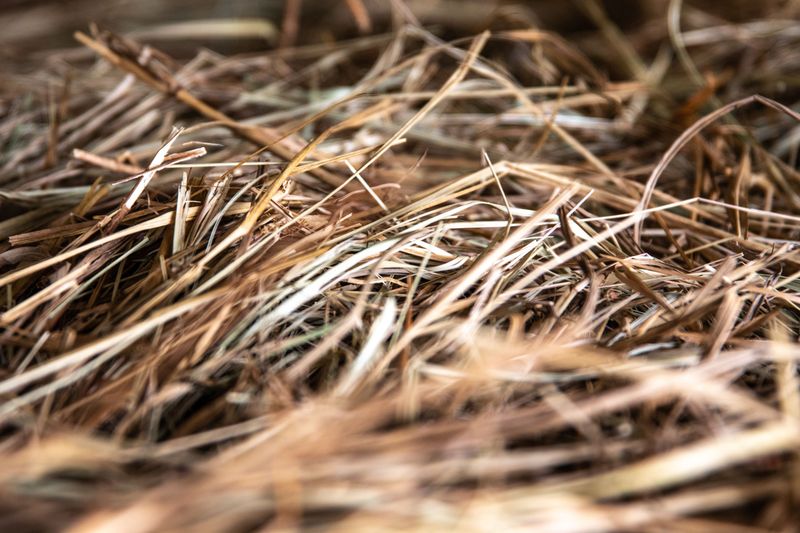
Image Credit: © Magda Ehlers / Pexels
Straw is the underrated workhorse of the compost world, and June is the perfect time to put it to work. It adds carbon, improves pile structure, and keeps moisture levels from swinging too far in either direction.
A few flakes of straw can significantly improve a soggy or compacted pile. Washington summers bring stretches of dry heat that can slow a compost pile to a crawl.
Straw helps retain moisture during those dry spells, keeping microbial activity alive and productive. It acts like a sponge, holding just enough water without drowning the pile.
Hay contains more nitrogen than straw because it includes seed heads and leafy material. That extra nitrogen is a bonus, but it also means hay may introduce unwanted seeds.
Straw is generally the safer, cleaner choice for most home composters. Break straw into shorter sections before adding it to improve integration with other materials.
Long, intact stalks can form air pockets that are too large and disrupt even decomposition. A quick fluffing and tearing before adding takes only seconds.
Layer straw between wetter, nitrogen-heavy materials like grass clippings and vegetable scraps. That layering technique creates airflow channels that keep the pile aerobic and active.
Aerobic decomposition is faster, cleaner, and far less odorous than anaerobic breakdown. By fall, straw fibers will have broken down into a fluffy, fibrous compost that improves soil drainage dramatically.
Sandy soils hold moisture better and clay soils loosen up with this kind of amendment. Either way, your garden wins the moment you spread it.
8. Cardboard And Newspaper
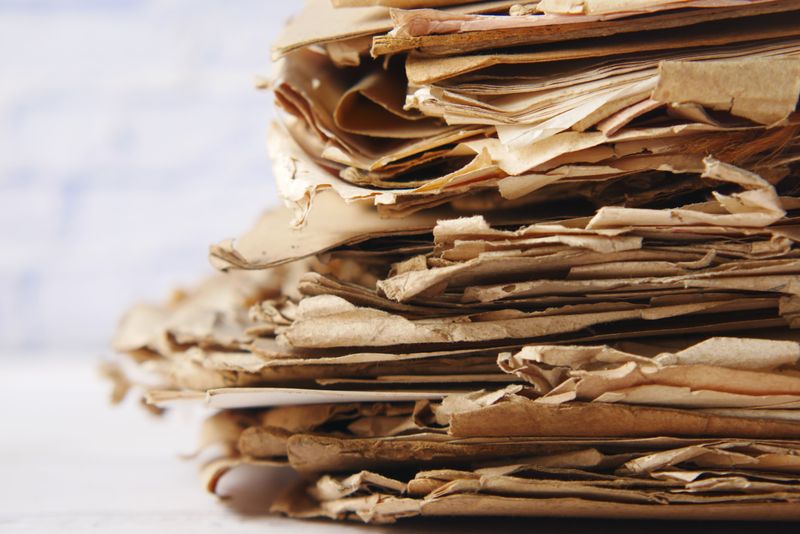
Image Credit: © Towfiqu barbhuiya / Pexels
Every Amazon box sitting on your porch is a future compost ingredient in disguise. Cardboard and newspaper are some of the richest carbon sources available, and most households produce them constantly.
Shred them, wet them, and layer them into your pile for a serious structural boost. Plain corrugated cardboard breaks down beautifully when torn into fist-sized pieces and moistened.
Remove any tape, staples, or glossy coatings before adding, since those materials do not decompose. The plain brown stuff is what you want, and it is endlessly available.
Black-and-white newspaper ink is generally considered safe for compost piles. Skip the colored ink sections to be safe.
Shredded newspaper integrates quickly and adds fluffy texture to a dense pile. Both materials are especially valuable in June when green nitrogen materials flood your pile.
Cardboard and newspaper absorb excess moisture and prevent the pile from turning anaerobic. That balance keeps the smell pleasant and the breakdown process moving at full speed.
Wet the cardboard before adding it to your pile for faster microbial colonization. Dry cardboard repels moisture initially and slows the composting process for the first few weeks.
A quick soak in a bucket of water makes a noticeable difference in breakdown speed. By fall, those boxes and papers will have vanished into the same dark, crumbly compost that feeds your garden.
Adding cardboard to your Washington compost pile in June is a simple, reliable move for richer fall soil. Your beds will feel the difference the moment you dig in.