10 Common Mulching Mistakes That Are Costing Virginia Homeowners A Healthy Garden
Mulch has a reputation for being foolproof. Spread it, forget it, done. But Virginia yards are telling a different story.
A few springs ago, I piled wood chips three inches deep around my rose bushes, convinced I was doing everything right.
By August, my plants looked exhausted and my soil had turned into a crusty, waterlogged mess. That one small miscalculation cost me an entire season.
Mulching done wrong works against your garden in ways that are hard to spot until the damage is already there. Roots get strangled. Moisture goes haywire. Beneficial soil life gets quietly disrupted.
Virginia’s humid summers and unpredictable winters make these mistakes even more punishing than in other states.
Once you see what’s actually happening beneath that layer of bark and wood, you won’t look at your garden the same way again. Your garden is waiting on you.
1. Building Mulch Volcanoes Around Trees
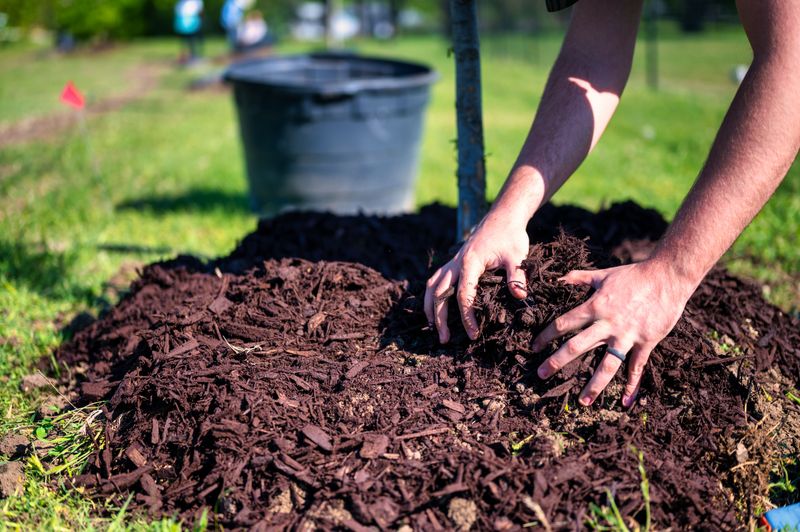
That tidy cone of mulch hugging your tree trunk is silently working against you. Mulch piled against a tree trunk looks tidy, but it is one of the most harmful things you can do.
That cone-shaped mound is called a mulch volcano, and it traps moisture directly against the wood. Over time, that constant dampness softens the bark and opens the door to rot, insects, and fungal problems.
Roots need air to stay healthy. When mulch is stacked six, eight, or even twelve inches high against a trunk, the roots get confused and start growing upward into the mulch instead of downward into the soil.
Those roots can eventually circle and strangle the tree from the inside out. That process takes years but causes serious harm.
Pull the mulch back so there is a clear gap of at least three to six inches around the base of the trunk. Spread the mulch outward in a flat, even layer instead of piling it up like a mountain.
Your trees will breathe easier, drain better, and stay far stronger through every season Virginia throws at them.
2. Applying Too Much Mulch
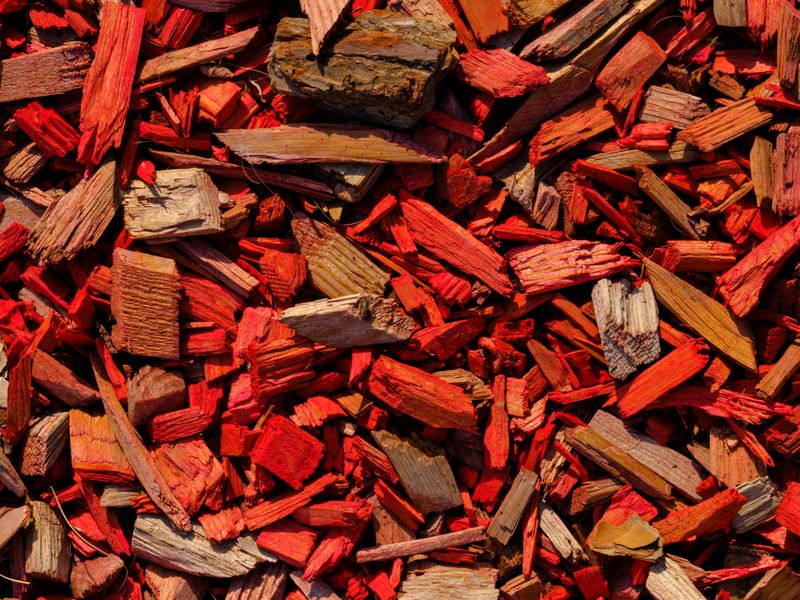
More mulch is not more protection. It is actually the opposite.
Piling on thick layers feels helpful, but anything deeper than four inches starts working against you.
Too much mulch blocks water from reaching the roots. It also cuts off the oxygen the soil needs to stay healthy.
Thick mulch layers create a cozy hiding spot for pests like slugs, voles, and fungus gnats. Those creatures love the dark, damp environment that forms beneath a heavy blanket of wood chips.
Once they move in, they can chew through roots and stems before you even notice. Aim for a mulch layer between two and four inches deep.
That range gives you all the benefits, including moisture retention, temperature regulation, and weed suppression, without smothering what is growing underneath.
If you already have a thick layer in place, rake it back and let the soil breathe for a few days before adding anything new.
Your Virginia Garden Changes Every Week. Your Plan Should Too.
Gardening in Virginia changes quickly throughout the season. Every Friday you’ll receive a simple weekly plan showing exactly what to plant, prune, fertilize, harvest, and protect so you never miss the right timing.
Getting the depth right is one of the easiest and most impactful adjustments any Virginia gardener can make this season.
3. Spreading Mulch Too Thin
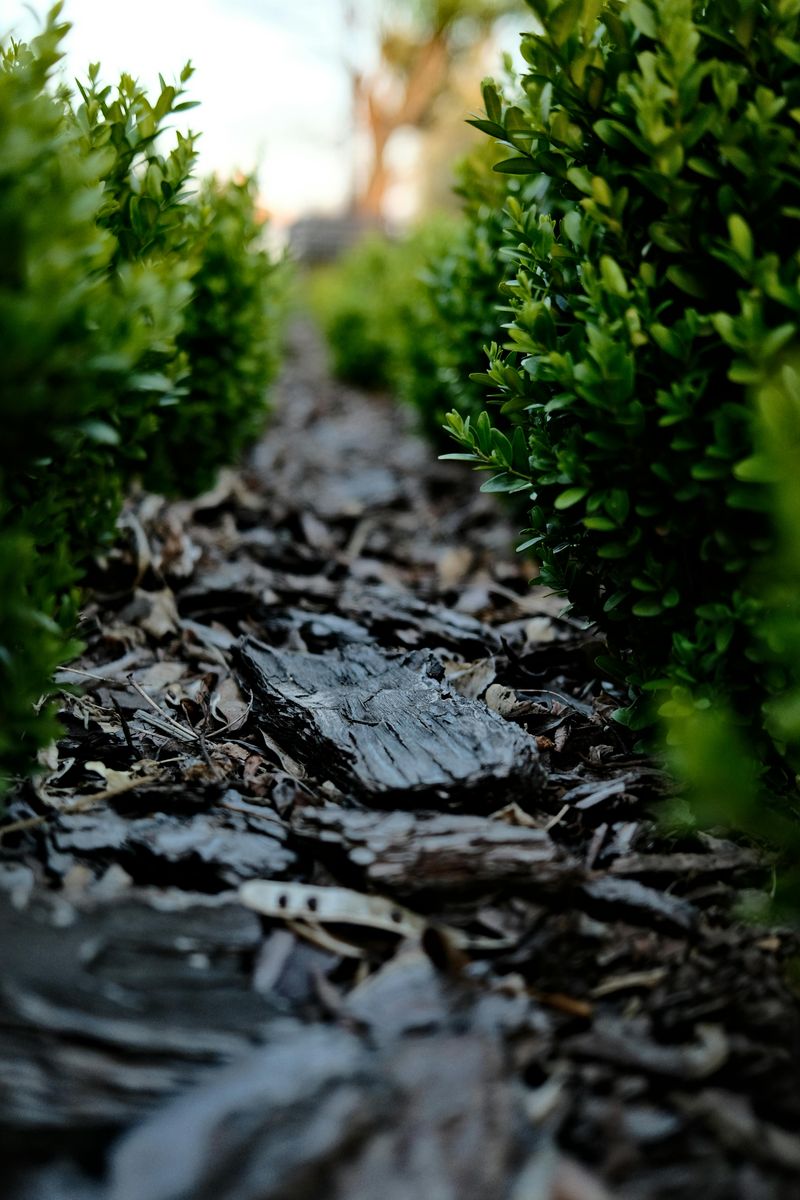
Skimping on mulch might save a few dollars at the garden center, but it costs far more in the long run. A layer thinner than two inches barely holds moisture or keeps weeds at bay.
Within a few hot summer weeks, that thin coating dries out completely and becomes basically useless. Weeds are relentless.
Give them even a sliver of exposed soil and they push through a thin mulch layer with very little resistance.
Once weeds establish themselves, they compete directly with your plants for water and nutrients.
That competition rarely ends in your garden’s favor. Thin mulch also fails to insulate soil temperature.
Virginia summers get brutal, and without adequate ground cover, soil heats up fast and stresses plant roots sitting just below the surface.
The sweet spot is two to four inches of mulch applied evenly across the entire bed. Do not stretch one bag of mulch across a space that needs three.
Spend a little more upfront and your plants will reward you with stronger growth, fewer weeds, and noticeably better color all season long.
4. Placing Mulch Too Close To Plant Stems
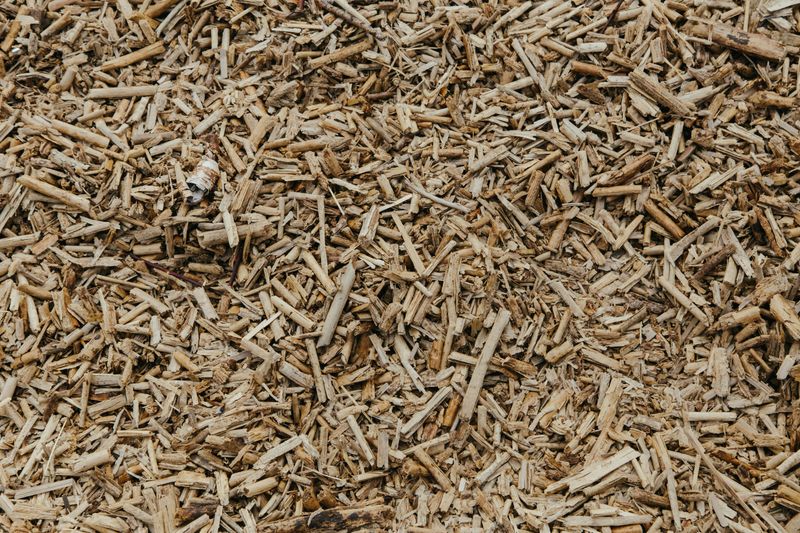
Stems are fragile. Mulch pressed against them invites trouble faster than most gardeners expect.
Pressing mulch right up against the stems of your perennials, vegetables, or shrubs creates a wet, dark zone that practically invites rot and disease.
Fungal issues love that trapped humidity, and black spot, crown rot, and stem cankers are all more likely when mulch sits flush against a plant’s base.
Once those problems take hold, they can spread across a bed quickly if left unchecked. The damage often starts underground, invisible until it is too late to reverse.
Keep a clear ring of bare soil, roughly two to three inches wide, around every stem or crown. This allows air to circulate freely and lets the surface dry out properly between rain events.
That one habit dramatically lowers your risk of fungal trouble across the entire bed. Check this every time you water or walk the garden.
A few extra minutes of care here pays back all season long. Strong stems build strong plants, and strong plants build the garden you actually wanted.
5. Not Mulching To The Drip Line
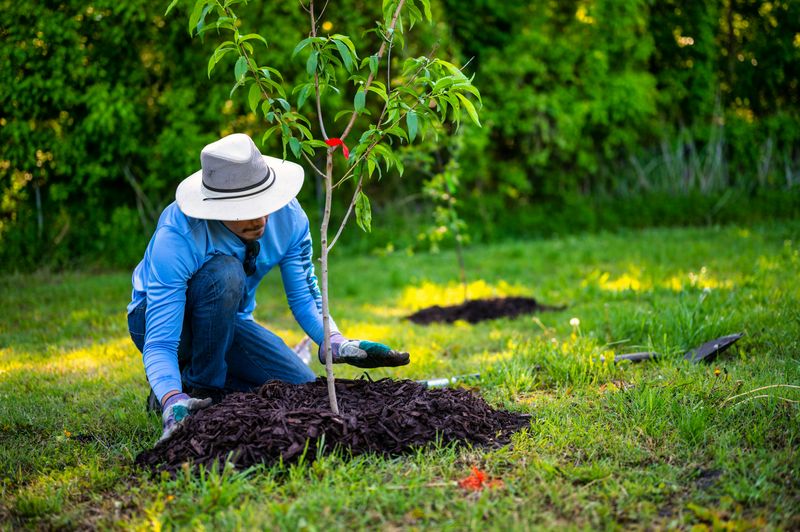
Most people mulch in a small circle right around the base of a tree and call the job done. Tree roots often stretch as wide as the canopy itself, far beyond what you can see above ground.
That outer edge where rain drips off the leaves is called the drip line, and it marks where the most active roots live.
Leaving the drip line zone bare means those feeder roots are exposed to temperature swings, soil compaction, and moisture loss.
Those are exactly the roots responsible for pulling in water and nutrients. Neglecting that area puts real stress on the entire tree.
You might notice slow growth, yellowing leaves, or branches that look weak, though these symptoms can have several causes.
Extend your mulch ring out to the drip line, or as close as your yard allows. Keep it at a consistent two to four inch depth across the whole area.
Getting closer to the drip line makes a real difference in how well your trees handle Virginia’s summer heat and dry spells. Bigger mulch rings equal stronger, more resilient trees year after year.
6. Reapplying Without Removing Or Breaking Up The Old Layer
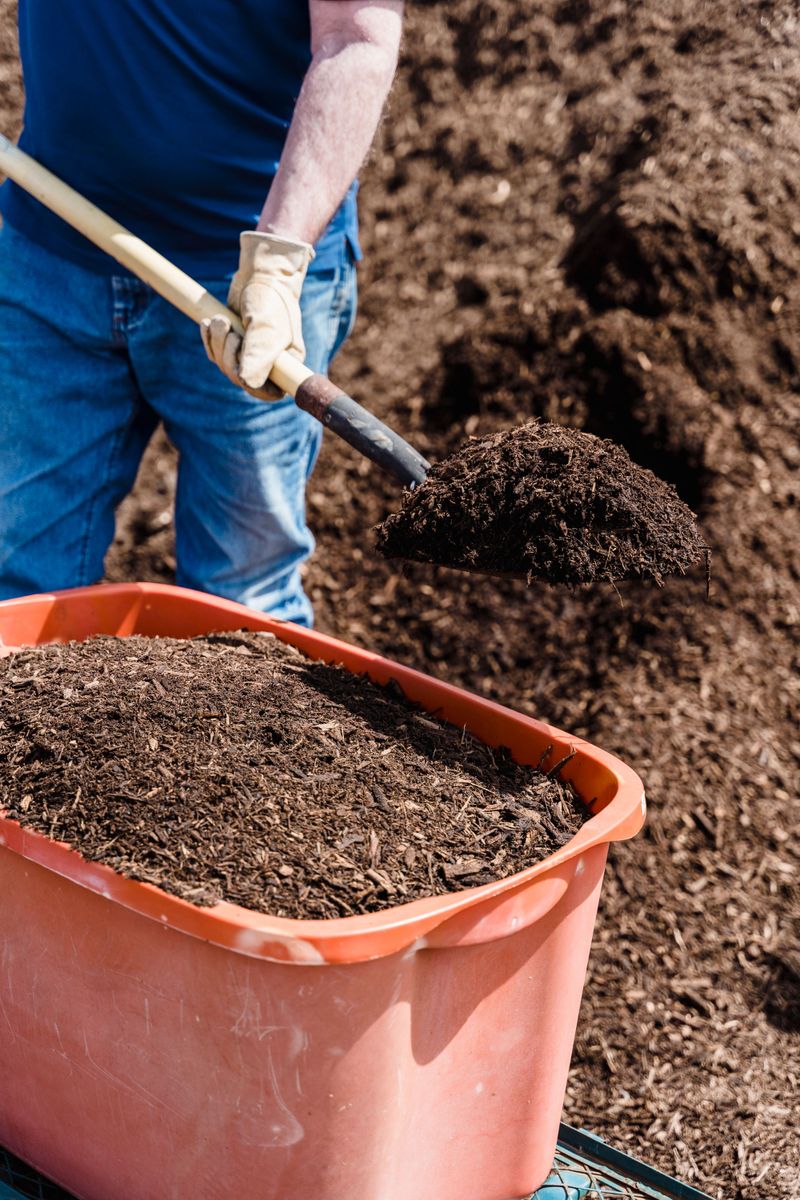
Fresh mulch dumped over last year’s layer looks like progress, but underneath something problematic is happening.
Every spring, bags of fresh mulch get piled on top without a second thought. Underneath, the old mulch is quietly compacting into a dense mat.
That mat becomes compressed and dried out over time and repels water instead of absorbing it. Compacted old mulch stops rain from soaking into the soil below.
Instead of reaching plant roots where it belongs, water runs off the surface or pools on top and evaporates. You end up watering more, spending more, and still wondering why your plants look thirsty.
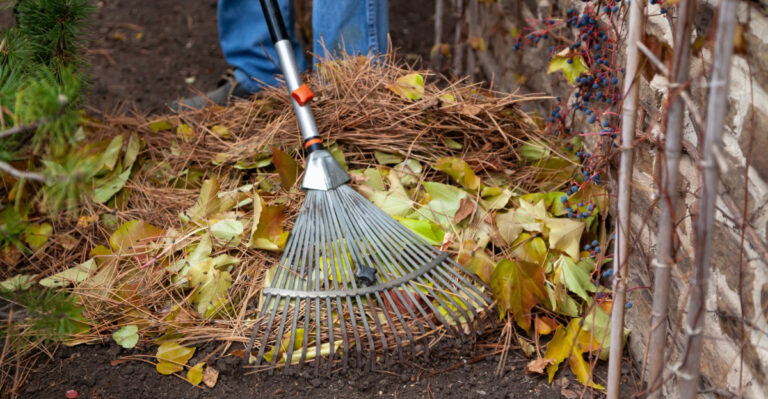
Before adding fresh mulch each season, take a few minutes to rake and fluff the existing layer. Break up any areas that have matted together and check the total depth before adding more material on top.
If the old layer is still two inches deep and in decent shape, you may only need to top it off lightly. This simple step keeps your mulch delivering moisture to roots instead of sitting on top doing nothing.
7. Using The Wrong Type Of Mulch
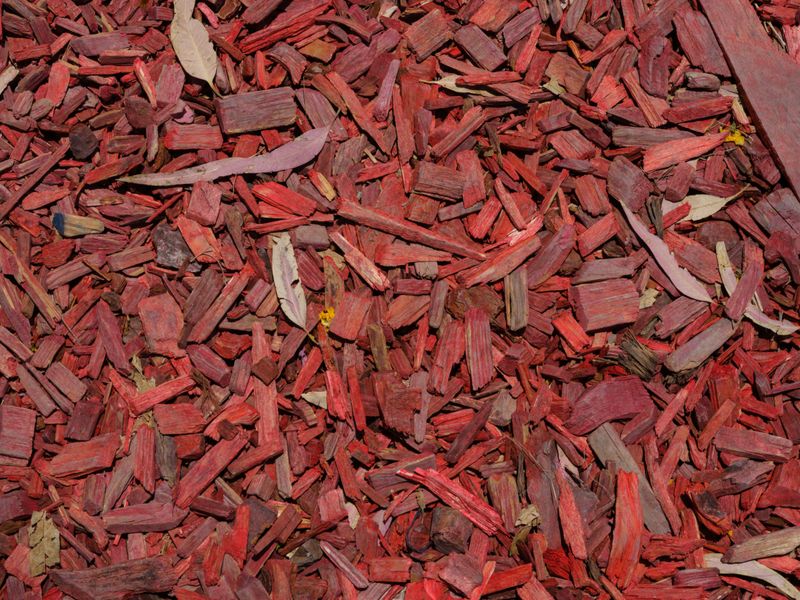
Not all mulch is created equal, and the wrong choice can quietly undermine everything you are growing. Grabbing whatever is cheapest or most convenient can backfire in a big way.
Dyed wood chips made from recycled lumber sometimes contain chemicals that leach into your soil over time. Rubber mulch stays hot in summer and can stress plant roots rather than protecting them.
Pine straw works beautifully around acid-loving plants like azaleas and blueberries but can lower soil pH too much for plants that prefer neutral ground.
Shredded hardwood mulch is a reliable all-around choice for most Virginia garden beds, but even that can cause problems if it is not aged properly.
Fresh wood chips can pull nitrogen from the upper soil layer as they break down, which may affect plants in the short term.
Match your mulch to your plants and your goals. For vegetable gardens, straw or untreated grass clippings work well and break down into the soil quickly.
For trees and shrubs, aged wood chips or shredded bark are excellent options. Choosing the right material from the start saves you from problems that a little extra thought could have prevented.
8. Mulching At The Wrong Time
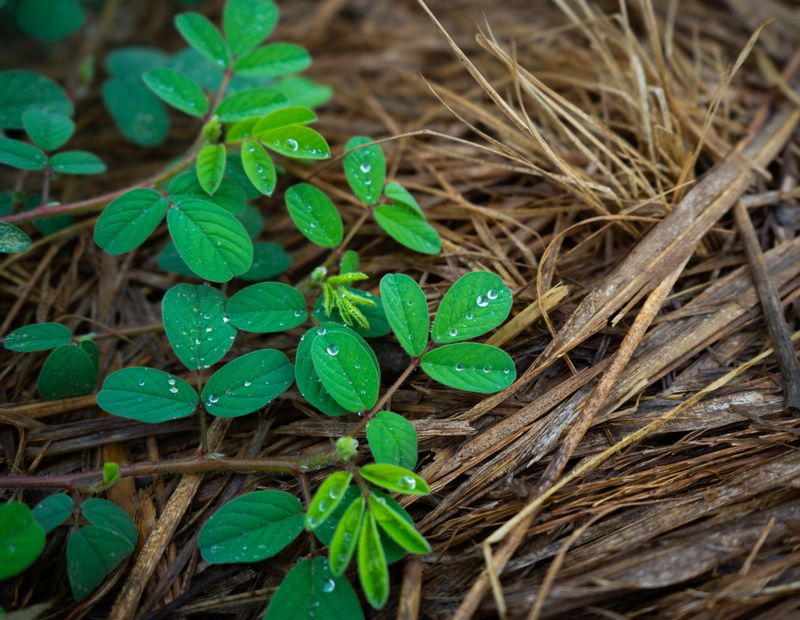
Timing your mulch application wrong can cancel out every benefit you are hoping for. Spreading mulch too early in spring traps cold air against the soil, delaying warming and slowing plant growth.
Soil needs to warm up naturally before you lock in a layer of insulation on top of it. On the flip side, mulching too late means your plants bake through the hottest weeks without protection.
Virginia summers can send soil temperatures soaring, and exposed roots suffer in that kind of heat. Waiting until July to mulch your beds means your plants have already absorbed weeks of damaging heat with no protection.
The ideal window for spring mulching in most parts of the state is mid to late spring, once the soil has warmed but before the real heat kicks in.
For fall mulching, aim for after the first frost to help insulate roots through winter. That timing prevents late-season growth that cold snaps can damage.
Marking these windows on your calendar makes it easy to stay on schedule and ensures your mulch actually does its job.
9. Choosing The Wrong Mulch For Soil Type
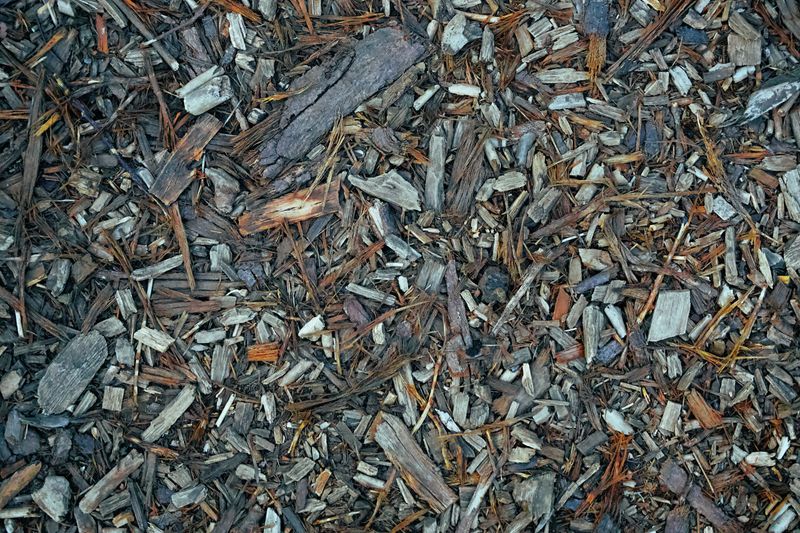
Virginia soil varies wildly from one county to the next, and ignoring that fact leads to real trouble. The heavy clay soil common in the Piedmont region drains slowly and holds moisture for a long time.
Piling on moisture-retaining mulch in that setting can push things from damp to waterlogged, and most plants cannot handle sitting in soggy ground. Sandy coastal soils behave the exact opposite way.
They drain so fast that moisture disappears before roots can absorb it. In that case, a thicker layer of organic mulch helps slow drainage and gives plants a fighting chance during dry stretches.
Understanding your soil type before you mulch is the key step most homeowners skip entirely. A simple soil test is available through Virginia Cooperative Extension for an affordable fee.
It tells you your soil’s texture, pH, and nutrient levels, helping you choose a mulch that complements your soil rather than making its weaknesses worse.
For clay soil, coarser mulches that allow better airflow and drainage are a smarter pick. For sandy soil, finer organic materials that break down and add body to the ground work best.
10. Neglecting To Refresh Or Maintain Mulch
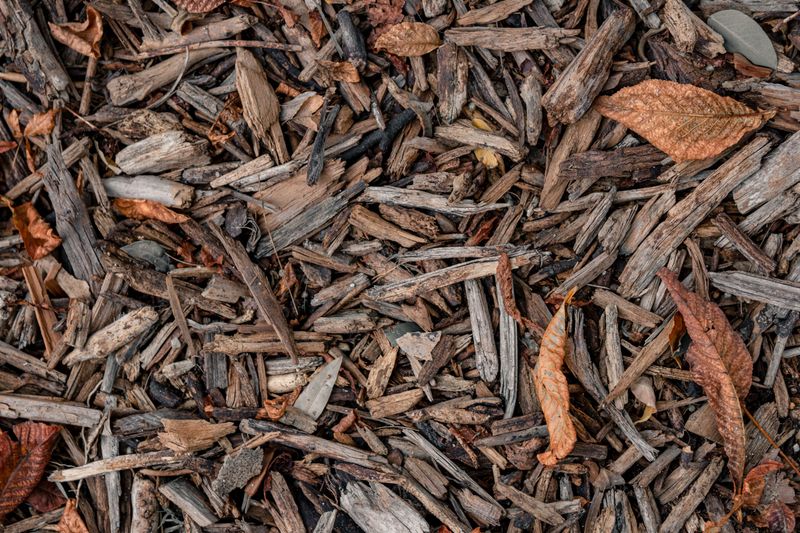
Mulch laid down once and never touched again stops doing its job faster than you think. Organic mulch breaks down over time, thinning out and losing effectiveness with each passing month.
By midsummer, what started as three inches might be down to barely one. Faded, thin mulch stops blocking weeds, stops holding moisture, and stops regulating soil temperature.
Your garden ends up unprotected right when summer heat is at its peak. That slow decline is easy to miss because it happens gradually, not all at once.
Walk your garden beds every four to six weeks and check the mulch depth with a quick finger test. If you can easily press through to bare soil, it is time to top things off.
A light refresh of one to two inches is usually all it takes to restore full coverage. Staying on top of mulch maintenance is one of the simplest habits that keeps your garden consistently healthy through every season.
A little attention now keeps your garden strong through every challenge Virginia’s climate brings.