Why Virginia Compost Piles Decompose Fastest In Early August, And What To Feed Them
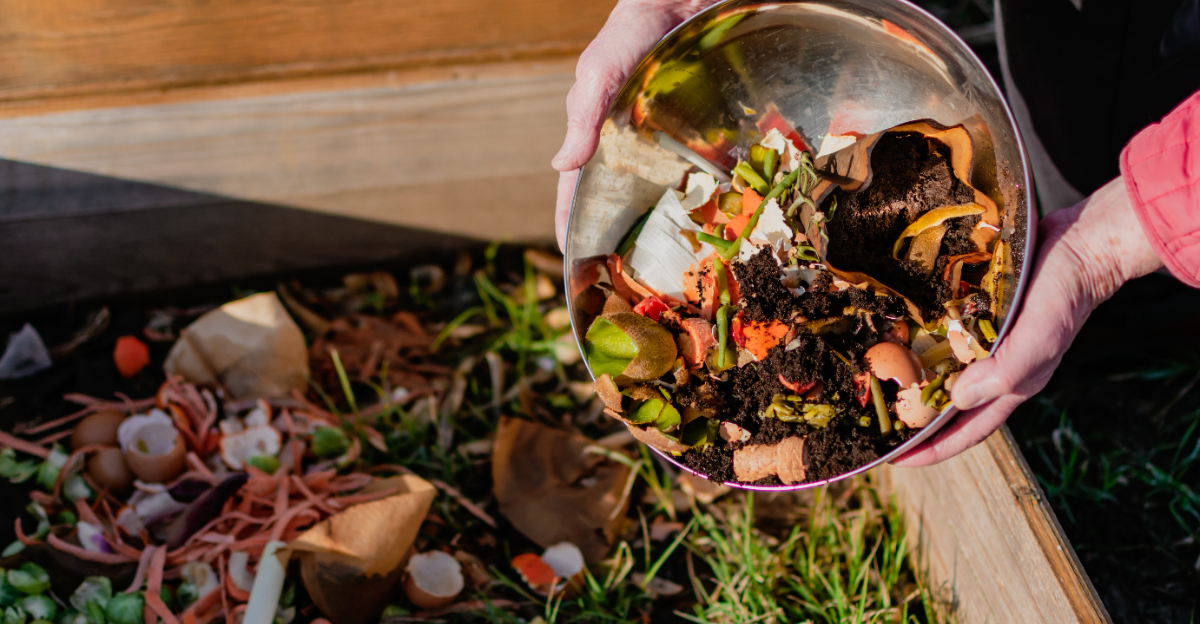
Something strange takes over Virginia backyards every August. Compost bins that sat quiet all summer suddenly hiss and slump overnight. Neighbors blame the heat, but they are only half right.
Whatever is happening inside that pile feels closer to a secret handshake than a fluke. One week your scraps look untouched. The next, they have vanished into something dark and crumbly, and nobody can quite explain the shift.
Virginia’s late-summer air carries a specific kind of magic, and it only lasts so long. Catch it right, and your pile will do more work in ten days than it managed all July.
Summer Heat Accelerates Microbial Breakdown Rates
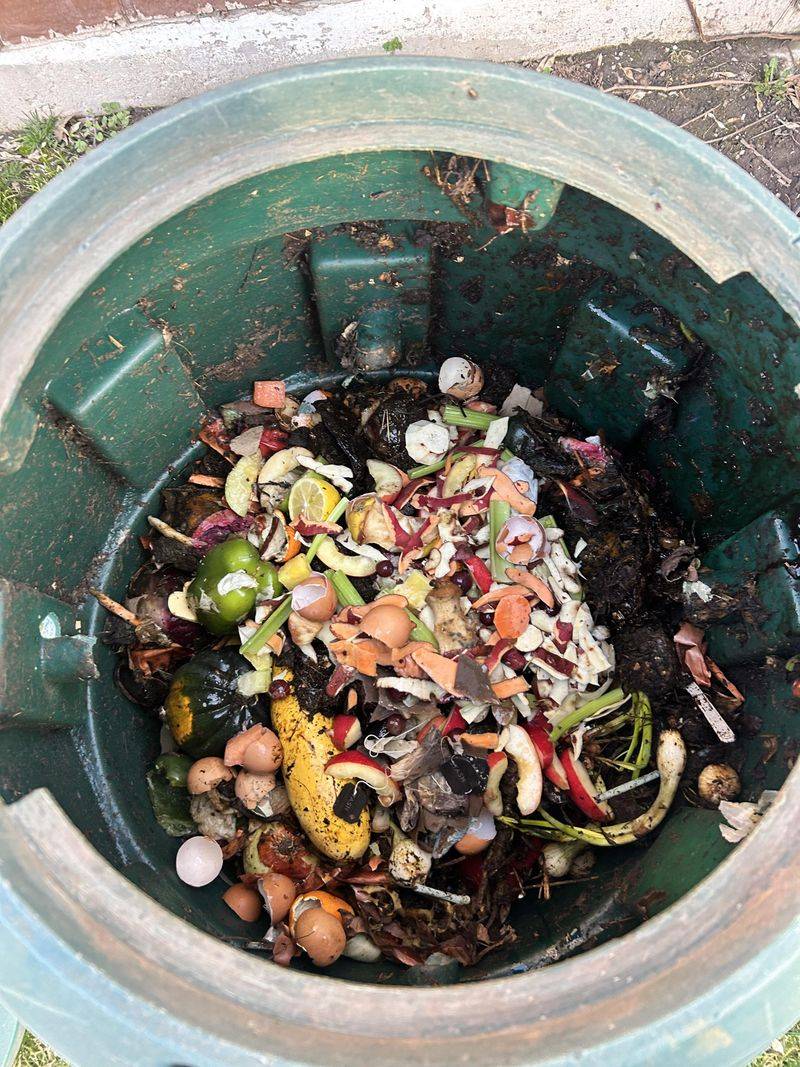
Your compost pile is basically a city of tiny workers. Billions of bacteria and fungi are eating, breathing, and breaking down every scrap you toss in.
Early August in Virginia often brings temperatures well into the upper 80s and 90s. That heat is rocket fuel for microbial activity inside your pile.
Microbes work faster when temperatures climb between 130 and 160 degrees at the pile’s core. That sweet spot is where decomposition shifts into overdrive.
A hot pile can shrink noticeably within just a couple of weeks. The outside air temperature pushes the internal heat even higher during August’s peak.
Thermophilic bacteria, the heat-loving kind, dominate your pile this time of year. They break down tough materials like stems and woody scraps far faster than cooler-weather microbes.
Virginia compost piles decompose fastest during this window because the ambient heat stacks on top of microbial heat. It creates a compounding effect that is hard to replicate in cooler months.
Think of it like a slow cooker set to high. The longer it stays hot, the more thoroughly everything breaks down.
Turning your pile every three to four days keeps oxygen flowing to those hungry microbes. Fresh air is just as important as heat for keeping the breakdown process running at full speed.
This is the season to lean in hard and feed your pile well. The microbes are ready, the weather is cooperating, and your garden soil will thank you come fall.
Ideal Moisture Levels Speed Up Decomposition
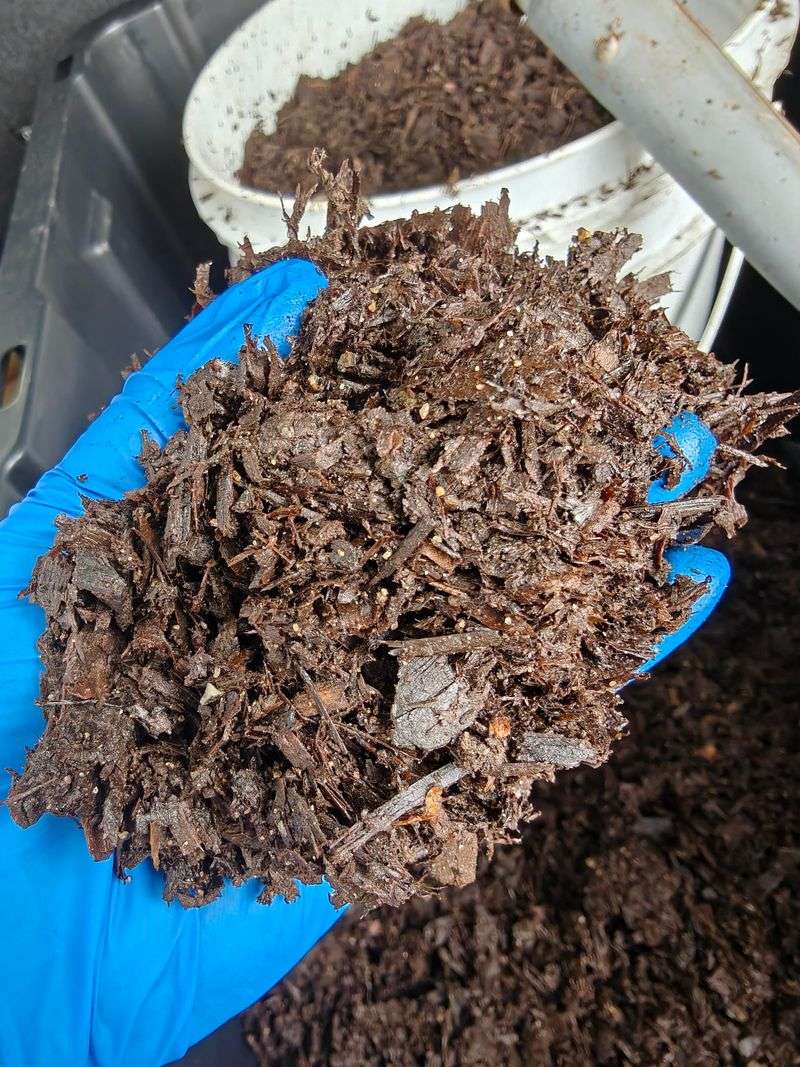
Picture squeezing a sponge that is just barely damp. That is exactly what your compost should feel like in early August.
Too dry and the microbes slow down, gasping for the water they need to survive. Too wet and the pile turns anaerobic, smelly, and sluggish.
Virginia summers bring humidity, but they also bring stretches of dry heat that can suck moisture right out of your pile. Checking your compost every two days during August is a smart habit.
Aim for about 50 to 60 percent moisture content throughout the pile. You can gauge this by grabbing a handful and squeezing firmly.
If a few drops of water drip out, you are in the perfect range. If nothing comes out, grab the hose and water your pile like you would a thirsty garden bed.
Covering your pile with a tarp during heavy rain prevents waterlogging. August storms in Virginia can dump inches of rain quickly, turning a healthy pile into a soggy mess.
Your Virginia Garden Changes Every Week. Your Plan Should Too.
Gardening in Virginia changes quickly throughout the season. Every Friday you’ll receive a simple weekly plan showing exactly what to plant, prune, fertilize, harvest, and protect so you never miss the right timing.
Layering your materials helps moisture distribute evenly. Alternating wet food scraps with dry leaves or straw keeps the balance without much fuss.
A well-moistened pile in August can reach internal temperatures of 150 degrees or higher. That heat pasteurizes weed seeds and speeds up Virginia compost decomposition dramatically.
Getting moisture right is the single easiest adjustment most backyard composters overlook. Fix it once, and the results will surprise you within days.
Best Materials To Add This Time Of Year
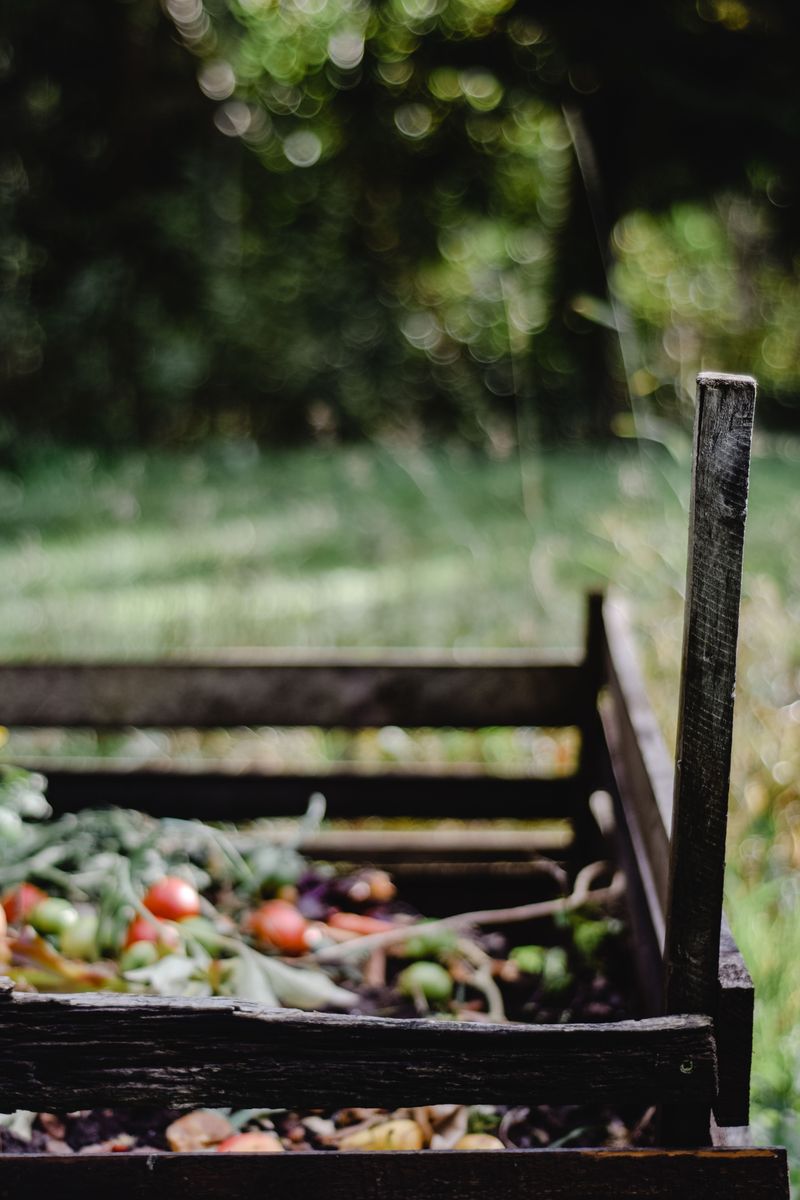
August in Virginia practically hands you a compost goldmine. Gardens are overflowing, kitchens are busy with summer produce, and the yard is full of clippings.
Watermelon rinds are a top-tier addition right now. They are high in nitrogen, break down quickly, and microbes love them.
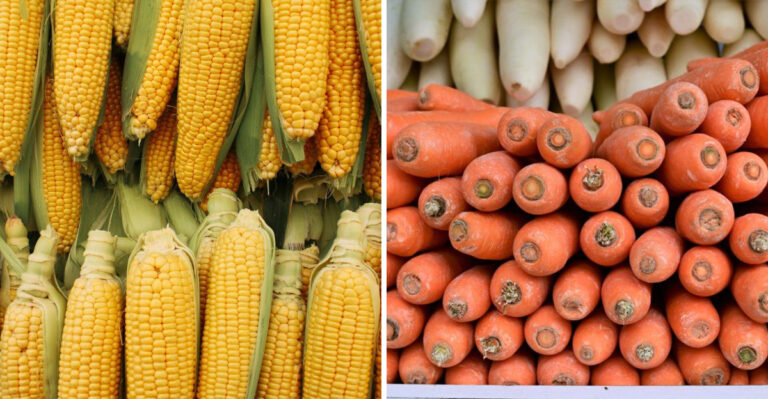
Corn husks and cobs from summer cookouts add bulk and carbon to your pile. Chop them up before adding so they break down faster.
Spent vegetable plants from your garden, like tomato stems or cucumber vines, are perfect candidates. Strip off any diseased leaves first and toss the healthy material in.
Grass clippings from your August mowing sessions are nitrogen-rich and decompose rapidly. Spread them in thin layers so they do not mat together and block airflow.
Coffee grounds collected from your morning routine add nitrogen and attract helpful worms. They also slightly acidify the pile, which certain microbes prefer.
Fruit scraps like peach pits, melon chunks, and berry stems break down beautifully in the August heat. Chop larger pieces to help microbes access more surface area.
Avoid adding meat, dairy, or oily foods even in peak season. These attract pests and create odor problems that offset the benefits of fast decomposition.
Eggshells are a subtle but effective addition this time of year. They add calcium, improve pile structure, and break down slowly enough to condition the finished compost.
Feed your pile these summer staples and watch it transform into rich, dark gold faster than any other season.
Balancing Green And Brown Compost Ratios
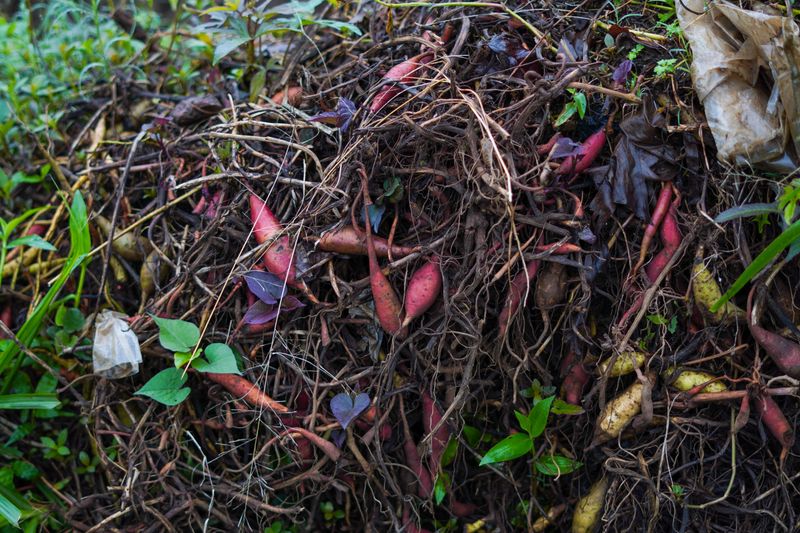
Green and brown. Nitrogen and carbon. These two forces need each other to make compost work properly.
Greens are your nitrogen-rich materials: food scraps, grass, fresh plant trimmings, and coffee grounds. Browns are your carbon sources: dry leaves, cardboard, straw, and paper.
The classic ratio most composters aim for is roughly three parts brown to one part green by volume. August makes this trickier because greens are everywhere and browns can be scarce.
Too many greens and your pile gets slimy, smelly, and matted. The excess nitrogen has nowhere to go and the pile suffocates itself.
Stockpiling dry leaves from last fall is a composting pro move. Keep a bag nearby so you can toss in browns every time you add a bucket of kitchen scraps.
Shredded cardboard boxes are a reliable brown source all year. Break them into small pieces and dampen them slightly before layering them into the pile.
Straw from a local farm supply store is another easy fix. A thin layer between green additions keeps the pile airy and balanced without much effort.
During Virginia compost decomposition’s fastest window, the pile burns through materials quickly. You may need to add more browns than usual to keep the ratio stable.
Think of balancing your pile like seasoning food. A little too much of one thing throws the whole dish off, but the right blend creates something extraordinary.
Get the ratio right in August, and your compost will be finished and garden-ready by early fall.
Common Mistakes That Slow The Process Down
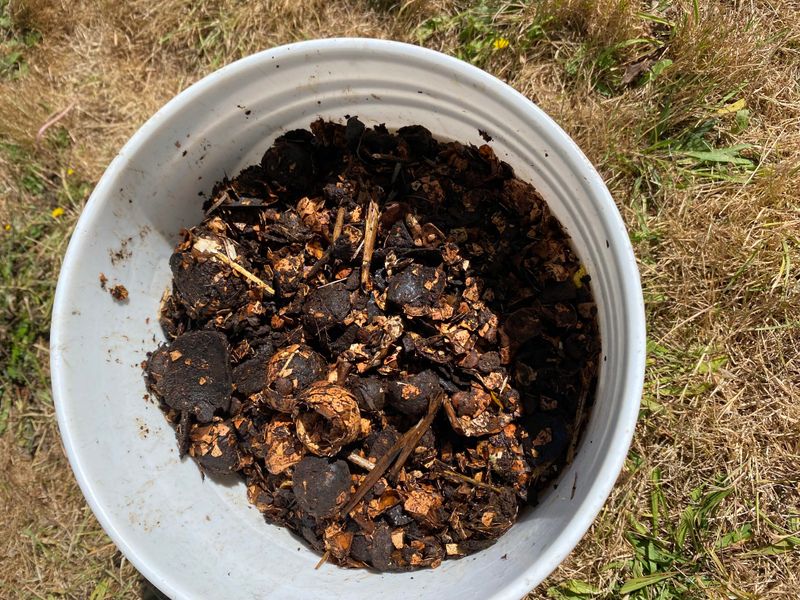
Even seasoned composters make mistakes that put the brakes on a perfectly hot August pile. Knowing what to avoid saves weeks of waiting.
The biggest culprit is not turning the pile often enough. A pile that sits untouched loses oxygen, cools down, and stalls out fast.
Adding materials in giant chunks is another common error. Large pieces take much longer to break down because microbes can only work on exposed surfaces.
Ignoring moisture levels during a dry August stretch will bring decomposition to a crawl. Check the pile every couple of days, especially after a hot, sunny week.
Piling on too many grass clippings at once creates a dense, wet mat. That mat blocks air and turns into a slimy layer that smells awful and slows everything down.
Some people add weeds that have already gone to seed. Even a hot pile may not destroy every seed, and you risk spreading weeds through your finished compost.
Using a pile that is too small is a mistake people overlook. A pile needs to be at least three feet wide and three feet tall to generate enough internal heat.
Skipping the brown materials when greens are abundant is tempting but costly. Without carbon sources, the nitrogen overloads the pile and creates ammonia instead of rich compost.
Forgetting to break up compacted layers is a subtle but damaging habit. Poke or turn those dense spots to restore airflow and restart microbial momentum.
Avoid these pitfalls and your August pile will stay hot, fast, and productive all season long.
Maintaining Compost Through The Rest Of Summer
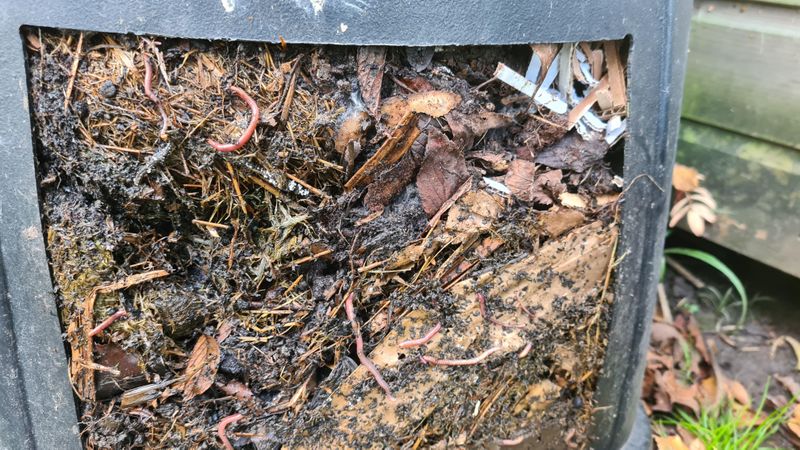
Early August is the opening stretch, not the finish line. Keeping your pile active through the rest of summer takes a steady rhythm.
Turn the pile every three to four days to keep oxygen flowing and temperatures high. Consistency here is what separates a finished compost from a half-baked pile.
As August rolls into September, temperatures start to dip slightly in Virginia. Add a dark-colored tarp over the pile to trap heat and slow the cooling process.
Keep feeding your pile through late summer harvests. Tomato plants pulled from the garden, spent bean bushes, and herb trimmings are all excellent late-season additions.
Watch for the pile to stop shrinking and start looking uniform in color and texture. That shift signals that decomposition is nearing completion.
A finished compost smells like fresh earth after rain. If it still has a sharp or sour odor, it needs more time and possibly another round of turning.
Screening your compost through a half-inch mesh removes any large unfinished chunks. Toss those pieces back into the active pile to finish breaking down.
Storing finished compost in a covered bin or bucket keeps it from drying out before you use it. Moisture in the finished product helps it integrate into garden soil more easily.
Virginia compost decomposition peaks in early August, but a well-tended pile keeps working right through Labor Day. Stay consistent, keep feeding, and your fall garden beds will be richer than ever.