8 Vegetables Perfect For Vertical Gardens In New York
Growing food in New York is an exercise in creative stubbornness. Your balcony edge, rooftop corner, and backyard fence become prime real estate the moment you start thinking vertically.
Picture your first pole bean trellis on a fire escape with twelve inches of soil and no expectations whatsoever. By August, you are giving beans away to neighbors.
That shift changes how you look at every spare wall and railing in this state. Vertical gardening does not just save space.
It rewires how you see space entirely. A well-placed trellis, a tower planter, a wire panel bolted to a sunny fence are not compromises.
They are solutions that outperform traditional beds in ways you never anticipate. New York summers are short, the light is competitive, and the season waits for no one.
The vegetables ahead are built for exactly that kind of pressure. Pick one wall. Start this weekend. You will not look back.
1. Pole Beans
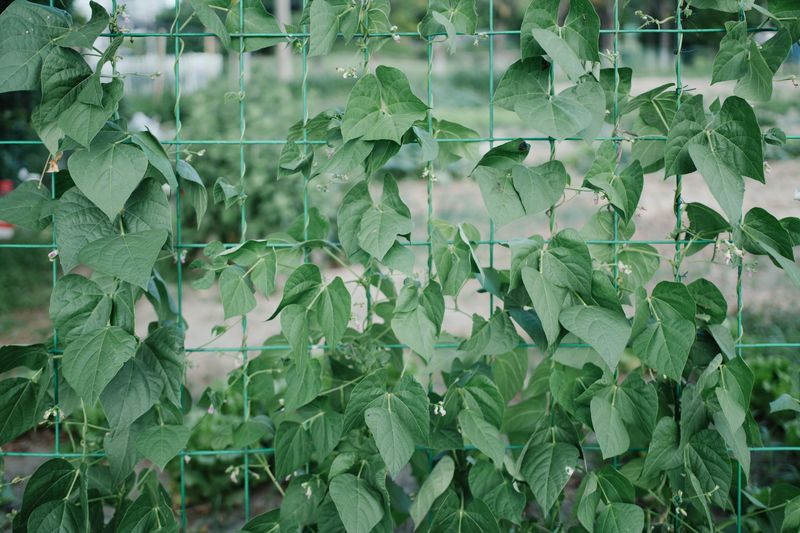
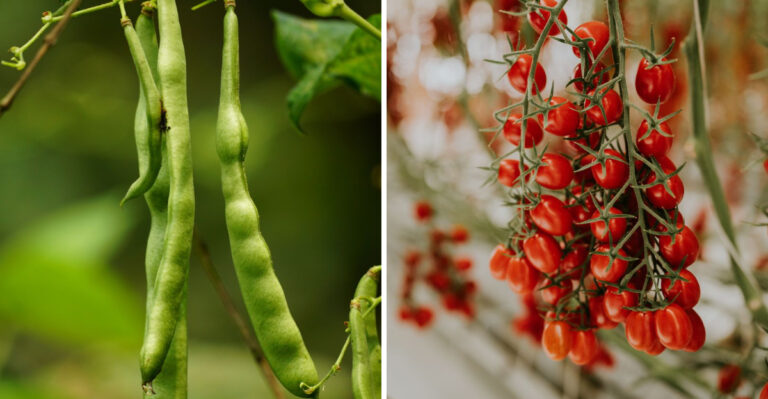
Climb, produce, repeat. That is the pole bean promise. Give them something to grip and they will reward you with armloads of crisp, tender pods from midsummer through early fall.
New York gardeners have trusted this crop for generations, and it is easy to see why. A single six-foot trellis can support enough vines to feed a family of four throughout the season.
Unlike bush varieties that produce one big flush and call it a day, pole beans keep producing as long as you keep picking. That continuous harvest rhythm fits perfectly into the busy pace of city life.
Plant seeds directly in the soil after the last frost, which in most of New York falls around mid-May. They sprout fast, often within a week, and start climbing almost immediately.
Bamboo teepees, wire panels, and wooden lattice all work beautifully as supports. Soil should be loose, well-drained, and moderately fertile.
Too much nitrogen and you will get gorgeous leafy vines with almost no beans, so go easy on heavy fertilizers. A balanced organic blend at planting time is usually all they need.
Water consistently at the base rather than overhead to keep fungal issues from creeping in. Morning watering is especially helpful during humid New York summers.
Healthy vines can reach eight feet tall, so anchor your trellis well before the season gets rolling.
Once you taste a fresh-picked pole bean straight off the vine, the bagged stuff at the grocery store will never quite cut it again.
2. Tomatoes
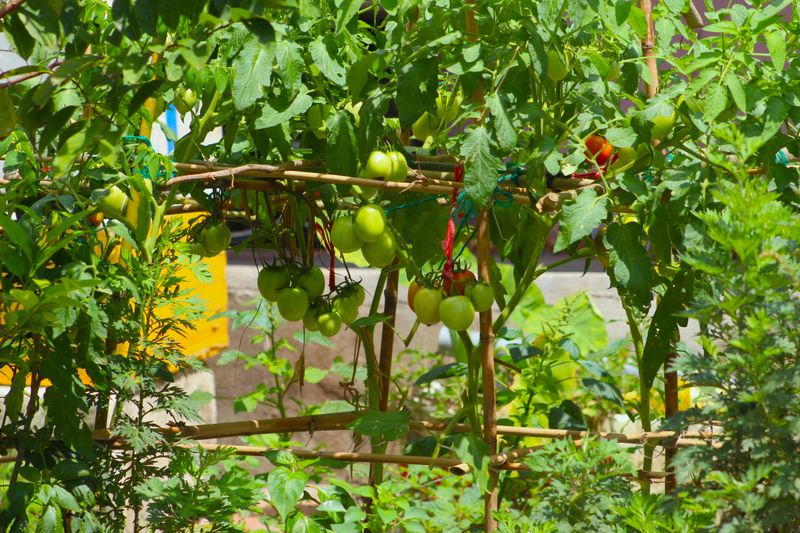
Nothing signals summer quite like a sun-warmed tomato off the vine. Indeterminate varieties keep producing all season long, making them the real stars of vertical gardening.
They climb, they sprawl, and with the right support they become productive pillars of any small-space garden.
Varieties like Sungold, Black Krim, and Brandywine have loyal followings among New York rooftop and balcony growers.
Caging or staking these plants early keeps them upright and makes harvest dramatically easier.
A heavy-gauge tomato cage or a strong wooden stake driven deep into the soil will handle even the most vigorous plants. Start seeds indoors about six to eight weeks before your last frost date.
Your New York Garden Changes Every Week. Your Plan Should Too.
Gardening in New York changes quickly throughout the season. Every Friday you’ll receive a simple weekly plan showing exactly what to plant, prune, fertilize, harvest, and protect so you never miss the right timing.
Transplant outdoors once nighttime temperatures stay consistently above fifty degrees. Tomatoes love heat, and New York summers deliver plenty of it once June arrives.
Pinching off suckers, those little shoots that sprout between the main stem and branches, directs energy into fruit production rather than endless leafy growth.
This single habit separates gardeners who get a handful of tomatoes from those who get a basketful. It takes about thirty seconds per plant and makes a noticeable difference.
Deep watering two to three times per week encourages strong root systems. Mulching around the base holds moisture and keeps soil temperature steady during heat waves.
Maintaining consistent moisture is the most reliable way to prevent blossom end rot, since the condition is caused by calcium uptake failure rather than calcium deficiency.
A calcium-magnesium liquid fertiliser applied to the soil gives faster results than solid amendments. With a little attention, your vertical tomato plants can produce fruit well into October.
3. Cucumbers
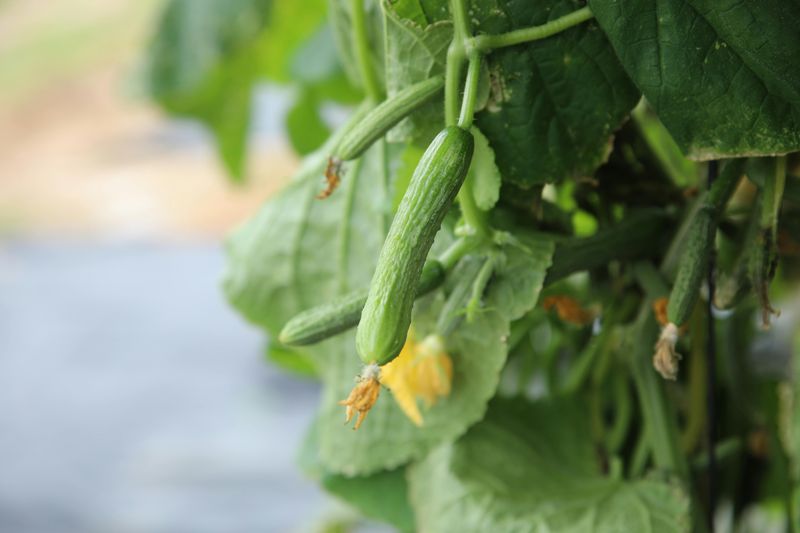
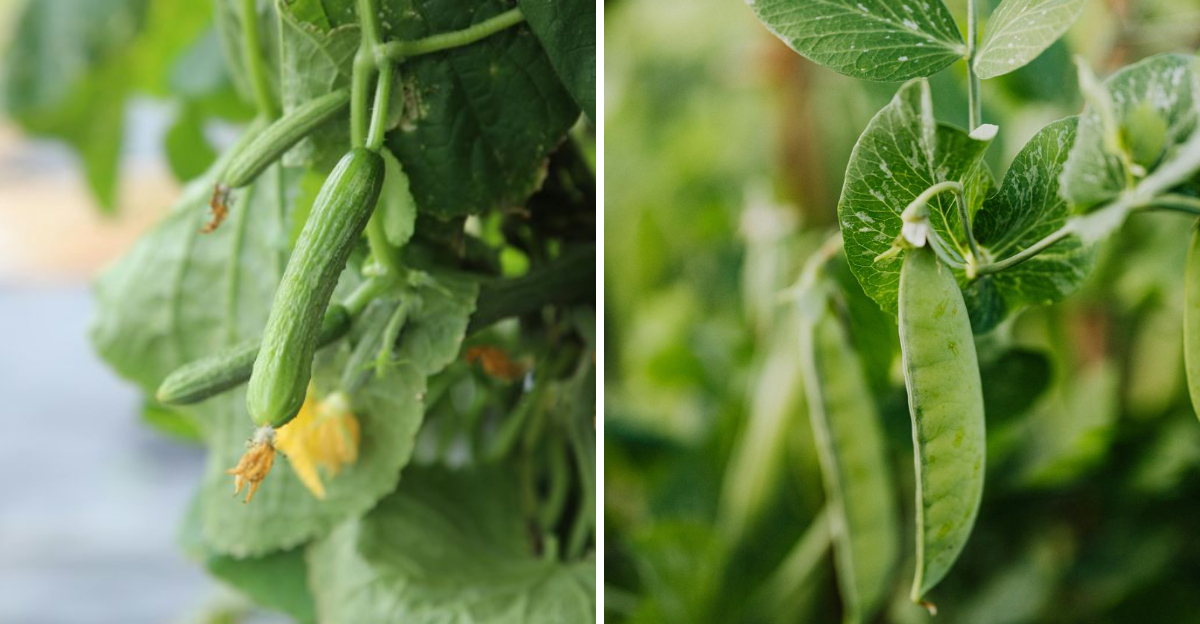
Fast, tenacious, and self-sufficient. Cucumbers are built for vertical growing.
They climb aggressively using their own tendrils, clinging to wire, twine, or mesh without any encouragement needed.
For anyone working with a compact New York plot, that self-sufficient climbing habit is a genuine gift. Growing cucumbers vertically also solves a common problem: fruit that rots on damp soil.
When cucumbers hang freely in the air, they develop straighter shapes, cleaner skin, and better flavor than ground-grown ones.
Harvesting is also much faster because the fruit is easy to spot hanging in plain view. Bush Pickle, Spacemaster, and Straight Eight are popular choices for reliable production in small spaces.
Plant seeds or transplants after all frost risk passes, typically late May in most parts of New York. They grow quickly and often begin flowering within five to six weeks of planting.
Cucumbers are thirsty plants, especially during hot stretches. Deep, consistent watering prevents the bitter flavor that develops when plants get stressed from drought.
Drip irrigation or a soaker hose set up along the base of the trellis makes this almost effortless. Harvest cucumbers young and often to keep the plant producing aggressively.
Leaving overripe fruit on the vine signals the plant to slow down production. A single well-tended cucumber trellis can produce dozens of fruits, easily justifying the small investment in support materials.
4. Peas
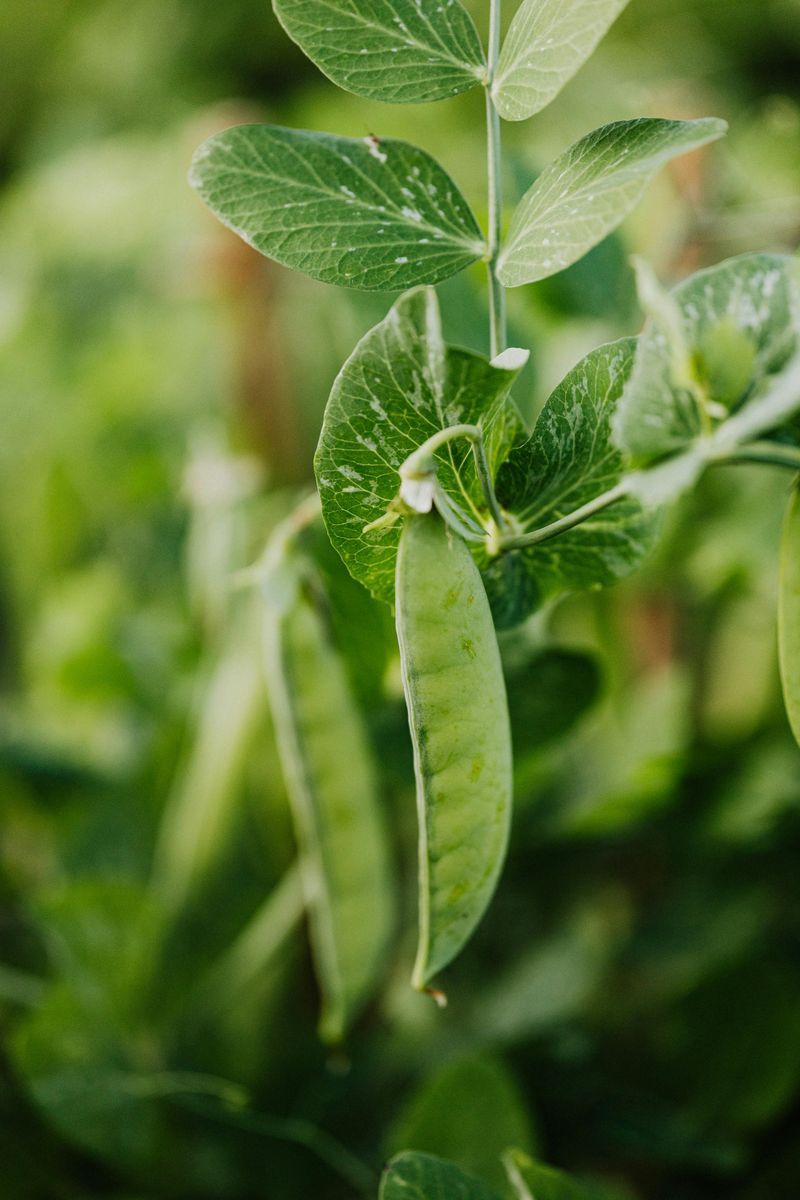
Spring starts here, and it starts early. Peas thrive in cool weather, getting in the ground as early as late March, weeks before most other crops sprout.
That head start feels like a small victory after a long winter. Sugar Ann and Super Sugar Snap have become favorites among city growers.
Both produce abundantly in tight spaces. The pods are sweet enough to eat raw right off the vine, which means half the harvest disappears before it ever reaches the kitchen.
That is not a complaint. That is just the reality of growing something this delicious. Peas use thin tendrils to wrap around supports, so mesh netting, chicken wire, or sturdy twine strung between posts works perfectly.
They rarely grow taller than five or six feet, making them manageable even on a small balcony or fire escape planter box. Planting them in double rows on either side of a central trellis maximizes yield from a minimal footprint.
Cool soil and consistent moisture are the two things peas ask for in return for their generosity. Once temperatures consistently climb above seventy-five degrees, production slows and the plants begin to fade.
That natural timing actually works in your favor, freeing up trellis space for warm-season crops. Succession planting every two weeks from early April stretches the harvest window significantly.
Fresh peas eaten straight from the garden taste nothing like the frozen kind. Once you experience that sweetness firsthand, growing them every spring becomes non-negotiable.
5. Peppers
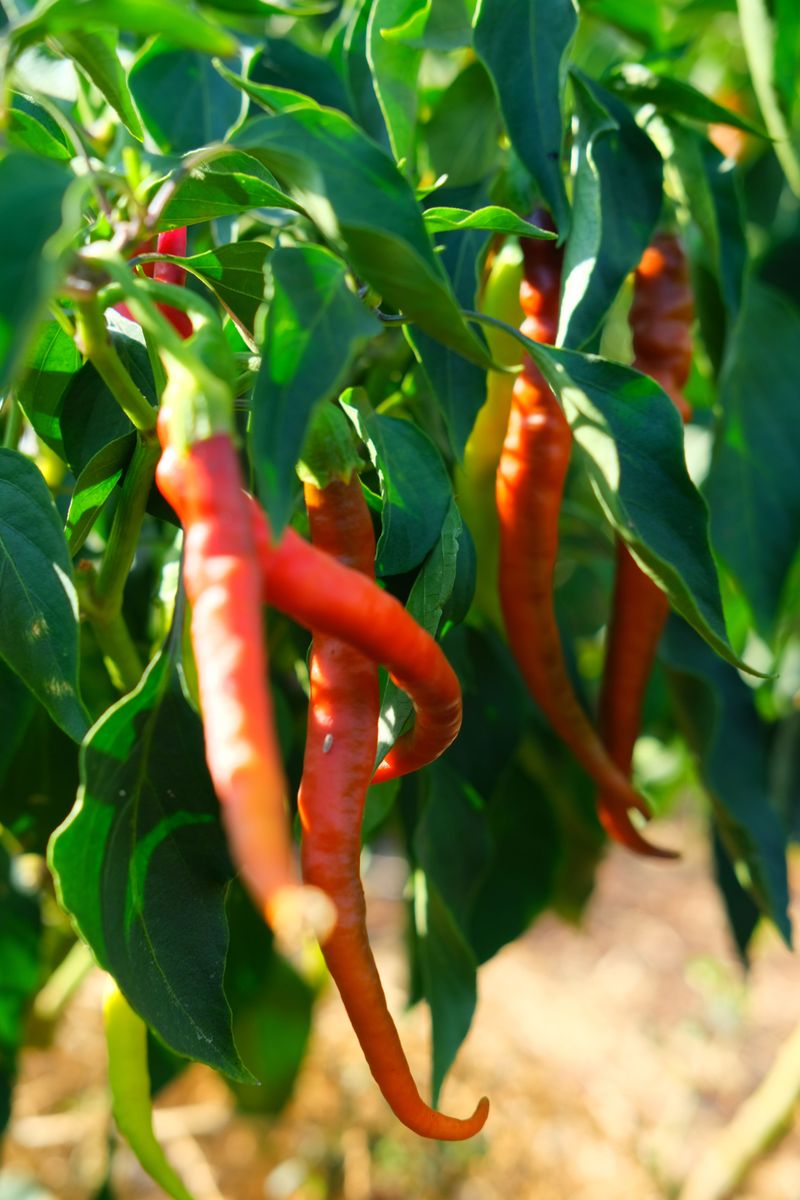
Small footprint, serious output. Peppers earn their place in any vertical garden. They may not climb like beans or cucumbers, but stacked tower planters, wall-mounted pocket gardens, and tiered containers make it work.
Gardeners can grow multiple plants in a fraction of the floor space a traditional bed would require. The results can be surprisingly impressive for such a compact setup.
Sweet varieties like Carmen and Lunchbox are especially popular among New York balcony growers because they produce heavily without demanding a huge root zone.
Hot peppers like Cayenne and Jalapeño also perform well in containers, and a single plant can produce more than enough heat for an entire season of cooking.
For apartment gardeners, one or two plants per container is the sweet spot. Peppers love warmth and genuinely thrive during New York summers once the heat settles in.
Start seeds indoors eight to ten weeks before your last frost date for the best results. Transplanting into warm soil rather than cold makes a significant difference in how quickly they establish and begin flowering.
Regular feeding with a phosphorus-rich fertilizer encourages heavy fruit set rather than lush leafy growth. Once flowers appear, backing off nitrogen helps direct the plant’s energy toward producing peppers rather than more leaves.
Consistent watering, avoiding wide swings between dry and wet, keeps the fruit from cracking. Staking individual plants with a simple bamboo rod prevents heavy fruit loads from snapping branches.
A single well-cared-for plant can yield up to thirty fruits, with most containers averaging fifteen to twenty. For a vegetable that asks so little, the return is remarkably generous.
6. Lettuce
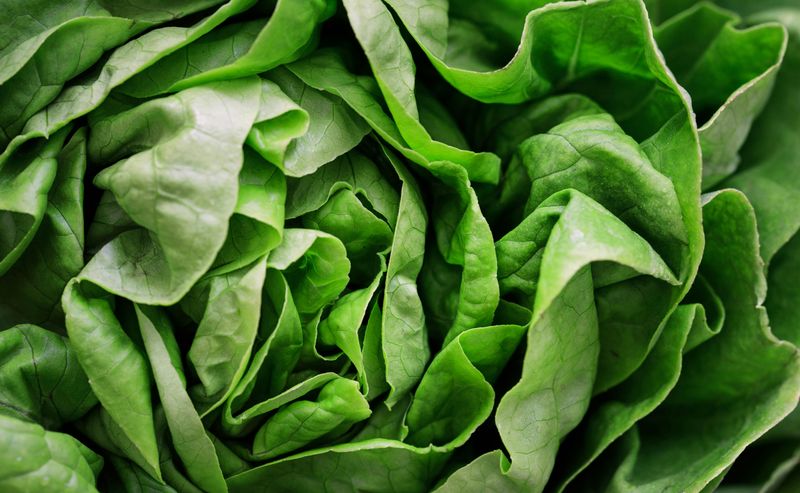
Fast, foolproof, and freshly yours within weeks. Lettuce is the perfect starter crop. It grows fast, asks for very little, and produces harvests that feel almost instant.
Planting a few pockets of lettuce on a wall-mounted planter is one of the most satisfying things a city gardener can do.
Loose-leaf varieties like Red Sails, Black Seeded Simpson, and Oakleaf are especially well-suited to vertical setups because you can harvest outer leaves repeatedly without pulling the whole plant.
This cut-and-come-again approach keeps a small planter producing fresh greens for weeks at a time. For salad lovers in the city, it is genuinely hard to beat the convenience.
Lettuce prefers cooler temperatures, making spring and fall the prime growing windows in New York. During summer heat waves, plants can bolt quickly, sending up a bitter flower stalk and ending the harvest.
Positioning vertical planters where they receive afternoon shade helps extend the season into warmer months.
Soil moisture is critical for lettuce because shallow roots dry out faster in wall-mounted containers than in ground beds.
Check moisture daily and water before the soil pulls completely away from the container edges to keep leaves tender and sweet.
A lightweight, moisture-retaining potting mix works far better than heavy garden soil in vertical setups.
Succession planting every three weeks from early April through September keeps a steady supply of fresh leaves coming.
Sprinkle a few seeds, thin them lightly, and harvest regularly. Few vegetables reward minimal effort with such consistent, delicious results.
7. Spinach
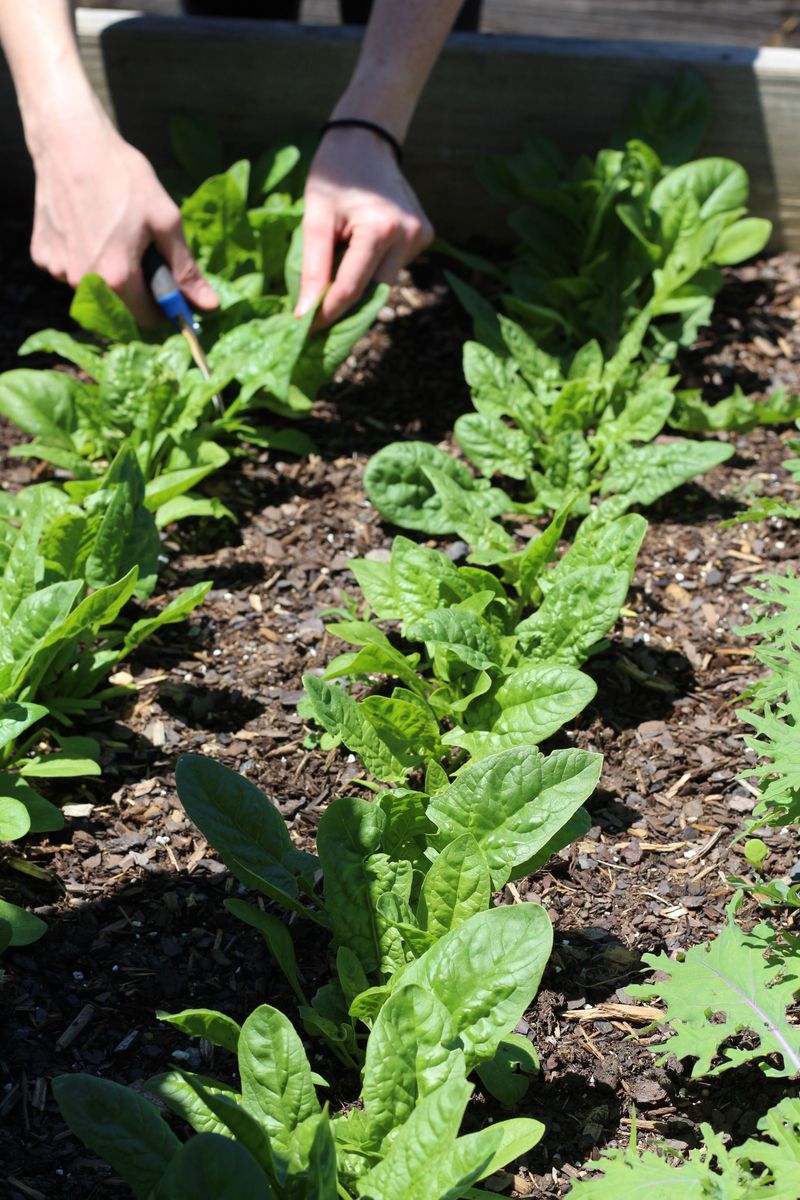
Nutrient-dense, cold-hardy, and ready fast. Spinach is a vertical garden essential. Packed with iron, vitamins, and antioxidants, it is one of the most useful crops you can grow in a vertical setup.
Growing your own means harvesting at peak freshness, which helps preserve the nutrients that begin to degrade once leaves are cut and transported.
Bloomsdale Long Standing and Tyee are two varieties that hold up well in containers and resist bolting better than many other types.
Both produce thick, crinkled leaves with rich flavour that many growers find far superior to store-bought bags harvested days earlier.
For anyone eating mostly plant-based meals, having fresh spinach steps away from the kitchen is a genuine lifestyle upgrade.
Like lettuce, spinach performs best in cool conditions and tends to bolt when temperatures climb above seventy degrees.
Planting in early April or again in late August captures the two ideal growing windows the New York climate offers. A north-facing or partially shaded wall can extend the warm-season harvest by several weeks.
Thin seedlings to about three inches apart once they sprout to give each plant enough room to develop full, healthy leaves.
Overcrowding leads to weak, spindly growth and increases the risk of fungal issues in humid summer conditions.
Good airflow between plants is a small detail that pays off in noticeably healthier harvests. Harvest outer leaves frequently to encourage the center of the plant to keep pushing out new growth.
A well-maintained spinach plant in a vertical planter can produce multiple rounds of leaves across a single season. Few crops deliver this much nutrition from this little space.
8. Kale
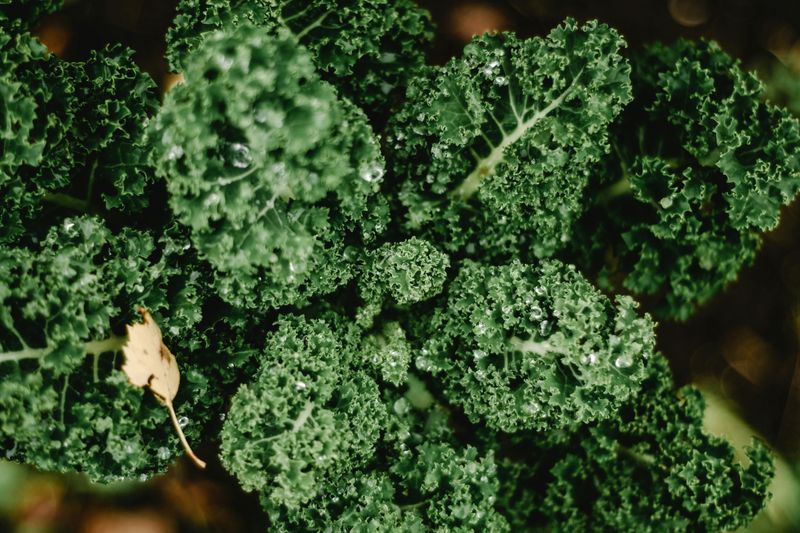
Tough, frost-kissed, and still producing when everything else has quit. Kale is the last crop standing.
It survives light frost, shrugs off cooler temperatures that send other crops into early retirement, and keeps producing well into November in many parts of New York.
For gardeners who want to stretch their season as far as possible, kale is the clear choice. Lacinato, also called Dinosaur kale, and Red Russian are two varieties with devoted followings among urban growers.
Lacinato has long, dark, bumpy leaves with an almost nutty flavor that gets sweeter after the first frost touches the garden.
Red Russian produces tender, frilled leaves with a milder taste that works beautifully raw in salads. Kale reaches two to three feet tall, so place it at the back of your setup to avoid shading shorter neighbors.
A sturdy container with at least twelve inches of depth gives roots enough room to anchor the plant through windy fall days.
New York rooftop gardens can get surprisingly blustery, so anchoring containers matters more than many gardeners realize.
Feed kale every two to three weeks with a nitrogen-rich organic fertilizer to fuel that vigorous leafy growth. Consistent moisture prevents tough, bitter leaves during dry stretches.
Mulch the soil surface to keep roots insulated as temperatures drop in September and October. Harvest outer leaves from the bottom upward, always leaving the central tip intact.
This keeps the plant producing deep into the cold season. Kale does not just survive the fall in New York. It thrives in it.