Native Michigan Plants That Help Reduce Tick Habitat While Attracting Pollinators All Summer
Michigan’s tick season has stretched longer and reached further into residential neighborhoods than it did even a decade ago, and most prevention conversations still focus entirely on sprays and clothing.
What happens in the garden itself gets far less attention, which is a missed opportunity.
Certain native Michigan plants change the ground-level conditions that ticks depend on for survival and movement, reducing moisture retention, opening up dense low cover, and introducing aromatic compounds that interfere with tick behavior.
The plants doing that work don’t look medicinal or utilitarian. Several of them are genuinely beautiful, bloom for extended stretches through summer, and pull in a steady parade of native bees and butterflies at the same time.
Building a garden that works against tick habitat while supporting pollinators isn’t a compromise between two goals. In Michigan, with the right plant choices, it turns out to be exactly the same goal.
1. Wild Bergamot
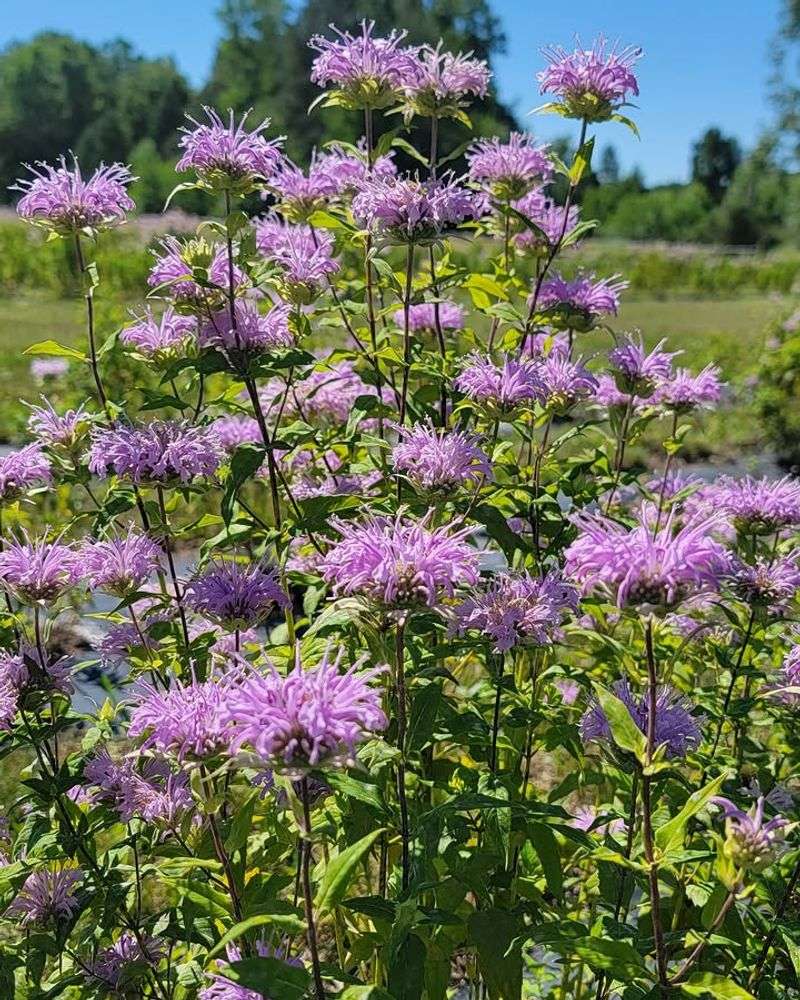
Few plants bring as much life to a Michigan garden as Wild Bergamot. Its soft lavender-pink flower clusters bloom from late June through August, drawing in bumblebees, honeybees, and butterflies like a magnet.
The fragrant foliage even gives off a mild oregano-like scent when brushed, making it a sensory treat along garden pathways.
Wild Bergamot thrives in full sun and handles a wide range of soil types, from sandy loam to clay, as long as drainage is decent. Plant it in open, sunny spots with at least six hours of direct sunlight daily.
Spacing plants about 18 to 24 inches apart encourages airflow between stems, which naturally keeps the area drier and less sheltered.
That open, breezy environment is exactly what ticks dislike. Ticks prefer cool, shaded, moist spots with dense leaf litter to hide in.
By filling sunny garden spaces with Wild Bergamot, you reduce those shadowy microhabitats without any extra effort. The plant spreads gradually through rhizomes, forming a tidy, weed-suppressing clump over time.
Established plants are impressively drought-tolerant once rooted, needing minimal supplemental watering after the first season. Cutting stems back by one-third in early June can encourage bushier growth and even more blooms.
Wild Bergamot pairs beautifully with Black-Eyed Susans and native grasses, creating a layered planting that looks stunning from midsummer all the way into fall. It truly earns its place in any pollinator garden.
2. Black-Eyed Susan
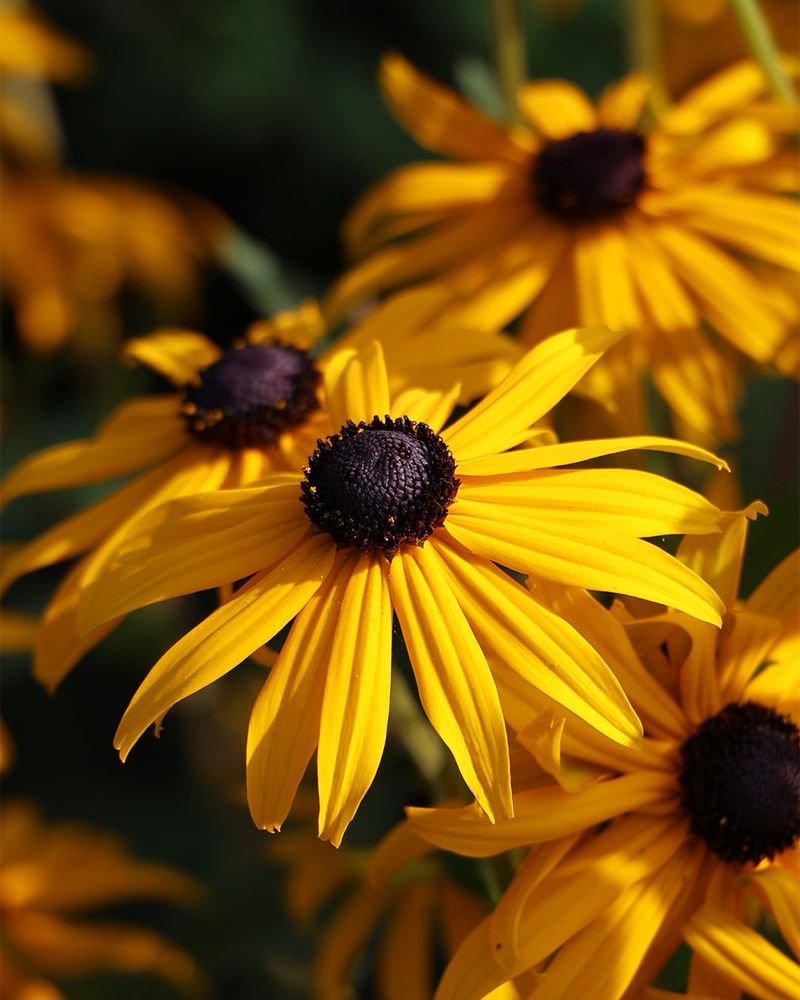
Bold, cheerful, and practically unstoppable, Black-Eyed Susan is one of Michigan’s most beloved native wildflowers for good reason.
Those bright golden-yellow petals surrounding a dark chocolate center bloom from July through September, giving pollinators a reliable food source right through the heart of summer.
Native bees, beetles, and butterflies all flock to these sunny blooms.
One of the plant’s biggest landscaping advantages is its dense, clumping growth habit. Black-Eyed Susan spreads steadily to fill open ground, crowding out weeds and leaving little bare soil exposed.
Bare, moist soil covered with fallen leaves is prime tick territory, so a thick planting of Rudbeckia fulgida naturally reduces those cozy hiding spots just by filling the space.
Your Michigan Garden Changes Every Week. Your Plan Should Too.
Gardening in Michigan changes quickly throughout the season. Every Friday you’ll receive a simple weekly plan showing exactly what to plant, prune, fertilize, harvest, and protect so you never miss the right timing.
This plant loves full sun but tolerates partial shade, making it versatile across Michigan yards. It adapts to average, well-drained soils and handles both dry spells and occasional wet periods without complaint.
Spacing plants 18 inches apart at planting allows them to fill in naturally within a season or two, creating a solid, weed-resistant ground layer.
Maintenance is refreshingly minimal. Deadheading spent blooms encourages longer flowering, though leaving some seed heads in place feeds goldfinches and other birds through fall and winter.
Black-Eyed Susan pairs wonderfully with native grasses and Wild Bergamot for a layered, naturalistic look.
3. Wild Columbine
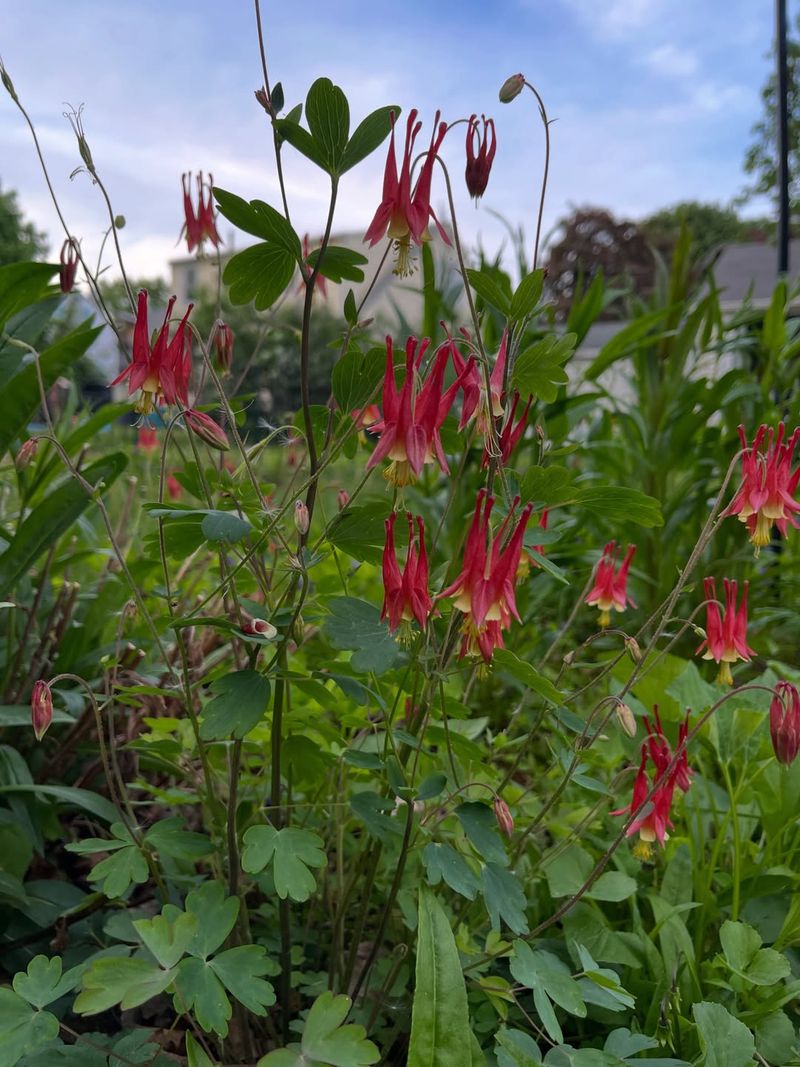
Wild Columbine has one of the most unique flower shapes in the entire native plant world.
Those nodding red and yellow blooms, dangling like tiny lanterns from slender stems, are practically irresistible to hummingbirds and long-tongued bees from late April through June.
Watching a ruby-throated hummingbird hover at a Columbine bloom is one of spring gardening’s genuine delights.
Unlike many sun-loving natives, Wild Columbine is perfectly comfortable in partial to full shade, which makes it an excellent choice for woodland edges and shaded corners of Michigan yards.
It grows well in rocky, thin soils with good drainage, mimicking the forest floor conditions where it naturally appears.
Raised beds and slopes work especially well for this plant since it dislikes sitting in soggy soil.
From a tick management perspective, Wild Columbine helps by keeping shaded ground areas planted and visually open rather than filled with dense, low leaf litter. Its delicate, airy foliage does not create the thick, matted ground cover that ticks seek out for shelter.
Planting it alongside ferns or native grasses creates a layered understory that looks beautiful while staying relatively inhospitable to tick activity.
Wild Columbine self-seeds reliably, meaning a small initial planting gradually naturalizes into a charming colony over several years. Avoid heavy mulching right around the base, as the plant needs some exposed soil to reseed successfully.
It reaches about one to three feet tall, adding graceful vertical interest to shaded spots that other plants often struggle to fill.
4. New England Aster
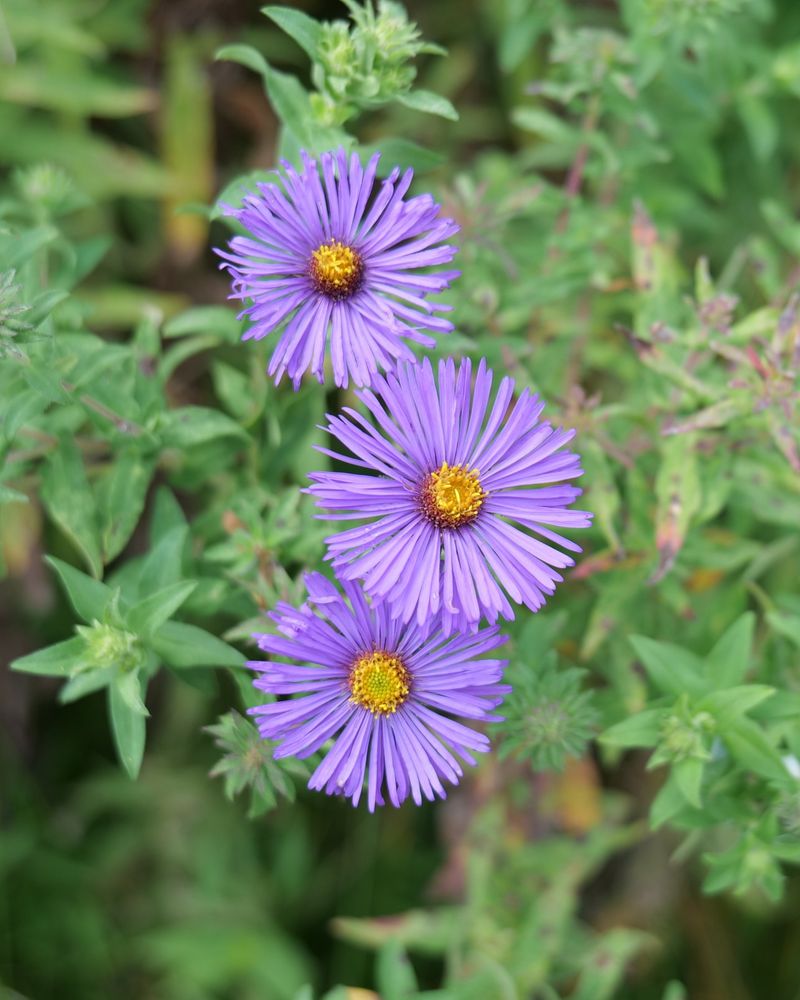
When most garden flowers start winding down in August, New England Aster is just getting started.
Its vivid purple, pink, or magenta blooms with bright yellow centers burst open from late August through October, providing one of the most critical late-season nectar sources for migrating monarchs, native bees, and late-flying butterflies.
It is genuinely one of fall’s most spectacular native perennials.
New England Aster grows vigorously in full sun to light shade and tolerates a wide range of soils, including heavier clay soils that many other natives struggle with. It reaches three to six feet tall at maturity, creating a substantial presence in the garden.
Cutting the stems back by half in late June encourages a more compact, bushy form and even more prolific flowering come fall.
Dense clumps of New England Aster cover ground that might otherwise remain bare or weedy through summer, reducing the kind of shaded, moist microhabitats where ticks like to shelter.
The plant spreads steadily by both self-seeding and slowly expanding clumps, filling space efficiently over time.
Dividing established clumps every few years keeps plants healthy and vigorous.
Companion planting with Spotted Joe-Pye Weed, native grasses, and goldenrods creates a stunning late-summer and fall display that pollinators absolutely love.
New England Aster also supports specialist native bees that rely specifically on aster pollen to raise their young.
Adding even one or two of these plants to a Michigan yard makes a genuinely meaningful difference for local pollinator populations heading into winter.
5. Northern Bush Honeysuckle
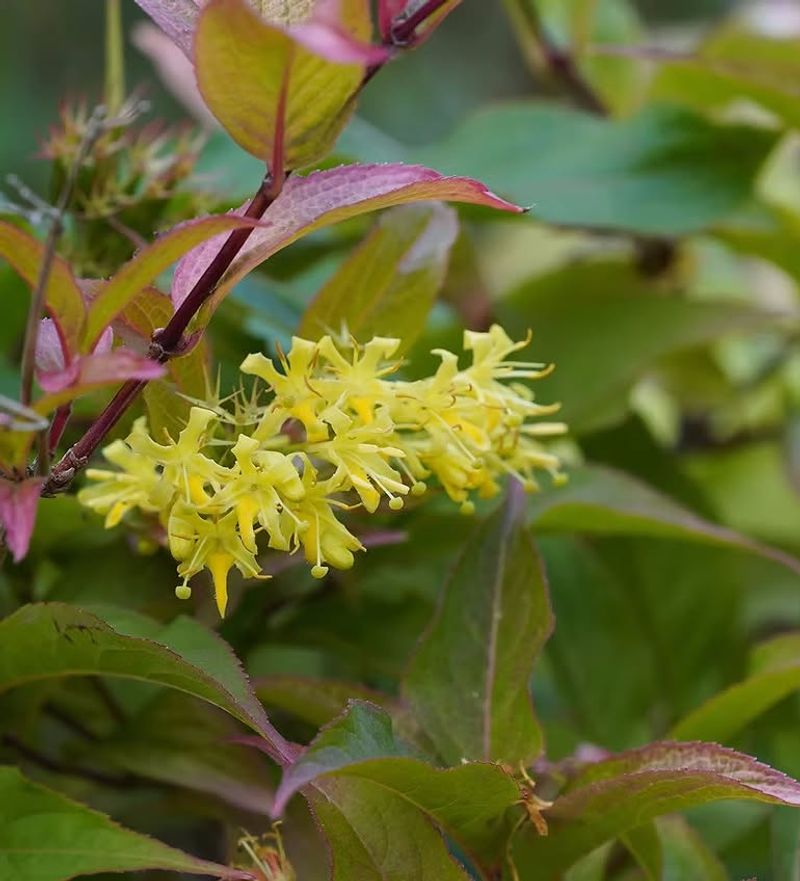
Northern Bush Honeysuckle is the native shrub that gardeners often overlook, and that is a real shame because it is genuinely one of the hardest-working plants in the landscape.
Small clusters of tubular yellow flowers bloom from June through August, attracting native bees and bumblebees with impressive consistency.
The foliage also turns a beautiful bronzy-red in fall, extending the plant’s ornamental value well beyond summer.
This compact shrub typically grows two to four feet tall and wide, making it ideal for borders, slopes, and low hedgerows. It tolerates full sun to full shade with equal ease, thriving even in dry, rocky, or poor soils where many other plants give up entirely.
That adaptability makes it a practical choice for difficult spots along driveways, fence lines, or wooded edges in yards.
From a tick habitat standpoint, Northern Bush Honeysuckle’s dense, layered structure is an asset rather than a liability. Unlike invasive honeysuckle species, this native shrub does not create the kind of deep, impenetrable thicket that ticks love.
Its moderate density combined with good airflow at ground level keeps the area relatively open and dry, conditions that actively discourage tick activity in surrounding areas.
One important note for Michigan gardeners: do not confuse this plant with invasive non-native honeysuckles like Lonicera tatarica or Lonicera japonica. Diervilla lonicera is the true native option and supports local wildlife without spreading aggressively.
It spreads slowly by suckering to form manageable colonies, making it easy to keep in bounds with minimal pruning each spring.
6. Spotted Joe-Pye Weed
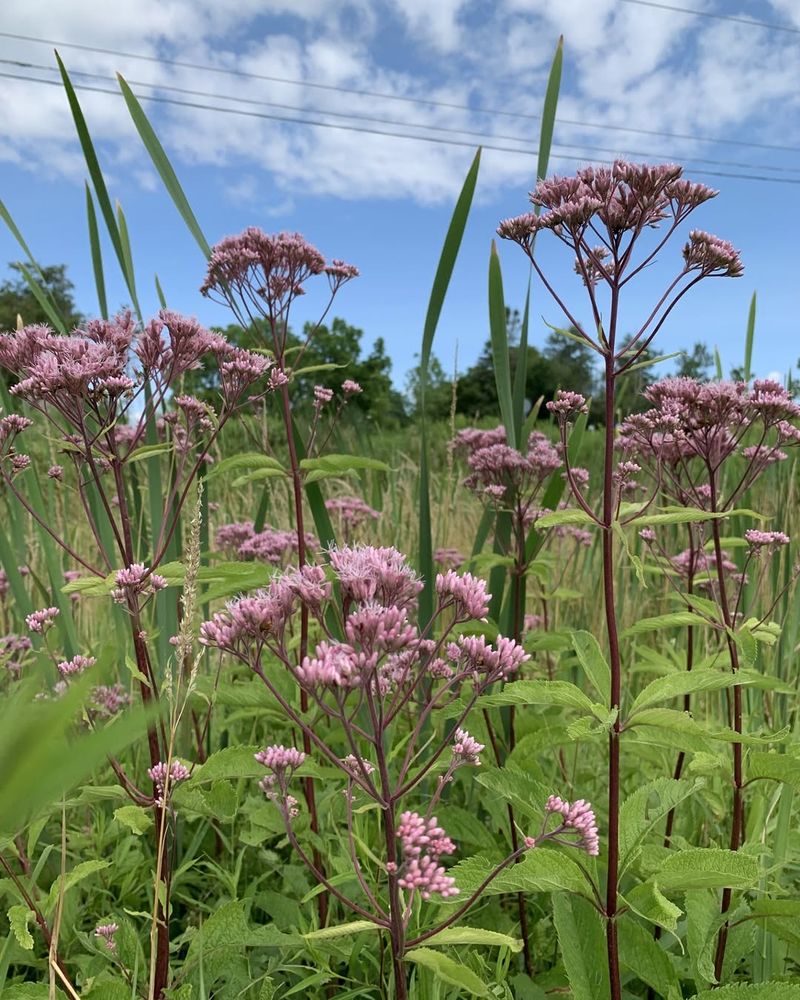
Standing up to seven feet tall with massive, domed clusters of dusty pink-purple flowers, Spotted Joe-Pye Weed makes a statement that few other native perennials can match.
Blooming from July through September, it draws in an extraordinary diversity of pollinators, including monarch butterflies, tiger swallowtails, fritillaries, and numerous native bee species.
Watching a fully bloomed Joe-Pye plant covered in butterflies on a sunny August afternoon is genuinely unforgettable.
This plant naturally thrives in moist to wet soils, making it perfect for rain gardens, pond edges, low-lying areas, and any spot in a yard that stays consistently damp.
It tolerates full sun to partial shade and handles the heavy clay soils common across much of Michigan without issue.
Planting it along fence lines or garden borders creates a tall, lush backdrop that also serves a practical purpose.
Along wet garden edges, Spotted Joe-Pye Weed fills vertical space that might otherwise remain as shaded, soggy ground, which is exactly the type of microclimate ticks gravitate toward.
Its tall, upright stems keep the canopy elevated and allow good airflow at ground level, reducing the cool, humid conditions ticks prefer.
Pairing it with New England Aster and native sedges creates a naturalistic wet-edge planting that is both beautiful and functional.
Despite its impressive size, Joe-Pye Weed is remarkably low maintenance once established. It rarely needs staking if planted in a sunny spot, and cutting stems back in early spring keeps the clump tidy.
This plant is a true powerhouse for our late-summer pollinator community.
7. Beebalm
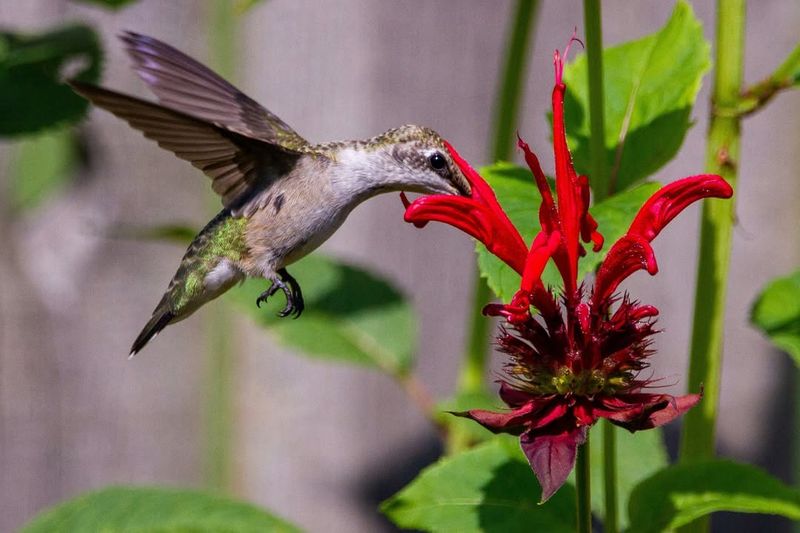
Beebalm earns its name honestly. The vivid scarlet-red flower heads of Monarda didyma are practically a hummingbird magnet from July through August, and bumblebees, native bees, and sphinx moths are never far behind.
It is one of the showiest native perennials available to Michigan gardeners, and its bold color makes it a real focal point in any summer planting bed.
Growing two to four feet tall in clumping mounds, Beebalm prefers moist, rich soil and performs best with at least four to six hours of direct sunlight daily.
It tolerates partial shade but tends to get leggy and more susceptible to powdery mildew in low-light conditions.
Choosing mildew-resistant cultivars like ‘Jacob Cline’ or ‘Raspberry Wine’ makes a noticeable difference in plant health through humid summers. Proper spacing is important both for plant health and for tick management.
Planting Beebalm 18 to 24 inches apart allows air to circulate freely through the clump, keeping foliage drier and reducing the cool, moist ground conditions that ticks favor.
Thinning the center of older clumps every few years also improves airflow and keeps the planting vigorous and productive.
Beebalm spreads through underground rhizomes and can expand fairly quickly in ideal conditions, so dividing clumps every two to three years keeps growth manageable and plants blooming at their best.
The aromatic foliage also has a long history of use in herbal teas by Indigenous communities across eastern North America, adding a fun layer of cultural history to this already impressive native plant.
8. Butterfly Weed
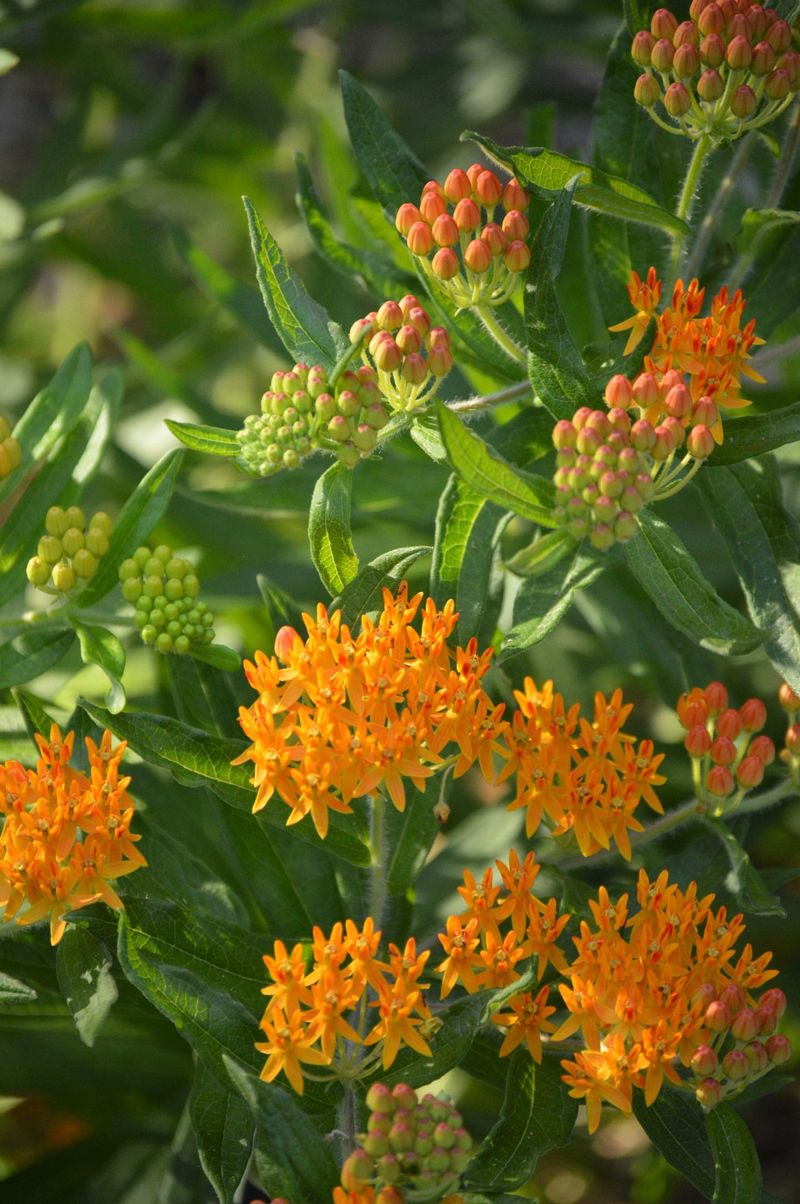
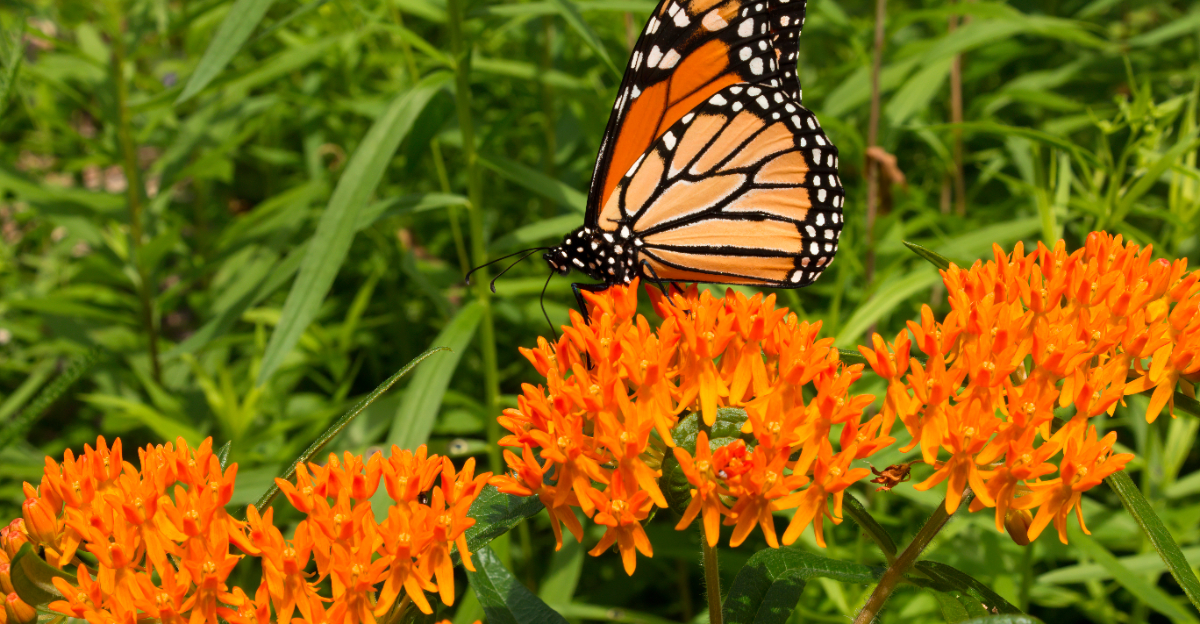
Bright, fiery orange and absolutely loved by monarchs, Butterfly Weed is one of the most visually striking native plants you can grow in Michigan.
Unlike most milkweeds, it stays compact and upright, reaching about one to two feet tall, and its clusters of vivid orange flowers light up the garden from June through August.
Monarch butterflies use it both as a nectar source and as a host plant for laying eggs, making it genuinely vital for their survival.
Butterfly Weed has a very specific soil preference that actually works in a gardener’s favor from a tick management perspective. It thrives in dry, sandy, well-drained soils and actively dislikes moisture-retentive or clay-heavy ground.
Planting it in sunny, open spots with lean, fast-draining soil creates conditions that are essentially the opposite of what ticks need to thrive.
That preference for dry, open ground makes Butterfly Weed a natural fit for rock gardens, sunny slopes, parking strip plantings, and any hot, exposed area of a Michigan yard that other plants find challenging.
Full sun is non-negotiable for this plant; shaded spots produce weak, floppy growth and fewer blooms.
Once established, it is extraordinarily drought-tolerant and virtually maintenance-free.
One thing to keep in mind: Butterfly Weed develops a deep taproot, so it resents being moved once settled. Choose its permanent spot carefully before planting.
It also emerges late in spring, so marking its location prevents accidental disturbance. Pair it with native grasses and Wild Bergamot for a sun-drenched, pollinator-rich planting that practically takes care of itself all season long.